Memory Support Supplements With Folic Acid
(0 Results)
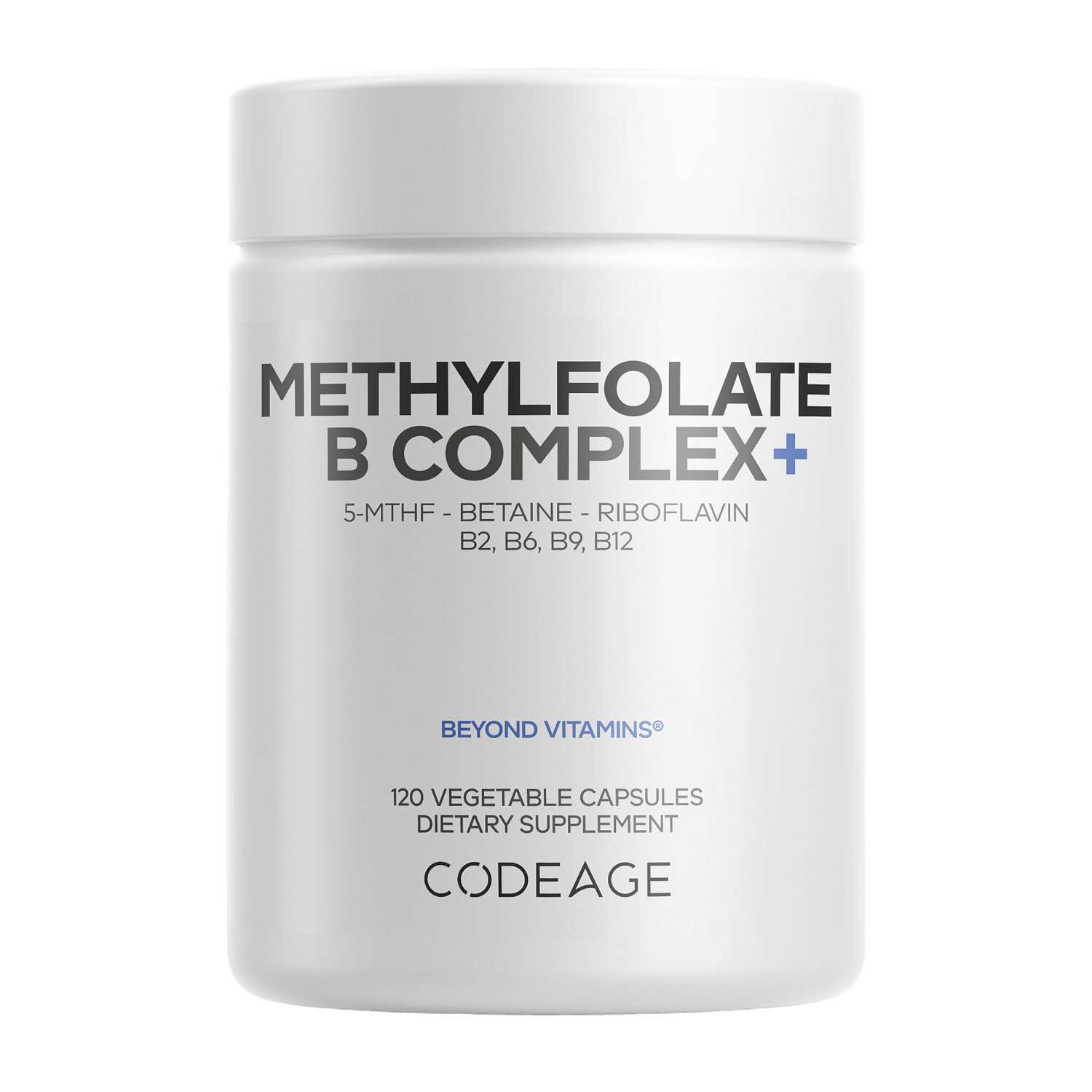
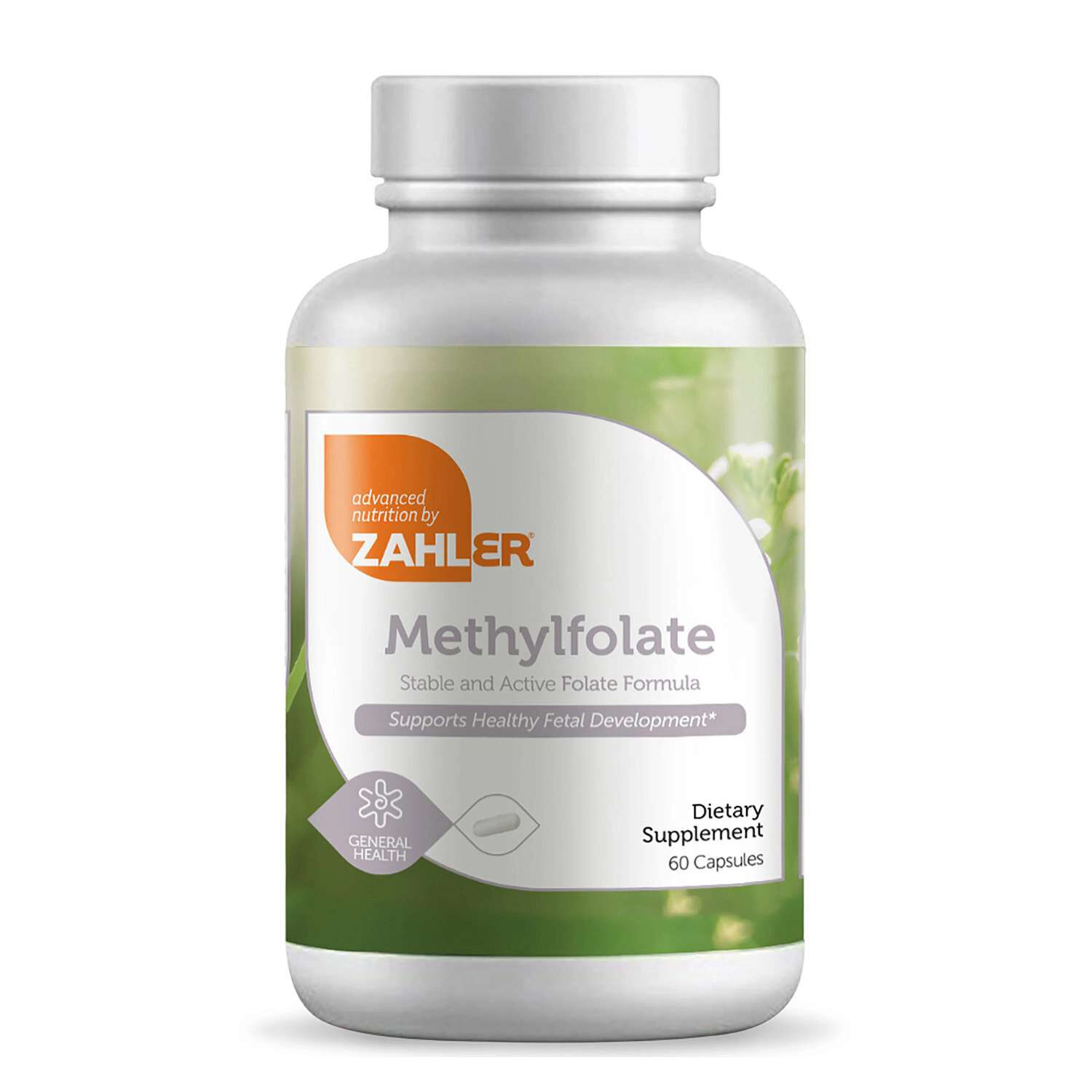
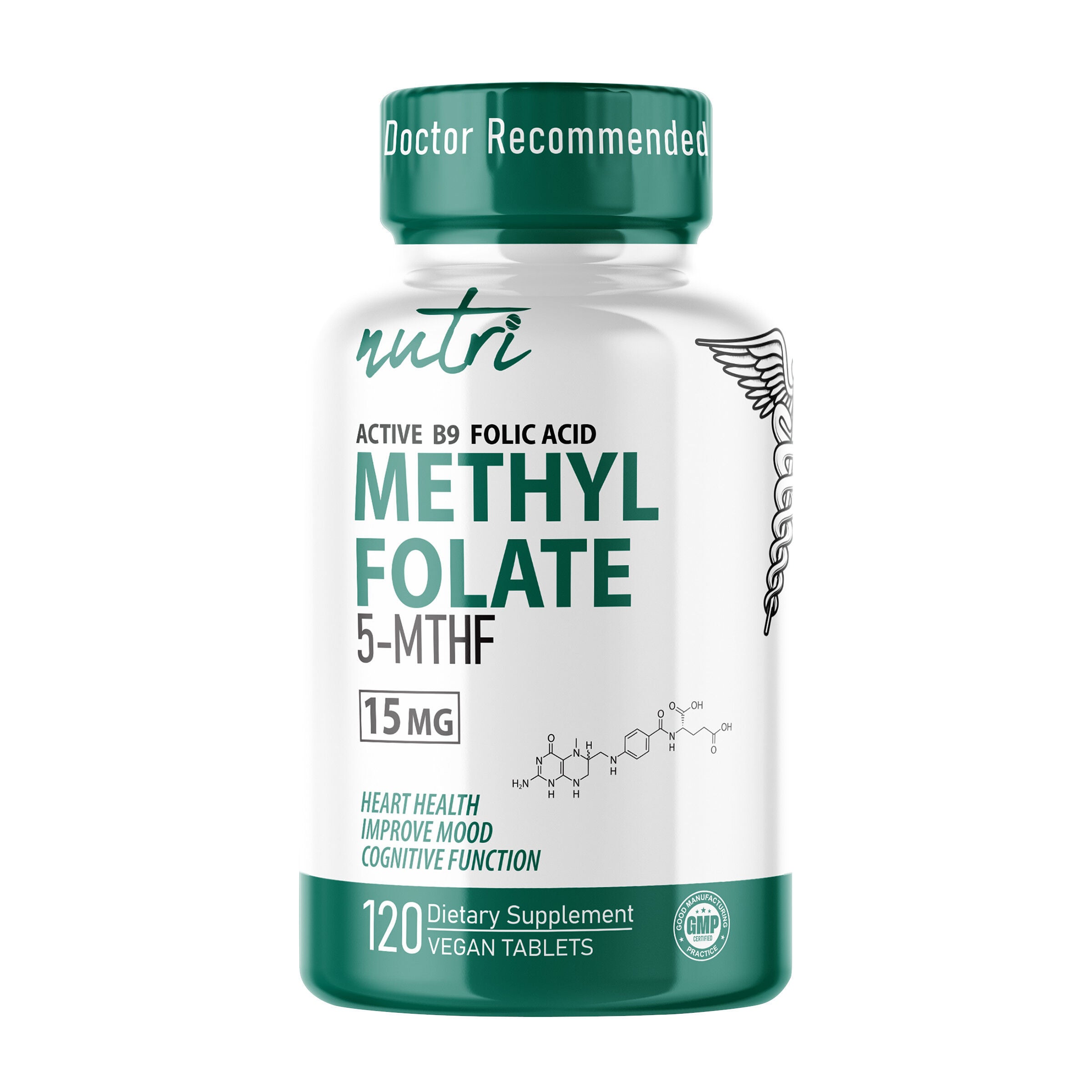
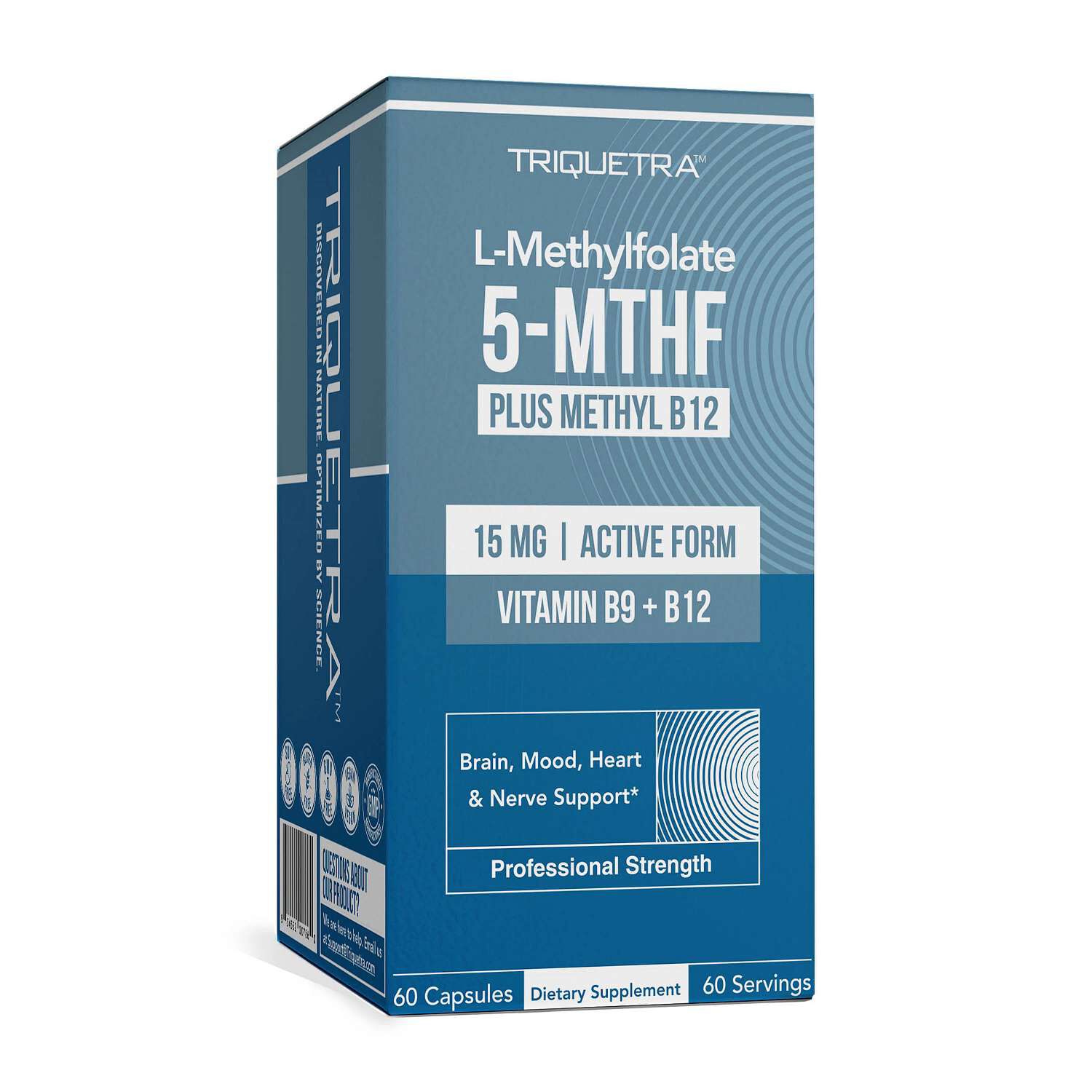
Memory support supplements with folic acid may be a helpful addition to your daily wellness routine. These supplements are designed for those looking to support their cognitive health and overall well-being. Explore a variety of options that feature folic acid, an important nutrient often included in formulas focused on memory support. Discover selections that fit your lifestyle and nutritional preferences as you browse memory support supplements with folic acid.
-

-

-
-
-
-
-
-
-
 Nature's Fusions$14.99
-

-
-
-
-

-

-

-

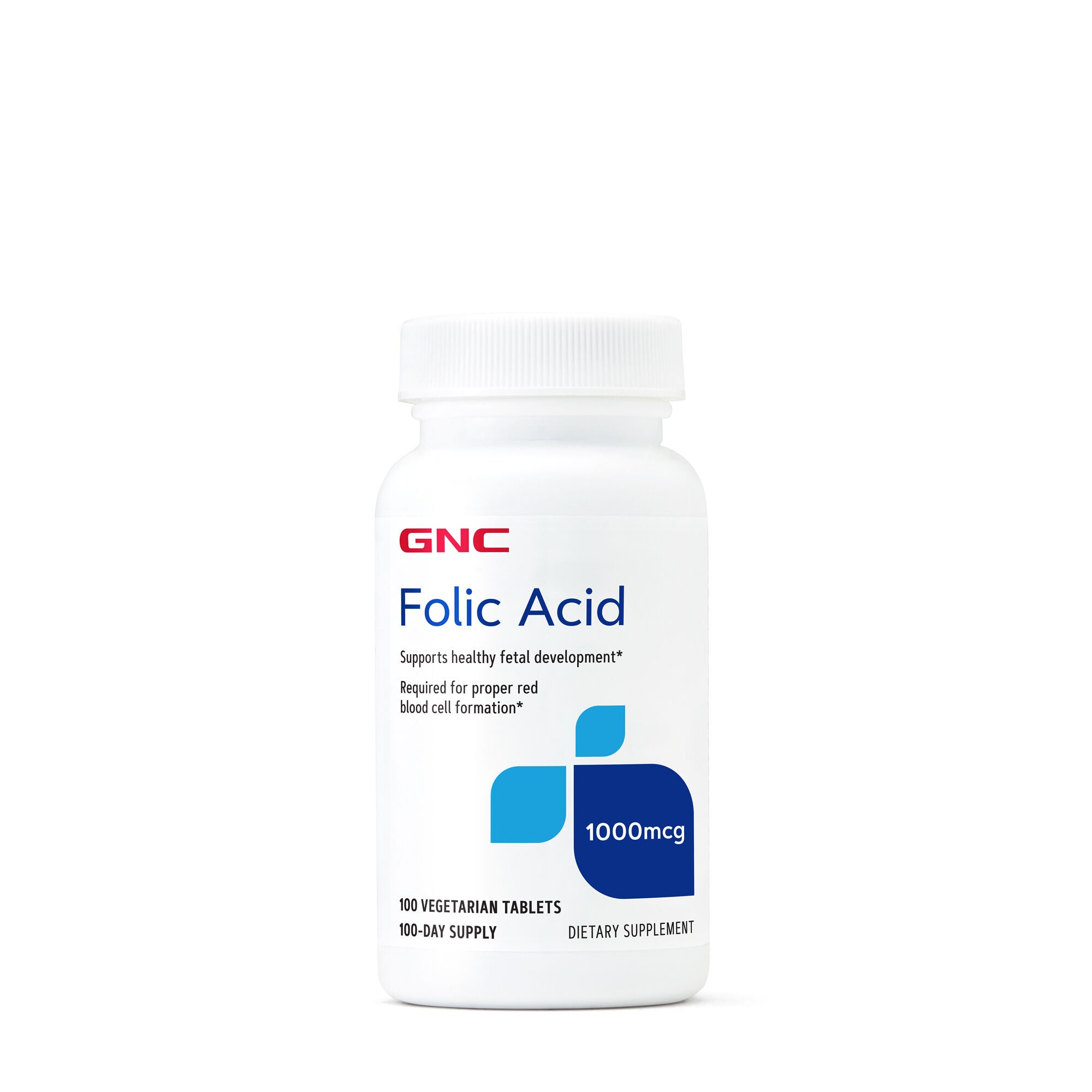

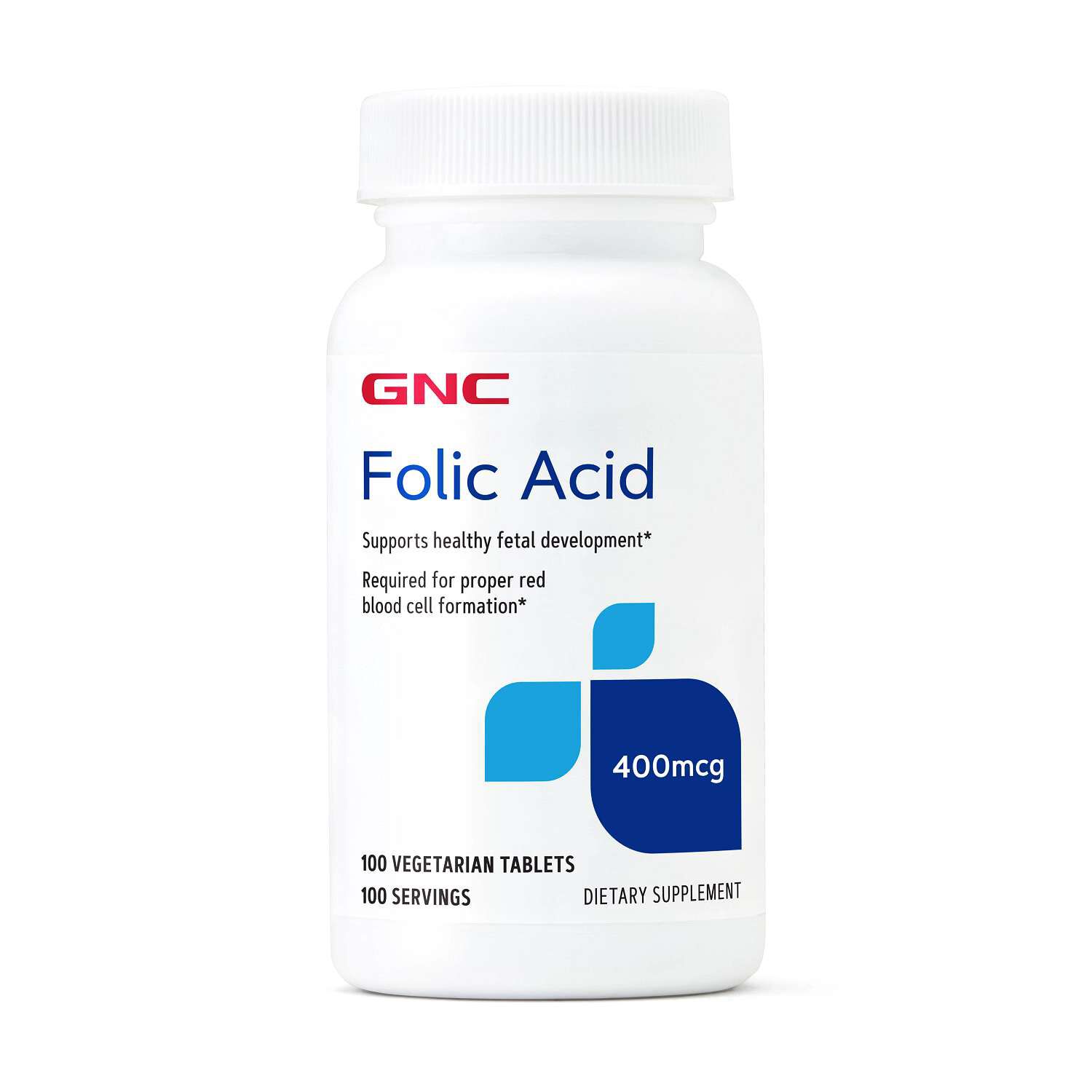
Memory support supplements with folic acid are nutritional products intended for adults interested in cognitive wellness. Folic acid is a form of vitamin B9 used in supplements and fortified foods; folate is the broader name for this vitamin and includes forms found naturally in foods such as beans, leafy greens, and citrus fruit. That distinction matters when comparing labels, because products described as containing folate do not always contain folic acid specifically. Research on folic acid and memory has produced mixed findings. Results observed in people with low folate status may not apply to adults who already have adequate folate intake, and the presence of vitamin B9 in a formula is not, by itself, evidence that someone will notice better recall. A supplement may complement dietary intake, but its effects on memory could vary, and additional folic acid should not be assumed to offer greater benefit. For someone browsing this category, the most useful starting point is understanding what the formula contains rather than relying on the wording on the front of the bottle. A memory-focused label describes the product’s intended use, not an individual outcome. Some formulas combine folic acid with other B vitamins, while others include a wider range of vitamins, minerals, or botanical ingredients. Each combination has its own ingredient profile, serving size, and directions. A formula studied as a particular combination is also different from folic acid considered on its own, so findings about one should not automatically be applied to the other. The distinction between an ingredient, a finished formula, and a research finding helps keep comparisons grounded. These products are best understood as one part of a broader nutrition picture, not as a measure of someone’s memory or a substitute for varied meals. Adults with similar schedules or wellness interests can still have different dietary patterns, making personal context more useful than a broad “memory support” description alone.
The Supplement Facts panel offers a closer look at those differences. On U.S. labels, folate is expressed in micrograms of dietary folate equivalents, commonly abbreviated as mcg DFE, and the amount of folic acid may appear in parentheses. These figures use related but different labeling conventions, so a direct comparison depends on reading the entire nutrient entry rather than matching the largest number. The serving size is just as important: an amount listed per serving may refer to more than one tablet, capsule, or chewable. The number of pieces in a bottle and the number of servings therefore describe different things. The percent Daily Value supplies another point of reference, but it is a labeling benchmark rather than a personalized nutrient target or a measure of likely memory benefits. Ingredient lists also distinguish folic acid from other forms of folate, including methylfolate, which should not be treated as interchangeable wording when a shopper is looking for folic acid specifically. Beyond vitamin B9, a formula may list nutrients such as vitamin B6 or vitamin B12, along with other ingredients. Their inclusion does not establish that the combination will produce a noticeable cognitive effect. Comparing the amounts and identities of individual ingredients is more informative than counting how many appear on the label. Someone who already uses a multivitamin may find folic acid listed there as well, making overlapping ingredients relevant to the comparison. Fortified breakfast cereals and other foods can contribute folic acid, too. The rest of the label provides practical details that are easy to overlook when attention stays on the featured nutrient. Capsule materials, flavorings, sweeteners, color ingredients, and allergen statements can matter to dietary preferences and the everyday experience of using a product. A plant-derived capsule shell and a gelatin shell, for example, differ in composition even when the featured vitamin is the same. These details describe how a product fits a routine; they do not establish that one format will have a stronger effect on memory.
Format, packaging, and intended use bring another layer to the decision. A small capsule, a coated tablet, and a flavored chewable offer different textures and handling experiences, even before their ingredient panels are compared. For an adult who prefers a straightforward routine, the number of units per serving may matter more than an elaborate ingredient list. For someone who dislikes strongly flavored supplements, an unflavored format may be a better match for personal preference. Chewable formats call for attention to their sweeteners and serving size, while tablets and capsules invite a closer look at dimensions and coating. None of these physical features alone establishes effectiveness, but they can influence how practical a product feels in everyday use. Think of the difference between a bottle kept beside a breakfast place setting and one packed into a bag for a day away from home: the label directions, closure, and original packaging still matter in either setting. Storage instructions and the printed expiration date provide the appropriate reference for handling, and a secure lid helps protect the contents during ordinary use. Keeping the original label with the product also preserves access to the ingredient list, serving information, and handling directions. Adults balancing meetings, coursework, household responsibilities, or recreational activities may approach this category with different expectations. A busy calendar, however, does not by itself establish a need for folic acid or predict whether a supplement might make a noticeable difference. For a related perspective on products organized around an active routine, explore Memory Support Supplements For Active Adults. Across either category, the most meaningful comparisons remain concrete: the form of folate, the amount per labeled serving, the accompanying ingredients, and the format’s fit with personal preferences. Those details offer a clearer basis for browsing than sweeping claims about sharper thinking. Memory support supplements with folic acid may have a place in an individual nutrition routine, but realistic expectations begin with recognizing both what the label explains and what it cannot predict.