





Glutamine Supplements For Protein Absorption
(0 Results)
Glowing with potential, glutamine supplements for protein absorption could be a beneficial addition to your wellness routine. Sought after by fitness enthusiasts and athletes alike, these supplements might support your body's nutritional goals when combined with a balanced diet and regular exercise. Explore options that may help you take your performance and recovery to the next level with glutamine supplements for protein absorption.
-
-
 Basic Supplements$24.99
 -

-

-
 Prolab$39.99
 -

-

-
 MRI Performance$49.99
 -
-
-
-

-
-
-
-

-

-
-

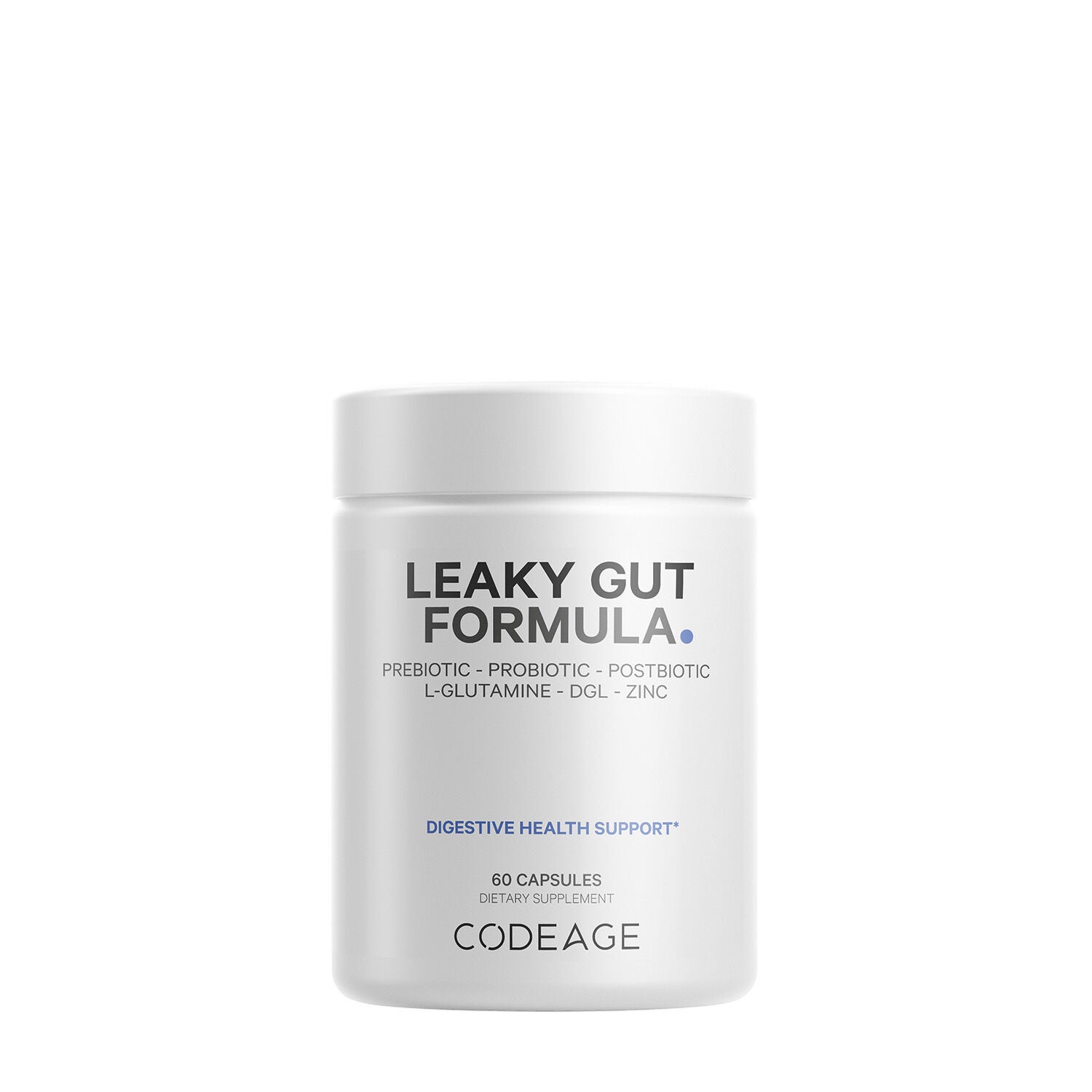

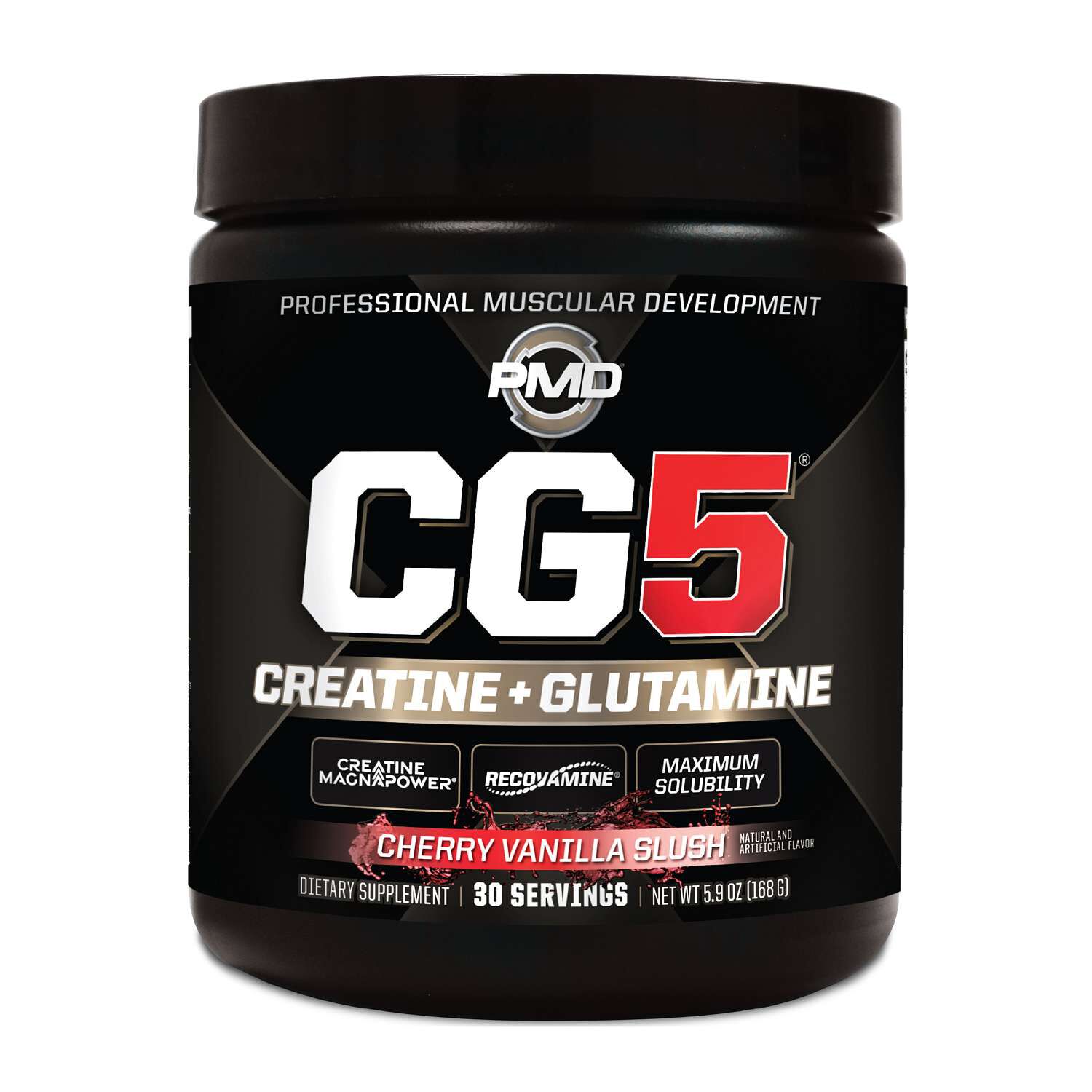


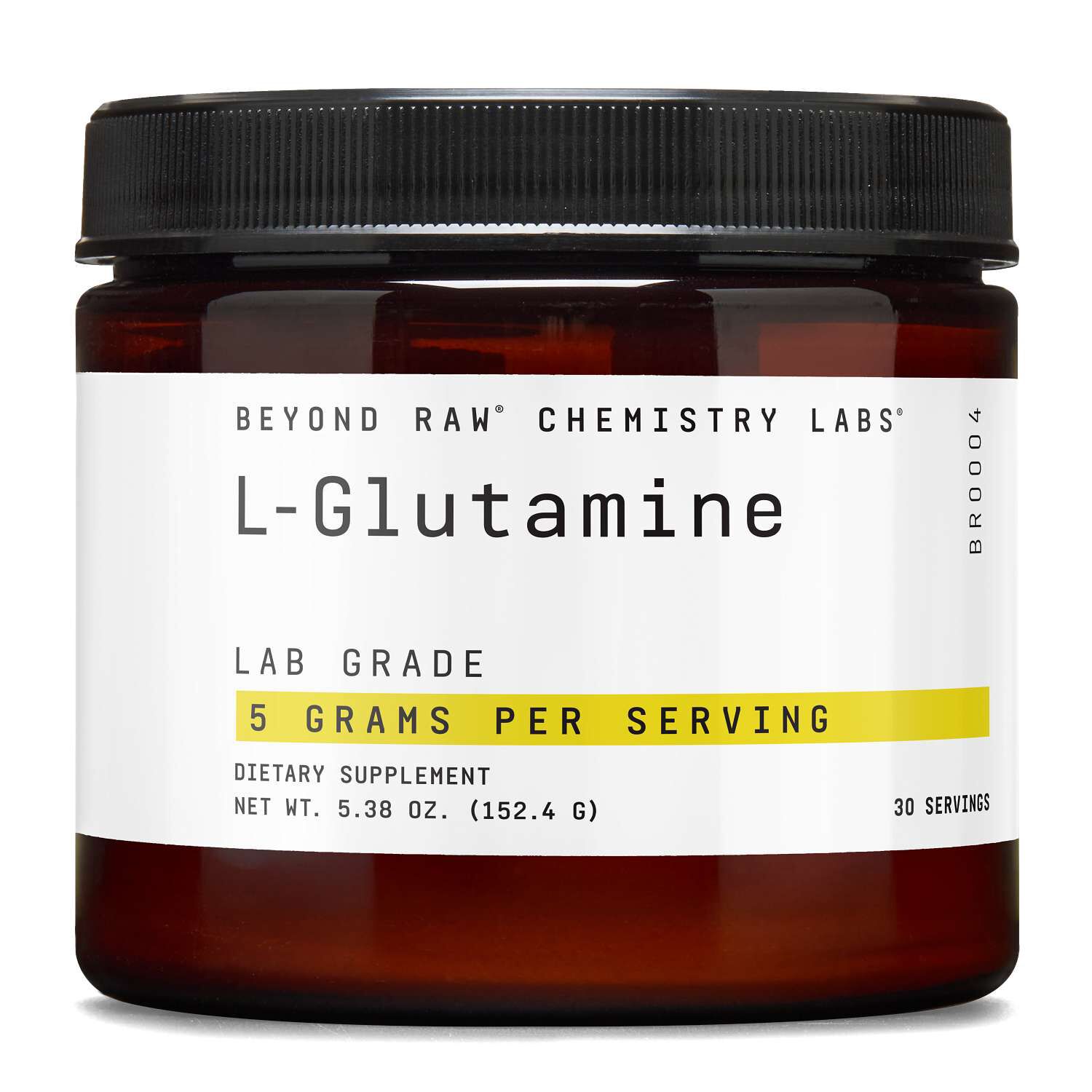
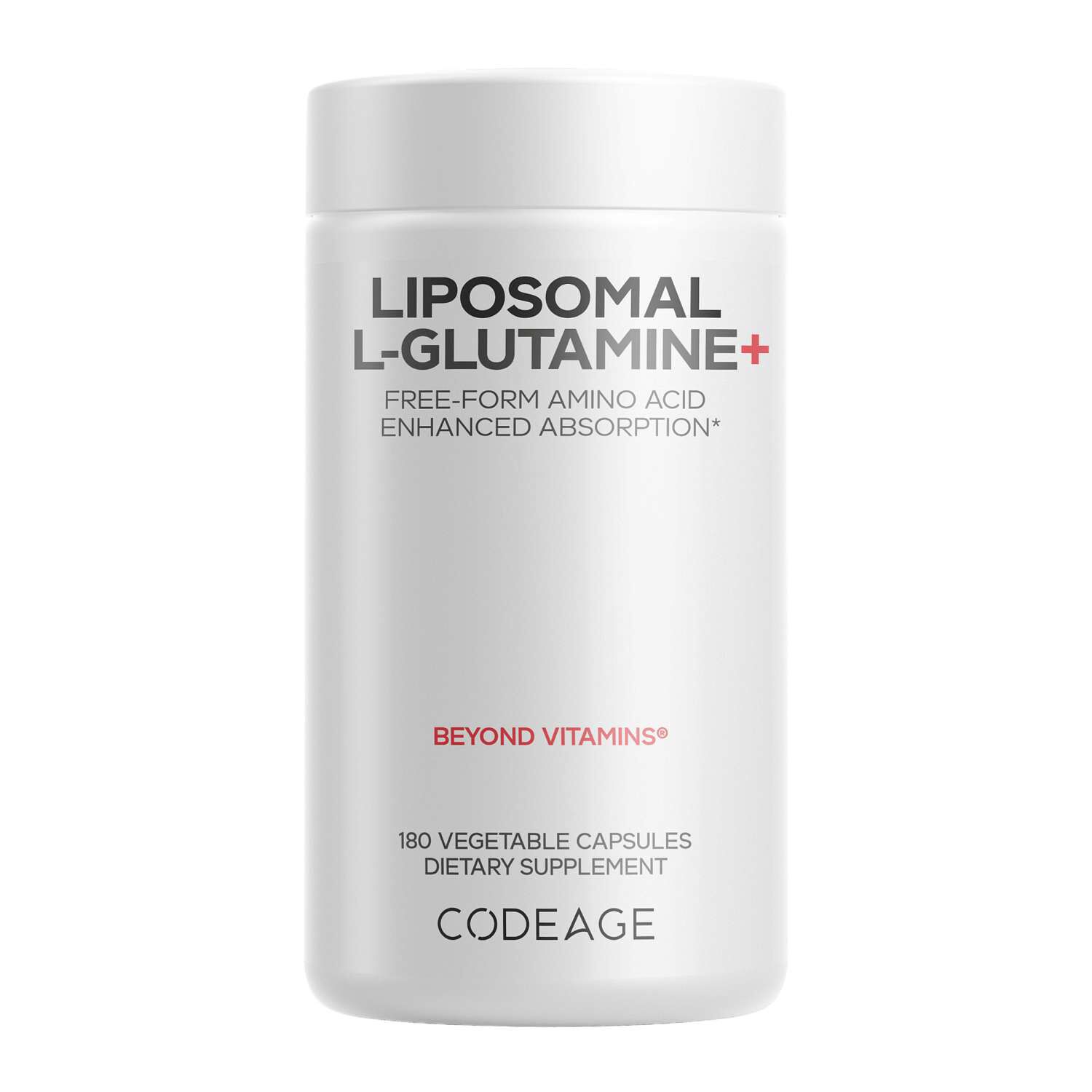
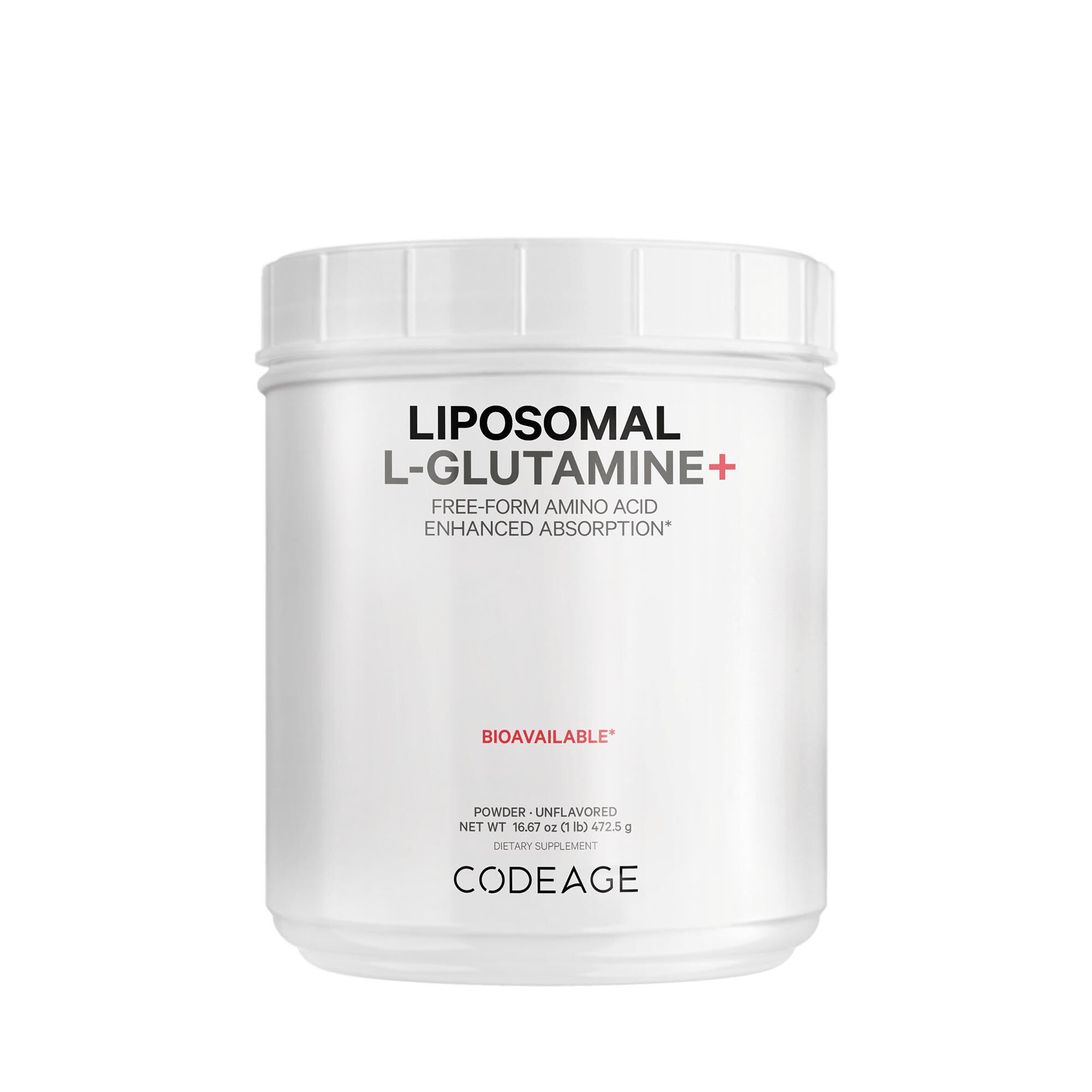
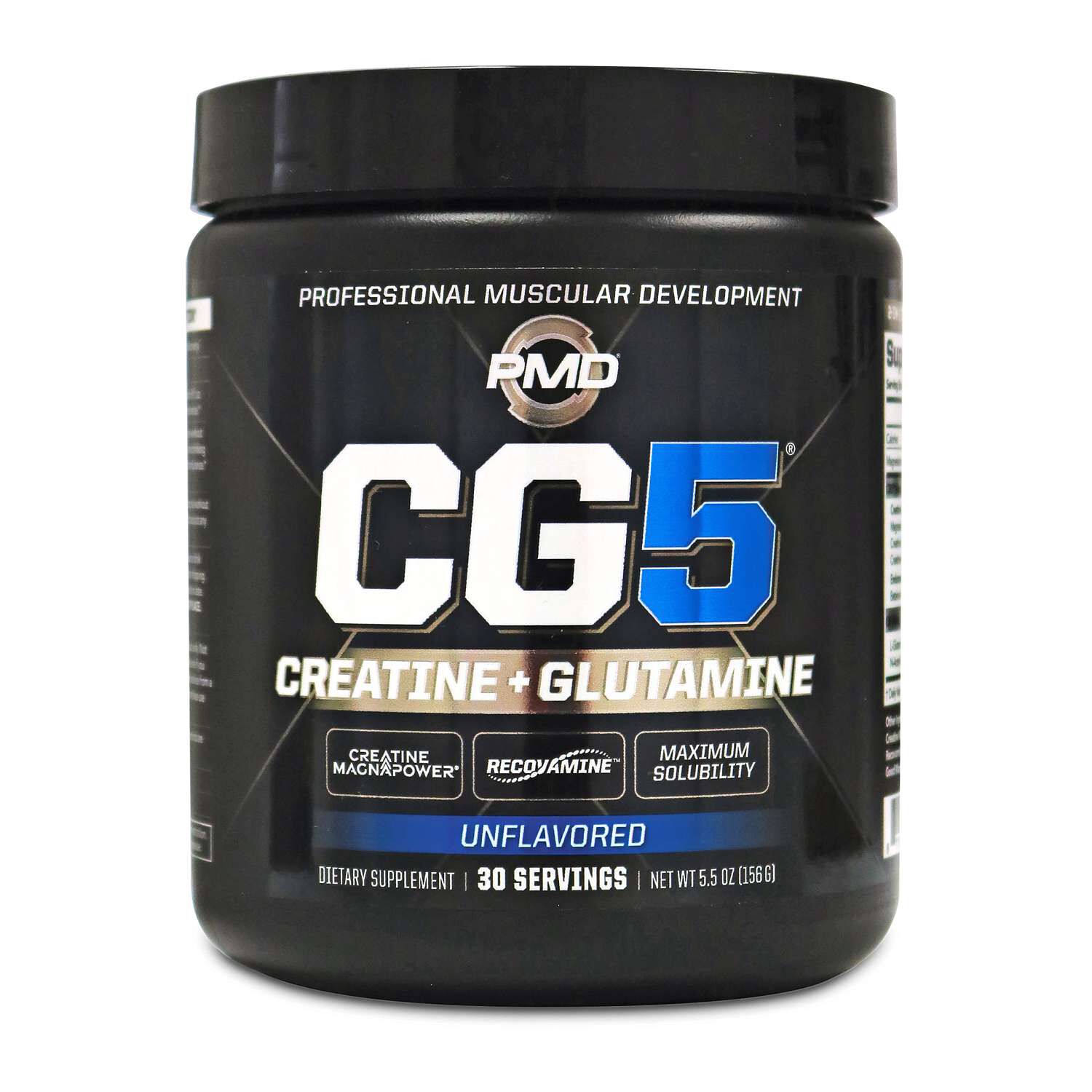
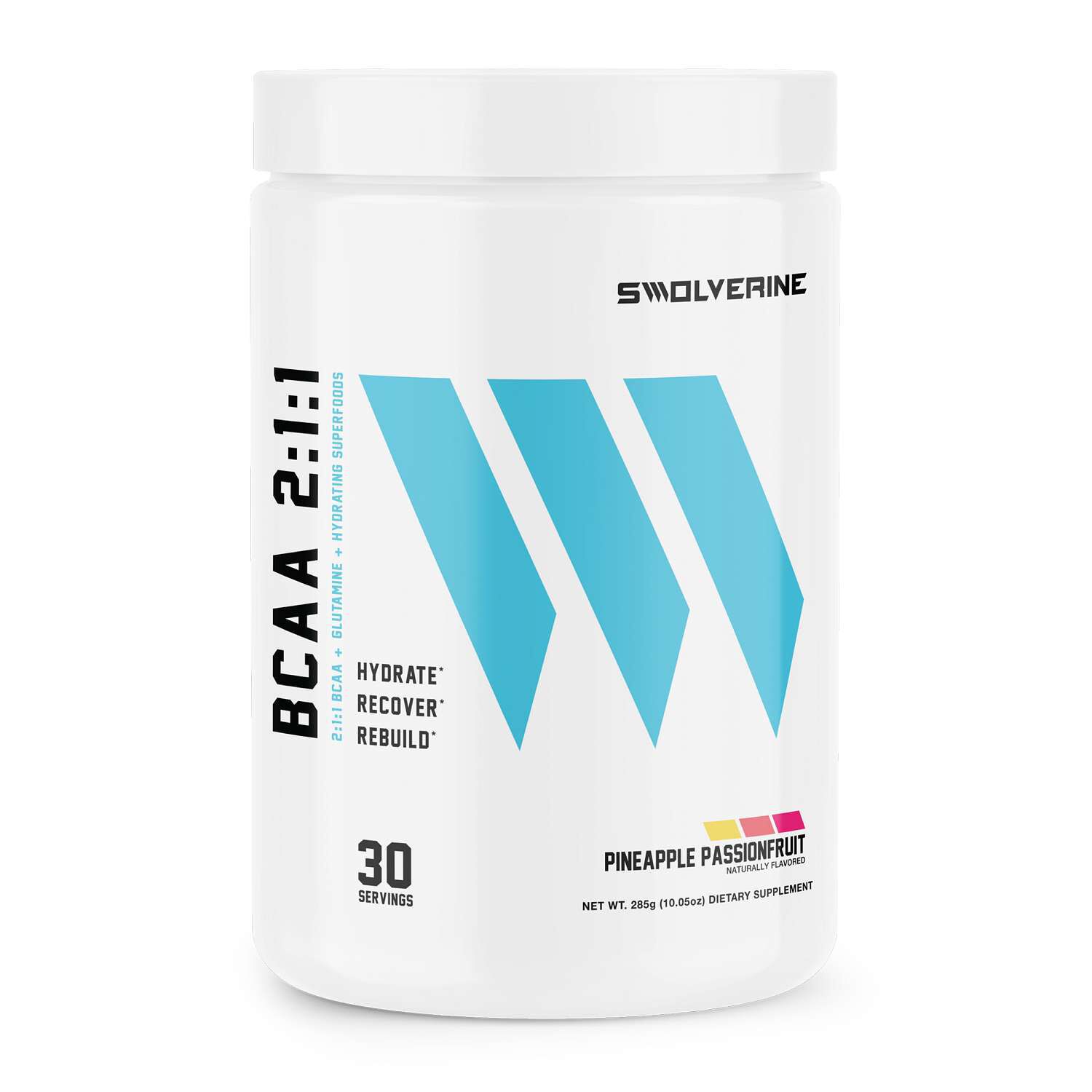
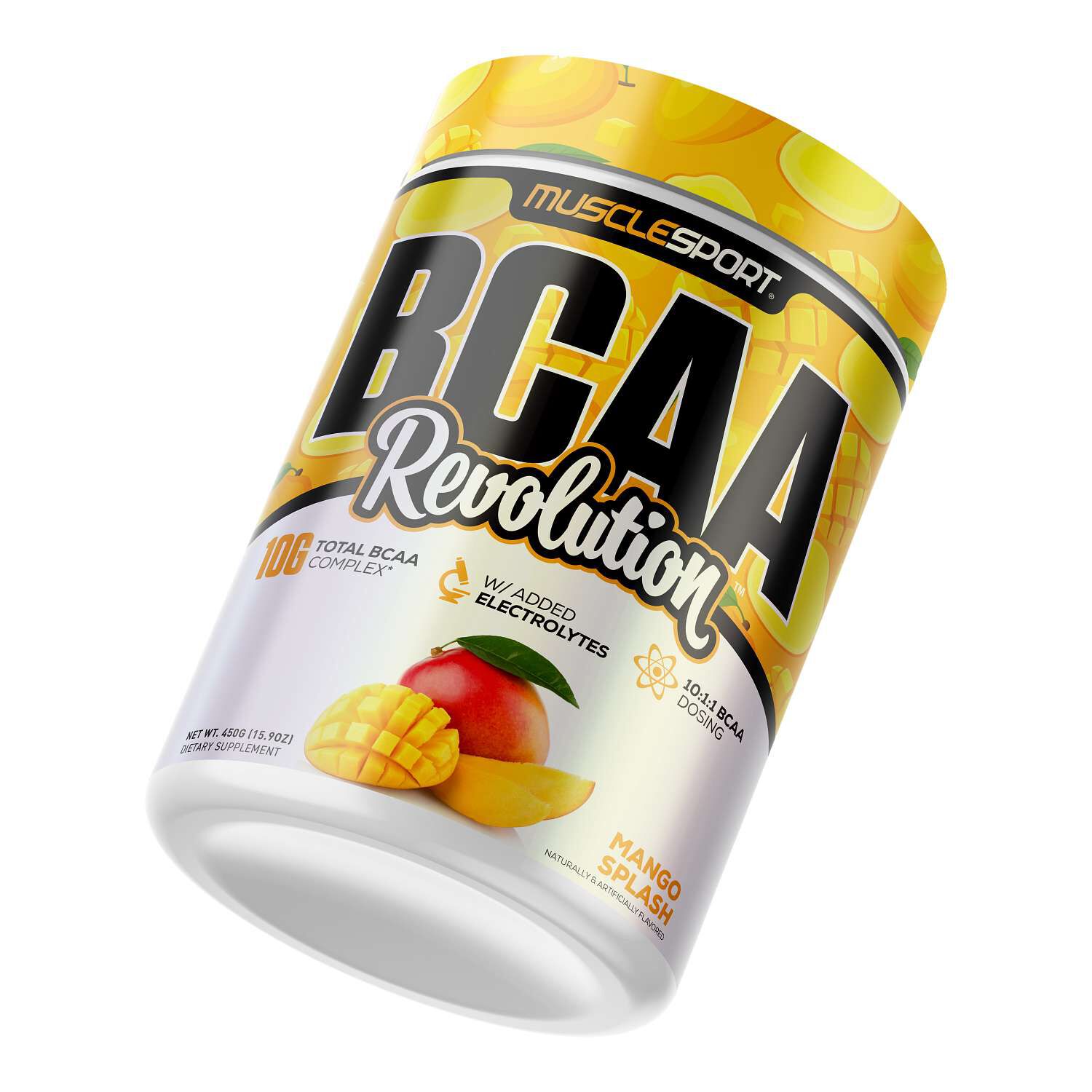
Glutamine supplements are often placed alongside protein products because glutamine is an amino acid found in protein-rich foods and in many protein powders. For shoppers browsing glutamine supplements for protein absorption, it helps to separate two related but distinct topics: glutamine availability and the digestion of dietary protein. The body breaks protein from foods and drinks into amino acids and small peptides, which are then taken up through dedicated transport systems in the digestive tract. Adding a glutamine supplement does not directly accelerate that process or guarantee that a meal or shake will deliver more protein to the body. Instead, glutamine may support normal intestinal cell function and the everyday work of the digestive tract. Protein foods such as dairy, eggs, meat, fish, beans and soy naturally contain glutamine within their broader amino acid profile, and many people who eat a varied diet with adequate protein may already receive substantial amounts through food. Separate glutamine products may appeal to active adults, strength-training enthusiasts, runners, recreational athletes or anyone building a consistent nutrition routine around exercise. They may also suit shoppers who prefer a single-amino-acid supplement in capsule or powder form, particularly when they want to keep protein intake and other workout products organized separately. Since individual nutrition needs vary, product directions and guidance from a qualified healthcare professional or registered dietitian could help determine whether a glutamine supplement fits a personal routine.
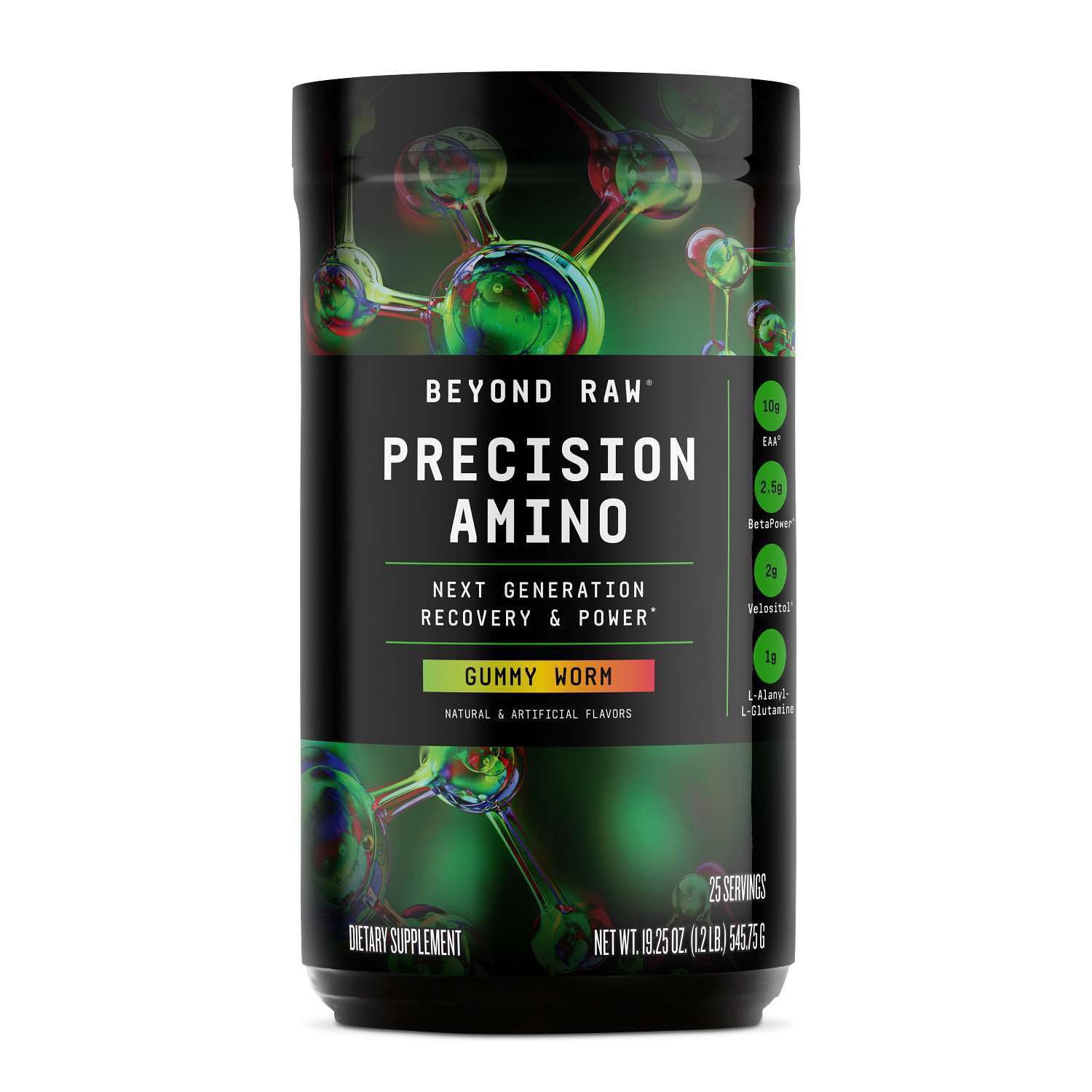
Choosing among glutamine supplements starts with the format. Powders may work well for shoppers who already prepare a shaker bottle or smoothie, while capsules may be convenient for travel, office drawers, gym bags and busy mornings when mixing a drink feels like one more task. A shopper comparing labels could look at the amount of glutamine per serving, the serving size, the ingredient list, flavoring, sweeteners, capsule count and suggested use. Some products may contain only glutamine, while others may include additional amino acids or workout-focused ingredients, so reading the label can make it easier to match a product with an existing routine and avoid unnecessary overlap. Timing is another practical consideration. There is no established basis for expecting glutamine taken with a heavy protein drink to directly improve protein uptake, and some shoppers may prefer to follow the label’s directions separately from a large protein serving for ease and comfort. A powder can be stirred into water or another beverage according to the package instructions; capsules may be taken with water as directed. These products are supplements rather than substitutes for meals, hydration or a varied eating pattern. For someone new to amino acid supplements, starting with careful label reading and keeping the routine simple could make it easier to notice how the format fits into daily habits without turning nutrition into a complicated schedule. Shoppers managing a health condition, taking prescription products or following a specialized eating plan may wish to speak with a qualified healthcare professional before adding a new supplement.
Glutamine supplements may also make thoughtful gifts for athletes, gym partners, college students with active schedules or friends who enjoy preparing shakes and planning meals around training. A capsule format could suit someone who values convenience, while a powder may be a better match for a person who enjoys blending fruit, yogurt or other ingredients into a post-workout drink. During warmer weather, a shaker bottle and a scoopable powder can fit naturally into outdoor workouts, long walks and travel days; during the cooler months, capsules may appeal to shoppers who prefer a compact routine indoors or on the way to the gym. Because taste preferences, dietary patterns and supplement habits differ, a gift card or a product selected with the recipient’s usual format in mind may be more practical than choosing based only on the word “glutamine.” Athletes seeking a capsule format can browse L Glutamine Capsules for Athletes while comparing serving information and directions. Above all, glutamine should be viewed as one optional part of a broader nutrition plan rather than a shortcut for protein digestion. A balanced approach may include protein from foods or protein powders, regular meals, sufficient fluids, sleep and a training plan suited to the individual. These habits may support a steady, familiar foundation, while a glutamine supplement could provide a convenient way to include a specific amino acid in a routine when that choice aligns with personal preferences and professional guidance.
Best Sellers

Related Pages


Top Collections
- Daily Collagen Supplements | Top Brands & Deals | GNC
- Natural Collagen Supplements | Top Brands & Deals | GNC
- Top Rated Collagen | Shop Customer Favorites | GNC
- Cortisol Supplements
- Vitamins For Hair Loss
- Spirulina Tablets
- NAD+ Supplement Tablets
- Peptide Supplements
- Best Brand of Magnesium Glycinate
- Vitamins That Help Support Weight Gain