

Gluten Free
(0 Results)
Looking for gluten-free options to support your health and wellness journey? Discover a wide range of supplements, vitamins, and protein products that are specially formulated to meet your dietary needs. Whether you have celiac disease, gluten sensitivity, or simply choose to follow a gluten-free lifestyle, our selection of high-quality products has you covered. From multivitamins to sports nutrition supplements, find everything you need to maintain a balanced and healthy diet without compromising on your dietary restrictions. Shop our gluten-free collection today and take a step towards a healthier you.
-
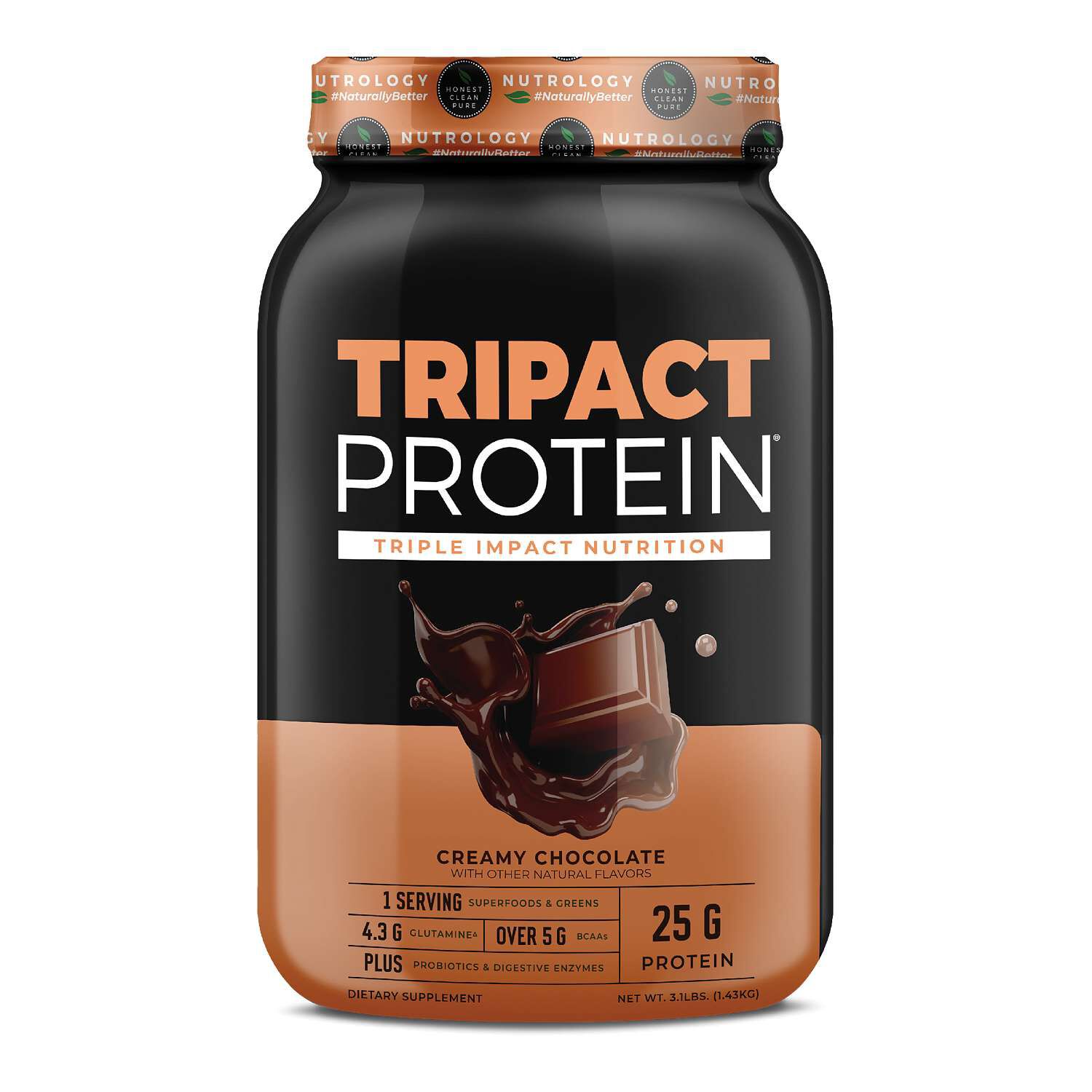
-
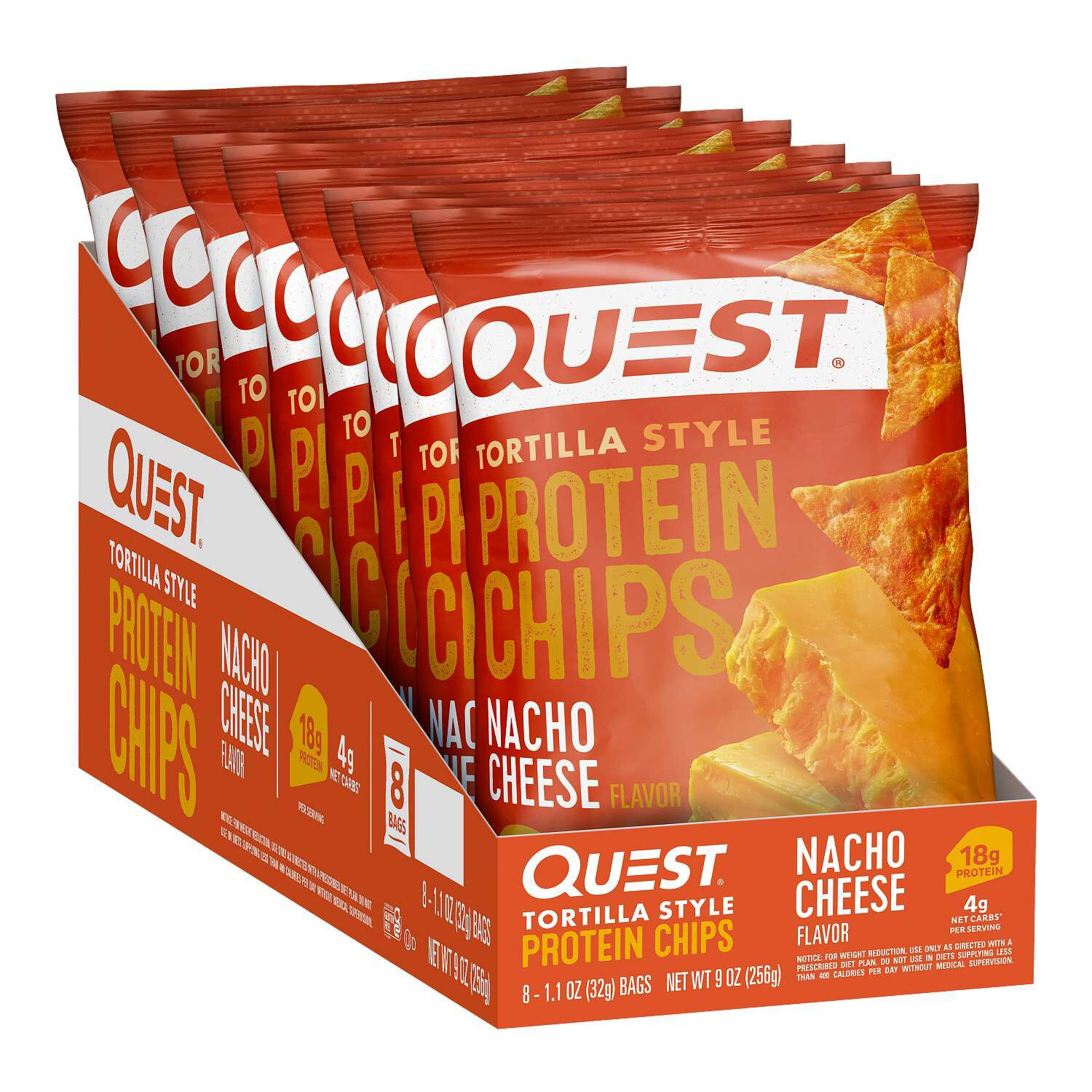
-
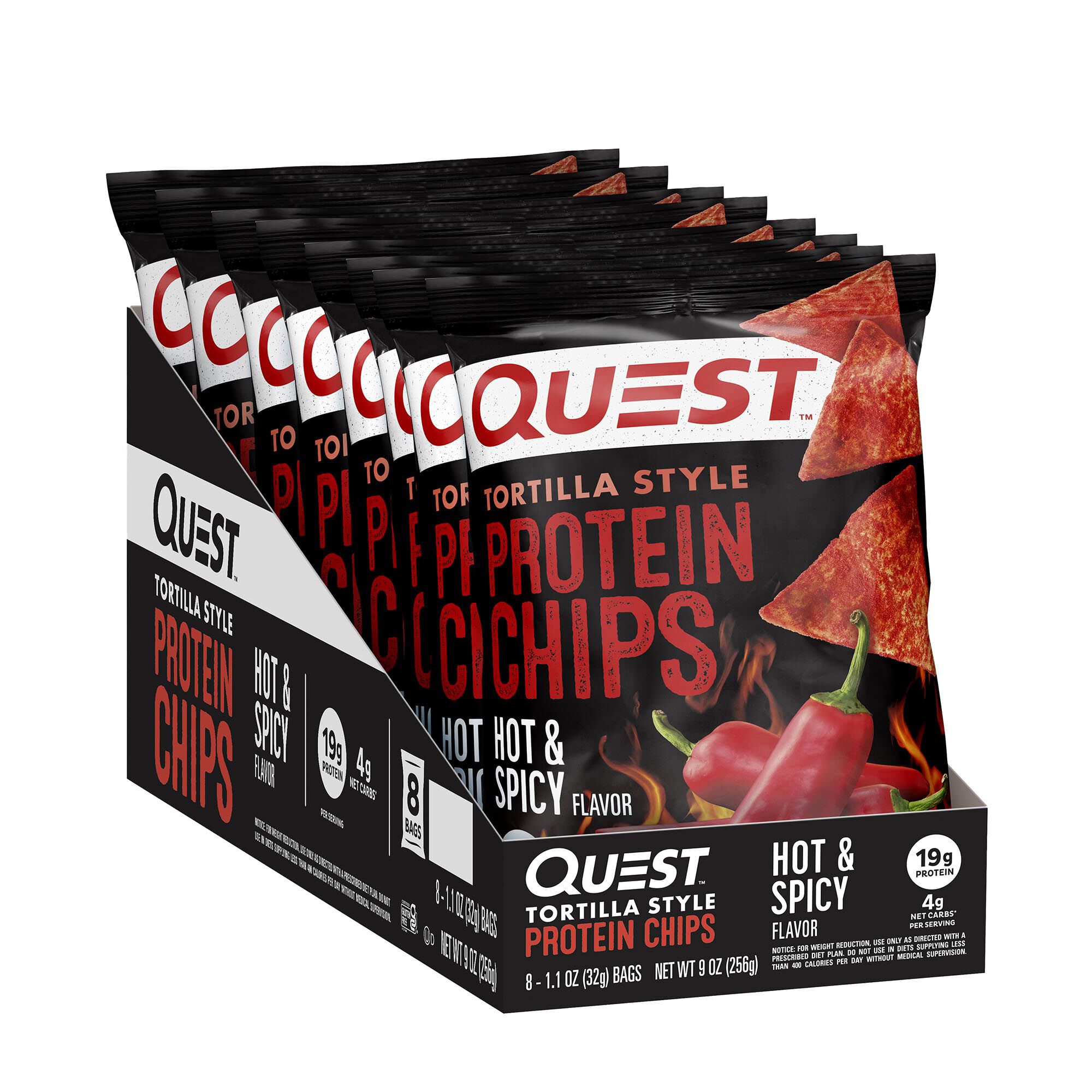
-
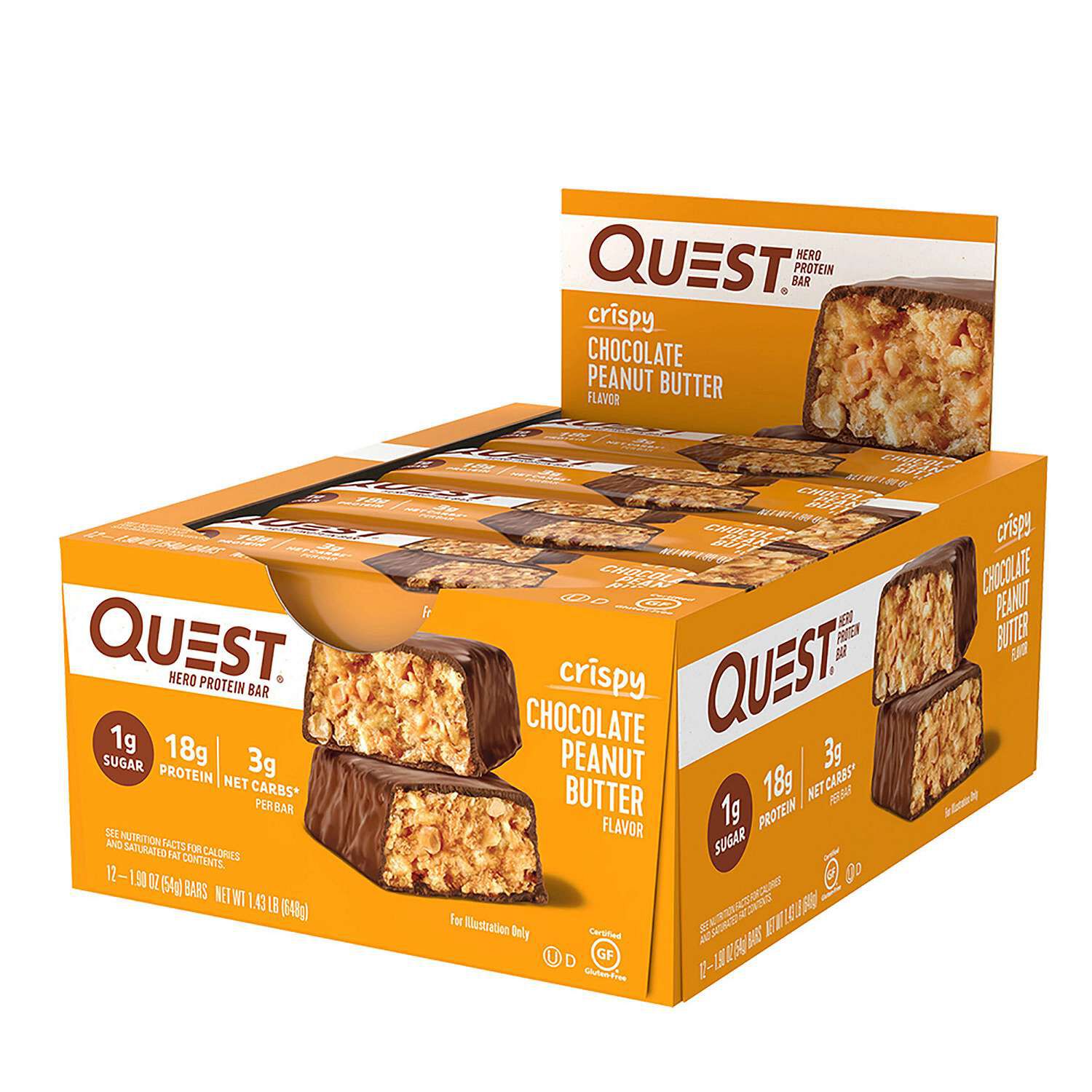
-
-
-

-
-

-
-
_Front.jpg?sw=305&sh=305&sm=fit "BioDophilus60 - 30 Capsules (30 Servings) | GNC")
-
-

-

-

-
-

-
 $24.99
 -

-

-
-

-
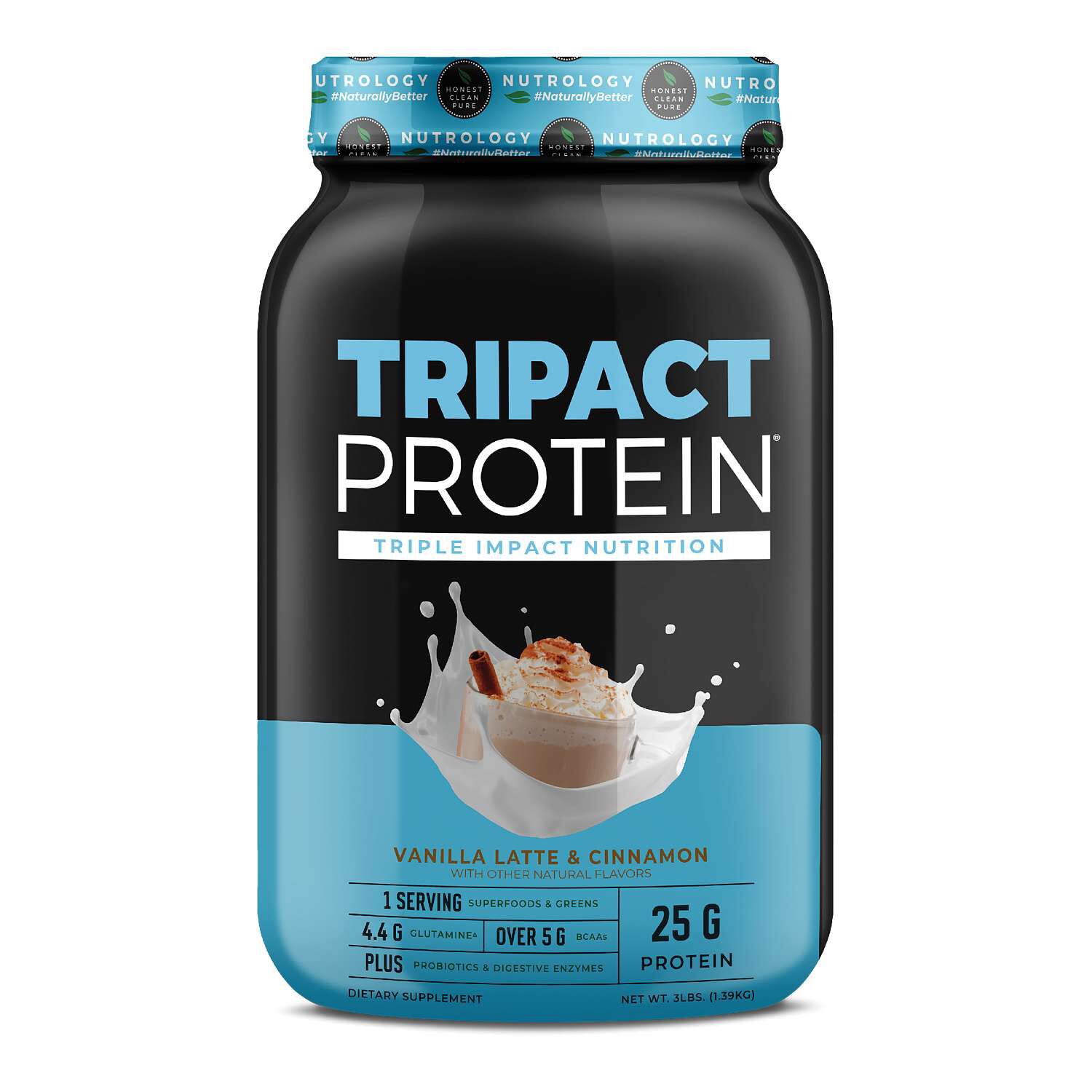

Shopping for gluten-free products often begins with a careful look at ingredients and labeling. In general, a gluten-free eating pattern excludes wheat, rye, barley, and grains made from their crossbreeds, along with foods that contain ingredients derived from them. That includes familiar pantry items such as standard pasta, bread, crackers, cookies, breakfast cereals, some sauces, gravies, soups, marinades, and salad dressings. Naturally gluten-free foods may include fresh or frozen fruits and vegetables, unseasoned meat and poultry, fish, eggs, dairy foods without added ingredients, rice, corn, potatoes, quinoa, buckwheat, amaranth, beans, nuts, and seeds. Packaged foods require extra attention because gluten can appear in flavorings, thickeners, seasonings, coatings, or shared manufacturing environments. A package marked gluten-free is generally expected to contain less than 20 parts per million of gluten under U.S. Food and Drug Administration labeling standards. For people managing celiac disease or a diagnosed gluten sensitivity, checking the package each time can be a practical part of a consistent routine, since formulas and manufacturing details may change. Those who are new to shopping this way may find it useful to compare the ingredient list with the allergen statement, review preparation directions, and look for clear gluten-free labeling rather than relying on the food’s appearance. Oats deserve particular care because they may come into contact with wheat, rye, or barley during growing, transportation, or processing; products specifically labeled gluten-free may be a more suitable choice for shoppers who include oats in their routine. A well-organized pantry can make everyday meals feel simpler: rice or quinoa for a warm bowl, nut butter or seed-based spreads for a quick snack, and clearly labeled baking ingredients for weekend muffins or pancakes. During the cooler months, these staples may work well in comforting breakfasts, hearty soups, roasted vegetable dishes, and homemade snacks that travel easily to work, school, or a family gathering.
The products collected on this page may suit a range of shopping needs, from building a gluten-free pantry to finding convenient options for travel, busy mornings, or thoughtful gifts. Someone who follows a gluten-free routine may appreciate practical items that fit naturally into familiar habits, such as easy-to-mix nutrition products, snack components, baking supplies, or simple additions to breakfast and smoothies. A gift basket could bring together several complementary choices with fresh fruit, tea, a reusable mug, or a handwritten note describing serving suggestions, while leaving room for the recipient to use each item in a way that fits their preferences. Before giving any food or supplement product, review the label for gluten-free wording and consider other dietary requirements, including dairy, soy, nuts, sweeteners, or specific flavor ingredients. Texture and format matter as well. Powdered products may suit someone who enjoys blending a morning drink, while ready-to-eat options may work better for commutes, road trips, or days spent outdoors. A shopper choosing supplements may want to review the Supplement Facts panel, serving directions, flavor ingredients, and statements about manufacturing practices. Products featuring ingredients such as collagen may be considered by people looking for gluten-free options to add to beverages or recipes; browse Collagen Without Gluten for a focused selection. Since individual needs differ, product labels and guidance from a qualified healthcare professional may help someone determine whether a particular item fits their routine, especially when celiac disease, a diagnosed sensitivity, or multiple dietary restrictions are part of the picture. For households with more than one person, separate storage and preparation tools may help reduce accidental contact between gluten-containing foods and gluten-free items. A dedicated toaster, clean cutting board, and clearly marked containers could make shared kitchens easier to manage, while wiping counters and washing hands before preparing food may support a more orderly cooking space.
When comparing gluten-free products, start with the purpose the item will serve. A breakfast product may be judged by its flavor, preparation time, protein or fiber content, and compatibility with fruit, yogurt, or a favorite beverage. A snack may be chosen for portability, package size, texture, and how well it fits in a desk drawer, gym bag, or coat pocket during a crisp afternoon. Pantry staples may be evaluated by shelf life, serving versatility, and whether they can move easily from one meal to another. Ingredient lists are most useful when read from beginning to end, even when the front of the package carries a gluten-free statement. Watch for wheat, rye, barley, malt, brewer’s yeast, and ingredients that may be sourced from these grains; when a term is unfamiliar, the manufacturer’s information may provide additional context. Shoppers who avoid gluten for personal preference may enjoy experimenting with corn, rice, quinoa, potatoes, buckwheat, and other naturally gluten-free ingredients, while those with medically diagnosed needs may prefer a more consistent approach to labels and food preparation. Restaurants, shared kitchens, and bulk bins can introduce uncertainty, so individually packaged items with clear labeling may be convenient for workdays, travel, school lunches, or visits with family. As the weather shifts from warm afternoons to cooler evenings, versatile gluten-free selections may help fill out everything from a quick breakfast before heading out the door to a relaxed dinner at home. Keep products stored according to package directions, use clean utensils, and check dates and seals before serving. With thoughtful label reading and a little planning, a gluten-free shopping list may become a practical collection of foods and supplements suited to everyday routines, seasonal gatherings, and considerate gift giving.