

Glycerol Hydration Enhancers
(0 Results)
Glycerol hydration enhancers could be the key to optimizing your hydration strategy. These products may help support your body's ability to retain water, potentially improving endurance and performance during intense physical activity. Whether you're an athlete looking to push your limits or someone seeking better hydration, glycerol hydration enhancers might offer the solution you need. Explore a range of options designed to fit various lifestyles and hydration goals.



.jpg?sw=305&sh=305&sm=fit "Demo Day Carbohydrate Power - Big Cherries (30 Servings) | GNC")


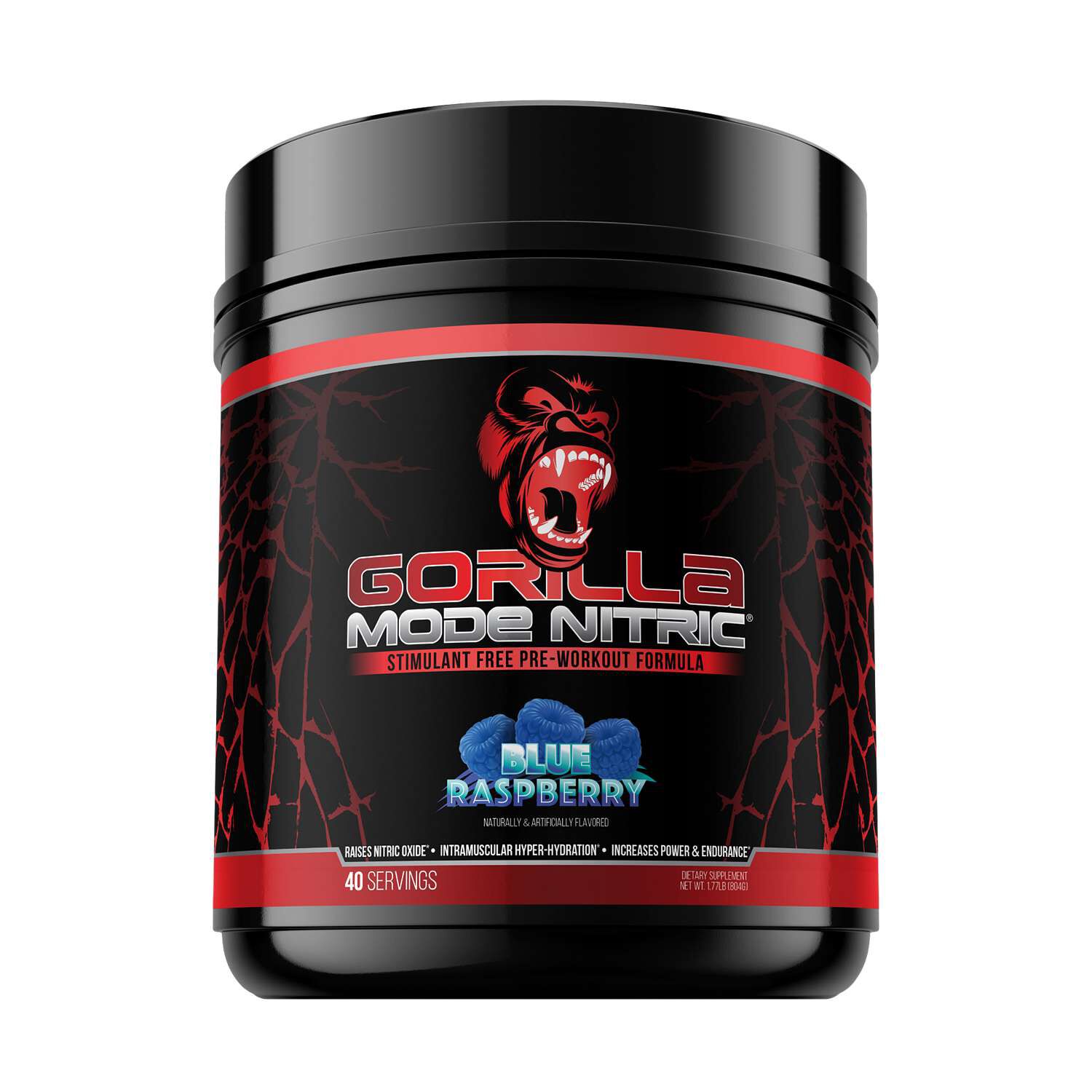
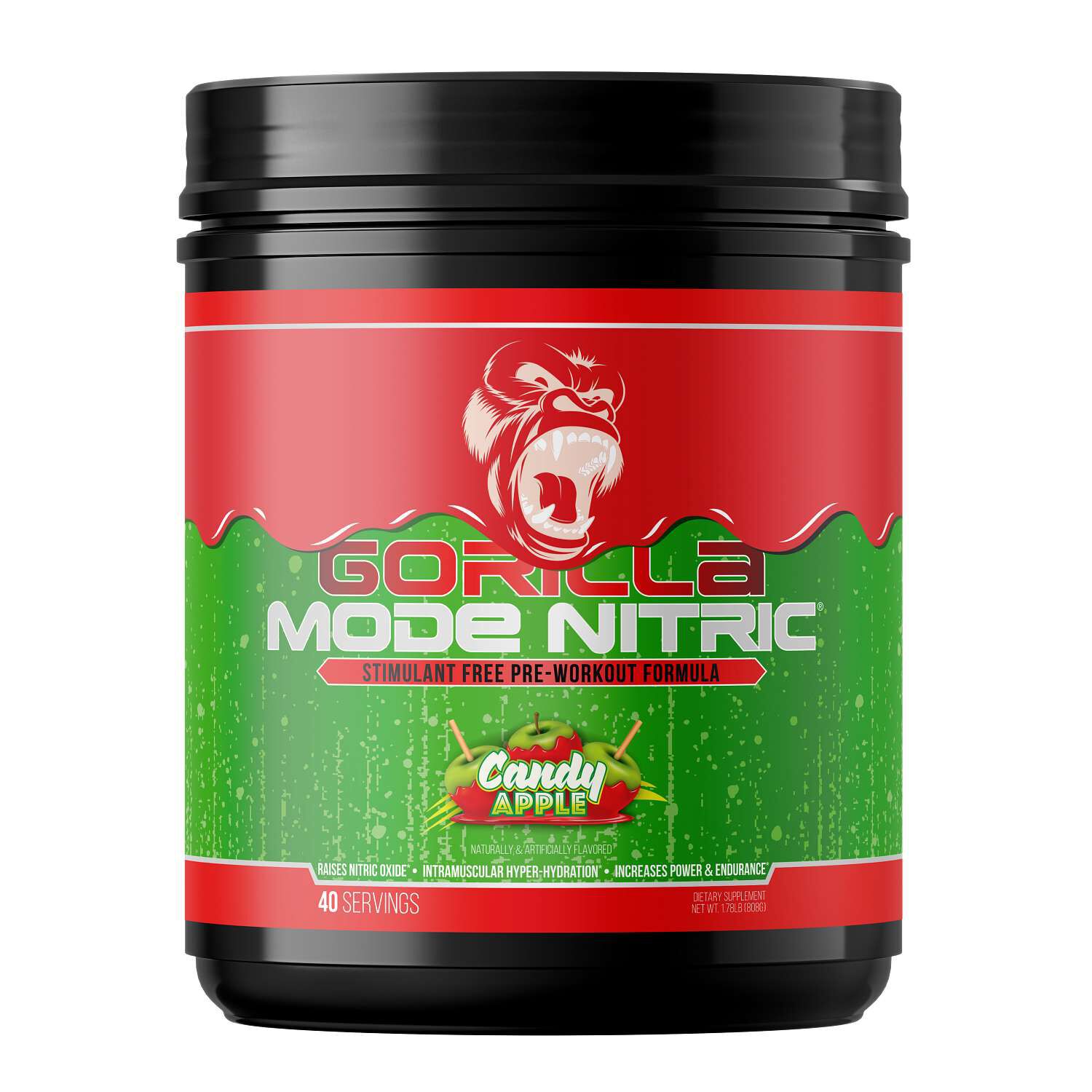
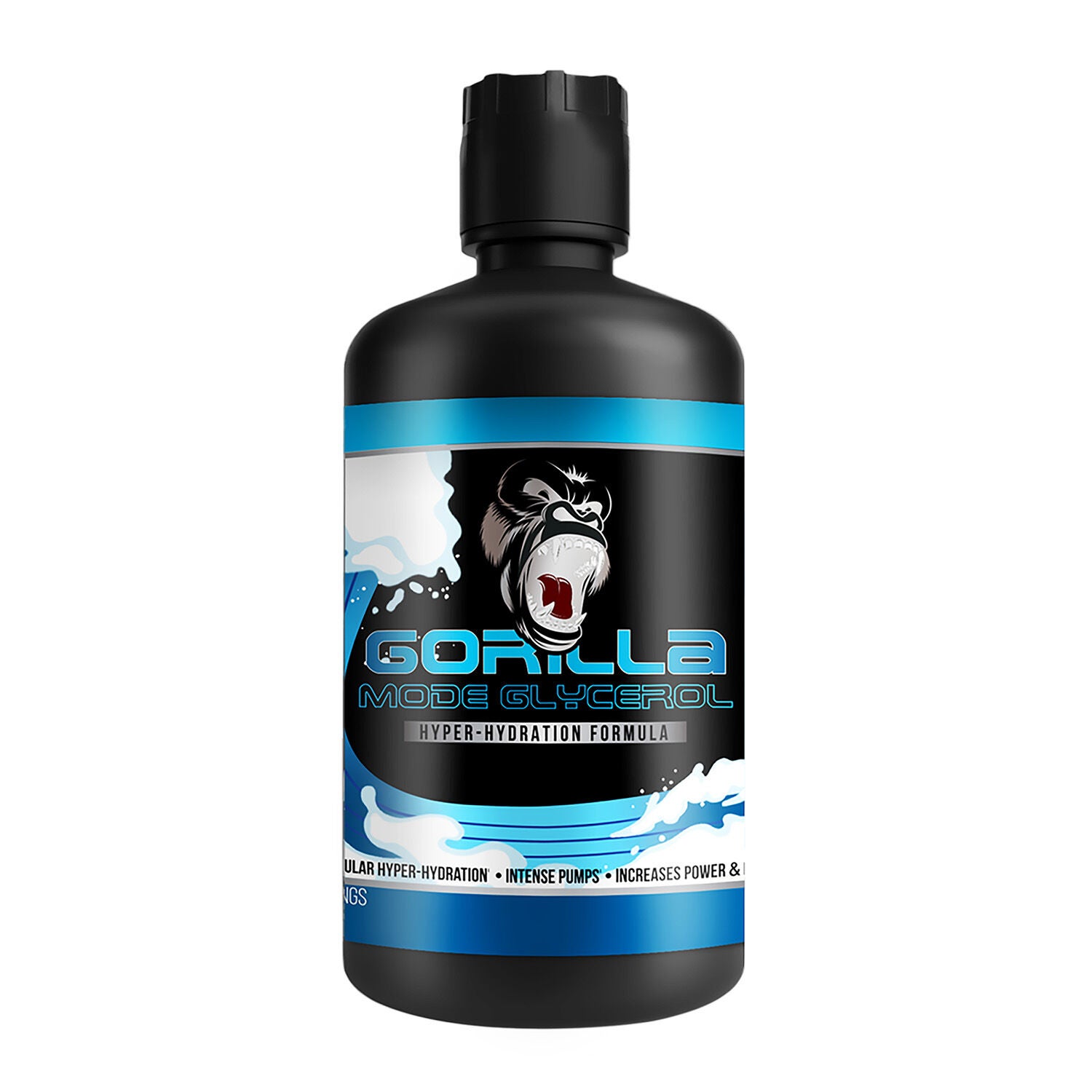
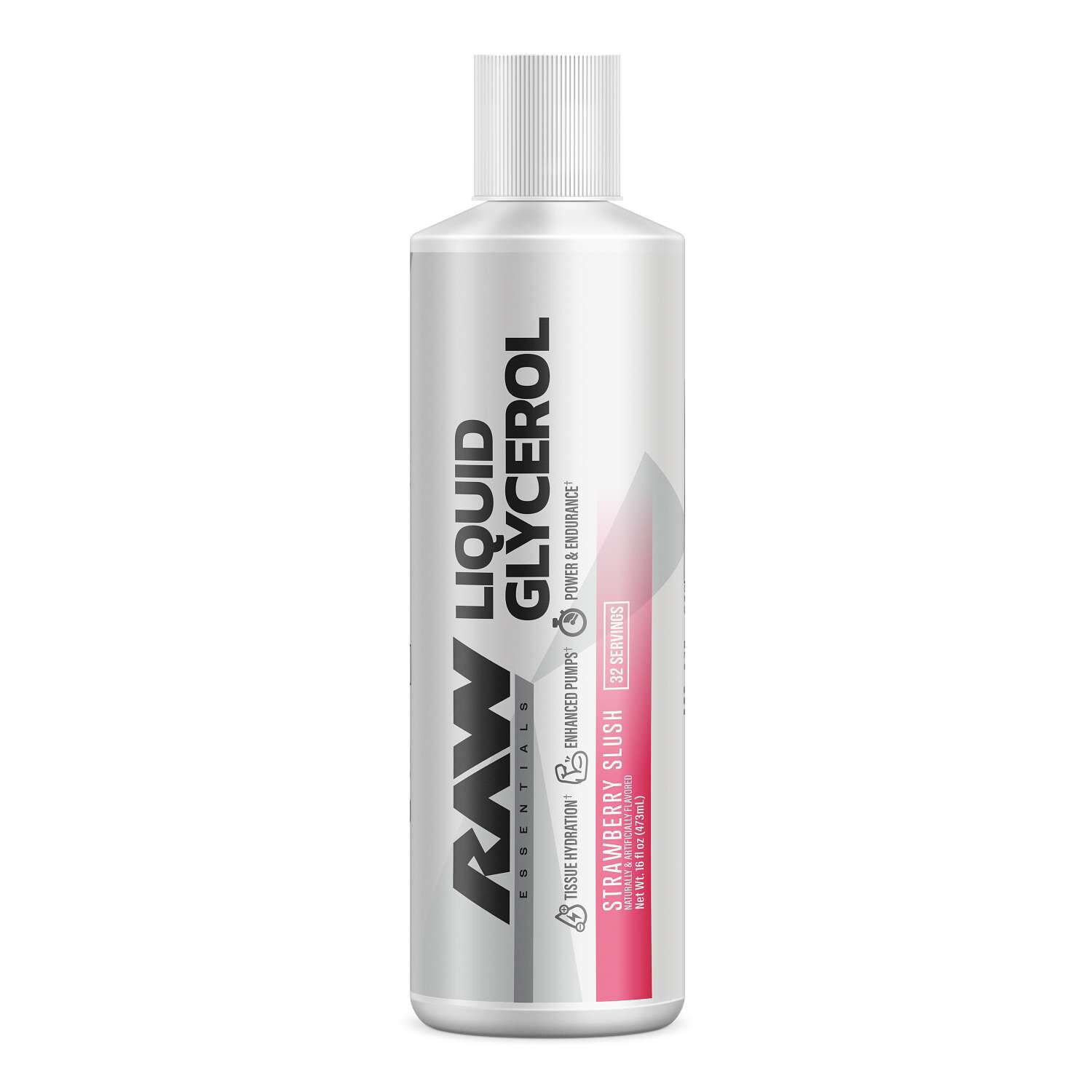
Glycerol hydration supplements are sports nutrition products formulated with glycerol, an ingredient that may support hydration when used with water according to the product’s directions. Glycerol, also called glycerin, is a naturally occurring compound with water-attracting properties. In an exercise routine, it may help the body retain water and may contribute to a fuller muscle appearance during training. These potential effects explain its place in both hydration-focused formulas and some workout blends, although the experience may vary with the formulation, the activity, and the individual. A glycerol product is not the same as a standard electrolyte drink: glycerol and electrolytes are different ingredients, and their amounts and roles within a formula deserve separate attention. Electrolytes such as sodium and potassium are minerals, while glycerol is a sugar alcohol. Some supplements combine these ingredients; others focus primarily on glycerol. That distinction matters when comparing a straightforward hydration powder with a blend containing several sports nutrition ingredients. Someone preparing a bottle for a lifting session may prefer a formula centered on glycerol, while a runner organizing supplies for a longer outing may be interested in a combination that also contains electrolytes. Neither format establishes how well a product will suit a particular person. The labeled serving, ingredient amounts, preparation requirements, and intended use provide more meaningful context than a broad description on the front of a container. Glycerol also differs from protein, carbohydrate, and creatine, so its presence does not indicate that a supplement supplies those ingredients or serves the same purpose. For shoppers exploring related options, hydration supplements encompass a broader range of formulations, including products with different ingredient combinations and preparation methods. Understanding where glycerol fits within that wider category makes the differences between a simple formula and a more involved workout blend easier to recognize.
Powders and liquids offer different preparation experiences, and the better fit often comes down to the details of an established routine. A powdered glycerol supplement generally requires measuring and mixing, with the label specifying the serving size and amount of water. A liquid formula may also require dilution and a measured serving; being a liquid does not necessarily mean it is ready to drink directly from the container. For someone who packs a shaker before leaving home, a powder may suit a routine built around a scoop and a marked bottle. Someone who prefers pouring a measured amount may find a liquid format more convenient. Container design matters here, too: a secure closure, readable measurements, and clear preparation directions are practical features to consider. Comparing formulas by scoop size alone can be misleading because the weight of a serving is not necessarily the amount of glycerol it contains. A powder may include carrier ingredients, flavorings, sweeteners, or other components, and a liquid may contain water and additional ingredients. The Supplement Facts panel and ingredient list provide the context needed to distinguish the amount of a glycerol-containing ingredient from the amount of glycerol supplied. A stated percentage, when present, should be read alongside the serving information rather than treated as a description of every ingredient in the container. Texture and taste also deserve attention, especially for a drink intended to accompany exercise. Flavored formulas may have a noticeably sweet profile, while unflavored options can still contribute taste or texture after mixing. Glycerol itself has a sweet taste and, in liquid form, a syrupy consistency. The finished drink depends on the entire formulation and the preparation directions, not simply on whether the starting product is a powder or liquid. Label instructions are the appropriate reference for mixing volume, timing, and any restrictions; a single preparation method should not be assumed to apply across the category.
The rest of the ingredient list can be just as relevant as the glycerol content. Some workout blends contain caffeine, amino acids, electrolytes, or other sports nutrition ingredients, while simpler formulas leave more of those choices separate. A shopper who already uses another workout supplement has a practical reason to compare the panels side by side: ingredients can overlap even when the product names sound unrelated. Caffeine content, sweetener choices, dietary preferences, and allergen statements may all influence whether a formula belongs in that routine. Someone who enjoys an evening gym session may approach a caffeine-containing blend differently from someone whose training starts early in the day. A person who prefers a lightly flavored drink may also value a different formula from someone who likes a stronger taste. These are useful distinctions without assuming that any single blend suits every workout. Intended use matters beyond ingredient selection. Adult recreational lifters, endurance enthusiasts, and people with structured exercise routines may consider glycerol supplements as one part of their hydration planning, but a supplement should not be treated as a replacement for drinking water, eating regularly, or taking appropriate breaks. Any potential support for hydration or workout performance remains dependent on context, and more glycerol does not automatically mean a better experience. Care and storage are similarly product-specific. Because glycerol attracts moisture, keeping a powdered formula tightly closed and using a dry measuring utensil may help limit unwanted moisture exposure. Liquid containers need secure caps and storage consistent with the label, especially when packed beside clothing or electronics in a gym bag. Original packaging keeps the ingredient information, serving directions, and date markings close at hand. For someone considering a supplement as a gift for an active adult, an already expressed preference for a particular format or ingredient profile is more useful than assumptions based on the recipient’s sport. Across formats, a suitable choice rests on transparent labeling, manageable preparation, compatible ingredients, and a routine in which the product has a clear purpose.