Grape Seed Tablets
(0 Results)
Explore the potential benefits of grape seed tablets, a popular choice for those seeking to support their overall wellness journey. Derived from the seeds of grapes, these tablets are rich in compounds that could offer various health advantages. Whether you're interested in promoting antioxidant support or exploring new avenues for maintaining vitality, grape seed tablets might be an excellent addition to your daily routine. Discover how incorporating these supplements into your lifestyle may contribute to your wellness goals.
-

-

-
 $29.99
-
-

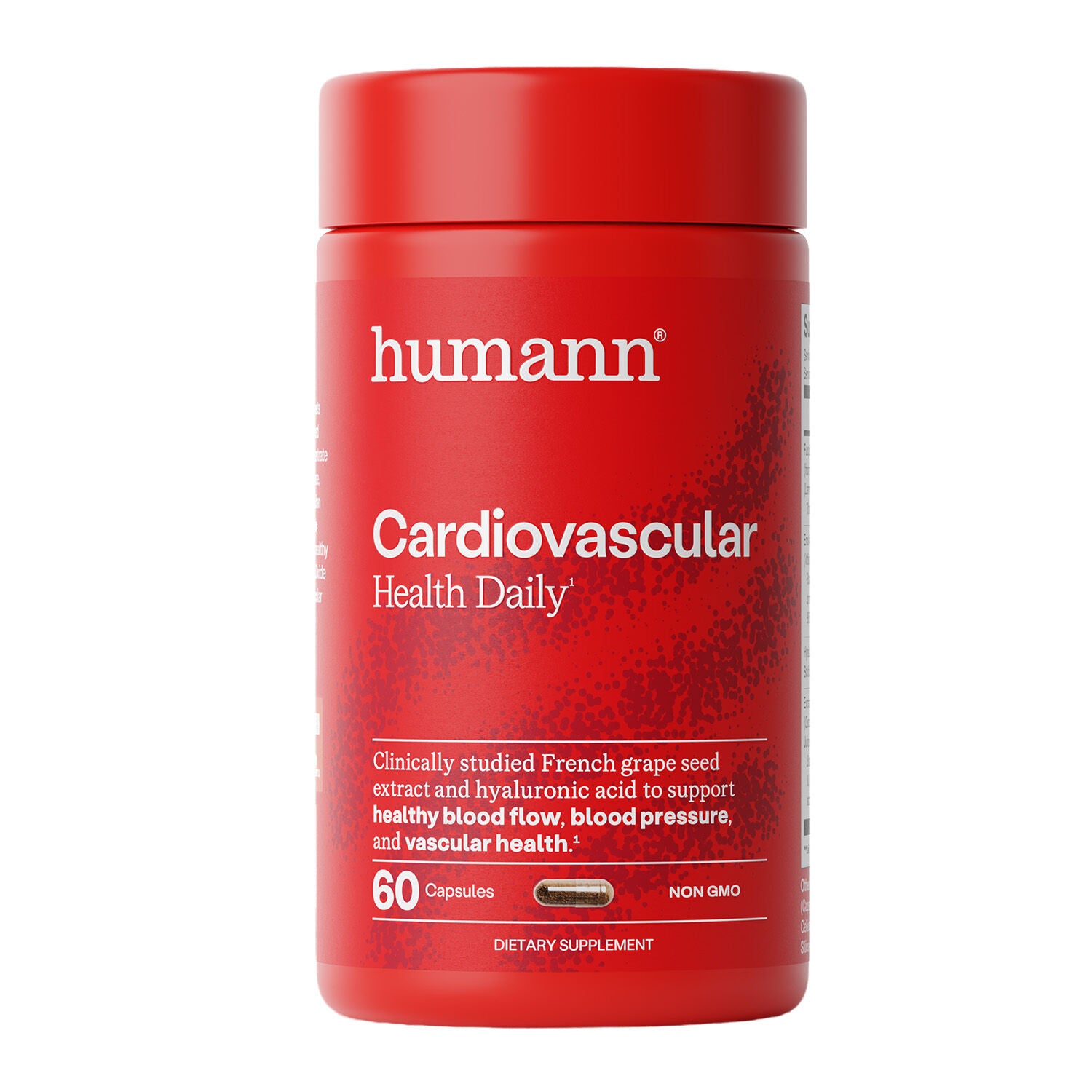
Grape seed tablets are dietary supplements made with an extract derived from grape seeds, typically from Vitis vinifera, the species widely cultivated for wine and table grapes. Their defining ingredient comes from the seed rather than the grape’s flesh, juice, or skin. That distinction matters because grape seed extract, grape skin extract, and whole-grape powders describe different ingredients, even when their names sound similar. Grape seeds contain naturally occurring plant compounds called polyphenols, including proanthocyanidins. Some labels identify oligomeric proanthocyanidin complexes, often abbreviated as OPCs, as a characteristic of the extract. These compounds are commonly discussed for their antioxidant properties, but their presence alone does not establish what someone will experience from a supplement. Grape seed tablets offer a measured, solid format for adults interested in including a botanical supplement in an established daily routine. Unlike grape juice or a grape-flavored chewable, a conventional tablet is not primarily a food or flavored treat. The word “grape” identifies the botanical source; it does not necessarily describe the tablet’s taste. Manufacturing generally involves extracting selected constituents from the seeds, drying the resulting extract, and combining it with ingredients that allow the material to be pressed into tablets. This differs from simply grinding seeds into a powder, so the ingredient description is more informative than a grape illustration on the bottle. Depending on the formulation, grape seed extract may appear as the main ingredient or alongside other botanical extracts, vitamins, or minerals. A single-ingredient formulation makes the featured botanical easy to identify, while a combination formula calls for a closer look at each listed component. Neither format can be judged by its front label alone. For shoppers comparing grape seed supplements, the most useful starting point is a clear understanding of the ingredient source, the tablet format, and the information supplied on the Supplement Facts panel. Those details describe what is in the bottle without relying on broad wellness language.
Reading a grape seed tablet label involves more than comparing the largest milligram number on the package. The serving size establishes whether the listed amount applies to one tablet or several, which can make two similar-looking bottles quite different. For example, an extract amount stated per two-tablet serving is not the amount contained in each individual tablet. The number of tablets in the container is another separate measurement: it describes the count, not the concentration of the extract. A standardized extract has been specified to contain a stated amount or proportion of a selected constituent, such as proanthocyanidins. When a percentage appears, its meaning depends on which constituent is named and how the label describes it. An extract amount, a standardization percentage, and an extract ratio each communicate something different; they are not interchangeable measurements. A ratio describes a relationship between starting botanical material and the resulting extract, rather than serving as a direct rating of product quality. Comparisons are most meaningful when the same kind of information is present on both labels. Beyond the featured extract, the other ingredients list explains how the tablet is put together. Cellulose, starches, binders, coatings, and manufacturing aids can have practical roles in forming a solid tablet and keeping its ingredients together. A shorter ingredient list is not, by itself, evidence of a better formulation. Shoppers with dietary preferences can look for explicit statements about ingredient sourcing and dietary suitability instead of assuming that every botanical tablet uses only plant-derived materials. The source of the extract and the composition of the finished tablet are separate considerations. Likewise, a bottle’s color, imagery, or use of botanical language does not substitute for an ingredient declaration. Any testing statement is most useful when it identifies what was assessed, such as ingredient identity or specified contaminants. Careful attention to these details creates a clearer comparison than broad claims about strength, sophistication, or quality.
The physical design of grape seed tablets also matters in everyday use. Tablet dimensions, shape, surface coating, and the number specified per serving can influence whether a format suits someone’s preferences. A person accustomed to small tablets may find a large oblong tablet less convenient, even when the ingredient profile looks appealing. Product photographs do not always convey actual dimensions, so written size information can be helpful when provided. A smooth coating is a construction detail, not a reason to assume that a tablet is chewable or designed to dissolve in a drink. Intended use comes from the package directions, including any instructions about food, handling, or how the tablet should be taken. There is no single serving direction that applies to every grape seed formulation, and a general category description cannot replace the directions on an individual package. Practical storage is another part of the purchasing decision. The original container keeps the tablets together with their ingredient list, serving directions, lot information, and best-by or expiration date. A secure closure and storage away from moisture help preserve the condition of the packaged tablets; product-specific storage instructions remain the reference. A bathroom counter beside a frequently used sink, for example, exposes a bottle to splashes and damp surroundings that a dry cabinet avoids. For travel, keeping the labeled bottle accessible preserves information that can be lost when tablets are moved into an unmarked pouch. At home, a designated storage spot also makes it easier to distinguish grape seed tablets from other supplements with a similar appearance. These are generally personal purchases, since dietary preferences and established routines vary from one adult to another. When buying for someone else, knowing their requested format and formulation matters more than selecting an unfamiliar botanical as a surprise. For a related selection organized around another shopping interest, explore Grape Seed Extract for Healthy Aging. Across either selection, botanical identity, readable labeling, tablet construction, and clearly stated directions provide concrete points of comparison for choosing a grape seed supplement.
Best Sellers
-
GNC Herbal Plus
-
GNC Herbal Plus