Green Tea Supplements For Healthy Living
(0 Results)
Green tea supplements for healthy living could be a simple addition to your daily wellness routine. Packed with natural plant compounds, these supplements may support your overall approach to health and vitality. Whether you’re looking to complement a balanced diet or explore new ways to enhance your lifestyle, green tea supplements for healthy living offer an easy option that fits into any regimen. Discover how these products might help you work toward your wellness goals.
-

-

-
-
-
-
-
-
 Angry Supplements3$15.99


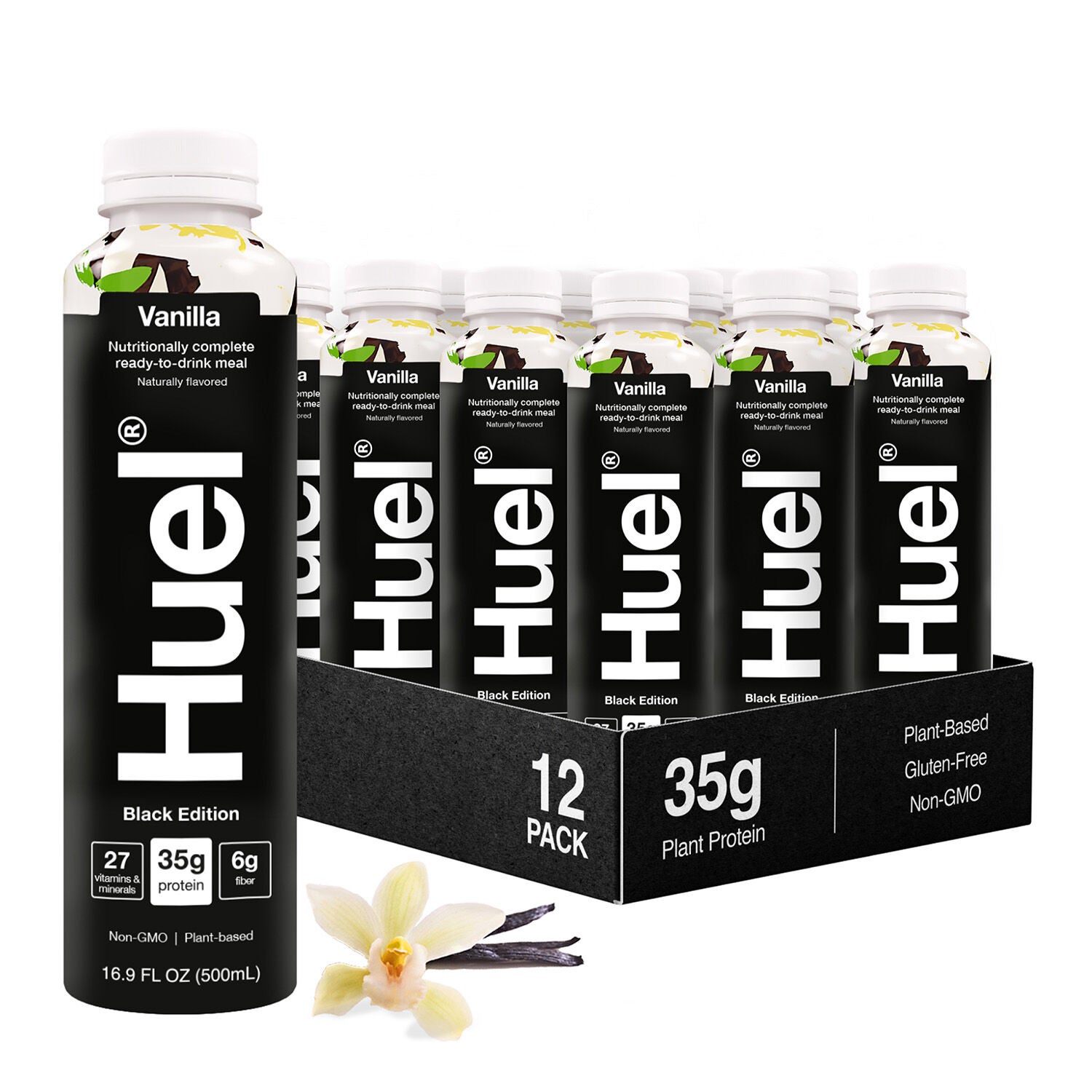

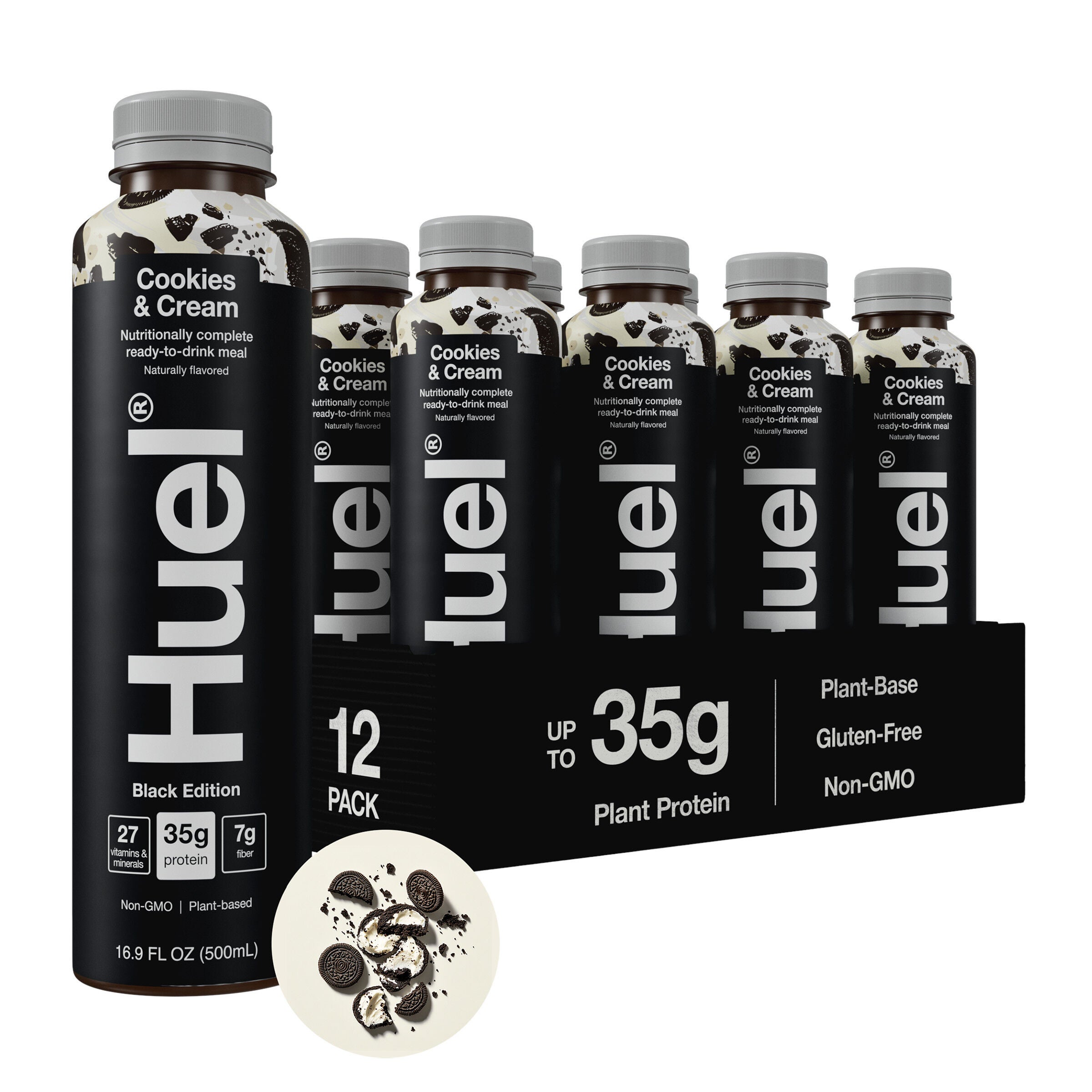

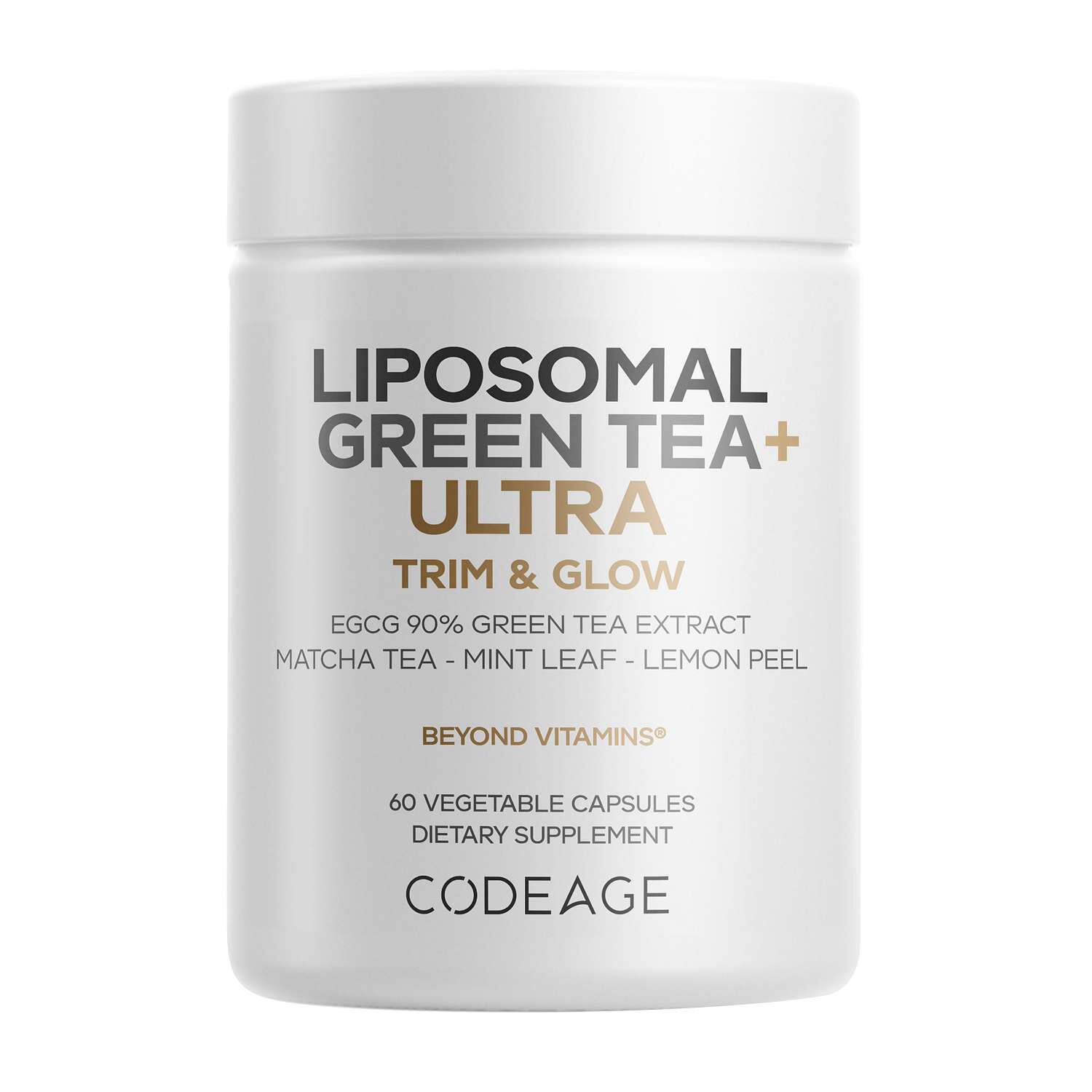


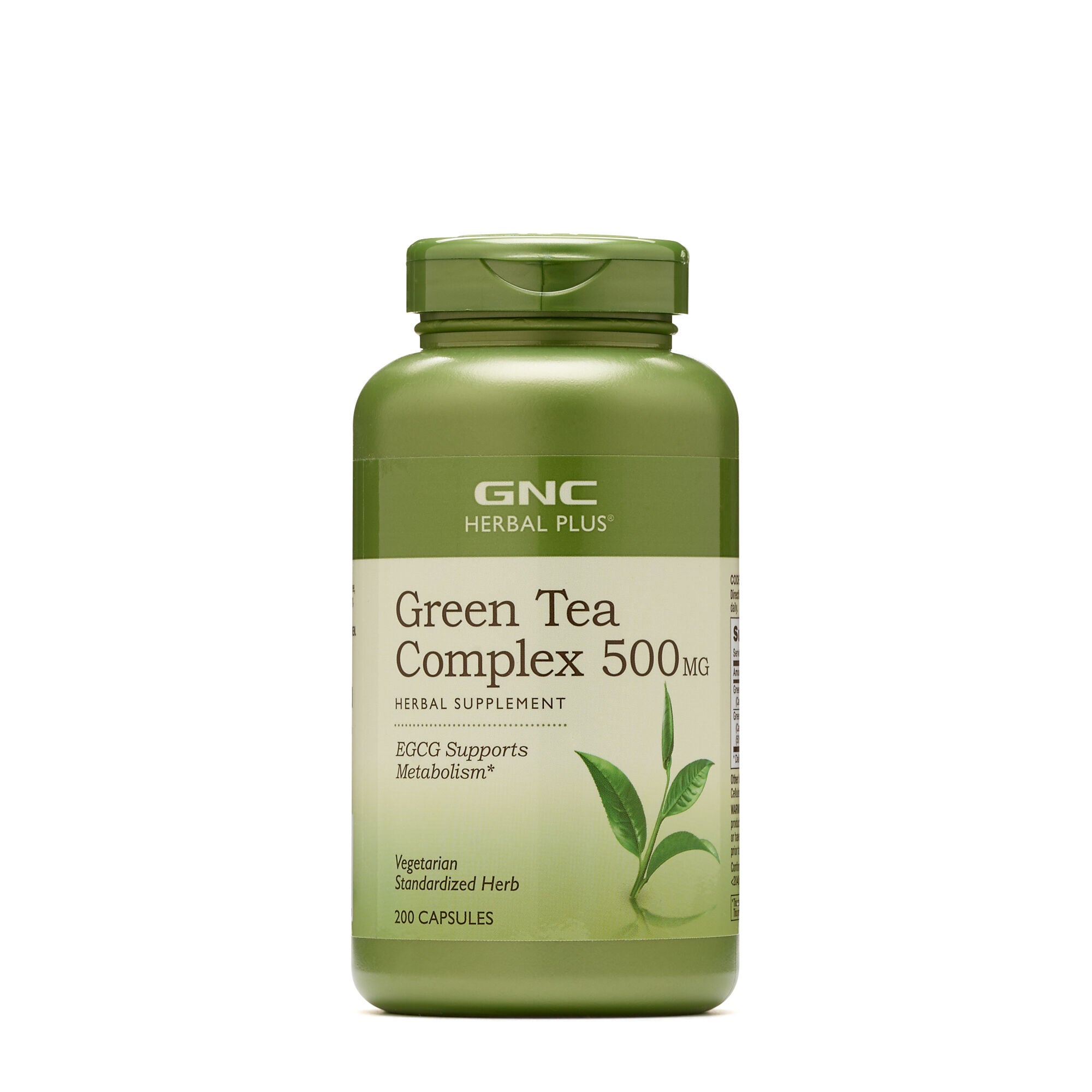
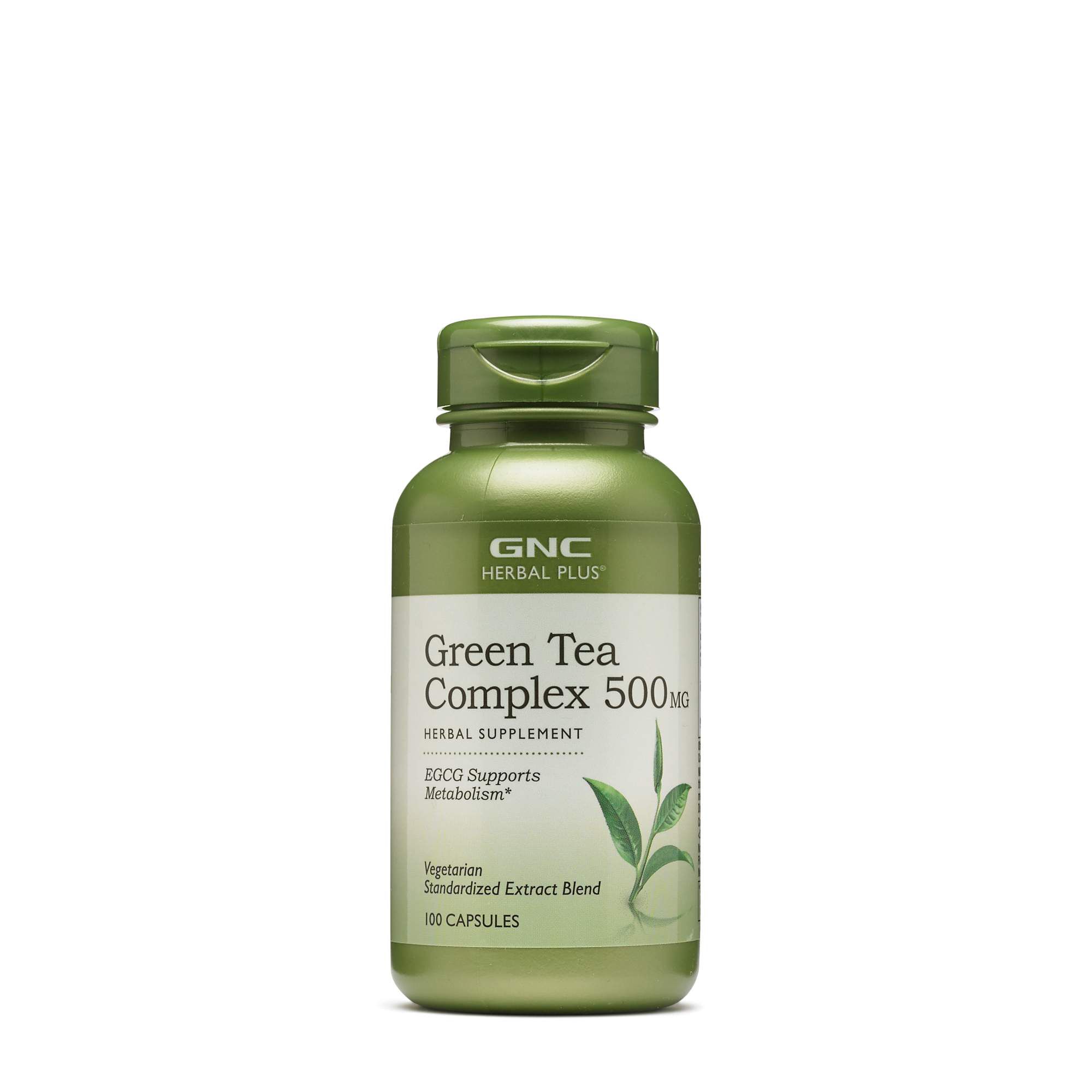
Green tea supplements for healthy living bring a familiar botanical into formats designed for everyday supplement routines. Derived from Camellia sinensis, the same plant used to make green tea, these supplements contain leaf material or extracts rather than a ready-to-drink beverage. Green tea leaves contain polyphenols, a group of naturally occurring plant compounds that includes catechins. One frequently listed catechin is epigallocatechin gallate, commonly abbreviated as EGCG. These names help explain what appears on a supplement label, but they are not interchangeable: the amount of green tea extract is not necessarily the amount of catechins or EGCG in a serving. A label might identify the weight of the extract, a percentage of polyphenols, and a separate quantity of EGCG, each describing a different aspect of the formula. Green tea also naturally contains caffeine, although the amount in a supplement depends on its ingredients and processing. Some formulas feature decaffeinated extract, while others retain caffeine or combine green tea with additional ingredients. Decaffeinated does not necessarily mean that no caffeine remains, so a clearly stated caffeine amount offers more useful detail than the name of the extract alone. These distinctions matter when comparing green tea capsules, tablets, powders, and liquid formats. Unlike brewed tea, an extract is prepared to concentrate selected components, and there is no universal conversion between a capsule and a cup of tea. Leaf source, extraction method, preparation, and serving size all influence that comparison. For shoppers interested in a tea-derived supplement, the most informative starting point is the actual composition rather than an image of tea leaves on the package. Healthy living provides the broader context: varied meals, regular movement, rest, and enjoyable daily rituals remain separate from what any individual supplement contains. Green tea supplements belong in that context as a product category to evaluate thoughtfully, not as a substitute for food or a shortcut to a particular outcome.
The differences between formats are practical as well as ingredient-based. Capsules enclose a measured portion of powder or extract in a shell, which may be made from gelatin or a plant-derived material such as cellulose. Tablets compress ingredients into a solid form and can include binders, coatings, or other components that help create their shape. Neither format necessarily tells the whole story about serving size; a listed serving may consist of more than one capsule or tablet. Someone picturing a small bottle beside a breakfast setting might prefer a straightforward capsule format, while another shopper might place greater importance on the composition of the capsule shell. Powders involve measuring and preparation, and their taste and texture can be more noticeable than those of an enclosed capsule. Green tea ingredients can have a grassy, earthy, or astringent character, though the finished flavor depends on the formula. Liquid supplements have their own serving measurements and may contain flavorings, sweeteners, or other ingredients used in the liquid base. Preparation and storage directions vary, so these formats are not automatically interchangeable. Intended use also differs between a supplement powder and a tea powder sold for making beverages; a similar green color does not establish that two products serve the same purpose. The Supplement Facts panel, ingredient list, and labeled directions provide the details needed to understand those differences. Dietary preferences add another layer to the comparison. A plant-derived main ingredient does not establish that every component is suitable for a vegetarian or vegan routine, and flavorings or capsule materials may matter to someone with particular preferences. Package size is another practical consideration: the number of capsules in a bottle is different from the number of servings when each serving contains several capsules. Looking at format, serving count, preparation, and ingredient composition together creates a more useful comparison than focusing only on the largest number printed on the front.
A well-described green tea supplement makes its contents and intended use understandable without requiring shoppers to fill in missing information. Standardized extracts, for example, are prepared to contain a specified proportion of a named compound or group of compounds. That specification offers information about composition; it does not establish a particular personal result or make every standardized extract equivalent. A formula listing polyphenols is not necessarily describing the same composition as one listing catechins, and an extract amount alone does not reveal caffeine content. Blends deserve similar attention because green tea may appear alongside other botanicals, vitamins, or caffeine-containing ingredients. For someone who already enjoys morning coffee or an afternoon tea ritual, an explicit caffeine declaration is a relevant detail when comparing labels. For someone who values a short ingredient list, a formula centered on green tea might be a closer match to that preference than a multi-ingredient blend. Packaging and care also shape the everyday experience. A securely closing container, readable directions, and a clearly marked expiration date are useful features for a bottle handled regularly. Product-specific storage instructions matter, particularly for liquids or powders with directions that differ after opening. Keeping the original label with the product preserves access to serving information, ingredient details, and handling instructions; a decorative jar or unlabeled travel container does not provide that same reference. Durability in this category is less about resisting visible wear and more about maintaining the packaging and storage conditions described by the manufacturer. A supplement purchased for another adult also involves personal preferences that may not be obvious, including format, capsule material, caffeine content, and interest in the ingredient itself. That makes an explicitly requested supplement a more considered gift than an unfamiliar formula chosen solely for its botanical theme. Shoppers exploring a related collection can also visit Green Tea Supplements for Summer Health, while applying the same attention to ingredients and labeled use. Across green tea supplement formats, the meaningful distinctions remain concrete: what the formula contains, how much constitutes a serving, how it is prepared, and how its packaging fits the intended routine. Those details keep the comparison grounded in the product rather than broad expectations attached to green tea’s familiar name.