





Green Tea EGCG Supplements
(0 Results)
Green tea EGCG supplements may offer a convenient way to incorporate the benefits of green tea extract into your daily routine. Sourced from the leaves of the Camellia sinensis plant, these supplements are designed for those seeking a simple addition to their wellness journey. Explore a variety of green tea EGCG supplements that could complement your lifestyle and support your overall well-being goals.
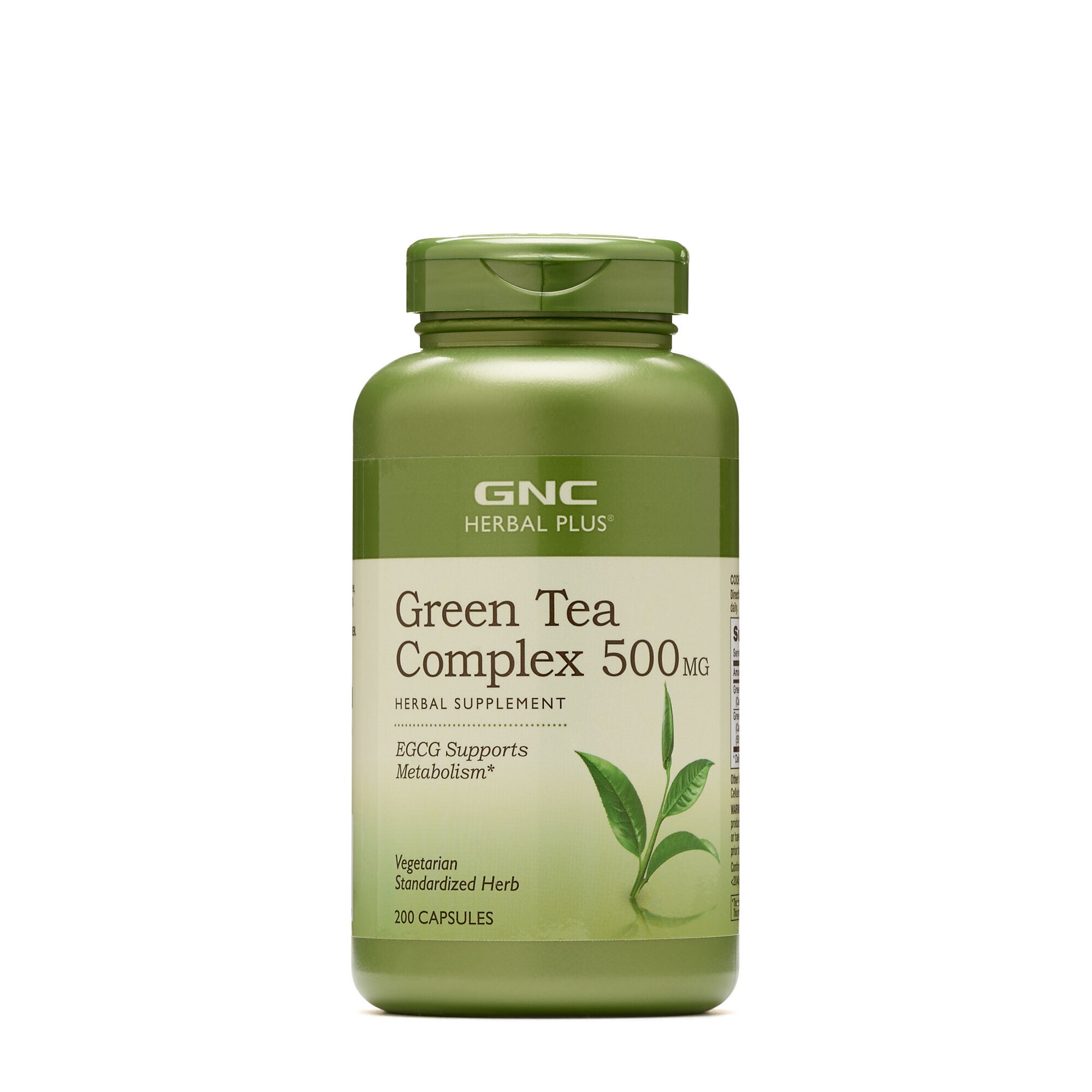
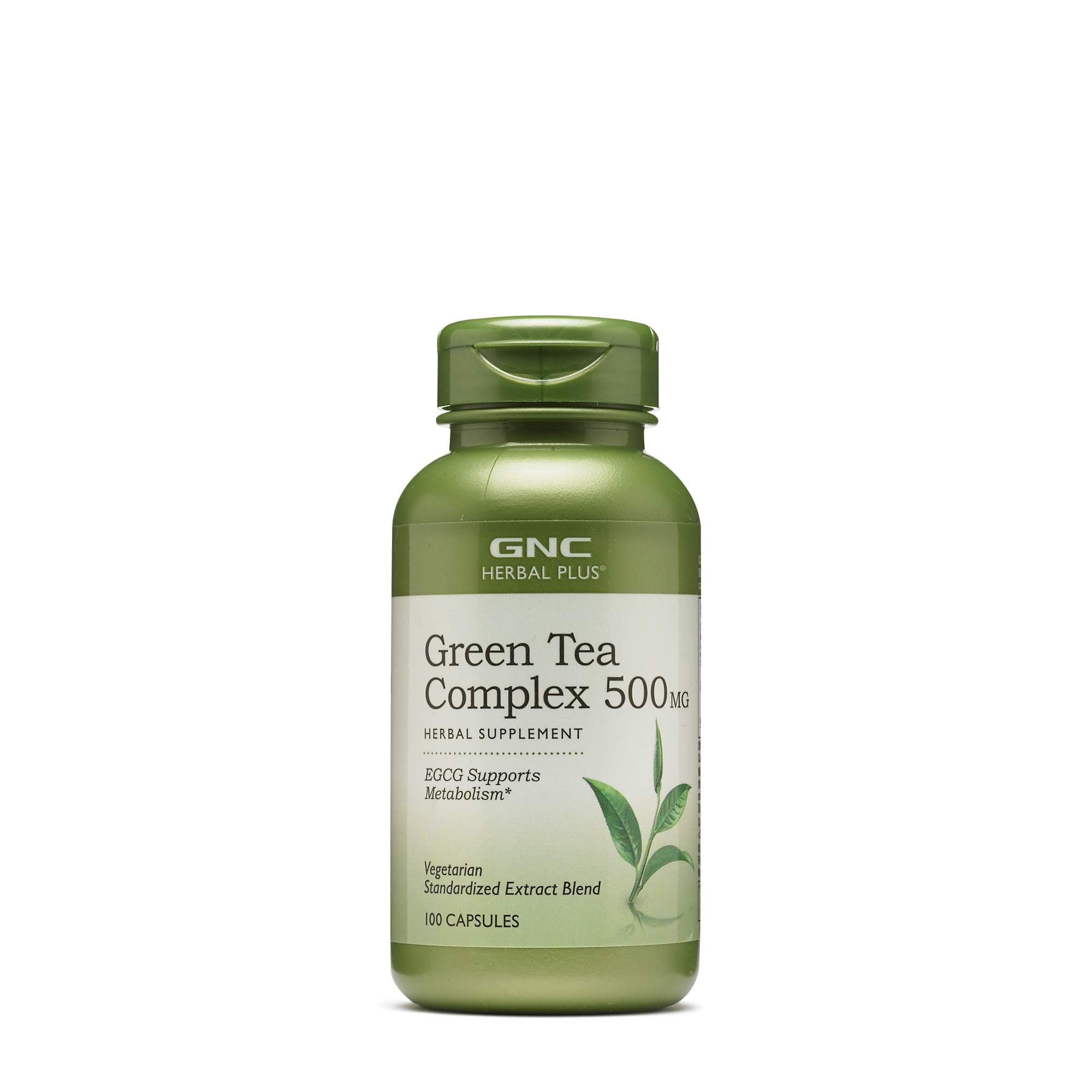
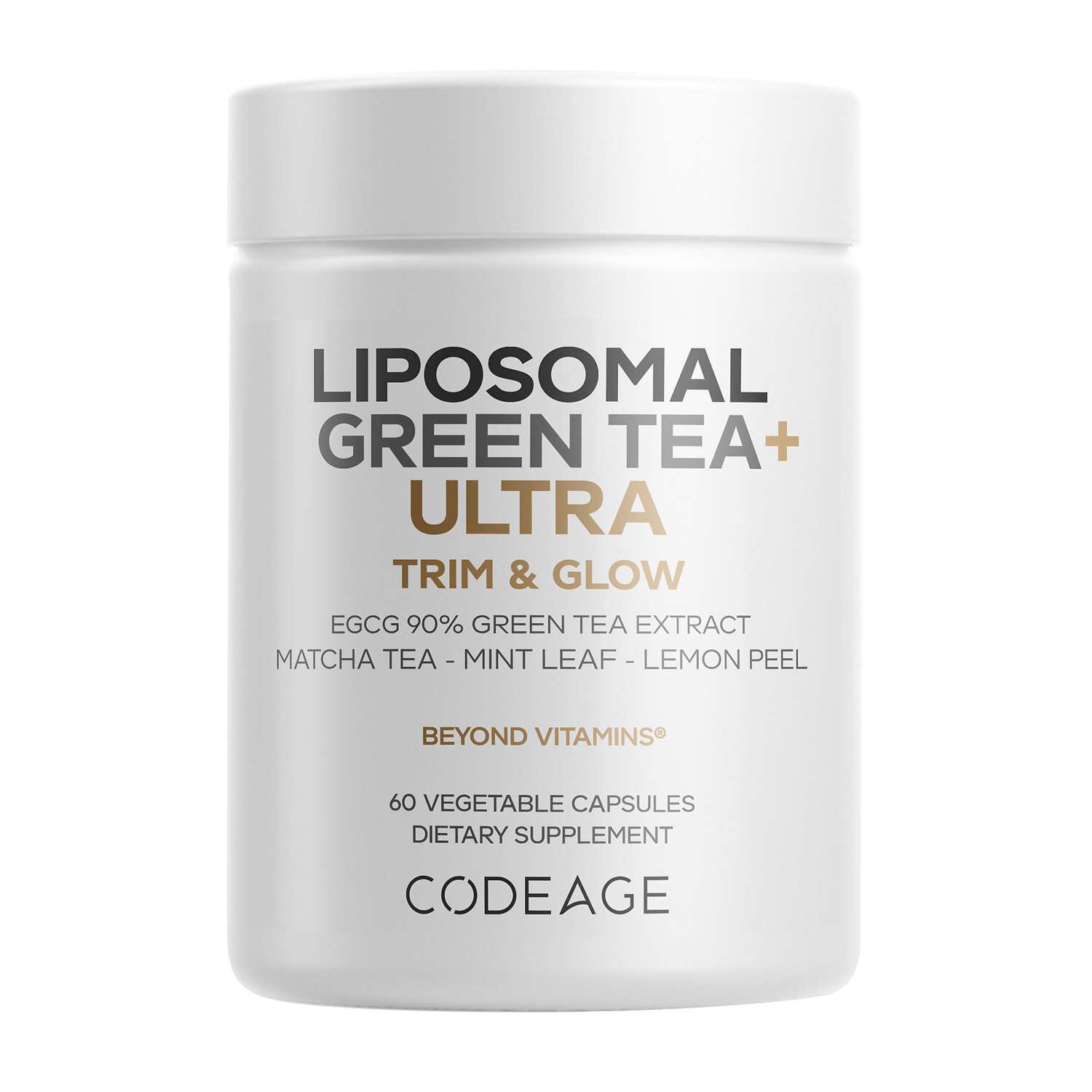

Green tea EGCG supplements bring a familiar tea ingredient into a concentrated format, with an emphasis on one of the compounds naturally present in green tea leaves. EGCG stands for epigallocatechin gallate, a member of the catechin family of plant compounds. Catechins belong to a broader group called polyphenols, which occur in tea and many other plant foods. Green tea comes from Camellia sinensis, the same plant used to produce black and oolong teas, but differences in how the leaves are processed create different characteristics. For shoppers comparing supplements, the important distinction is between green tea leaf, green tea extract, and the EGCG contained within that extract. These terms describe related ingredients, not interchangeable amounts. A label’s green tea extract amount refers to the extract as a whole; its EGCG amount describes a particular component. An extract can also contain other catechins and naturally occurring constituents, depending on its composition and processing. This is why two formulas with similar amounts of green tea extract can have different EGCG content. A standardized extract identifies a specified proportion of a named compound or group of compounds, giving shoppers a more defined basis for comparison. Standardization to polyphenols, standardization to catechins, and standardization to EGCG each describe something different, so the exact wording matters. Someone looking specifically for EGCG has a different shopping priority from someone simply seeking a green tea ingredient. The distinction also separates these supplements from the experience of drinking tea: an extract capsule does not offer the aroma, flavor, or sipping ritual of a freshly prepared cup. Nor does an extract amount translate neatly into a fixed number of cups, since brewing methods, leaf quantities, and steeping times vary. The category is best understood through its ingredient descriptions and label details rather than through broad comparisons with a beverage. That background gives the familiar words “green tea” a more precise meaning when browsing concentrated formulas.
Comparing green tea EGCG supplements starts with reading the serving size alongside the ingredient amounts. A prominent number on the front of a bottle may refer to the amount per serving rather than per capsule, and a serving can contain more than one capsule. The Supplement Facts panel provides the context needed to distinguish those measurements. Where both extract weight and an EGCG percentage are stated, the two figures describe the relationship between the extract and its named constituent; where an EGCG amount is listed directly, the label offers a more immediate point of comparison. A larger extract amount alone does not establish a larger EGCG amount, and a longer ingredient list does not necessarily make a formula a closer match for a shopper’s preferences. Caffeine is another separate consideration. Green tea naturally contains caffeine, but the caffeine content of an extract depends on its processing and formulation. Decaffeinated does not necessarily mean zero caffeine, and the EGCG amount does not reveal how much caffeine a formula contains. Shoppers who prefer to limit caffeine can look for an explicit caffeine statement rather than relying on the green tea name alone. For someone who already enjoys coffee or tea, that distinction can be particularly relevant when reviewing the ingredients in a daily routine. Single-ingredient and combination formulas offer another point of contrast: some center on green tea extract, while others include additional botanical ingredients, vitamins, or other compounds. Each added ingredient deserves its own attention rather than being treated as part of the EGCG amount. Capsule construction also matters to shoppers with dietary preferences. Shells may be made with gelatin or plant-derived materials such as cellulose, and other ingredients can include materials used during manufacturing or to hold a tablet together. Dietary suitability should come from the actual ingredient list and labeling, not assumptions about the plant origin of green tea. For a closer look at formulas described by their concentration, High Potency Green Tea Supplements provides a related category to explore, with the same distinctions between extract amount, serving size, and EGCG content remaining relevant.
The practical fit of a green tea EGCG supplement involves more than its featured ingredient. Capsules and tablets differ in dimensions, shell materials, coatings, and the number of units listed per serving. Someone who prefers a straightforward ingredient list may favor a formula centered on green tea extract, while someone with a particular dietary preference may pay closer attention to the capsule shell and manufacturing statements. A tea enthusiast may be drawn to the botanical background, but the supplement format represents a different intended use from loose-leaf tea or tea bags: it is designed for use according to its labeled directions, not for brewing or casual sipping. There is no single amount or format that fits every shopper, and concentration alone is not a measure of suitability. Clear labeling makes the shopping experience more useful, especially when it identifies the botanical source, extract amount, EGCG content, caffeine information, and serving size without requiring guesswork. Packaging details deserve attention as well. The container’s closure, protective seal, storage directions, and expiration information are practical considerations for an ingestible product. Keeping the label with the contents preserves access to ingredient information, directions, and lot identification. A bottle tucked into a kitchen cabinet or carried in a work bag still needs the storage conditions specified on its packaging; a secure closure and protection from moisture matter more than the appearance of the container. Unlike a reusable accessory, a supplement is not judged by how many years it lasts, but its packaging should protect the contents throughout the labeled storage period. Bottle count and serving count are also different measurements, so the number of capsules should be read together with the stated serving size. These everyday details help distinguish formulas that might otherwise look similar on a category page. Green tea EGCG supplements offer a focused way to shop for a named tea-derived compound, and the most meaningful comparison stays grounded in what each label actually describes: the source ingredient, its composition, its format, and the information needed to understand the product.

