





Greens Powders With L Theanine And Probiotics
(0 Results)
Greens Powders With L Theanine and Probiotics
Greens powders with L theanine and probiotics bring together a unique blend of ingredients that may support your wellness routine. These convenient powder blends are designed for those seeking an easy way to incorporate more greens into their daily regimen, along with the added benefits that L theanine and probiotics might offer. Whether you’re looking to complement your balanced diet or explore new options for your supplement lineup, greens powders with L theanine and probiotics could be a thoughtful addition to your wellness journey.
-
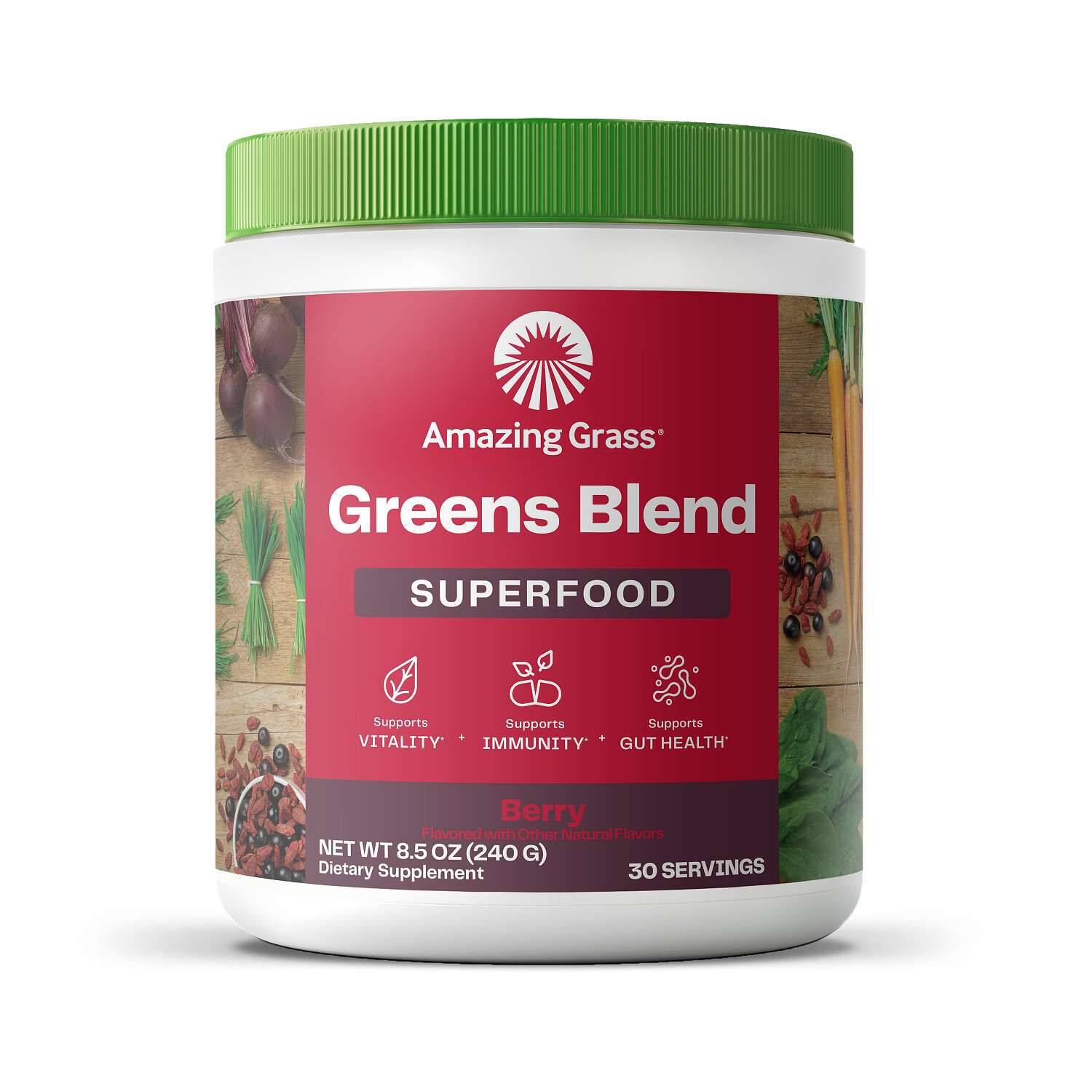
-

-

-

-

-

-
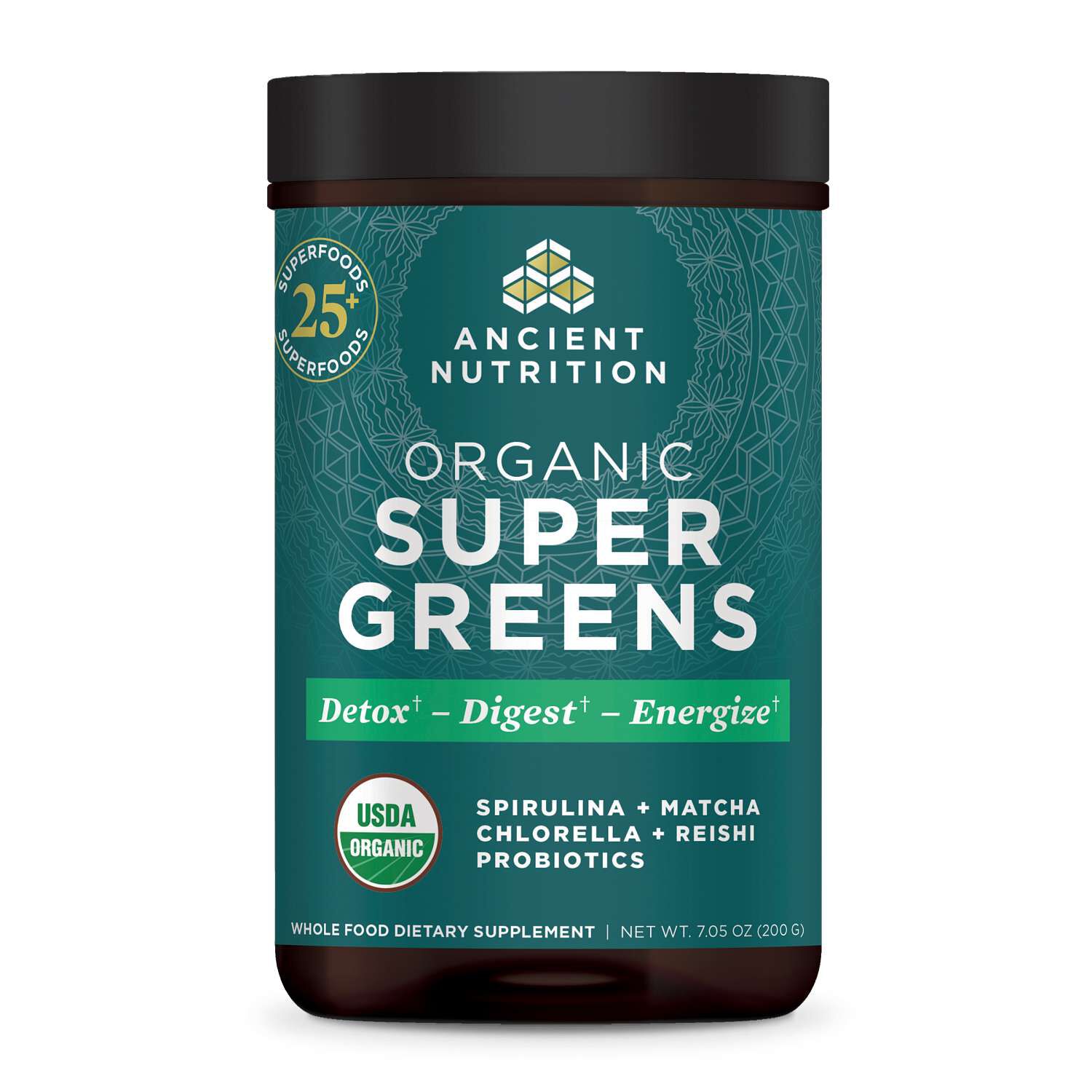
-
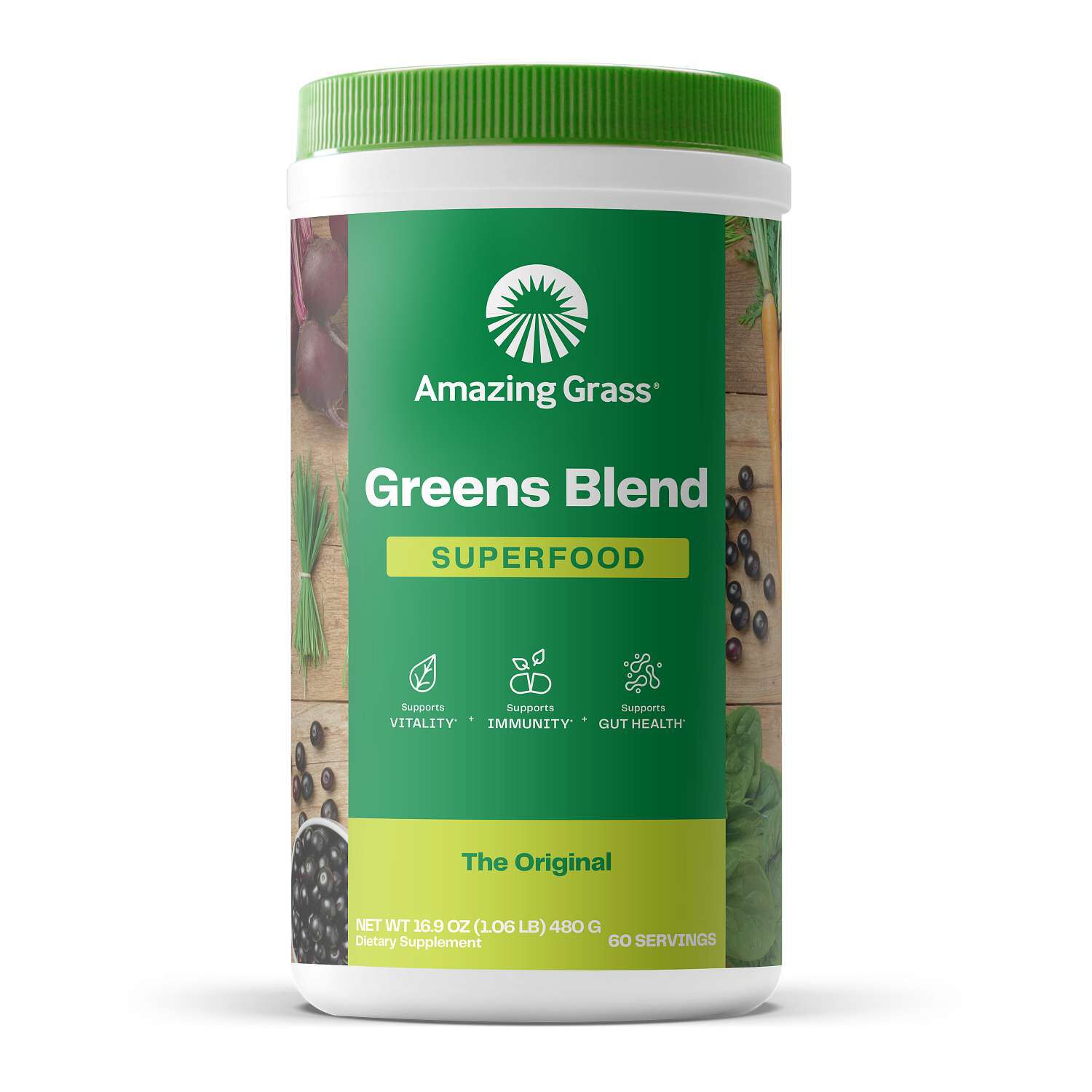
-

-

-
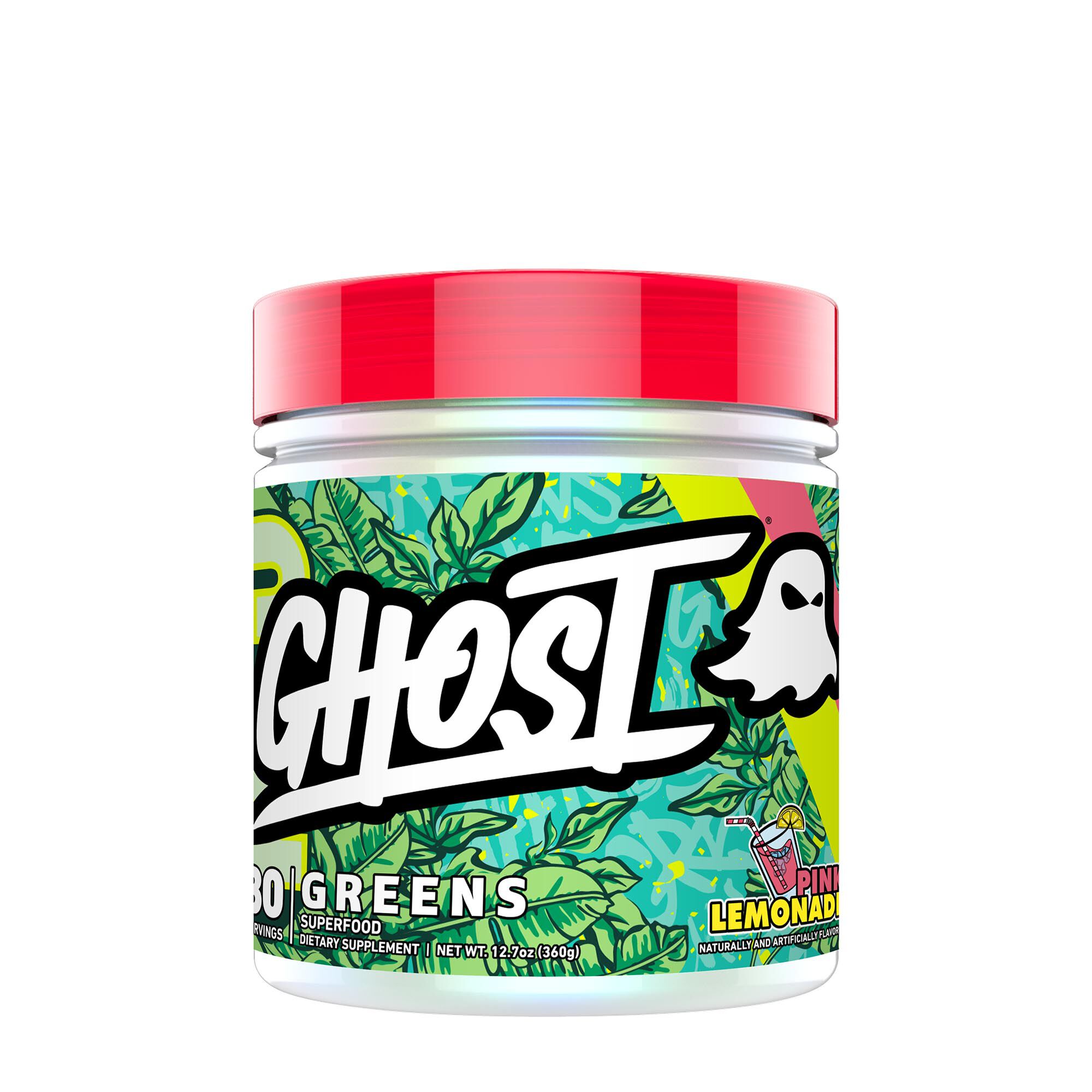
-
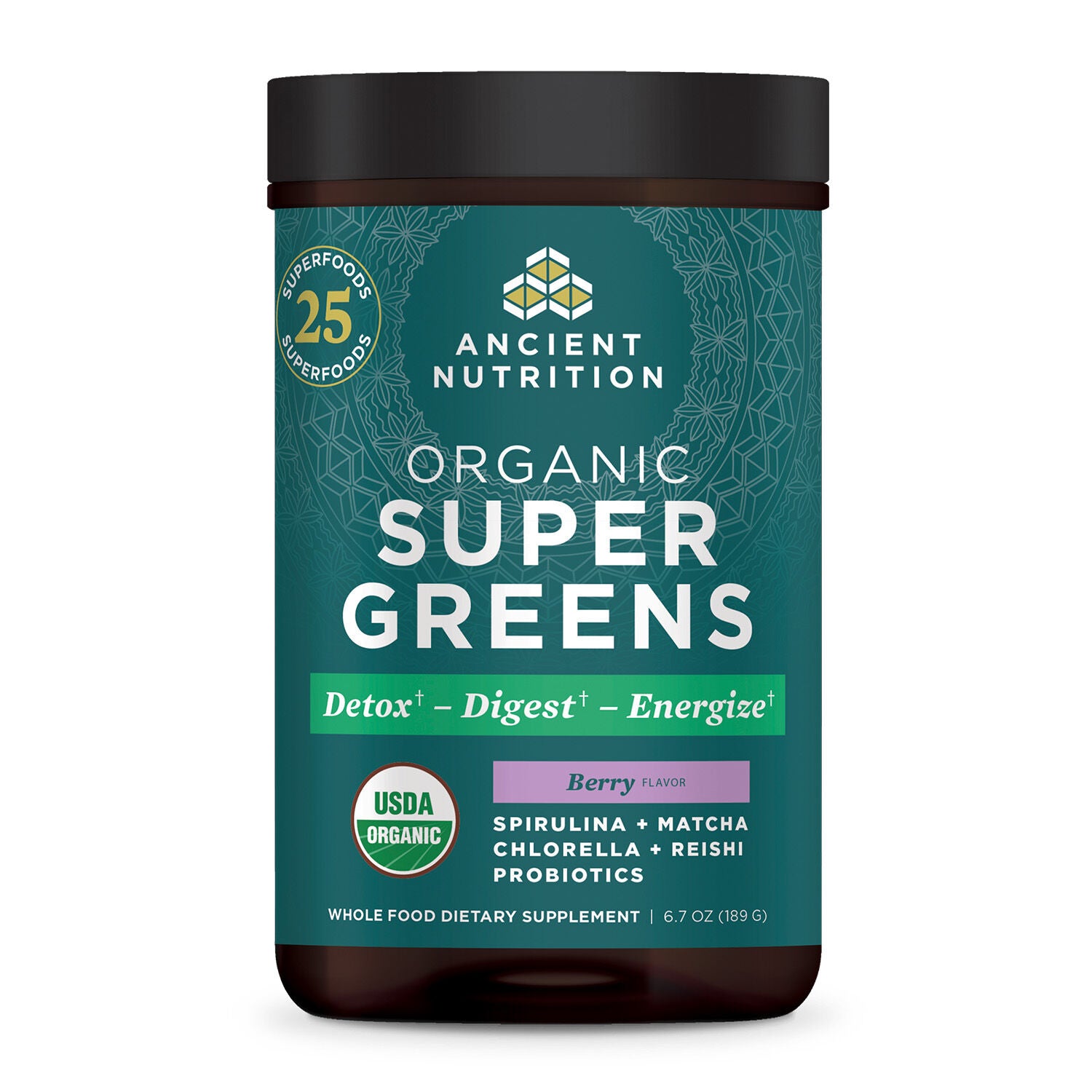
-
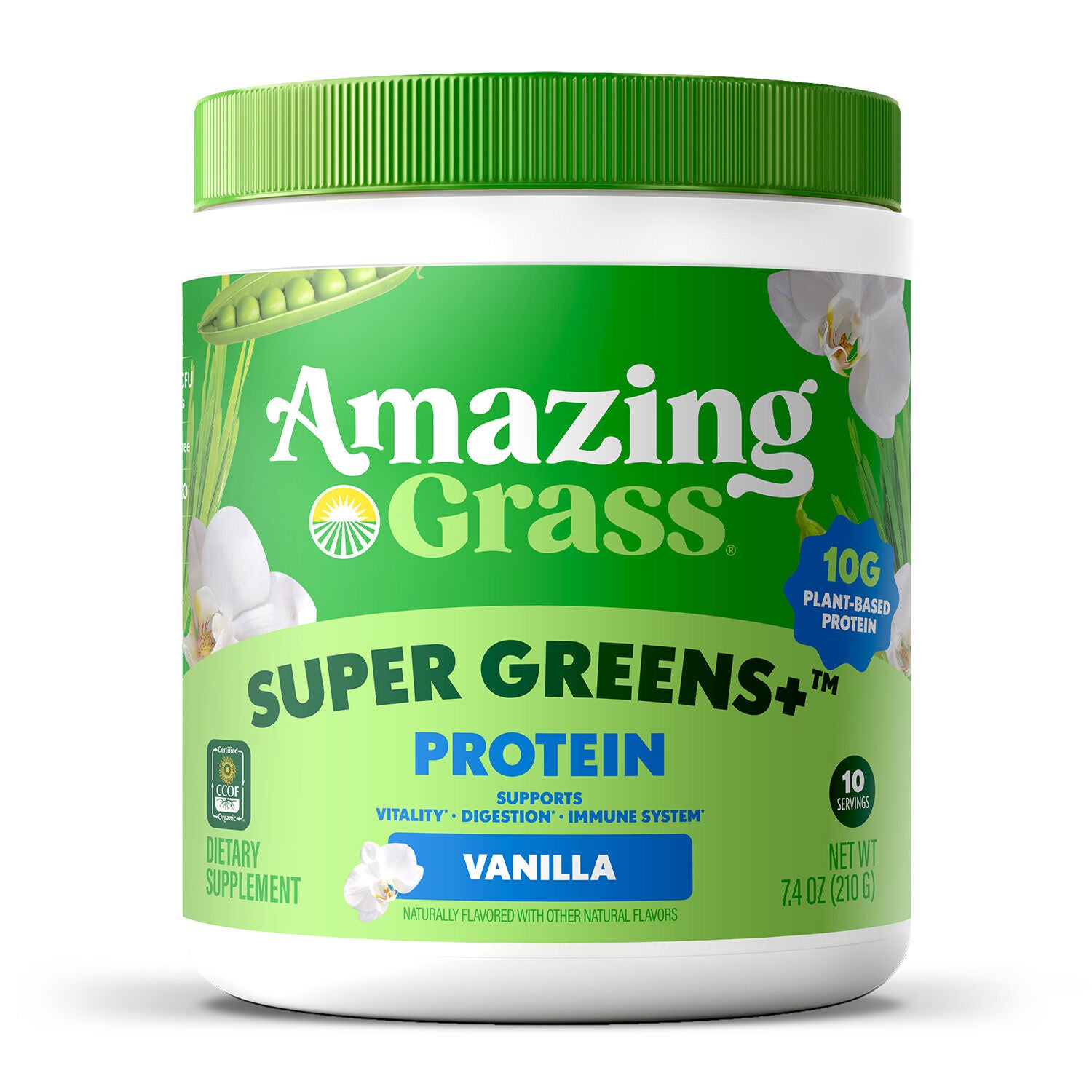
-
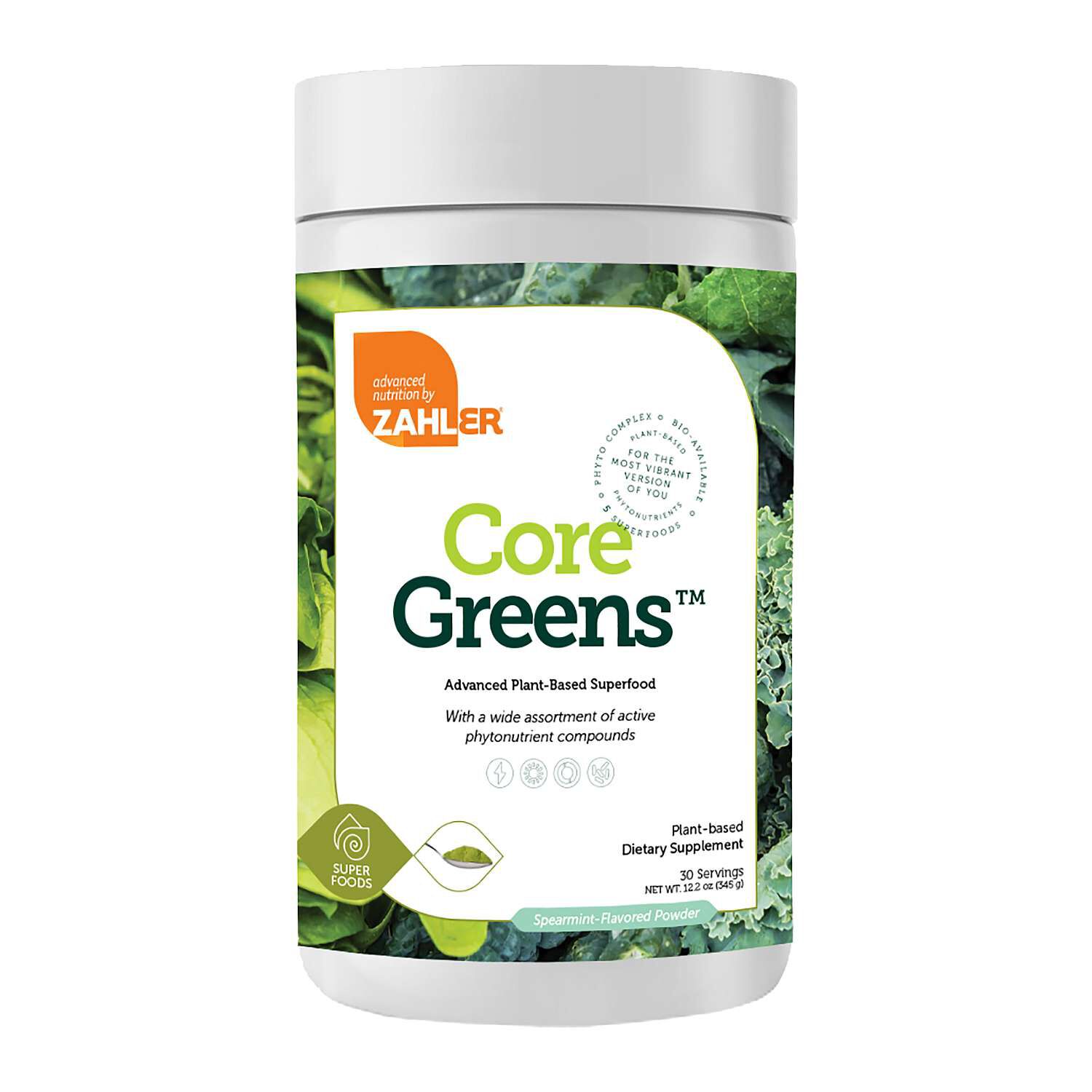
-
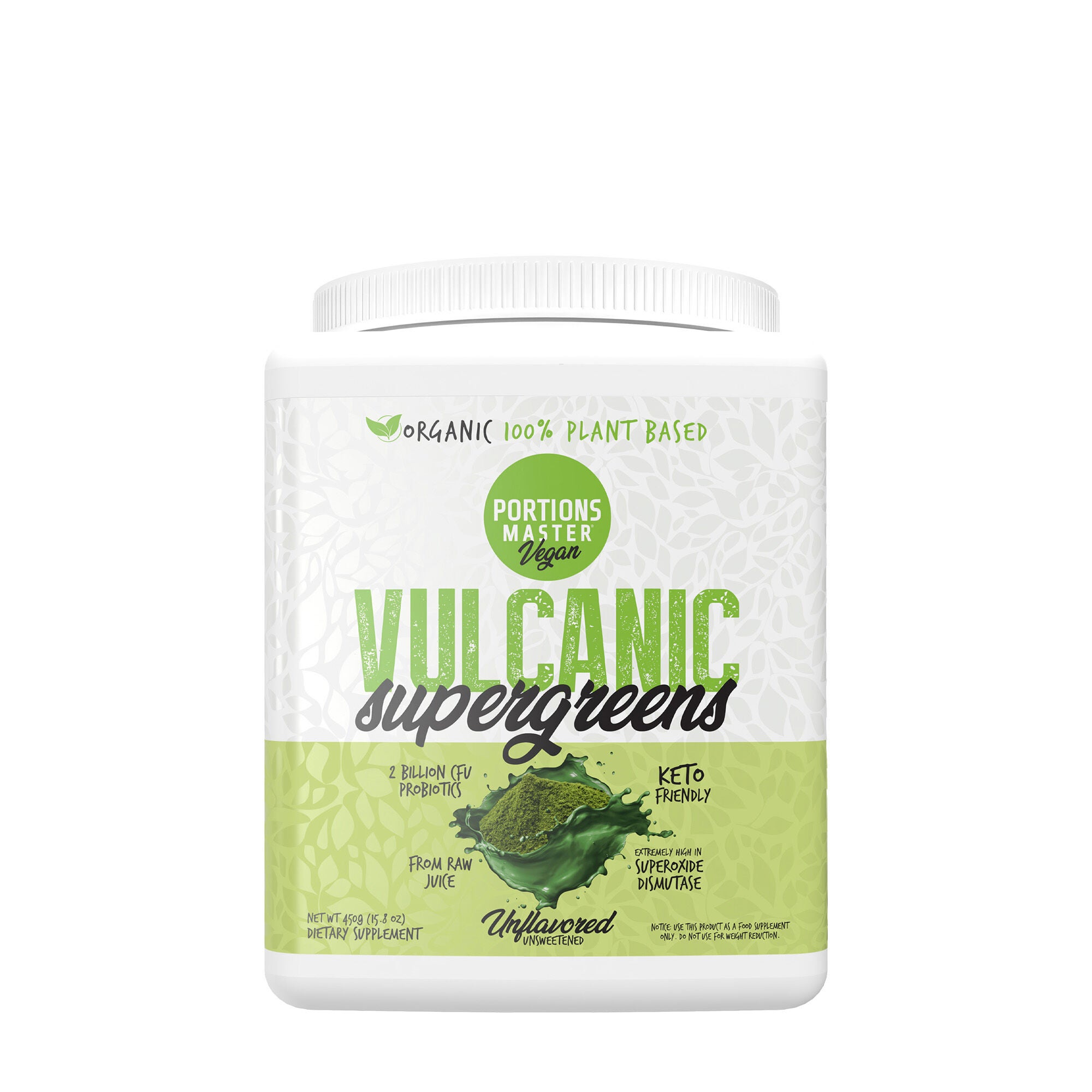
-
 $34.99
-


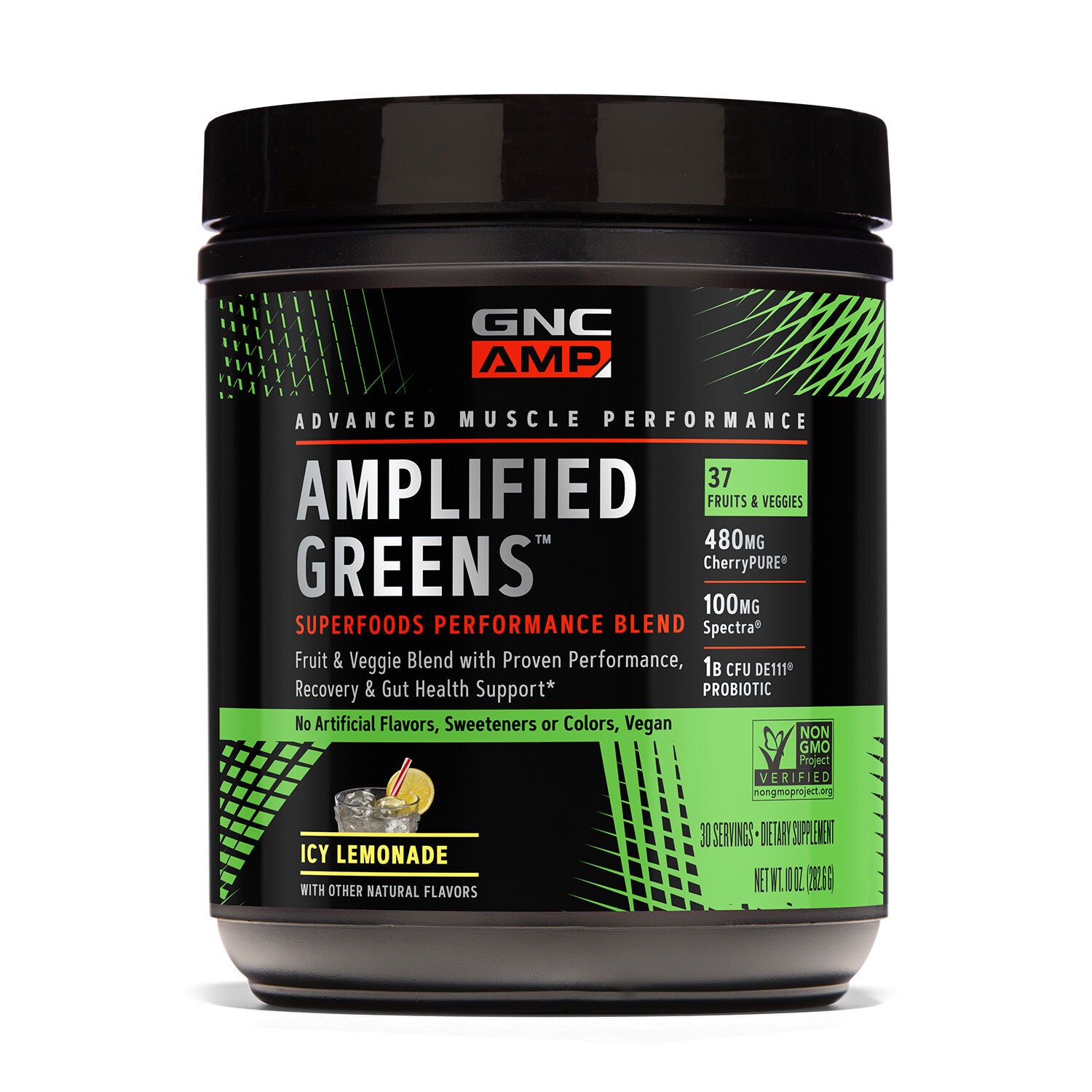
Greens powders with L-theanine and probiotics combine plant-based powders, the amino acid L-theanine, and selected live microbial cultures in a mixable dietary supplement. These ingredients serve different roles within the formula, so the category is more specific than greens powders alone. The greens portion may include vegetable powders, grasses, algae, or other botanical ingredients, with combinations ranging from a short ingredient list to a blend of many plants. Spinach, kale, spirulina, and chlorella are examples of ingredients found in this broader category, although the actual composition varies by formula. L-theanine is an amino acid naturally present in tea; its inclusion does not mean that the finished powder is tea or that it necessarily contains caffeine. Probiotic ingredients add another distinct component, identified on labels by the microorganisms included and, in some cases, their individual strains. Not every greens blend contains both L-theanine and probiotics, making the ingredient list and Supplement Facts panel more useful than the color of the powder or a general reference to botanicals. These combinations may appeal to adults who prefer a powdered format and want these ingredient groups represented in the same serving. For someone who already keeps a shaker bottle beside a work bag or blends a smoothie before leaving home, a mixable format may fit an established routine. The category also includes meaningful differences in sweetness, texture, serving size, and ingredient amounts, so two similarly named blends can offer quite different experiences in the glass. A deep green appearance does not establish the amount of L-theanine, the identity of the probiotic cultures, or the nutritional contribution of a serving. Likewise, a long list of plants does not show how much of each one is included. Greens powders are dietary supplements rather than substitutes for varied meals, and their vitamin, mineral, and fiber content depends on the particular formula. Their distinguishing feature here is the combination of greens ingredients with separately identified L-theanine and probiotic components.
Label detail gives this category much of its character. An individually listed amount of L-theanine makes its contribution easier to distinguish from the overall weight of a botanical blend. When several ingredients appear together under one blend amount, the label may not disclose a separate quantity for each component. Probiotic descriptions deserve the same attention to detail: a genus name, species name, and strain designation provide different degrees of specificity. A reference to cultures alone tells less about the formula than a clearly identified set of microorganisms. Culture counts are commonly expressed in colony-forming units, abbreviated CFU, which describe viable microorganisms rather than the weight of the powder. Whether that count applies at manufacture or through the stated shelf life is another useful distinction when comparing labels. A larger number by itself does not explain the strain selection, serving size, or storage requirements. The rest of the ingredient list also shapes the everyday experience. Added flavors, sweeteners, fruit powders, fibers, and other botanicals can influence taste, consistency, and suitability for different food preferences. A greens-based name does not establish that a formula is vegan, made without dairy ingredients, or appropriate for every dietary preference; those details belong to the individual label. Caffeine is another separate consideration, especially when tea extracts or other caffeine-containing botanicals appear alongside L-theanine. Someone seeking a powder without added caffeine would need to look beyond the amino acid’s name. Shoppers interested in a broader botanical comparison may also explore Greens Powders With Herbal Blends, while checking each formula separately for L-theanine and probiotic ingredients. The overlap between these categories comes from their plant ingredients, not from an assumption that every herbal blend contains the same additional components. For a shopper choosing between a simpler greens formula and a more layered blend, clearly stated ingredients offer a more useful point of comparison than broad descriptions on the front of the container. Serving information also helps distinguish a concentrated scoop from a larger portion containing additional flavoring or fiber.
Preparation, flavor, and storage are practical differences that become noticeable after the first serving. Some greens powders have a grassy or earthy character, while fruit flavors, citrus notes, or sweeteners may soften that impression. A powder mixed with water presents its flavor differently from the same serving blended into a smoothie with banana, berries, or yogurt, where those additions are consistent with the package directions. Texture matters just as much: finely milled ingredients, plant fibers, and the amount of liquid can affect whether a drink feels light, thick, or slightly grainy. A shaker bottle may suit a desk-side routine, while a blender may fit someone who already prepares a breakfast smoothie. Neither format makes the ingredient list less important, and a scoop’s appearance is not a reliable substitute for the labeled serving measurement. Package directions establish the intended serving and preparation method, including any instructions about mixing or consuming the drink after preparation. For powders containing live cultures, storage instructions are particularly relevant. Some formulas call for refrigeration, while others are designed for storage under the conditions stated on the container. The package, closure, and handling instructions all deserve attention because moisture entering an open container can change the powder’s texture. A dry scoop and a securely closed lid are practical parts of keeping the contents in their intended condition. Containers that stay at home and packets carried in a bag also create different routines: a tub involves measuring, while a packet has a stated portion that still needs to be checked against the serving directions. For someone with a crowded countertop or a regularly packed lunch bag, the format may influence whether the powder fits naturally into the day. The most relevant comparison brings those everyday details together with the formula itself: identified greens ingredients, a stated L-theanine amount where disclosed, clearly described probiotic cultures, a suitable flavor profile, and storage requirements that fit the intended setting. These details distinguish greens powders with L-theanine and probiotics beyond the category name.
Best Sellers
-
Ancient Nutrition
-
Amazing Grass
