





Greens Powders With Monk Fruit And Probiotics
(0 Results)
Greens Powders With Monk Fruit and Probiotics
Greens powders with monk fruit and probiotics offer a convenient way to support your daily wellness routine. These blends combine plant-based ingredients with the natural sweetness of monk fruit and the potential benefits of probiotics. Whether you are looking to add more greens to your diet or seeking a flavorful option, greens powders with monk fruit and probiotics may be a great addition to your lifestyle. Explore a variety of options that fit seamlessly into smoothies, shakes, or your favorite recipes.
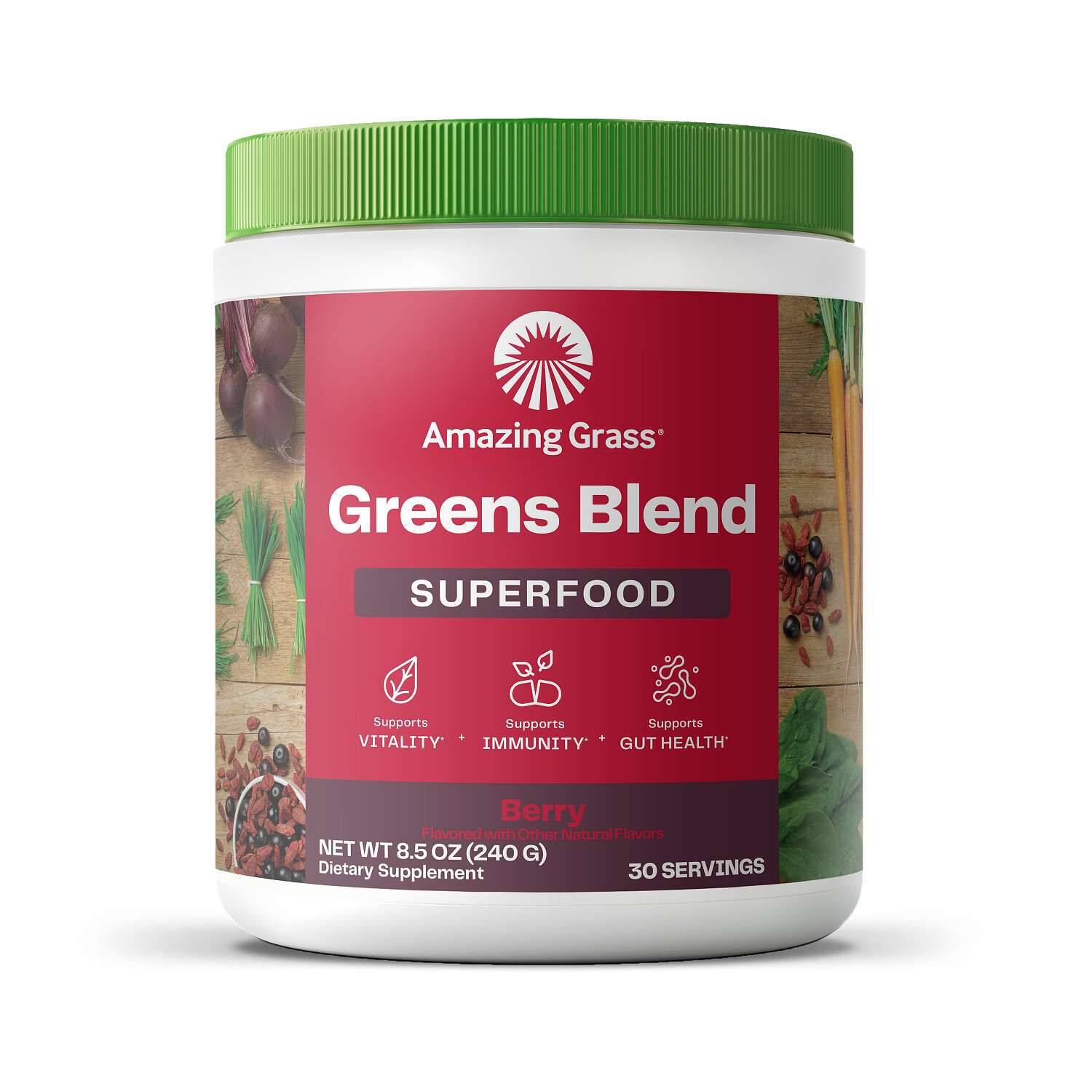


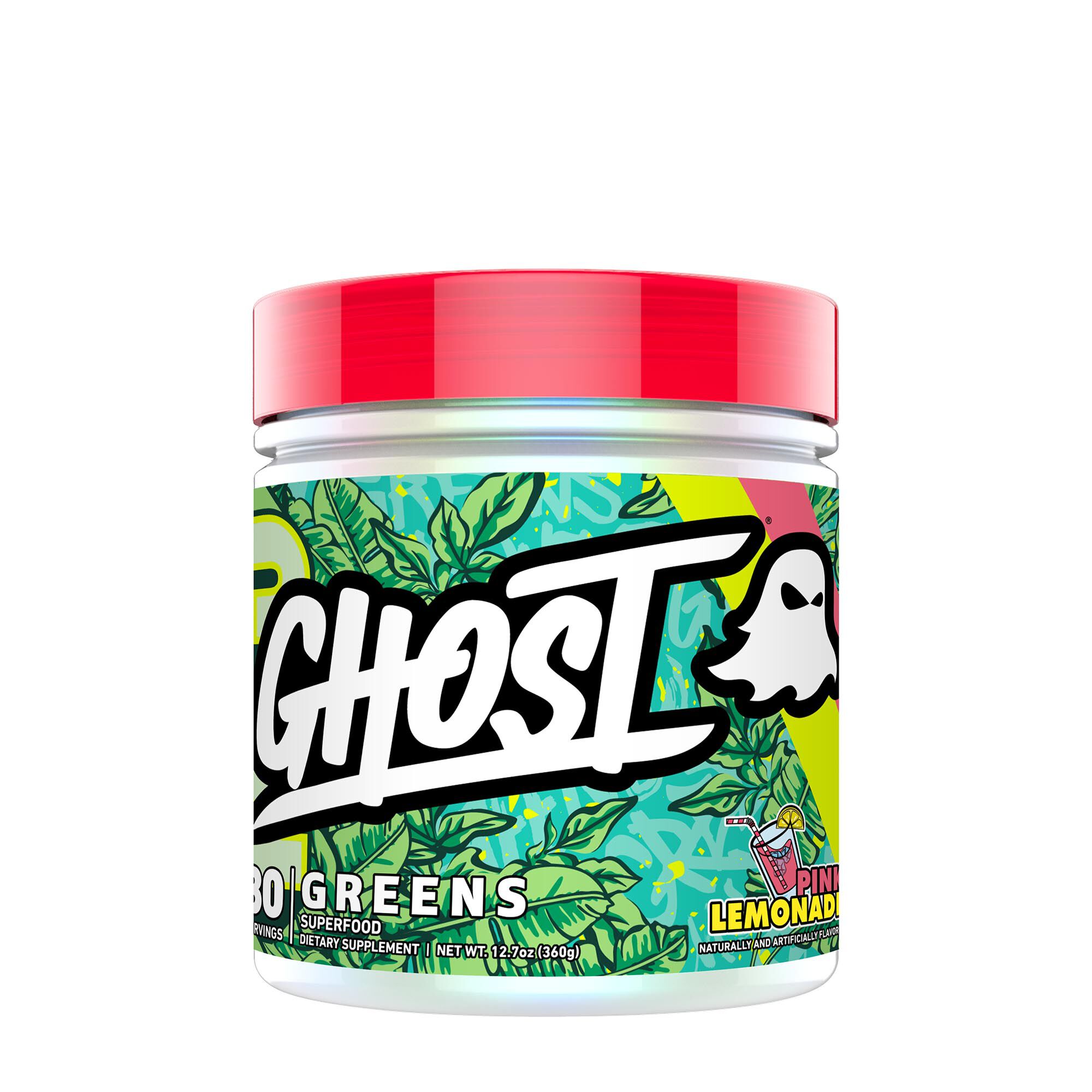
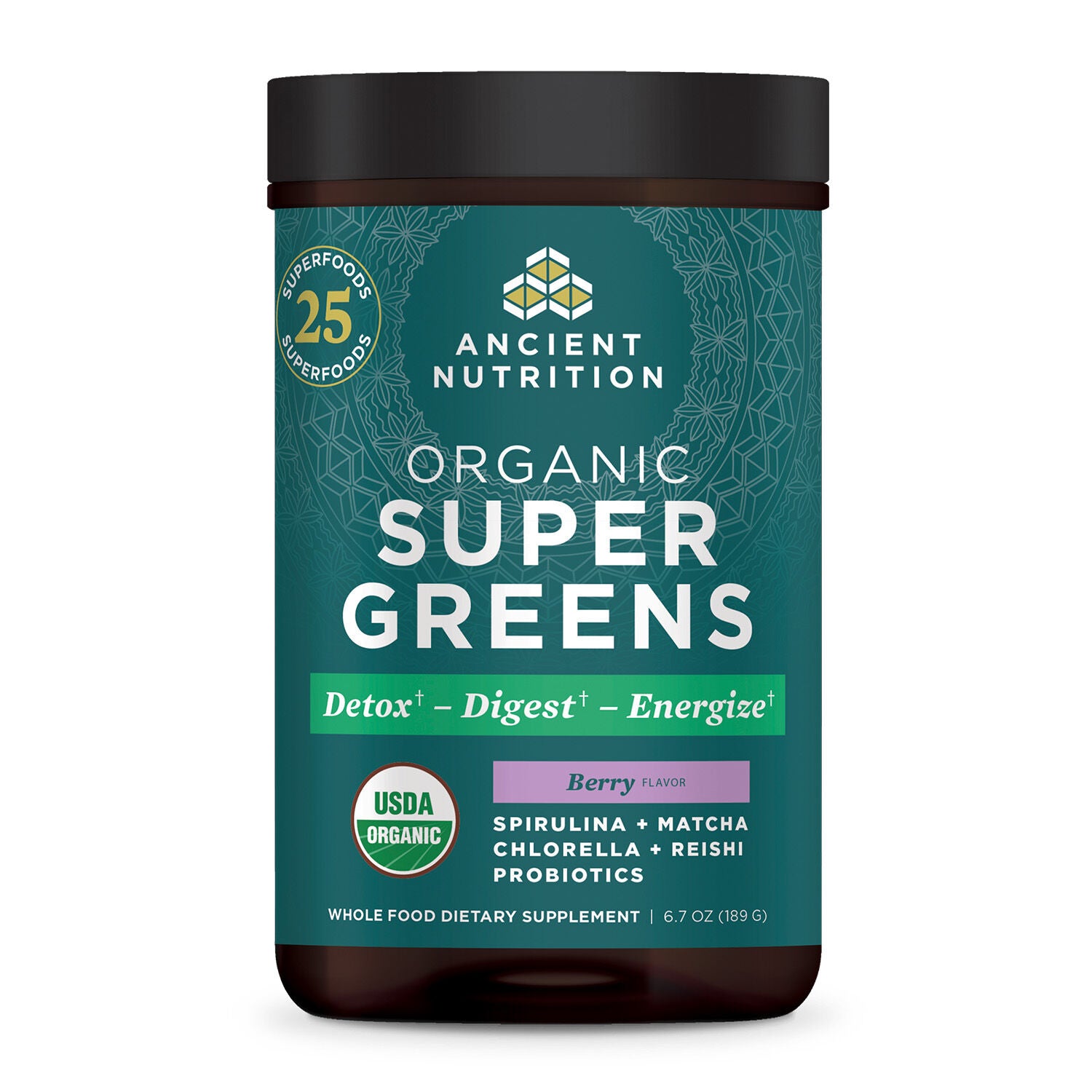


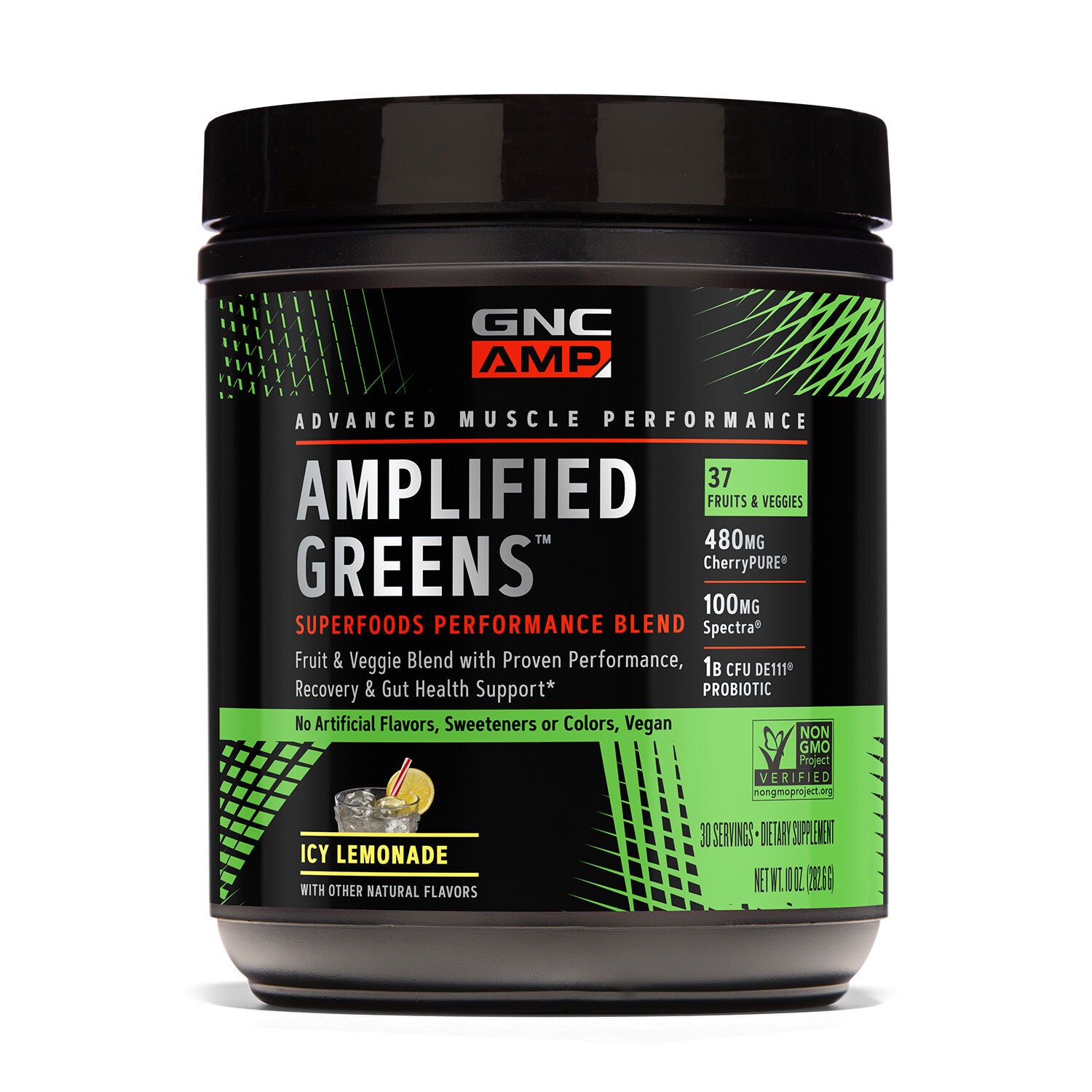


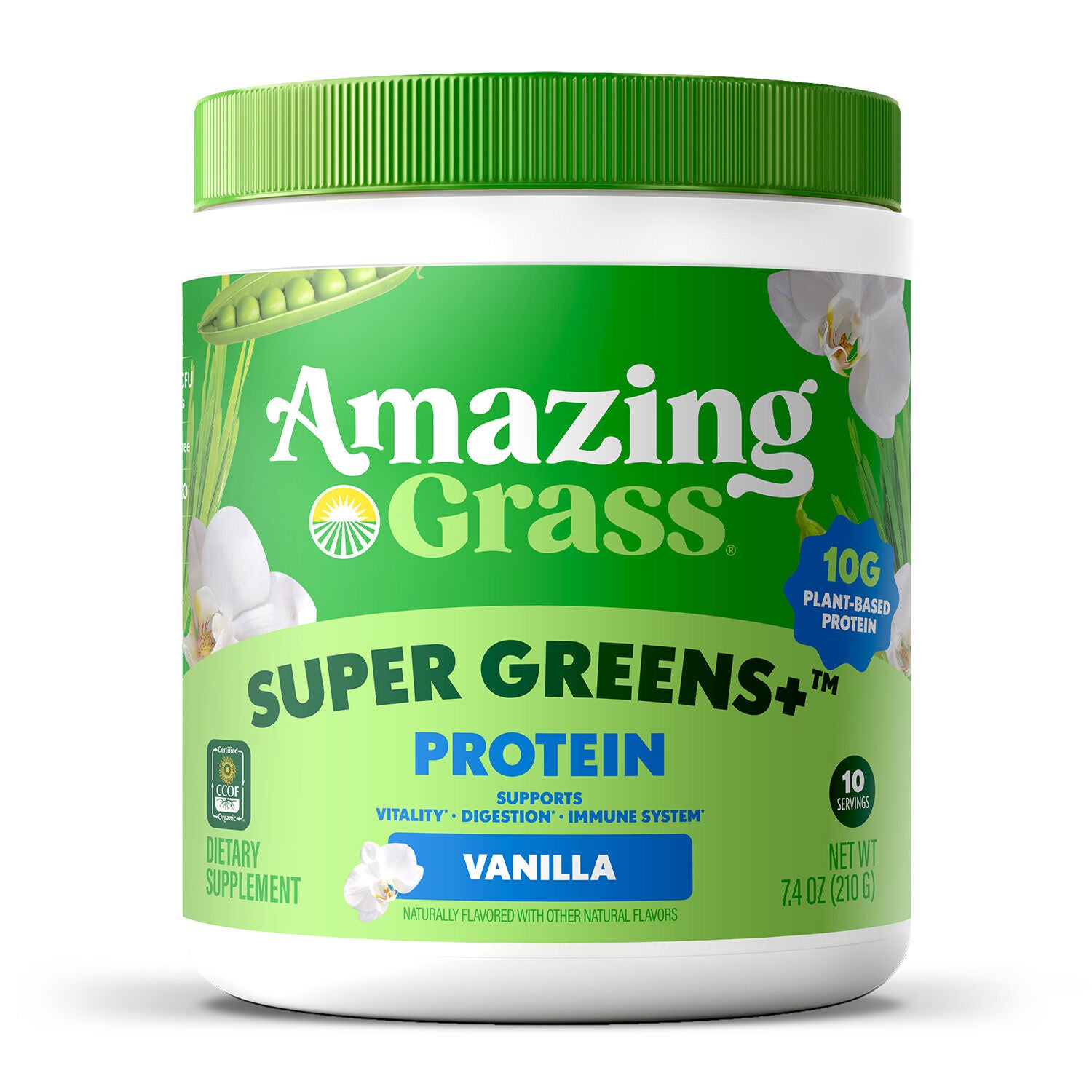
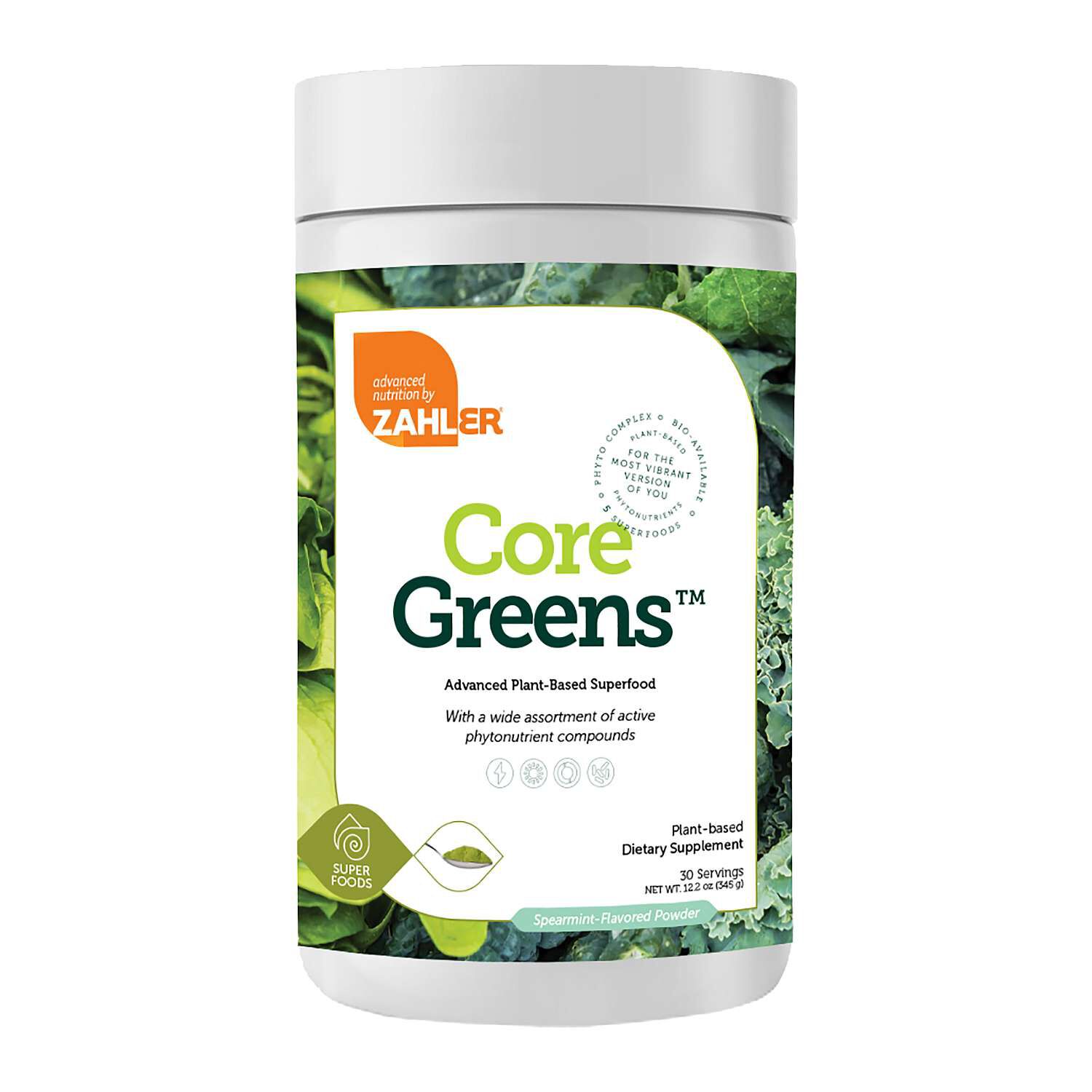
Greens powders with monk fruit and probiotics combine powdered plant ingredients, monk fruit–derived sweetness, and probiotic cultures in a format designed for mixing into drinks or foods. They may appeal to shoppers who prefer a sweetened greens blend and want probiotic cultures included in the same serving. The category covers a range of formulas rather than one standard recipe: a blend might feature leafy vegetable powders, grasses, algae, fruit powders, or other botanical ingredients, with the exact combination shown on its label. Monk fruit extract is used as a sweetener, but its presence does not automatically mean a powder has little or no sugar. Some formulas include other sweeteners or ingredients that contribute sugar, so the Nutrition Facts or Supplement Facts panel provides important context alongside the ingredient list. The relationship between serving size and the amounts listed also matters; a small scoop and a larger scoop are not interchangeable simply because both contain greens. For shoppers interested in the plant ingredients themselves, individually listed amounts offer a different view from a blend that lists only a combined weight. Neither the shade of green nor the length of the ingredient list tells the whole story. These powders are intended to complement an eating routine, not stand in for the variety, texture, and enjoyment of vegetables, fruit, and other foods. Someone who likes a morning smoothie, keeps a shaker at the office, or prefers one mixed beverage to several separate preparations might find the format convenient. A greens powder is also distinct from a protein powder: the presence of plant ingredients does not establish that it provides a substantial amount of protein. Fiber content varies as well, even when vegetables appear prominently in the ingredient list. For this category, the most meaningful distinctions come from the actual formula, its labeled serving, and how comfortably its flavor and preparation fit into everyday life.
Flavor and texture have a large role in whether a greens powder becomes a regular part of a routine. Monk fruit can have a lingering sweetness, and the taste of the finished blend also depends on its plant ingredients, flavorings, and any additional sweeteners. A citrus-style blend may suit someone who prefers a brighter drink with water, while a berry profile might work well in a smoothie with banana or yogurt. A less strongly flavored option may be a better match for a person who wants the surrounding ingredients to remain noticeable. Vegetable and grass powders can bring earthy or grassy notes, and a flavored formula may still retain some of that character. Product descriptions can provide a starting point, but sweetness, aroma, and mouthfeel remain personal preferences. Water keeps preparation simple, while milk or a plant-based beverage may create a different texture and flavor balance. A smoothie with fruit and oats offers another setting for a powder, although the finished drink will reflect everything added to it rather than the greens blend alone. The suggested liquid amount matters here: using less liquid may produce a more concentrated taste, while a larger drink may taste milder. Following the labeled preparation directions keeps the portion consistent without assuming that an extra scoop makes a better serving. Some powders disperse with a spoon, while others may mix more evenly in a shaker or blender, depending on the formula. Fine particles can settle, so a brief stir before the next sip may be useful. A little sediment is not the same as a smooth, fully dissolved beverage, and shoppers who are sensitive to texture may prefer preparations where the powder is blended with other ingredients. Format is another everyday consideration. A resealable tub may suit a kitchen counter routine, while individually portioned packets may be convenient for a work bag or an overnight stay. The best fit is often the format that matches how and where the drink will actually be prepared.
Probiotic details add another point of comparison within greens powders with monk fruit and probiotics. Probiotics are live microorganisms, and labels may identify them by genus, species, and strain. Those names describe the cultures included; they are not interchangeable details that can be reduced to a single number. The amount may be expressed in colony-forming units, or CFUs, with additional wording about when that amount applies. A statement referring to the time of manufacture is different from one referring to the end of the stated shelf life. A higher CFU number alone does not establish which formula is the right match for an individual, and the number of strains does not explain the rest of the blend. Storage directions deserve attention because they can differ between formulas. Some powders are intended for pantry storage, while others may have different requirements, and the package directions are the appropriate reference for each one. Keeping the container closed, using a dry scoop, and protecting the powder from moisture are practical parts of caring for the product after opening. A scoop left beside a wet blender or a lid loosely resting on a tub can make an otherwise simple routine less tidy. The best-by date and the original label are useful to retain, particularly when a container is stored out of sight. Beyond the cultures, shoppers may also compare added fiber, botanical ingredients, flavorings, and allergen statements to understand what each serving contains. Those interested in a broader botanical emphasis can also explore Greens Powders With Herbal Blends, where the ingredient mix provides another way to consider the category. Herbal ingredients and probiotic cultures describe different aspects of a formula, so one does not necessarily imply the presence of the other. For a shared household, individual flavor preferences and ingredient requirements may matter as much as package size. A clearly labeled blend with suitable preparation and storage directions may fit more naturally into an established routine than a formula chosen solely for a long list of ingredients.
Best Sellers
-
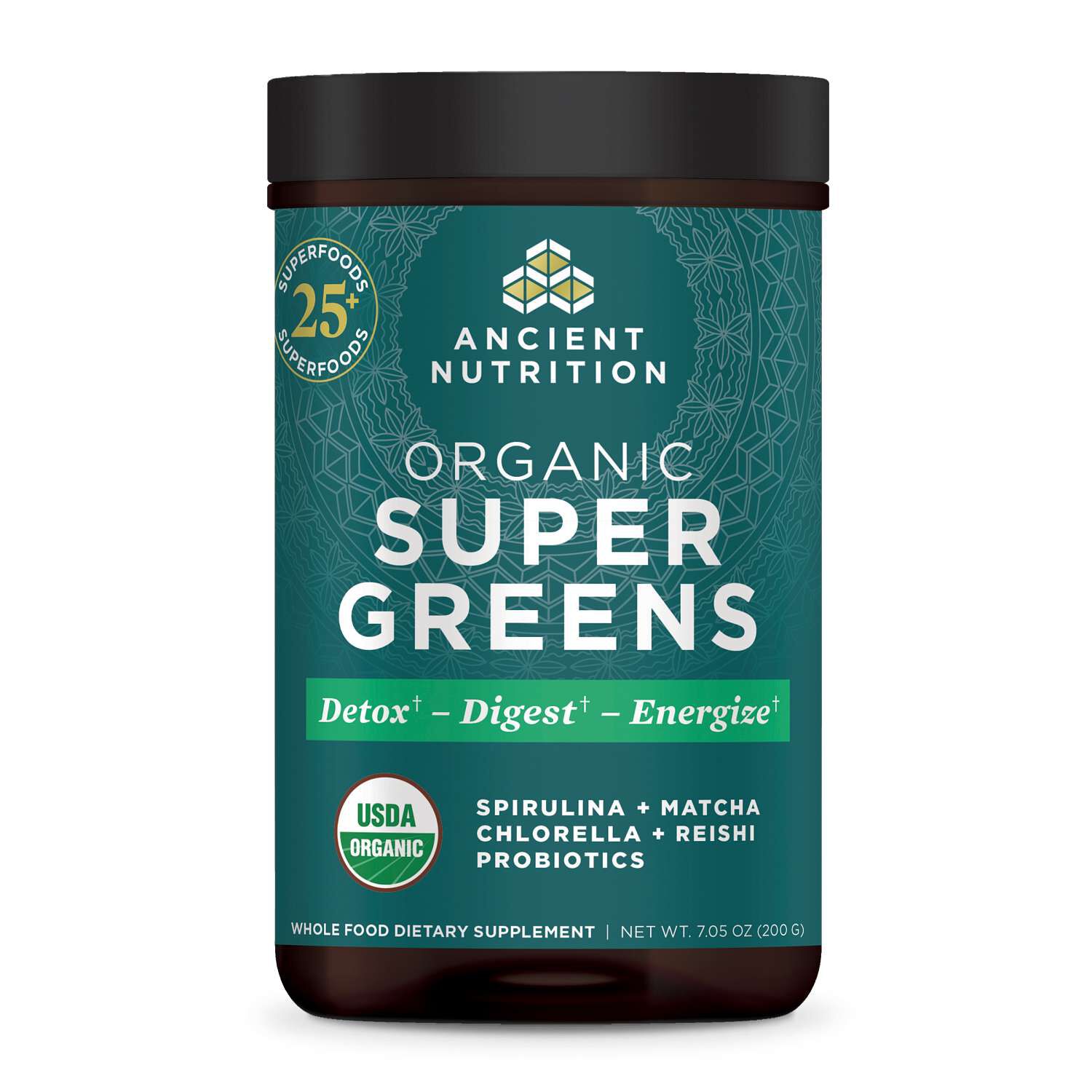 Ancient Nutrition
-
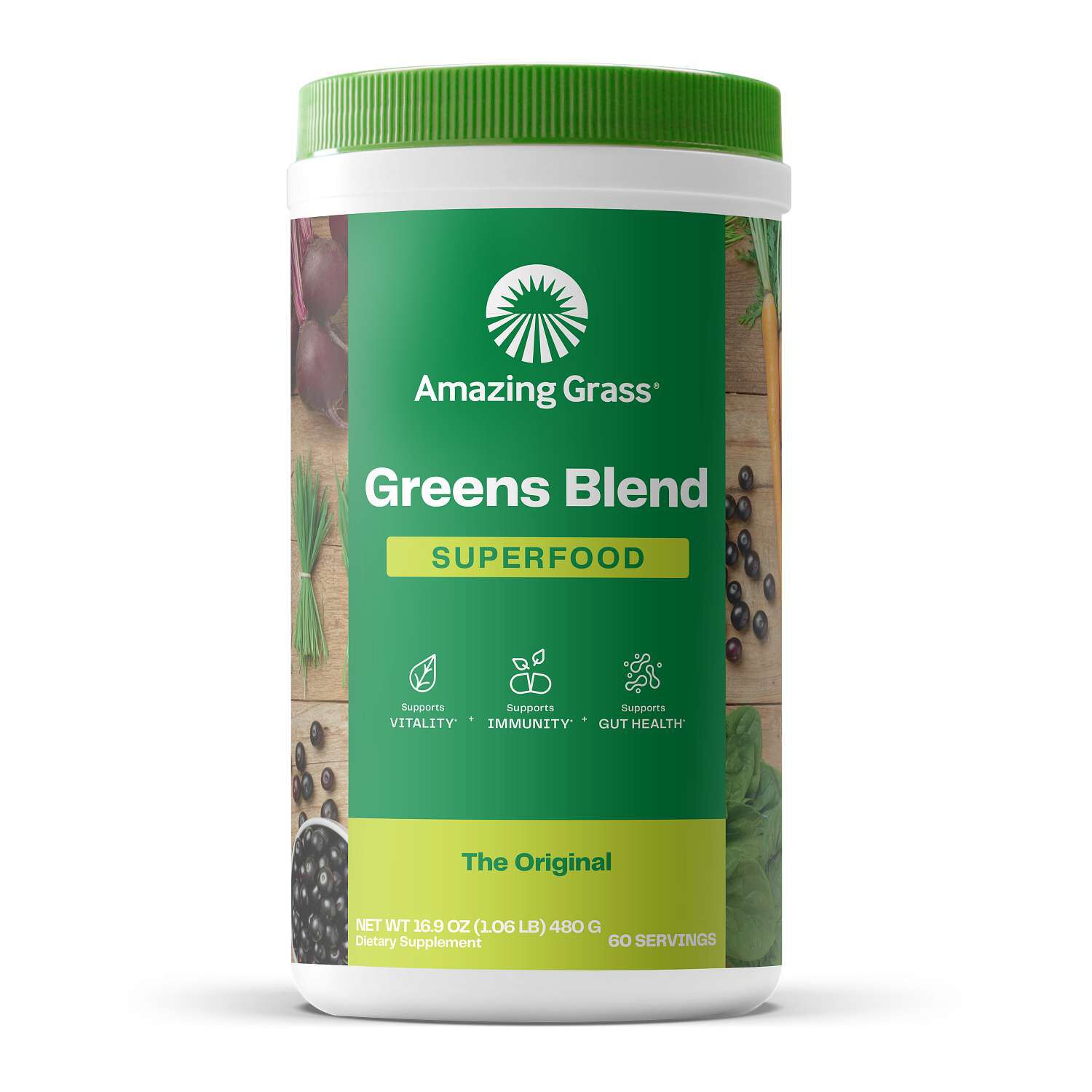 Amazing Grass