





Gut Friendly Greens Powder Blends
(0 Results)
Gut friendly greens powder blends offer a convenient way to support wellness goals and daily nutrition. Packed with a variety of plant-based ingredients, these blends may provide an easy addition to your routine for those seeking digestive support. Explore gut friendly greens powder blends that fit your lifestyle and discover how adding more greens to your day could help you feel your best.
-

-

-
-
-
-

-

-
-
-

-

-

-

-
-

-
-
-
-
 4$59.99
-
 $34.99
-
-


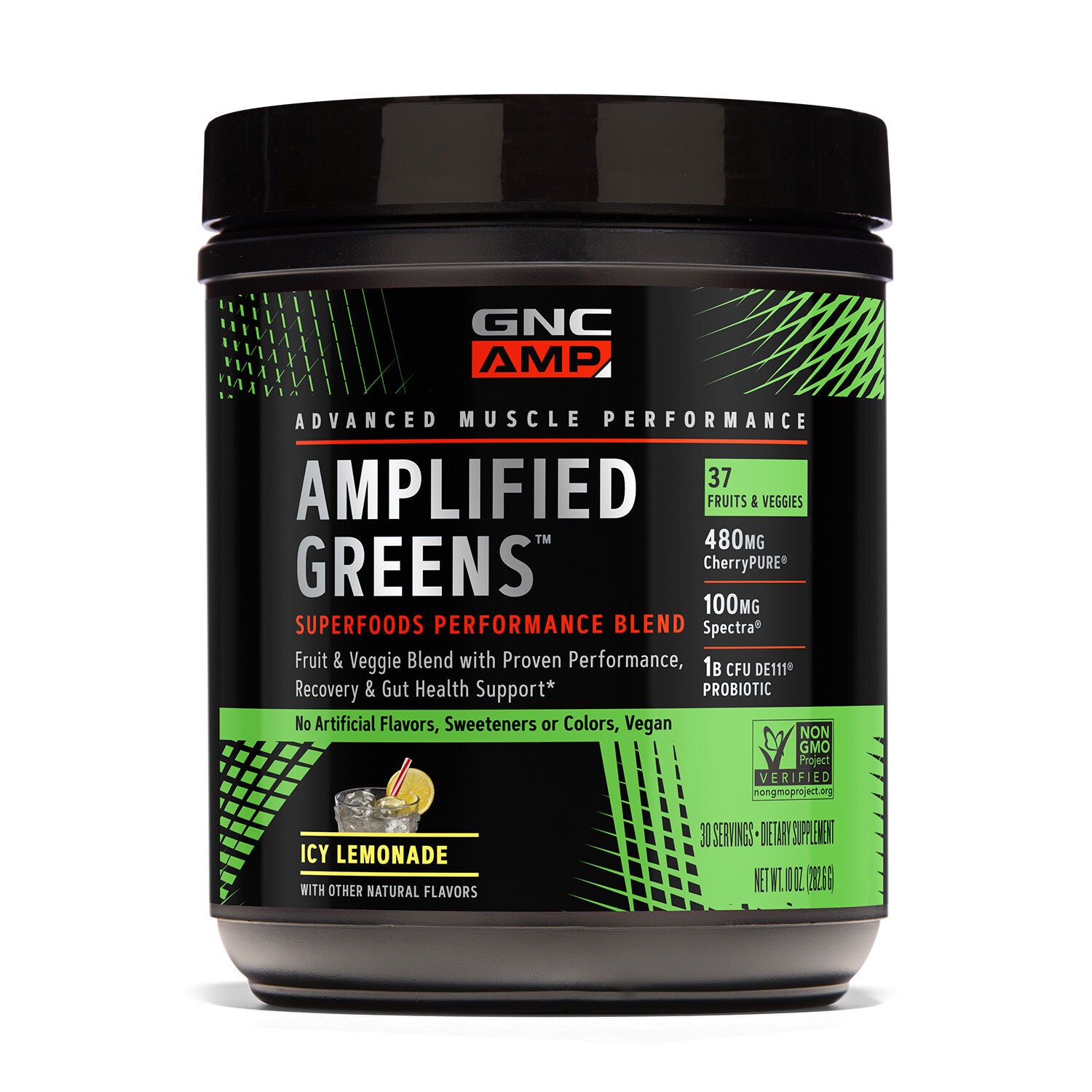
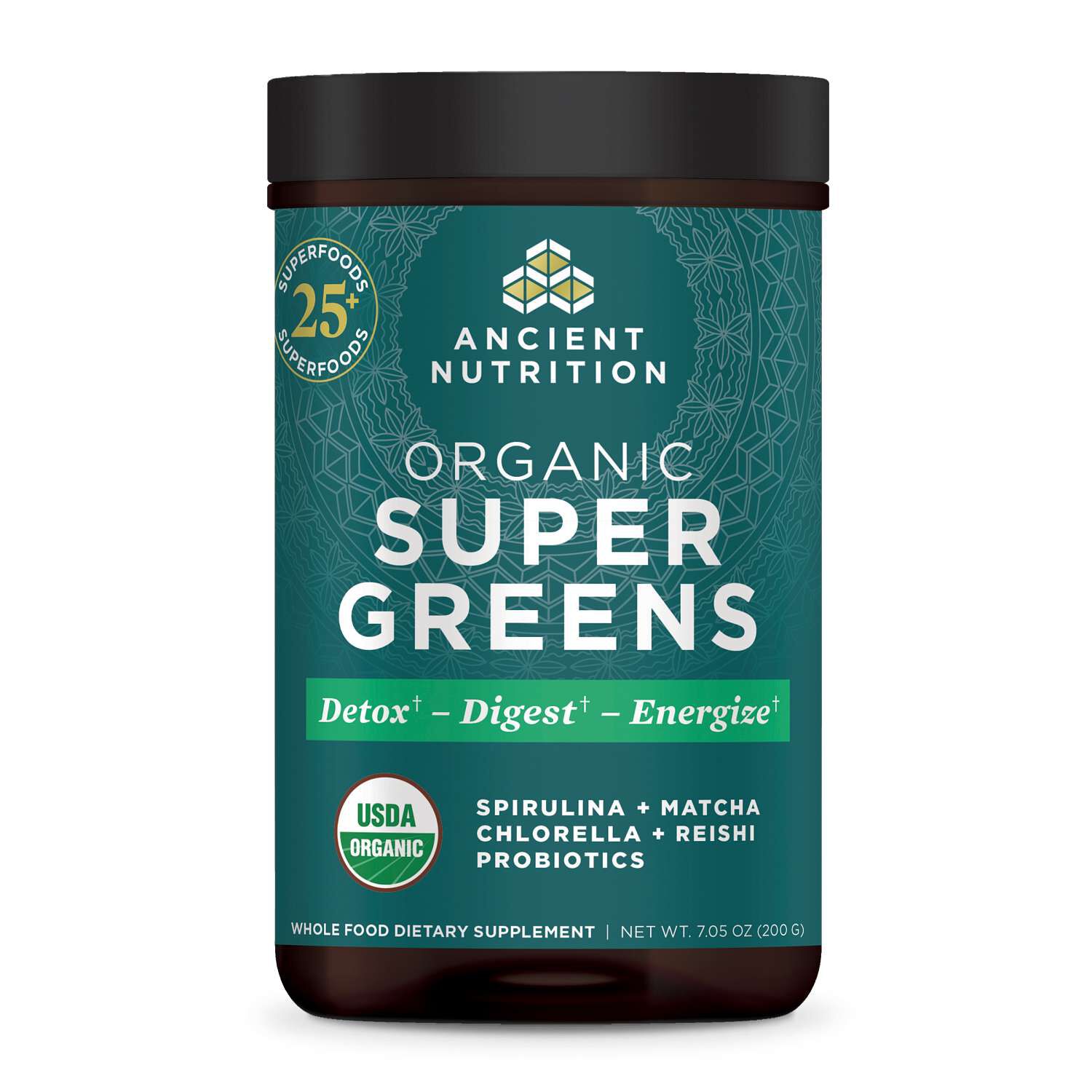
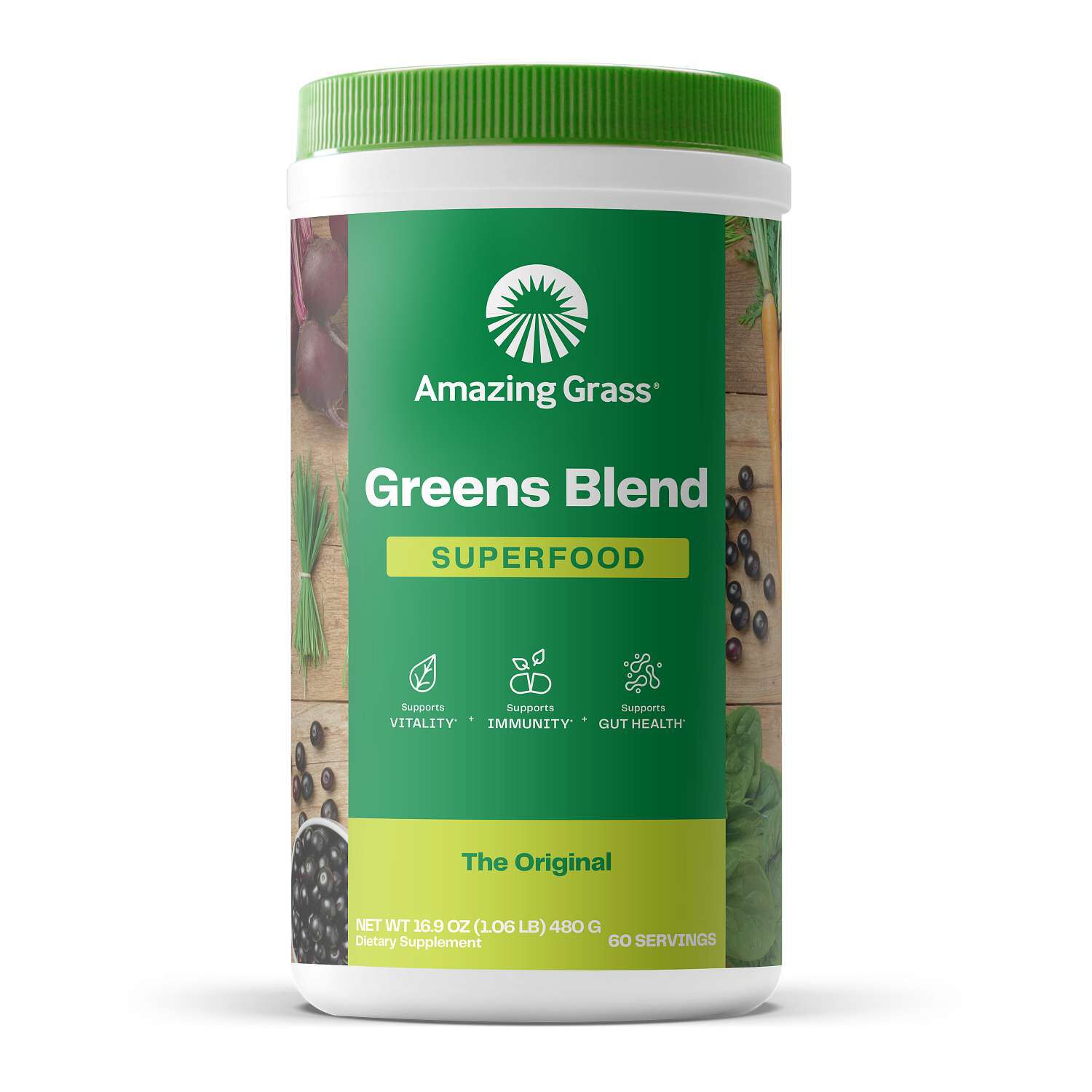
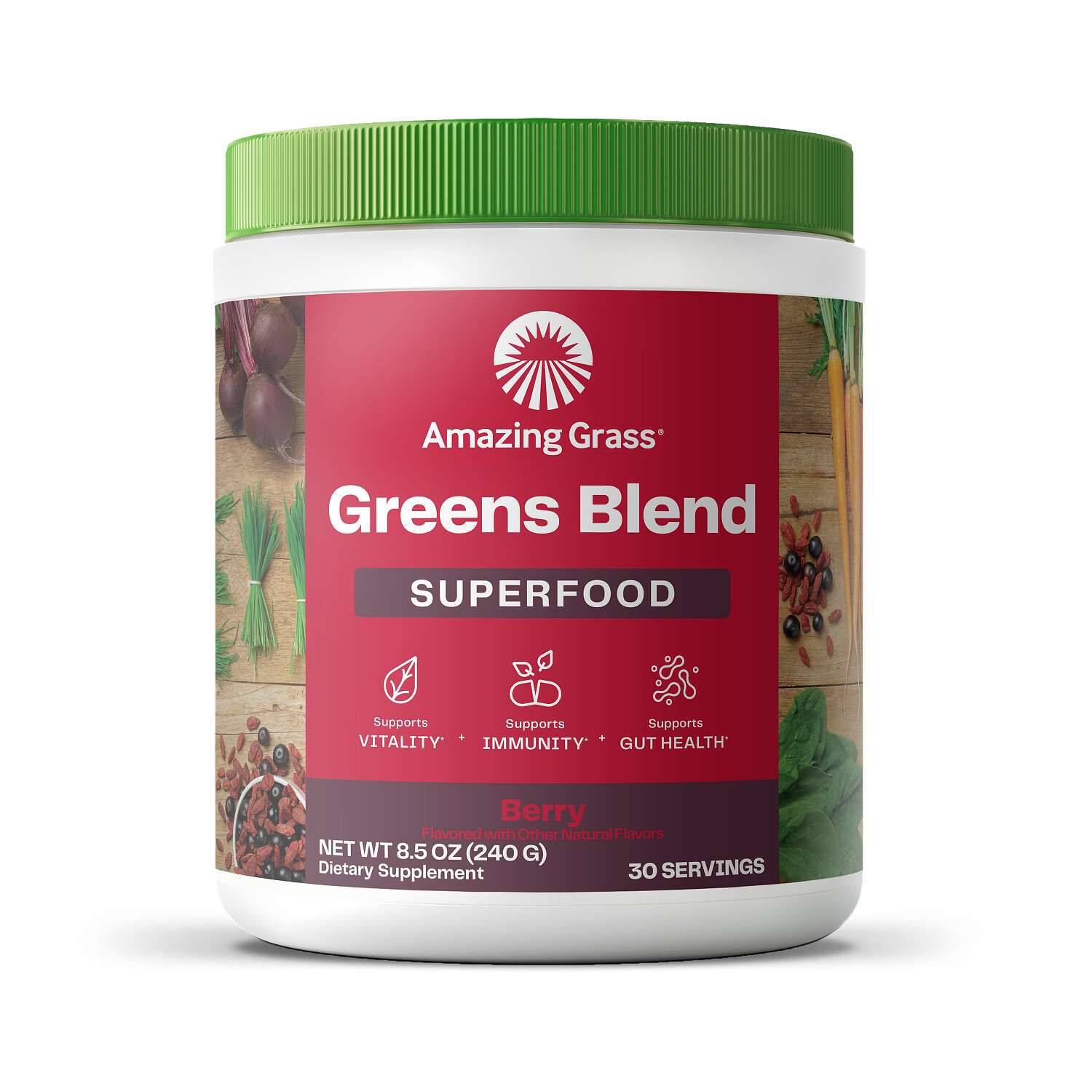
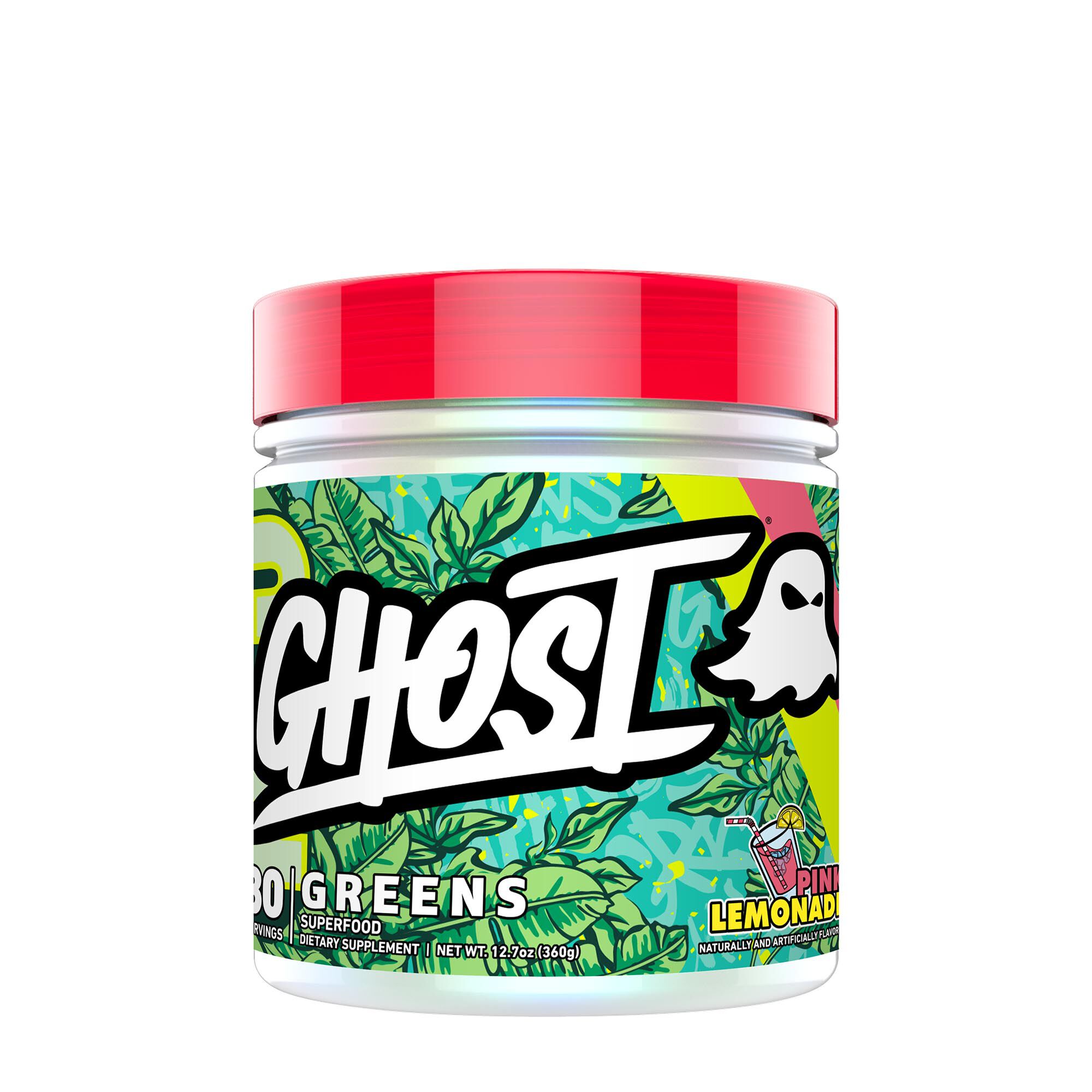
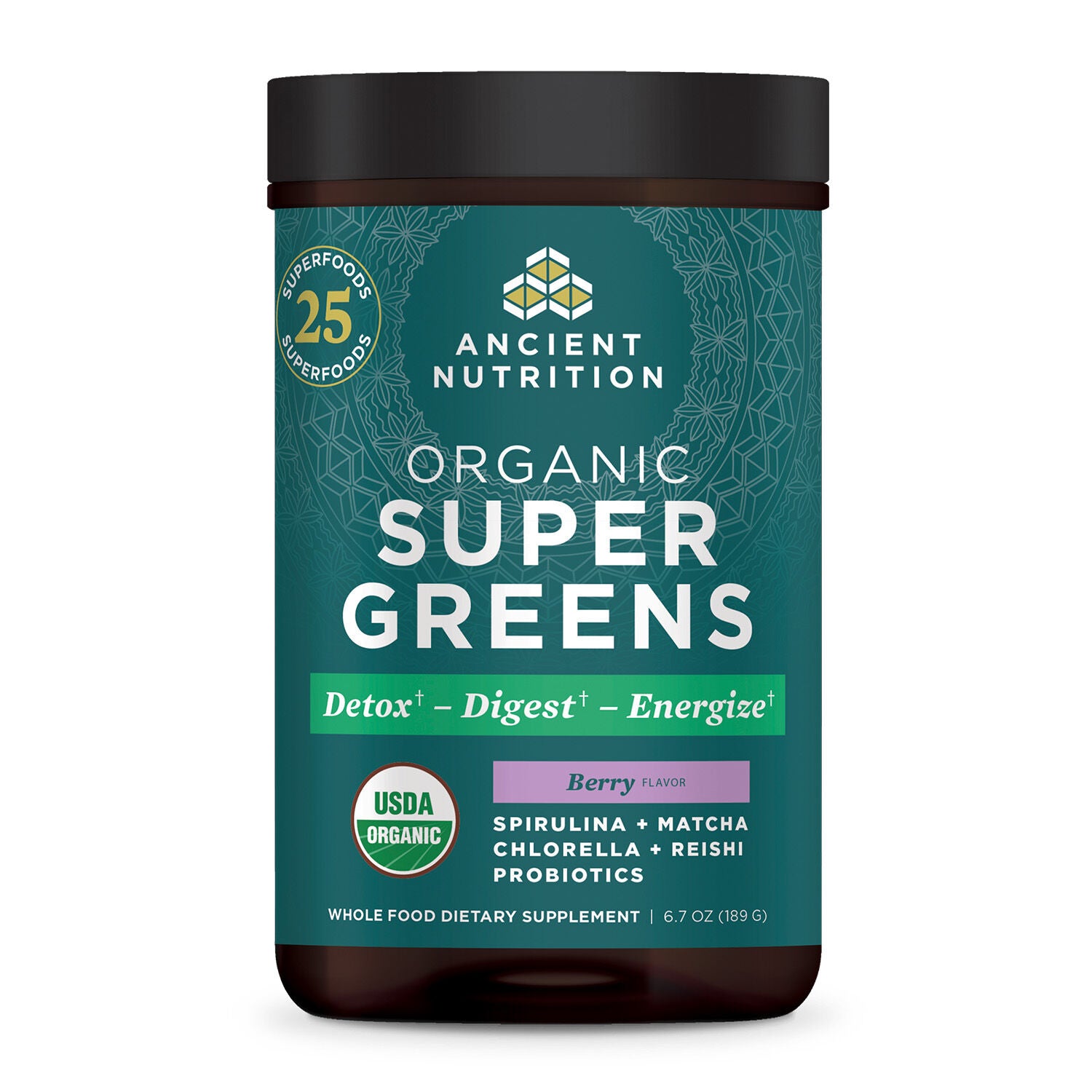
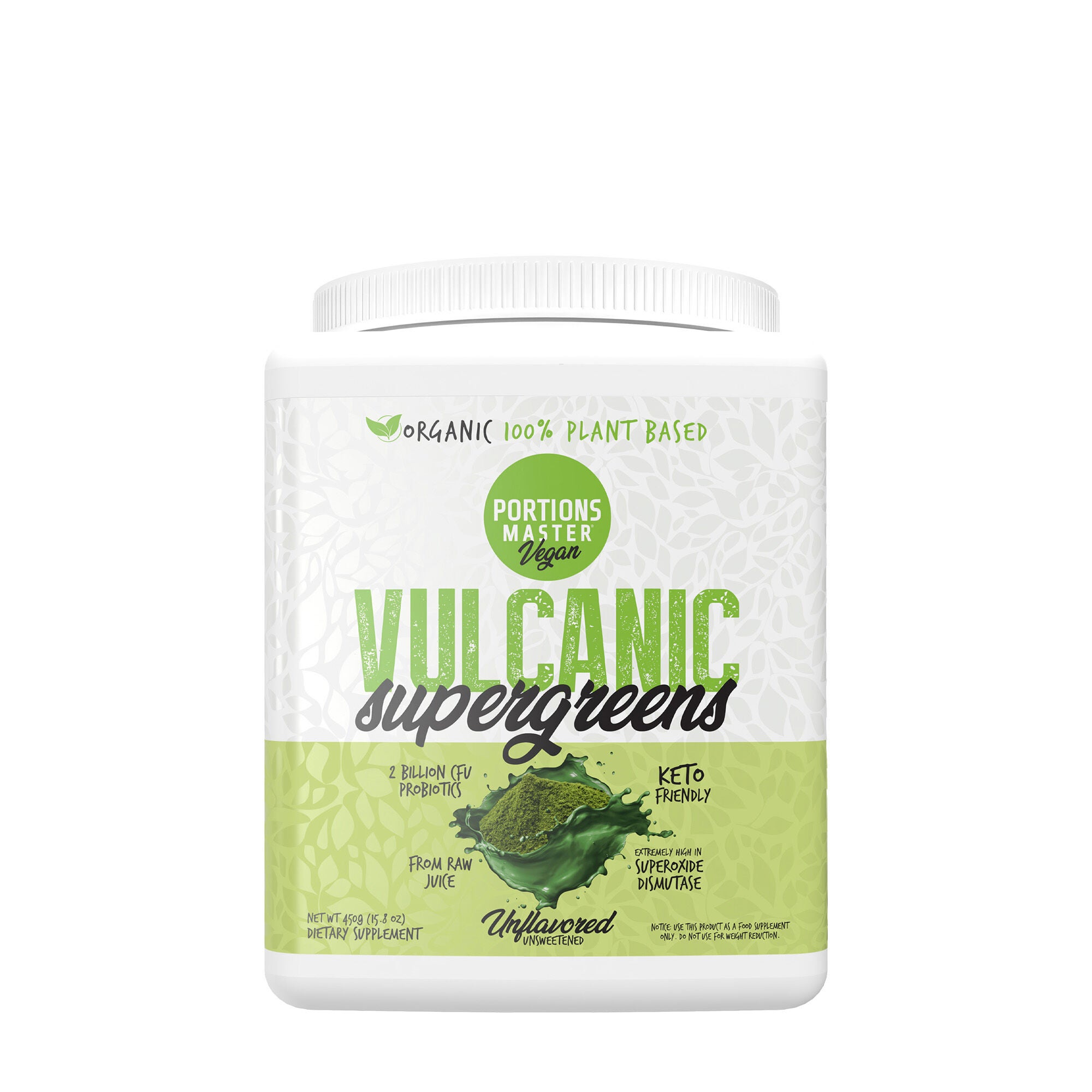
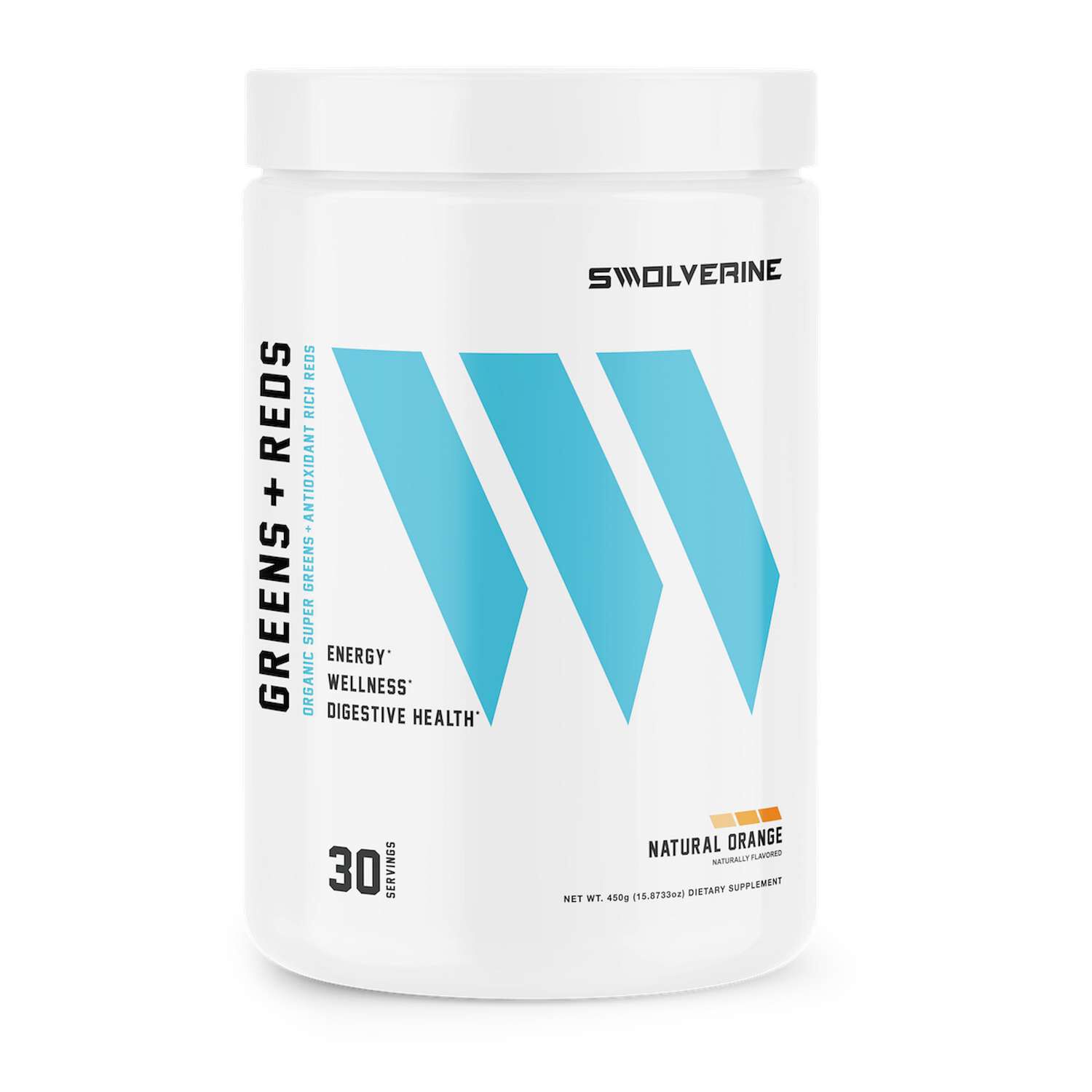
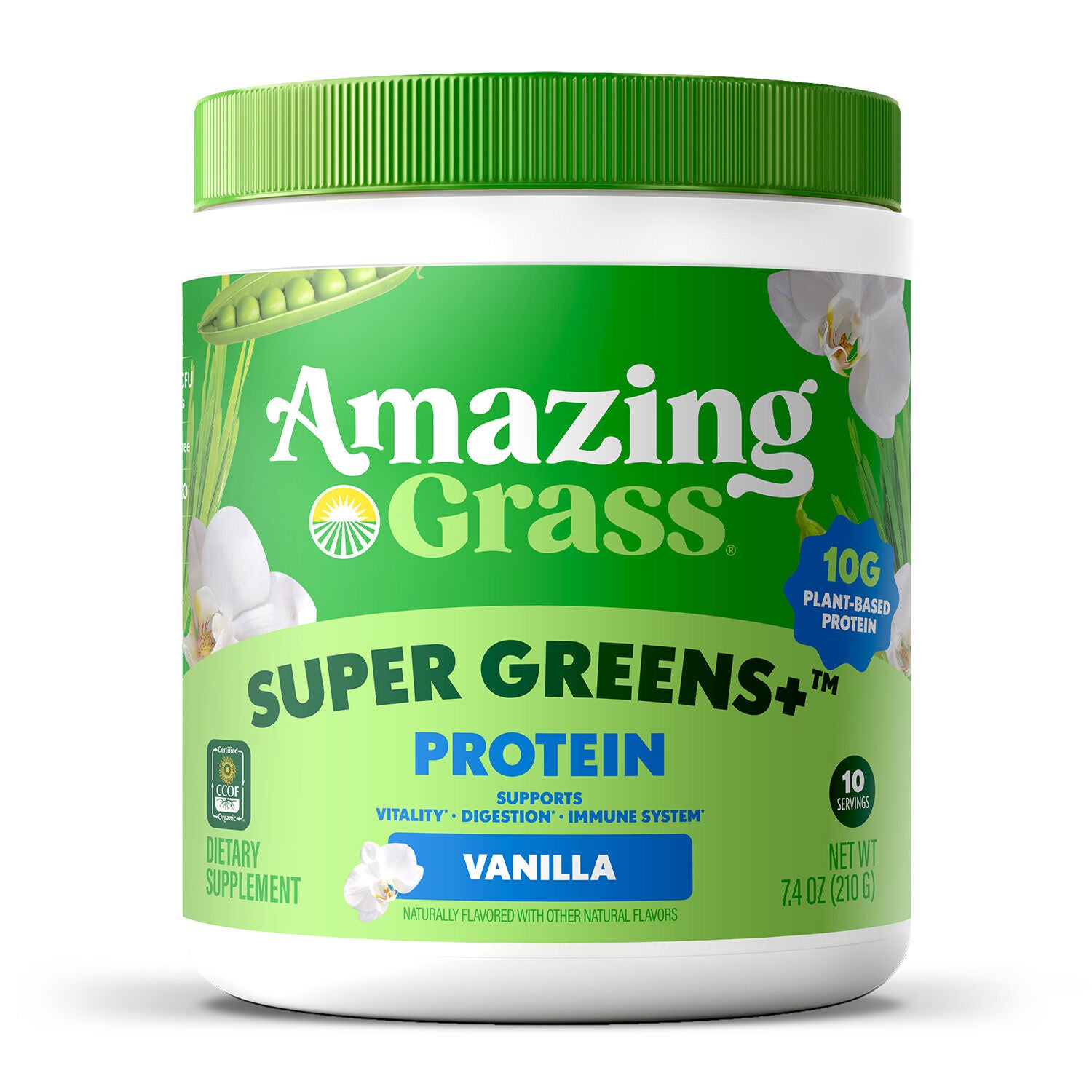
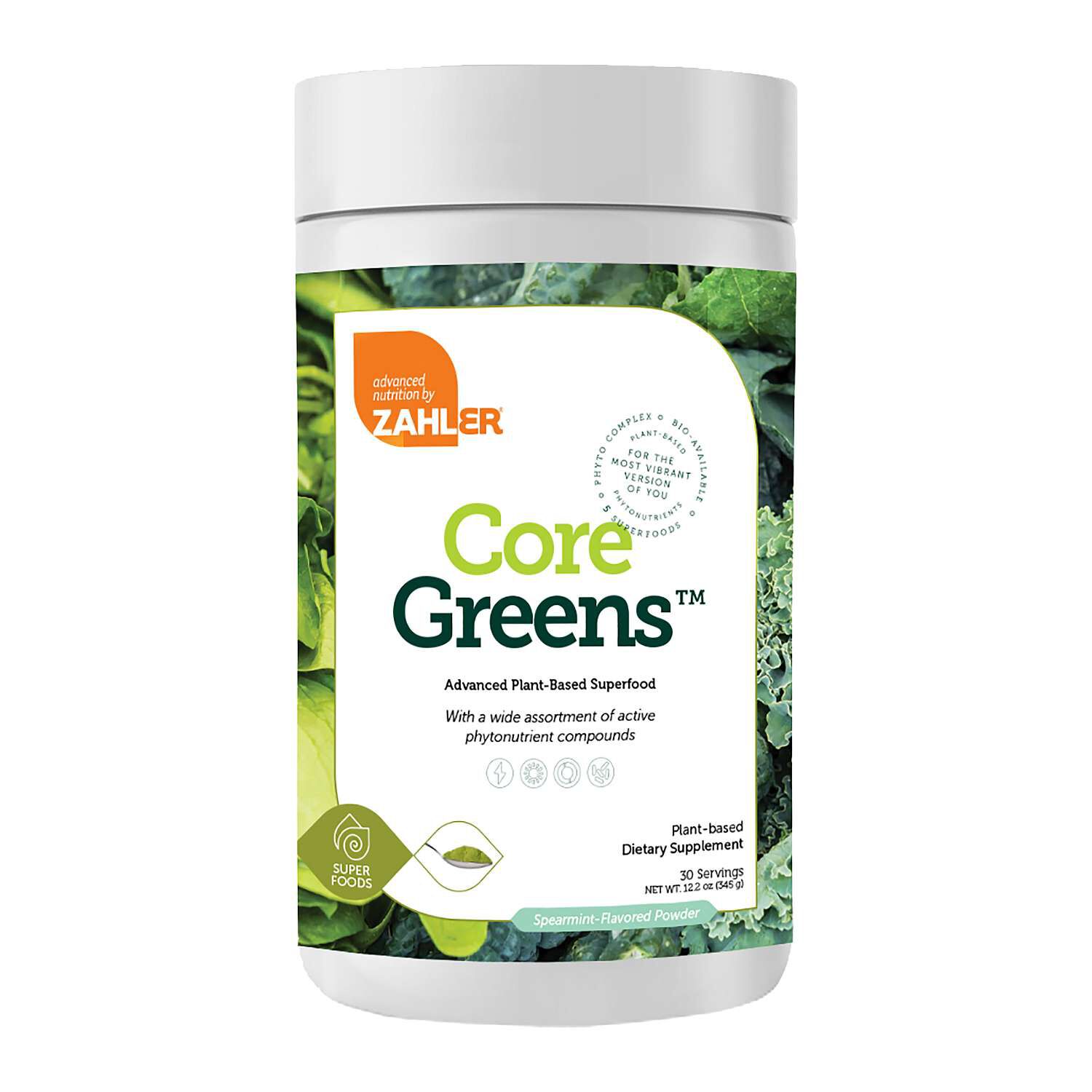
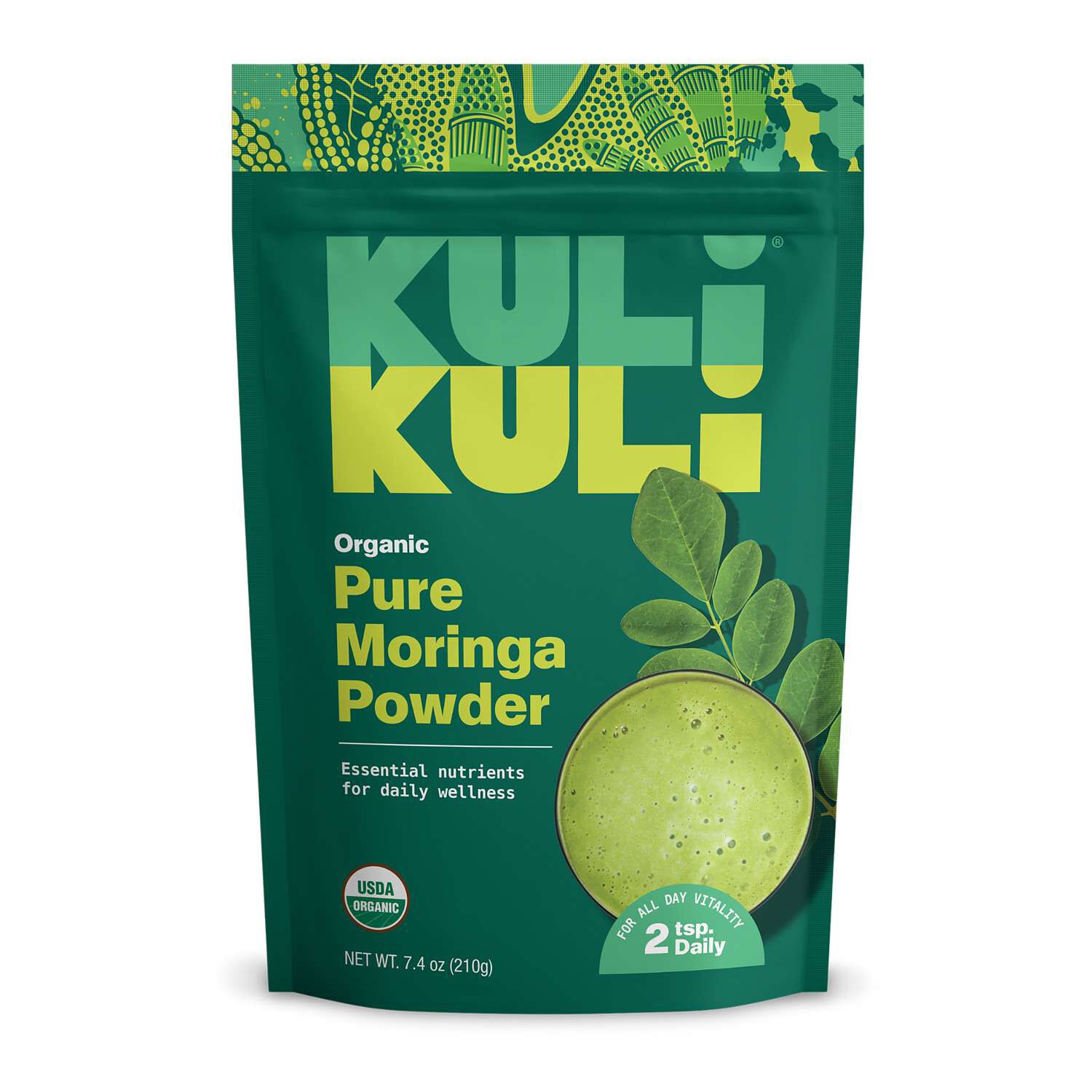
Gut-friendly greens powder blends are dietary supplements made with powdered vegetables, grasses, or algae, sometimes alongside prebiotic fibers, probiotics, or digestive enzymes. These blends may complement a varied eating routine, with recipes that range from straightforward greens mixtures to combinations with fruit powders, botanical ingredients, and added nutrients. The term “gut-friendly” describes the theme of the category, not a standardized ingredient list, so two powders with similar names may have different compositions. Leafy ingredients such as spinach and kale bring one set of characteristics, while spirulina, chlorella, wheatgrass, and barley grass bring others. Some formulas emphasize these green ingredients; others balance them with berry, citrus, or tropical fruit components. Prebiotic fibers, probiotics, and digestive enzymes are distinct ingredient groups rather than interchangeable additions. A formula with probiotics does not necessarily contain a meaningful amount of dietary fiber, and a greens powder with fiber does not necessarily include probiotics. Ingredient panels and nutrition information make those differences easier to recognize. Probiotic information may include the names of microorganisms and strain identifiers, while fiber information may identify sources such as inulin, chicory root fiber, or acacia fiber. Enzyme ingredients may appear individually or within a named blend. The amount of each ingredient matters as much as its presence, particularly when several components share one combined blend weight. A long ingredient list alone does not establish how much of any one ingredient appears in a serving. These details give the category more substance than color or flavor names alone. For adults who enjoy drink mixes and want another way to incorporate plant-based ingredients into their day, greens powders may fit alongside familiar meals and snacks. They are supplements rather than substitutes for vegetables, fruit, beans, and other foods with their own textures, flavors, and nutritional contributions. The most useful comparison is between the actual formulas and their intended use, rather than an assumption that every green powder serves the same purpose.
Flavor, texture, and preparation are central to finding a blend that fits an everyday routine. Greens powders may taste grassy, earthy, fruity, tart, or lightly sweet, depending on their ingredients and flavoring. An unflavored blend is not necessarily without taste; concentrated plant ingredients may still have a noticeable character. A citrus-flavored powder mixed with water presents a different drinking experience from an earthy greens mixture blended with banana and yogurt. For someone who already makes a morning smoothie, a powder with a compatible flavor may fit more naturally than one intended mainly for mixing with water. For someone preparing a drink at a desk, a simple water-mixed format may be more practical than a recipe requiring a blender and several refrigerated ingredients. The package directions provide the serving amount and suggested liquid quantity, both of which influence the finished drink. More powder does not automatically make a better match, and different scoops are not interchangeable measures. Texture also varies. Finely milled ingredients may disperse readily, while some plant particles may remain visible or settle as the drink sits. A shaker bottle, spoon, or blender offers a different preparation method, with package instructions indicating the intended approach. Powders containing fiber may develop a thicker texture, especially when left standing, so the time between mixing and drinking is another useful consideration. Sweetener choices deserve attention, too. Some blends use sugar, others use ingredients such as stevia or monk fruit, and others have no added sweetener. The ingredient list is more informative than a flavor name when comparing those options. People with dietary preferences can also compare allergen statements, ingredient sources, and relevant certifications without assuming that every plant-based blend has the same formulation. A powder that tastes pleasant in a preferred drink and fits the available preparation time may be a more practical choice than one selected only for an extensive ingredient list.
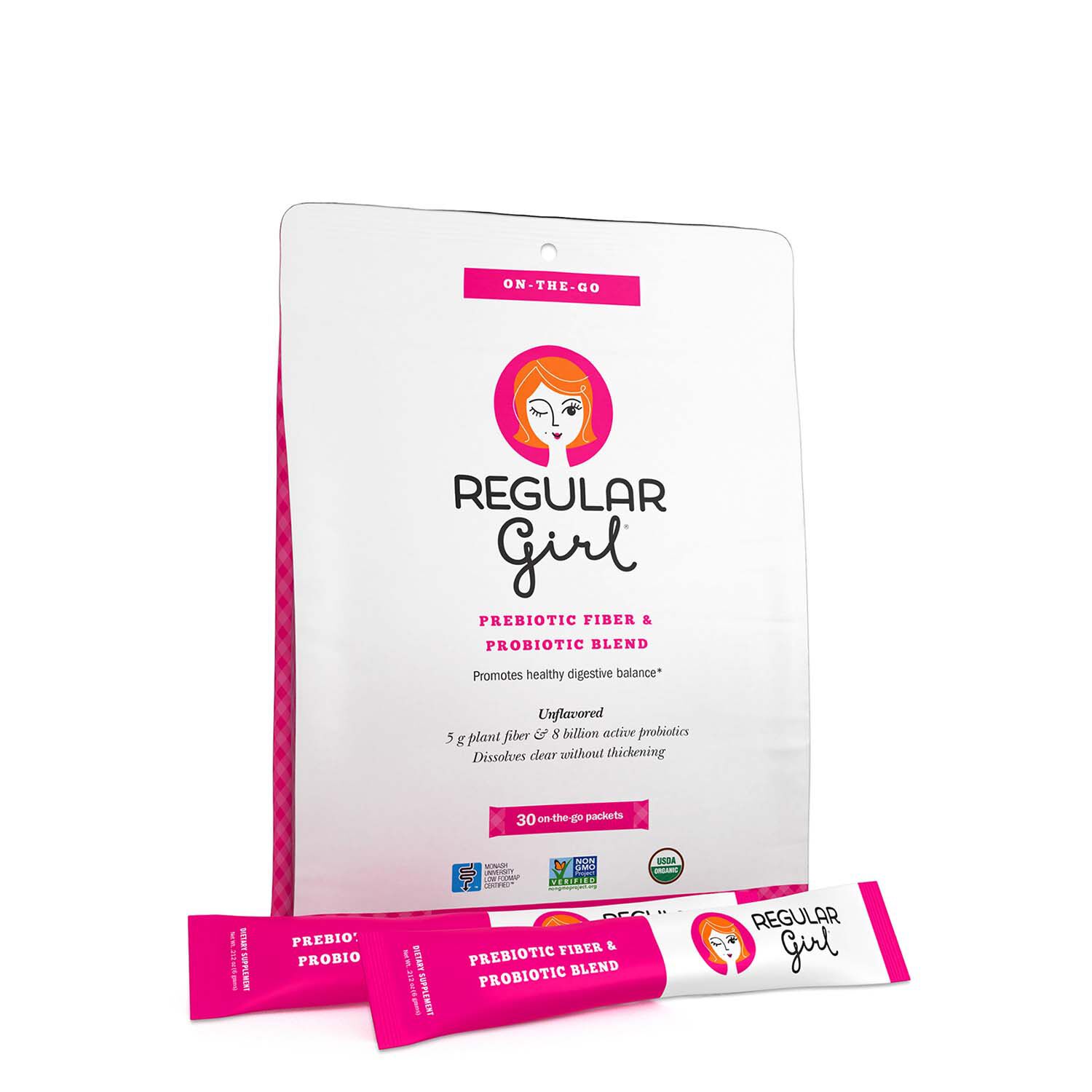
Serving information, packaging, and storage add another layer to the comparison. A scoop’s size does not reveal its fiber content, and the weight of a greens blend is not the same as the amount of each nutrient it contains. The stated serving size, dietary fiber amount, added sugars, and any listed vitamins or minerals provide a clearer picture of the formula. Comparing gut-friendly blends with Prebiotic Fiber Greens Powders can also help distinguish a broad greens mixture from a category centered on prebiotic fiber. Within either category, the source and amount of fiber remain important details. Formulas containing probiotics may provide storage directions or information about the declared microorganism count, while powders with added vitamins and minerals have additional nutrition information to consider alongside other supplements in a routine. Some packaging also identifies independent testing or certification; the named standard is more informative than a general statement about quality. For daily use, containers with secure closures and clearly printed directions offer practical advantages at home, while individually portioned packets may suit a work bag or travel routine. The serving amount still comes from the label, whether the powder arrives in a tub or a packet. Care centers on protecting the powder from moisture and following any product-specific storage requirements. A dry scoop, a tightly closed container, and storage away from a steamy sink are practical considerations for powders that are opened repeatedly. Some formulas have particular storage instructions, especially when they include live microorganisms, so a cupboard is not automatically the right place for every blend. Date markings and directions for use after opening also deserve attention. These everyday details matter because a greens powder has to fit more than a nutrition preference: it also has to fit the space where it is stored, the drink it is mixed into, and the routine in which it will be used. Clear ingredient information, a suitable flavor, and manageable preparation requirements provide grounded ways to compare gut-friendly greens powder blends without treating them as interchangeable.
Best Sellers
-
Ancient Nutrition
-
Amazing Grass
Related Pages
Top Collections
- GLP 1 Support For Adults
- Supplements For Yoga Joint Flexibility
- Joint Mobility Supplement Packs
- Supplements For Balance
- Zinc Supplements For Men
- Chronic Fatigue Supplements
- Capsule Supplements For Energy And Stamina
- Zinc Supplements | Top Brands at Great Prices | GNC
- Supplements For Anxiety Relief Support
- Adult Mobility Supplements