Gummy Supplements For Kids
(0 Results)
Discover a delicious way to support your child's health with our selection of gummy supplements for kids. Packed with essential vitamins and minerals in fun and fruity flavors, these chewable treats make it easy for children to get their daily dose of nutrients. Whether you're looking to boost their immune system, support their growth and development, or simply ensure they are getting all they need for optimal health, our gummy supplements are a convenient and tasty solution. Shop now and give your little ones a daily wellness boost they'll love!
-
 $18.99
 -

-
 $12.99
 -
-

-
-
-
 $13.99
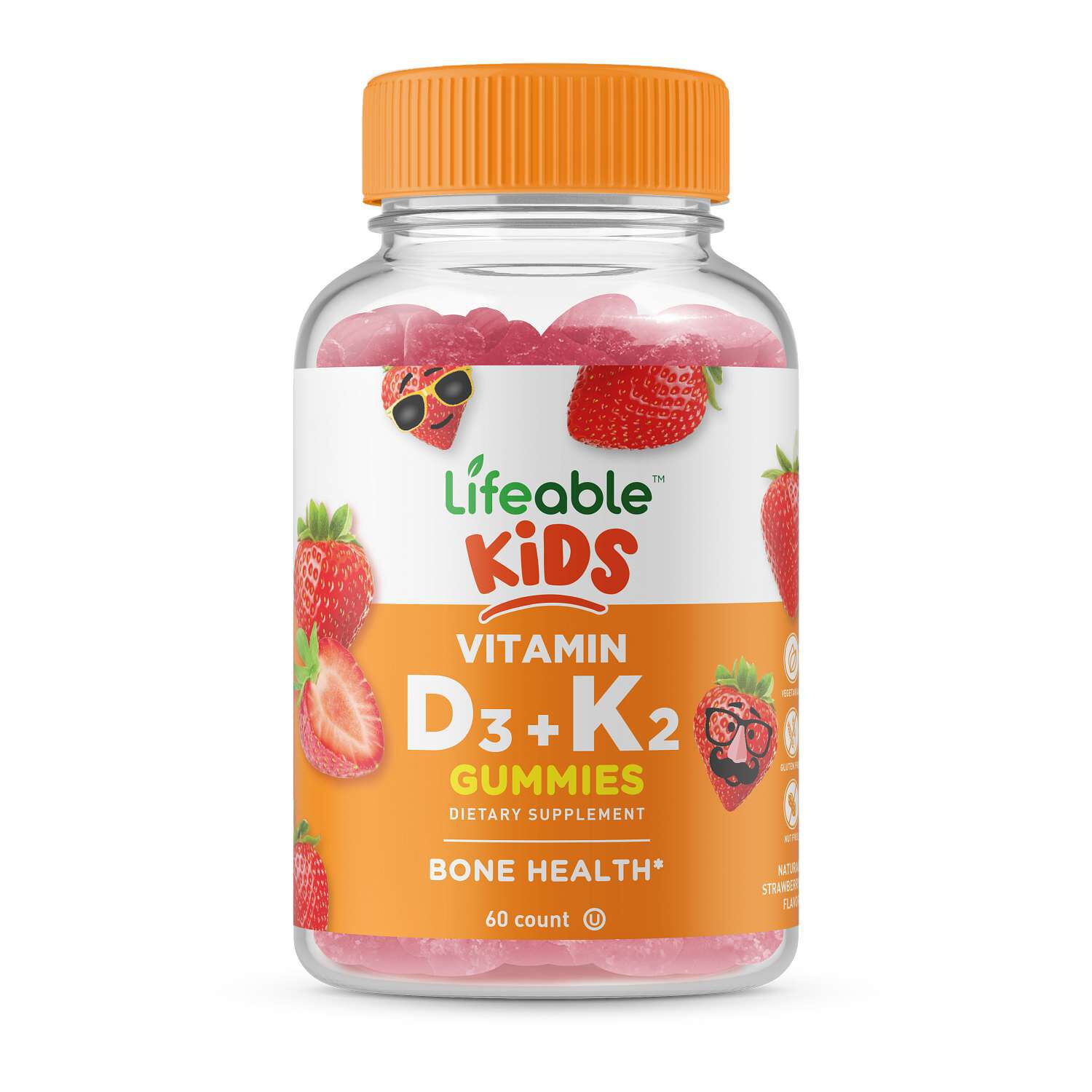
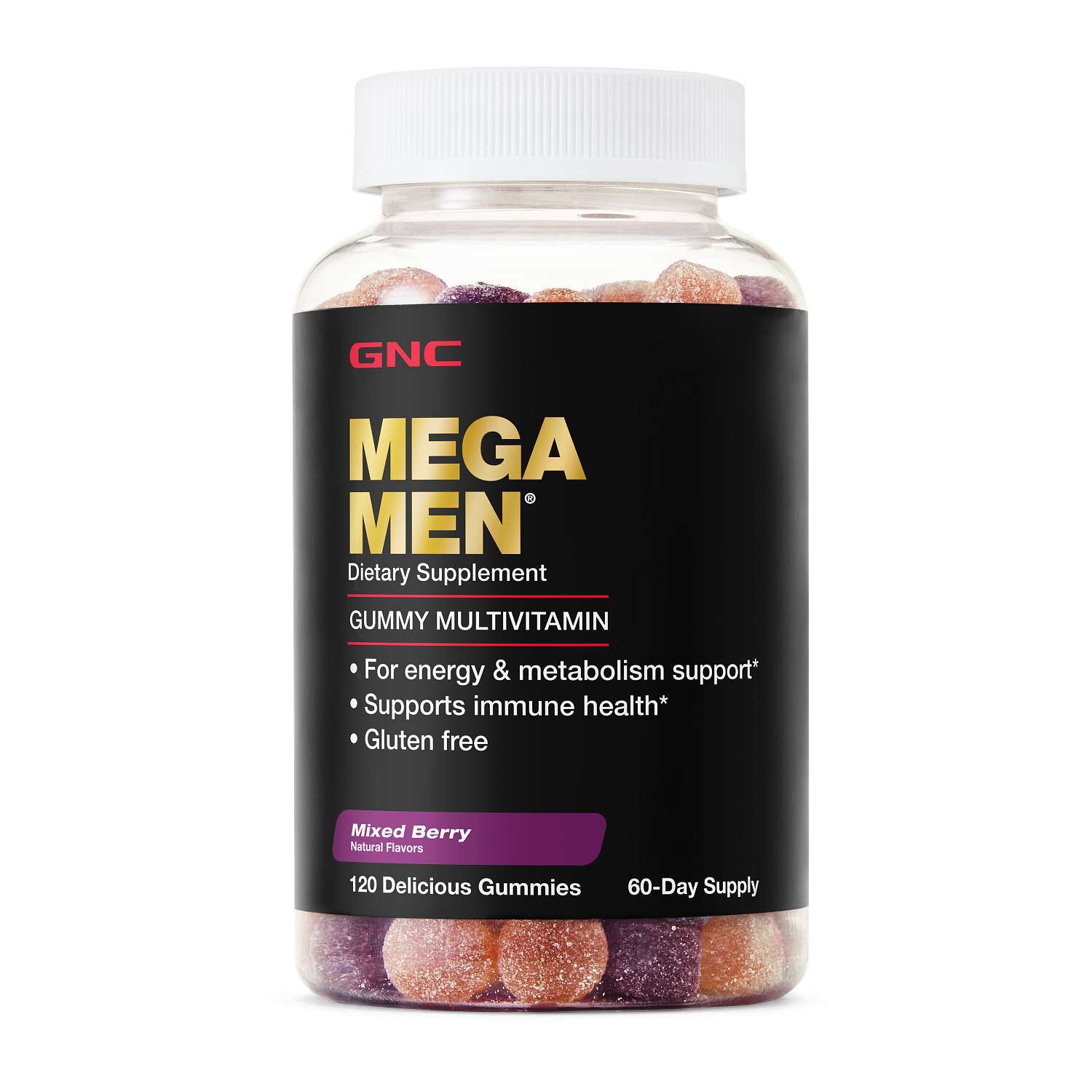
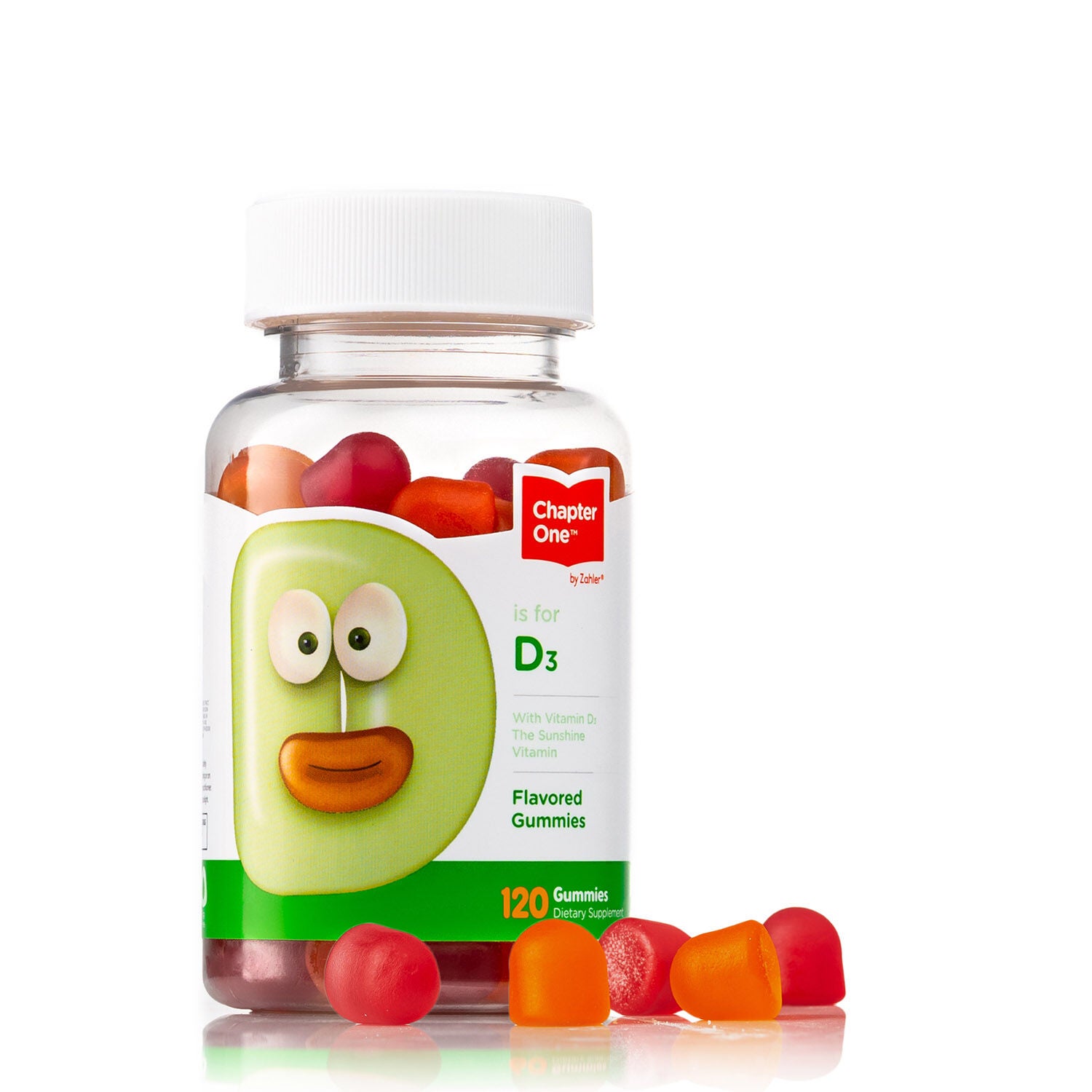
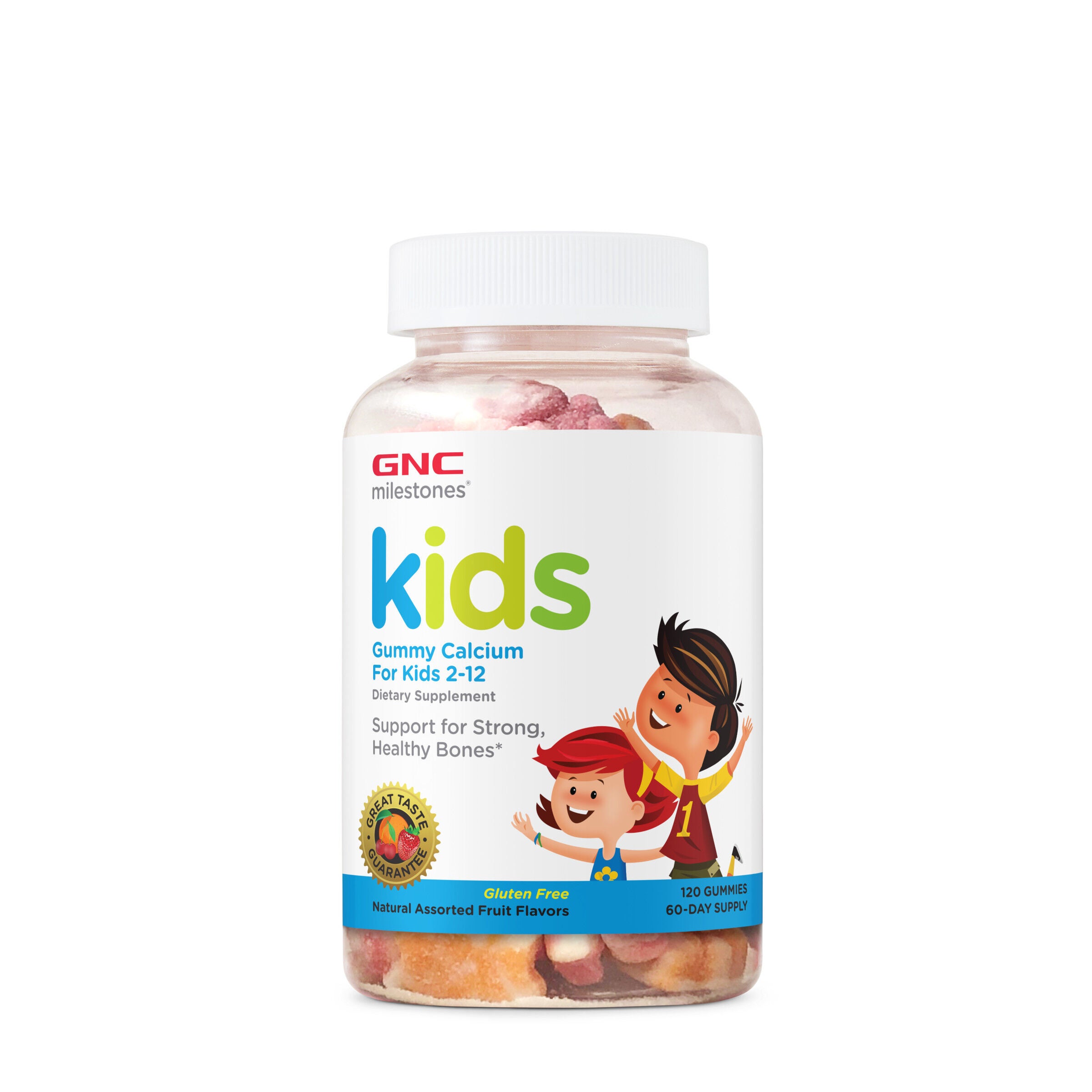
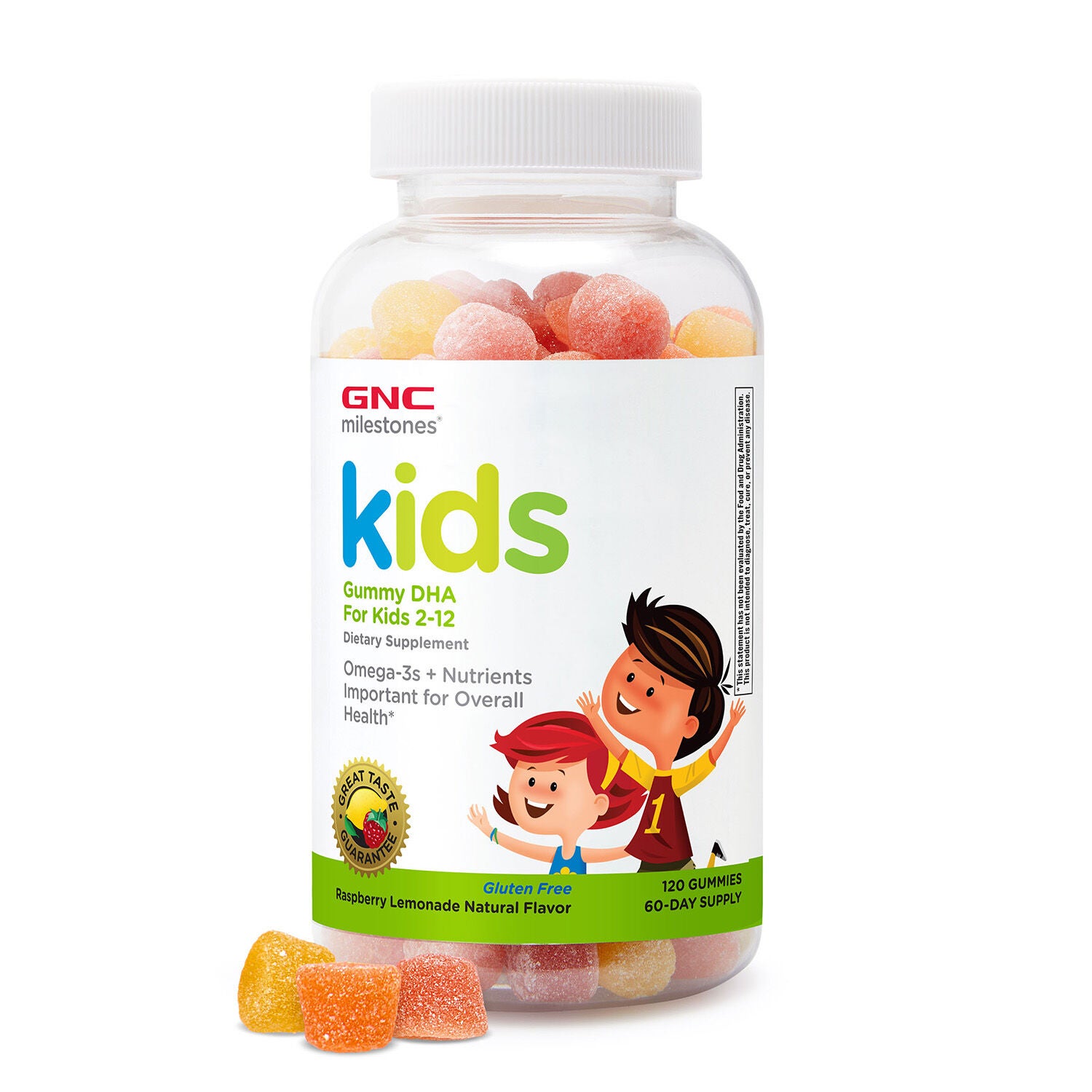
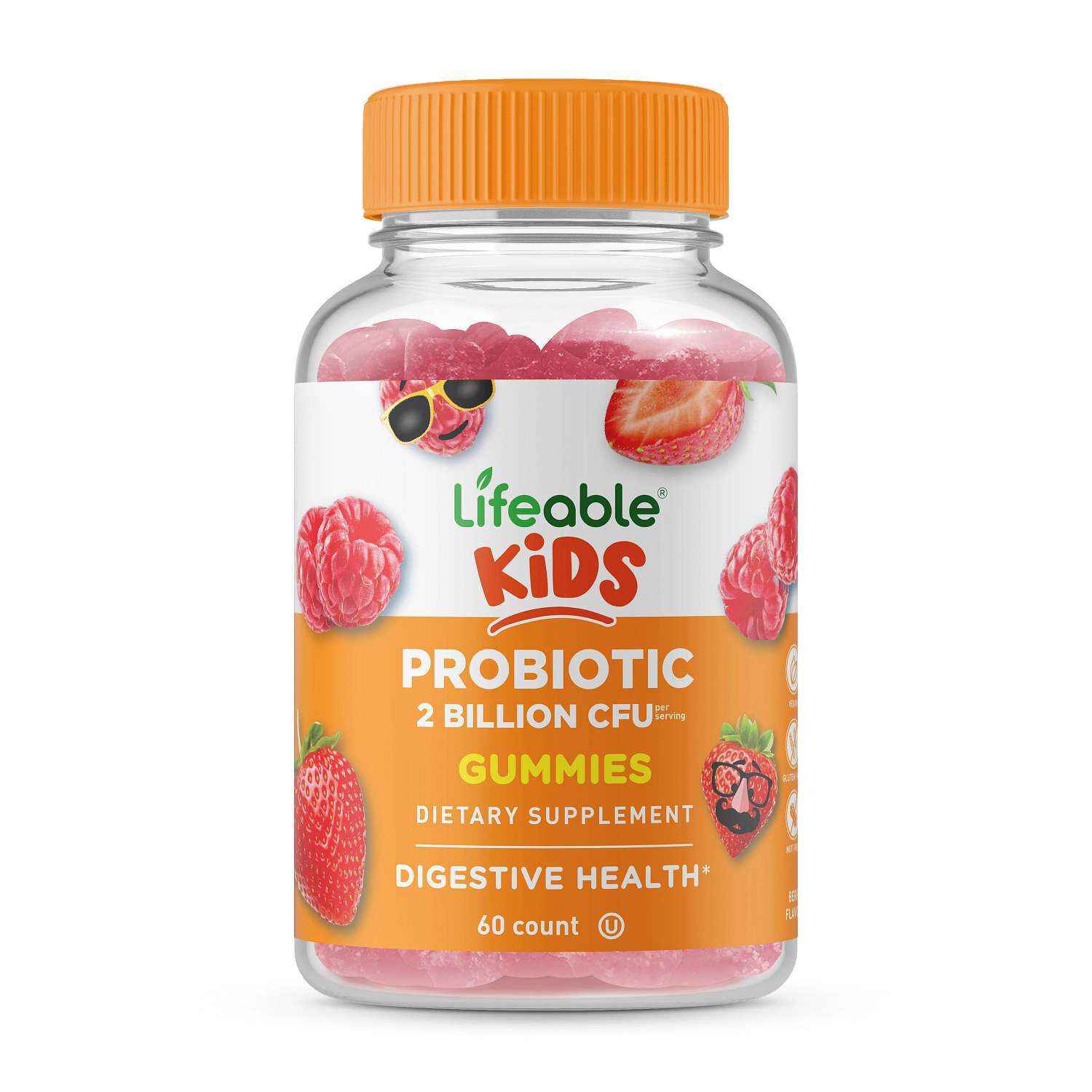
Gummy supplements for kids are chewable dietary supplements made in soft, shaped pieces, often with fruit flavors and a sweet taste. The category includes children’s multivitamin gummies as well as formulas containing a smaller selection of nutrients. For families comparing these formats, the most useful distinctions are the intended age range, ingredients, serving size, and nutrients listed on the label—not simply the color or shape of the gummy. A children’s multivitamin brings several vitamins or minerals together in one formula, while a more focused option contains a narrower combination. Neither format is interchangeable with every other children’s supplement, and a gummy does not replace meals or the variety of foods children eat throughout the day. These products are intended for children within the age range stated on their packaging, with an adult managing their use. Some labels begin at age two, while others begin at age four or older; the word “kids” alone does not establish suitability for a particular child. Serving directions can also differ within the same age range, making the number of gummies per serving an important detail when comparing bottles. One serving is not necessarily one piece. Flavor and texture add another layer to the comparison: a mixed-fruit bottle can contain several tastes, while a single-flavor formula offers a more consistent experience. Shapes may include small bears, rounded drops, or fruit-inspired pieces, but a playful appearance does not make a supplement a snack. For a parent sorting through children’s gummy vitamins, an appealing package is only the starting point. The label provides the details that distinguish a broad multivitamin from a formula centered on one nutrient, and it shows how the product is intended to be used. That combination of familiar format and clearly stated directions gives this category its character: colorful, chewable supplements with important differences beneath an often similar appearance.
Ingredients are a major part of what separates one gummy formula from another. The gummy base commonly uses pectin or gelatin to create its texture. Pectin comes from plant sources, while gelatin comes from animal sources, a distinction that matters to households with vegetarian or other ingredient preferences. A pectin-based gummy is not automatically vegan, since the remaining ingredients matter as well. Sweeteners, flavorings, coloring ingredients, and surface coatings also vary. Some gummies contain sugar, glucose syrup, or other syrups; others use alternative sweeteners. The Nutrition Facts or Supplement Facts information, as applicable, and the ingredient list offer a clearer picture than fruit illustrations on the front of the bottle. A strawberry-shaped gummy, for example, is not equivalent to a serving of strawberries. Added sugar is another useful point of comparison, particularly because the amount shown on a label usually corresponds to the stated serving rather than a single gummy. The same distinction applies to the amounts of vitamins and minerals. Comparing matching serving sizes helps make differences easier to understand without relying on bottle size or piece count alone. Children’s multivitamin gummies can include nutrients such as vitamins A, C, D, and E, several B vitamins, and minerals such as zinc or iodine, but the combination varies by formula. Iron is present in some options and absent from others; it should not be assumed to be part of every children’s multivitamin. Other gummy categories feature ingredients such as omega-3 oils or probiotics, so not every bottle belongs to the same nutritional category. For households with ingredient restrictions, allergen statements and source information deserve attention alongside flavor preferences. Fish-derived ingredients, animal-derived gelatin, and plant-based alternatives represent different formulation choices. Clear ingredient descriptions are especially useful when two packages look alike but differ in ways that matter to a family’s eating preferences.
Everyday handling matters, too, because gummy supplements have a texture and composition that differ from dry tablets. Heat, moisture, and storage conditions can affect their firmness, surface feel, and tendency to stick together. The storage directions on the package are the appropriate reference for each formula, including whether refrigeration is specified. A bottle left in a warm car or beside a steamy kitchen appliance faces different conditions than one kept in its labeled storage environment. Packaging details such as a securely closing cap, a legible expiration date, and an intact seal are practical considerations, not just finishing touches. Keeping supplements in their original containers preserves access to the ingredient list, age information, serving directions, and storage requirements. Because gummies can resemble candy, their intended use remains separate from snack time, and storage should keep them out of children’s reach. These distinctions are particularly relevant in households where siblings are different ages or several adults share daily caregiving. A formula intended for an older child is not automatically appropriate for a younger sibling, even when both enjoy the same fruit flavors. Families comparing younger age ranges can also explore Vitamin Gummies For Toddlers, with each product’s stated age range remaining the reference for its intended audience. During busy school mornings, weekends away, or the cooler months spent moving between home and activities, readable packaging may make a routine easier for caregivers to follow. Travel also makes the original label and storage requirements relevant; a loose handful in a snack bag loses the context that identifies the contents and their directions. The most meaningful comparison of gummy supplements for kids brings these everyday details together with formulation: who the product is intended for, what each serving contains, which ingredients create its flavor and texture, and how the package needs to be stored. Those details provide a grounded way to distinguish similar-looking choices without treating every colorful gummy as the same product.


 Chewable Tablets_Front.jpg?sw=305&sh=305&sm=fit "ChildCalm - 60 Chewable Tablets (30 Servings) | GNC")