Toddler Gummies
(0 Results)
Toddler gummies could offer a fun and easy way to support your little one’s daily routine. With a variety of flavors and shapes, toddler gummies may help make nutrition more enjoyable for even the pickiest eaters. Explore options that might fit your child’s needs and discover how toddler gummies could be a playful addition to their wellness journey.
-

-
-

-

-
-
-

-

-
-
-

-
 $14.99
-
 $13.99
-
 $18.99
-
 $14.99
-
 $20.99
-
 $11.99
-
 $22.99
-
 $12.99
-
 $15.99
-
 $15.99
-
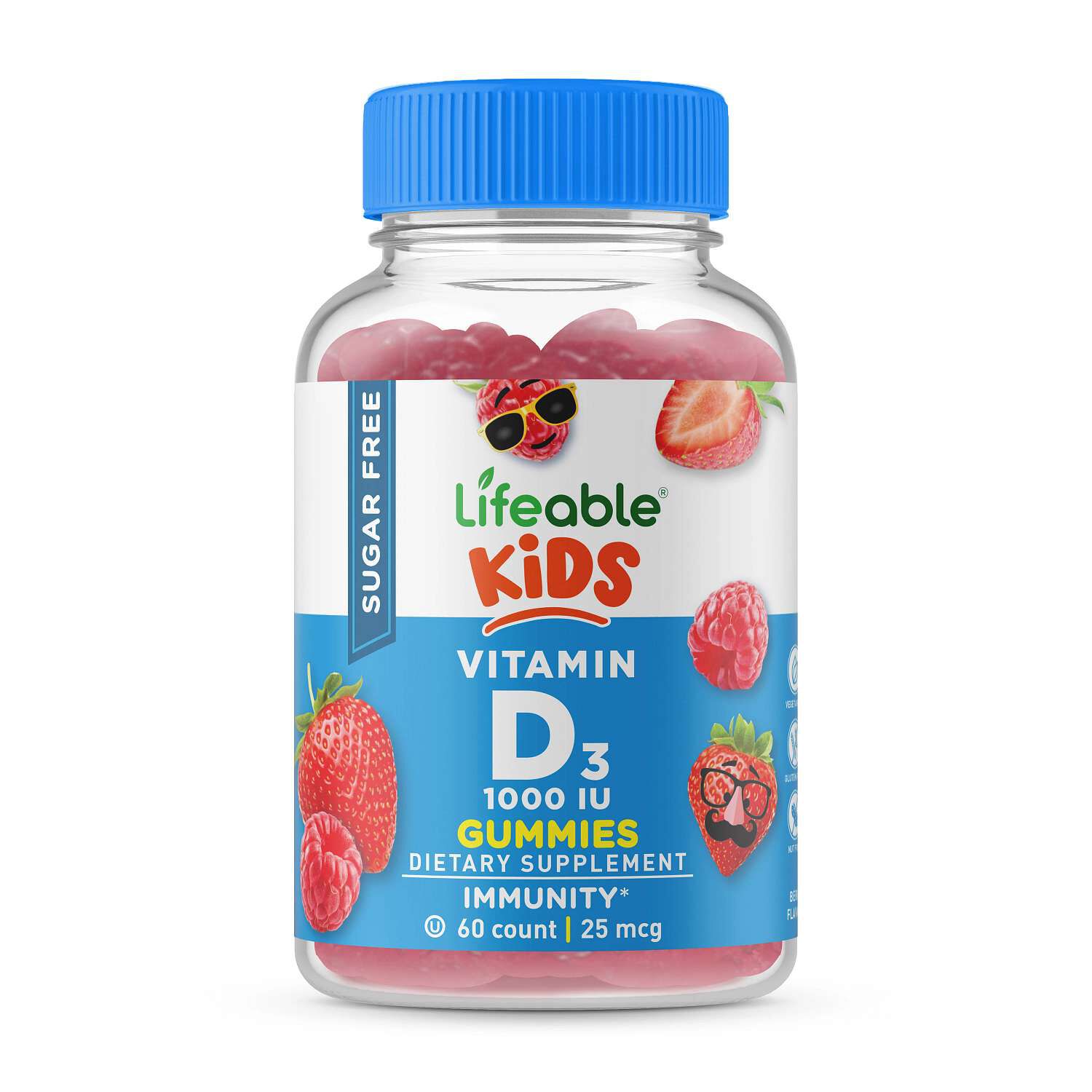 $14.99


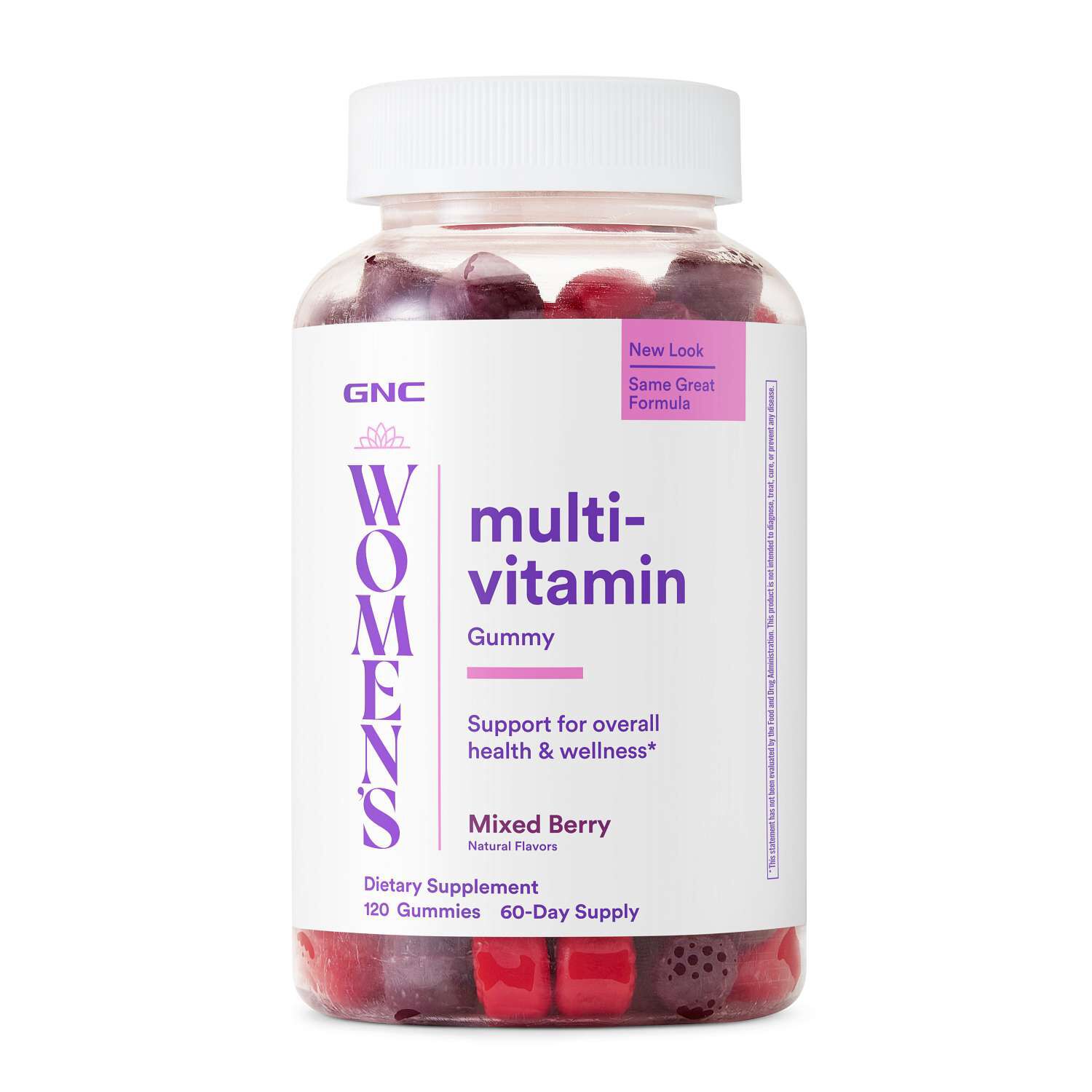
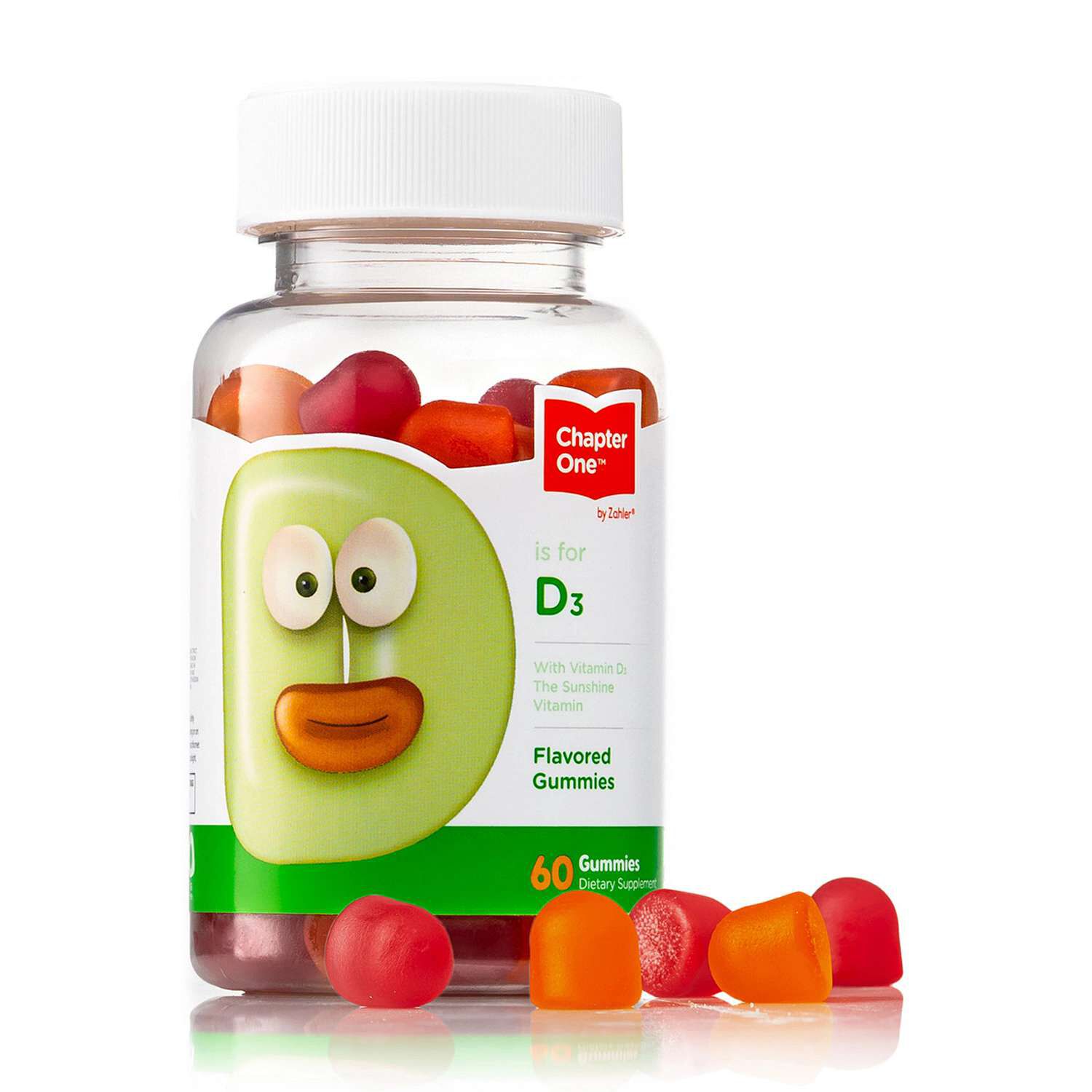
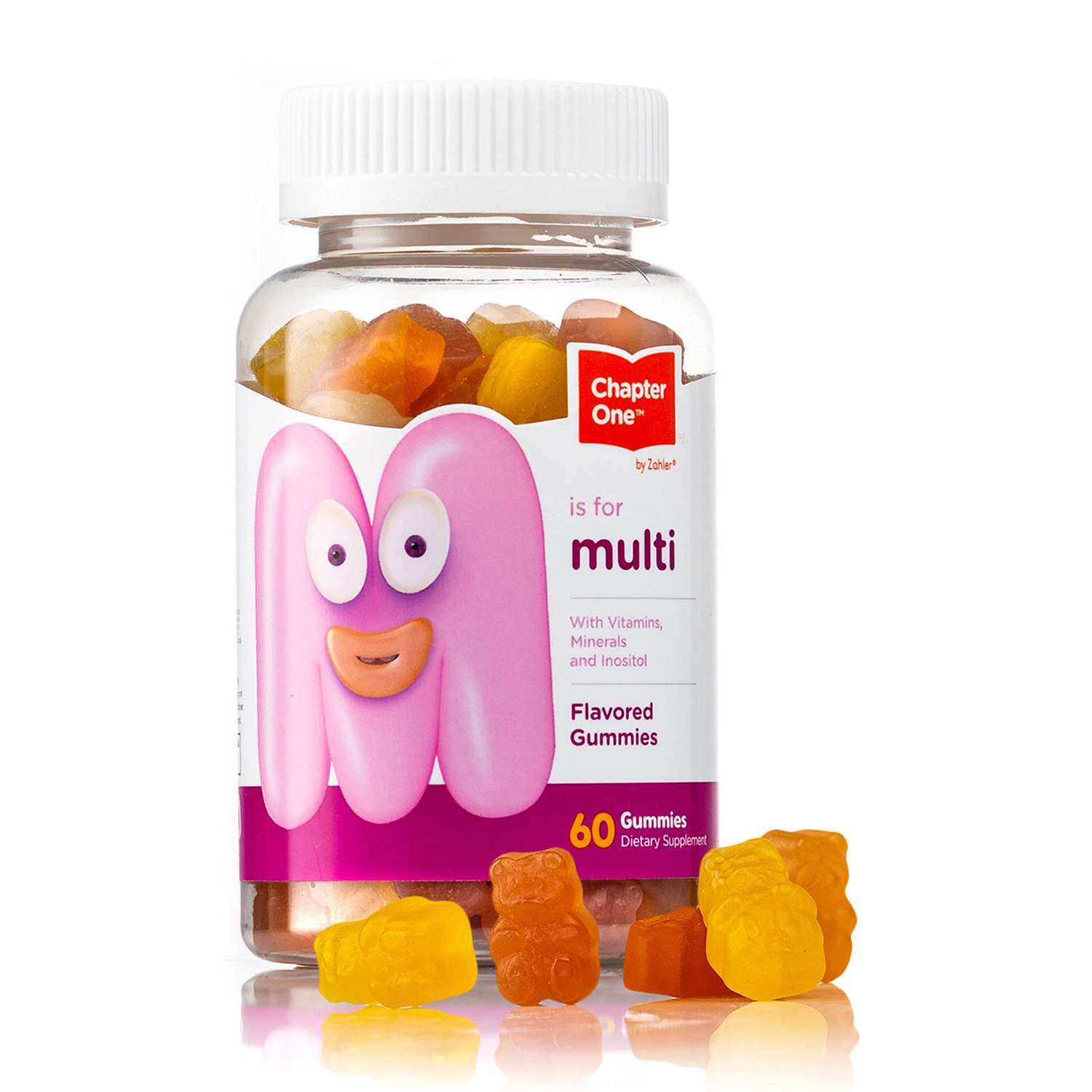
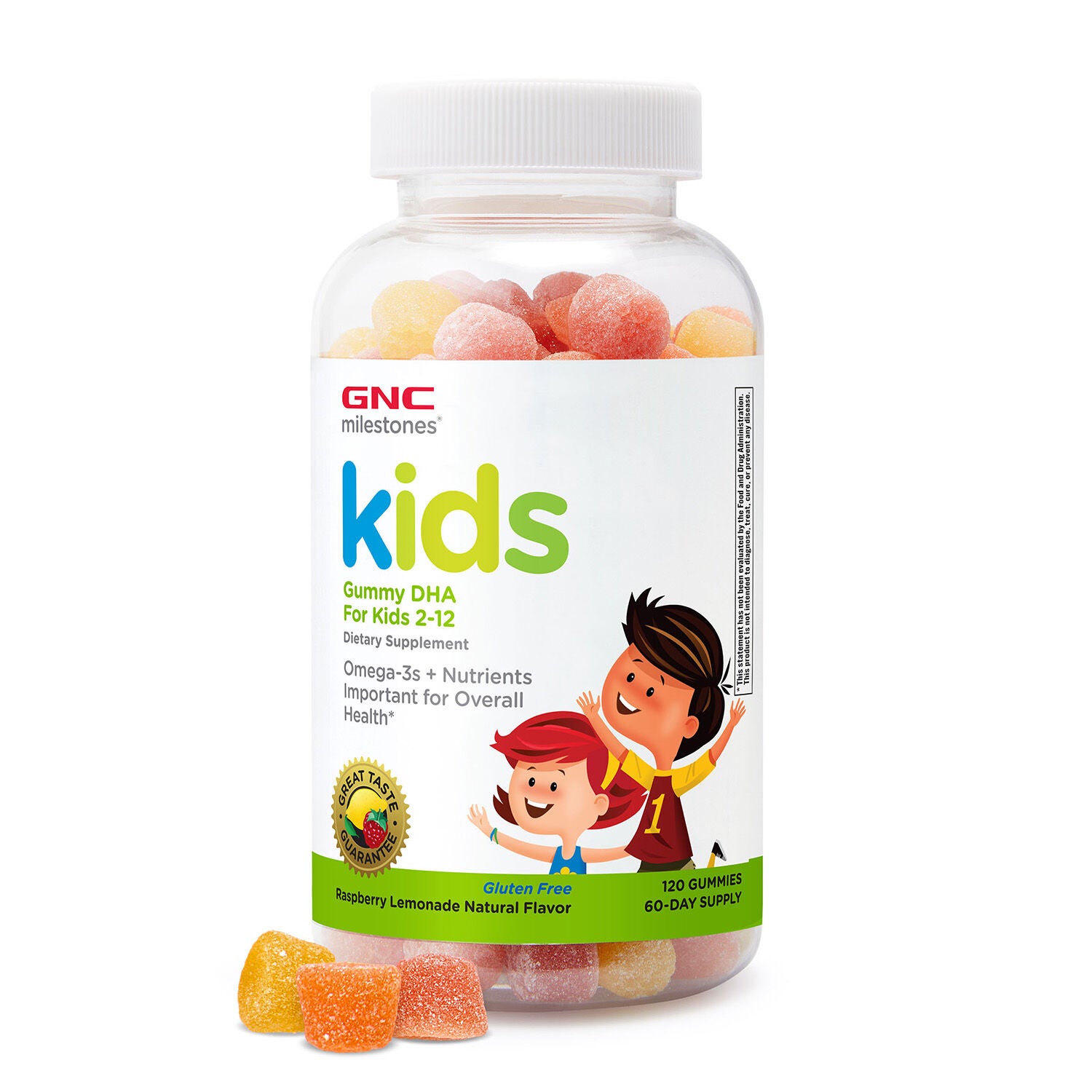
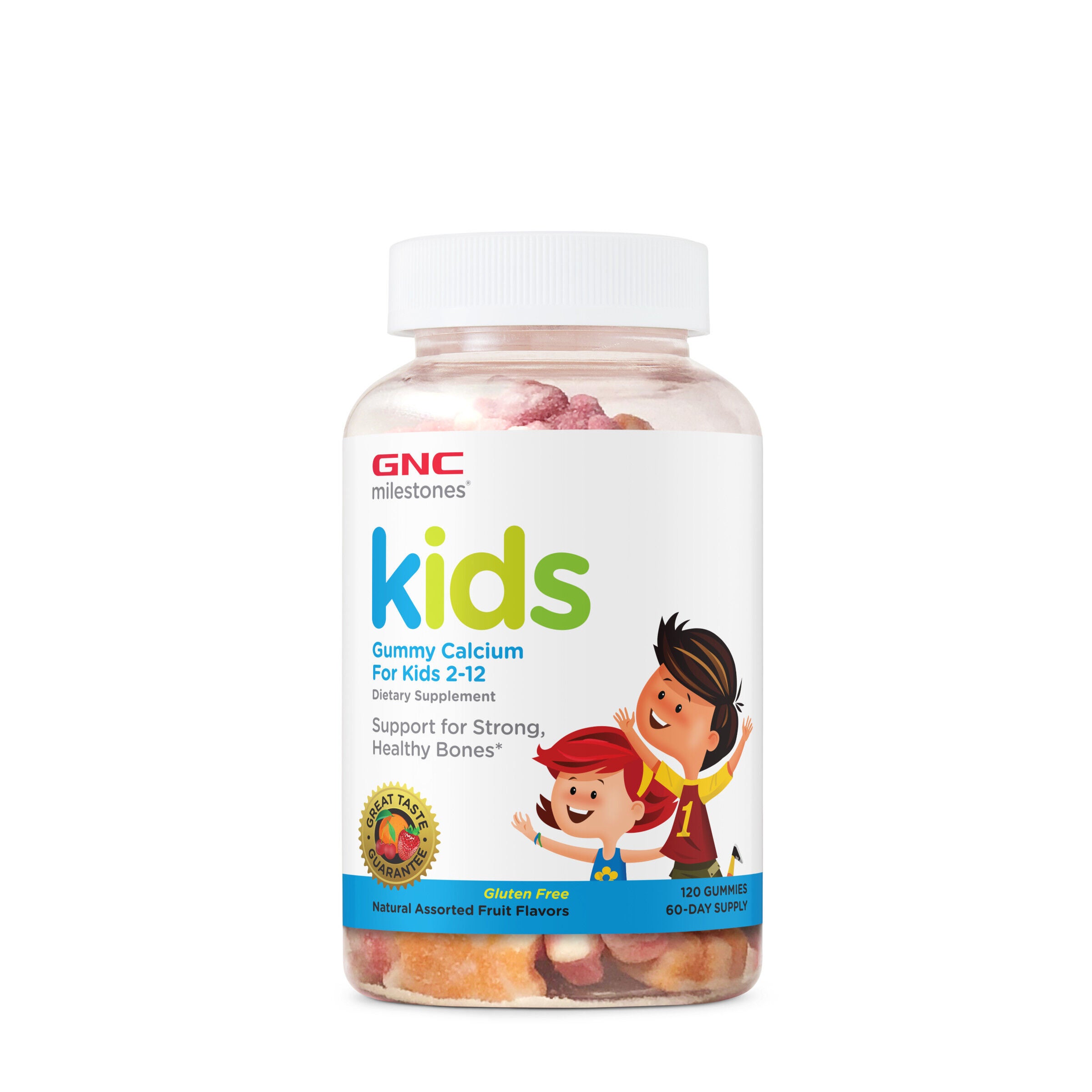
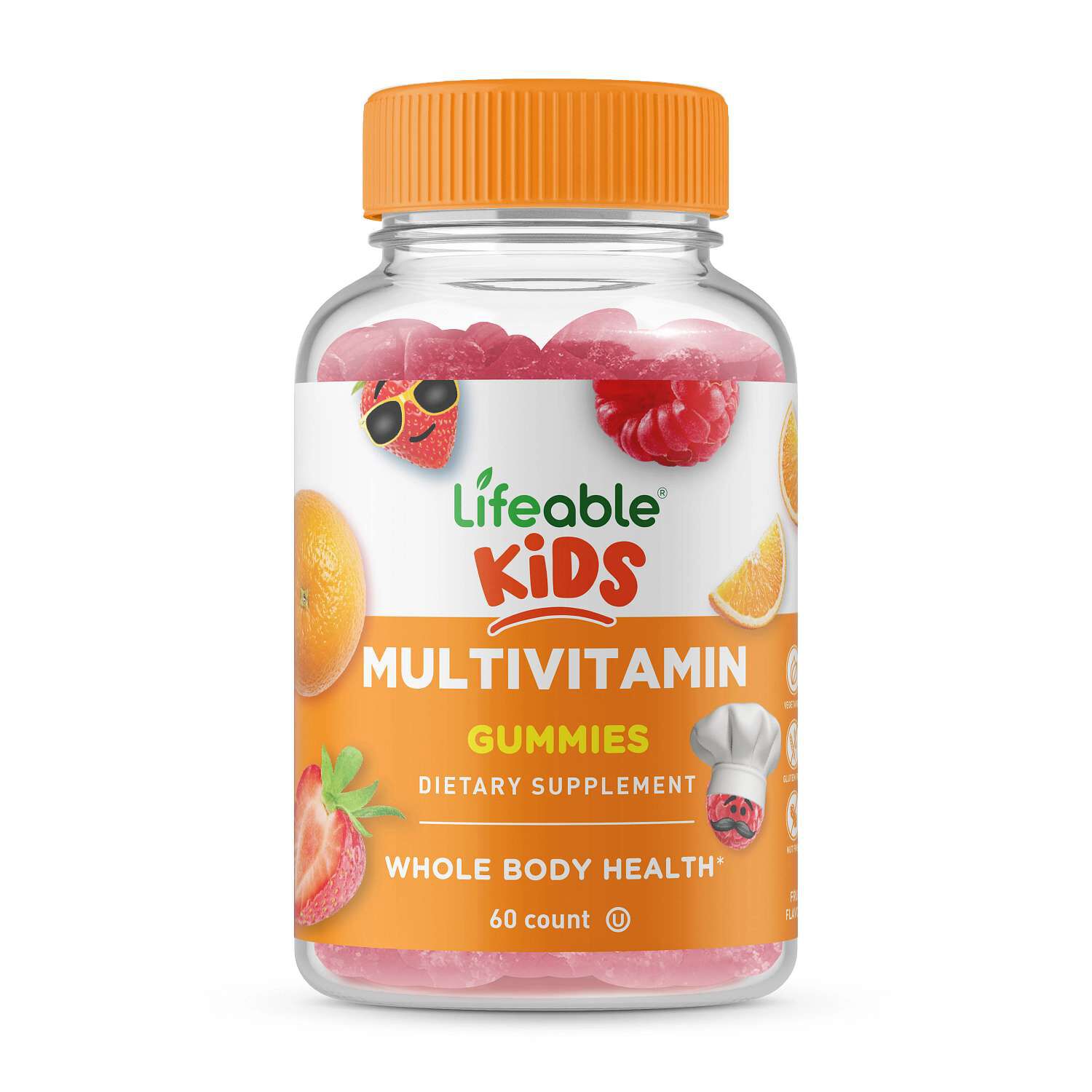
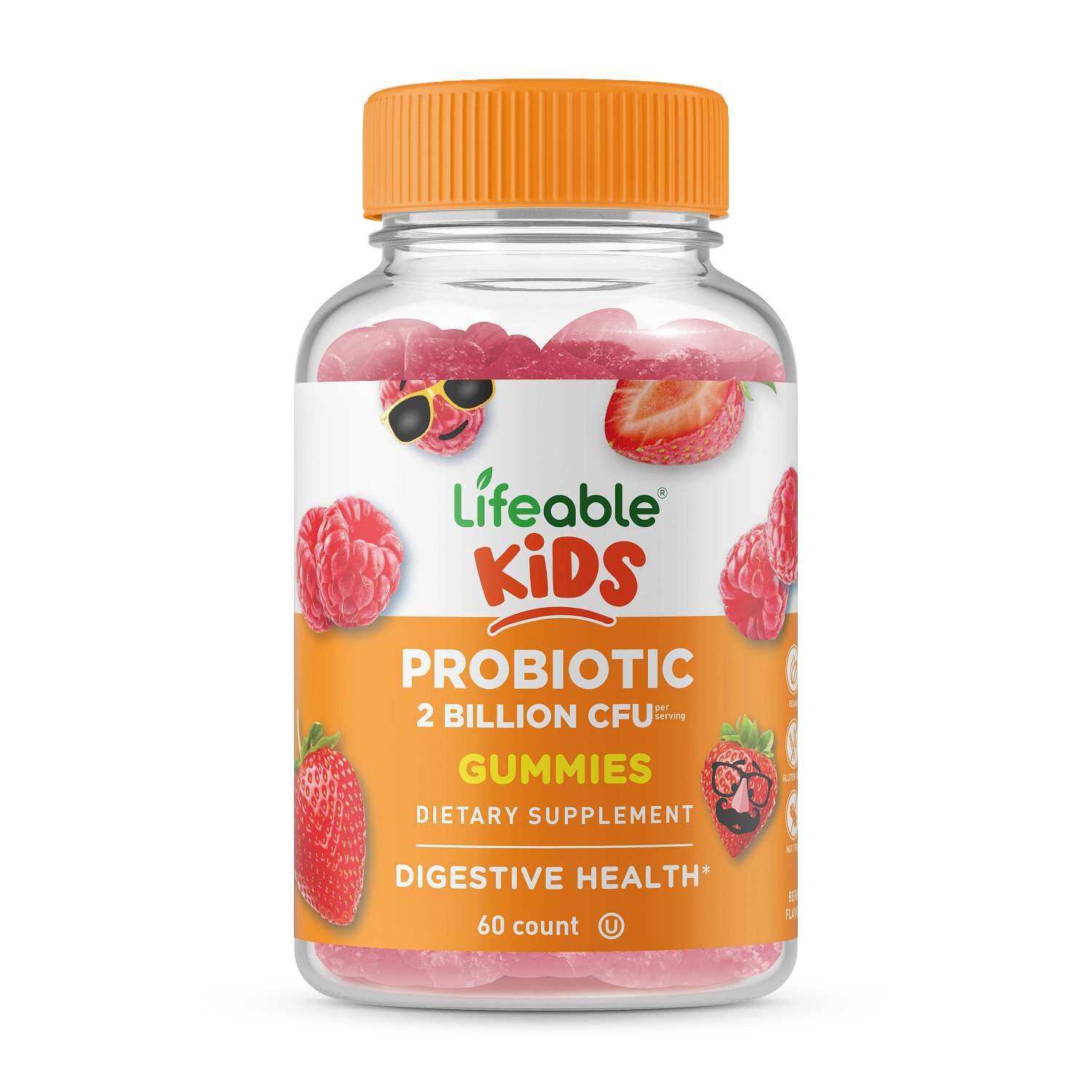
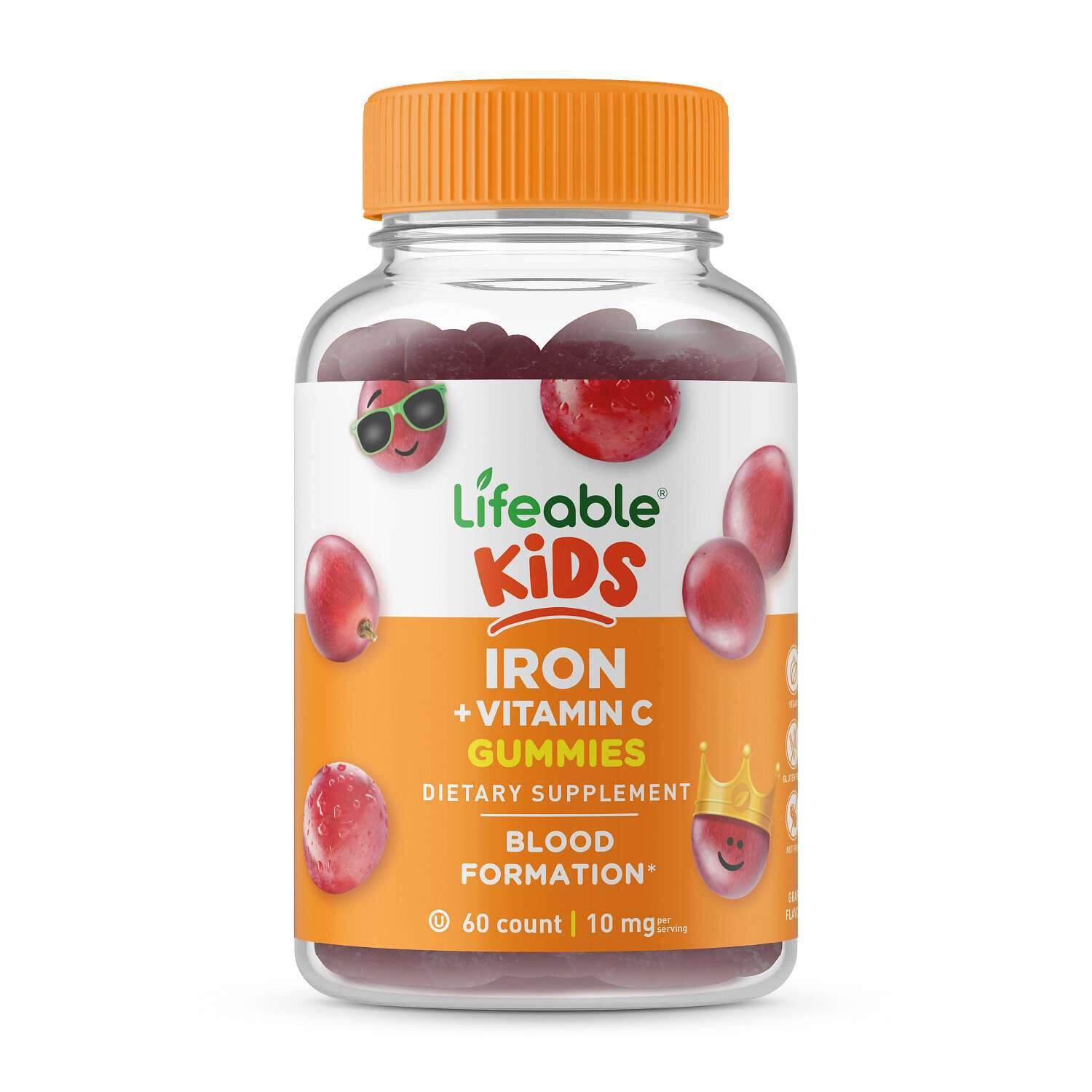
Toddler gummies are chewable supplements labeled for young children, often with age ranges that include two- and three-year-olds. In a supplement assortment, the term generally refers to multivitamin gummies or other nutrient-focused formulas rather than fruit snacks. Although the two can share bright colors, fruity flavors, and soft shapes, their intended uses differ: gummy supplements have labeled serving directions and measured nutrient amounts, while fruit snacks are foods. That distinction matters when comparing packages that look similar at a glance. Toddler multivitamin gummies may contain a combination of vitamins and minerals, but the ingredients and amounts vary from one formula to another. The age statement on each label is a more useful starting point than a playful package design or the broad word “kids.” Some children’s gummies are labeled for ages four and older, so a children’s formula is not automatically a toddler formula. Age suitability, serving size, and ingredient information belong together when evaluating the format. A serving might consist of one gummy or several, and the nutrient amounts shown in the Supplement Facts panel refer to the stated serving rather than necessarily to a single piece. A bottle’s gummy count therefore does not, by itself, indicate how many labeled servings it contains. Parents and caregivers comparing toddler gummy vitamins can also distinguish between a multivitamin containing several nutrients and a formula centered on a narrower ingredient selection. Neither the number of nutrients nor a longer ingredient list establishes a better match for every child. The most meaningful differences are usually specific and visible on the label: intended age, nutrient quantities, serving directions, ingredient sources, and preparation details. These details give the category context without treating every gummy as interchangeable. For a household with children of different ages, clearly differentiated packaging and readable directions also matter when organizing separate bottles and keeping each child’s labeled product distinct.
The texture and composition of toddler gummies depend on more than their flavor. Pectin and gelatin are two common gelling ingredients, and they come from different sources: pectin is plant-derived, while gelatin is animal-derived. A pectin-based gummy is not automatically vegan, because other ingredients also determine whether that description applies. Where a vegetarian or vegan preference matters, the formula’s stated dietary information offers a clearer basis for comparison than the gelling ingredient alone. Sweeteners, fruit juice concentrates, flavors, colors, and surface coatings can also vary. A strawberry-flavored gummy, for example, is not the same thing as a serving of strawberries, and a fruit image on a package does not describe the full formula. Ingredient lists identify what goes into the gummy, while the Supplement Facts panel provides nutrient quantities and other declared information. Sugar content is another practical distinction, especially when comparing different serving sizes. Looking at the amount per labeled serving keeps that comparison consistent; counting pieces alone can be misleading when one formula uses a single gummy and another uses two. Allergen declarations and manufacturing statements provide separate information, and a dietary preference icon does not replace those details. Size, shape, and firmness also deserve attention, although pictures cannot establish whether a gummy is appropriate for a particular child. The manufacturer’s age range and directions remain relevant even when a piece looks small or soft. Flavors such as berry, citrus, or mixed fruit describe the eating experience, not the nutrient profile. Likewise, a smooth surface, a sugar coating, or an animal-shaped mold says little about the ingredients inside. For caregivers sorting through similar-looking packages, separating sensory features from formula information makes the differences easier to understand. One bottle might emphasize a particular fruit flavor, another a plant-derived gelling ingredient, and another a different selection of nutrients. Each feature answers a different shopping consideration rather than serving as a shortcut for evaluating the whole formula.
Everyday use brings packaging, storage, and caregiver coordination into the comparison. Toddler gummy supplements are intended for adult-managed use according to their labels, not for a child to select or eat independently like ordinary snacks. Their candy-like appearance makes that distinction particularly important in a kitchen cabinet, travel bag, or grandparent’s home. Original packaging keeps the age statement, serving directions, ingredient information, and expiration date together; transferring gummies to an unmarked snack container separates them from that context. A securely closed bottle stored out of children’s sight and reach also keeps supplements apart from foods offered for independent snacking. Package-specific storage directions matter because exposure to moisture or an improperly closed lid may affect texture and condition. The expiration date and any directions about use after opening are relevant when considering package size, especially if a large bottle would remain in the household for an extended period. An intact package seal, legible label, and closure that adults can operate consistently are practical details alongside flavor and ingredient preferences. In homes where more than one adult handles a child’s routine, an agreed approach to following the label may help avoid confusion about whether a serving has already been given. These are caregiver-managed products rather than casual treats or surprise gifts for a young child. A relative considering them for a family would need the caregiver’s input about the intended age range and household preferences, not just a familiar flavor or appealing shape. The toddler designation also does not carry forward indefinitely as children grow; each new age category has its own labeled directions and formula differences. For comparison with a neighboring age category, Multivitamin Gummies for Preschoolers offers related browsing context, while individual labels remain the reference for intended ages. Across toddler gummies, the clearest distinctions come from reading the format, formula, and directions together: a chewable texture describes how the supplement is presented, the ingredient information describes its contents, and the age and serving statements define its labeled use.


 Chewable Tablets_Front.jpg?sw=305&sh=305&sm=fit "ChildCalm - 60 Chewable Tablets (30 Servings) | GNC")