





Health Supplements For Middle Aged Adults
(0 Results)
Health supplements for middle aged adults are designed to support overall wellness and help you stay at your best as you navigate a busy lifestyle. With a wide variety of options available, these supplements may offer nutritional support for your unique needs during this stage of life. Explore formulas that could complement your daily routine and help you prioritize your well-being every day.




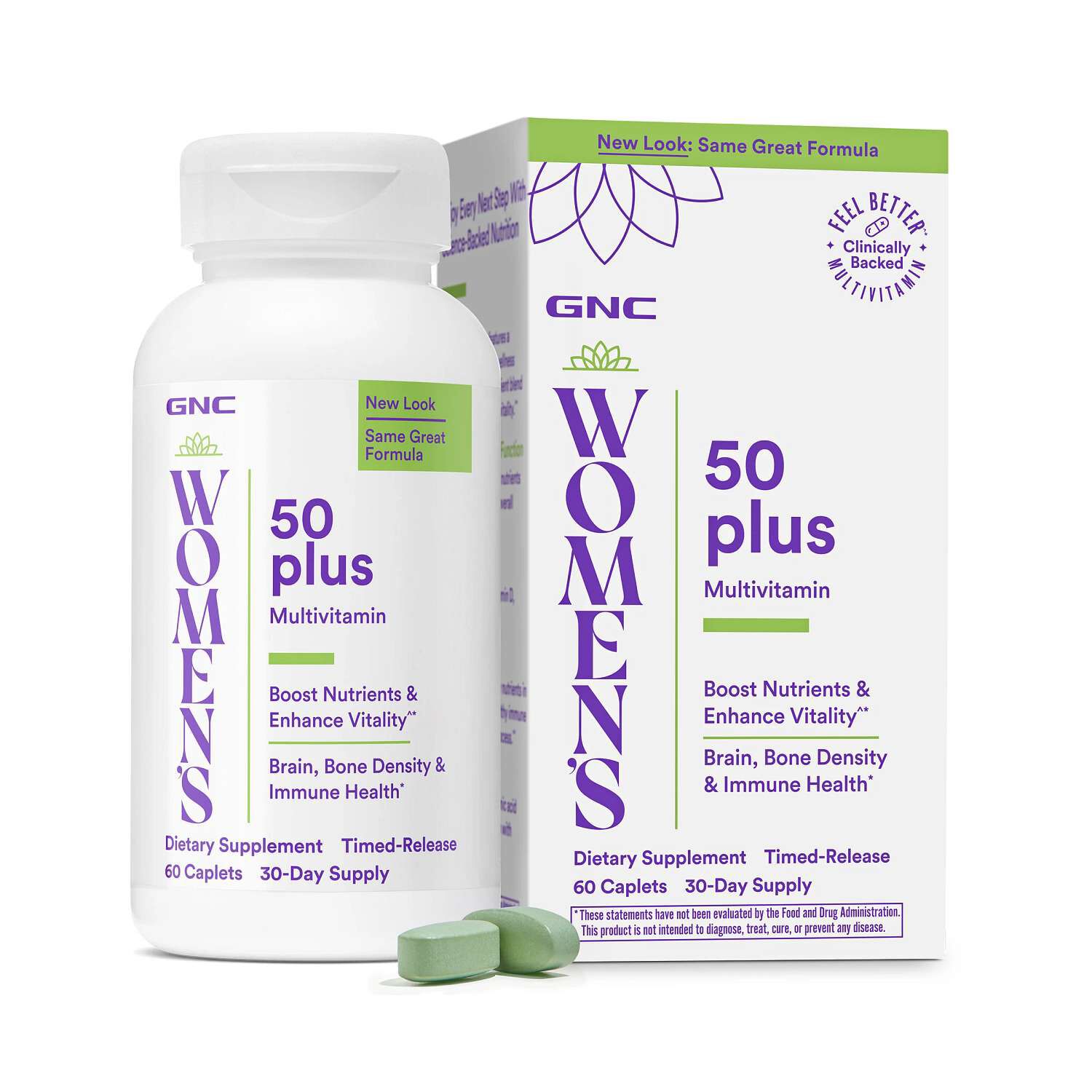

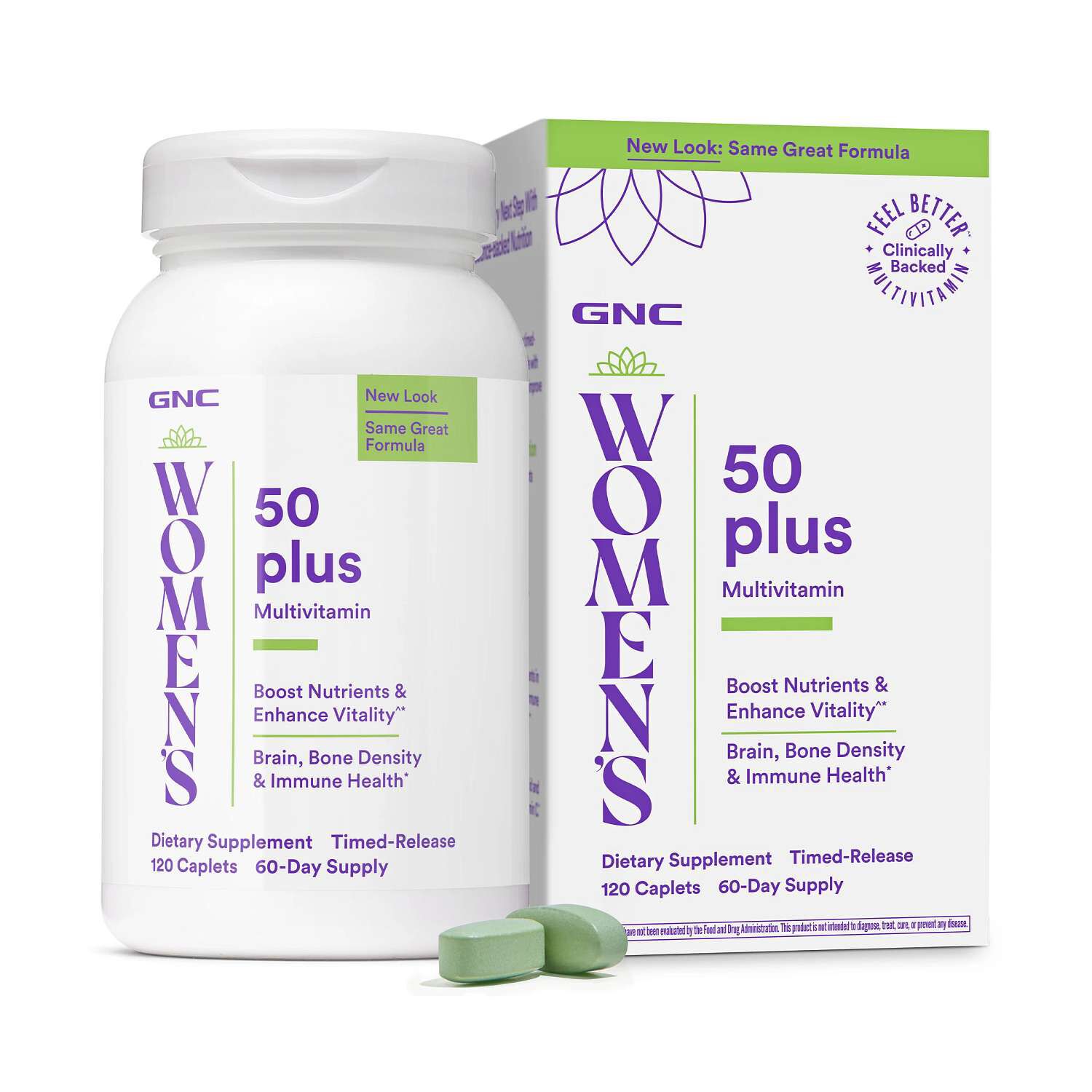





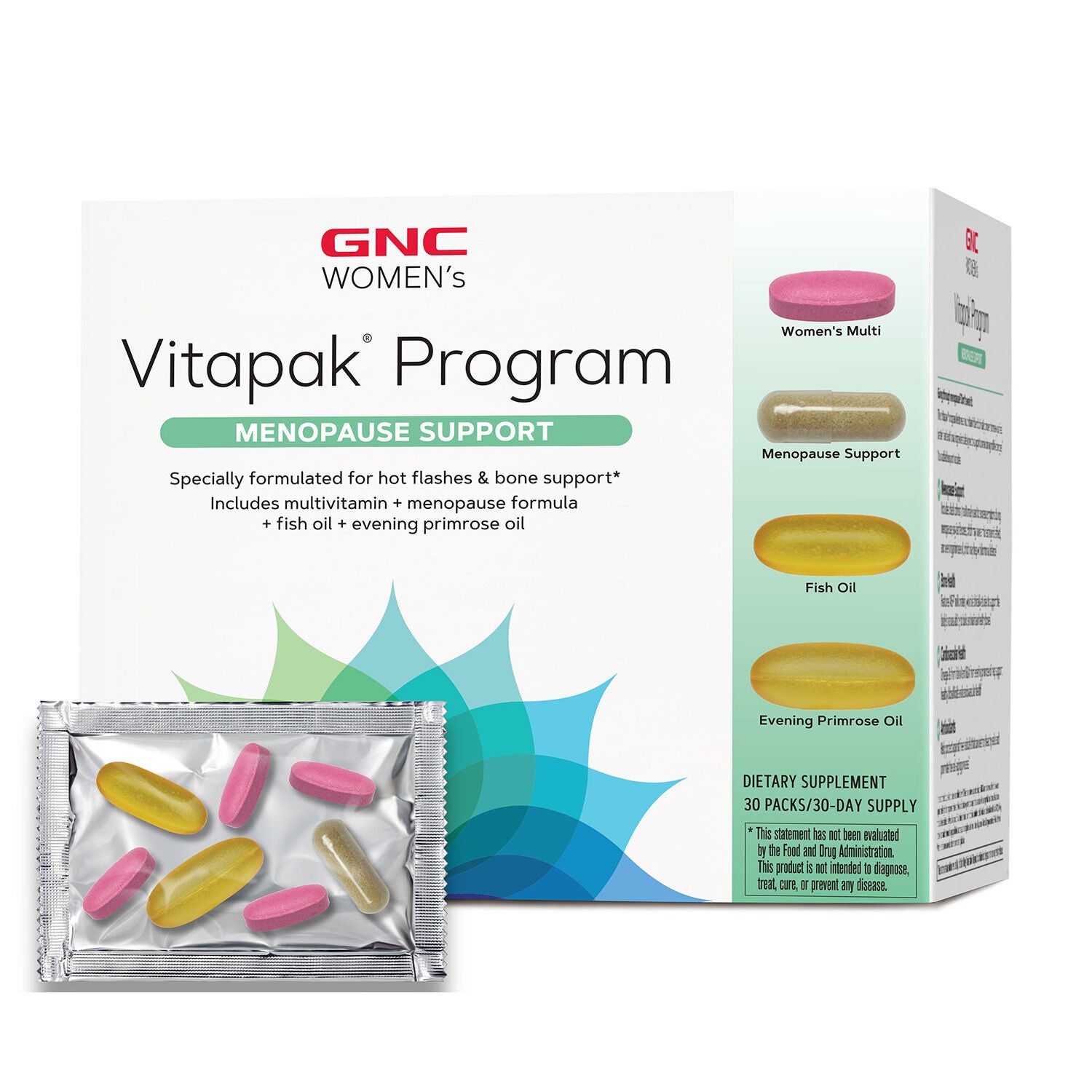


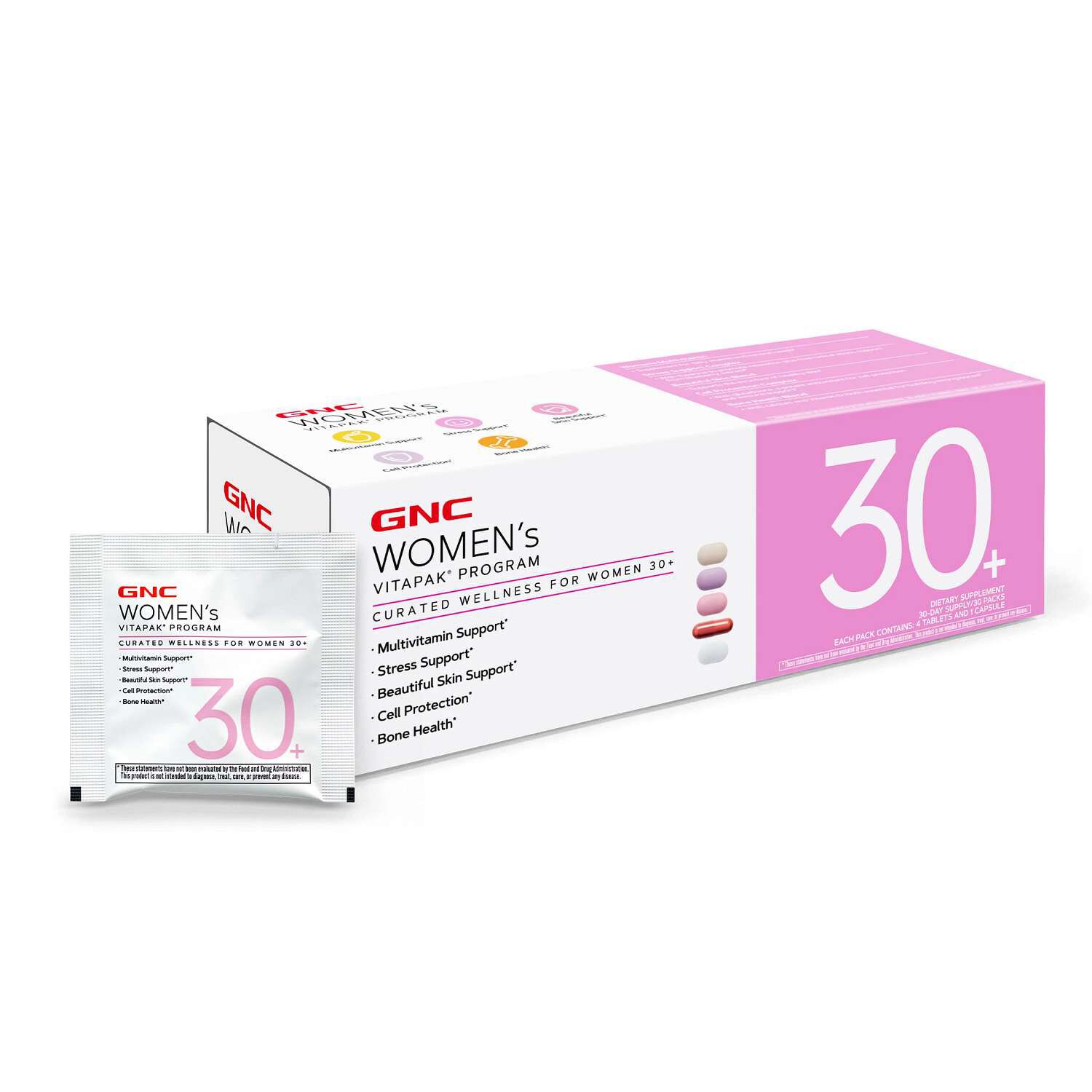
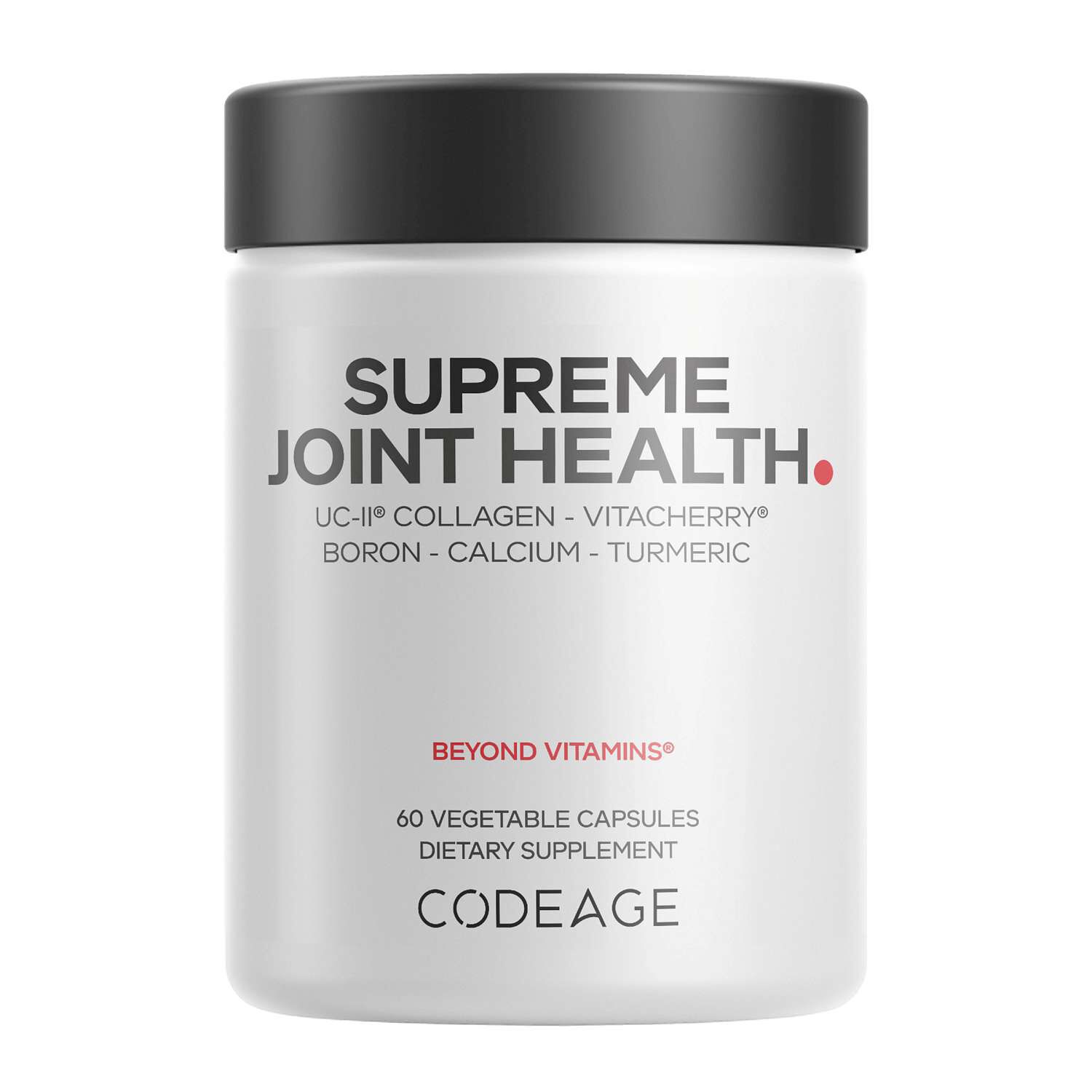
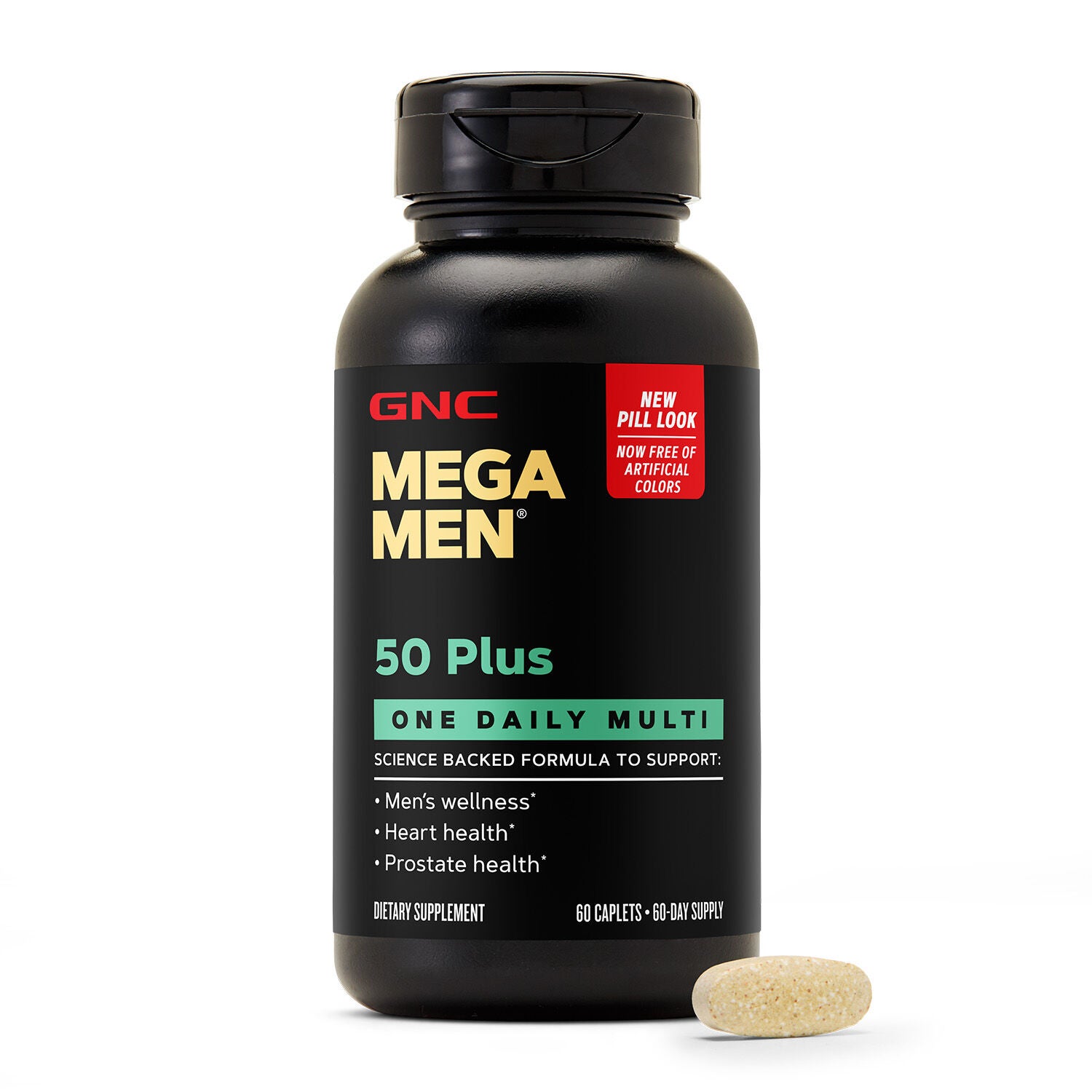
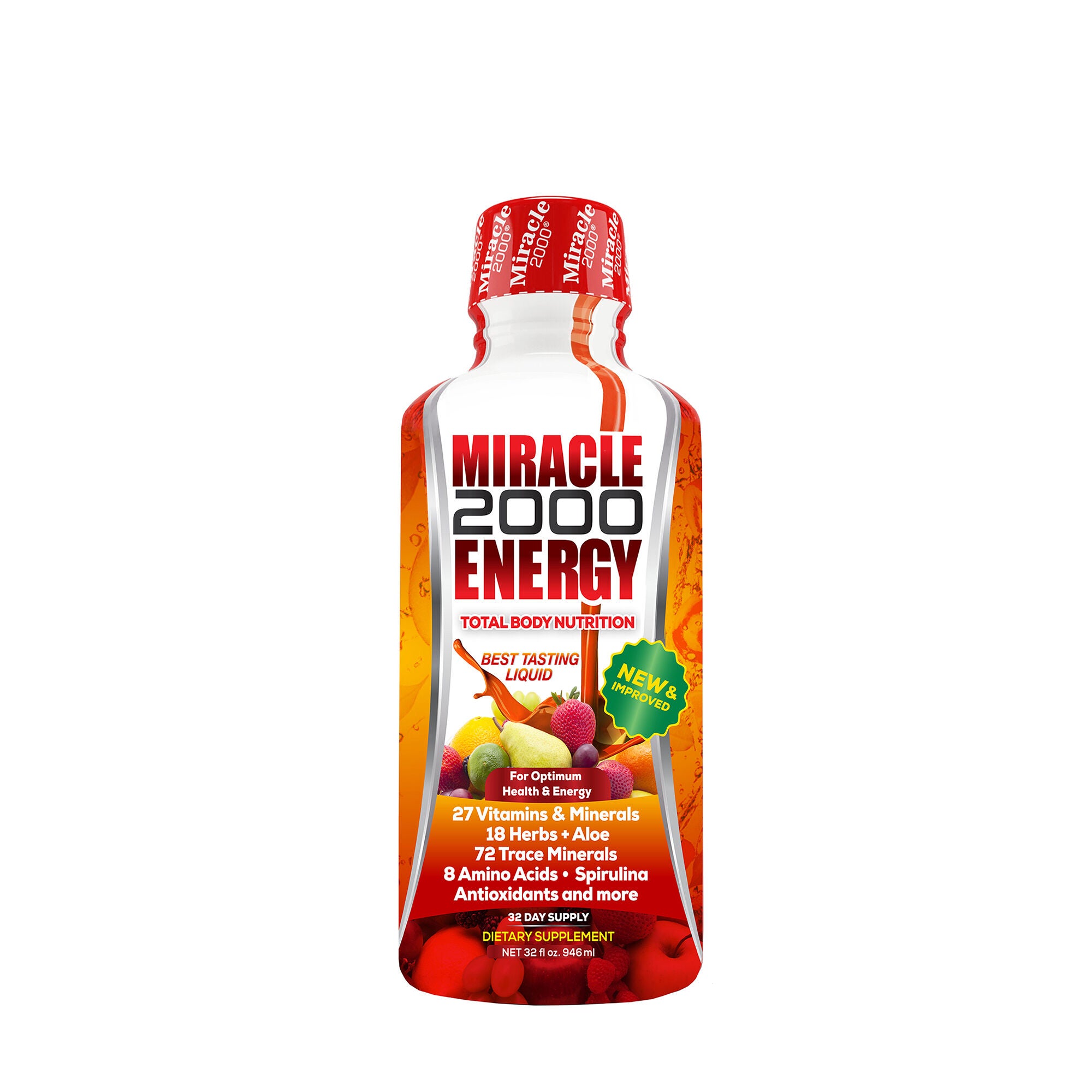

Health supplements for middle-aged adults are dietary products intended to complement everyday food choices. Middle age commonly refers to approximately ages 40 to 65, but the category covers a wide range of routines and preferences rather than one uniform set of nutritional needs. Someone balancing desk work with evening walks may approach supplements differently from an adult who lifts weights, follows a vegetarian diet, or spends several days each week traveling for work. The starting context is still food: vegetables, fruit, beans, whole grains, dairy or suitable alternatives, and varied protein sources bring a mix of nutrients to the table. Supplements may complement that pattern when there is a specific nutritional reason to consider them; they are not substitutes for meals. Omega-3 formulas commonly use fish oil or algae-derived oil, while protein powders may use whey, casein, soy, pea, or blends of protein sources. Fiber formulas may contain ingredients such as psyllium or inulin. These differences matter because health supplements for adults in their forties, fifties, and sixties are not interchangeable simply because they share an age-related description. A multivitamin, a mineral formula, and a protein powder have different compositions and intended uses. Age-oriented labels can provide shopping context, but they do not establish whether a person needs a particular nutrient. Personal eating patterns, ingredient preferences, existing supplement use, and individual circumstances all shape what a suitable choice might look like. The category is less about one universal daily formula and more about understanding what each format contains and how it relates to an established routine.
Format is a practical distinction among supplements for middle-aged adults, especially when daily schedules leave little room for complicated preparation. Capsules, tablets, chewables, gummies, liquids, and powders each have a different texture, serving size, and storage footprint. A capsule-based formula may appeal to someone who prefers a straightforward routine without mixing, while a powder may suit an adult who already prepares a breakfast smoothie. Liquids involve measuring, and powdered formulas usually require a measured scoop and an appropriate beverage. Gummies have a different ingredient profile from capsules and may include added sugars, sweeteners, colors, or gelatin. The number of pieces in a serving also varies, so a serving is not necessarily one tablet, capsule, or gummy. Flavor matters with products consumed as a drink or chewable: an unflavored powder has a different role in a kitchen routine from a strongly flavored mix. Ingredient sourcing adds another layer of distinction. Whey and casein come from milk, collagen commonly comes from animal sources, and plant-based protein formulas may draw from peas, soy, rice, or seeds. Softgel shells and capsule shells can also differ in their animal-derived or plant-derived materials. Fish-derived oils and algae-derived oils offer different sourcing options within the broader omega-3 category. Interest in Natural Supplements For Adults often goes hand in hand with closer attention to ingredient origins, although that description alone does not establish whether a formula suits a particular person. For shoppers with dietary preferences or ingredient restrictions, the full ingredient list and allergen statement provide more detail than the front label. A short ingredient list is not automatically a better match than a longer one; flavoring, capsule materials, and other supporting ingredients all contribute to the finished format. The most meaningful distinctions are specific ones, such as the protein source, the listed nutrient amounts, the presence of an unwanted ingredient, or the preparation involved in each serving.
Everyday fit also includes the less noticeable details of packaging, label clarity, and care. A large powder container occupies a different amount of cabinet space from a small bottle, and individually packaged servings involve different handling from a tub with a scoop. Packaging may include a resealable lid, an inner seal, a measuring device, or printed storage directions. Moisture, light, and storage temperature are relevant considerations for many supplement formats, making the package directions more useful than assumptions based on how another formula is stored. Some liquids call for refrigeration after opening, while other formats have different requirements. Original packaging carries information such as the ingredient list, serving instructions, lot code, and date marking; those details remain relevant beyond the first use. For adults managing a busy household, a clearly identified place for supplements may make the routine easier to organize without confusing one person’s choices with another’s. Label comparisons also involve more than the largest number on the front of a container. The Supplement Facts panel lists serving size and nutrient amounts, and percent Daily Value provides standardized context rather than a personalized target. A multivitamin and a separate nutrient formula can contain overlapping ingredients, even when their front labels emphasize different purposes. Protein and fiber formulas likewise differ in serving weight, nutrient content, and ingredients beyond the featured component. Statements about manufacturing or outside testing are most informative when the label identifies what was assessed, such as ingredient identity or specified contents. Personal suitability remains a separate question from how a formula is made or packaged, and questions about individual need or use alongside medicines belong with a qualified healthcare professional. For middle-aged adults, a supplement routine may be easier to maintain when the format, preparation, ingredient preferences, and storage needs fit naturally into daily life, alongside varied meals, enjoyable movement, and consistent rest.
Best Sellers
-
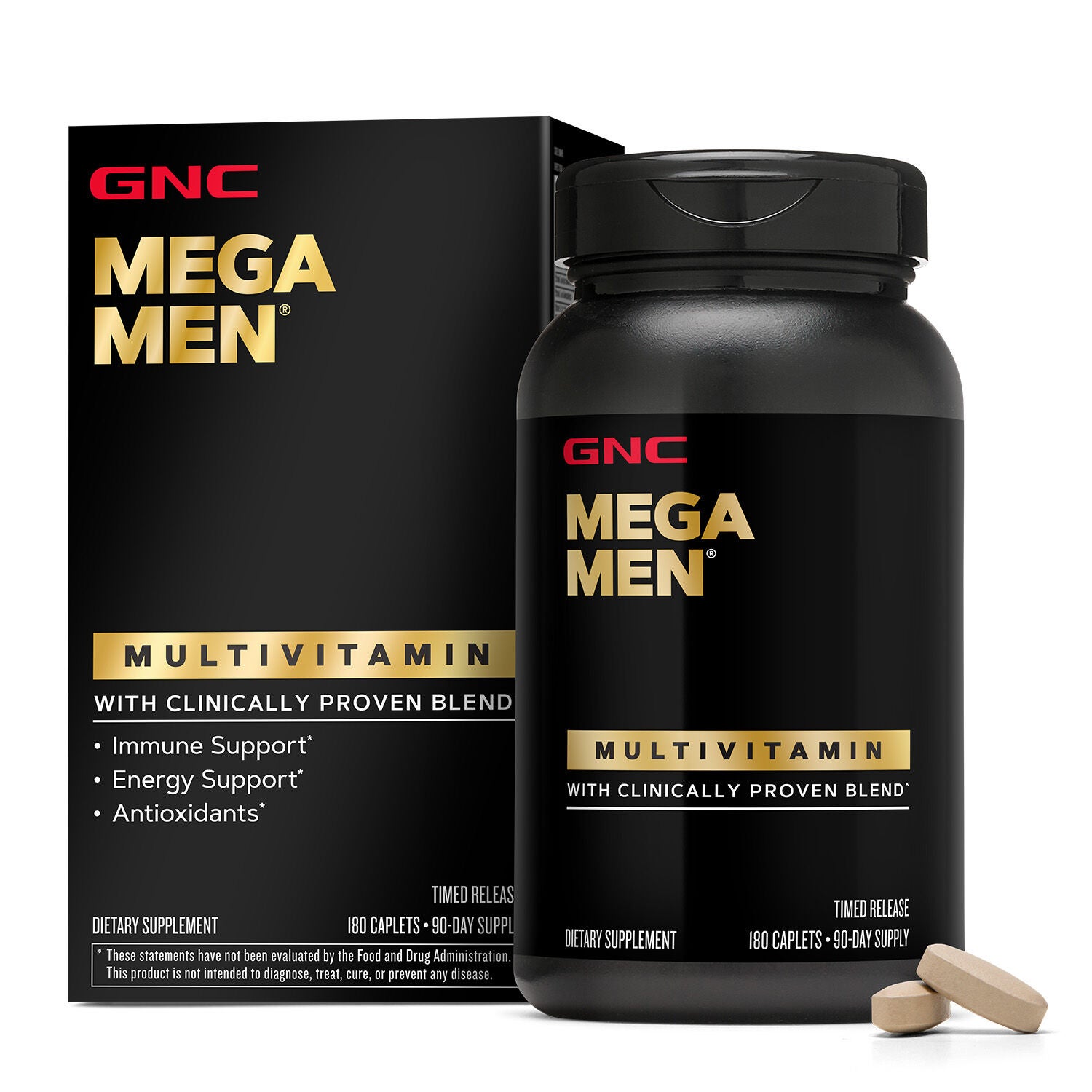 GNC Mega Men
-
 GNC Mega Men
-
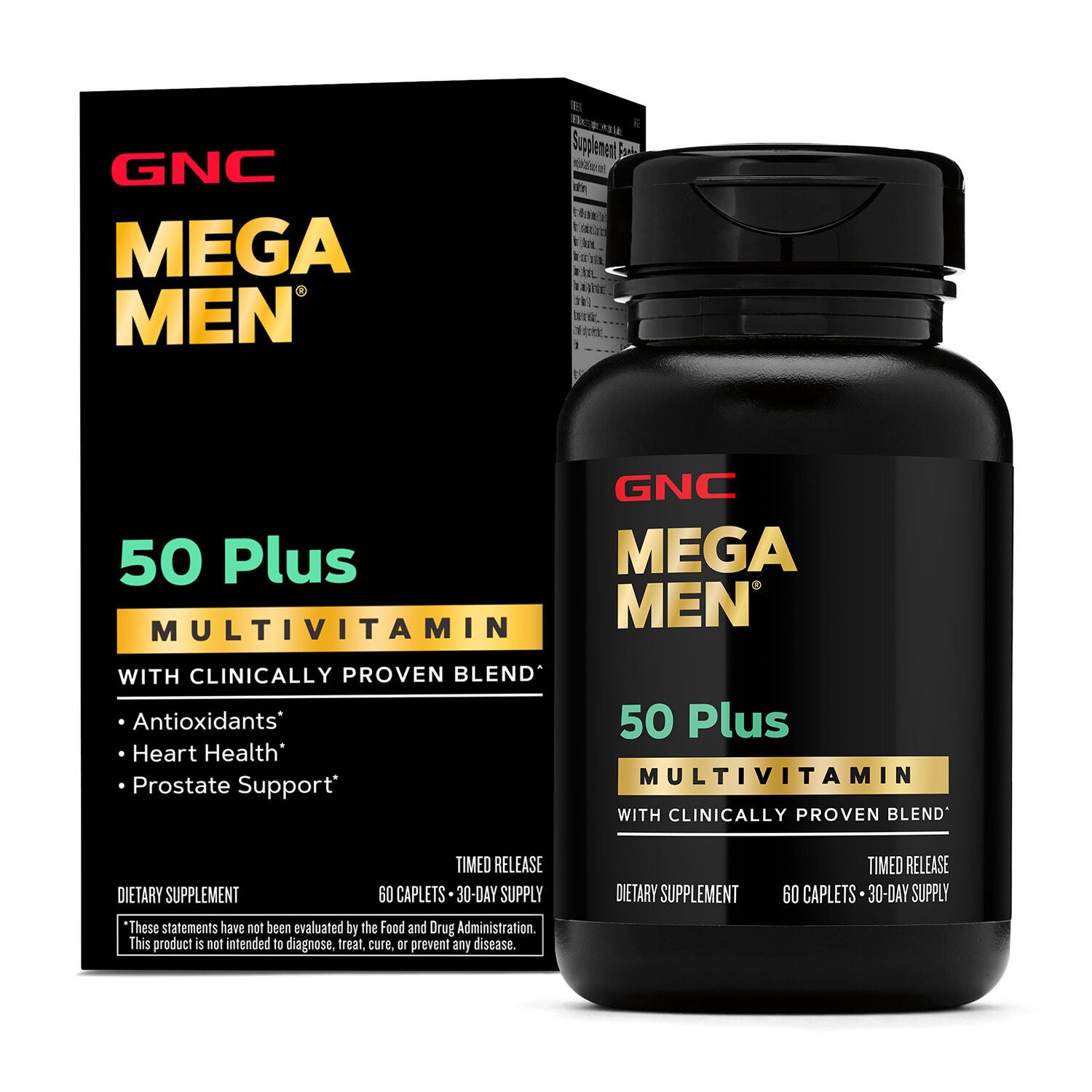 GNC Mega Men
-
 GNC Mega Men
Related Pages




Top Collections
- Chronic Fatigue Supplements
- Vitamins For Hair Loss
- Capsule Supplements For Energy And Stamina
- Supplements For Yoga Joint Flexibility
- Zinc Supplements For Men
- Best Brand of Magnesium Glycinate
- Cortisol Supplements
- Supplements For Energy And Wellness
- Joint Mobility Supplement Packs
- Peptide Supplements