





Natural Supplements For Adults
(0 Results)
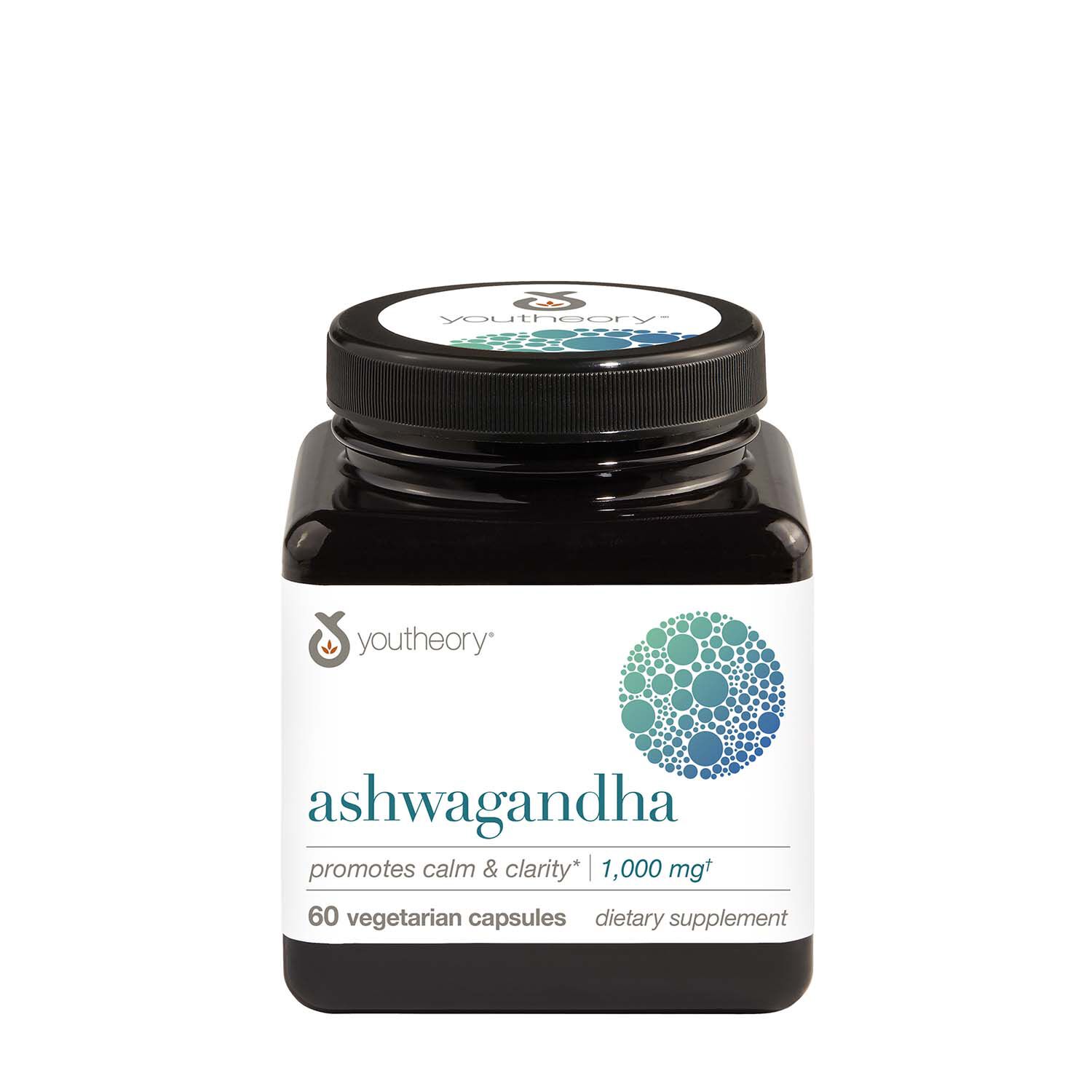
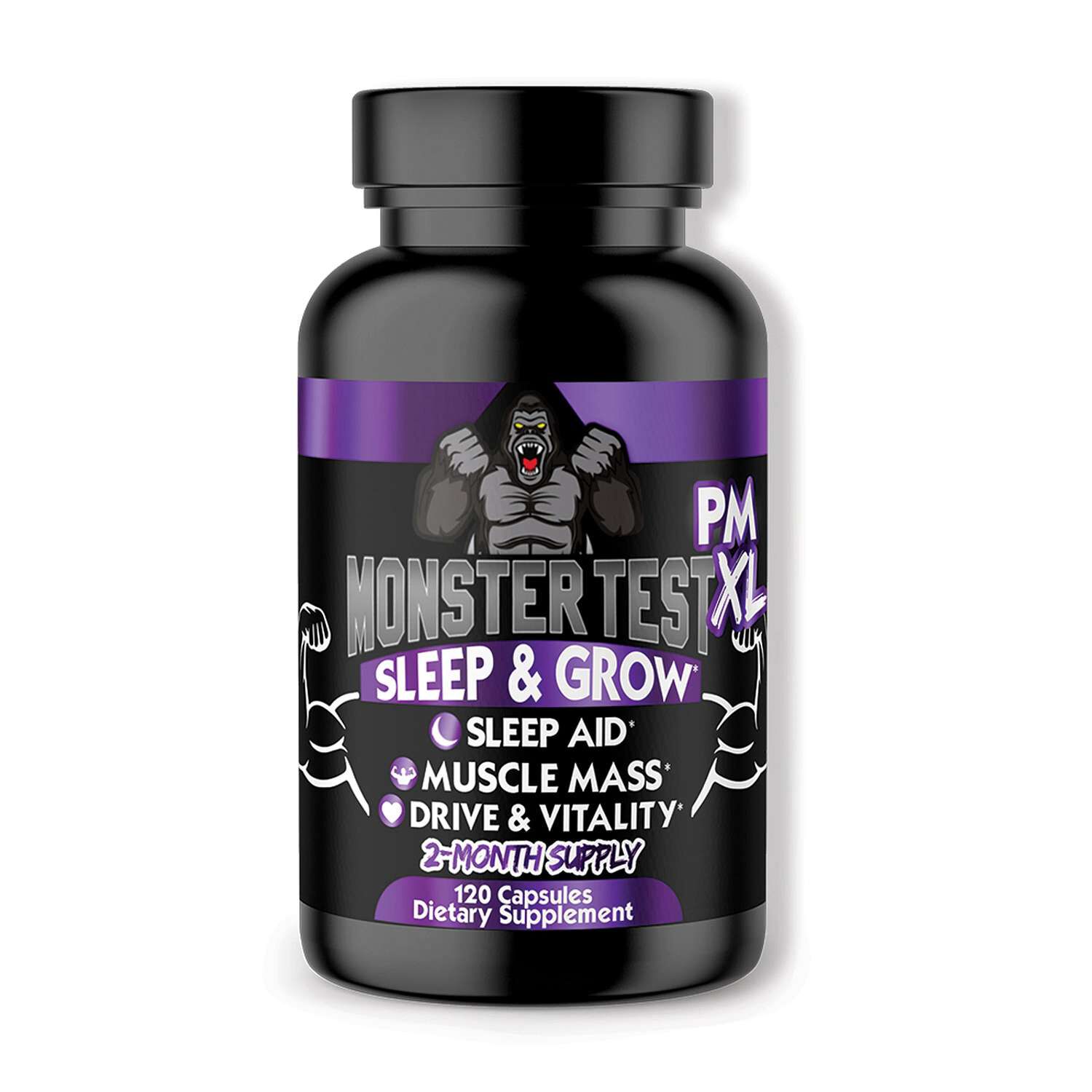
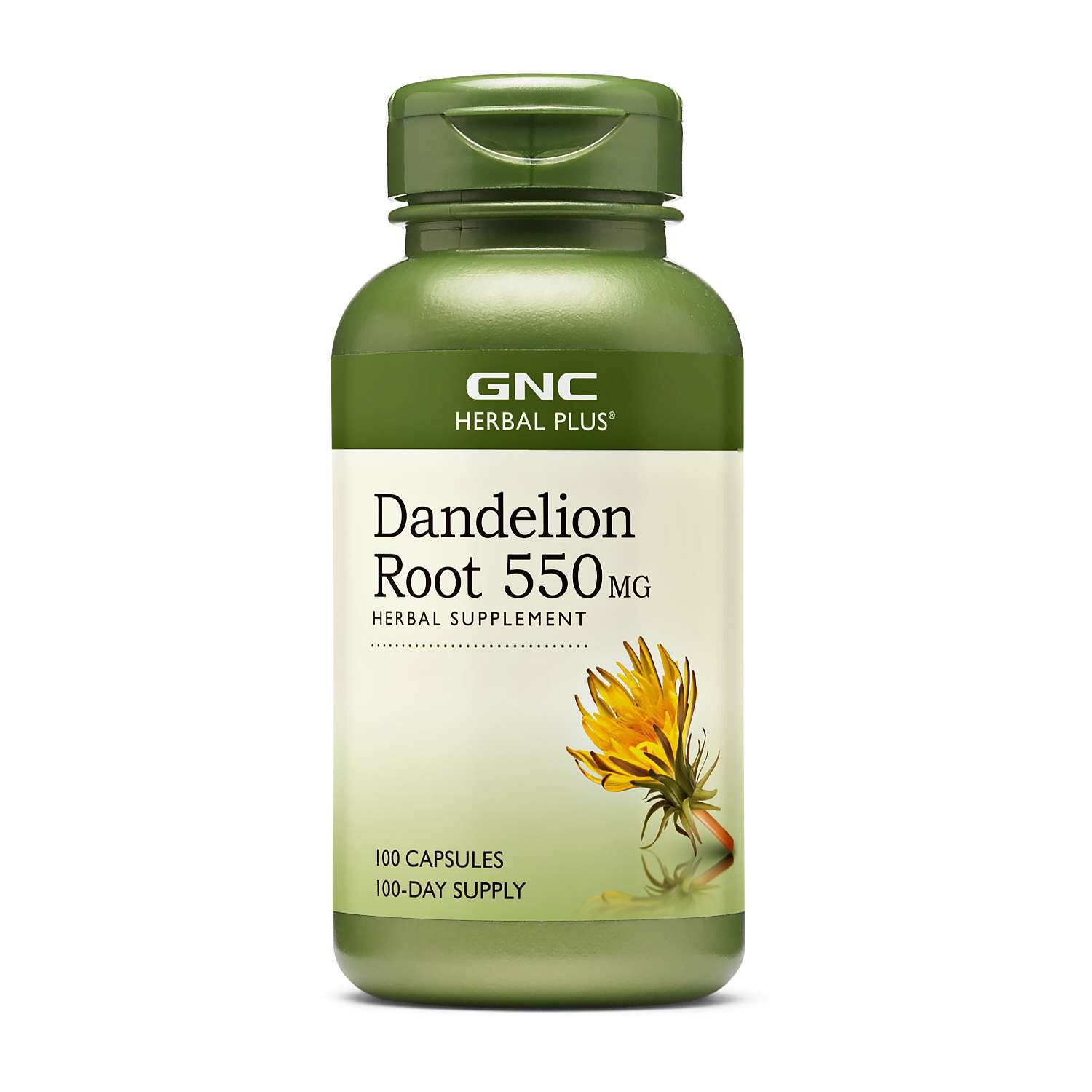
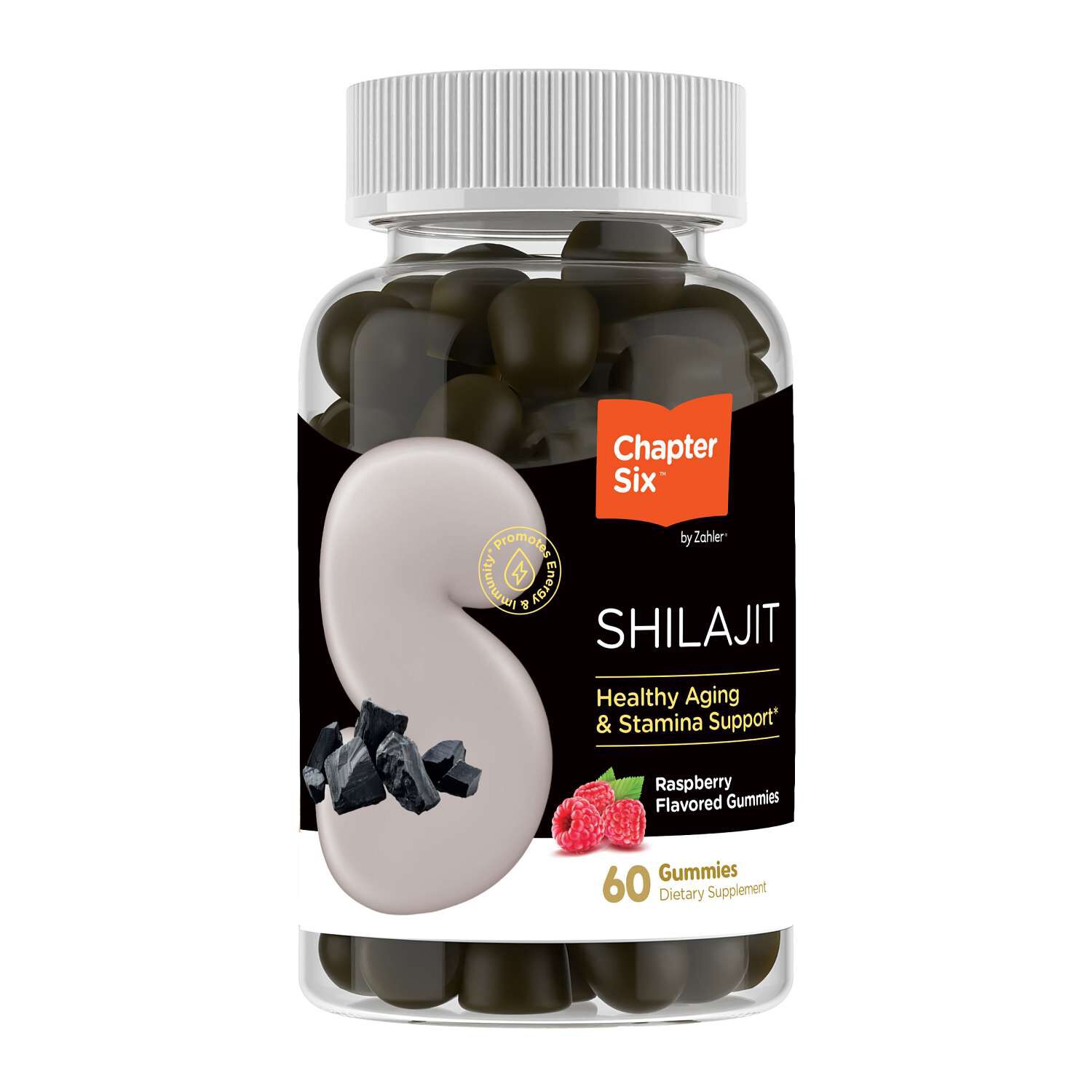
Natural supplements for adults offer a variety of options that could support overall wellness and help maintain a balanced lifestyle. Incorporating natural ingredients, these supplements may complement your daily routine as you strive to meet your health and wellness goals. Whether you are looking to fill nutritional gaps or simply enhance your everyday vitality, exploring natural supplements for adults might be a beneficial addition to your journey toward feeling your best.
-
 $34.99
-
 Angry Supplements3$15.99
-

-

-

-
-
-
-

-
 $29.99
-

-

-

-

-

-

-

-
-
-

-
-
.jpg?sw=305&sh=305&sm=fit "Sleep Aid - 60 Capsules (30 Servings) | GNC")
-
-
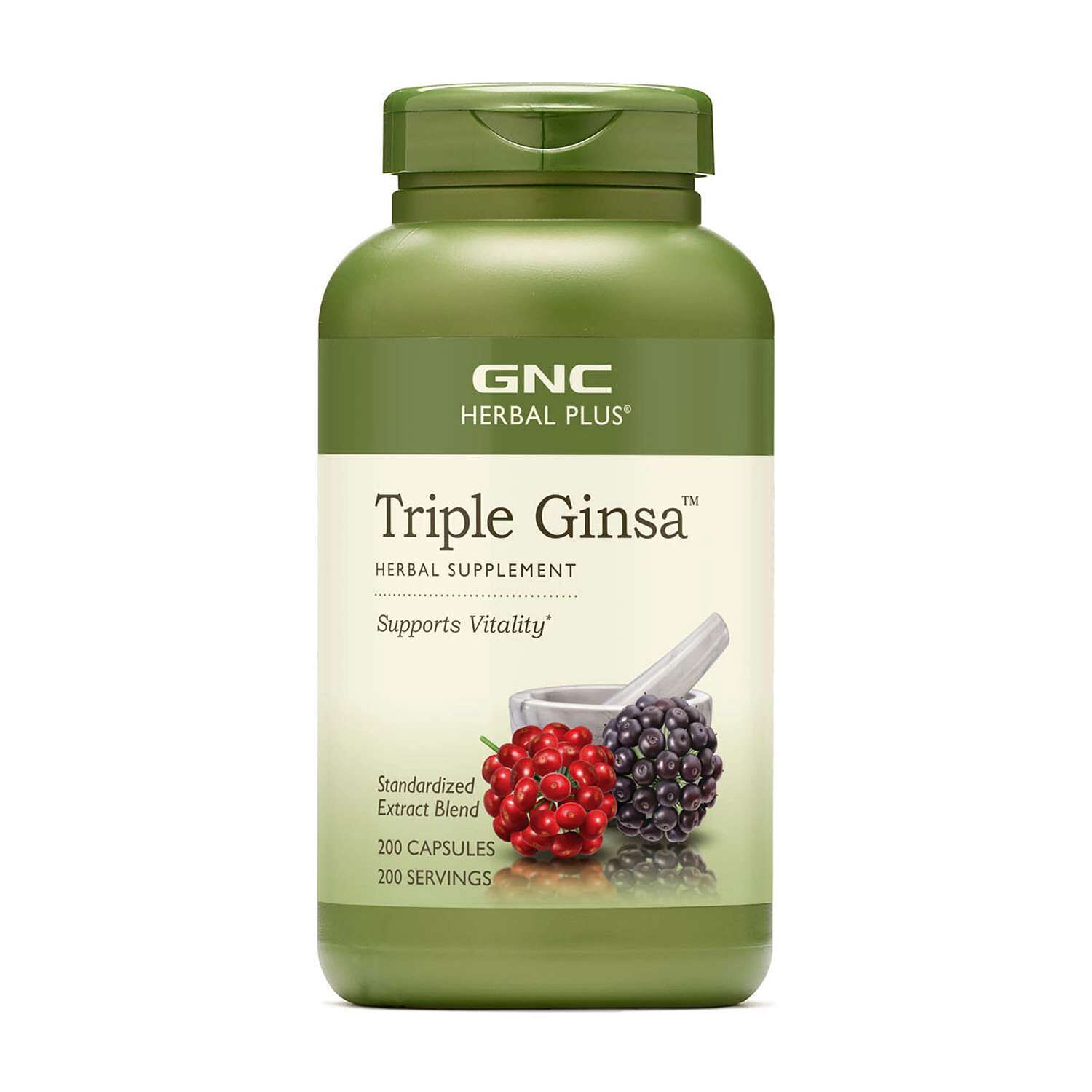
Natural supplements for adults span a broad range of vitamins, minerals, botanical ingredients, oils, and other dietary supplements in formats suited to different preferences. The word “natural” describes a sourcing approach rather than one uniform formula: a supplement might contain a plant extract, a mineral compound, an oil derived from fish or algae, or nutrients produced through fermentation. That distinction matters when comparing ingredients, dietary preferences, and everyday convenience. Natural supplements may complement an adult’s eating pattern, but their ingredient sources, serving sizes, and intended uses vary considerably. A multivitamin combines several nutrients, while a single-nutrient formula centers on one vitamin or mineral. Botanical blends contain multiple plant ingredients, whereas a single-herb formula focuses on one botanical source. Neither a familiar ingredient name nor a plant origin tells the whole story about what is inside the container. For example, vitamin D3 can come from sources such as lanolin or lichen, and omega-3 oils can come from fish or algae. The capsule surrounding those ingredients is another consideration: gelatin and cellulose are different shell materials, so a plant-derived ingredient does not necessarily mean the entire formula is suitable for a vegetarian eating pattern. Ingredient lists and dietary designations provide more useful detail than a broad description on the front of a package. Format also shapes the shopping experience. Capsules, tablets, softgels, gummies, liquids, and powders differ in texture, flavor, serving size, and preparation. Someone who prefers an unflavored format might consider capsules, while someone who dislikes taking tablets might be more interested in a chewable or measured powder. A gummy’s flavor and texture come with ingredients that deserve the same attention as the featured nutrient, including sweeteners, colors, and gelling agents. These practical details help distinguish supplements that sound similar by name but have quite different compositions and serving formats.
Comparing natural supplements for adults becomes more straightforward when the Supplement Facts panel is considered alongside the full ingredient list. The serving size establishes the basis for the amounts shown; a serving might consist of more than one capsule, gummy, or measured scoop. The number of pieces in a container therefore does not always match its number of servings. Units matter as well, since milligrams, micrograms, and other measurements describe different quantities and are not interchangeable. For mineral supplements, the nutrient name and the compound listed beside it offer separate information about the formula. Magnesium glycinate and magnesium citrate, for example, identify different ingredient forms rather than merely different package descriptions. Botanical labels have their own useful distinctions, including the plant’s common name, botanical name, and the portion used, such as the root, leaf, flower, or seed. An extract and a whole-herb powder are different preparations, even when they originate from the same plant. Shoppers comparing these formats can explore Herbal Supplements For Adults for a more focused selection of botanical options. With plant blends, individually listed ingredient amounts offer different information from a blend shown under one combined amount. Oil-based supplements call for another comparison: the amount of oil is not necessarily the same as the amount of a named component within that oil. Likewise, probiotic descriptions may identify particular microorganisms, strain designations, and a count expressed in colony-forming units. Whether that count refers to manufacture or the stated expiration date is a meaningful labeling detail. Quality information deserves a similarly precise reading. An independent testing statement is most informative when it names the testing organization and explains what was evaluated, such as ingredient identity, labeled amounts, or specified contaminants. A seal or short phrase on the front of a bottle offers less context than a clearly explained testing standard. Source information, allergen statements, and ingredient transparency add further context without relying on broad language about a formula’s natural origins.
Everyday fit extends beyond the ingredient panel to the way a supplement is packaged, measured, and stored. An adult who regularly eats breakfast at home has a different setting from someone who carries lunch to an office or spends several nights away from home. Capsules and tablets generally involve no mixing, while powders require a suitable container, a measured serving, and the preparation described on the label. Flavored powders also introduce a taste preference that is easy to overlook when attention is focused only on the featured ingredient. Liquids involve their own measuring tools, and some have storage directions that change after opening. For someone comparing formats, those small differences may make one option more convenient than another. Packaging details matter, too: a bottle, resealable pouch, or individually portioned packet creates a different experience when opening, closing, measuring, or packing a serving. Care requirements depend on the formula and container. Moisture-sensitive powders, for instance, require attention to closure and label-specific storage conditions; liquid formulas may have refrigeration instructions. An original label keeps serving directions, ingredient information, lot details, and the expiration date together in one place. These are practical considerations for an adult managing a personal routine or sharing a kitchen cabinet with others. Adult labeling is also distinct from labeling for other age groups, and a larger container does not change the intended audience or serving information. Personal dietary preferences, ingredient exclusions, flavor tolerance, and preparation habits all contribute to a useful comparison. For a gift, those preferences can be difficult to know, making supplements a particularly personal choice rather than an interchangeable wellness accessory. The most meaningful distinctions are often concrete: a clearly identified ingredient source, a format that matches the recipient’s preferences, readable serving information, and storage requirements that suit the intended setting. Together, these details provide a grounded way to compare natural supplements without treating “natural” as a substitute for understanding the formula.
Best Sellers

Related Pages


Top Collections
- Joint Mobility Supplement Packs
- Daily Collagen Supplements | Top Brands & Deals | GNC
- Supplements For Yoga Joint Flexibility
- Zinc Supplements | Top Brands at Great Prices | GNC
- Supplements For Balance
- Capsule Supplements For Energy And Stamina
- Chronic Fatigue Supplements
- Adult Mobility Supplements
- Vitamins For Hair Loss
- Blood Pressure Support Supplements