

Healthy Diets
(0 Results)
Healthy diets may play a key role in supporting overall wellness and helping you feel your best every day. Whether you’re looking to incorporate more balanced meals, add essential nutrients, or explore new ways to nourish your body, healthy diets could offer a variety of options to fit your lifestyle. Discover choices that might align with your personal goals and preferences, making it easier to stay on track and enjoy the journey toward a healthier you.
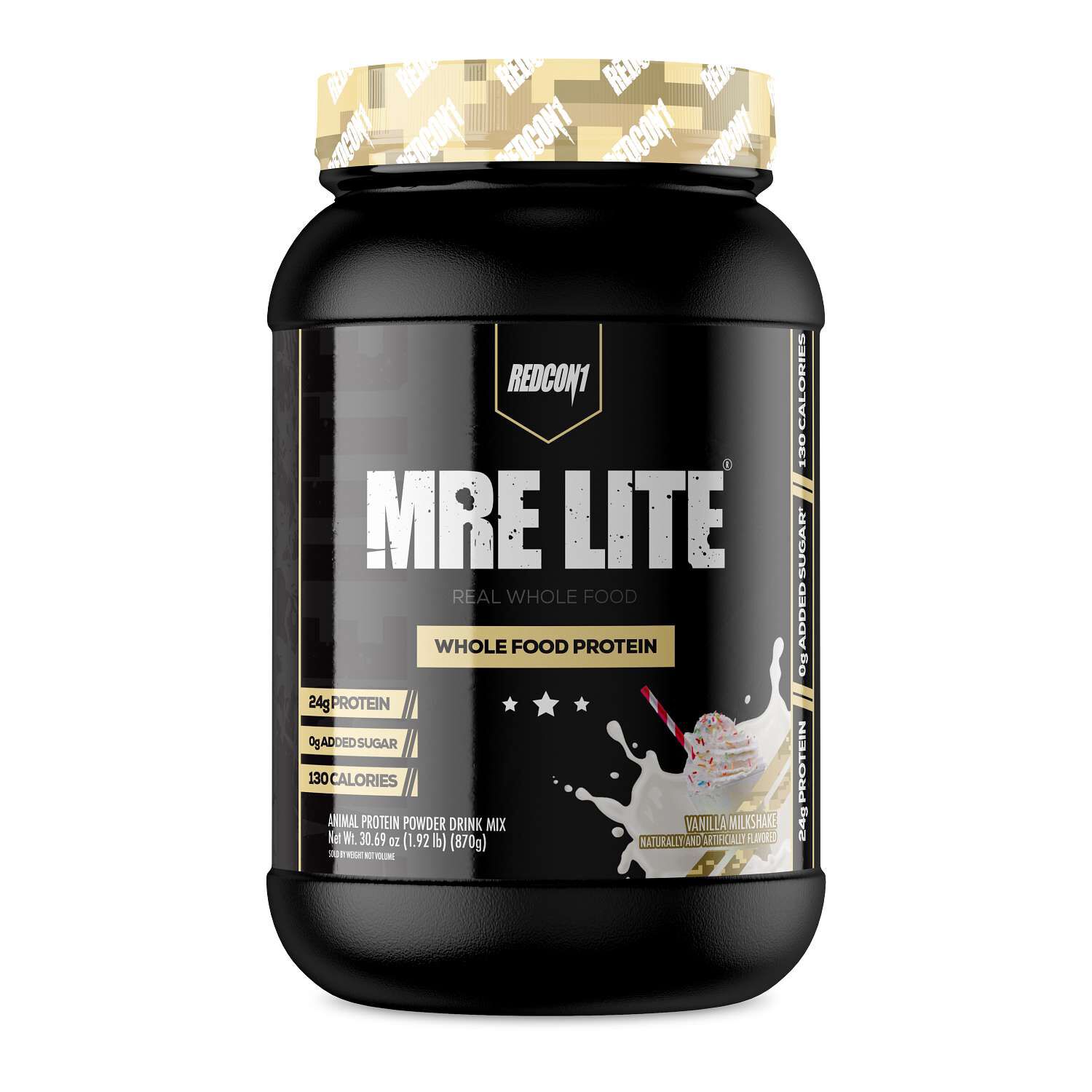

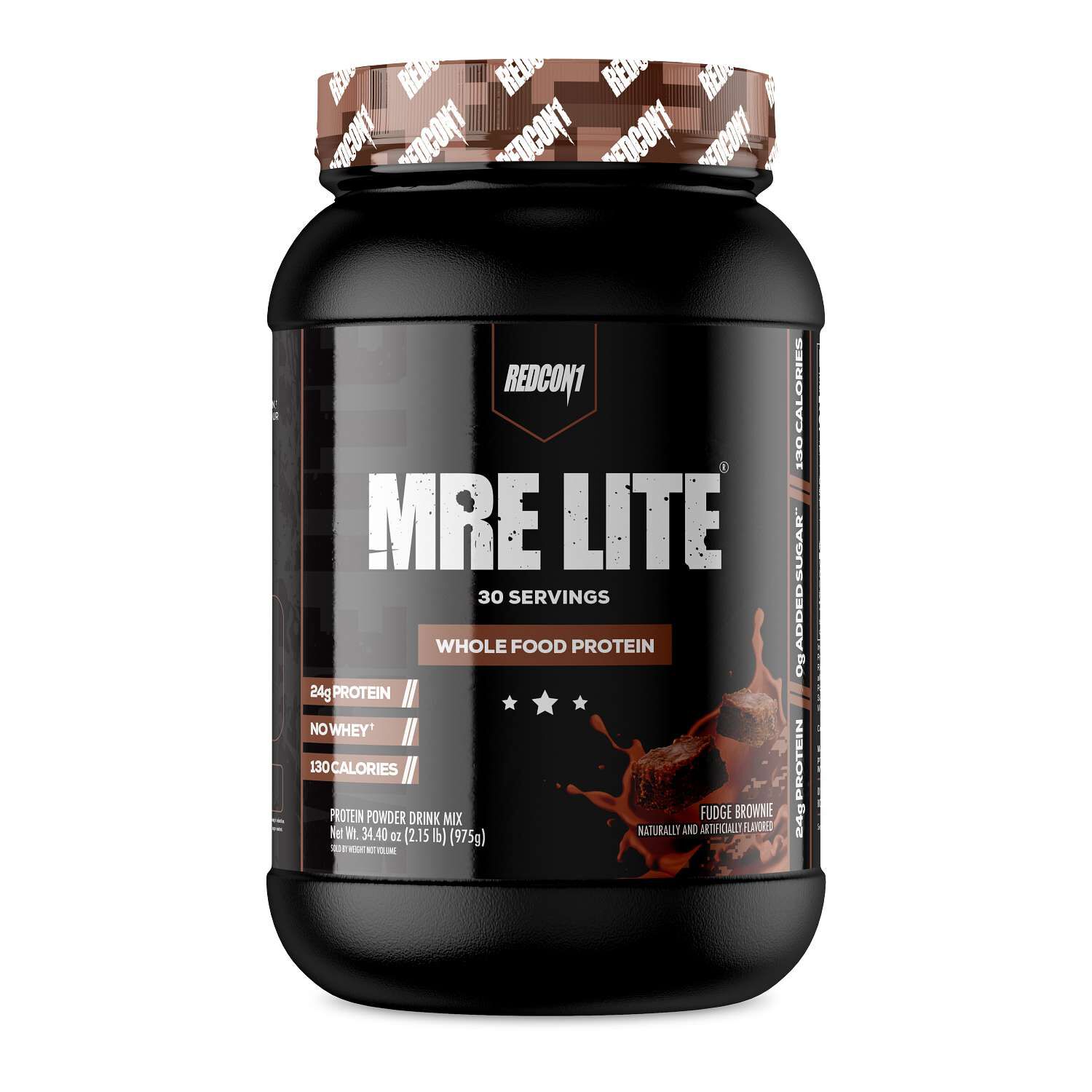
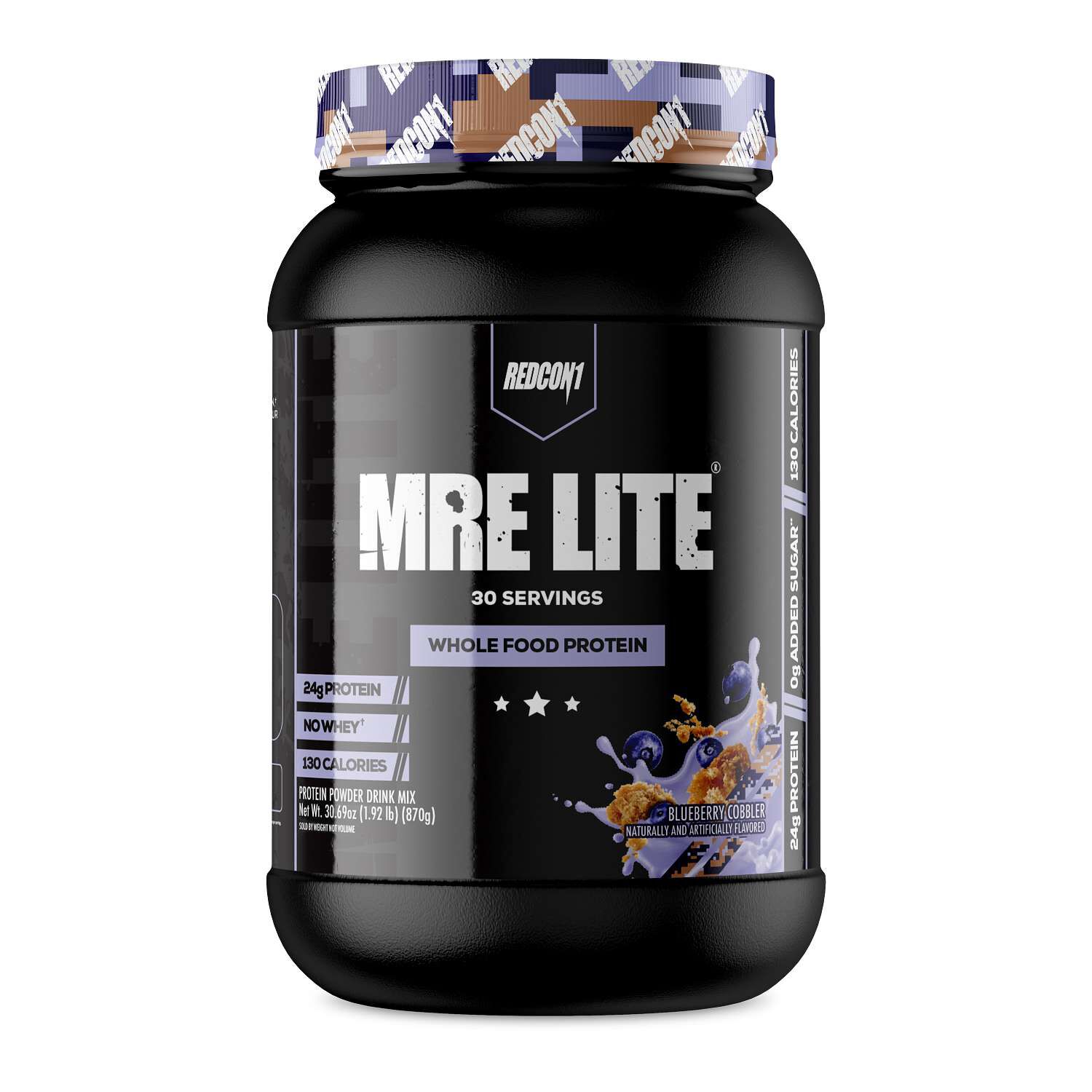
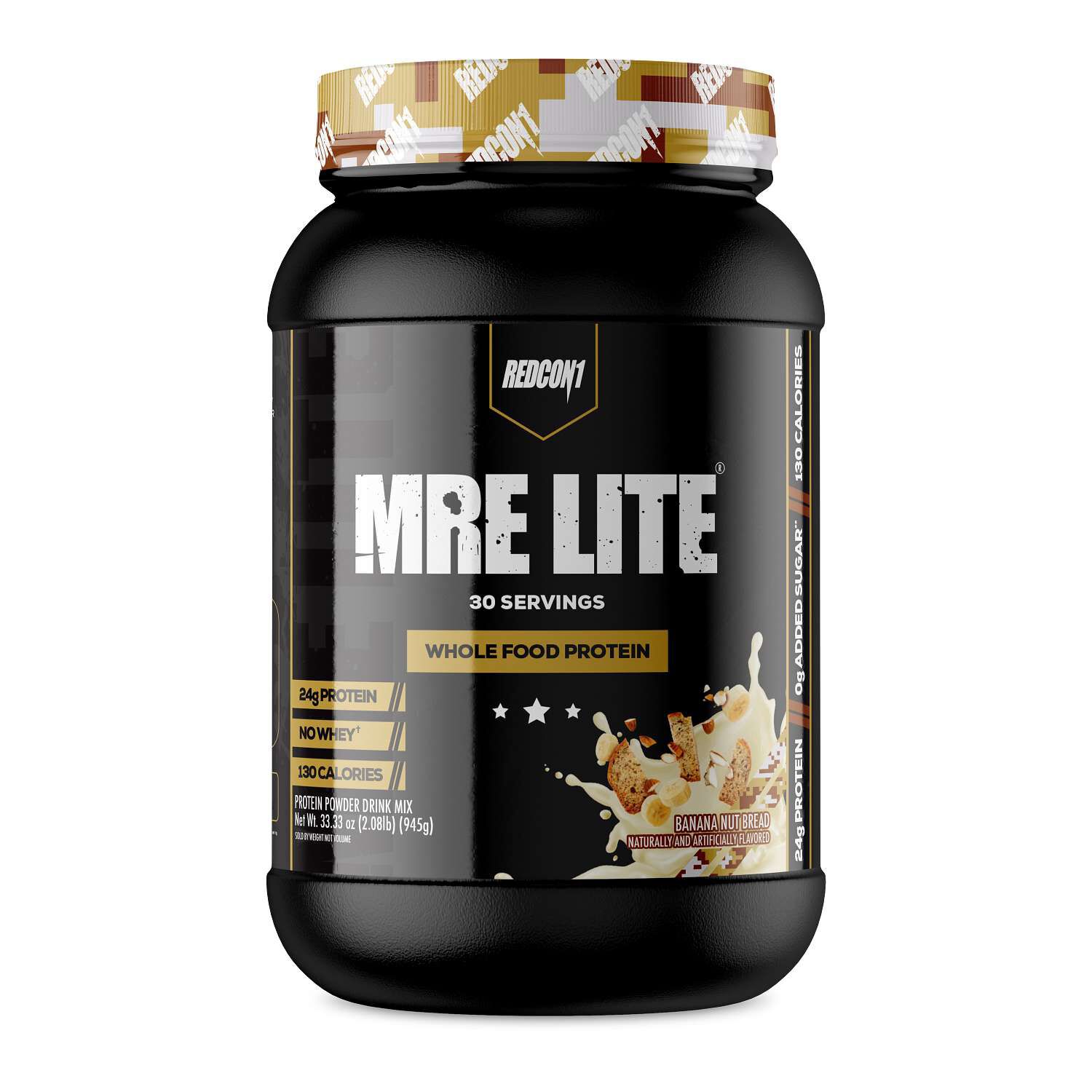
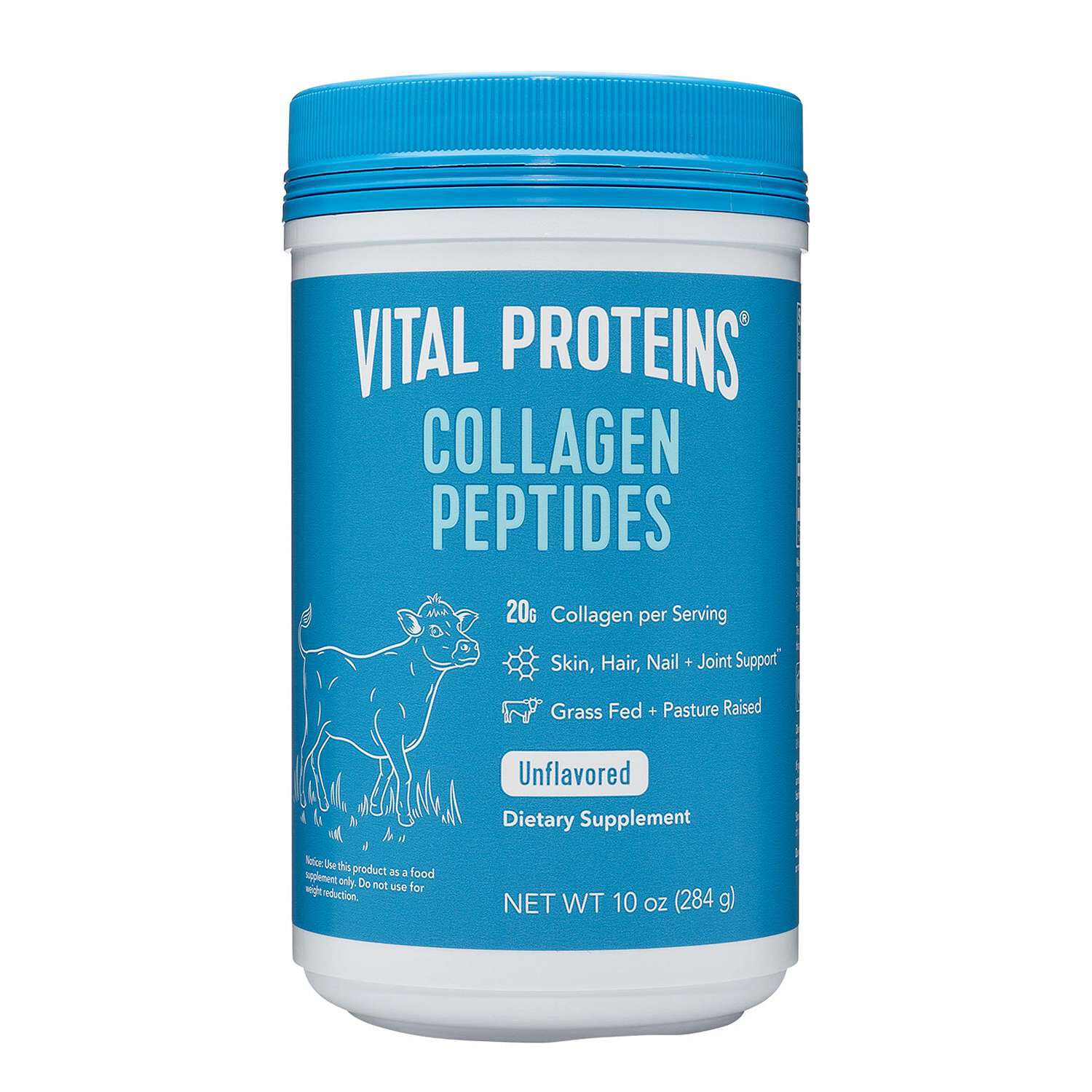

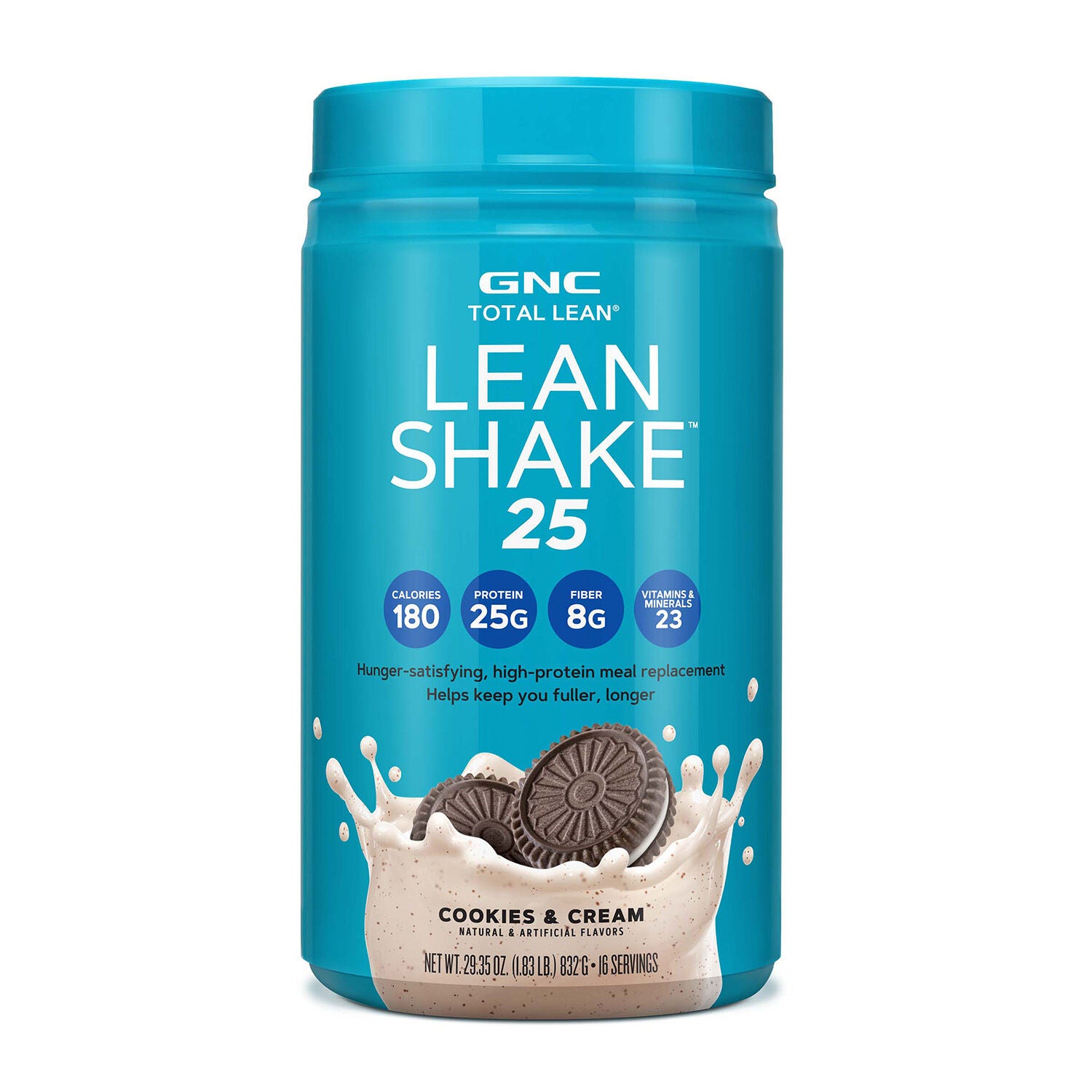
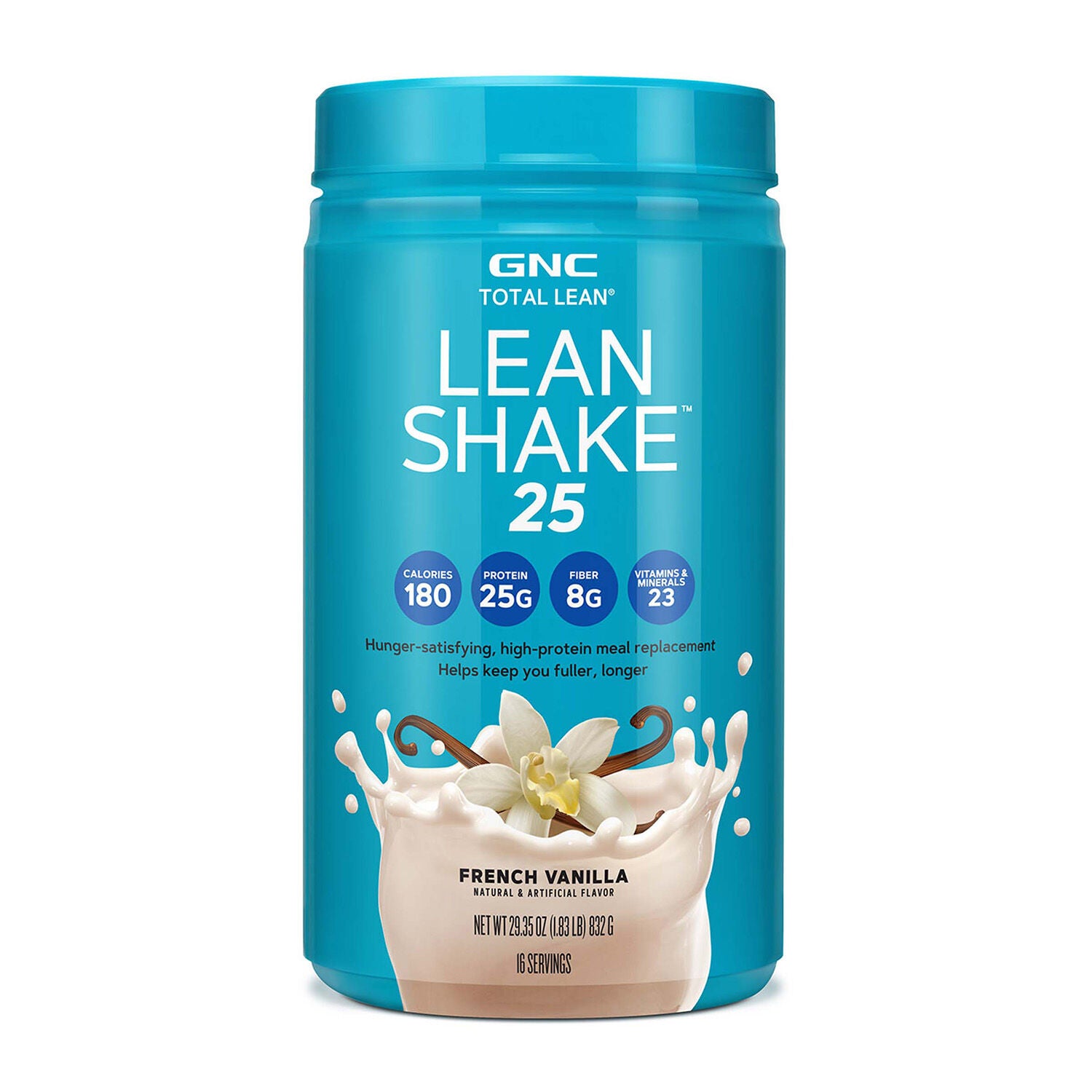
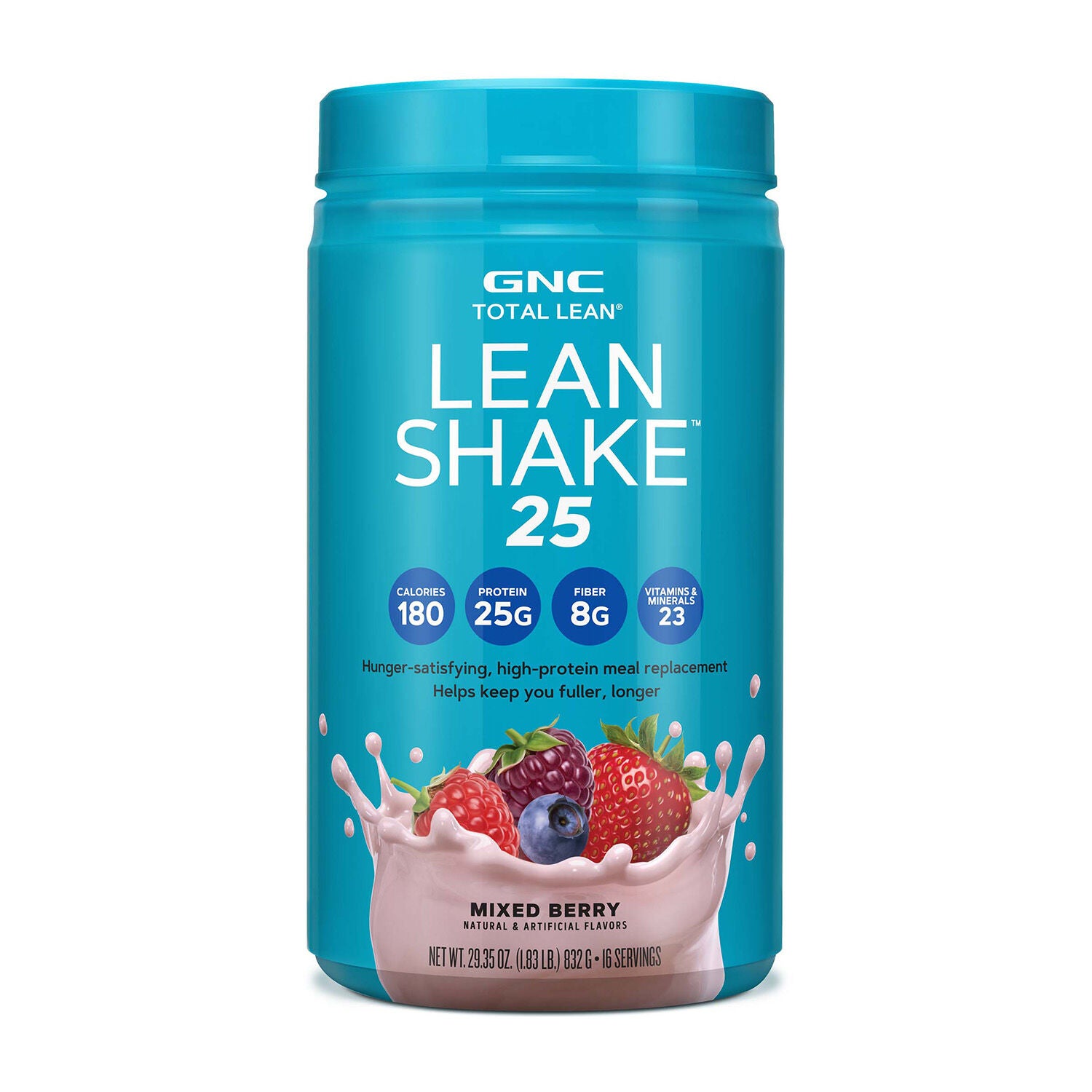
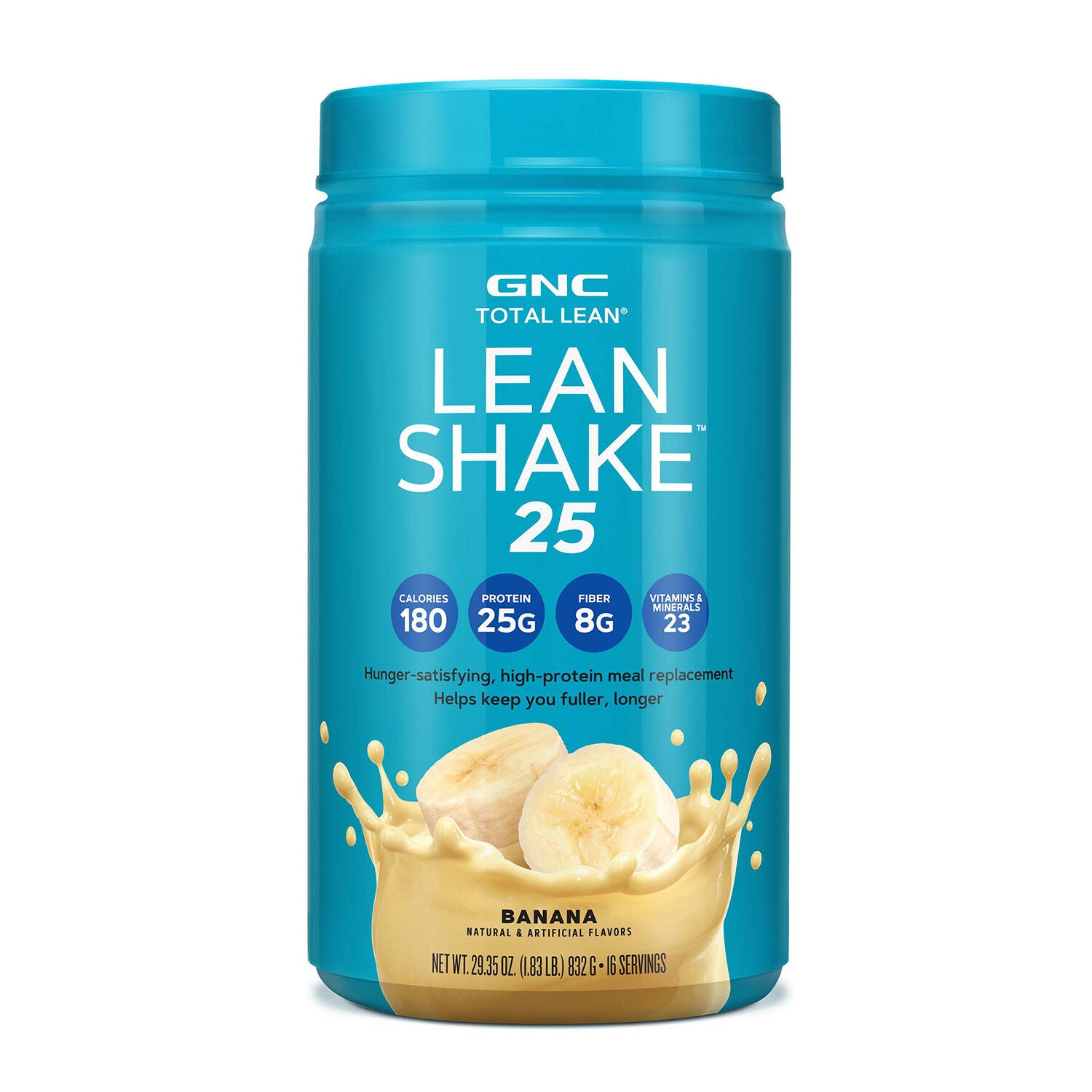
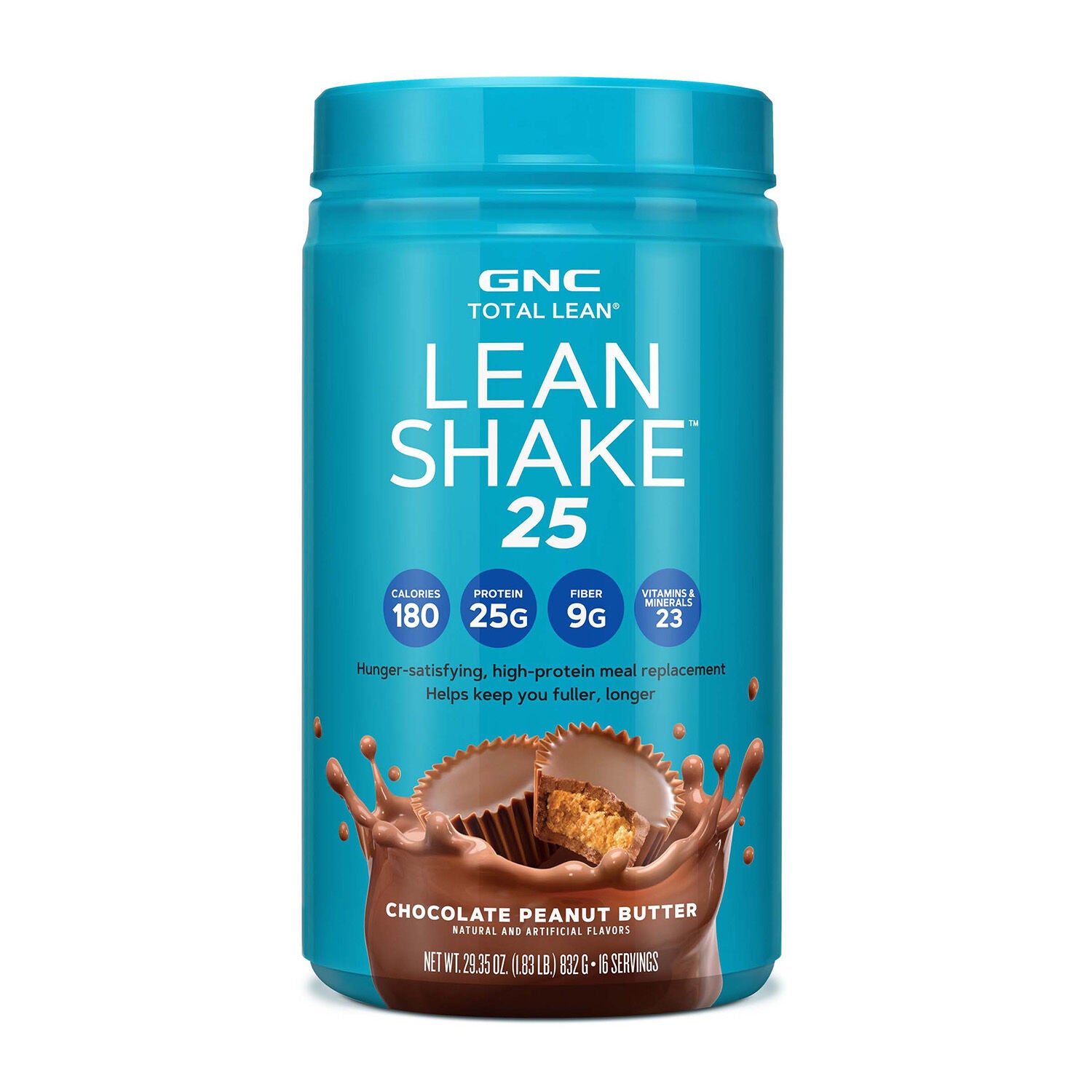
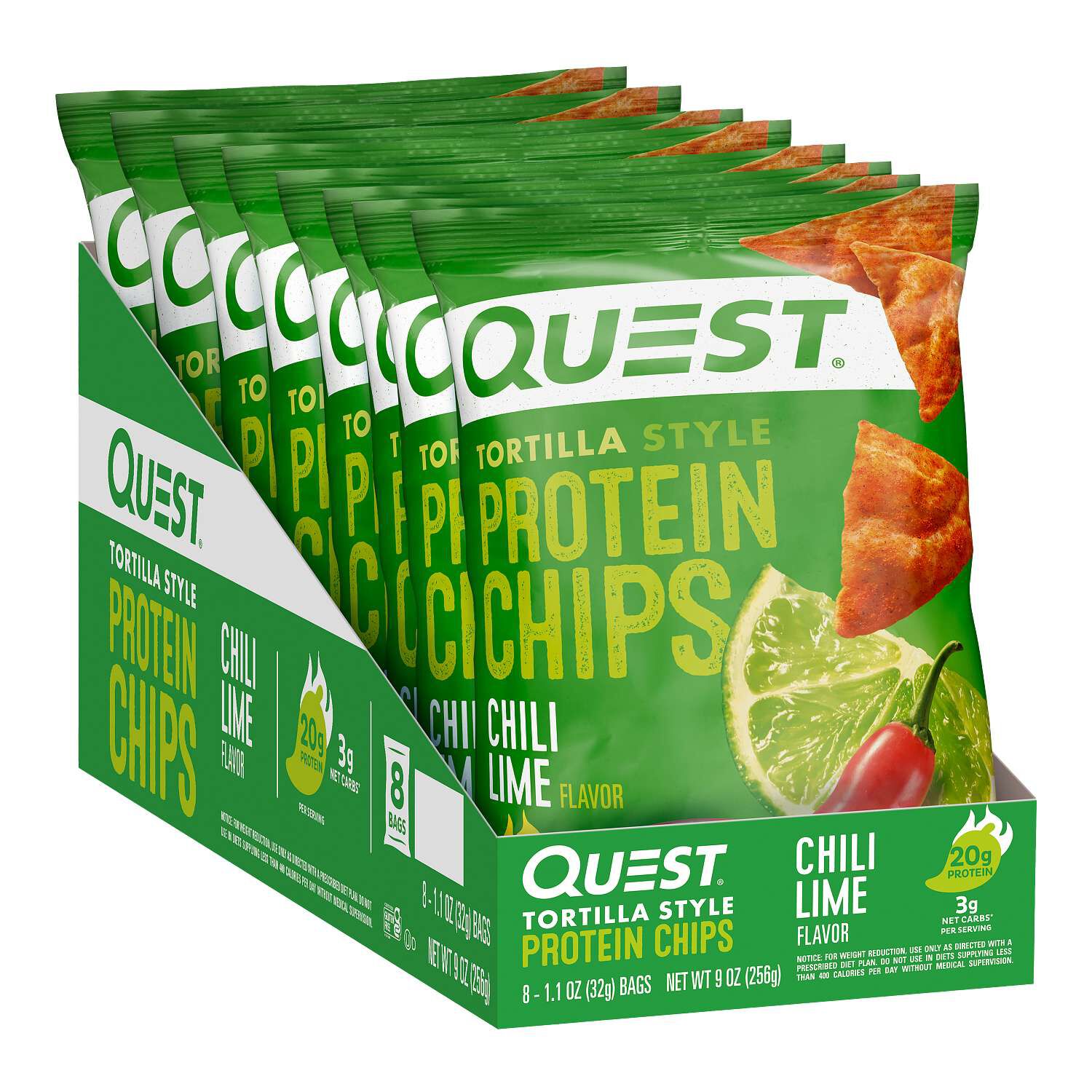


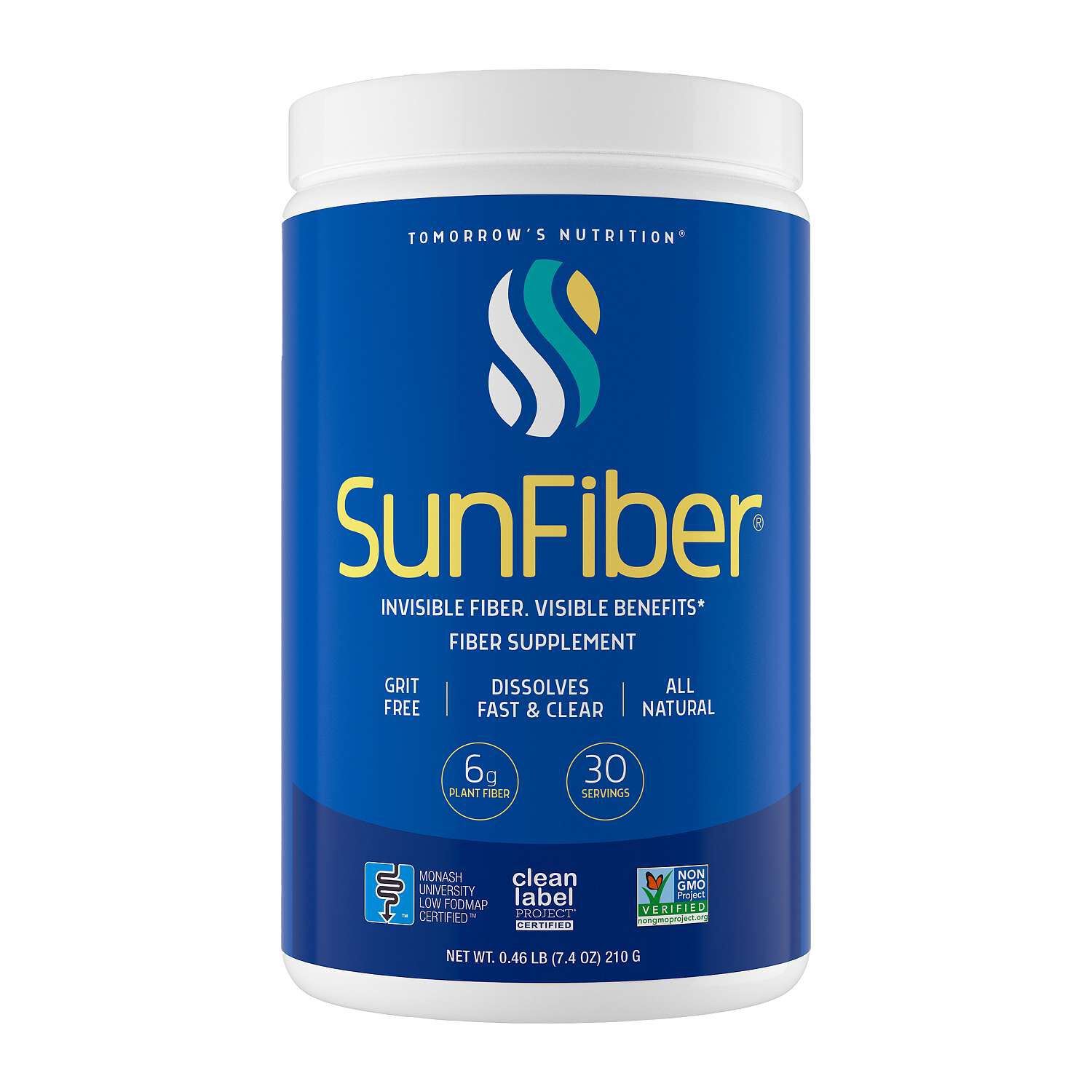
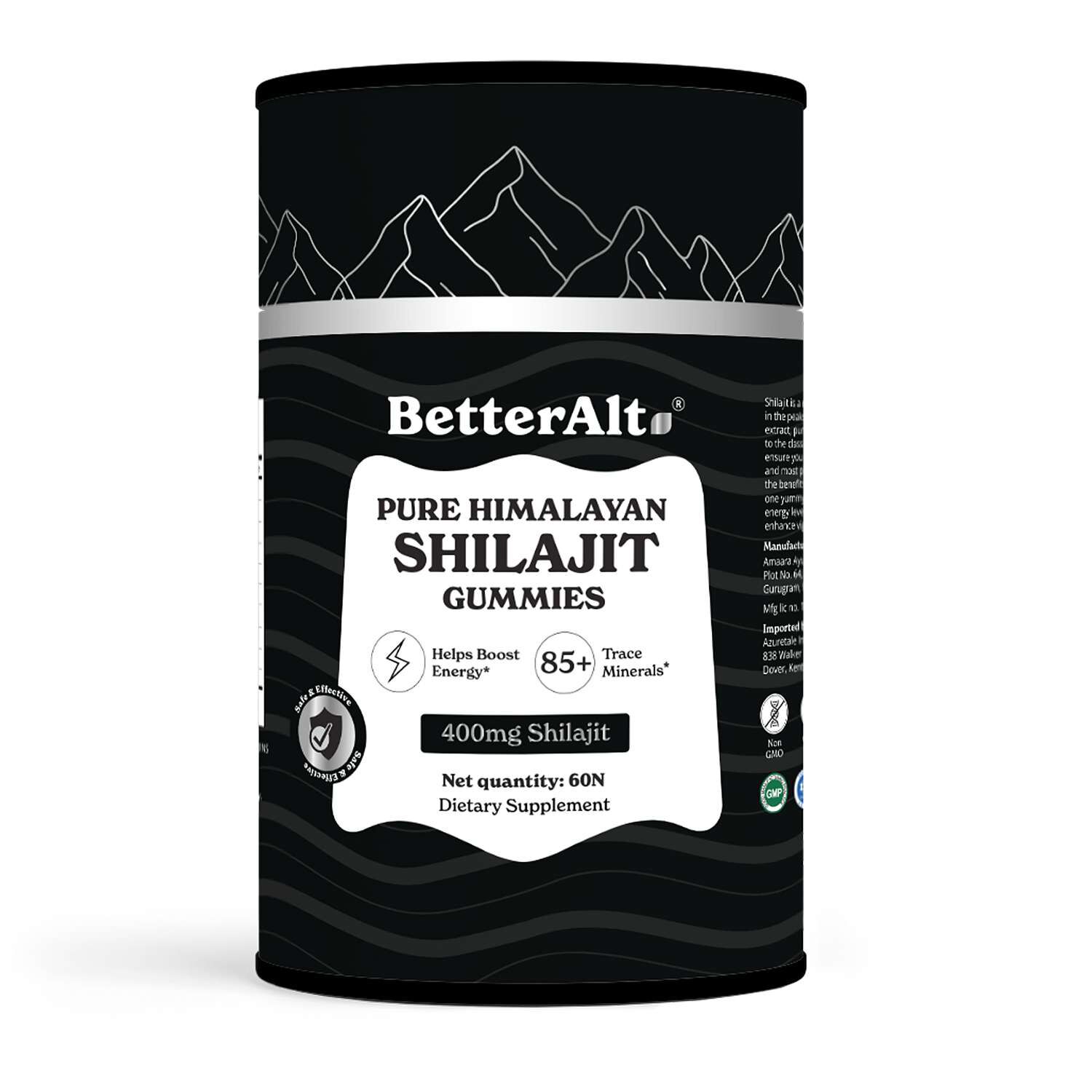

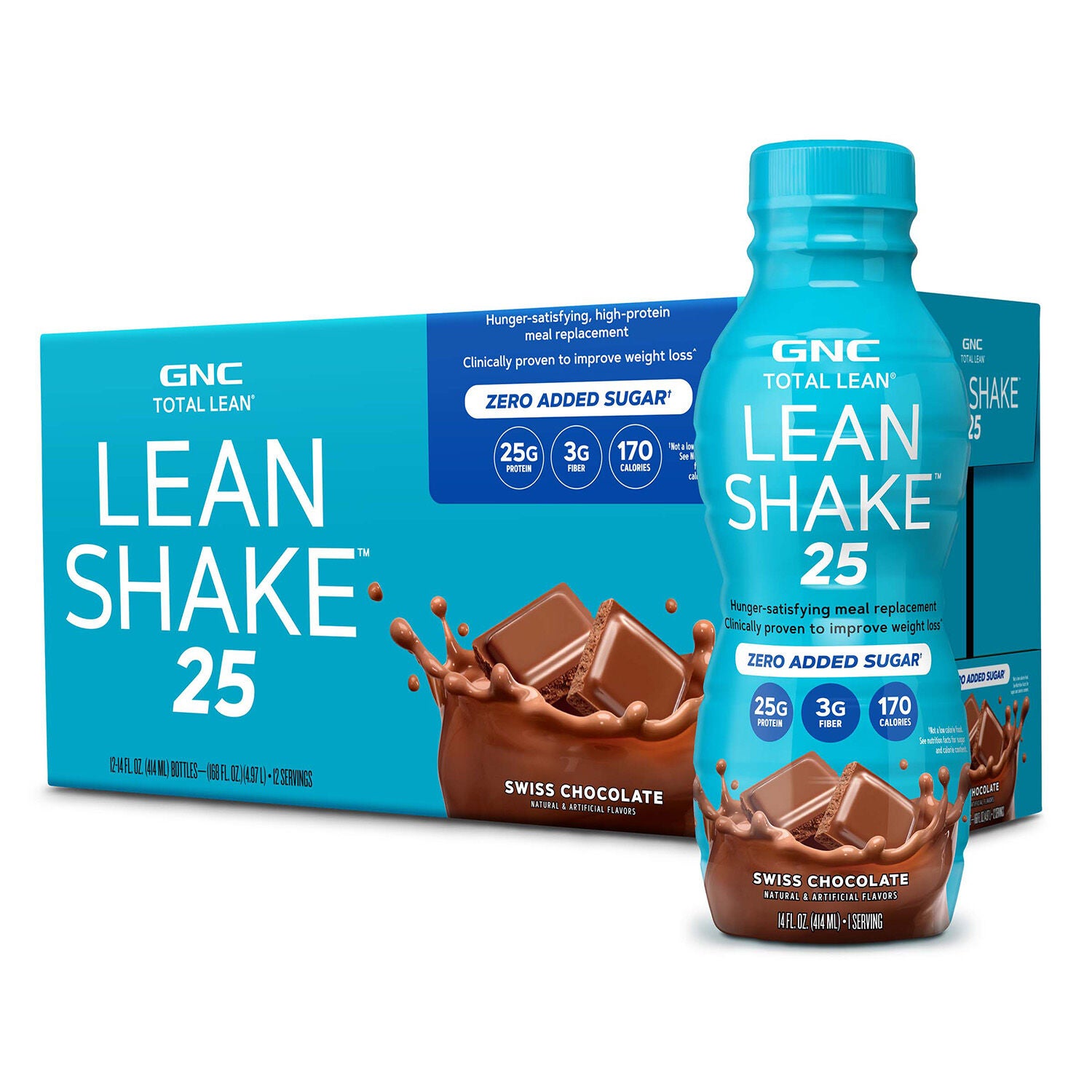
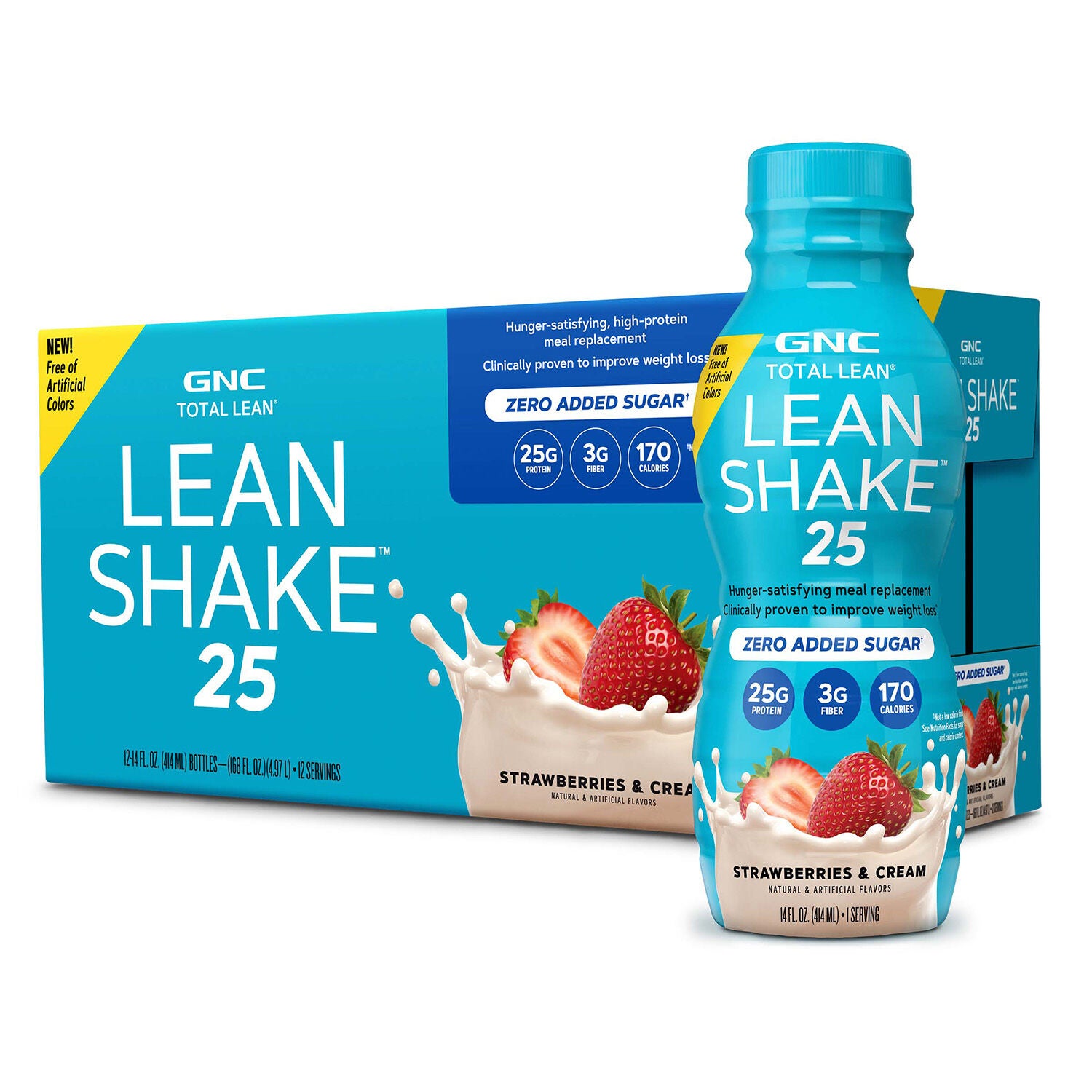
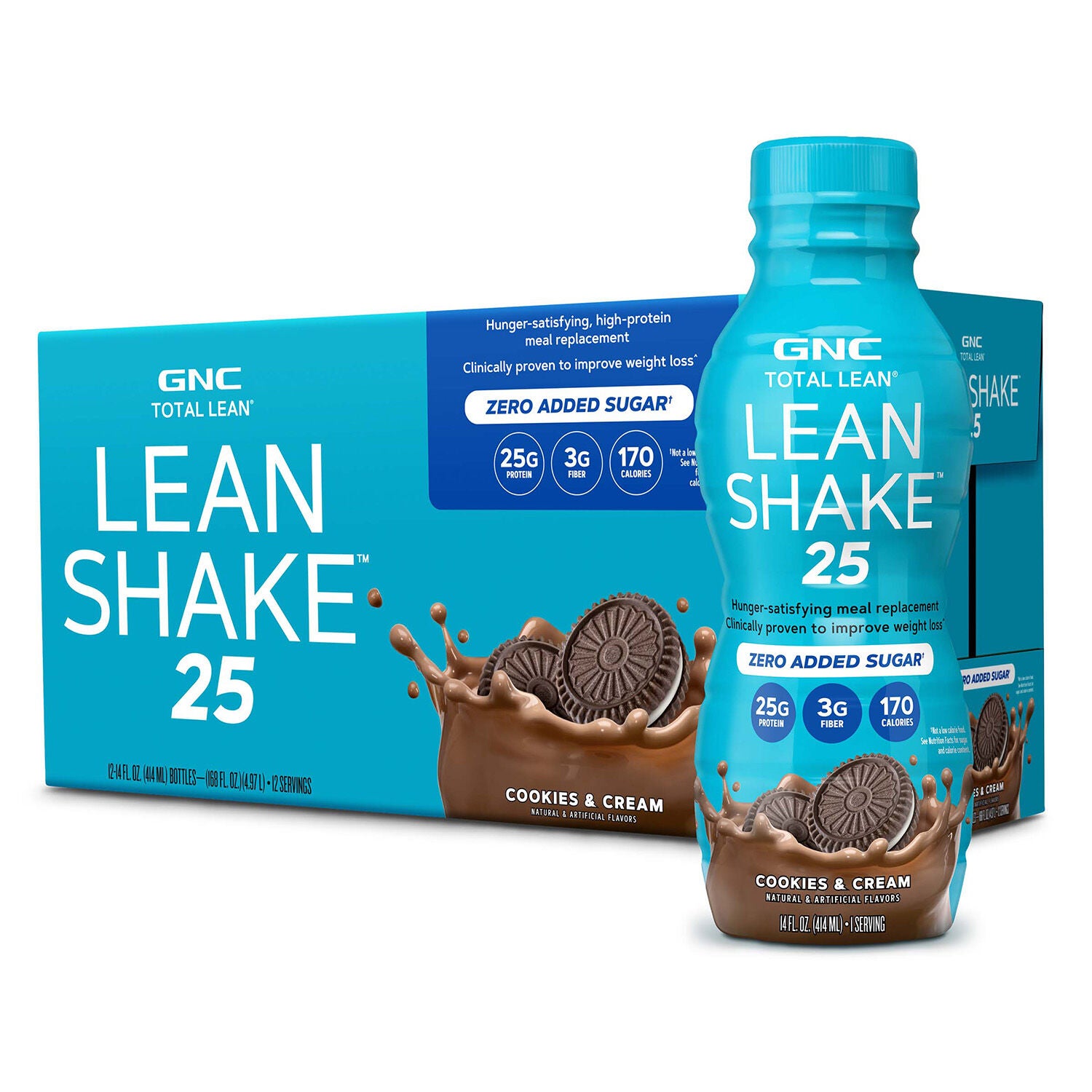

A healthy diet may look different from one household to the next, but variety, balance and practical choices can help shape a more satisfying approach to everyday eating. Many people use this selection of nutrition-focused products to complement meals built around fruits, vegetables, whole grains, beans, lentils, nuts, seeds, eggs, fish and other sources of protein. Fresh produce may be a natural choice when the weather warms, while frozen or shelf-stable options could make it easier to keep colorful ingredients available during the cooler months. A useful way to think about variety may be to picture a well-stocked kitchen: oats or another whole grain for a morning meal, fruit that can travel in a bag, vegetables ready for a quick lunch, and a dependable protein source for dinner. Public health guidance commonly points to at least 400 grams, or about five portions, of fruits and vegetables per day, with choices spread across different colors and types. Whole grains such as oats, brown rice, quinoa and whole-wheat foods may provide a hearty foundation for meals, while beans, lentils, fish, lean meats, eggs, nuts and seeds may add satisfying protein. Shoppers browsing this collection may prefer items that fit naturally into routines they already enjoy, whether that means stirring a powder into a smoothie after a morning walk, adding a convenient serving to a packed lunch, or keeping a pantry option available for busy evenings. These products could also appeal to people who are building a more intentional grocery list, preparing meals for a household, or looking for a thoughtful gift for someone who enjoys cooking, fitness, outdoor activities or trying new recipes. As with any food or supplement purchase, reading the label may help with serving size, ingredients, allergens, added sugars and other details that matter to personal preferences.
When comparing products for a healthy diet, shoppers may want to begin with the role an item could play in the broader pattern of meals rather than treating it as a substitute for variety. A breakfast blend might work well with fruit, oats or yogurt; a protein-focused option could fit alongside vegetables and a whole-grain side; and a simple snack item may help make a balanced choice more convenient between errands, classes or an afternoon at the desk. The best fit may depend on taste, texture, preparation time, dietary preferences, storage space and the way a person normally eats. Some shoppers may look for plant-based ingredients, while others might prioritize a familiar flavor, single-serve packaging or a format that travels easily. Products with added sugars may be worth comparing with options that contain less, particularly for people who are trying to keep sweetened drinks and desserts as occasional parts of their routine. Dietary guidance often suggests keeping free sugars below 10% of daily energy intake, with a lower amount sometimes preferred. Sodium may also be a consideration, especially when several packaged foods appear in the same day; general guidance commonly recommends less than 5 grams of salt daily. Checking the nutrition panel can make these comparisons more straightforward, and familiar ingredients may make it easier to understand how a product fits with meals already on the table. Healthy fats may come from foods such as nuts, seeds and liquid plant oils, while shoppers may choose to limit trans fats and keep higher-saturated-fat foods in moderation. Fish may be included about twice weekly as part of a varied eating pattern, and beans or lentils could offer another practical option for meals that are filling, flavorful and easy to prepare in batches. The collection may also be useful for anyone exploring Whole Food Diets, where packaged nutrition products can be considered alongside minimally processed ingredients rather than viewed in isolation.
During the transition from warm days to cooler months, routines often shift: a smoothie may give way to a warm bowl of oats, a portable snack may become part of a commute, and a pantry shelf may take on a larger role when evenings call for simple meals at home. Products in this category could support that kind of flexibility when used with regular meals and a varied selection of foods. A person beginning a new schedule may appreciate easy preparation, while a busy parent, student, traveler or recreational athlete might value portions that can be packed without much fuss. They could also make considerate gifts for a friend who enjoys meal planning, a relative setting up a new kitchen, or a host who likes practical additions to a pantry; choosing a broadly useful flavor or format may be more suitable than selecting something tied to a highly specific eating style. People with food allergies, dietary restrictions or personal nutrition goals may wish to review ingredient lists carefully and consider guidance from a qualified professional who understands their circumstances. No single item needs to carry the weight of an entire eating pattern. Instead, these products may serve as convenient building blocks alongside colorful produce, whole grains, varied protein sources and unsaturated fats. Keeping water available, preparing food in ways that preserve its natural character, and allowing room for enjoyment may help make healthy eating feel realistic over time. Whether a shopper is refreshing a pantry as the seasons change, assembling a practical gift basket or looking for convenient additions to familiar meals, the most useful choices may be the ones that taste good, fit comfortably into daily habits and support a varied approach to food.