





Healthy Vegan Protein Bars
(0 Results)
Healthy vegan protein bars could be a convenient and satisfying option for anyone seeking plant-based nutrition on the go. Whether you’re looking for a quick snack after the gym or something to enjoy between meals, these bars may offer a variety of flavors and textures to suit your preferences. Discover options that might fit into your active lifestyle while supporting your plant-based choices with healthy vegan protein bars.
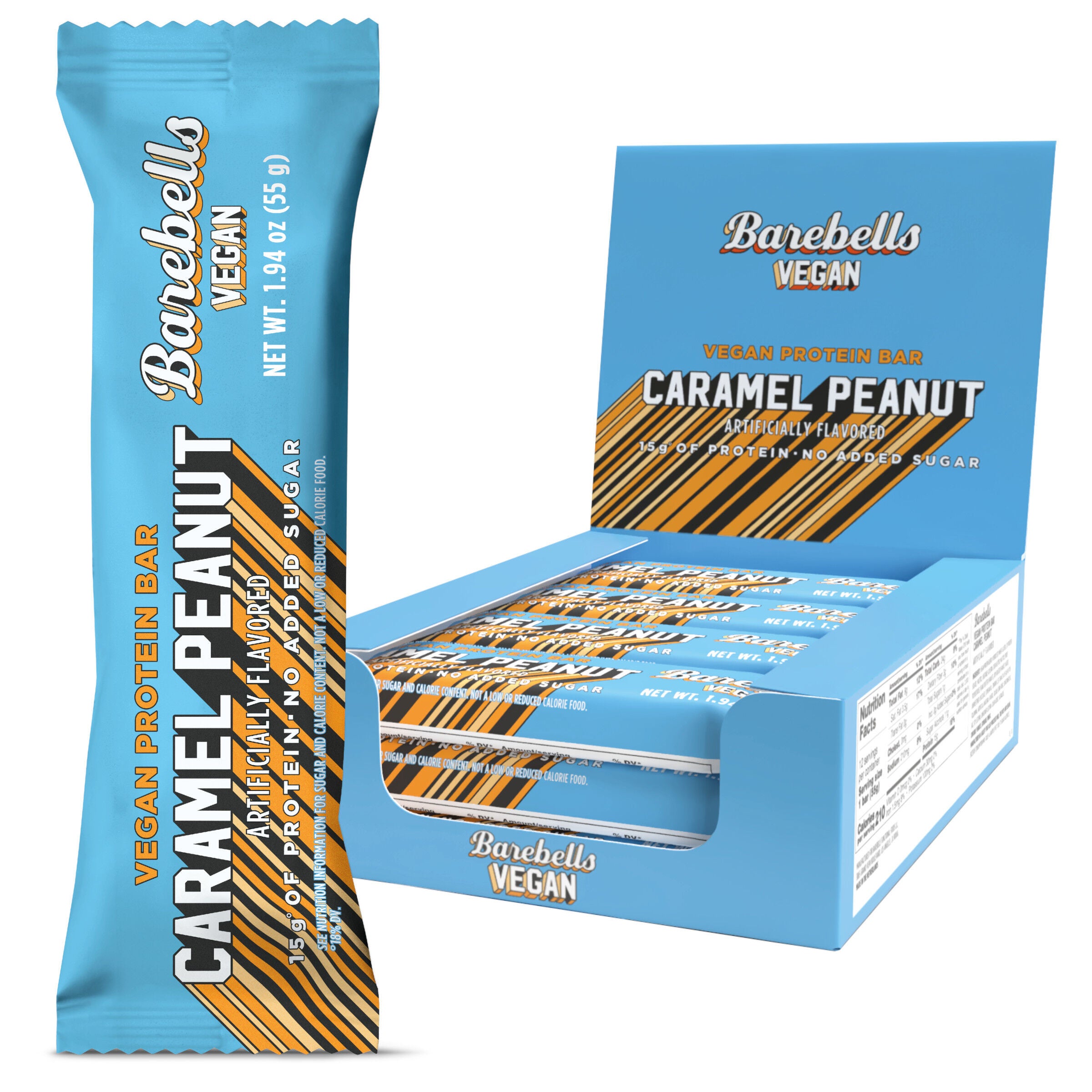
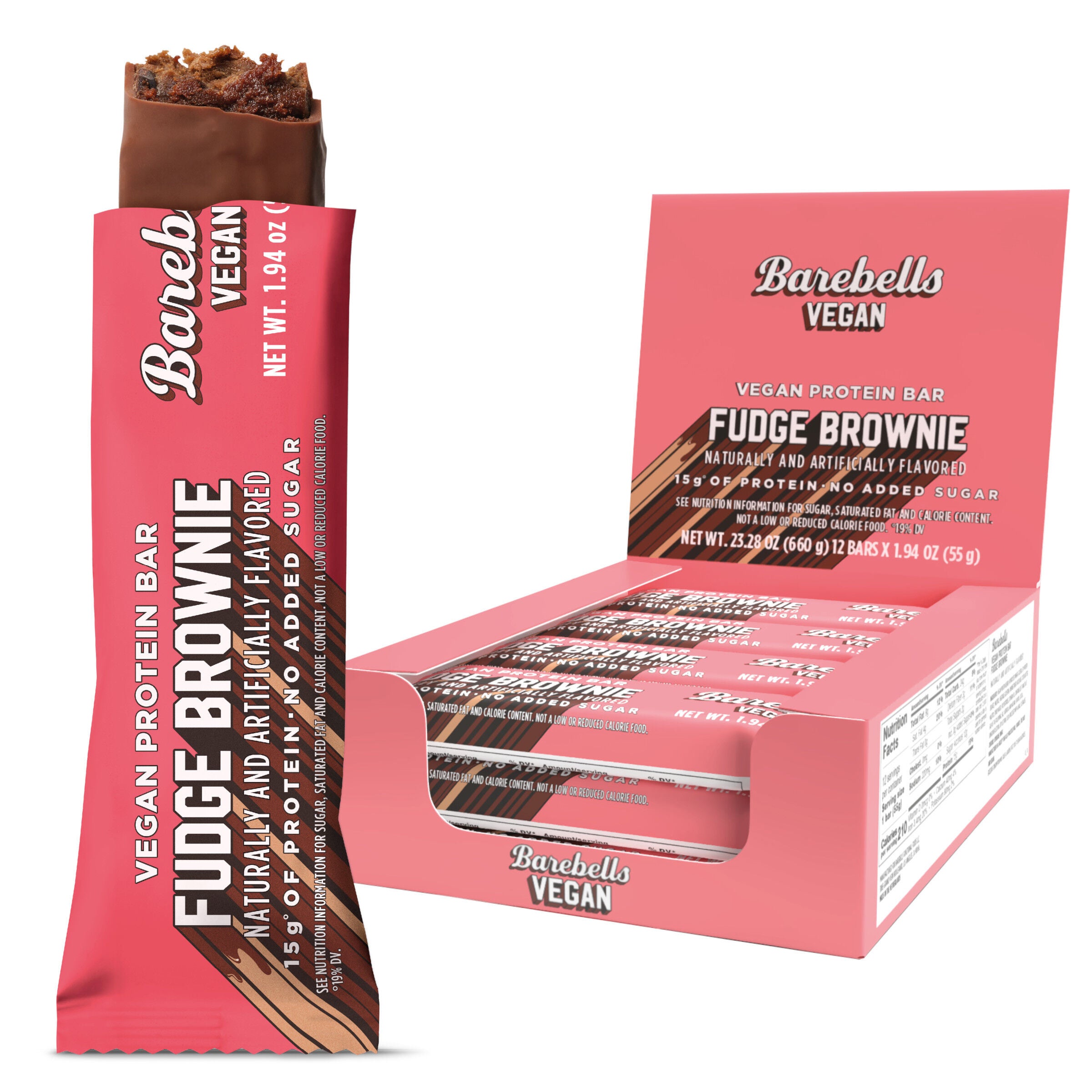
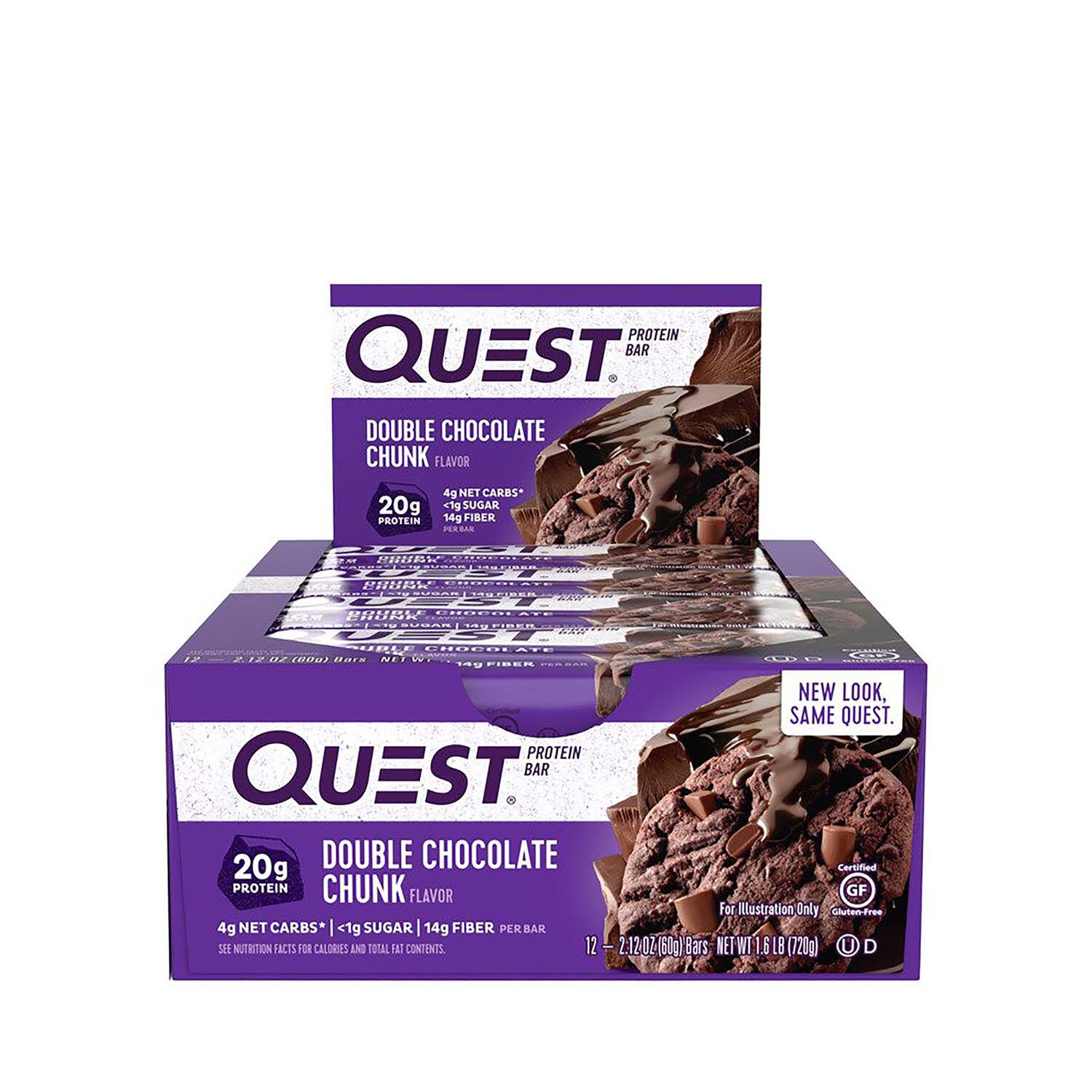
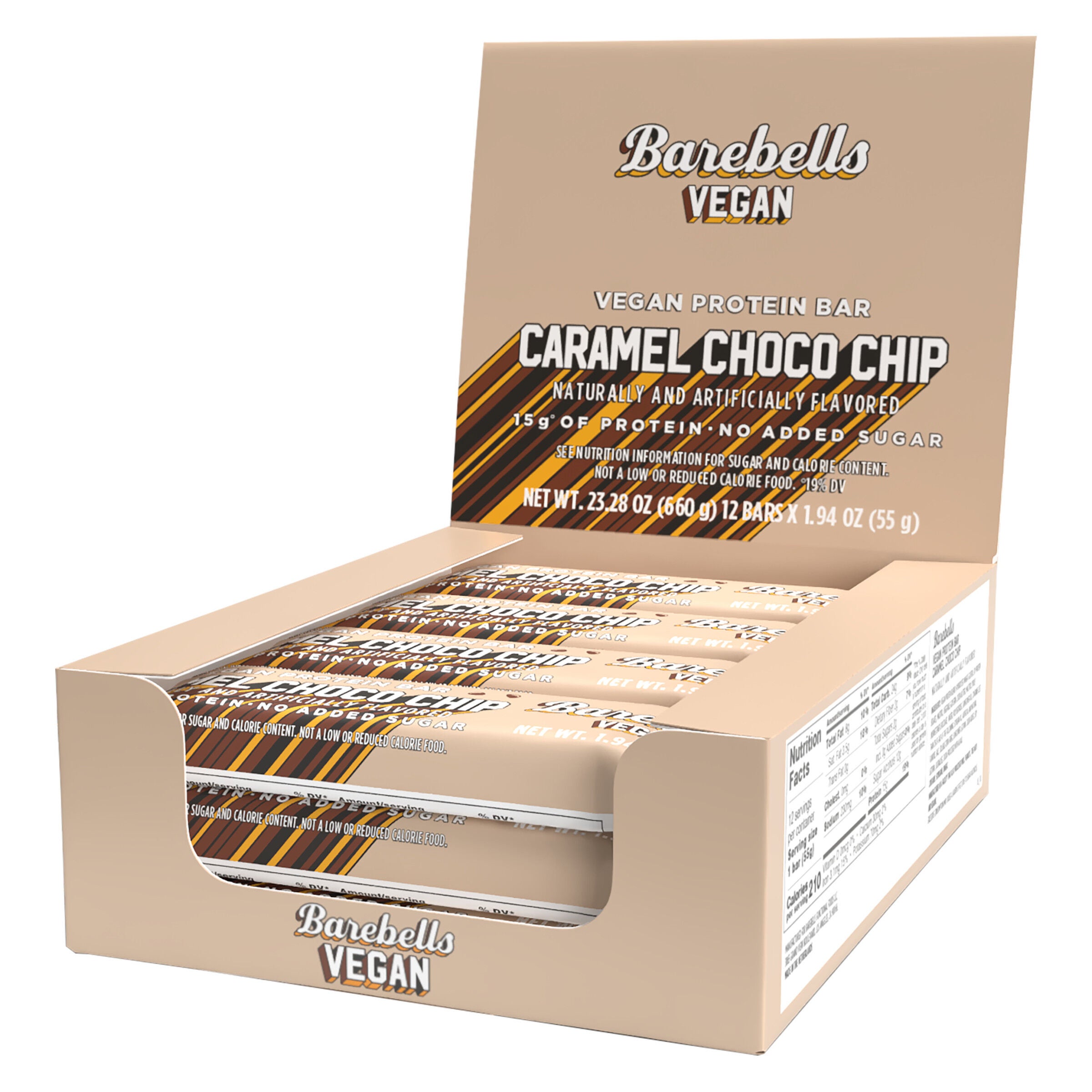
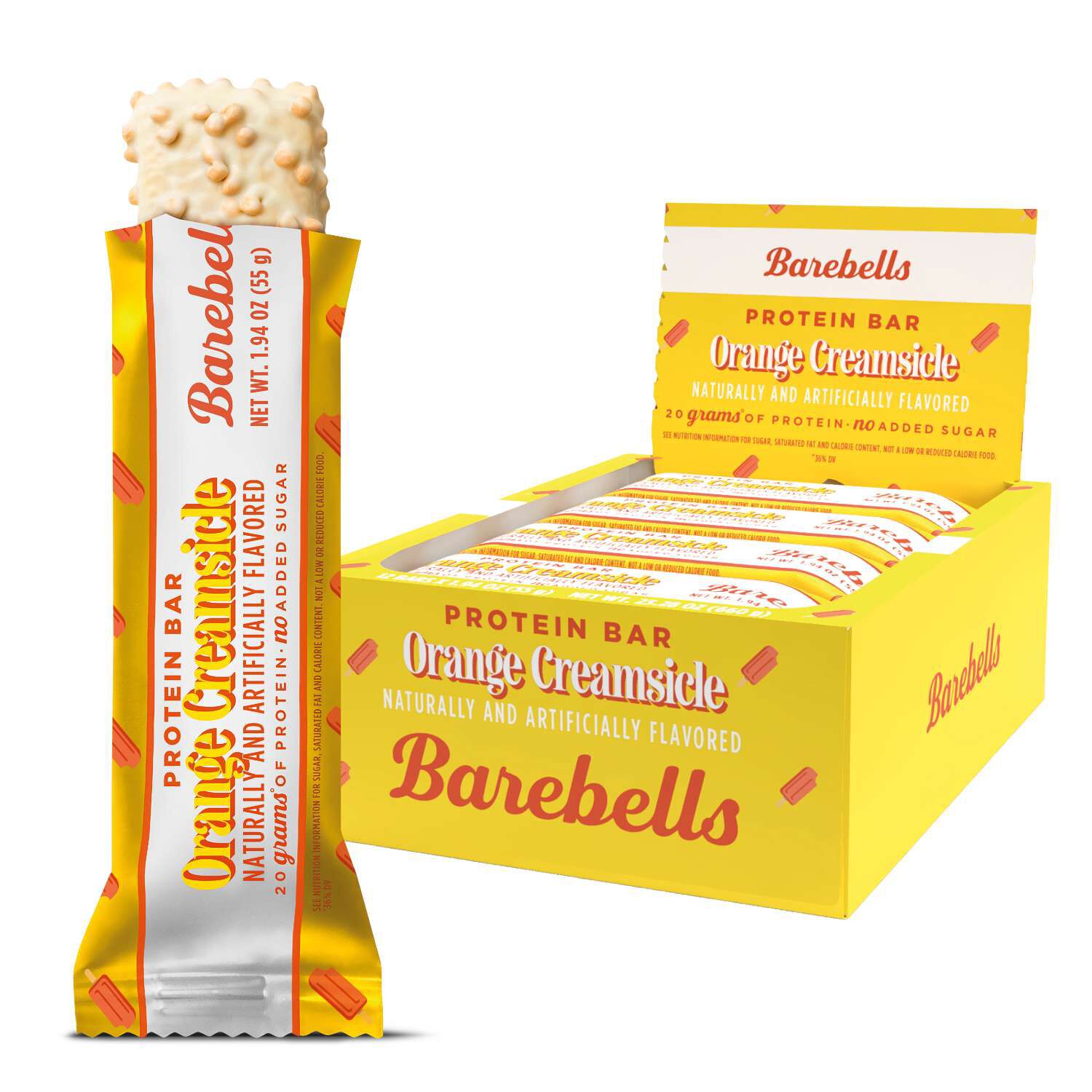


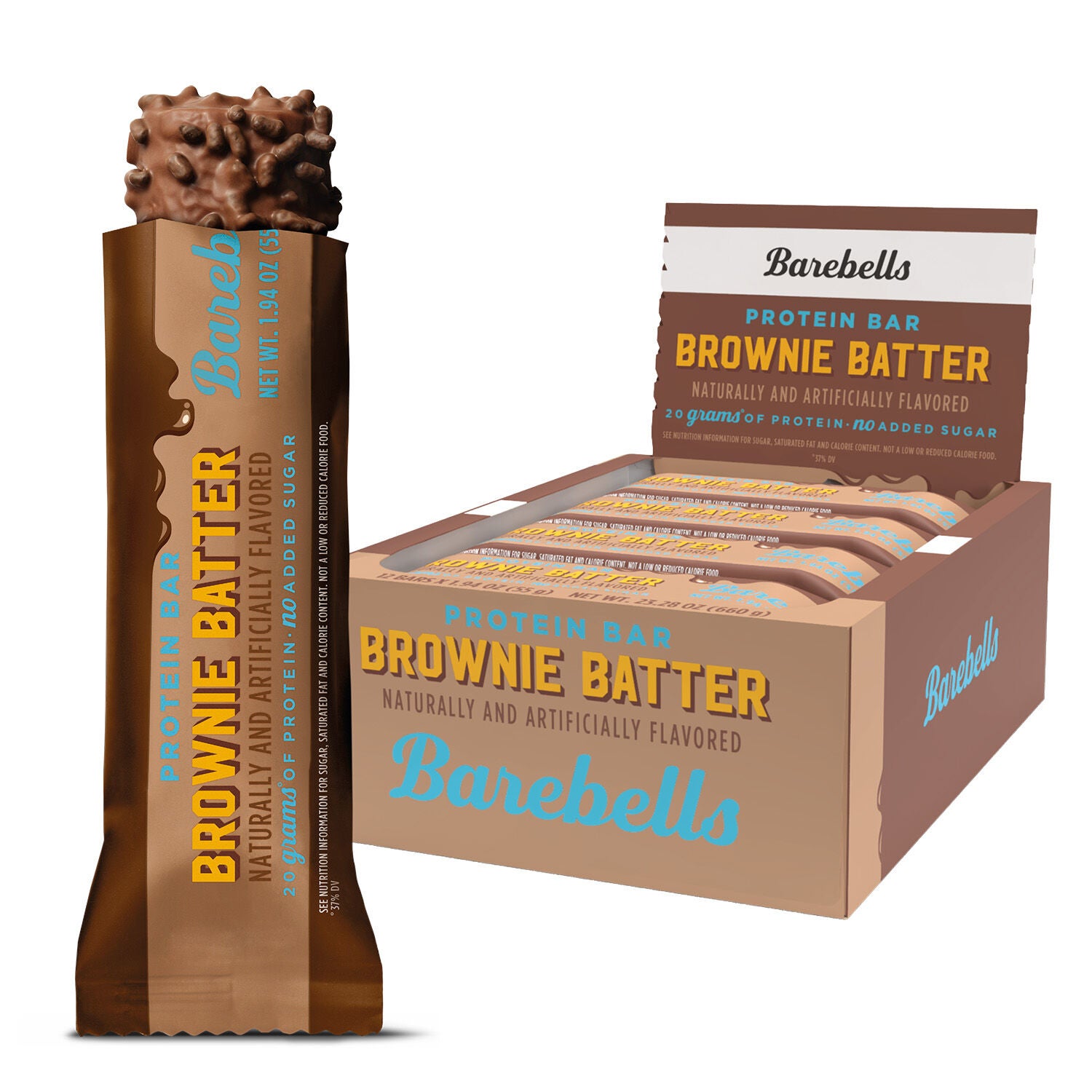

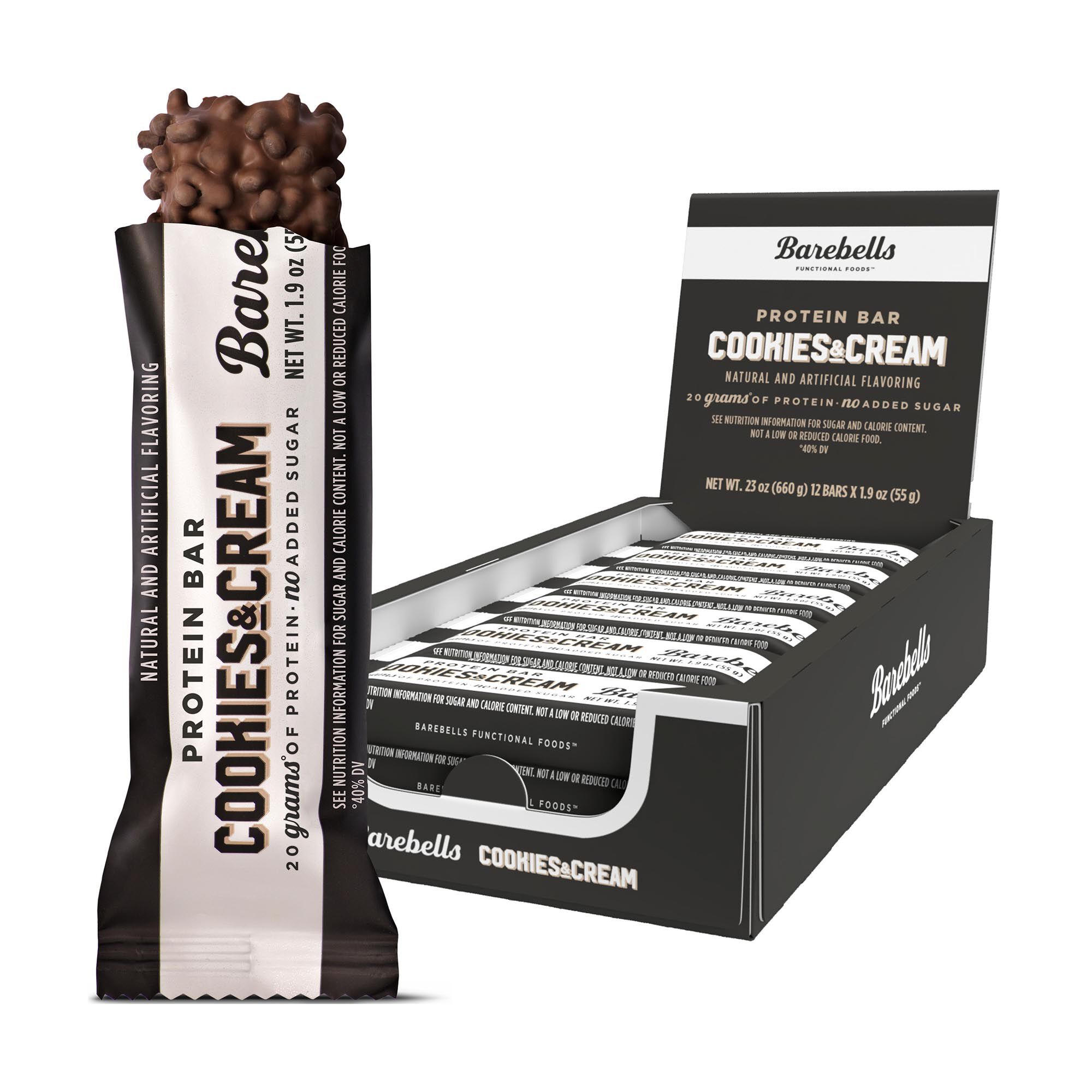
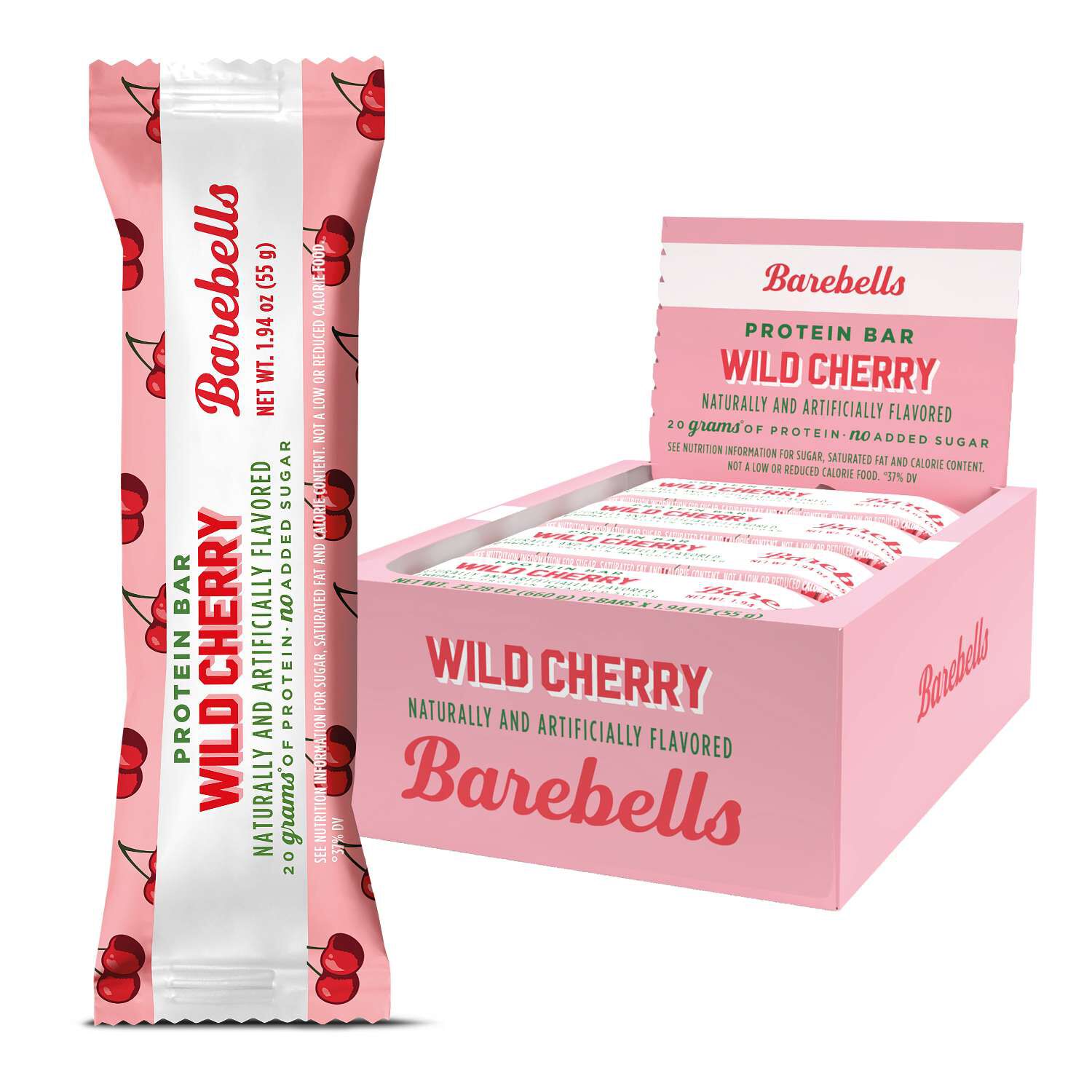
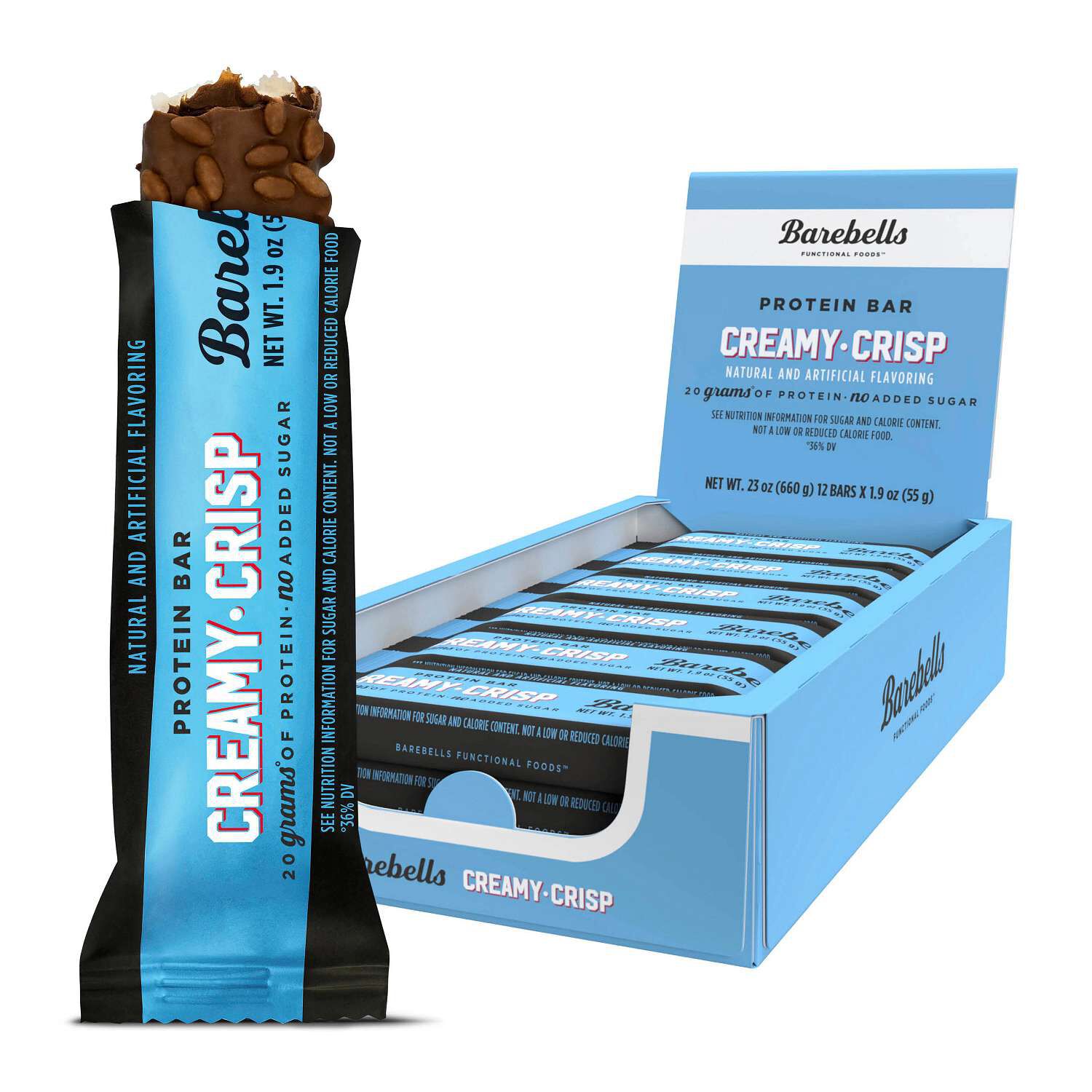
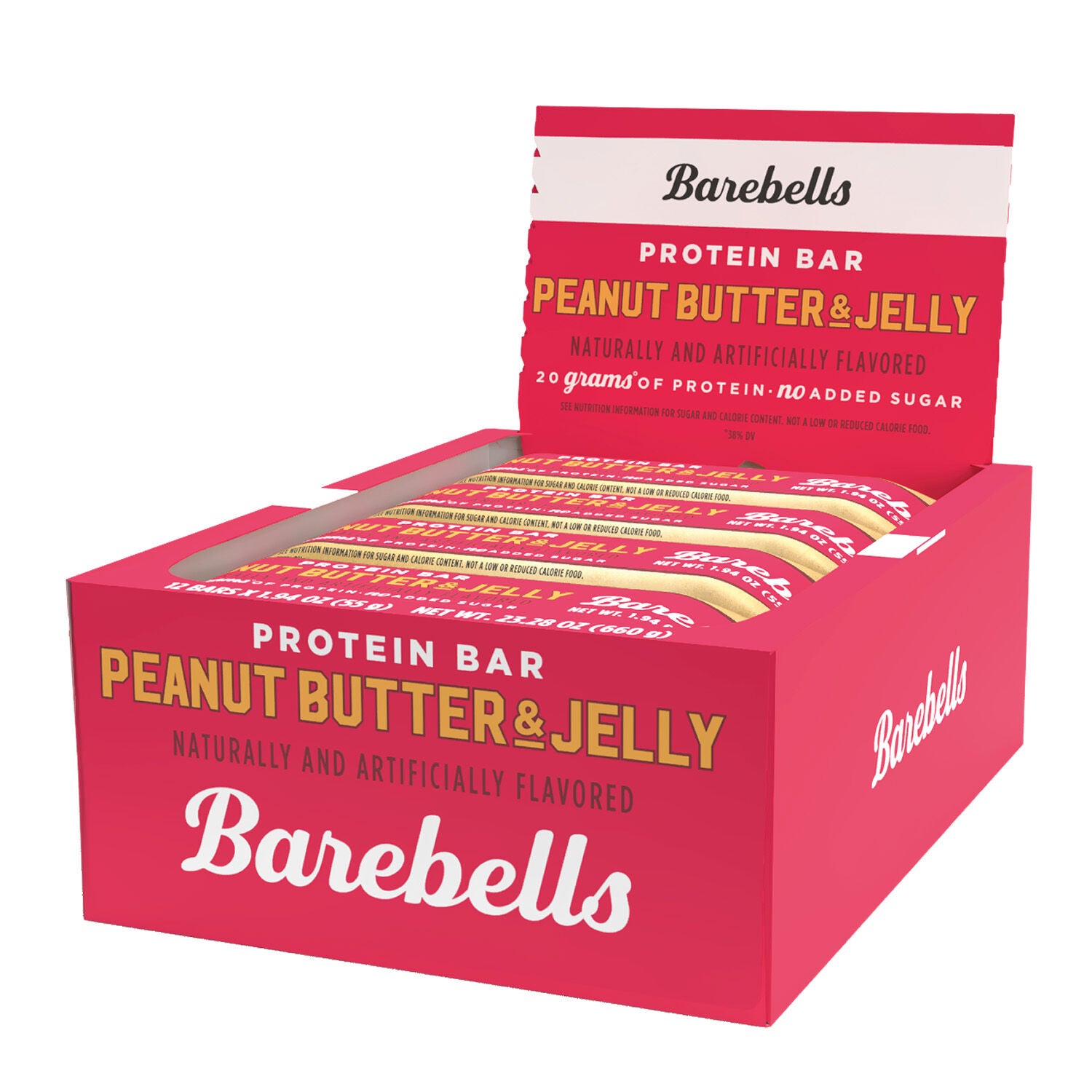
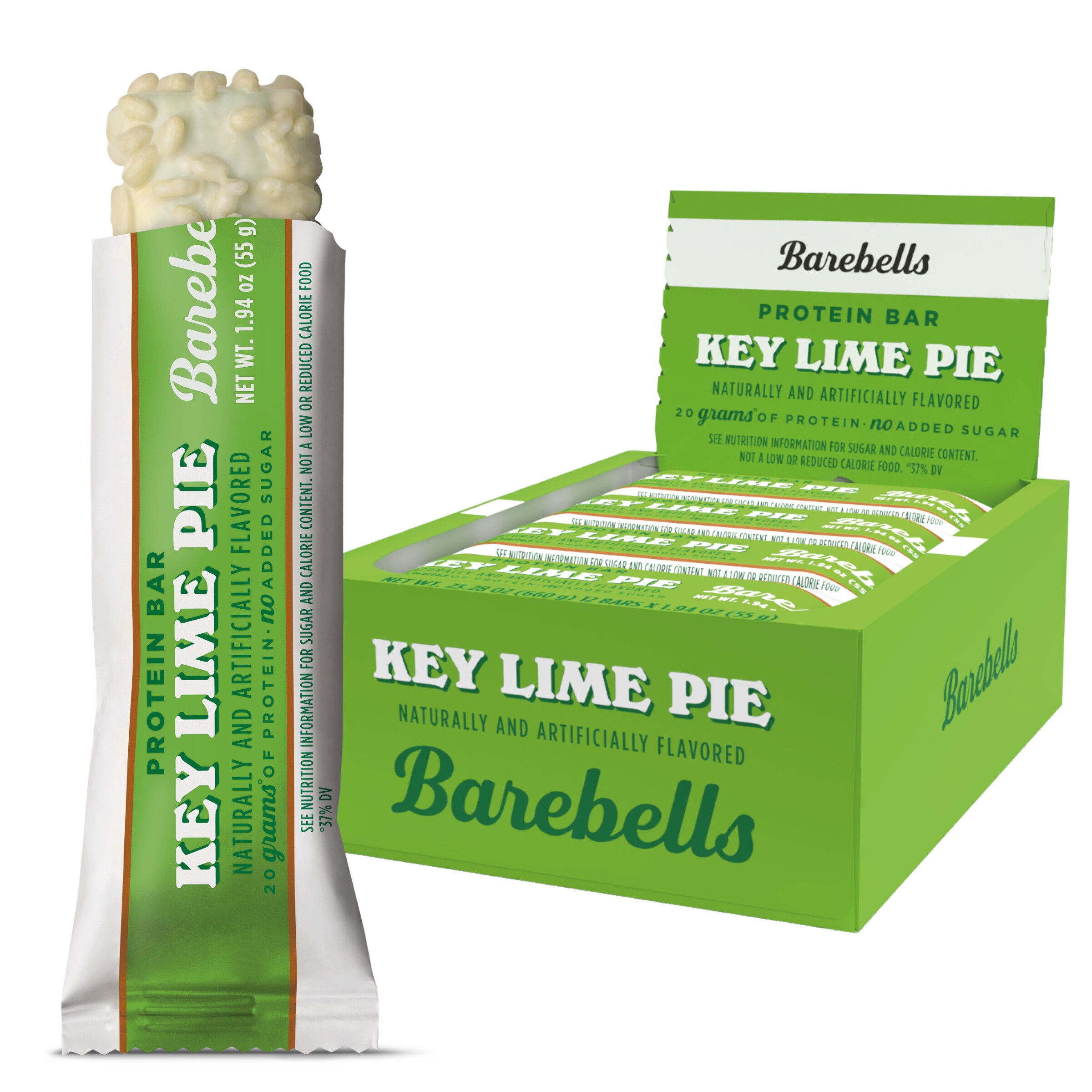
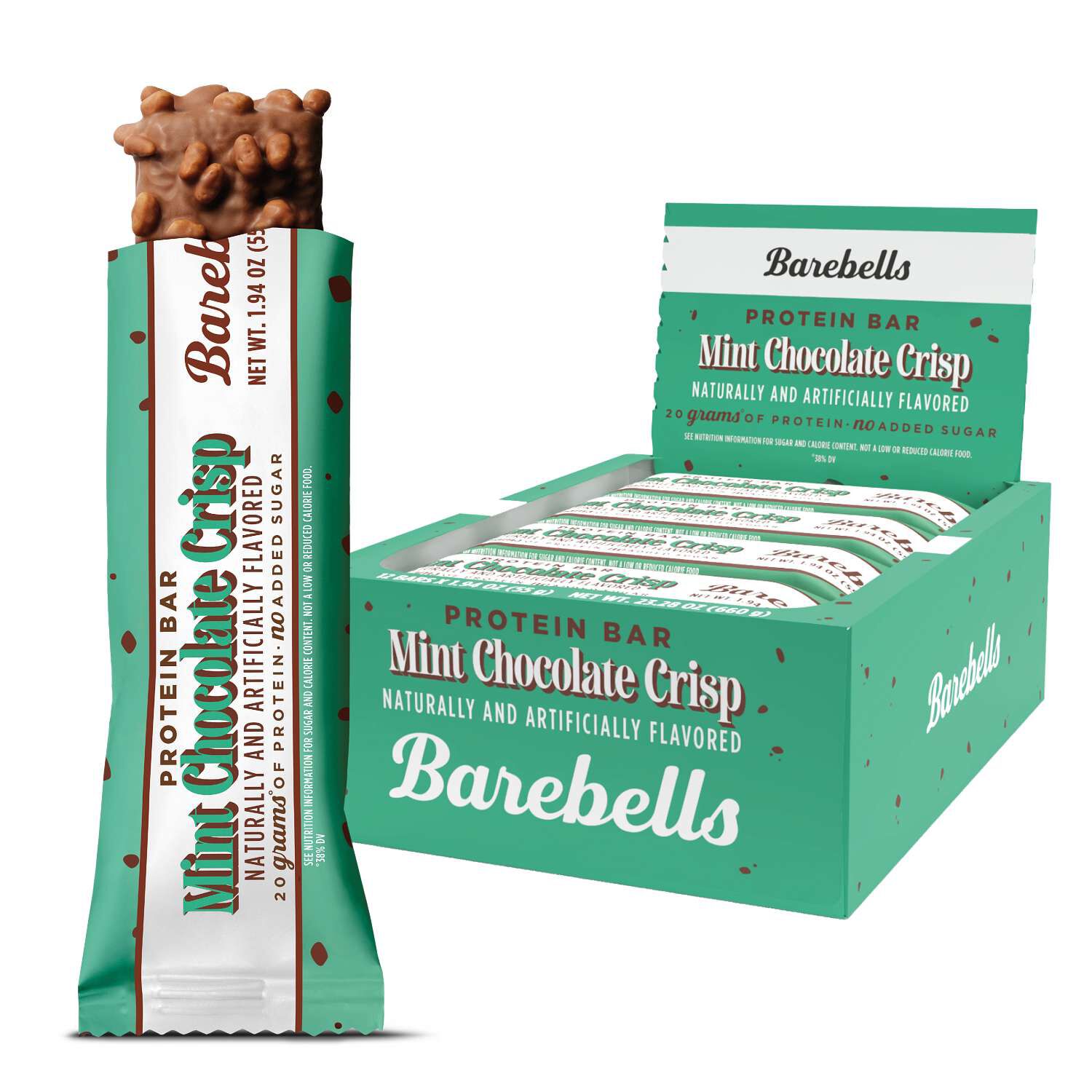
Healthy vegan protein bars bring plant-based ingredients into a compact snack format, with textures ranging from soft and chewy to crisp and nutty. The most useful comparison goes beyond the vegan label: protein content, added sugar, fiber, saturated fat, serving size, and ingredient preferences all matter. Vegan describes the ingredients a bar excludes, not a uniform nutritional profile. Some bars center on nuts, seeds, and fruit, while others use concentrated plant proteins to provide more protein in a similarly sized serving. Pea, soy, and brown rice proteins are common ingredients, sometimes combined with nut butters, oats, or seeds. A short ingredient list may appeal to someone who prefers familiar pantry ingredients, but its length alone does not establish nutritional quality. Likewise, a dessert-inspired flavor does not reveal how much sugar or protein a bar contains. The Nutrition Facts panel provides that detail, making it easier to compare bars with similar serving sizes. A fruit-and-nut bar may have a different balance of protein, carbohydrate, and fat than a bar built around a plant protein blend, even when both have a chocolate coating or similar flavor description. Calories and portion size also provide context: a small bar tucked beside lunch serves a different purpose than a larger snack packed for a long afternoon away from home. Added sugar deserves attention alongside the amount of sugar already present in ingredients such as dried fruit. Fiber content varies, too, depending on whether a recipe includes oats, seeds, fruit, or added fiber ingredients. Nuts and seeds contribute fats as well as flavor and texture, while coatings and fillings introduce their own nutritional differences. For shoppers browsing healthy vegan protein bars, these details create a clearer picture than broad front-of-package language. The right match depends on the intended eating occasion and personal preferences, rather than any single ingredient or number viewed in isolation.
Texture is often what separates a bar that sounds appealing from one that becomes a regular snack. A soft, brownie-style bar may suit someone who prefers a tender bite, while a nut-forward bar offers a more textured chew. Crisp pieces, chopped nuts, toasted oats, and seeds create contrast; smooth nut or seed butters give other recipes a denser consistency. Plant protein blends also differ in taste and mouthfeel, so two bars with similar nutrition information may be quite different to eat. Cocoa, vanilla, cinnamon, peanut butter, and fruit flavors provide familiar starting points without making every option taste alike. Cocoa-forward recipes range from gently sweet to more intense, and fruit-based bars vary in tartness and chewiness according to their ingredients. Coatings, caramel-style layers, and cookie-inspired pieces add another dimension, but they also make ingredient details especially relevant. A chocolate appearance does not establish whether a coating contains milk, and a peanut butter flavor does not indicate how much protein comes from peanuts rather than another source. Vegan recipes exclude animal-derived ingredients such as whey, casein, egg whites, gelatin, and honey. However, a vegan designation is separate from allergen labeling. Soy, peanuts, tree nuts, wheat, and sesame may appear in plant-based bars, and packaging may include information about shared equipment or manufacturing facilities. Ingredient lists and allergen statements remain relevant even when the flavor or packaging looks familiar. Sweeteners are another point of distinction. Dates, syrups, sugar, and sugar alcohols create different flavor profiles and textures, and shoppers often have preferences about which ingredients appear in an everyday snack. Organic certification, gluten-related labeling, and other dietary attributes are separate considerations rather than features shared by every vegan bar. Together, the ingredient list, Nutrition Facts panel, and texture description provide a more specific sense of what is inside the wrapper. That combination may help narrow the choice between a simple fruit-and-nut chew, a smooth protein-centered bar, and something with a layered, dessert-like bite.
Everyday use brings another set of practical considerations to vegan protein bars. For a commuter, a compact bar may fit neatly into a work bag beside a water bottle and lunch container. For someone heading from an office to a workout, an individually wrapped portion may be convenient to pack alongside other food for the day. Students, travelers, and people with busy schedules may appreciate a snack that requires no utensils or preparation. The format matters as much as the flavor in these settings: a crumbly bar is a different experience at a desk than on a crowded train, while a very chewy texture may not suit someone who prefers a softer bite. Package dimensions, portion size, and whether the wrapper opens neatly are small details that become noticeable with regular use. Storage directions and best-by information also deserve attention, particularly when bars spend time in a pantry, desk drawer, or gym bag. An intact wrapper and storage consistent with the package directions are practical considerations for food carried between places. For a shared snack basket or care package, clearly labeled ingredients and a mix of familiar flavors may make selection easier, though individual dietary preferences still matter. Someone comparing plant-based choices with the broader category of Healthy Protein Bars may find similar flavors and formats across different protein sources; the distinction is in the ingredients and nutritional details, not simply the appearance. A vegan bar may accompany fruit at a midmorning break, sit beside a sandwich at lunch, or serve as a separately packed afternoon snack. None of those occasions calls for the same portion or flavor every time. Healthy vegan protein bars are most meaningfully considered as part of a varied eating pattern, with attention to what else is being eaten and what the snack needs to fit. Familiar flavors, an appealing texture, clear labeling, and a suitable nutritional profile give this category its everyday versatility.
Best Sellers
-
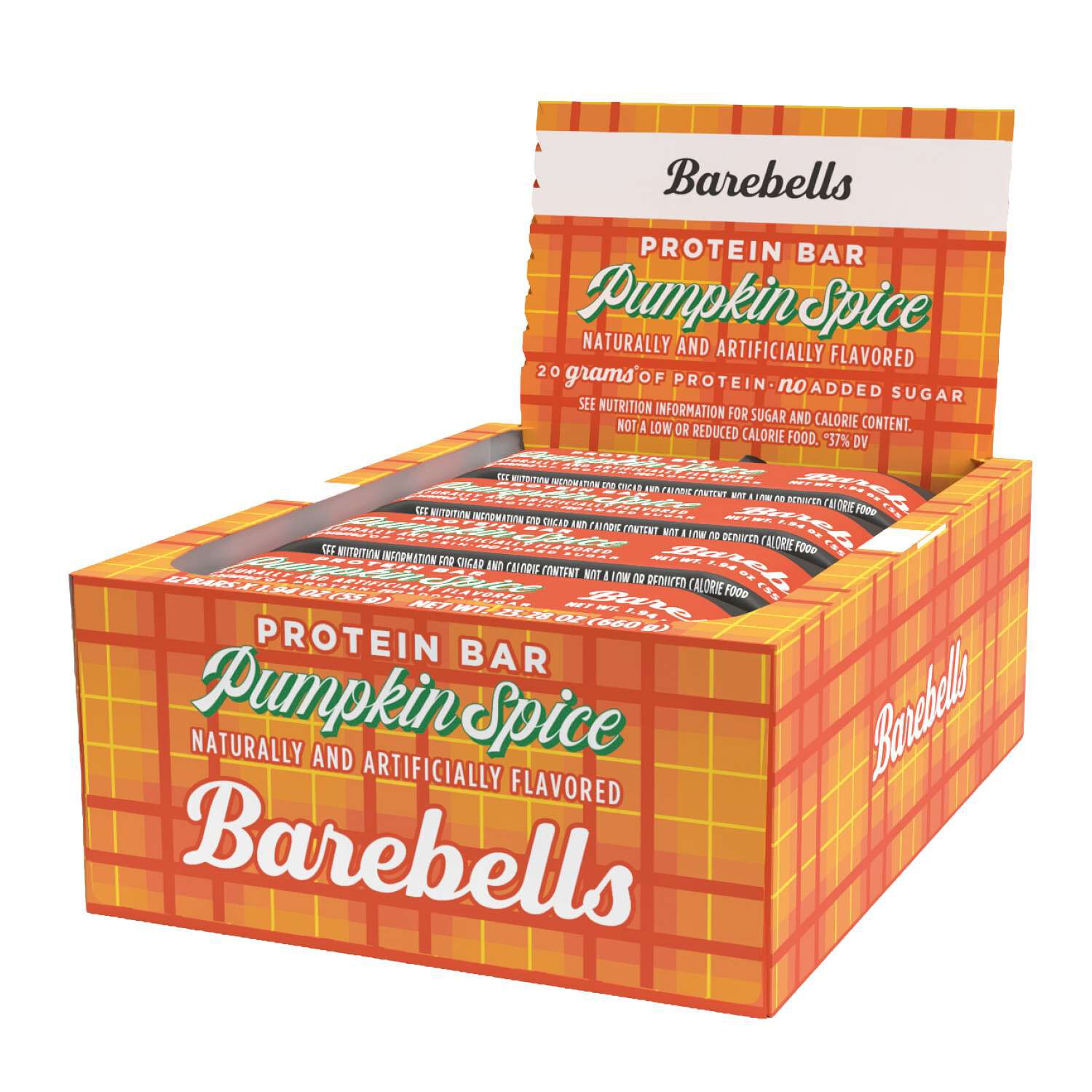 Barebells
-
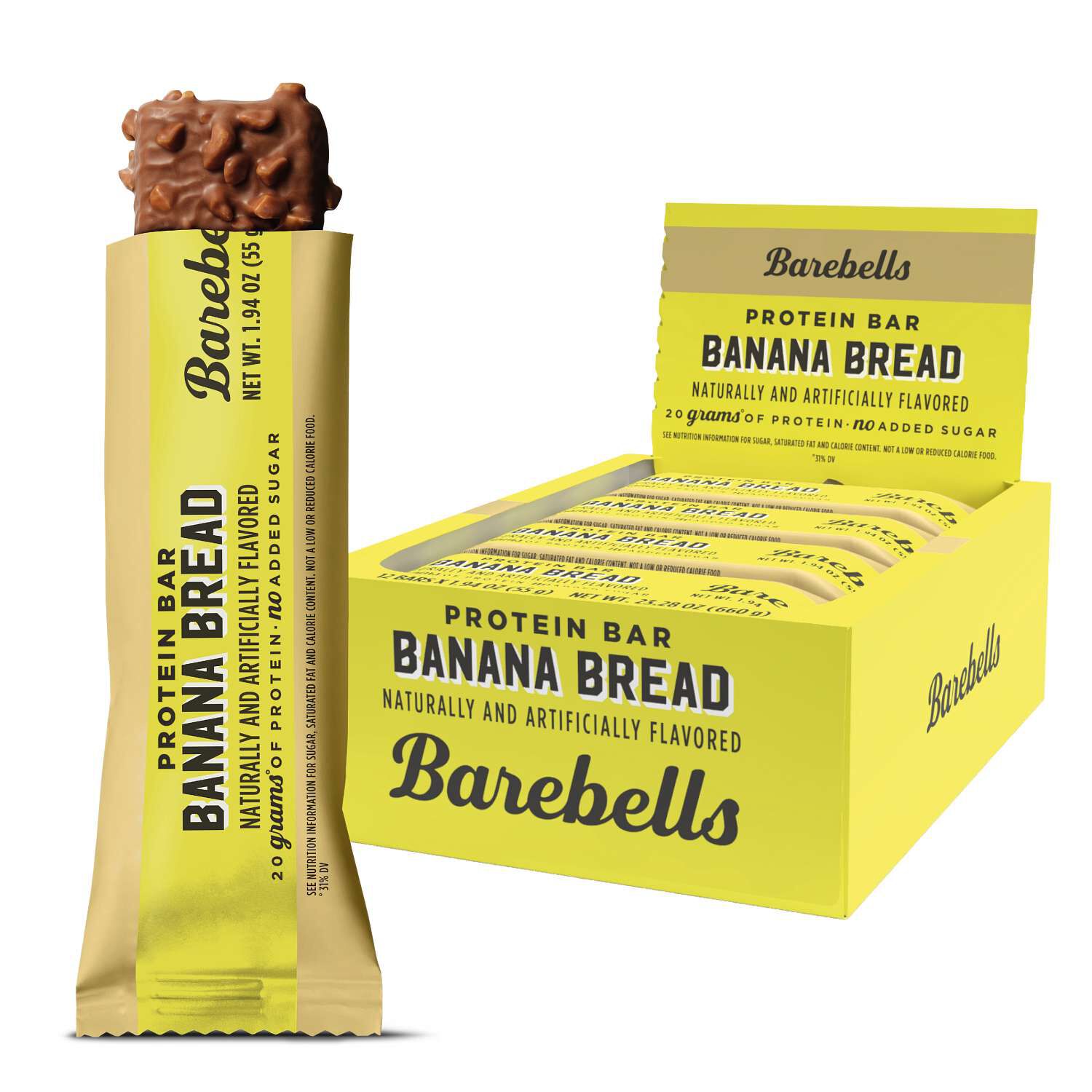 Barebells
-
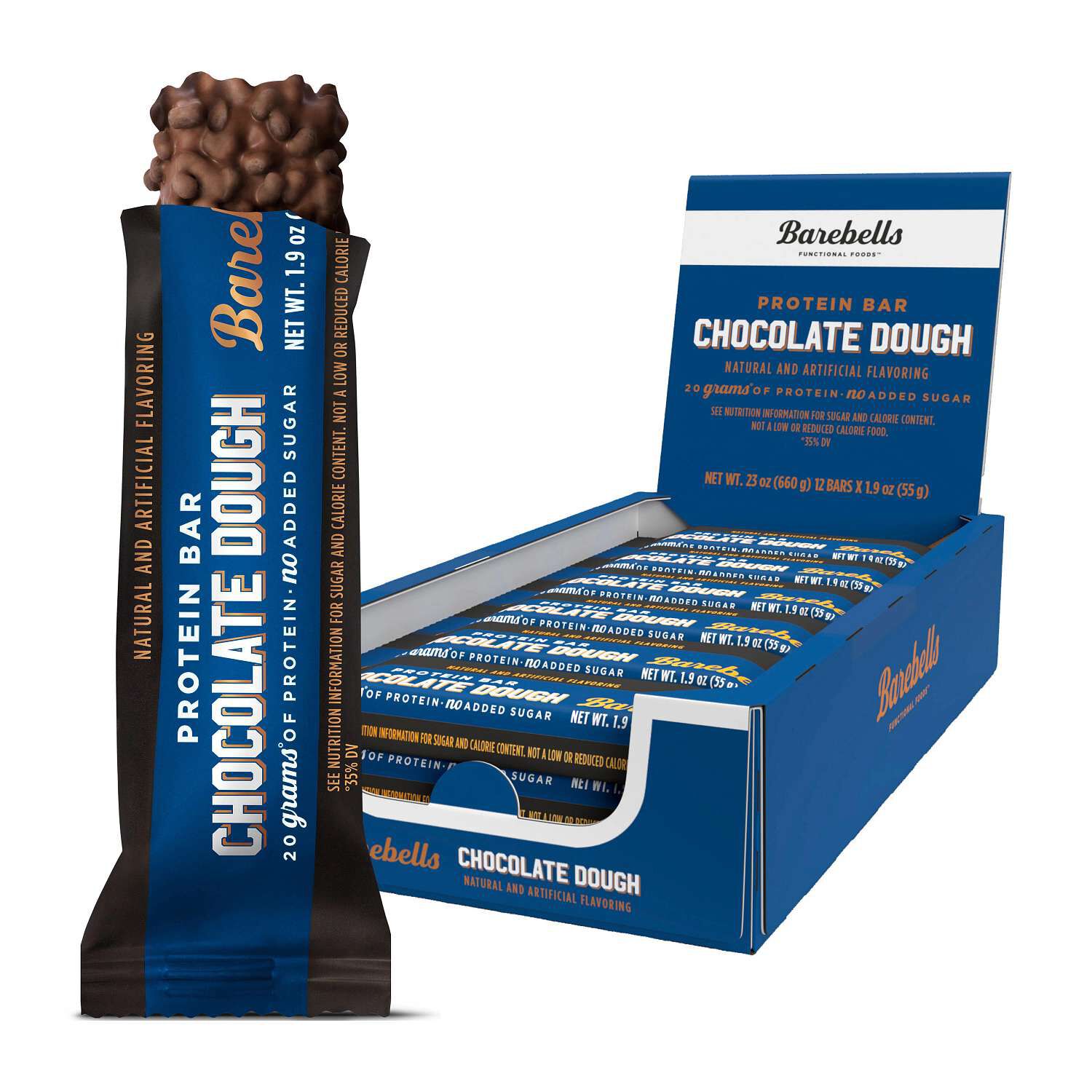 Barebells
-
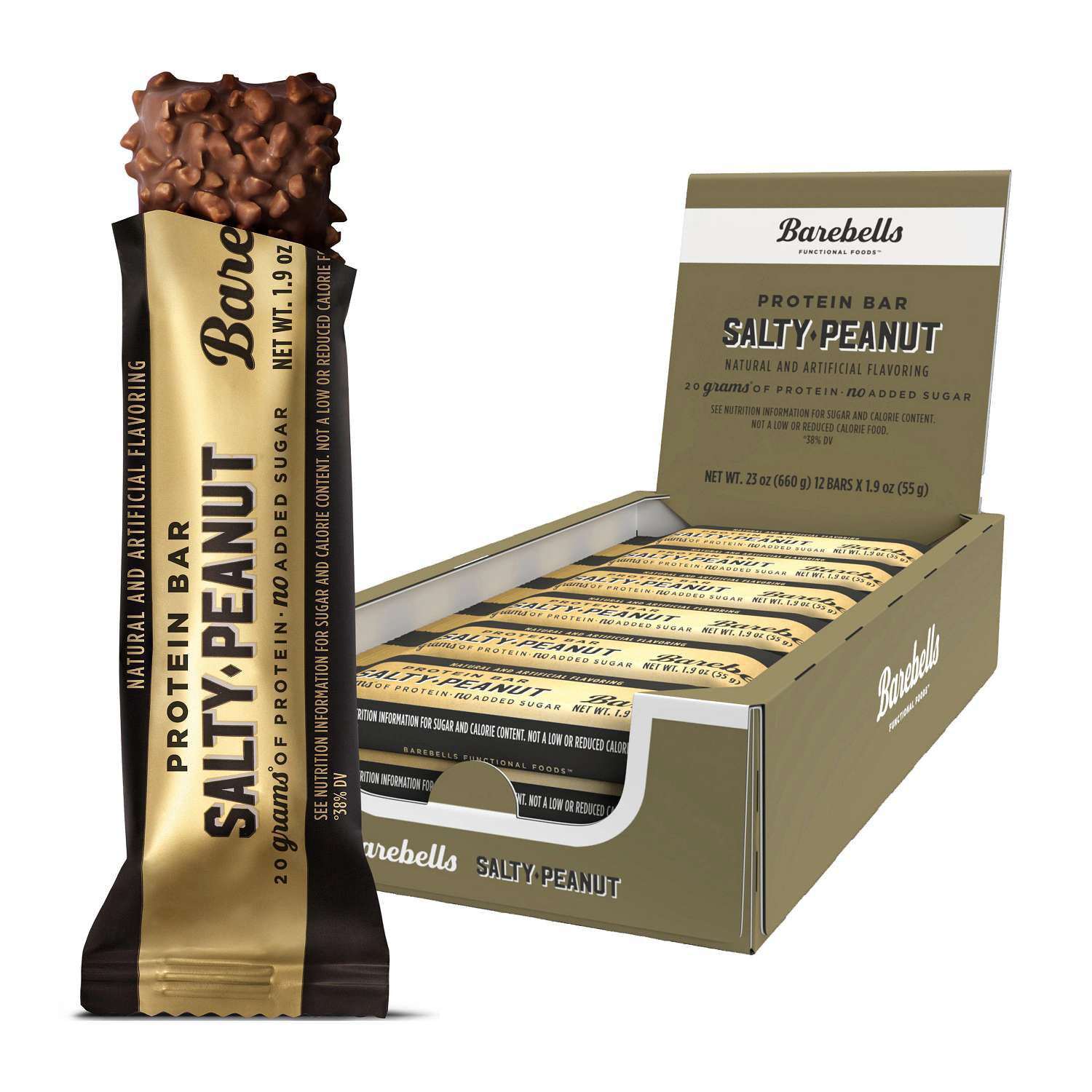 Barebells
Top Collections
- Joint Mobility Supplement Packs
- Zinc Supplements | Top Brands at Great Prices | GNC
- Supplements For Yoga Joint Flexibility
- Supplements For Balance
- Capsule Supplements For Energy And Stamina
- Iron Supplements
- Supplements For Anxiety Relief Support
- Vitamins For Hair Loss
- Cortisol Supplements
- Adult Mobility Supplements