





Heart Care Capsules
(0 Results)
Explore the potential benefits of supporting cardiovascular wellness with our selection of premium-quality supplements. Our range of expertly formulated products may provide the support your lifestyle demands. Whether seeking to maintain a balanced routine or looking to complement a healthy lifestyle, these capsules could be an excellent addition. Discover how incorporating these supplements into your daily regimen might contribute to overall well-being and vitality.
-

-
 $29.99
-
 $34.99
-

-
 Divine Health$34.99
-

-

-

-
 $24.99
-
-

-
 1$19.99
-

-
-
-

-
-
-

-

-
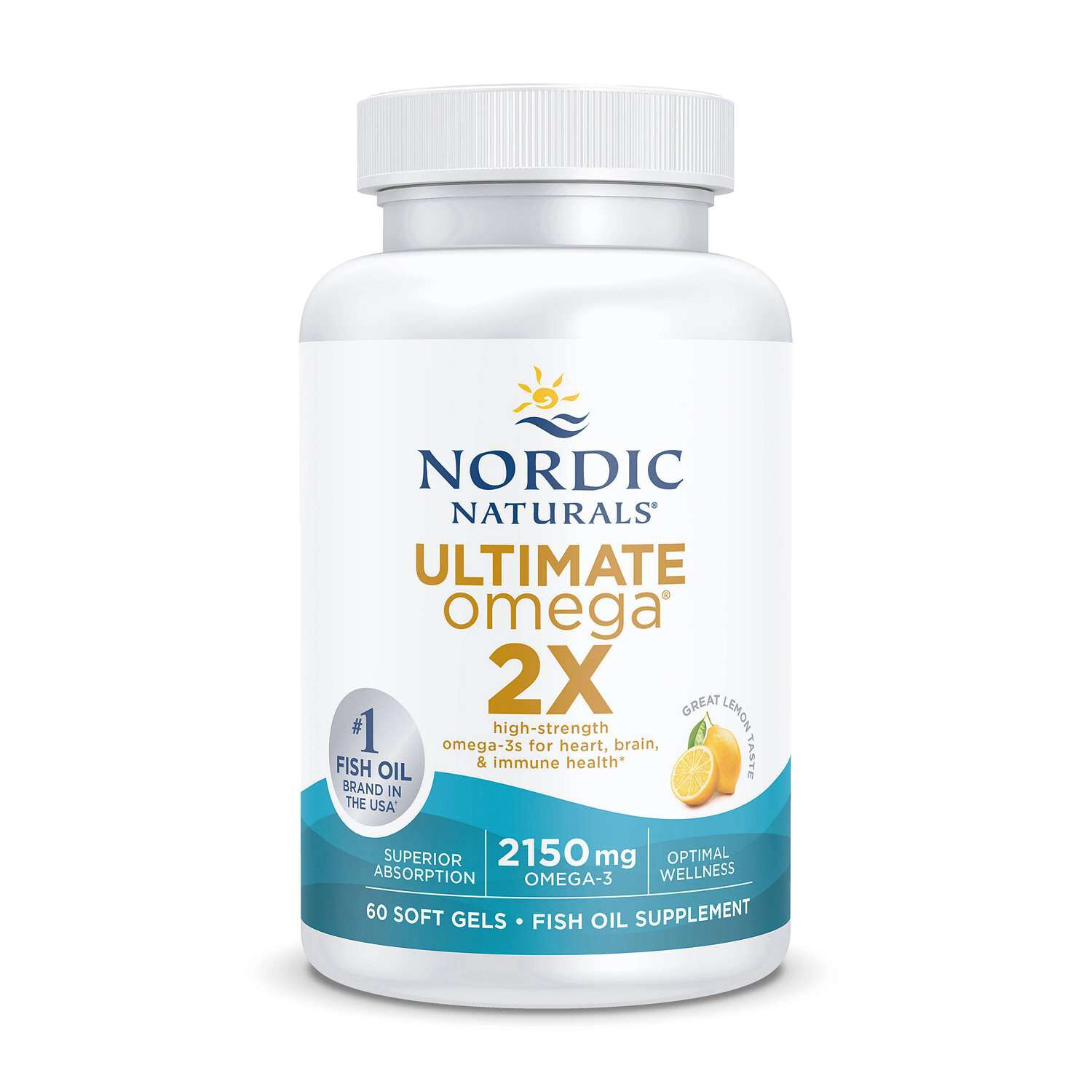


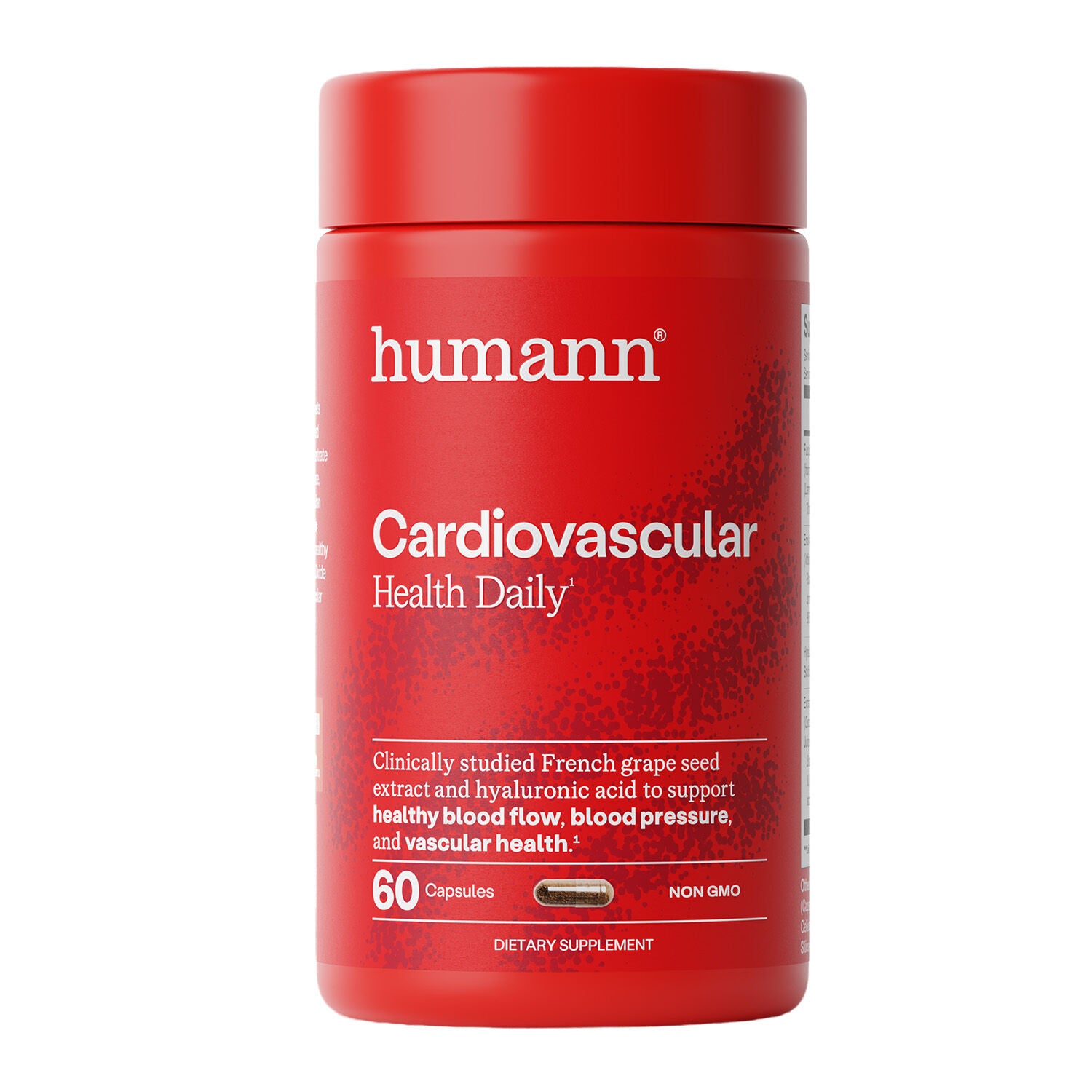
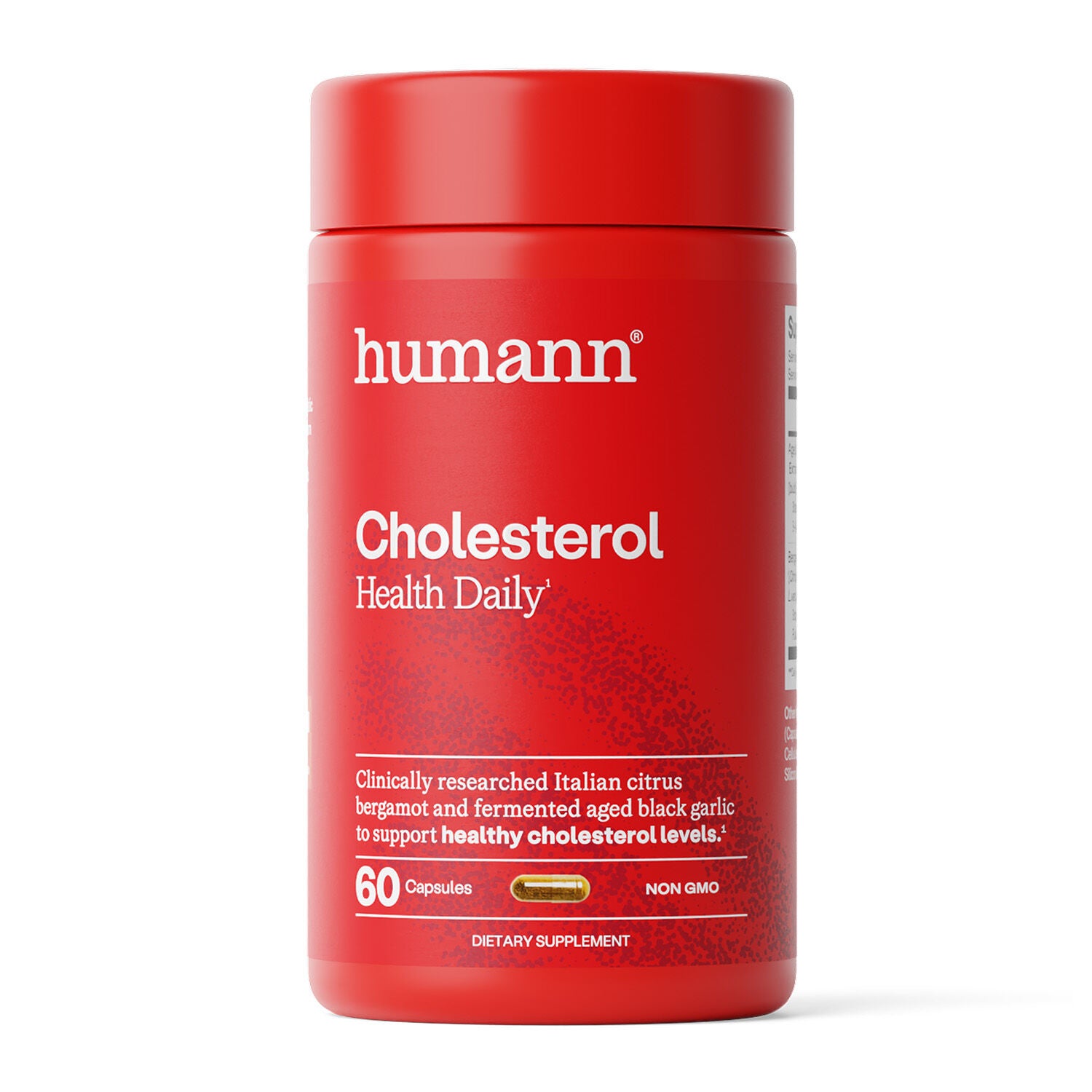
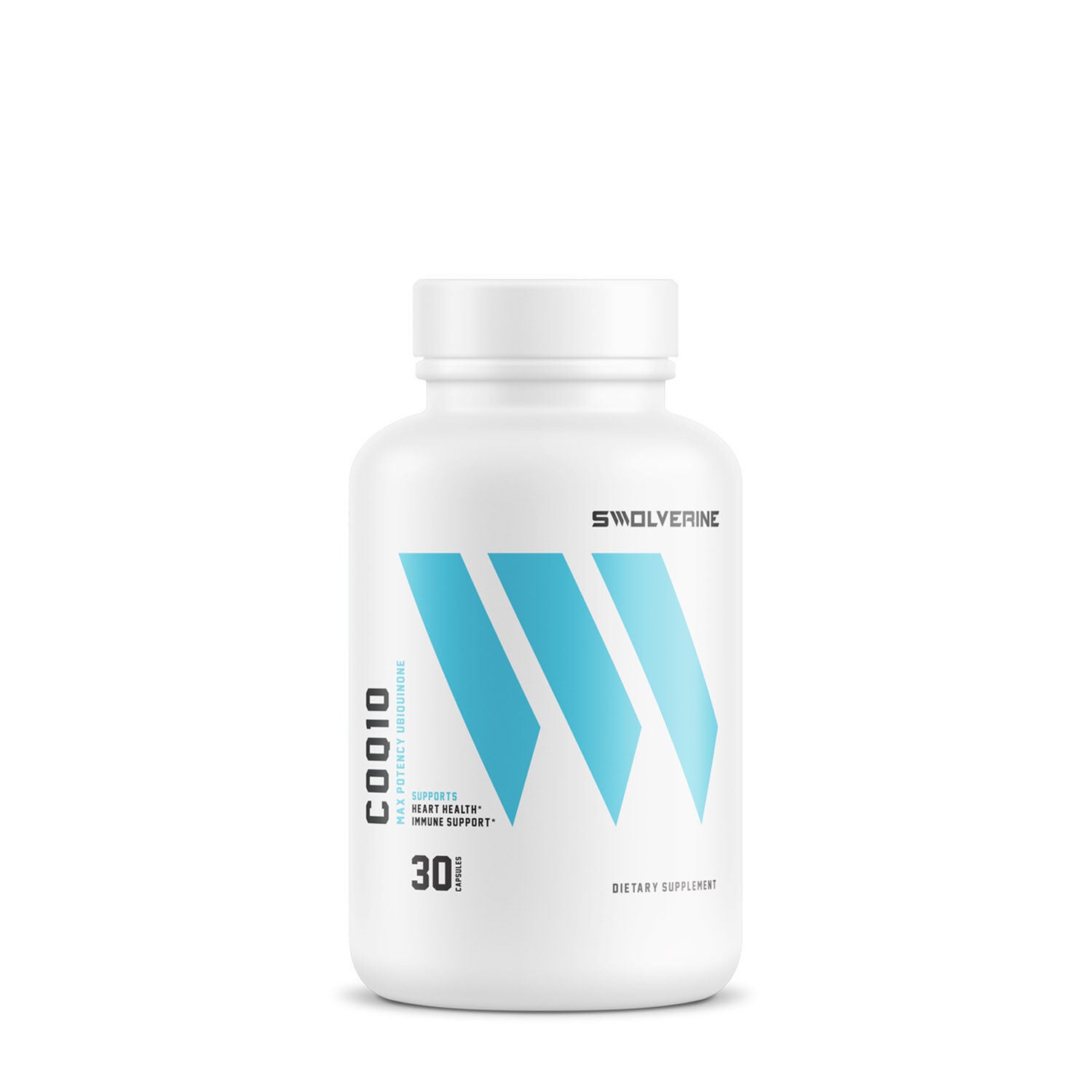
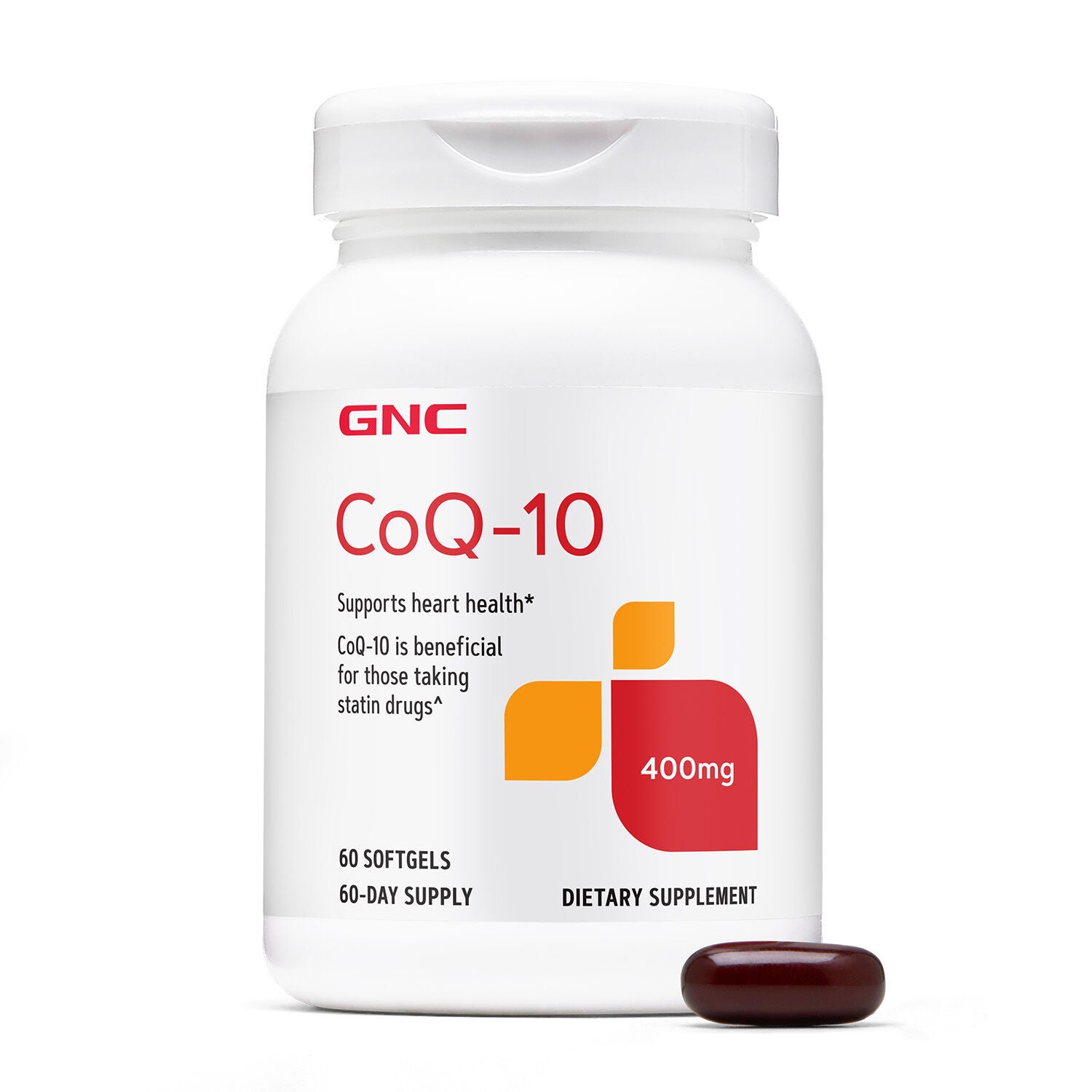
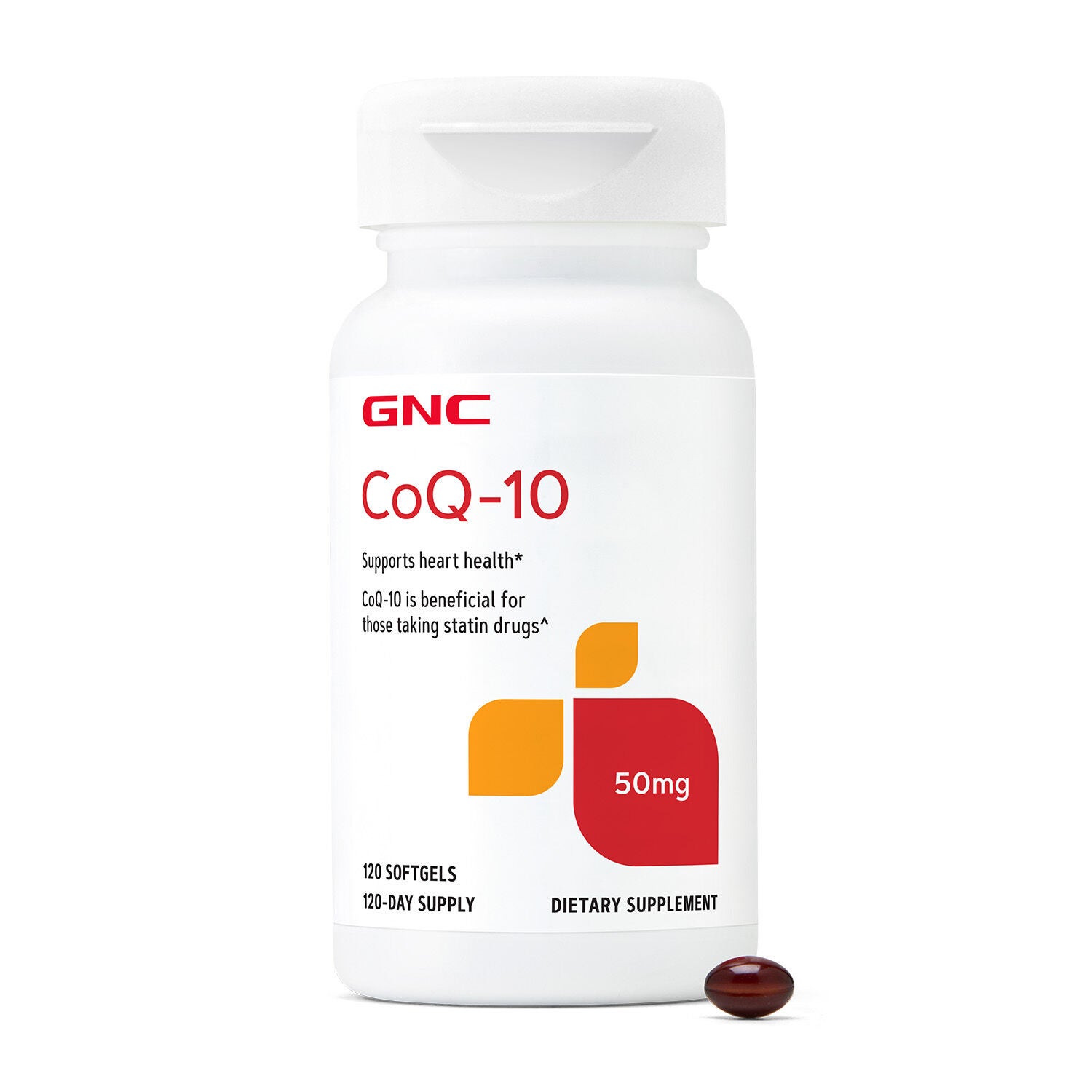
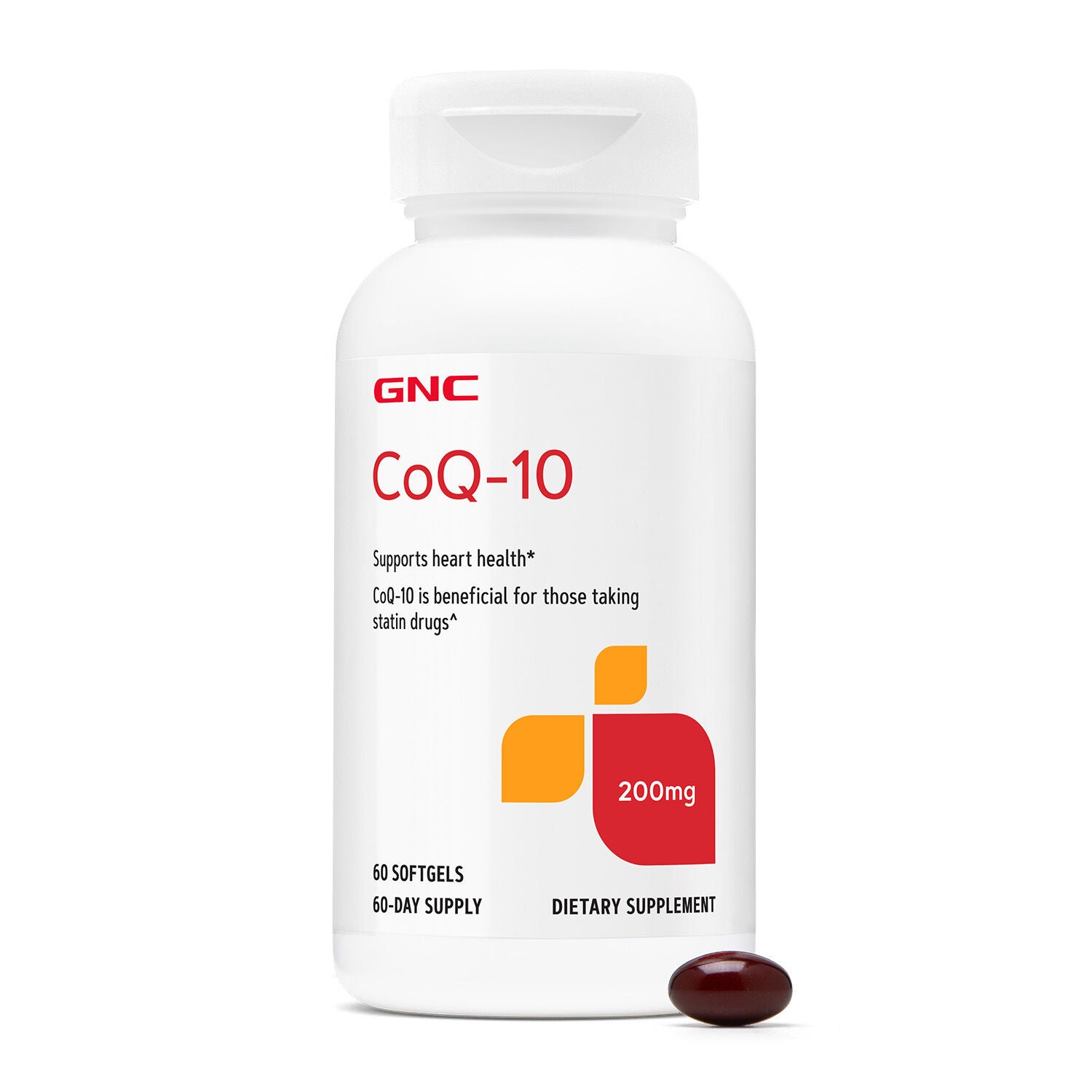
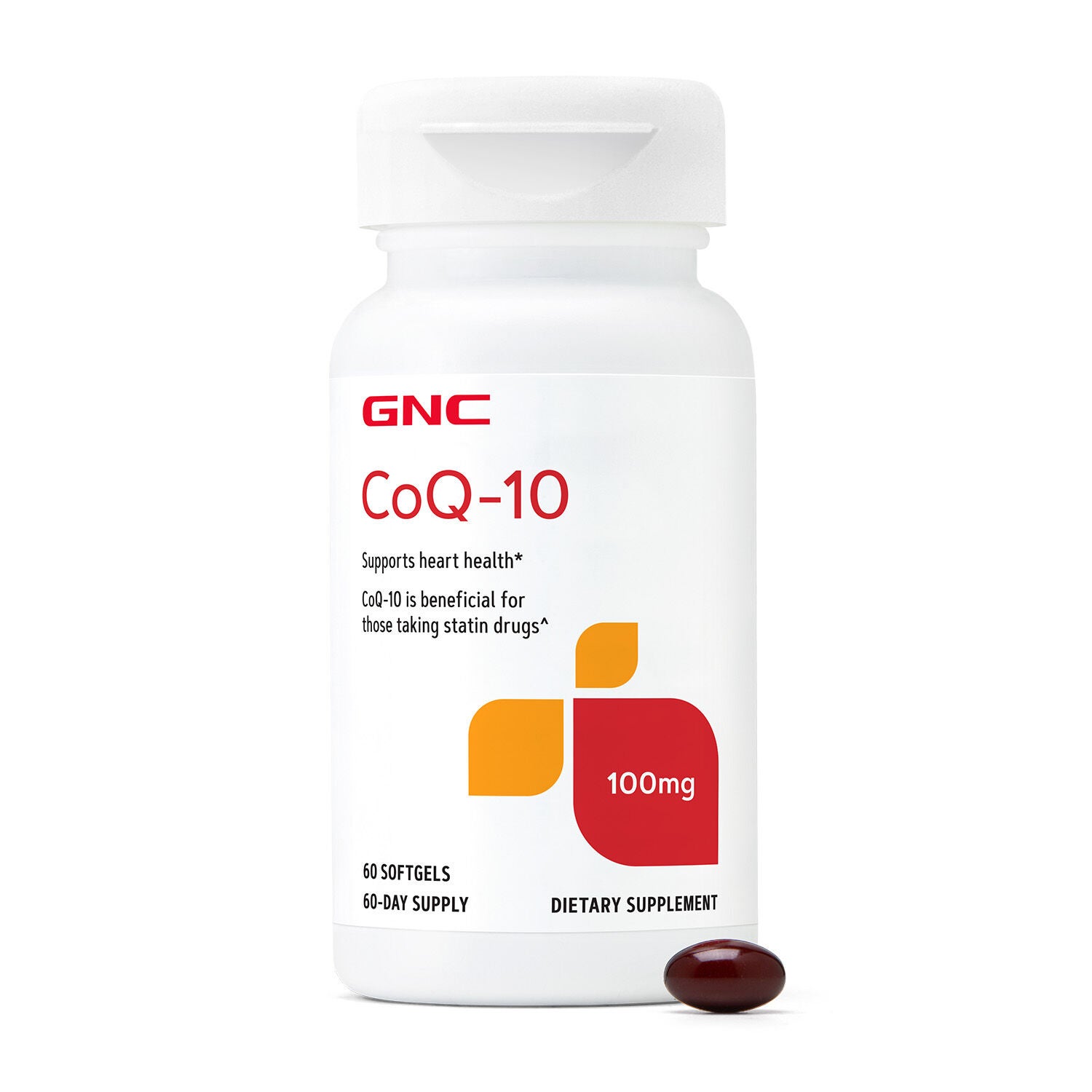
Heart care capsules are dietary supplements organized around an interest in heart-focused wellness, with formulas that may contain oils, vitamins, minerals, botanical ingredients, or compounds such as coenzyme Q10, commonly abbreviated as CoQ10. The category describes a shopping focus rather than a single ingredient or standardized formula. Two bottles with similar wording on the front can differ considerably in their contents, ingredient sources, capsule materials, and suggested serving sizes. Some formulas center on one featured ingredient, while others combine several ingredients in a single serving. Common examples across the broader category include omega-3 oils, CoQ10, garlic preparations, and botanical extracts. Those names identify different types of ingredients, not interchangeable choices, and the Supplement Facts panel provides a more useful comparison than front-label language alone. For omega-3 formulas, the source oil and the listed amounts of individual fatty acids are separate details; the amount of oil is not necessarily the amount of each featured fatty acid. For a botanical formula, the plant name, plant part, and preparation help describe what is inside. Garlic powder and a garlic extract, for example, represent different preparations even though both originate from the same plant. CoQ10 labels may identify the ingredient form as well as its amount per serving. These distinctions matter to shoppers who want a clearly described formula rather than a long ingredient list without much context. Heart care capsules are generally intended for adults exploring dietary supplements as part of a personal wellness routine. The category name alone does not establish that a formula is appropriate for every adult, and intended-use information belongs with the individual label. A thoughtful comparison therefore considers the full package: what the formula contains, how the serving is defined, which dietary preferences it matches, and how its format could fit into an established routine. Ingredient amounts describe composition; they do not, by themselves, establish a particular result.
The capsule itself deserves attention alongside the ingredients it holds. Hard-shell capsules often contain powders or granules, while softgels typically enclose oils or other liquid fillings in a sealed shell. Shoppers may encounter both formats when browsing heart-focused supplements, even though their construction and feel differ. Shell materials can include gelatin or plant-derived alternatives such as cellulose, and that distinction can matter as much as the featured ingredient for someone following a vegetarian or vegan eating pattern. A plant-derived shell does not automatically make the entire formula vegan; the filling, source oils, and other ingredients also determine whether that description applies. Fish-derived and algae-derived oils, for instance, have different origins that remain relevant regardless of the shell material. The other ingredients section can identify components used in the shell or during manufacturing, while separate allergen statements provide another part of the label to review. Capsule dimensions, serving count, and suggested timing also shape the everyday experience. Someone who already keeps a simple morning routine may prefer fewer capsules per labeled serving, while another shopper may place greater importance on a particular ingredient source or a clearly identified botanical preparation. A bottle containing 60 capsules does not necessarily represent 60 servings: a two-capsule serving would make that 30 servings. Comparing amounts on a per-serving basis keeps that distinction visible. Taste and aroma can vary, too, particularly with oil-based or botanical ingredients, and a capsule format does not establish that every formula will have the same sensory characteristics. Packaging photographs and label descriptions may offer useful details about format, although the actual dimensions are not always apparent from an image. For shoppers comparing capsules with other formats, Daily Heart Support Supplements offers a related category to explore. The useful comparison remains the same across formats: ingredient identity, serving information, dietary suitability, and clearly described intended use.
Packaging and care are practical parts of choosing heart care capsules, especially when a bottle will become part of an everyday household routine. Unlike a reusable accessory, a supplement is a consumable, so package integrity, the printed expiration date, and labeled storage directions are more relevant than long-term durability. A secure closure, readable label, and intact protective seal are useful packaging details to examine. The original container also retains the ingredient list, suggested use, lot information, and any handling directions in one place. That information can be easy to lose when capsules are transferred into an unlabeled container or mixed with other supplements. For a shopper who travels regularly or organizes personal items for the workday, container dimensions and closure design may be worth comparing alongside capsule count. A compact bottle and a larger bottle can serve different practical preferences without changing the importance of the label. Storage directions vary by formula, so the package remains the reference for handling requirements, including any instructions that apply after opening. Clear documentation matters beyond storage as well. A label that identifies ingredient sources, specifies amounts per serving, and explains any certification marks gives shoppers concrete information to evaluate. A statement about testing is most informative when it names what was examined or identifies the organization involved; it should not be read as evidence of a particular personal outcome. Similarly, a lengthy blend name does not reveal the amount of each component unless those amounts are individually listed. Someone seeking a straightforward formula may value that visibility more than an extensive combination of ingredients. Someone with established dietary preferences may begin instead with shell materials, oil sources, and allergen information. Both approaches reflect the same underlying task: matching the documented characteristics of a supplement to clearly defined shopping preferences. Heart care capsules are a personal purchase, and a familiar routine or an interest in wellness does not make every formula equivalent. The most meaningful distinctions are often the quiet details on the back of the bottle: the exact ingredient form, the number of capsules in a serving, the supporting ingredients, and the directions that accompany the contents.
Best Sellers
Related Pages
Top Collections
- Daily Collagen Supplements | Top Brands & Deals | GNC
- Natural Collagen Supplements | Top Brands & Deals | GNC
- Top Rated Collagen | Shop Customer Favorites | GNC
- Cortisol Supplements
- Vitamins For Hair Loss
- Spirulina Tablets
- NAD+ Supplement Tablets
- Peptide Supplements
- Best Brand of Magnesium Glycinate
- Vitamins That Help Support Weight Gain