





Heart Friendly Tablets
(0 Results)
Heart friendly tablets could be a great addition to your daily routine, potentially supporting cardiovascular health and overall well-being. Designed with ingredients that may promote heart function, these supplements might help you maintain a balanced lifestyle. Explore a variety of heart friendly tablets that could provide the nutritional support your heart needs.


_Front.jpg?sw=305&sh=305&sm=fit "Pure Way-C Vitamin C and Bioflavonoids 1000+ mg - 90 Tablets (90 Servings) | GNC")

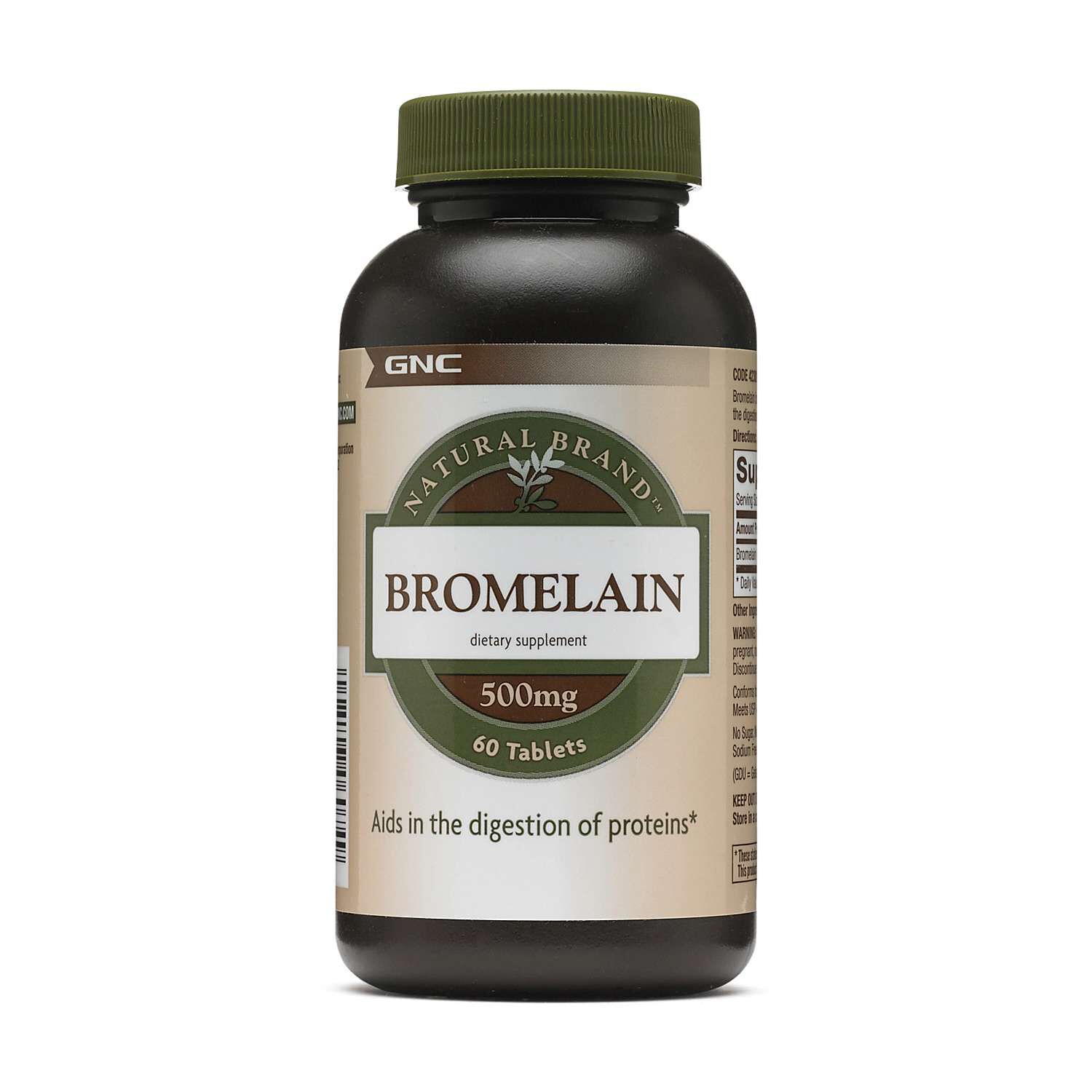
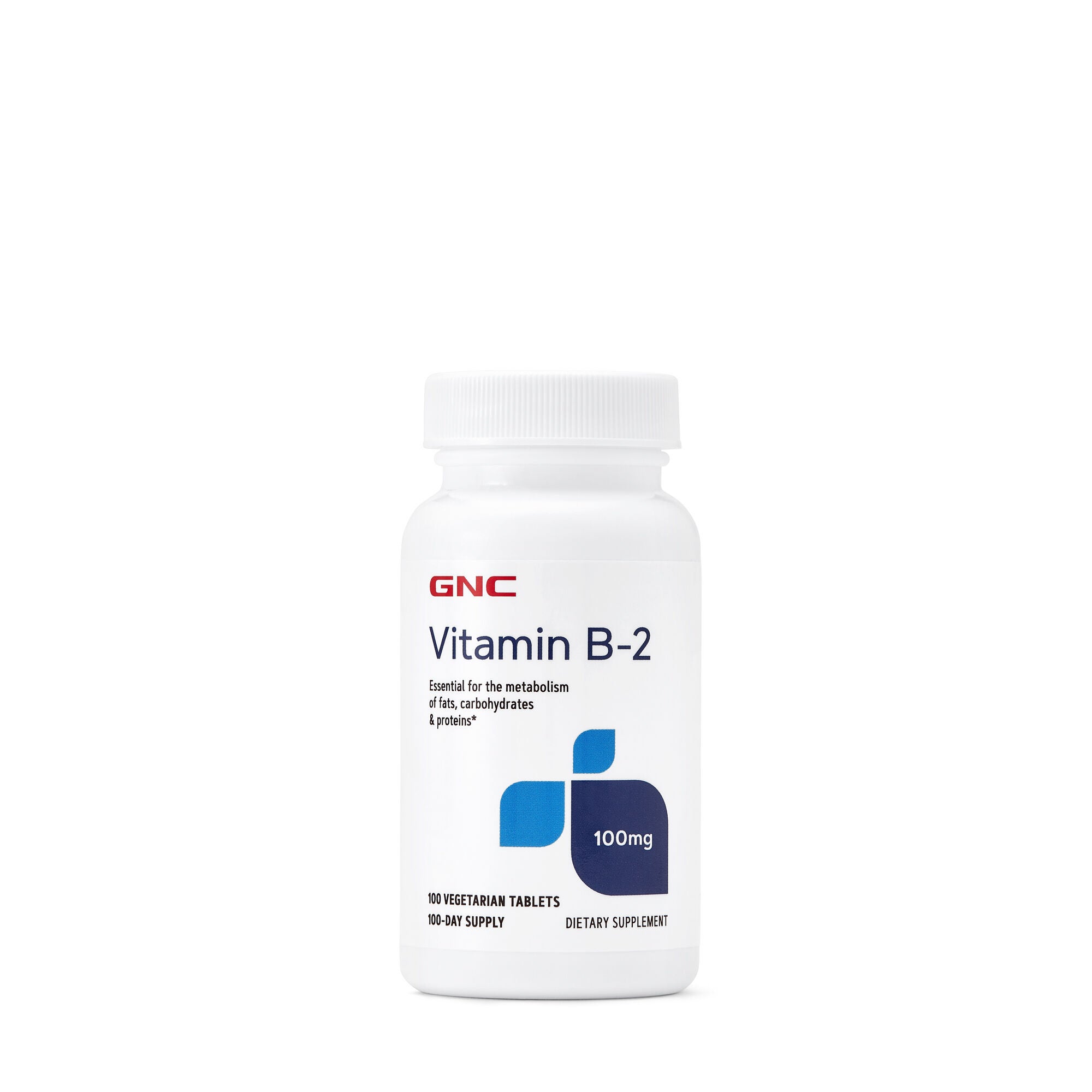
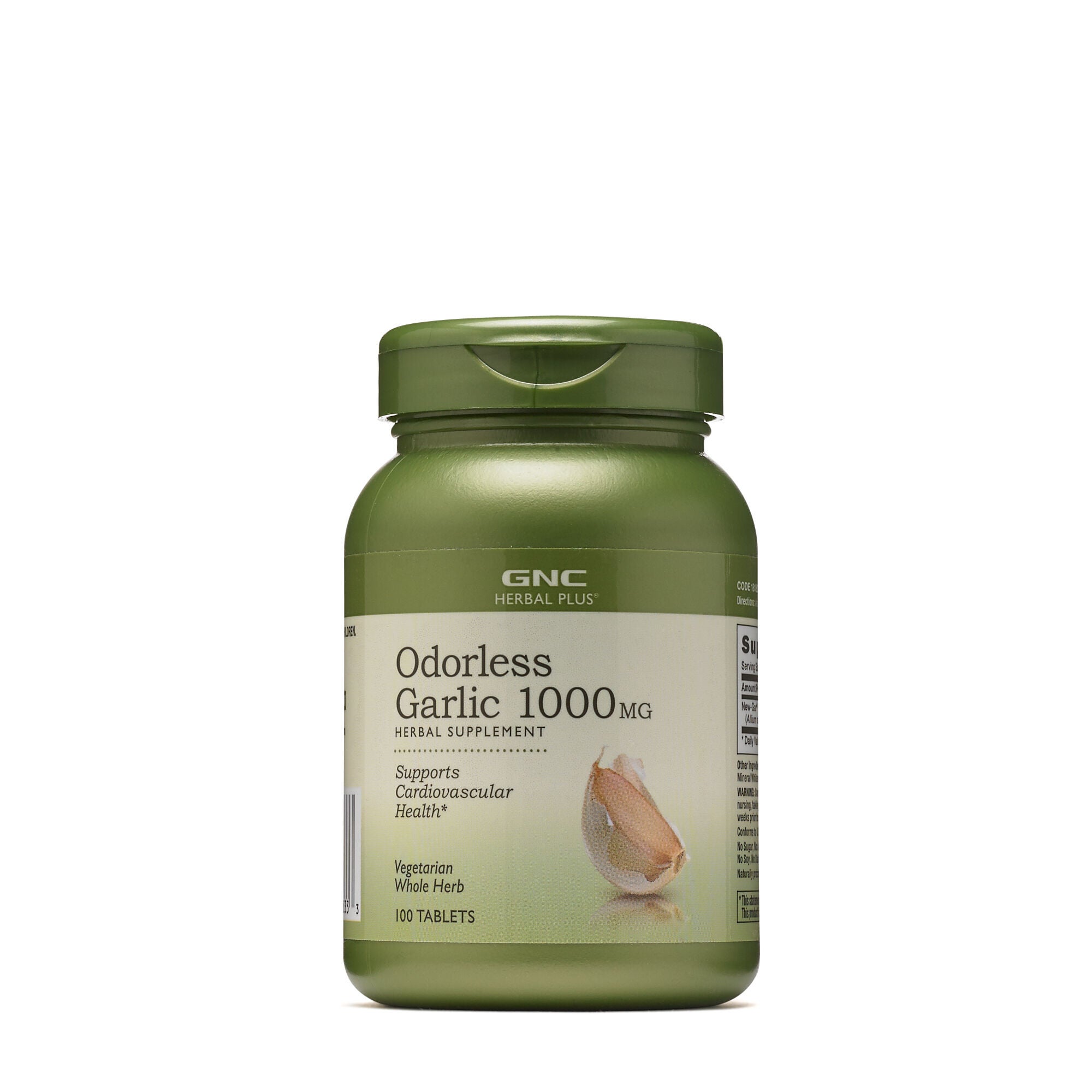
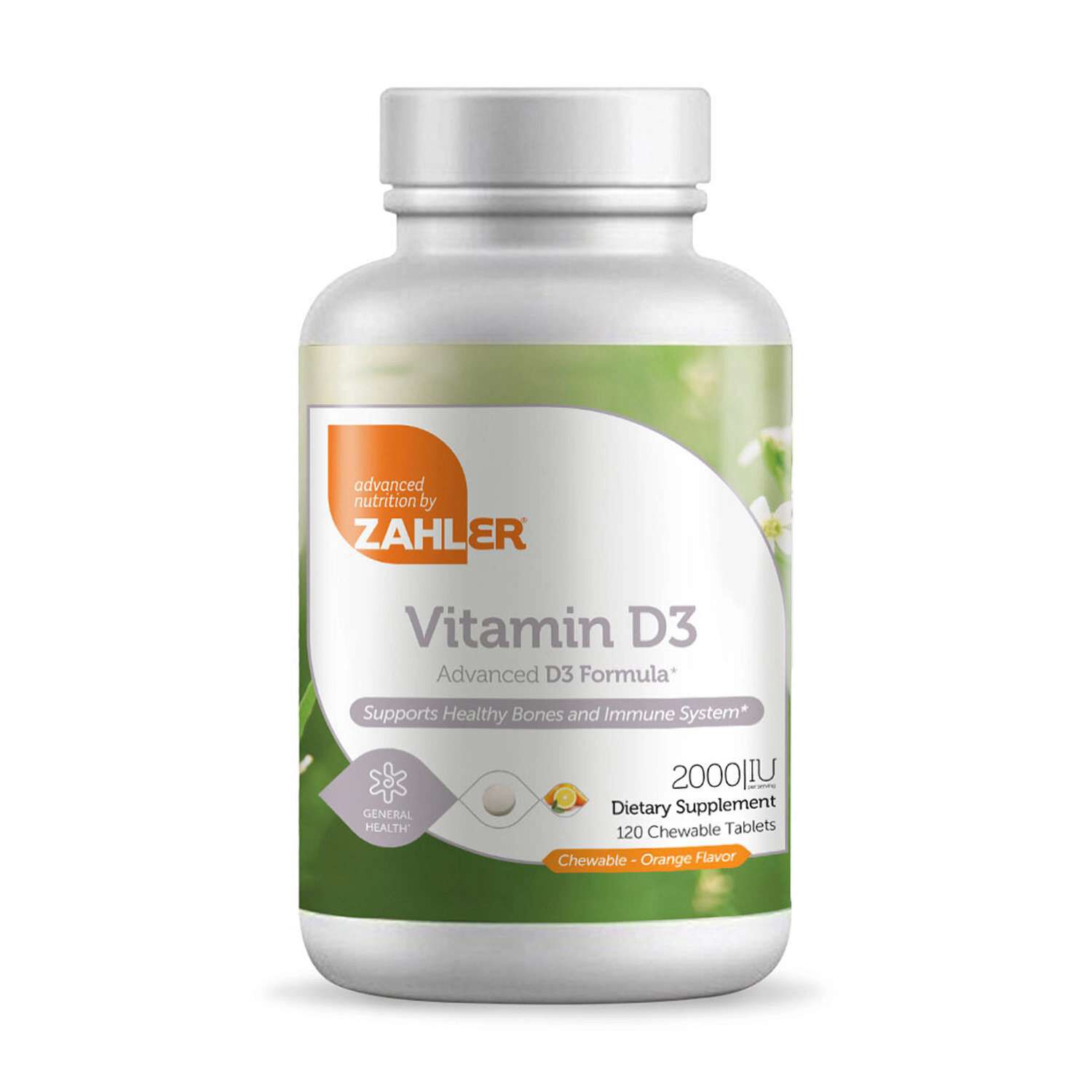

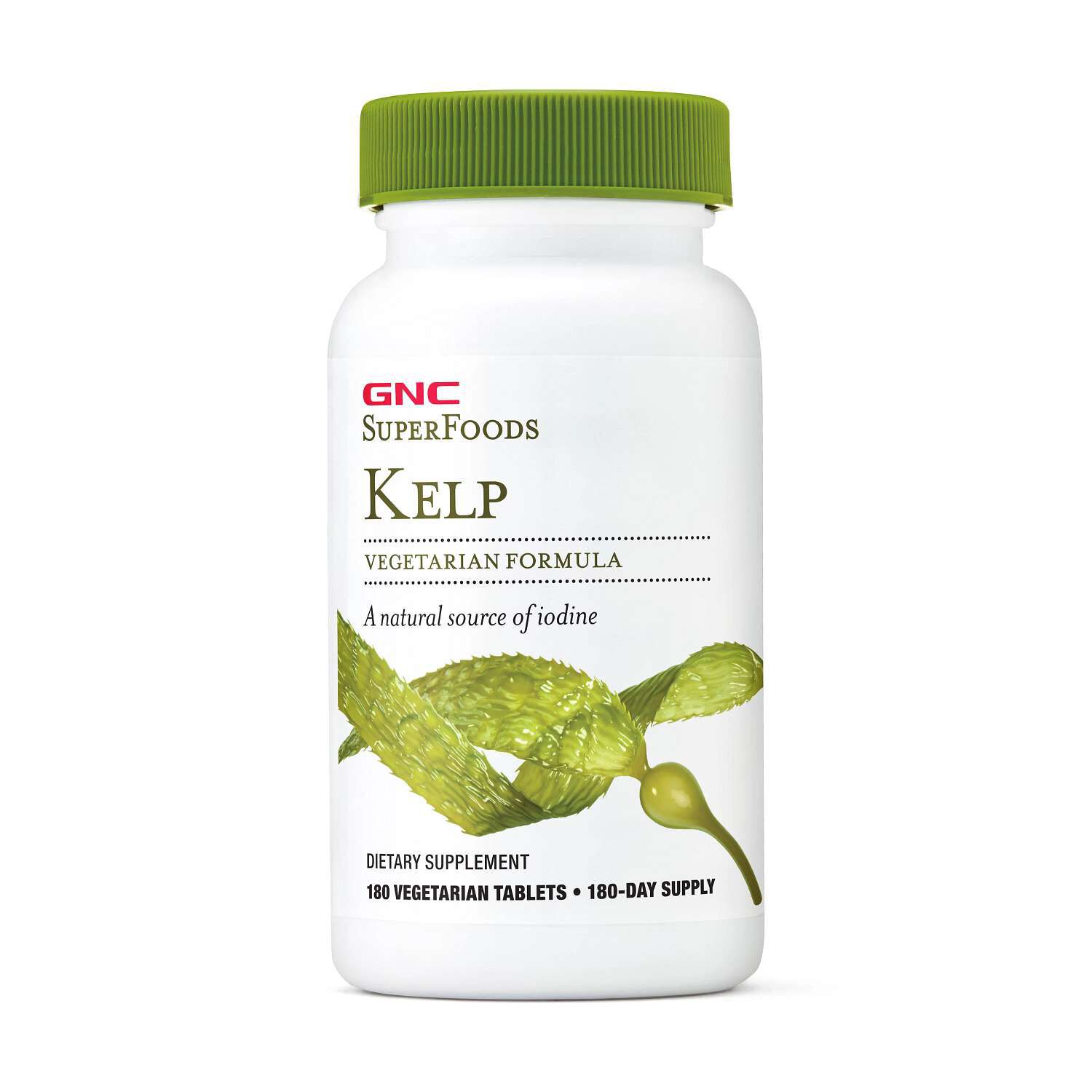
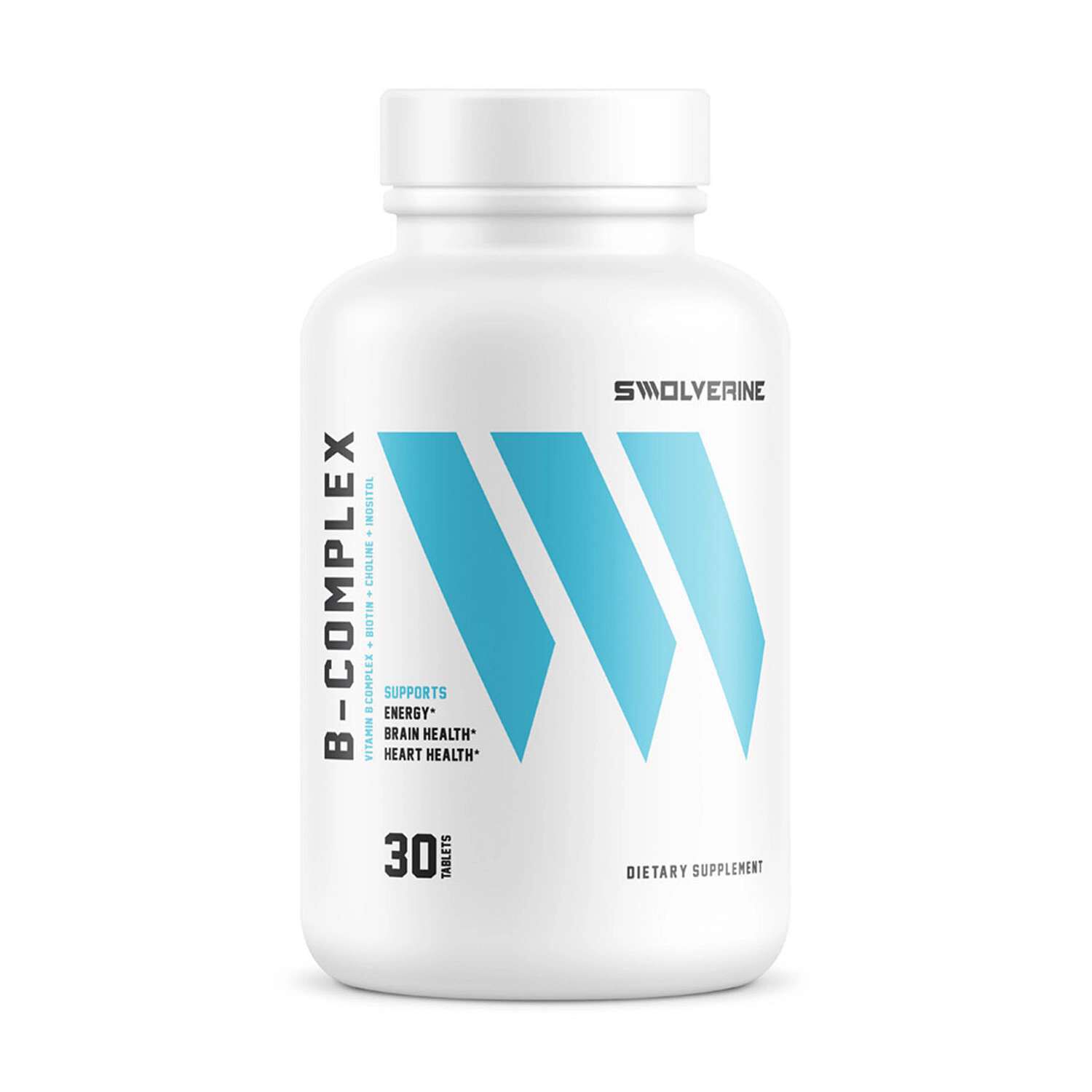


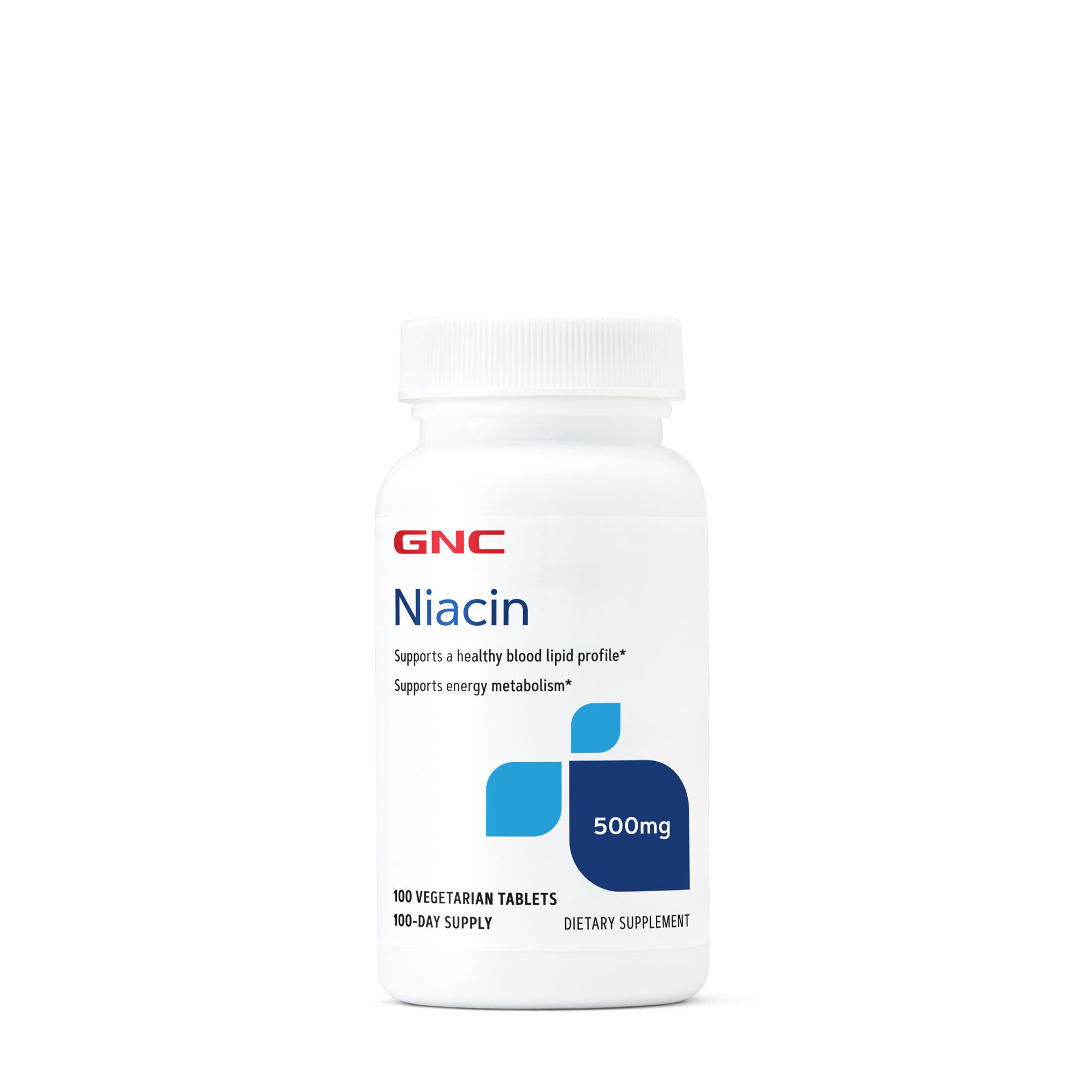
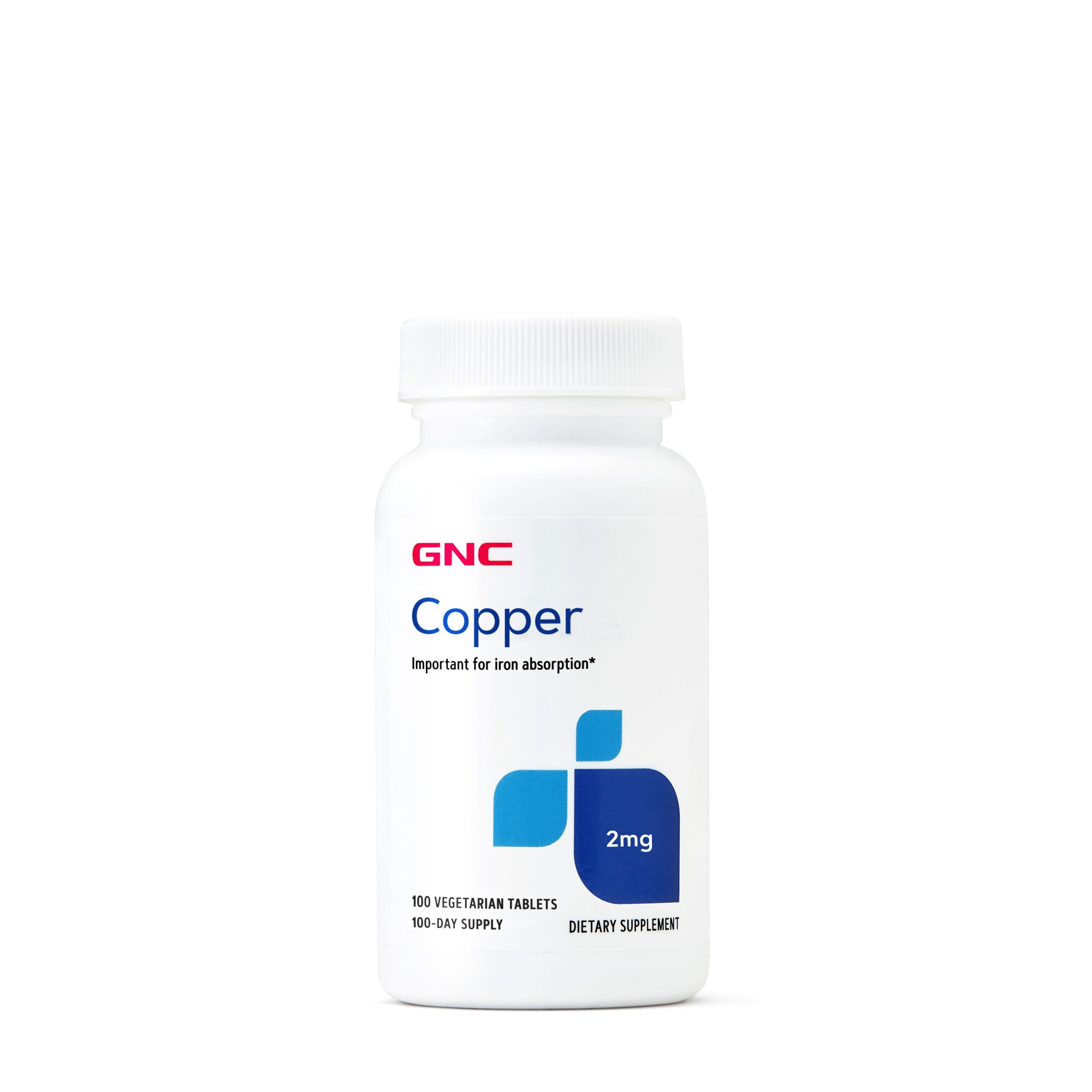
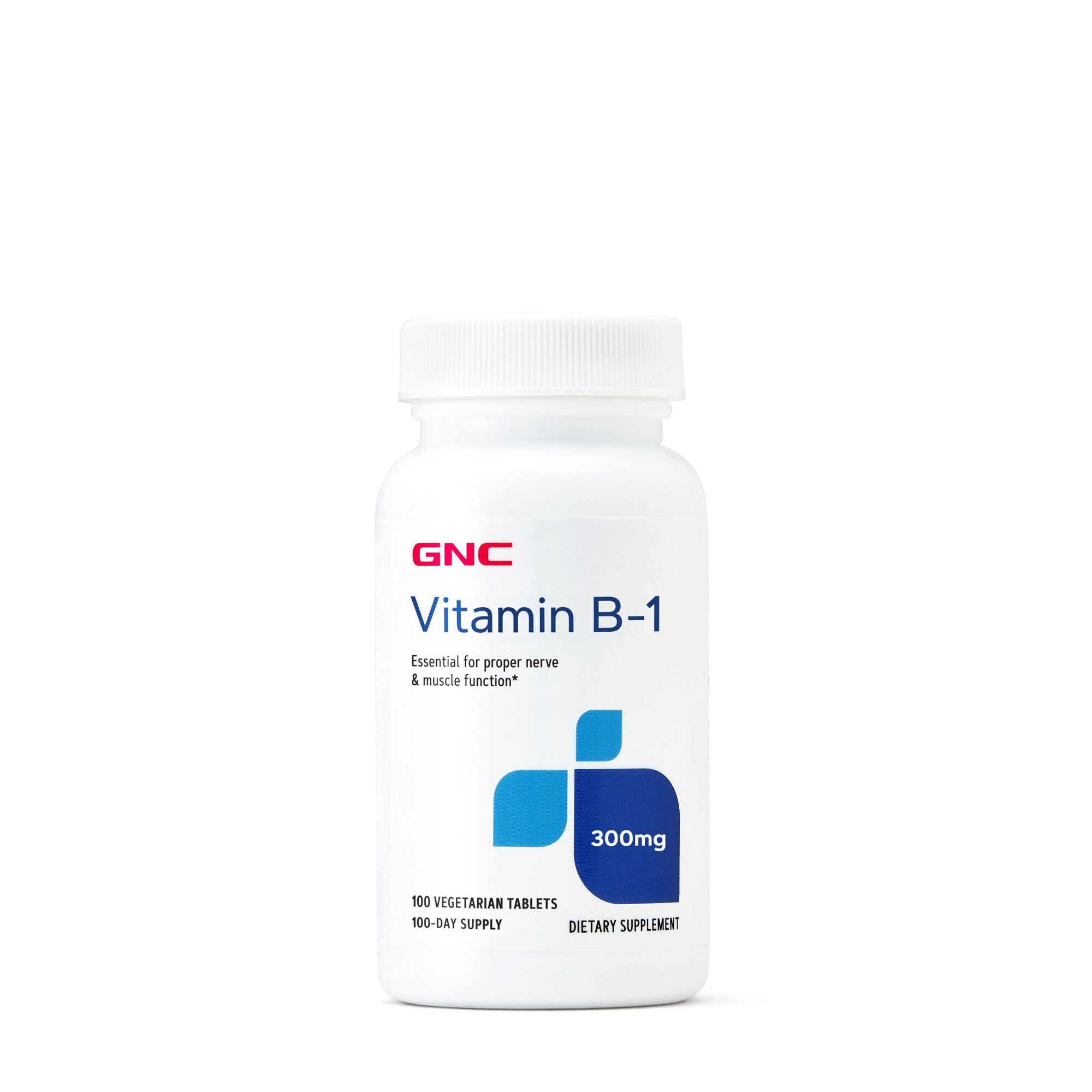

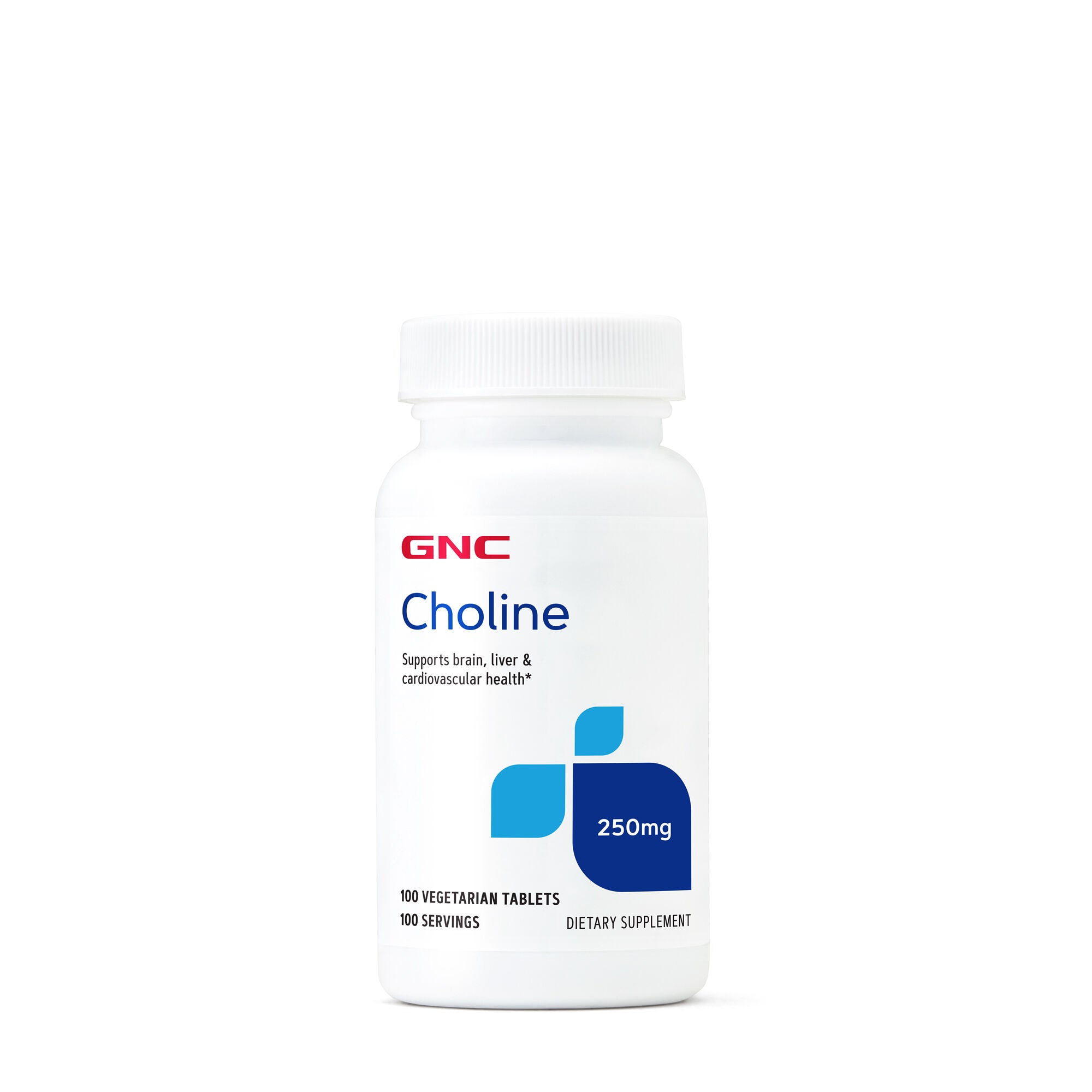


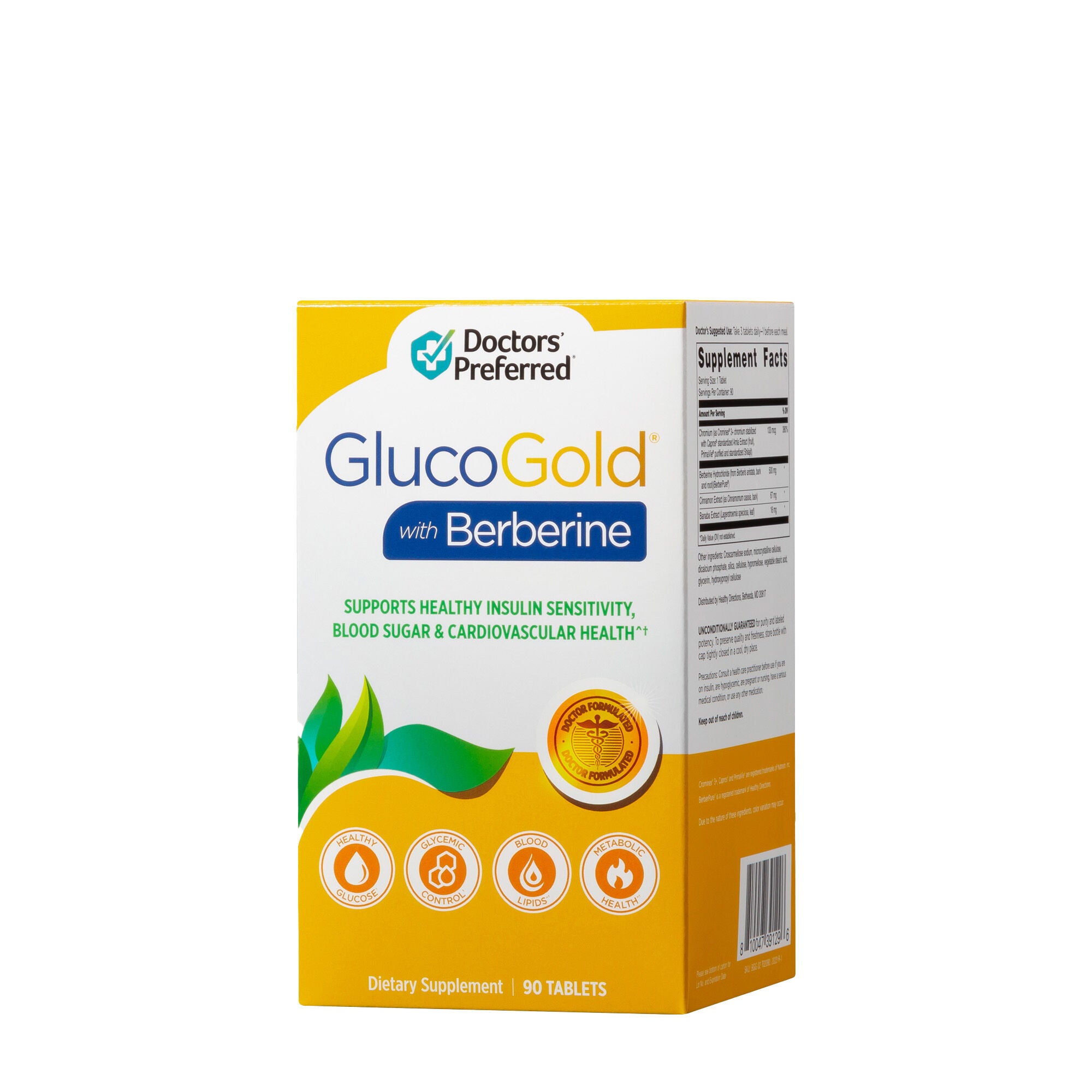
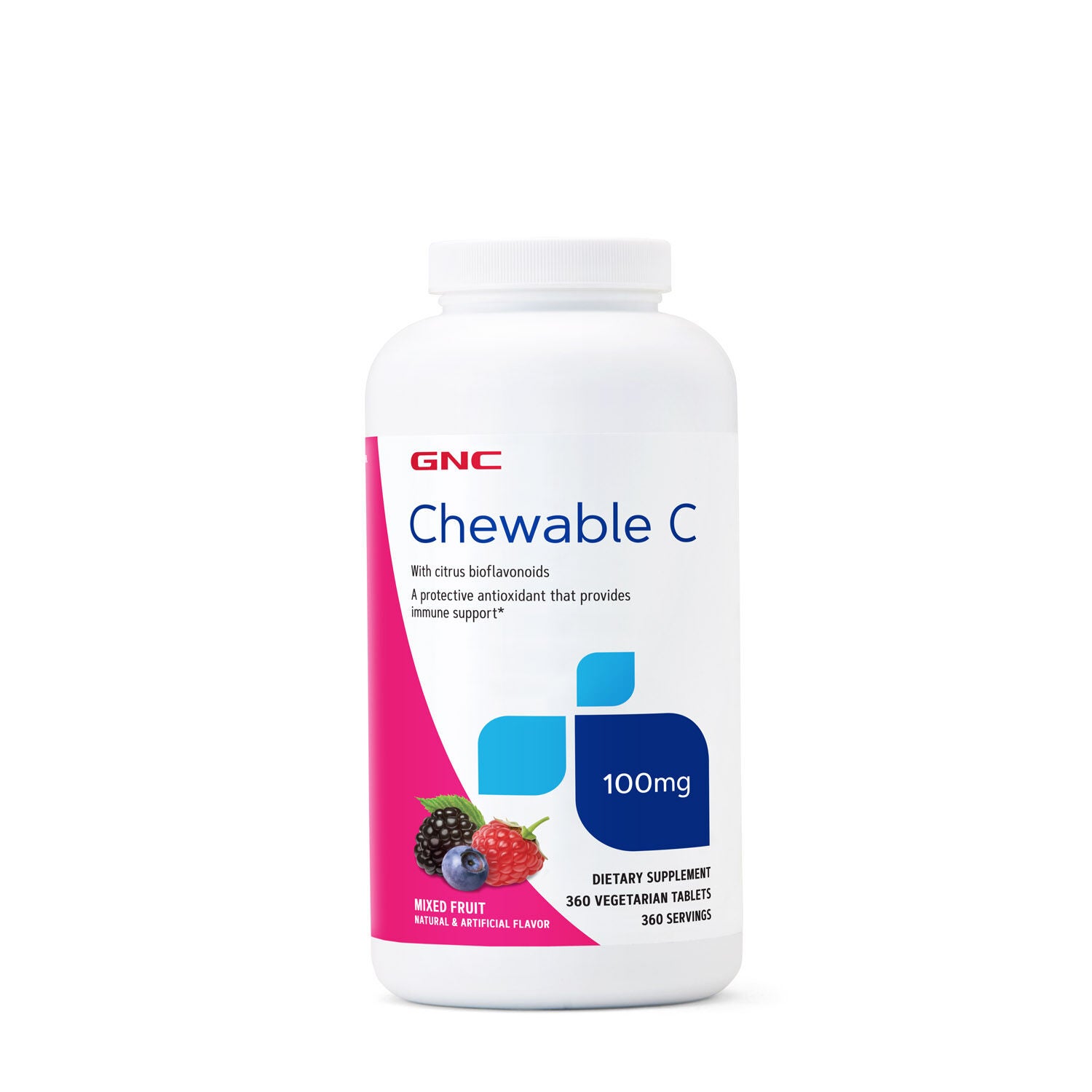
Heart friendly tablets bring together dietary supplements for adults who are browsing with heart wellness in mind. The phrase describes a shopping theme rather than a single ingredient, formula, or tablet design, so the label matters more than the category name alone. Products in this category may feature minerals, coenzyme Q10, plant sterols, or combinations of nutrients, with different amounts and serving directions. Magnesium is a mineral found in foods such as beans, nuts, and leafy greens. Coenzyme Q10, often shortened to CoQ10, is a compound that occurs naturally in the body and is also sold as a supplement ingredient. Plant sterols are compounds found in plant foods and used in some dietary supplement formulas. These ingredients are distinct, and their presence does not make two formulas equivalent. Omega-3 oils also appear in broader heart wellness shopping, although they are commonly packaged in softgels rather than pressed tablets. For someone who specifically prefers tablets, that distinction is worth noticing before comparing bottles. A tablet is generally made by compressing ingredients into a solid form; a capsule has an outer shell that holds its contents, while a softgel commonly contains oil or another liquid filling. Ingredient identity, physical form, and serving size each tell a different part of the story. A single-ingredient formula could appeal to someone seeking a straightforward label, while a combination formula might suit a shopper who prefers several ingredients in one product. Neither approach establishes suitability on its own. The Supplement Facts panel provides the named ingredients and amounts per serving, while the directions explain the intended use. Reading those sections together gives a clearer picture than relying on the front of the package. For an adult organizing a daily wellness routine, the most useful comparison starts with what the formula contains, how it is presented, and what the package actually asks the user to do.
The practical fit of heart friendly tablets often comes down to details that are easy to overlook in a product photo. Tablet dimensions, shape, coating, and serving count can all influence format preferences. An elongated tablet and a small round tablet are different physical designs, even when their bottles look similar. Some tablets have a smooth outer coating, and others have an uncoated surface; chewable varieties have their own directions and should not be confused with tablets intended to be swallowed. A line across a tablet is not, by itself, a substitute for package instructions about dividing it. When size or texture is a deciding factor, written format details are more informative than bottle shape or label color. Serving size deserves the same attention. A bottle containing 60 tablets might represent 60 servings when the serving size is one tablet, or 30 servings when it is two. The listed nutrient amounts typically refer to that stated serving, not automatically to each individual tablet. That distinction could matter to someone planning space in a kitchen cabinet or comparing how often a bottle would need replacing. Beyond the featured nutrients, the other ingredients section lists materials used to form the tablet, hold it together, or create its coating. Depending on the formula, those materials can include cellulose, starches, or other processing ingredients. Shoppers with dietary preferences can look for clearly stated vegetarian or vegan suitability and review ingredient sources rather than inferring them from the main nutrient. Allergen information, flavoring in chewable formats, and any listed colors are additional points of comparison. Packaging may also identify testing practices or provide access to further manufacturing information. Specific, clearly explained details are more useful than broad language on a label. For a shopper sorting through several similar descriptions, these concrete differences could make the selection process more manageable without relying on assumptions about what a particular formula might do.
Intended use and everyday handling round out the comparison. Heart friendly tablets are dietary supplements, not a substitute for meals or an individualized care plan, and a category listing does not establish that every formula is appropriate for every adult. A product’s age designation, directions, and label cautions belong alongside its ingredient details when considering personal fit. Related browsing includes Tablets for Healthy Blood Pressure, where the same attention to formula, format, and package directions remains relevant. At home, storage requirements are part of the product’s practical design. A tightly closing bottle, a readable label, and clearly printed date information are useful packaging details for routine handling. Follow the package’s storage directions, including any instructions concerning temperature, moisture, or light. A bathroom shelf exposed to shower steam is a different environment from a dry cupboard, and a bag left in a parked car can experience substantial temperature changes during the cooler months as well as warmer weather. Tablet durability varies with the formulation and packaging, so a solid appearance alone does not establish how well a product tolerates rough handling or unsuitable storage. Original packaging also keeps the ingredient list, serving directions, lot information, and date together. For someone packing an overnight bag or organizing a busy household, access to those details could be more useful than transferring tablets into an unmarked container. A weekly organizer might suit some routines, but the product’s own handling instructions remain the reference point. Keep supplements out of reach of children and retain any package inserts that contain additional directions. Because supplement preferences and suitability are personal, tablets are generally a more considered purchase than an impromptu wellness gift. Someone shopping for another adult would need to know the recipient’s established preferences rather than choosing solely from the theme. A thoughtful comparison stays grounded in clear ingredient information, a suitable tablet format, understandable directions, and packaging that fits the realities of everyday use.
Best Sellers


Related Pages

Top Collections
- Daily Collagen Supplements | Top Brands & Deals | GNC
- Natural Collagen Supplements | Top Brands & Deals | GNC
- Top Rated Collagen | Shop Customer Favorites | GNC
- Cortisol Supplements
- Vitamins For Hair Loss
- Spirulina Tablets
- NAD+ Supplement Tablets
- Peptide Supplements
- Best Brand of Magnesium Glycinate
- Vitamins That Help Support Weight Gain