Herbal All In One Supplements
(0 Results)
Herbal all in one supplements offer a convenient way to incorporate a variety of plant-based ingredients into your daily routine. These blends may provide an easy option for those looking to support their overall wellness with the power of herbs, all in a single serving. Whether you’re seeking simplicity or aiming to streamline your supplement regimen, herbal all in one supplements could be a great addition to your wellness journey. Explore options that fit your lifestyle and discover how these versatile formulas might help you maintain balance every day.



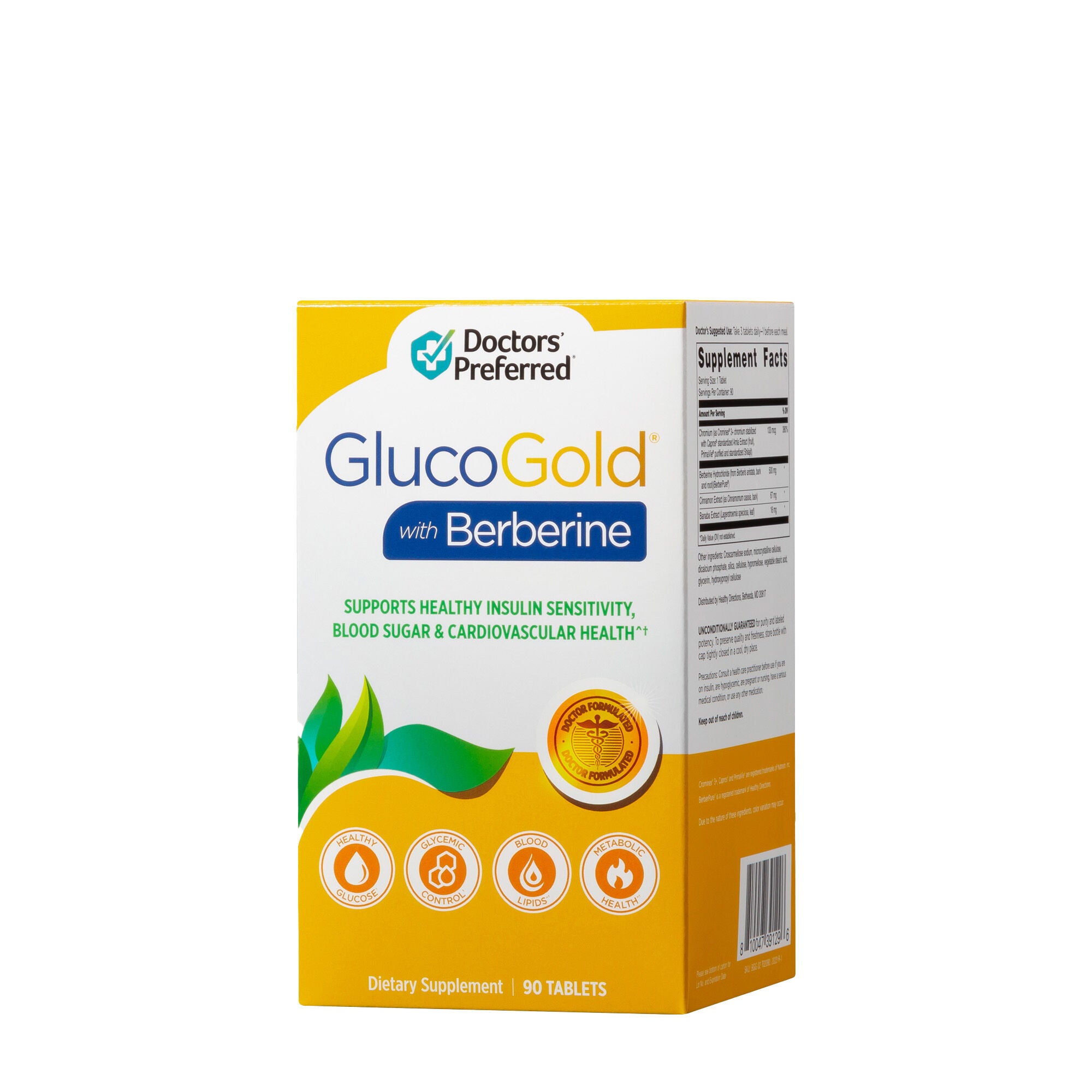
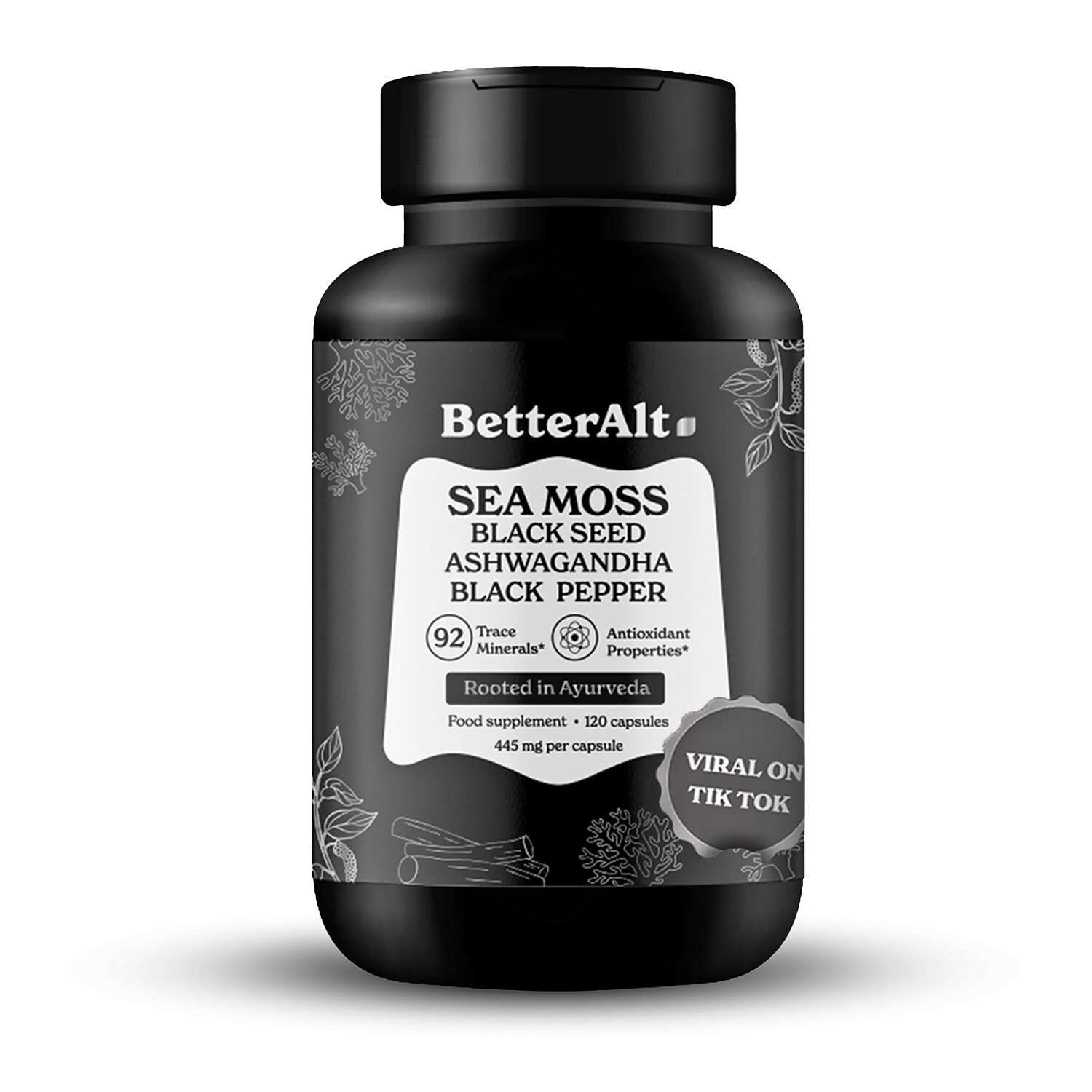


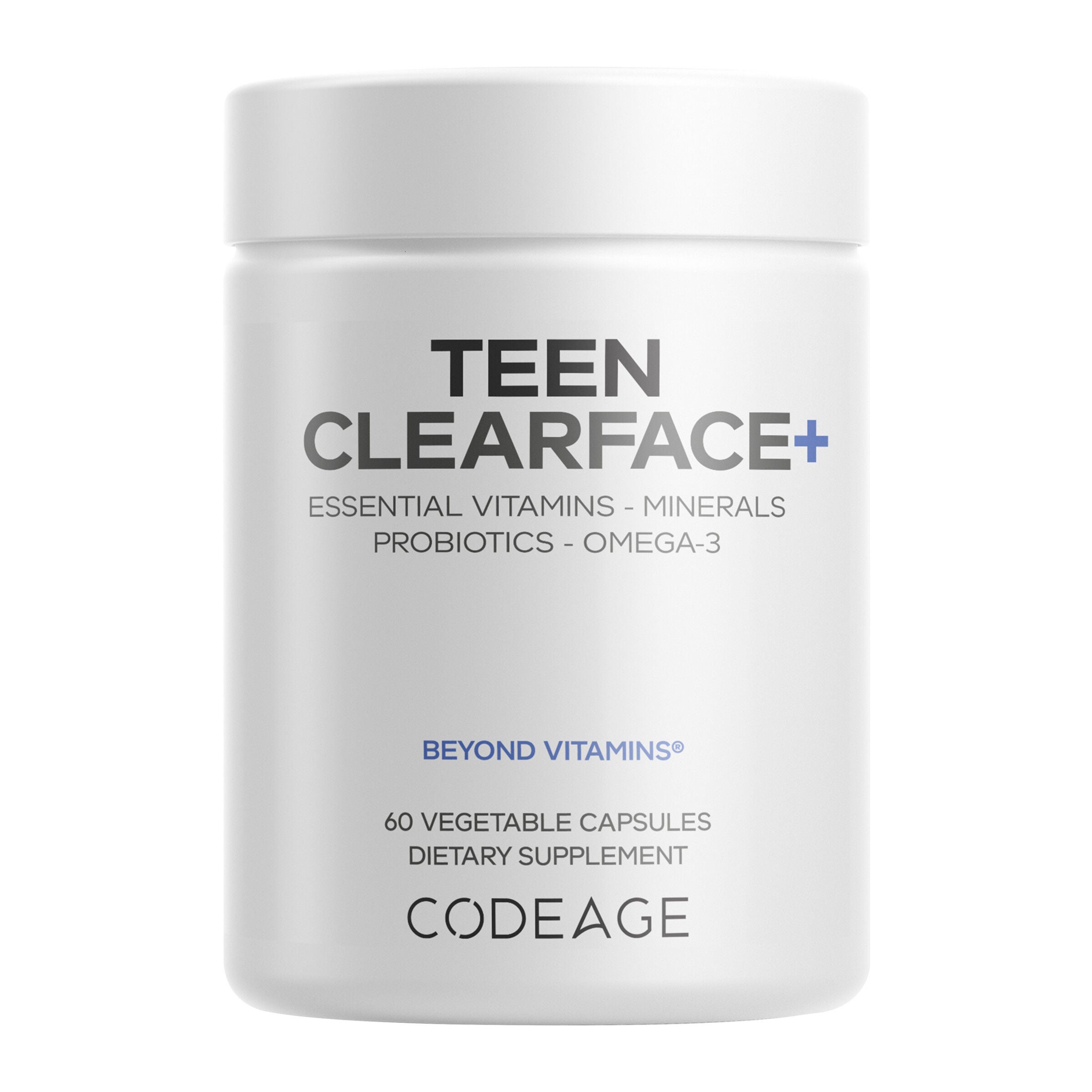


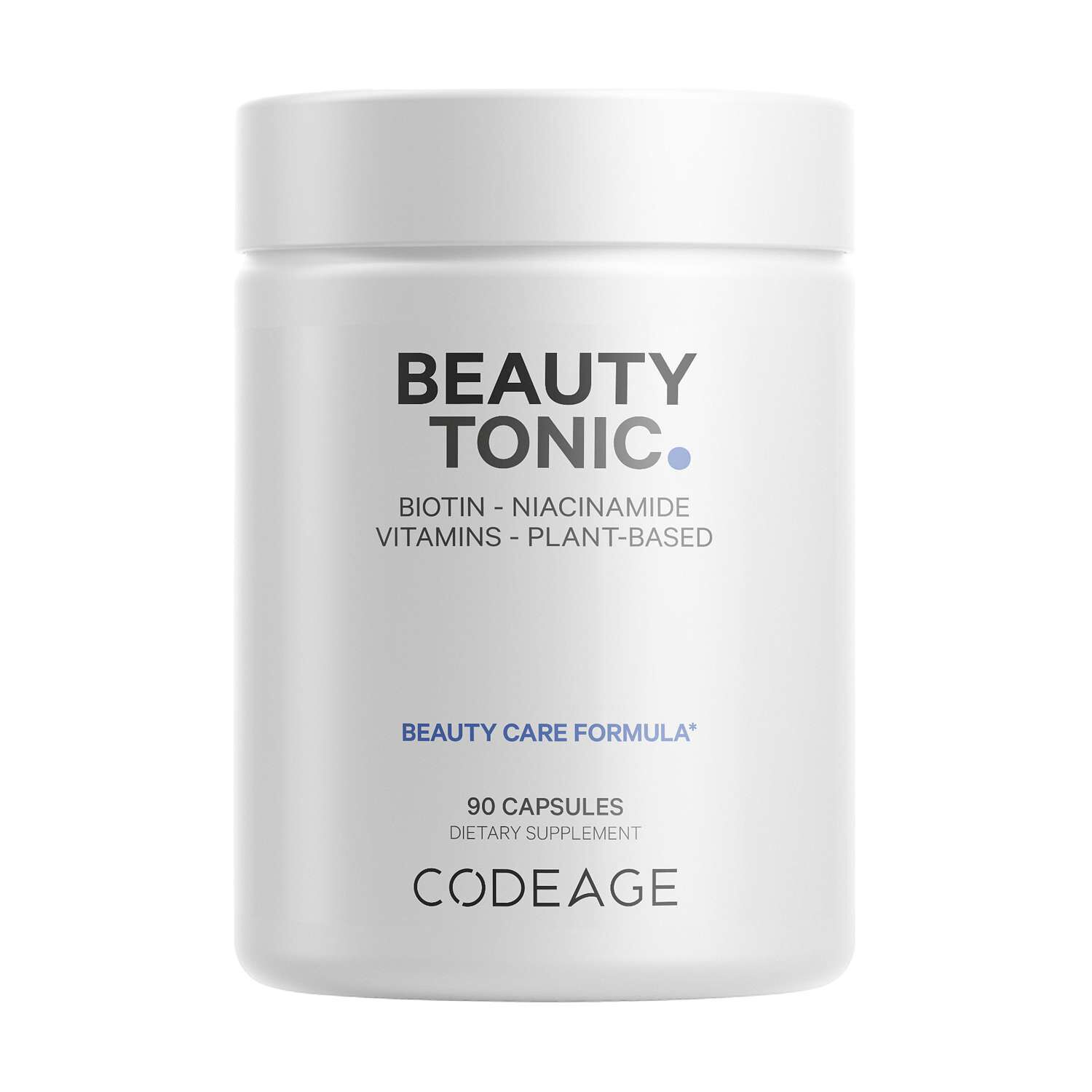


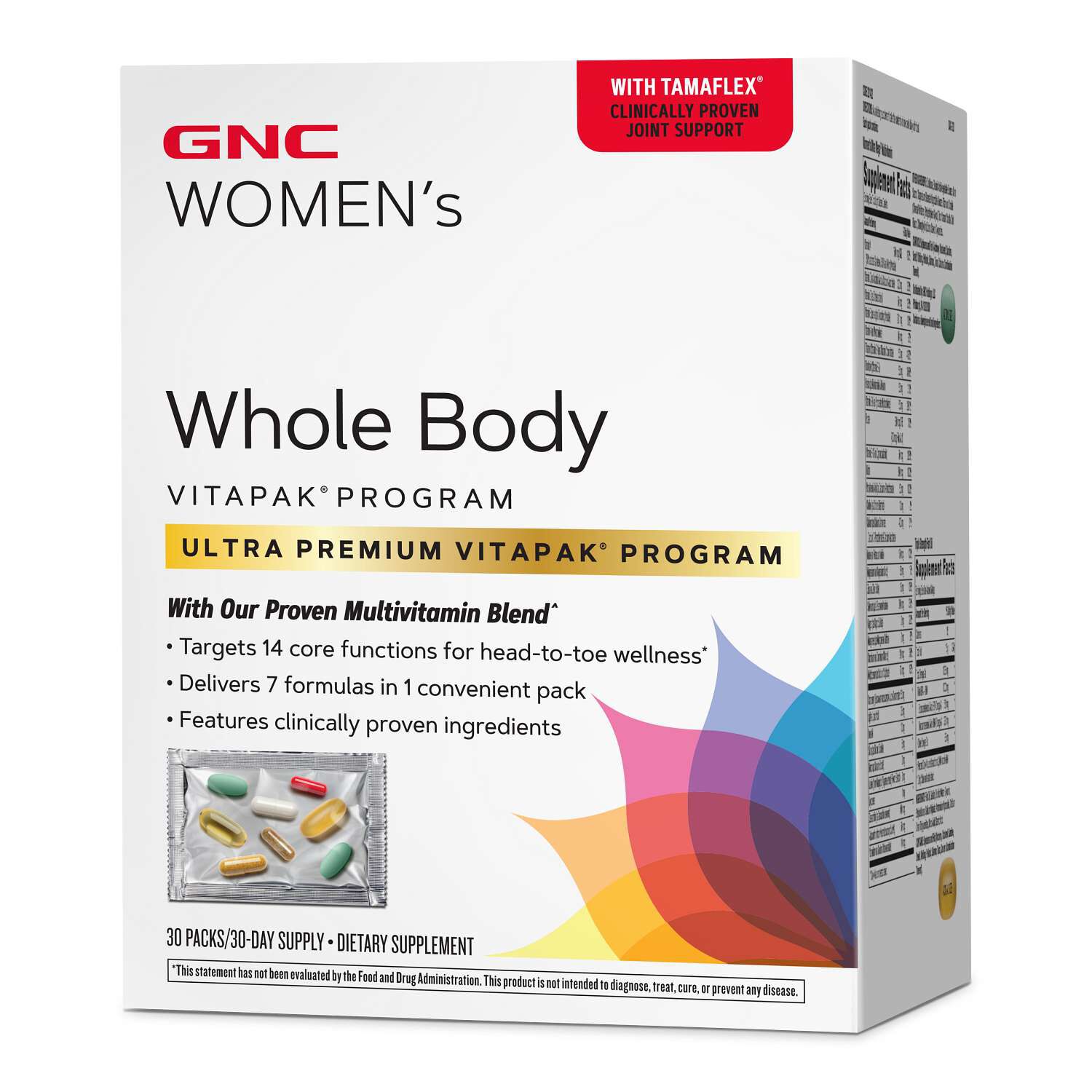
Herbal all-in-one supplements bring several botanical ingredients together in one formula, sometimes alongside vitamins, minerals, greens, or other dietary ingredients. The category includes herb-focused blends as well as broader nutritional formulas with added plant extracts, so “all-in-one” describes a combination rather than a universal ingredient list. One formula might feature roots and leaves, while another pairs botanical extracts with nutrients such as vitamin C, vitamin D, zinc, or magnesium. Not every blend contains each of these components, and the phrase does not mean that a supplement supplies every nutrient a person needs. Familiar botanical ingredients include ginger, turmeric, ashwagandha, holy basil, and green tea, although the mix and amounts vary from one formula to another. These ingredients have different histories of use, plant sources, and preparation methods; their presence alone does not establish what a finished blend may do. For shoppers comparing herbal combination supplements, the most useful starting point is the actual composition rather than the number of ingredients on the front of the package. A shorter formula with clearly identified botanicals offers a different shopping experience from a lengthy blend that includes fruit powders, vegetable powders, and several nutrient groups. Neither format is automatically preferable simply because its ingredient list is longer or shorter. These products are generally intended for adults interested in incorporating botanical ingredients into an established wellness routine, with the intended audience and directions specified on the label. Someone who prefers a single container on a kitchen shelf may appreciate a combined formula, while another shopper may place more importance on a particular botanical or capsule material. All-in-one does not necessarily mean one capsule, one tablet, or one serving per day. Serving size and suggested use remain separate details to compare. Herbal blends also sit within the broader category of Holistic Supplements, which provides another way to explore formulas organized around a whole-person approach to everyday wellness.
The differences between herbal all-in-one formulas become clearer when the ingredient panel is read alongside the Supplement Facts panel. A botanical name identifies the plant, while terms such as root, leaf, flower, seed, or rhizome describe the portion used. This distinction matters because different parts of the same plant are not interchangeable ingredients. Preparation adds another layer: a dried botanical powder is not the same material as an extract, and equal listed weights do not necessarily describe equivalent preparations. Some extracts identify a measured constituent or an extract ratio, providing more detail about how the ingredient is characterized. Those numbers describe aspects of the material; they are not a simple ranking of product quality or a prediction of personal results. Amounts should also be understood in relation to the labeled serving. If a serving consists of several capsules, the amounts on the Supplement Facts panel generally refer to that serving rather than each individual capsule. A blend may list its ingredients together without disclosing the amount of every component, which makes direct comparisons more limited. Formulas containing vitamins and minerals add another consideration: the botanical portion is only part of the composition. Their nutrient amounts and Daily Value percentages provide context that an herb-only formula may not have. Meanwhile, the other ingredients list identifies materials used to make the finished form, including capsule shells, binders, flavors, and sweeteners. Shoppers with particular dietary preferences may look for clearly stated vegetarian or vegan suitability rather than assume every herbal supplement uses plant-derived capsule materials. Gelatin capsules and cellulose-based capsules differ even when they contain similar botanical blends. Allergen statements and clearly defined certifications provide additional purchasing context. Quality-related information is most useful when it names the testing or verification involved. A reference to independent testing is more informative when its scope is explained, such as ingredient identity, composition, or checks for specified contaminants. Testing information should not be mistaken for evidence that a formula will produce a particular result.
Format is another practical part of choosing an herbal combination supplement, especially when the product needs to fit an ordinary day rather than an elaborate routine. Capsules, tablets, powders, and liquids each come with their own handling considerations. Capsules and tablets offer premeasured units, but their dimensions and the number required per serving can vary considerably. A bottle with many capsules may contain fewer servings than its count initially suggests, making the servings-per-container statement a useful comparison point. Powdered formulas require measuring and preparation according to their directions, and their flavor and texture deserve attention alongside their ingredient lists. Botanical powders can taste earthy, grassy, bitter, or spicy depending on the plants used; added flavors do not necessarily conceal every botanical note. Some powders disperse readily, while others may leave visible particles or sediment. Those characteristics make the labeled preparation method more useful than an assumption that every blend will behave like a familiar drink mix. Liquid formulas have their own serving measurements and may include a dropper or measuring cap, so the container design is part of everyday usability. For an adult who travels often, a securely closed container and an easy-to-read label may matter more than an elaborate flavor profile. For someone who prefers a consistent at-home routine, the preparation steps and serving format may carry more weight. Packaging also plays a role in product care: closure instructions, storage directions, and any after-opening requirements deserve attention, especially for liquids and powders. Keeping the original label with the product preserves access to ingredient details, directions, lot information, and any listed date. Herbal supplements are personal purchases, so a gift recipient’s expressed preferences are more useful than assumptions about what botanical formula they might want. Across formats, the strongest basis for comparison is a combination of clearly described ingredients, an appropriate labeled audience, understandable serving information, and a form that suits the intended user’s preferences. An all-in-one herbal formula may make a routine less complicated, but its value as a shopping choice comes from how well those concrete details align—not simply from how many ingredients fit inside the package.