Herbal Nutrition Supplements
(0 Results)
Unlock the potential of nature with herbal nutrition supplements, which could offer a natural way to support overall wellness. These plant-based supplements may provide a variety of benefits, from enhancing vitality to supporting immune health. Whether you're looking to bolster your daily routine or seeking specific wellness goals, herbal supplements might be the perfect addition to your lifestyle. Explore a diverse range of options that could help you harness the power of herbs for a more balanced and vibrant life.
-
-

-

-
-

-

-

-

-
-

-
-

-

-
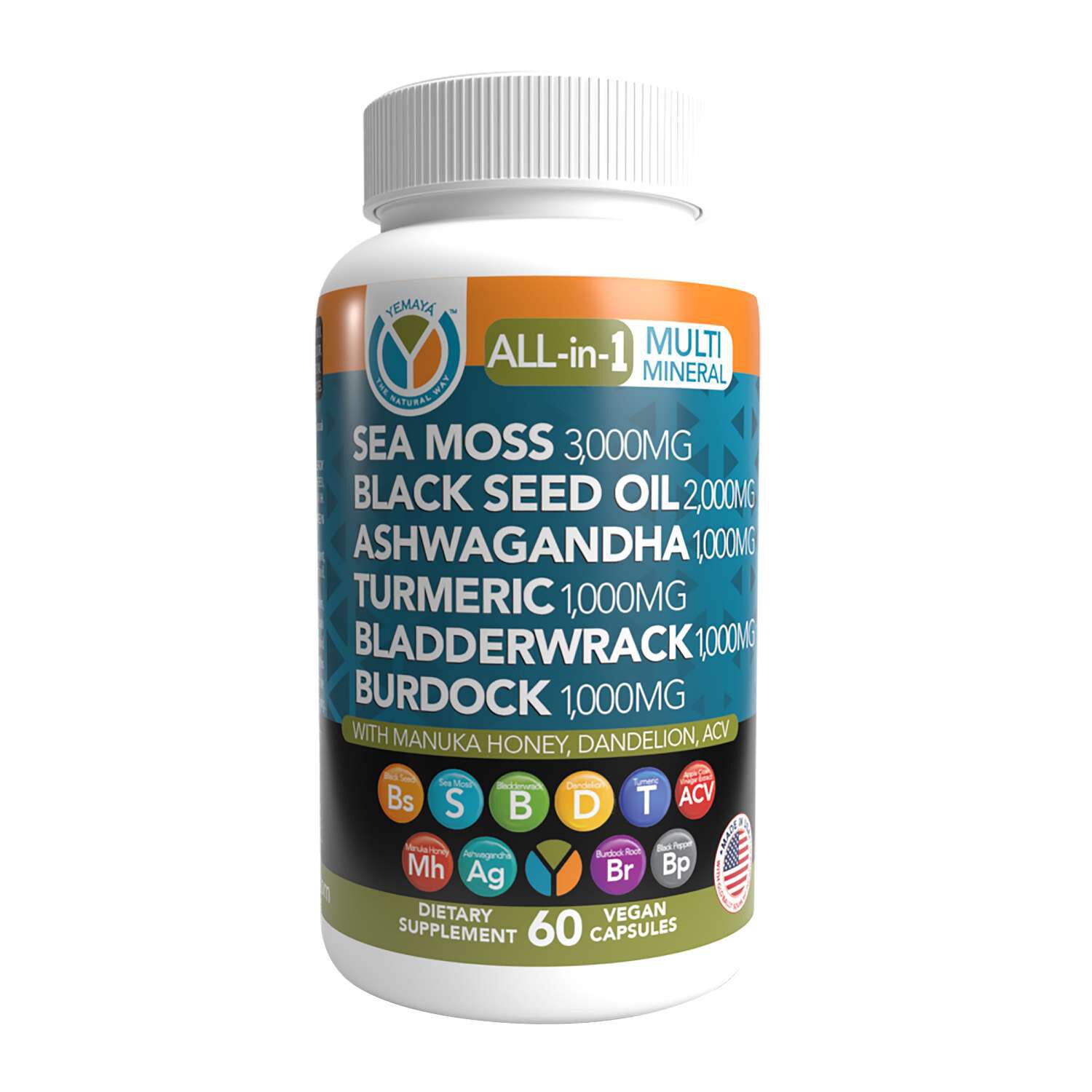 Yemaya Organics$28.99
-

-
Herbal nutrition supplements, also called botanical dietary supplements, are products taken by mouth that contain plants, plant parts, or plant extracts. Their intended use is to supplement the diet. A formula might contain a single botanical or combine several, and the plant material may come from leaves, roots, flowers, berries, seeds, or bark. The plant part matters when comparing labels: a powder made from a ground root and an extract prepared from the leaves of the same plant are different ingredients, even when the name on the front of the bottle looks familiar. The common name is often the easiest one to recognize, while a scientific name, when listed, can help distinguish plants with similar names. The preparation offers another clue to what’s inside. Dried plant material can be milled into a powder, while an extract is made by drawing selected compounds from the plant material. An extract can remain in liquid form or be dried for use in a capsule, tablet, or powder. That means a capsule describes how the supplement is taken, not whether it contains ground plant material or an extract. Two bottles can look almost identical on a shelf and still contain preparations that differ in both the plant part used and the way it was processed. Herbal formulas can also include ingredients from sources other than plants. Someone comparing options by ingredient rather than by format can look for the botanical name, plant part, and preparation together, then check whether that botanical is the only one in the formula or part of a blend. Browse Herbal Supplements For Healthy Living.
The Supplement Facts panel provides a more useful comparison than the front of the package alone. The serving size appears alongside the amounts listed per serving, so two products with the same number of milligrams on their labels may not have the same amount in each capsule or tablet. One listed serving might consist of one capsule, while another might consist of two. The same distinction applies to liquids and powders, where the serving is measured by volume or weight rather than counted out. In a formula with several botanicals, the label may show an amount for each one. A proprietary blend may instead show one amount for the blend as a whole, followed by the names of its components. Extract labels sometimes identify a particular compound and state the proportion found in the preparation. That information describes the makeup of the extract; by itself, it doesn’t make two formulas interchangeable. The Other Ingredients list adds a different set of details. It may identify what the capsule shell is made from or list ingredients used to hold a tablet together, give a liquid its flavor, or keep a powder easy to measure. For someone who prefers a plant-derived capsule shell, that part of the label can be just as useful as the botanical listing. A plant-based ingredient inside a capsule doesn’t necessarily mean the shell comes from a plant. Packaging can also matter to someone who wants a format that fits neatly on a crowded shelf or in a travel bag. A compact bottle of capsules takes up a different amount of space than a powder tub, and a liquid bottle may come with a dropper or other measuring device. Those details are worth noticing alongside the formula, especially when comparing packages that hold a different number of servings.
The practical differences between formats are often easiest to picture in a familiar setting. A capsule or tablet is already portioned, which may suit someone who prefers not to measure or mix anything at a busy kitchen counter. A loose powder requires measuring but may be a better fit for someone who already keeps a glass and spoon handy and likes a format that can be mixed as directed. A liquid offers another option for someone who prefers not to swallow a tablet, though the measuring device and the units marked on it become part of the routine. Powders and liquids may have an earthy, bitter, or otherwise noticeable botanical flavor, depending on the plant and preparation. Capsules may make that flavor less noticeable because the contents are enclosed. The package directions are also where practical differences show up: one powder may be meant to stir into water, while another may name a different way to prepare it. Storage is part of the comparison, too. A bottle that fits beside the kettle may be better kept inside a cupboard if its label calls for a dry spot away from direct light. Keeping a product in its original container leaves the ingredient list, serving information, storage directions, and any printed date together. For powders, a tightly closed lid and a dry measuring utensil can help keep moisture out of the container. For liquids, the original cap and measuring device can make the bottle easier to close and the next serving easier to measure. Whether someone is familiar with botanical supplements or browsing the category for the first time, the most useful differences are often the ones that show up each time the package is opened: what’s in the formula, how a serving is measured, how the supplement is taken, and where it can be stored between uses.
Best Sellers
-
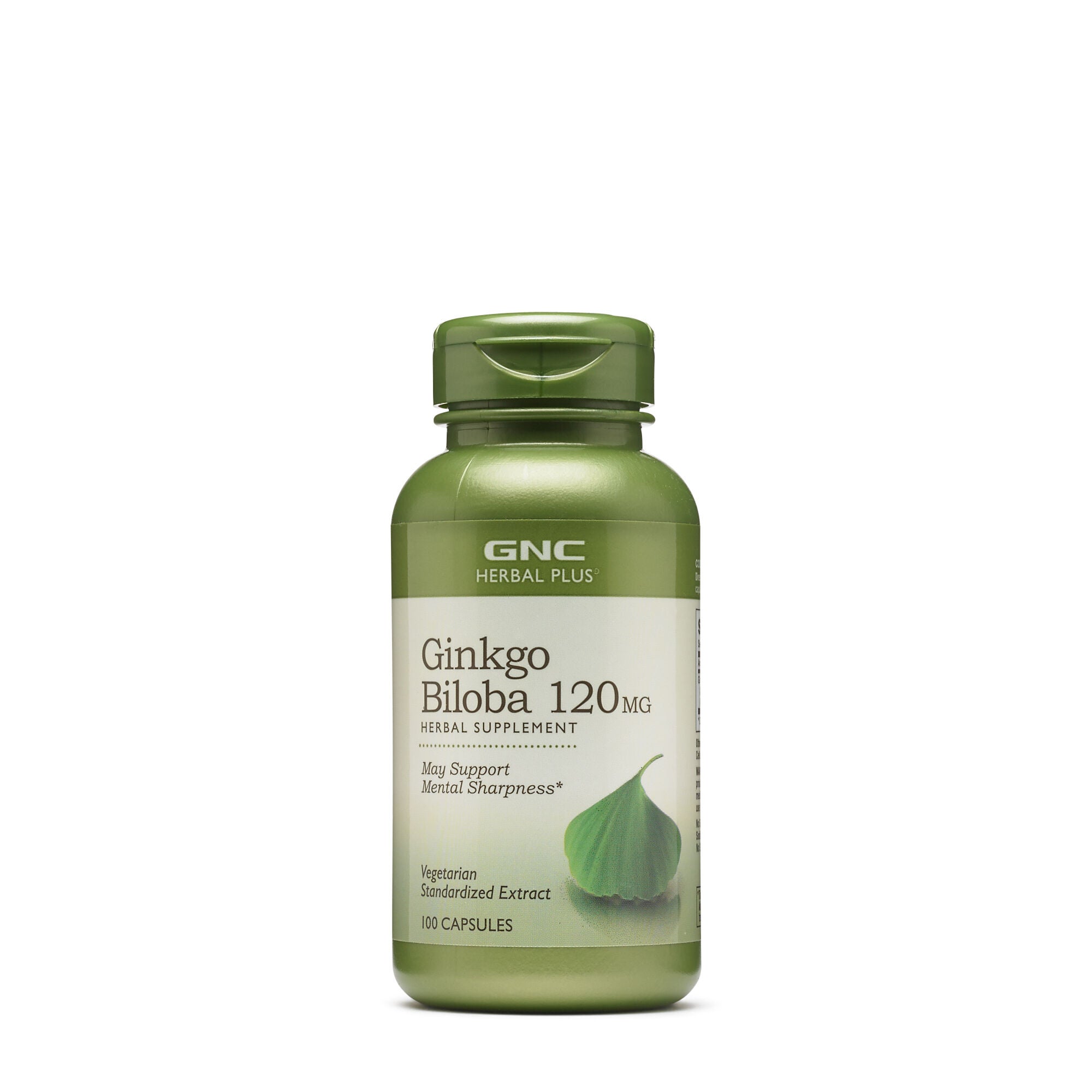
GNC Herbal Plus
-
GNC Herbal Plus
-
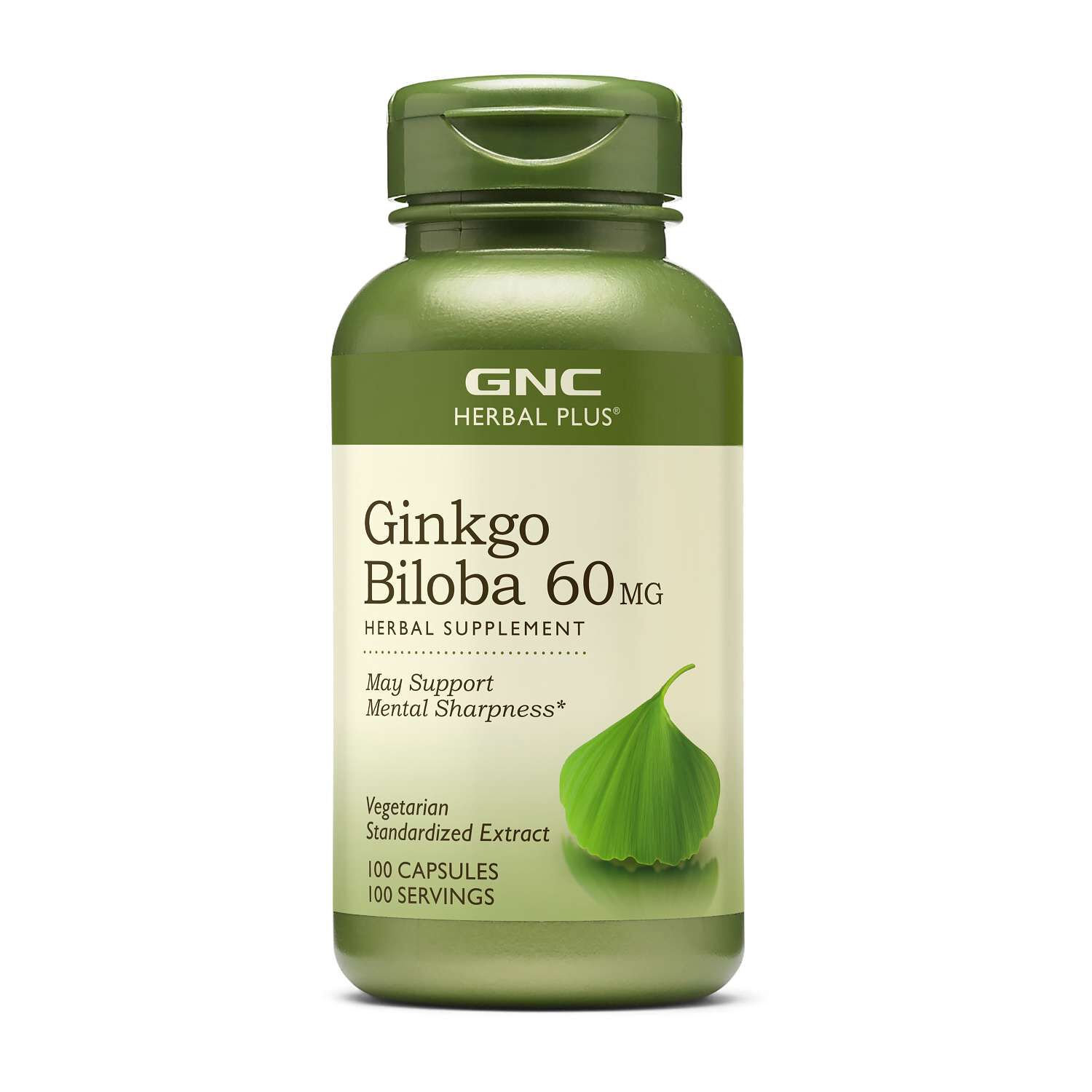
GNC Herbal Plus