Herbal Extracts
(0 Results)
Explore a world of natural wellness with our collection of herbal extracts. From ancient remedies to modern blends, these potent extracts are designed to support your overall health and well-being. Whether you're looking for a boost in energy, immune support, or simply seeking balance, our herbal extracts offer a convenient and effective way to incorporate nature's goodness into your daily routine. Discover a variety of botanical extracts known for their beneficial properties and enhance your wellness journey with GNC.
-

-

-

-

-

-

-
-

-

-

-

-
 $15.99
-

-

-

-

-
-
 $36.99
-

-

-

-
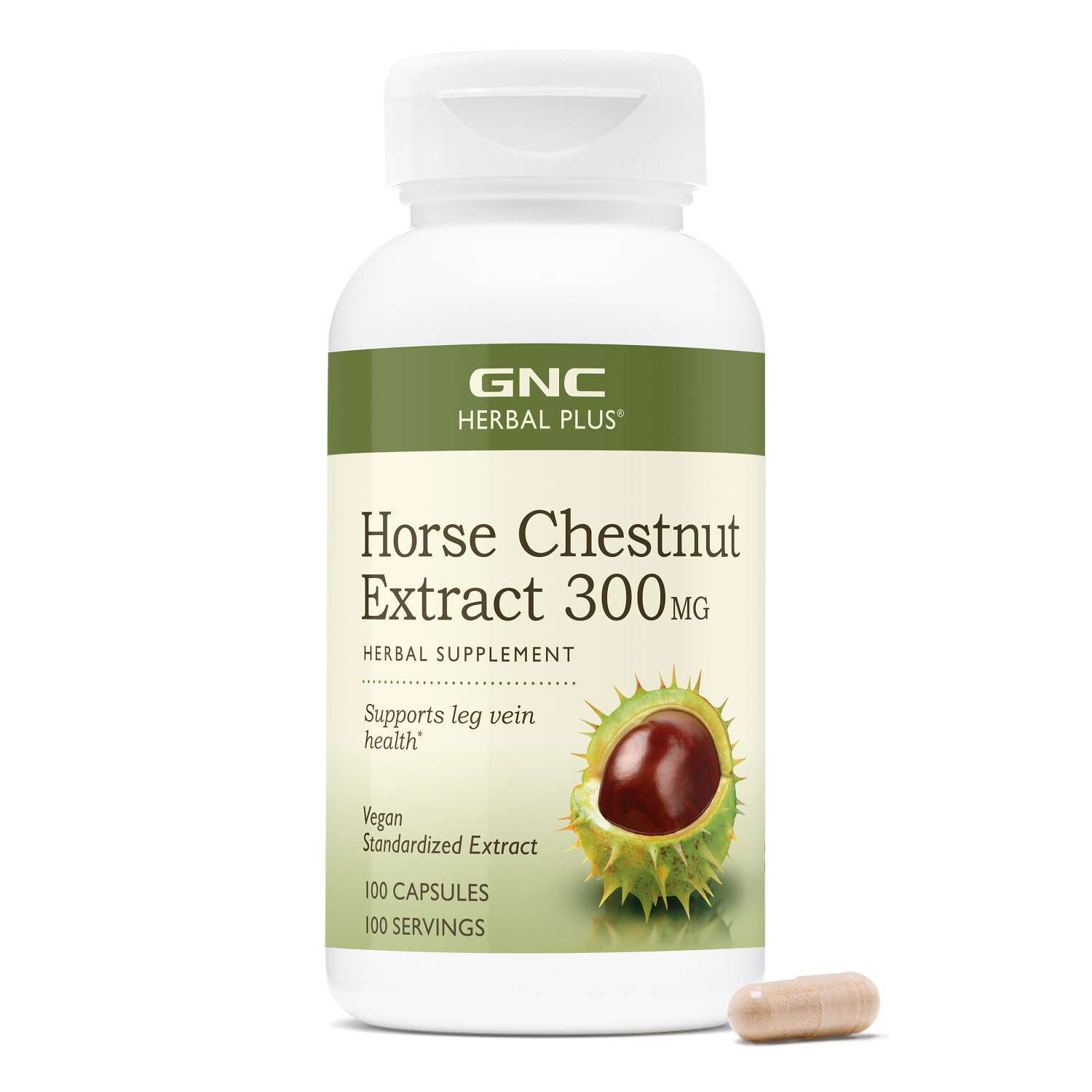 GNC Herbal Plus$24.99
-

-

Herbal extracts are botanical preparations made by drawing selected plant constituents into a liquid medium, then retaining that liquid or drying it into an extract powder. They differ from whole-herb powders, which contain dried plant material ground into small particles. During extraction, liquid comes into contact with plant material, and the resulting preparation is separated from much of the remaining plant fiber. Water, alcohol, vegetable glycerin, and oils are among the materials used in this process, depending on the plant and the constituents being collected. Some preparations involve more than one extraction medium. The finished extract may remain a liquid or become an ingredient in capsules, tablets, softgels, or powdered supplements. An alcohol-based liquid preparation is often called a tincture, although not every liquid herbal extract is a tincture. These distinctions explain why botanical supplements with similar names can have different ingredient panels, serving sizes, and physical forms. Plant identity matters as much as format: roots, leaves, flowers, bark, seeds, and fruit from the same species can have different compositions. A label that identifies both the botanical name and the plant part provides a more precise description than a common name alone. Growing conditions, harvest practices, and processing methods also contribute to differences among preparations. Herbal extracts are therefore a broad category rather than a single interchangeable ingredient. Their appeal may include an interest in botanical traditions, a preference for a particular supplement format, or the convenience of a measured preparation. For adults comparing options for an established supplement routine, the most useful distinctions often begin with what plant is present, how it was prepared, and how the finished formula is intended to be used. A capsule containing an extract and a capsule containing ground herb might look nearly identical on the outside, while the details on their labels describe meaningfully different preparations. Neither appearance nor a familiar botanical name alone tells the whole story.
The Supplement Facts panel and accompanying ingredient list provide context for comparing herbal extracts without relying on the size of a bottle or the prominence of a number on its front label. An amount listed per serving is not necessarily the amount in each capsule, tablet, or dropperful; the serving size establishes that relationship. An extract ratio describes a relationship between the starting botanical material and the resulting extract, but it does not, by itself, establish how two finished supplements compare. Extraction methods, plant parts, and the constituents retained during processing can differ. A standardized extract identifies a specified amount or proportion of a particular constituent or group of constituents. That information describes composition, not a certain personal outcome. It also does not mean that every constituent naturally present in the plant appears in the finished preparation. Single-botanical formulas center on one named plant, while blends combine multiple botanicals and sometimes other supplement ingredients. Where individual ingredient amounts are disclosed, those details make the formula easier to understand. The other ingredients section adds another layer of information, including capsule materials, tablet binders, liquid carriers, oils, sweeteners, or flavorings. Capsule shells may use gelatin or plant-derived materials, a distinction that may matter to shoppers with dietary preferences. Liquid preparations can differ in alcohol content and in the carrier ingredients that contribute to their consistency. A dry extract may also include ingredients used during processing or to help maintain its powdered form. Manufacturing and testing information can add context when it identifies what was evaluated, such as botanical identity or the presence of specified substances. A certification or testing statement is most informative when its scope is clear. Taken together, these details create a fuller picture of the preparation than broad language about botanical heritage or concentration alone. They also help distinguish a straightforward formula from a blend with a longer ingredient list, without assuming that one approach suits every shopper.
Format, packaging, and everyday handling round out the differences within herbal extracts. Capsules and tablets have defined unit sizes, while liquid preparations use the measuring directions and device specified on the label. Dropper markings are not necessarily interchangeable between bottles, and a household spoon is not the same as a marked measuring device. Some liquids have a pronounced botanical aroma or taste, and formulas containing glycerin may have a sweeter character than other preparations. Powdered extracts vary in texture and mixing behavior; directions determine whether a particular formula belongs in a beverage or has another intended use. Someone who carries supplements between home and work may prefer a securely closed container that fits neatly into a bag, while another shopper may favor a bottle with clearly printed measurements for use at home. Original packaging keeps the ingredient information, lot identification, storage directions, and date marking together. Amber or opaque containers are common packaging choices for preparations that require protection from light, but the label remains the source for storage requirements. Moisture, prolonged light exposure, and an improperly closed lid can affect the condition of botanical preparations, making a dry storage location and careful closure practical considerations when specified. Some liquids may naturally contain sediment, so any instruction to shake the bottle is relevant to handling that formula. Color and aroma can also vary with botanical materials, making those characteristics alone an unreliable basis for comparing composition. Related categories such as Herbal Vitamins offer another way to explore botanical supplements, although an herbal extract is not automatically a source of vitamins. The ingredient panel clarifies whether a formula contains botanicals, added vitamins, or a combination. Across these formats, a thoughtful selection rests on clear botanical identification, understandable preparation details, compatible ingredients, and packaging suited to the intended routine. Those concrete distinctions keep the focus on what the supplement contains and how it is designed to be handled.
Best Sellers
-
GNC Herbal Plus
-
GNC Herbal Plus