





Herbal Mood Boosters For Adults
(0 Results)
Herbal mood boosters for adults offer a natural approach that may help support emotional well-being and balance. With a variety of botanicals traditionally used to promote relaxation and a positive outlook, these herbal options could be a valuable addition to your daily wellness routine. Explore herbal mood boosters for adults to discover plant-based supplements that may fit your lifestyle and personal wellness goals.
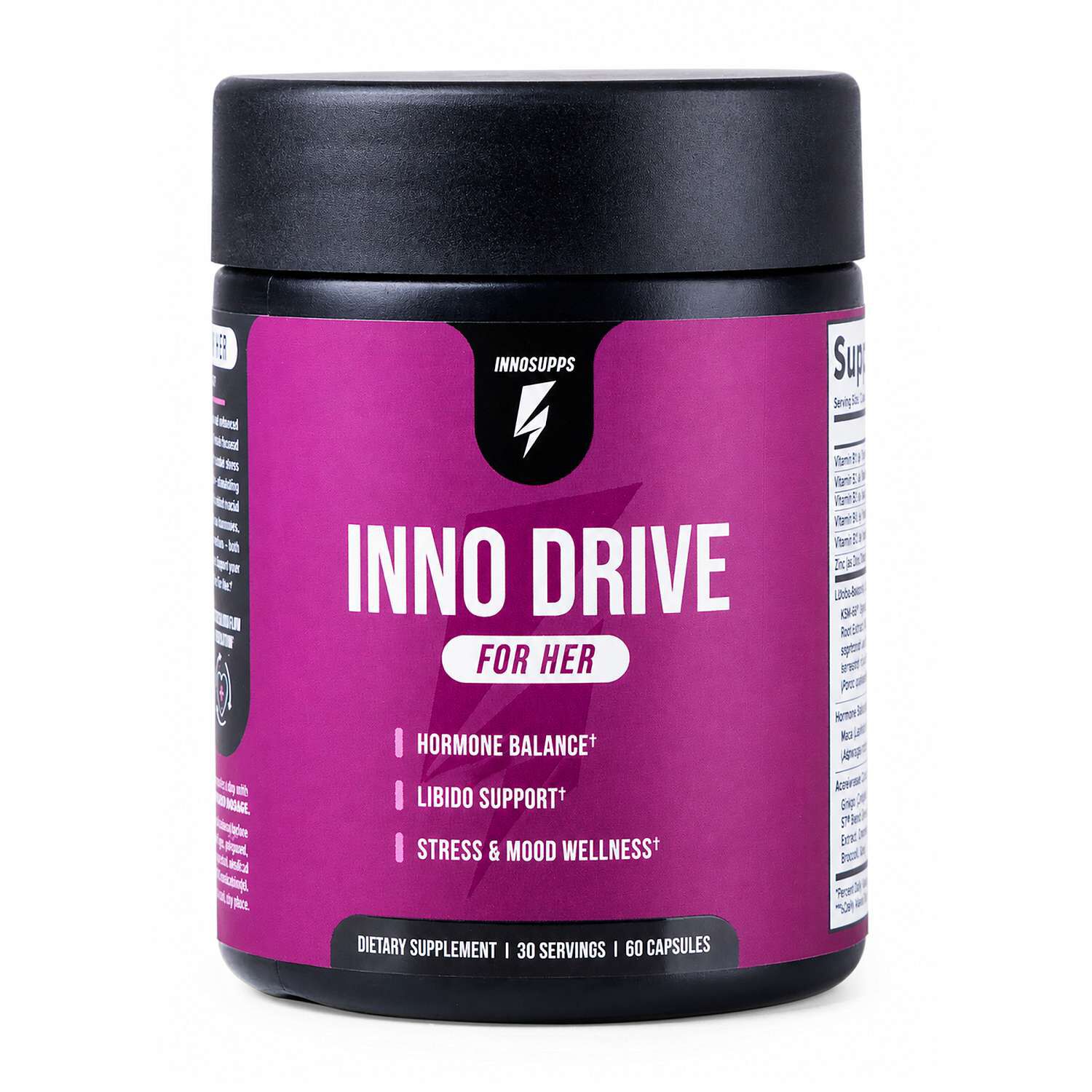
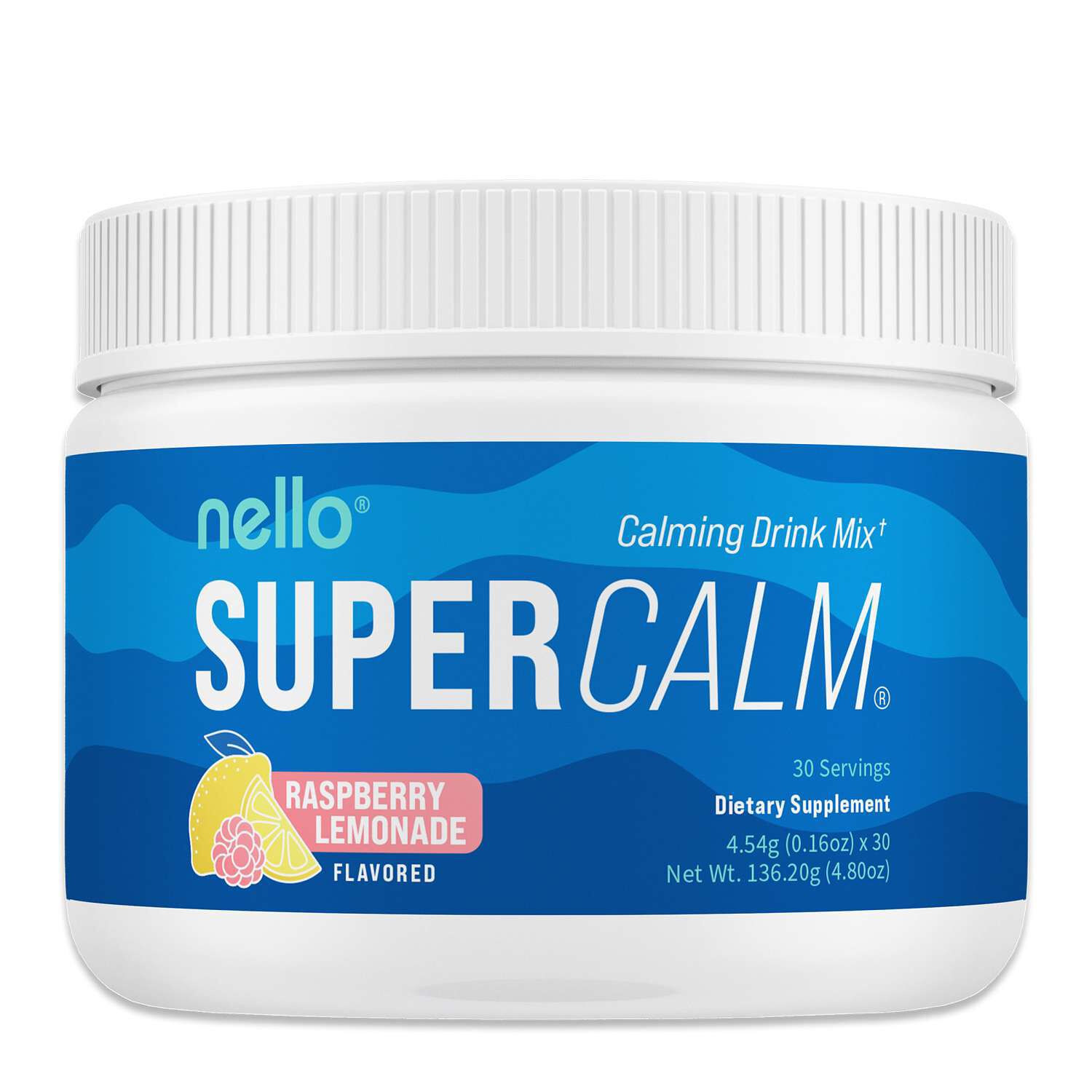
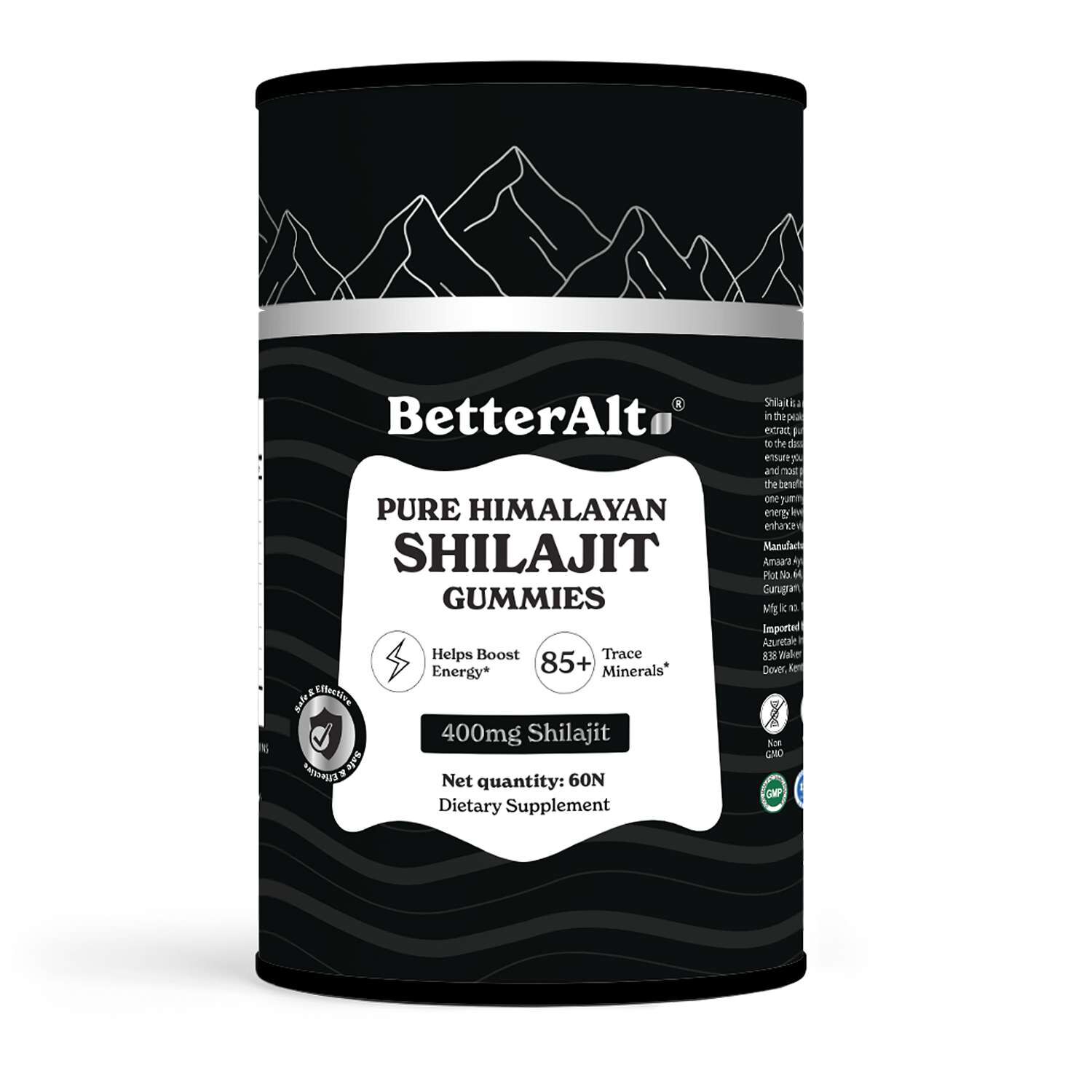

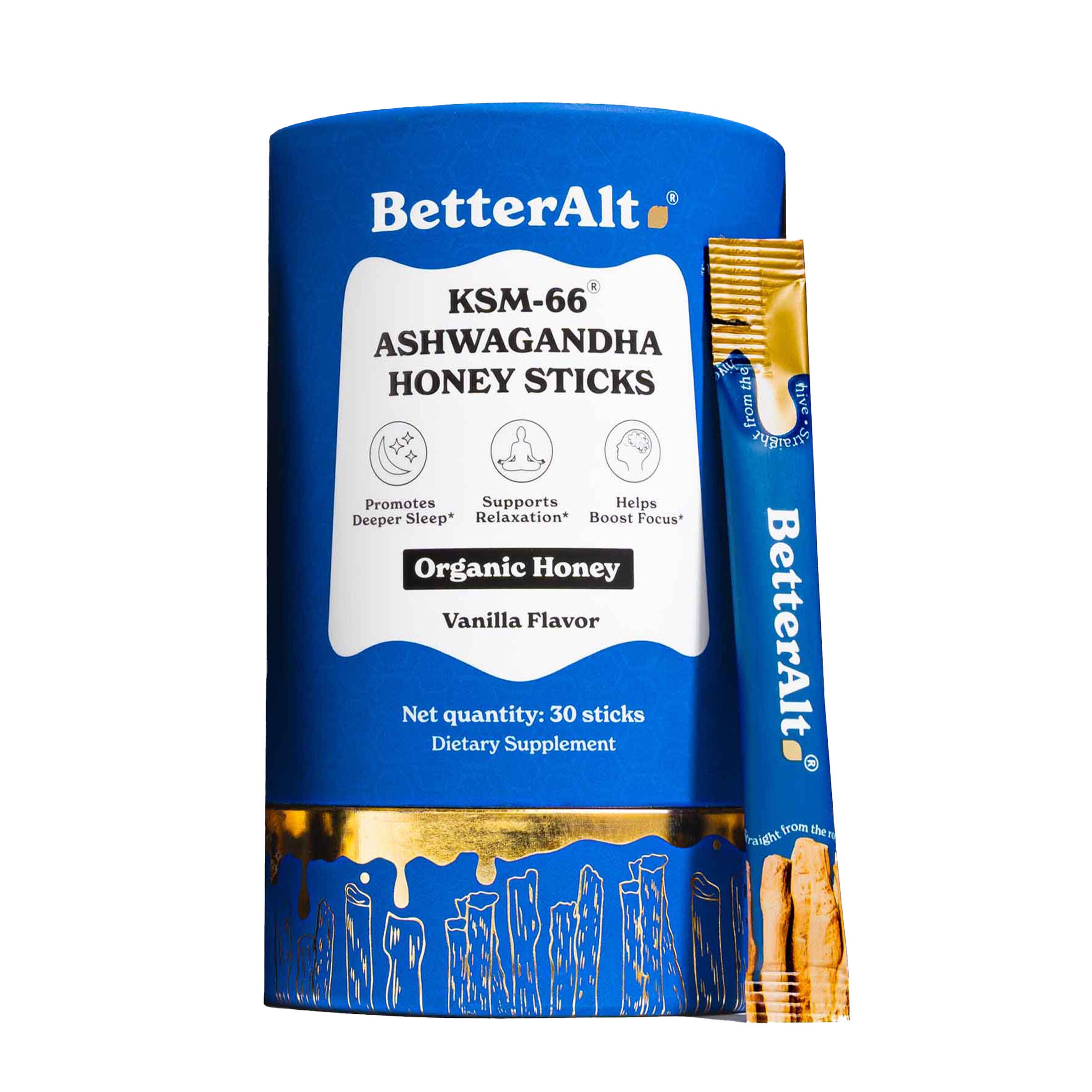


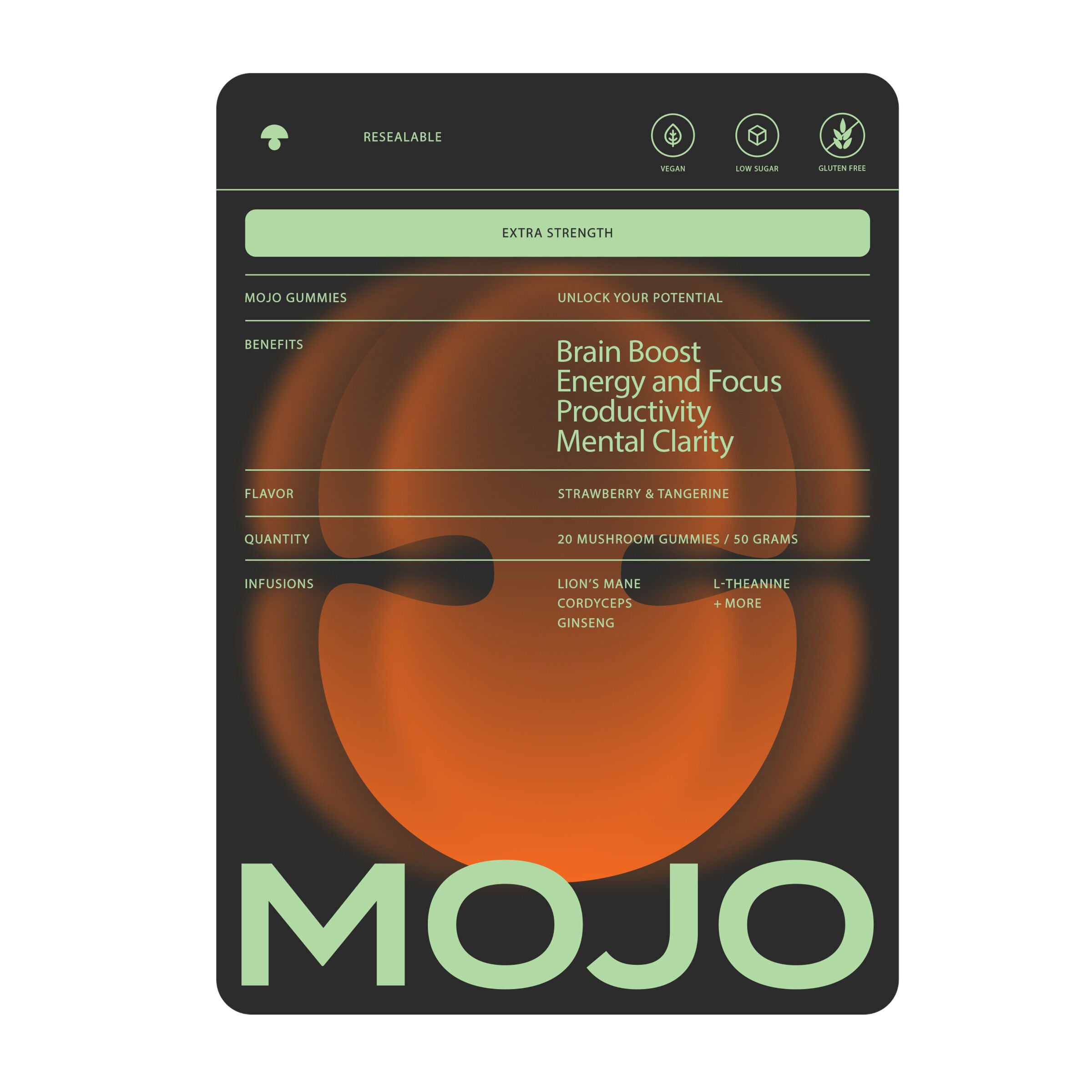
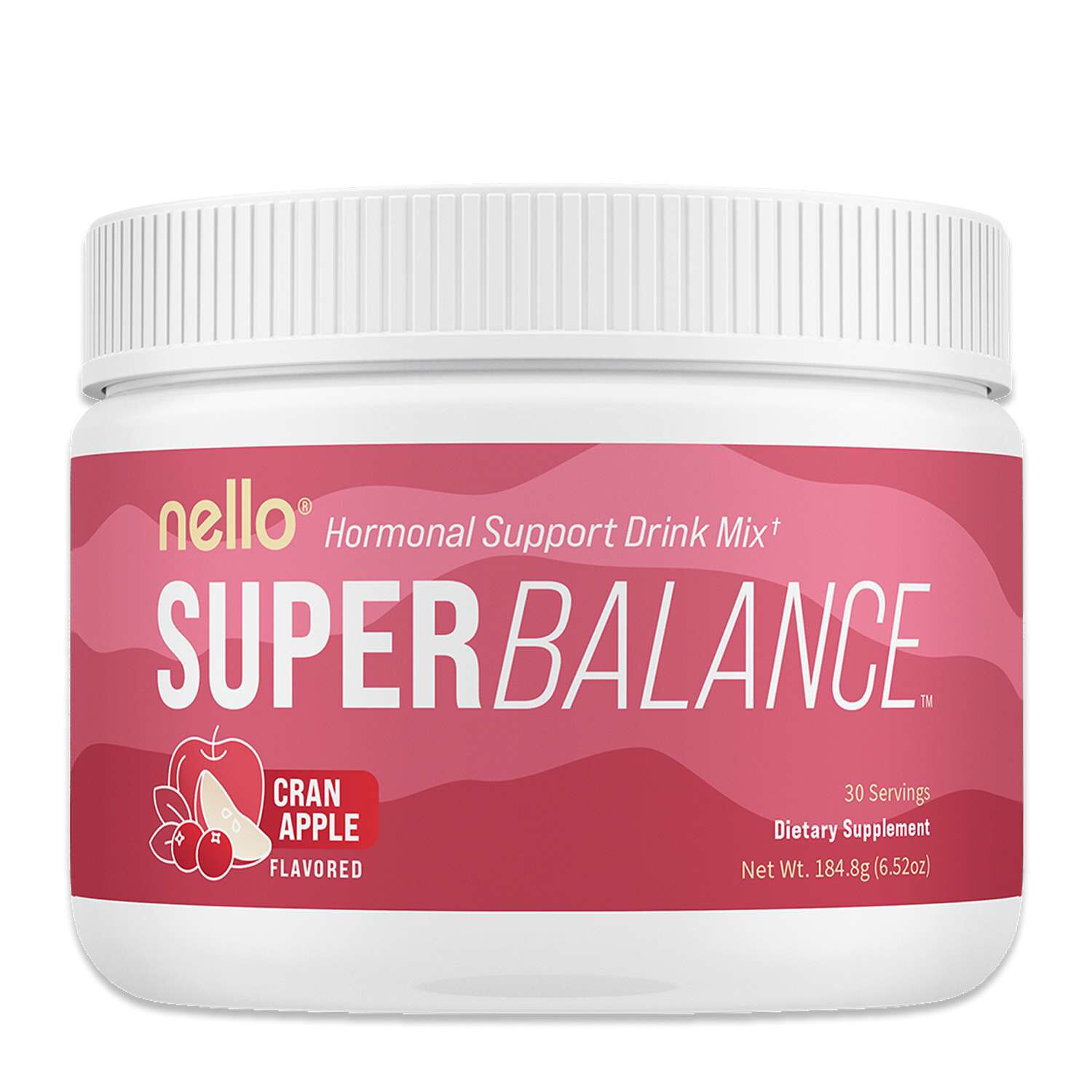
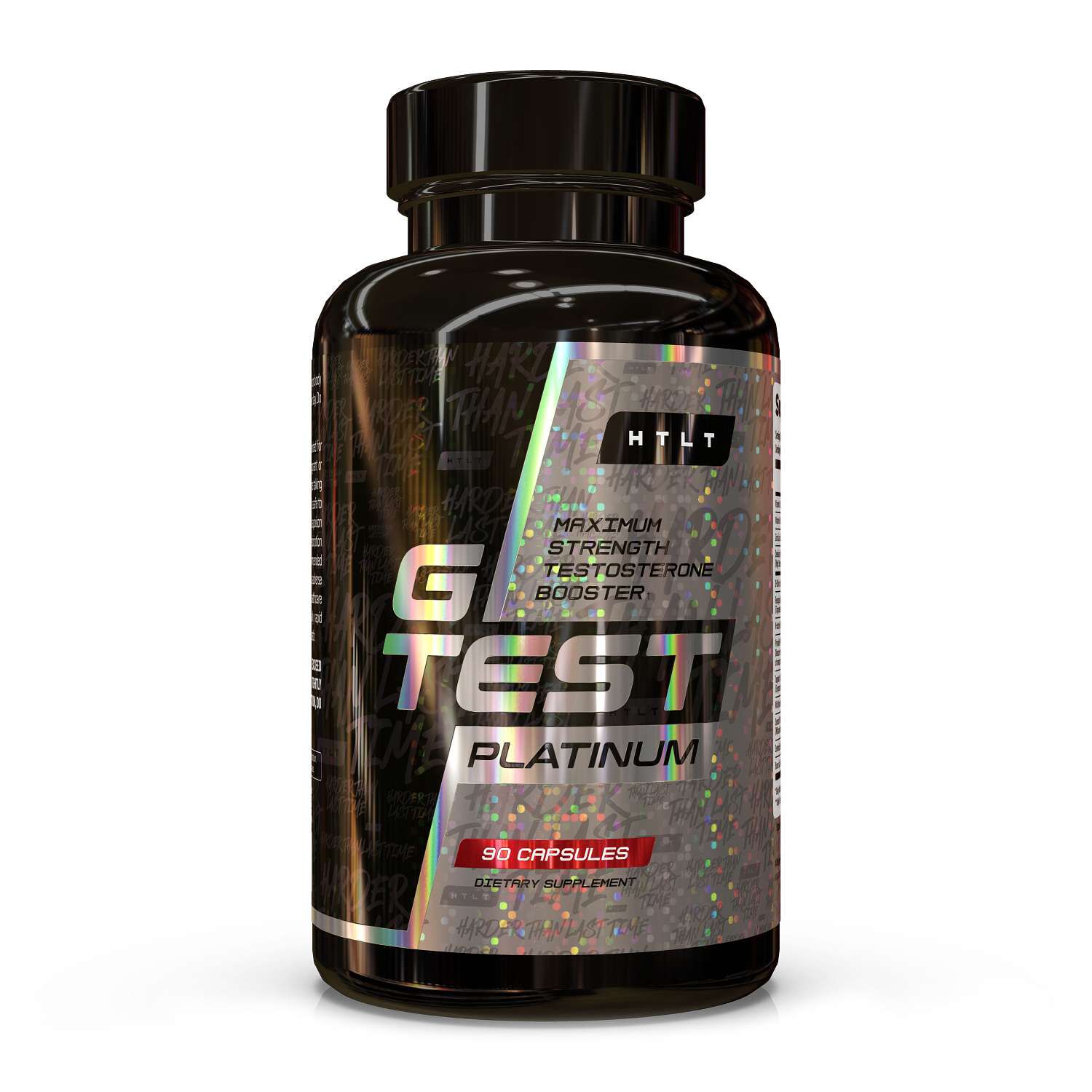
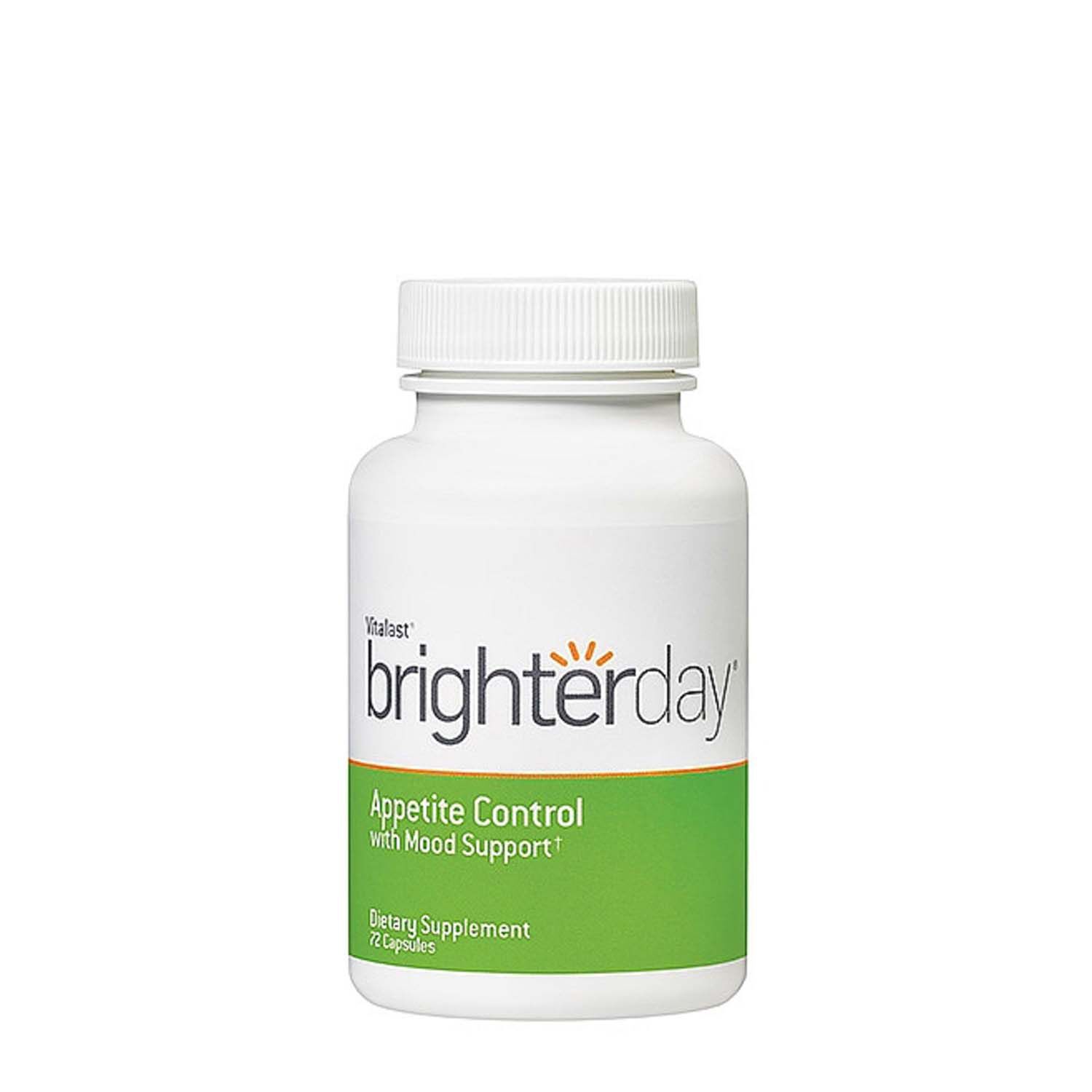

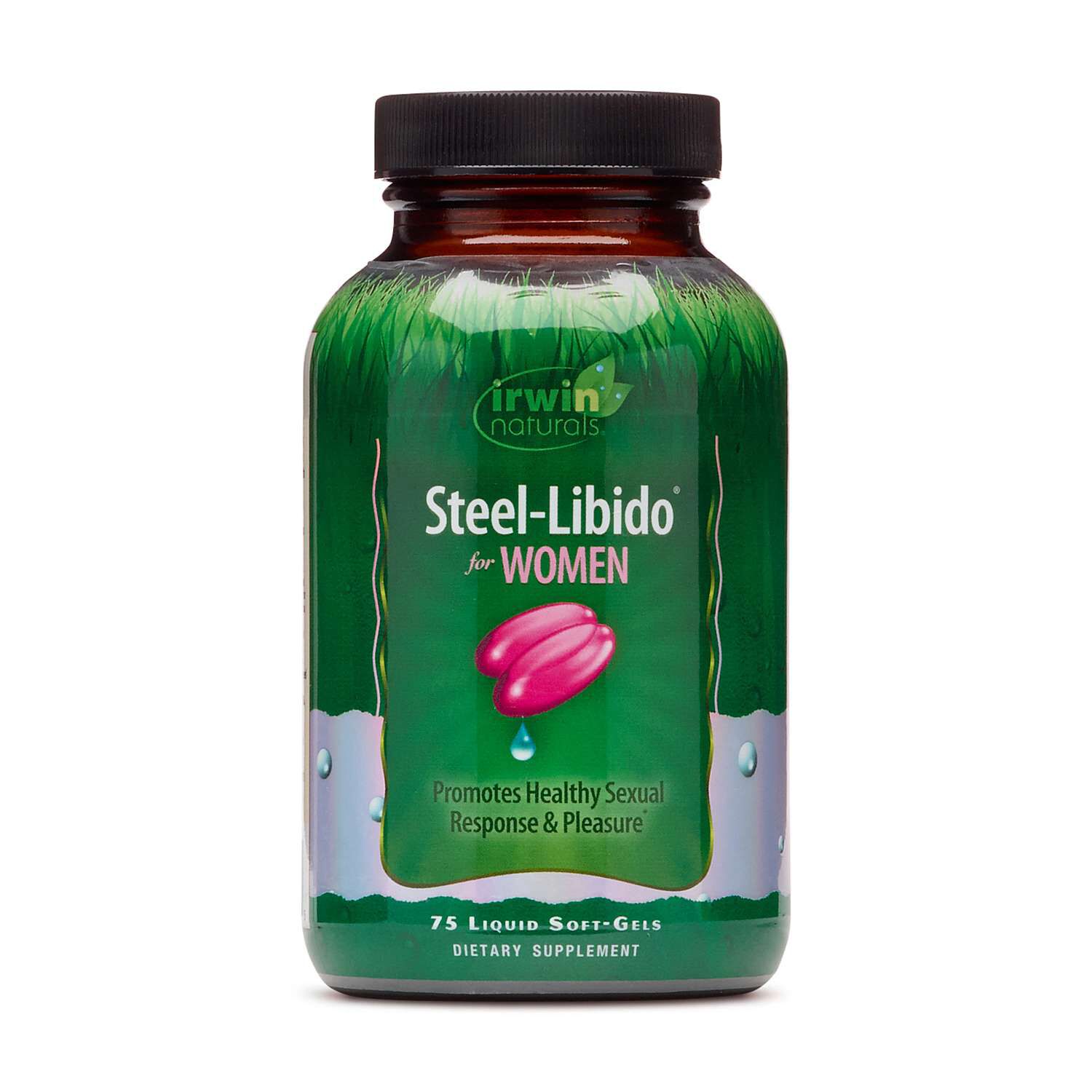
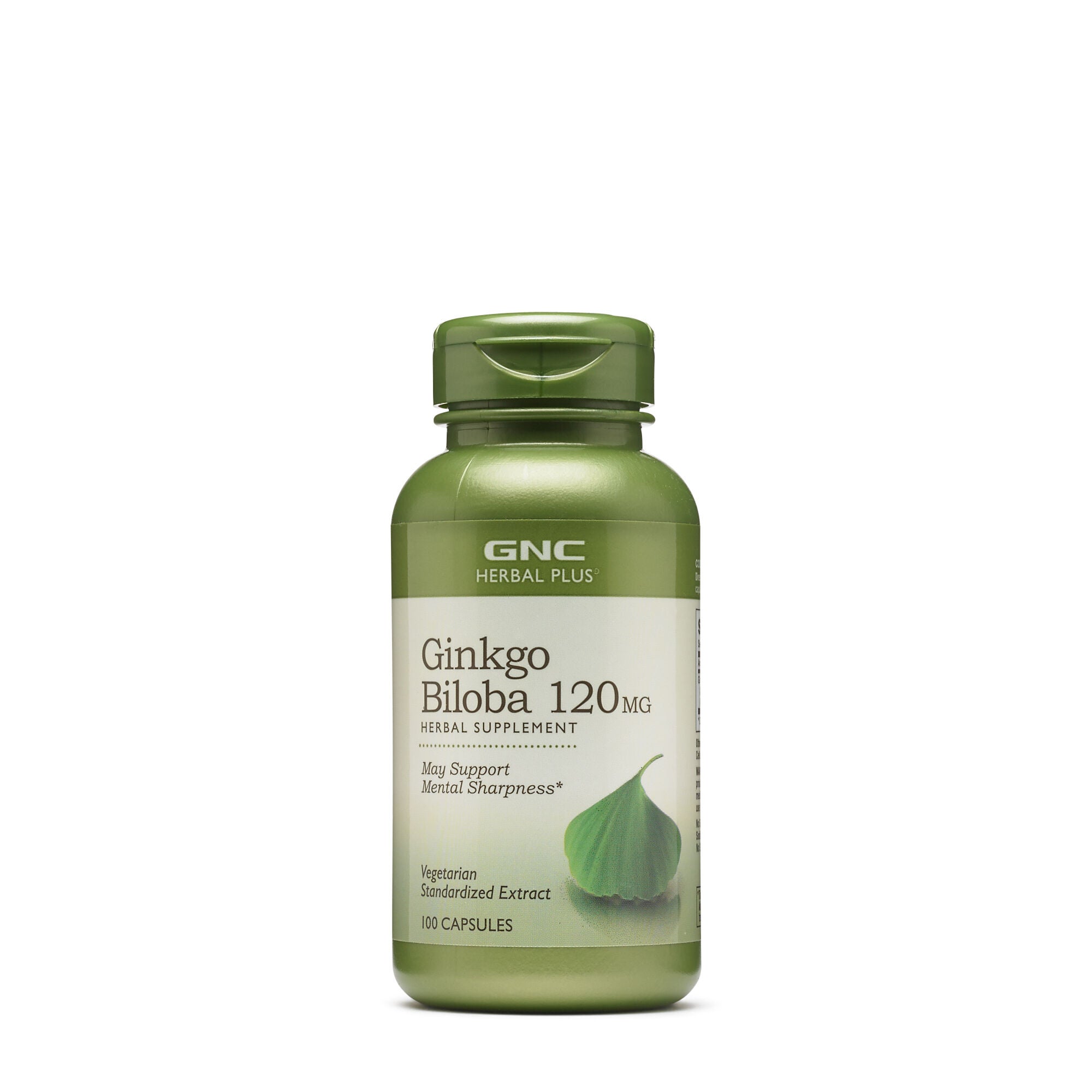
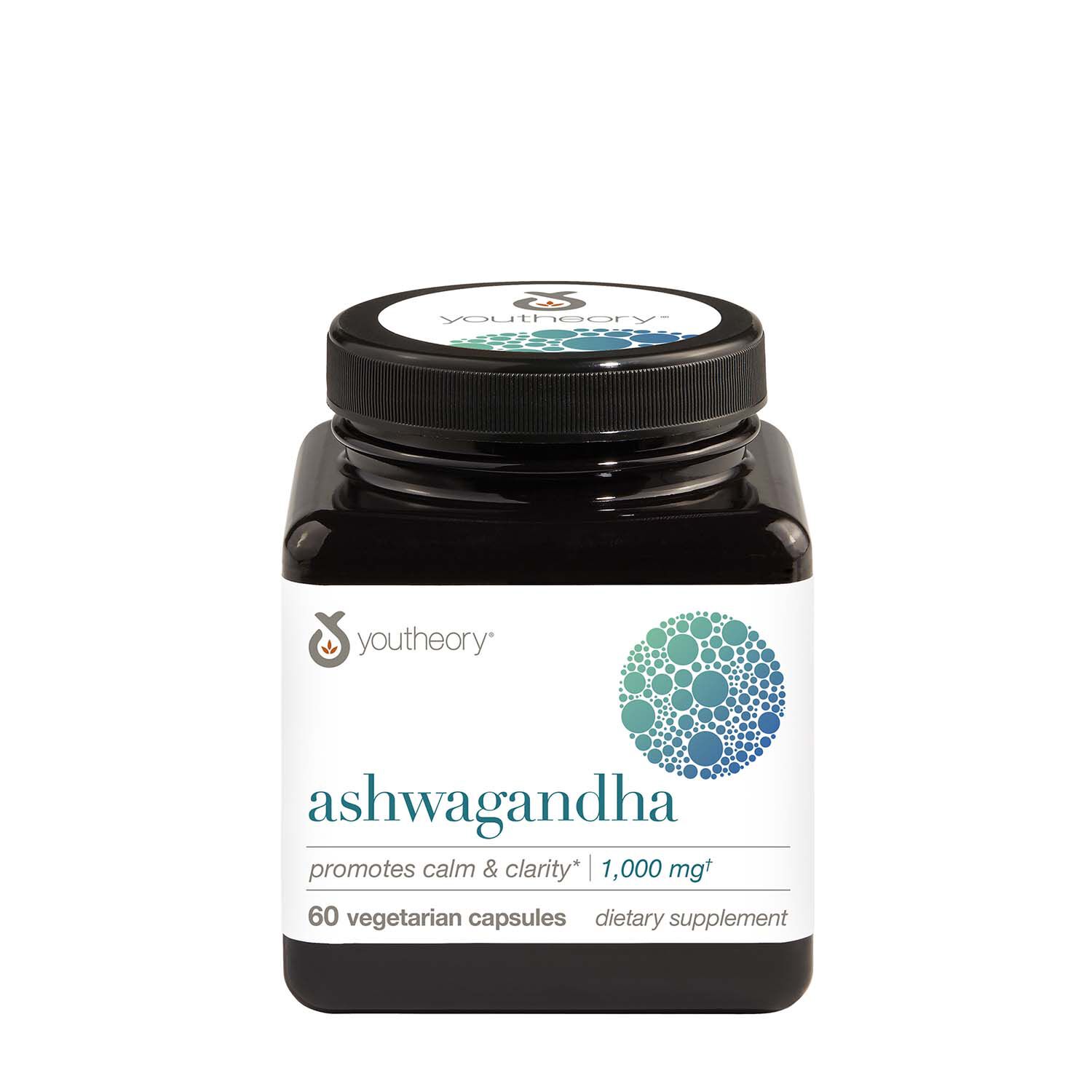
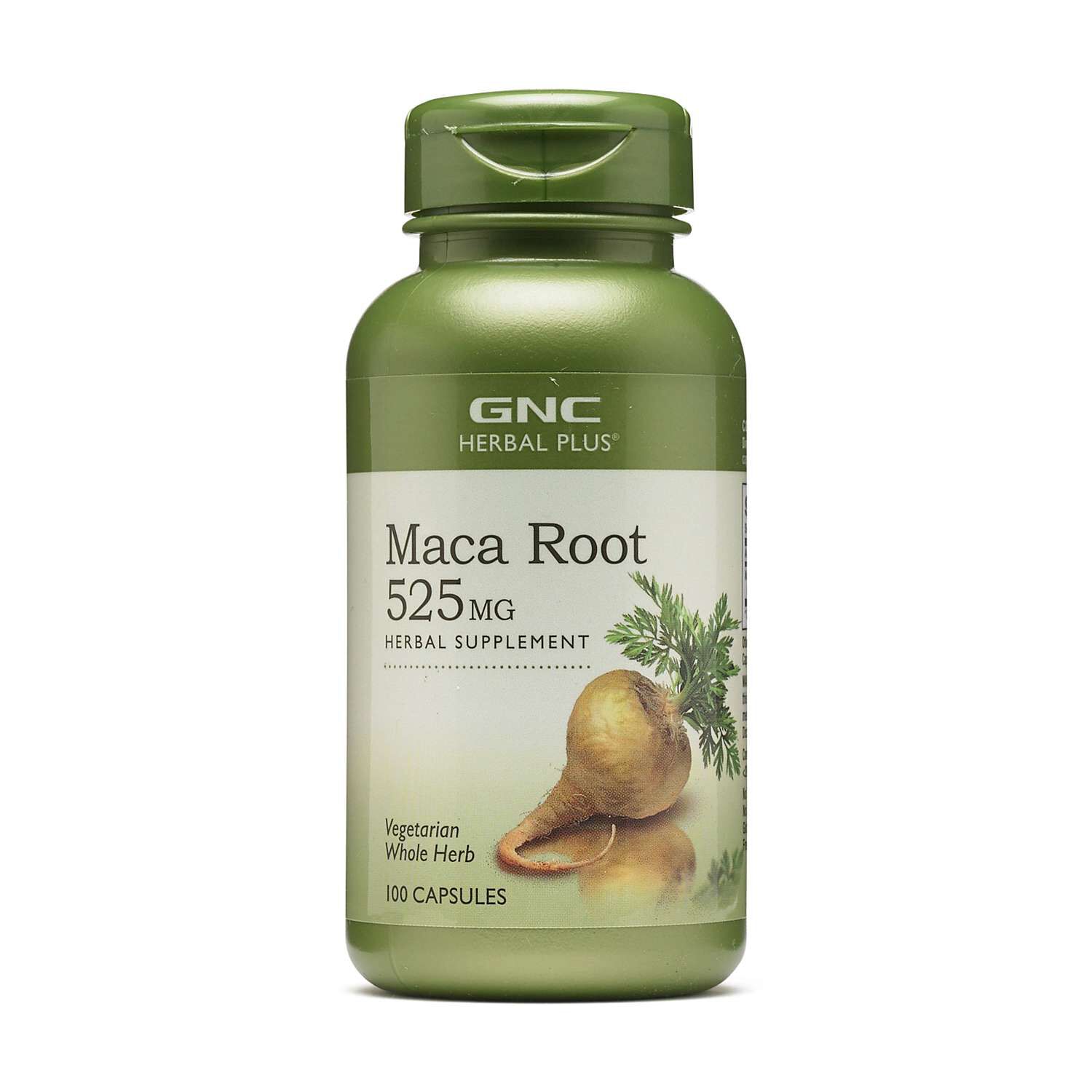

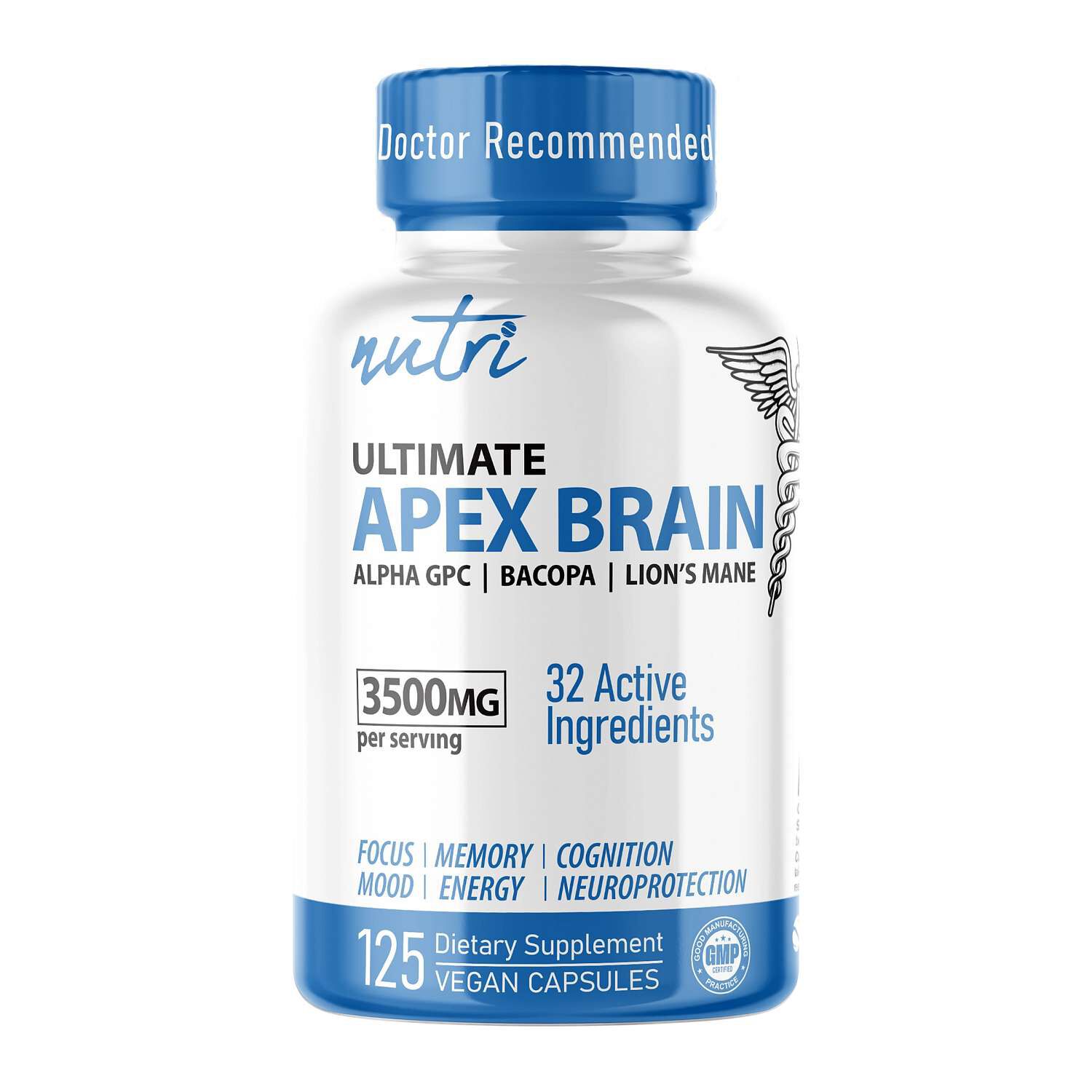
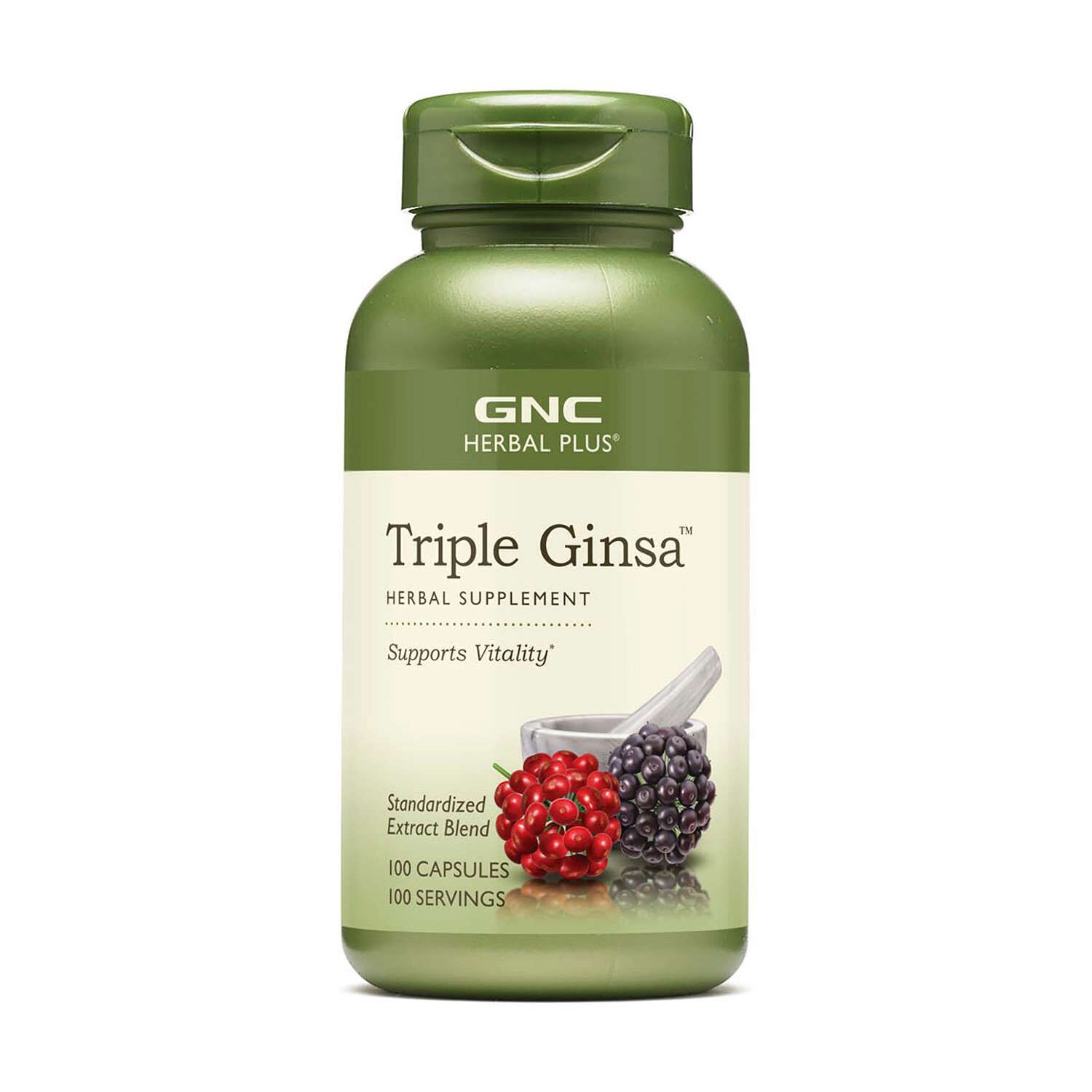
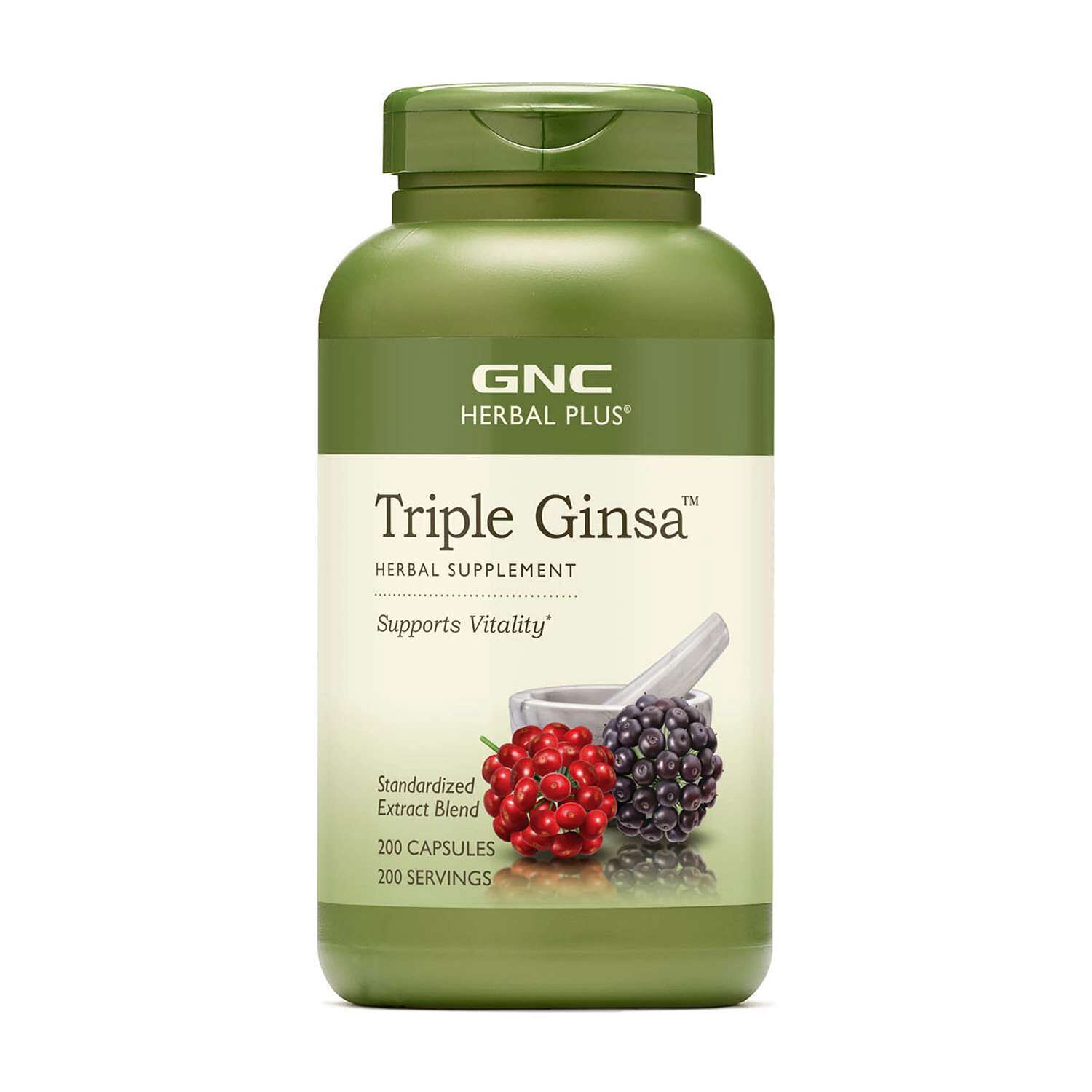


Herbal mood supplements for adults bring together botanical ingredients in formats intended for an adult wellness routine. Depending on the ingredients and formulation, these supplements may support everyday emotional balance, a sense of calm, or relaxation. The category includes single-herb preparations and blends, with familiar botanicals such as ashwagandha, rhodiola, saffron, lemon balm, and lavender. These names describe different plants, not interchangeable versions of the same ingredient. Ashwagandha formulas often identify the root, while rhodiola preparations may use the root and rhizome, the plant’s underground stem. Lemon balm preparations commonly feature the leaves, lavender preparations may use flowers or flower-derived ingredients, and saffron comes from the dried stigmas of the crocus flower. Those distinctions give a botanical label more meaning than a plant name alone. They also help explain why two formulas can look quite different, even when both belong to the same broad wellness category. Ashwagandha and rhodiola often appear under the term adaptogen, while lemon balm and lavender are frequently associated with relaxation-focused formulas. Saffron also appears in supplements intended for everyday mood support. Intended use is only one part of the description; the ingredient form, serving size, and other components provide additional context. An adult who prefers a straightforward ingredient list may be drawn to a single-herb formula, while someone who prefers fewer separate containers may consider a botanical blend. Neither approach establishes what an individual will experience. For someone moving between workplace responsibilities, household tasks, and personal downtime, the practical consideration is how a supplement fits an existing routine. A quiet moment after putting away a laptop or an unhurried pause before an evening activity offers a familiar setting for thinking about personal wellness habits. A botanical supplement may complement those habits, without making any particular feeling or timetable a given. Familiarity with an herb’s name is useful background, but the details of the actual preparation matter just as much.
Format is another meaningful distinction among herbal supplements for adults. Capsules, tablets, softgels, gummies, liquids, and herbal teas each involve different preferences around texture, flavor, preparation, and storage. A capsule generally keeps the botanical material enclosed until use, while a liquid or tea makes taste and aroma a more noticeable part of the experience. Tablets vary in size and coating, and softgels commonly contain a liquid or oil-based preparation within a flexible shell. Gummies involve chewing and may include sweeteners, colors, and flavoring ingredients in addition to the featured botanicals. For an adult who prefers not to taste an herb, an enclosed format may be appealing; someone who enjoys a deliberate preparation ritual may prefer measuring a liquid or steeping a tea according to its package directions. Capsule shells may contain gelatin or plant-derived materials, so the ingredient panel is relevant to dietary preferences as well as botanical content. Serving size deserves similar attention: the amount listed on a label may refer to more than one capsule, gummy, or other unit. A milligram number also needs context because powdered plant material and concentrated extracts are different preparations. An extract ratio describes the relationship between the starting botanical material and the resulting extract, while standardization identifies a specified amount or proportion of selected plant constituents. Those details describe composition; they do not establish how a person will feel. Blends add another layer of comparison because a prominently named herb may share the formula with several other ingredients. Where individual ingredient amounts are disclosed, they offer more detail than a blend name alone. Information about ingredient identity, manufacturing practices, and testing can contribute to a clearer understanding of a formula, without predicting an individual experience. The most informative comparison considers the full ingredient panel, the stated serving, and the preparation type together rather than treating one large number on the front of a container as the deciding feature.
Everyday handling also matters when considering herbal mood supplements. Packaging is part of the product’s practical design: a resealable bottle, dropper closure, or individually wrapped tea portion has different storage and carrying considerations. Directions on the container take precedence over assumptions about where a supplement belongs. A bathroom shelf beside a steamy shower, a bag left in a parked car, or an open container near a kitchen sink can expose contents to conditions outside the package’s storage instructions. Keeping the original label with the contents preserves access to ingredient details, directions, caution statements, and the date printed on the package. For adults who carry supplements between home and work, closure design and the need for measuring tools may matter as much as the format itself. A liquid preparation involves different handling than a sealed capsule container, while tea requires access to water and preparation time. These are small distinctions, but they shape whether a format feels practical for a particular household or schedule. Adult labeling also matters: a product intended for adults is not automatically appropriate for every person, and botanical origin alone does not establish suitability. Package directions and caution statements remain important parts of the product description. For a broader look at related formulations, natural mood supplements offer another way to compare ingredient types and intended uses. A useful comparison stays grounded in what each formula contains, how it is prepared, and what its labeling actually says. Preferences may differ between an adult who values a short ingredient list, someone who enjoys the sensory ritual of tea, and someone who wants a format that requires little preparation. There is no single botanical, blend, or format that defines this entire category. Thoughtful consideration centers on transparent ingredient information, manageable preparation, appropriate storage, and a realistic place within an adult wellness routine.
Best Sellers
-
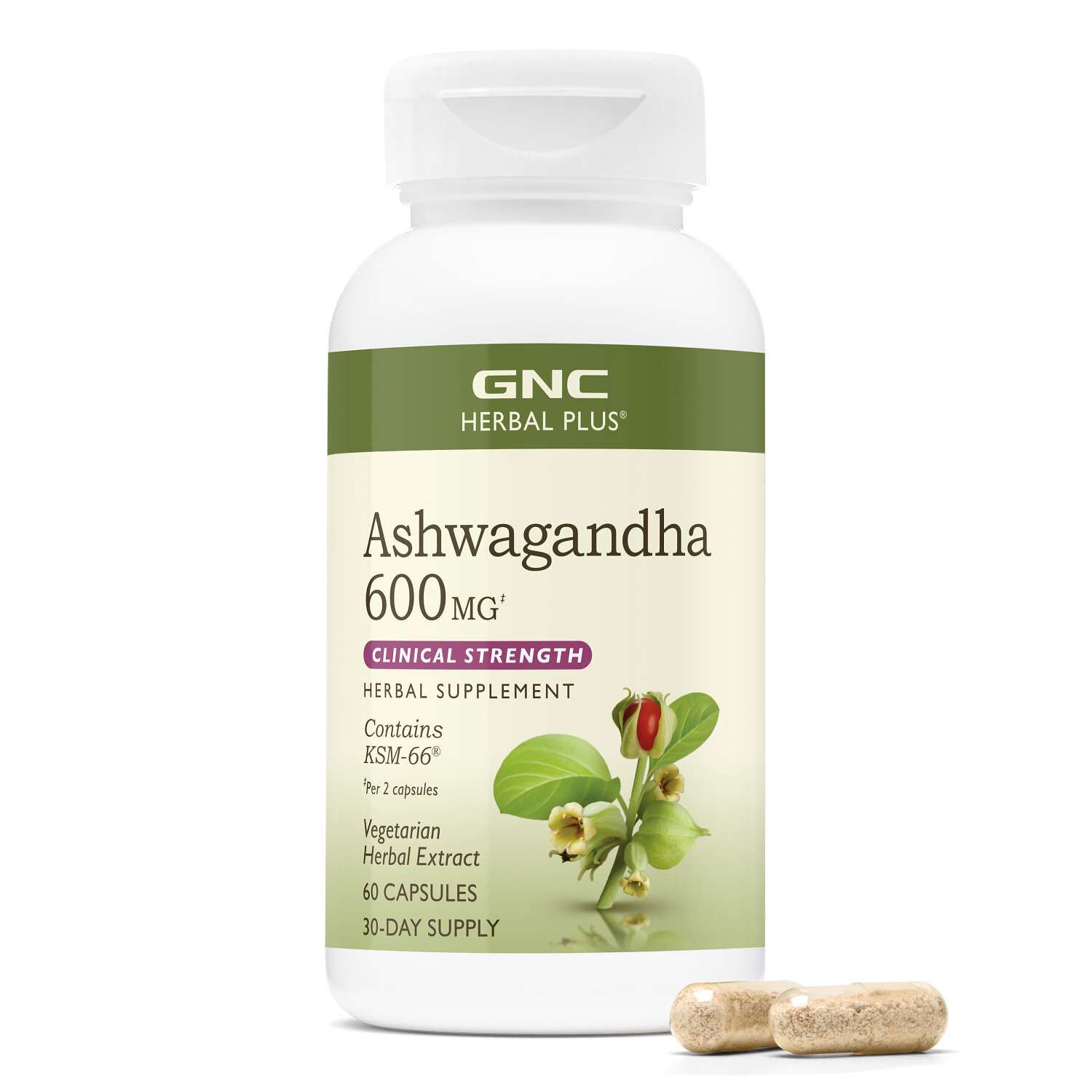 GNC Herbal Plus
-
 GNC Herbal Plus
Related Pages


Top Collections
- Zinc Supplements | Top Brands at Great Prices | GNC
- Cortisol Supplements
- Joint Mobility Supplement Packs
- NAD+ Supplement Tablets
- Best Brand of Magnesium Glycinate
- Top Rated Collagen | Shop Customer Favorites | GNC
- Iron Supplements
- Peptide Supplements
- Protein Powders For Muscle Growth Support
- Vitamins That Help Support Weight Gain