





High Absorption Supplements
(0 Results)
High absorption supplements could be an excellent addition to your daily wellness routine. Designed to support optimal nutrient intake, these supplements might help ensure that your body receives the vitamins and minerals it needs more efficiently. Whether you're looking for multivitamins, minerals, or specialty formulas, high absorption supplements may offer a convenient way to help bridge nutritional gaps in your diet. Explore our range of options to discover how these products could contribute to your overall health and well-being.
-
-

-
-
-
-
-

-
 Nature's Fusions$29.99
-

-
 Purity Products$19.99
-
-
-

-

-
-

-

-
 Nature's Fusions$29.99
-
-
 Nature's Fusions$29.99
-
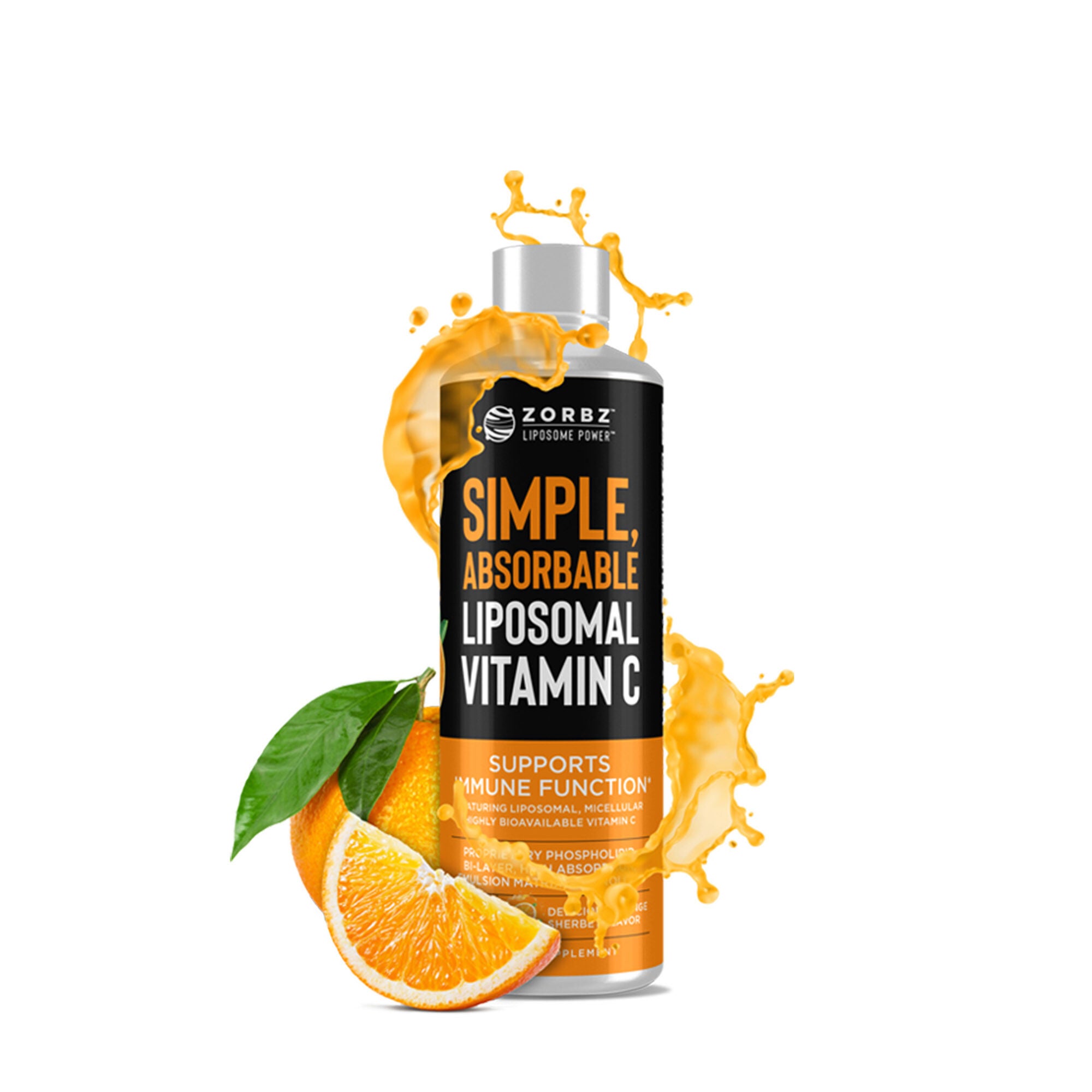
-
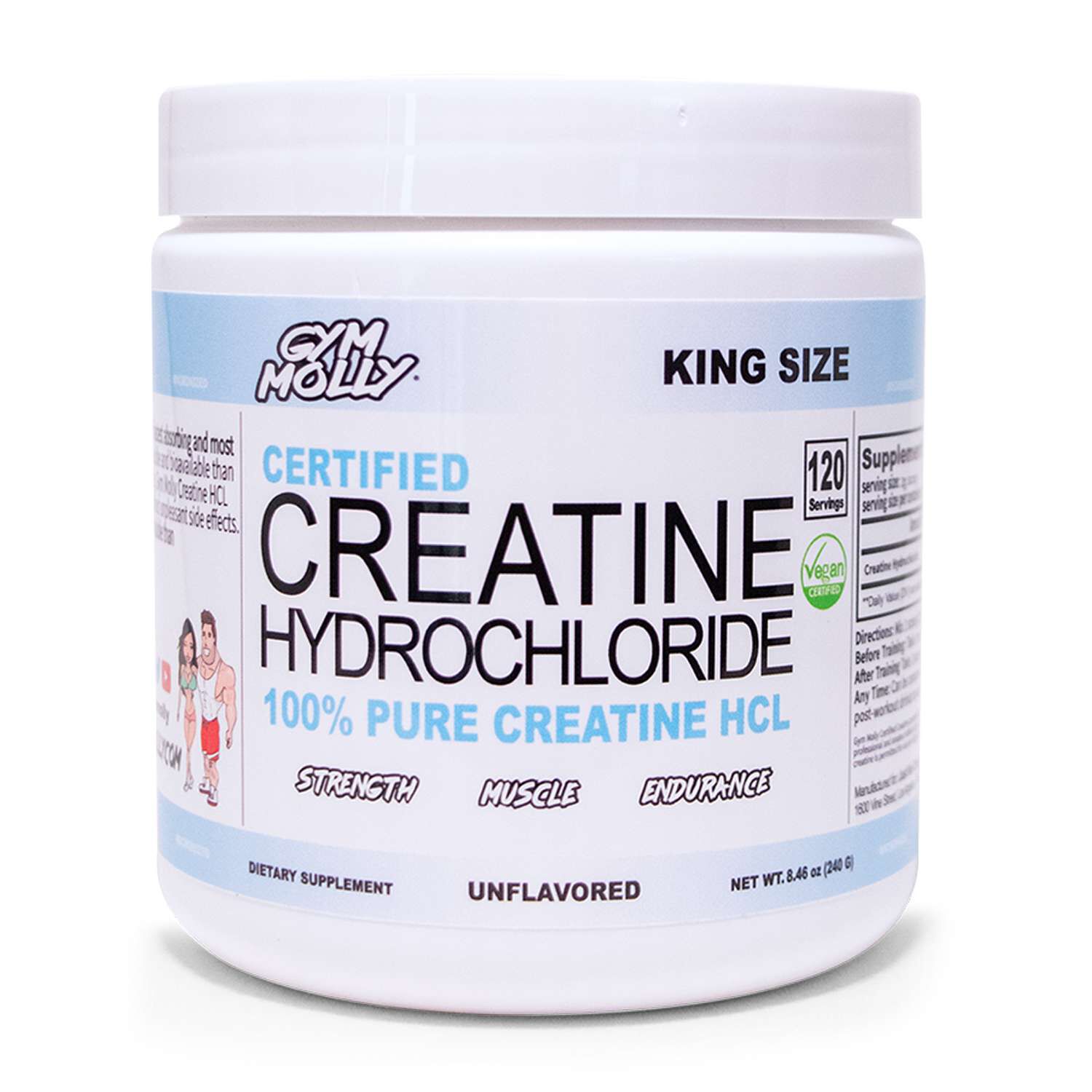
-
 Portions Master$24.99
-

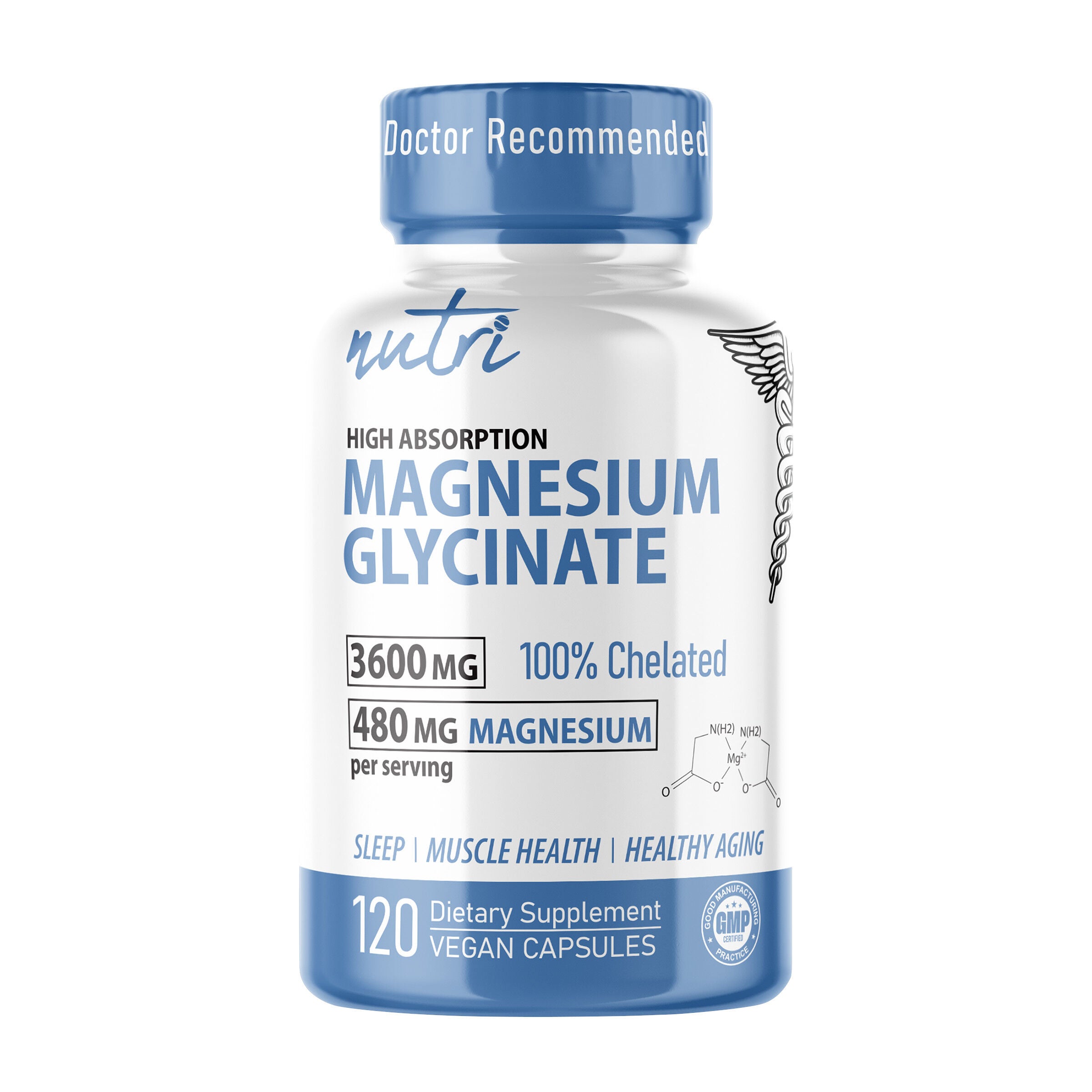
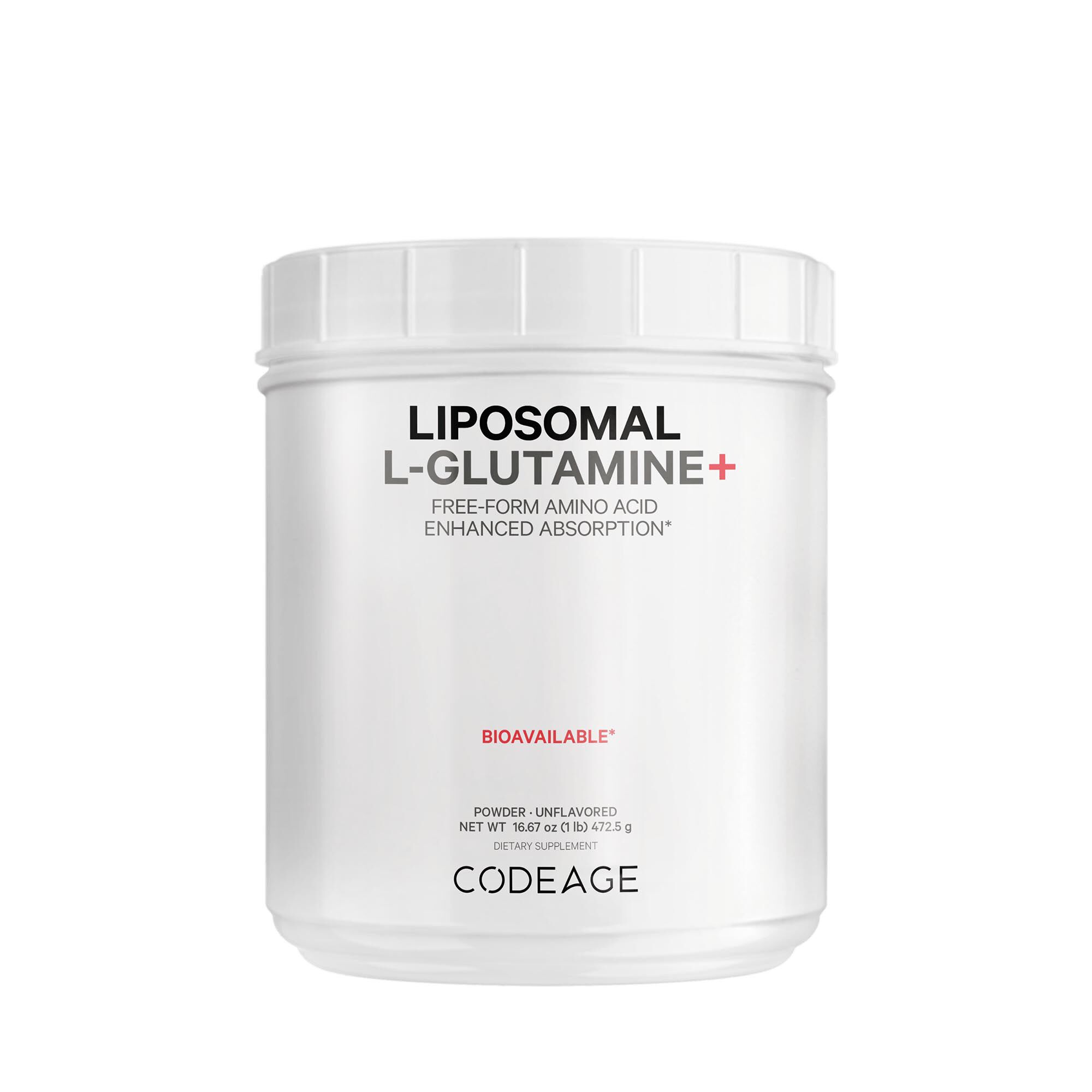
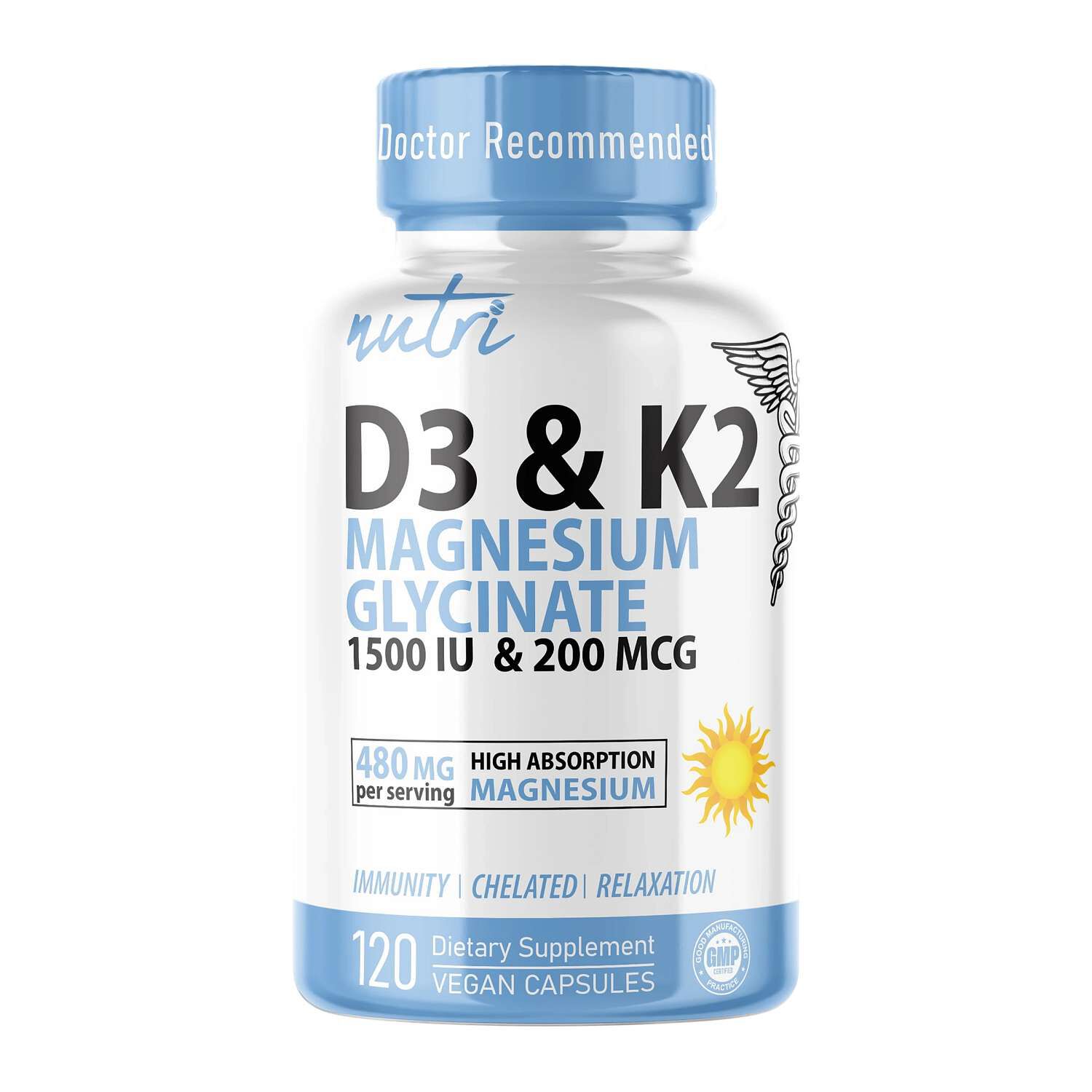
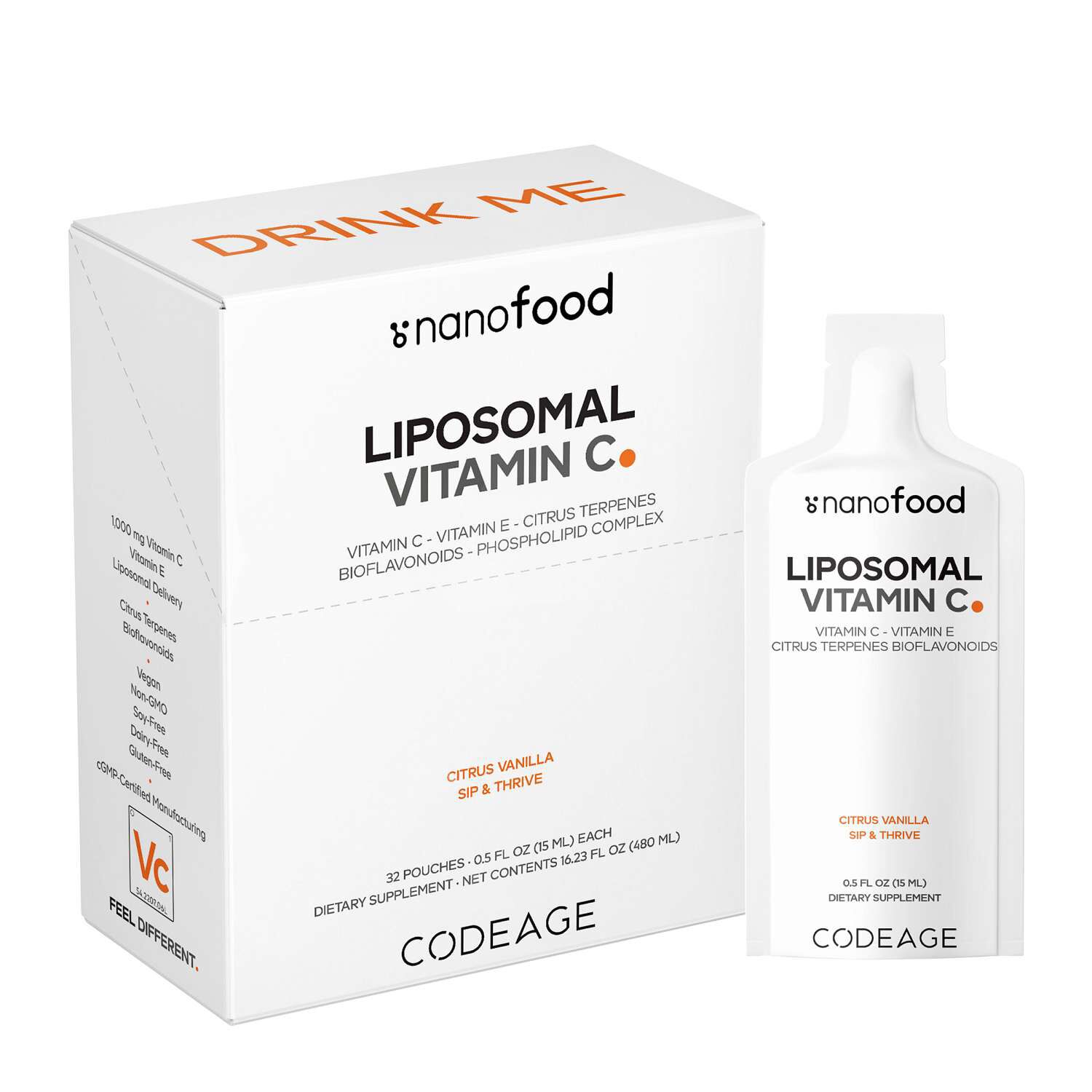
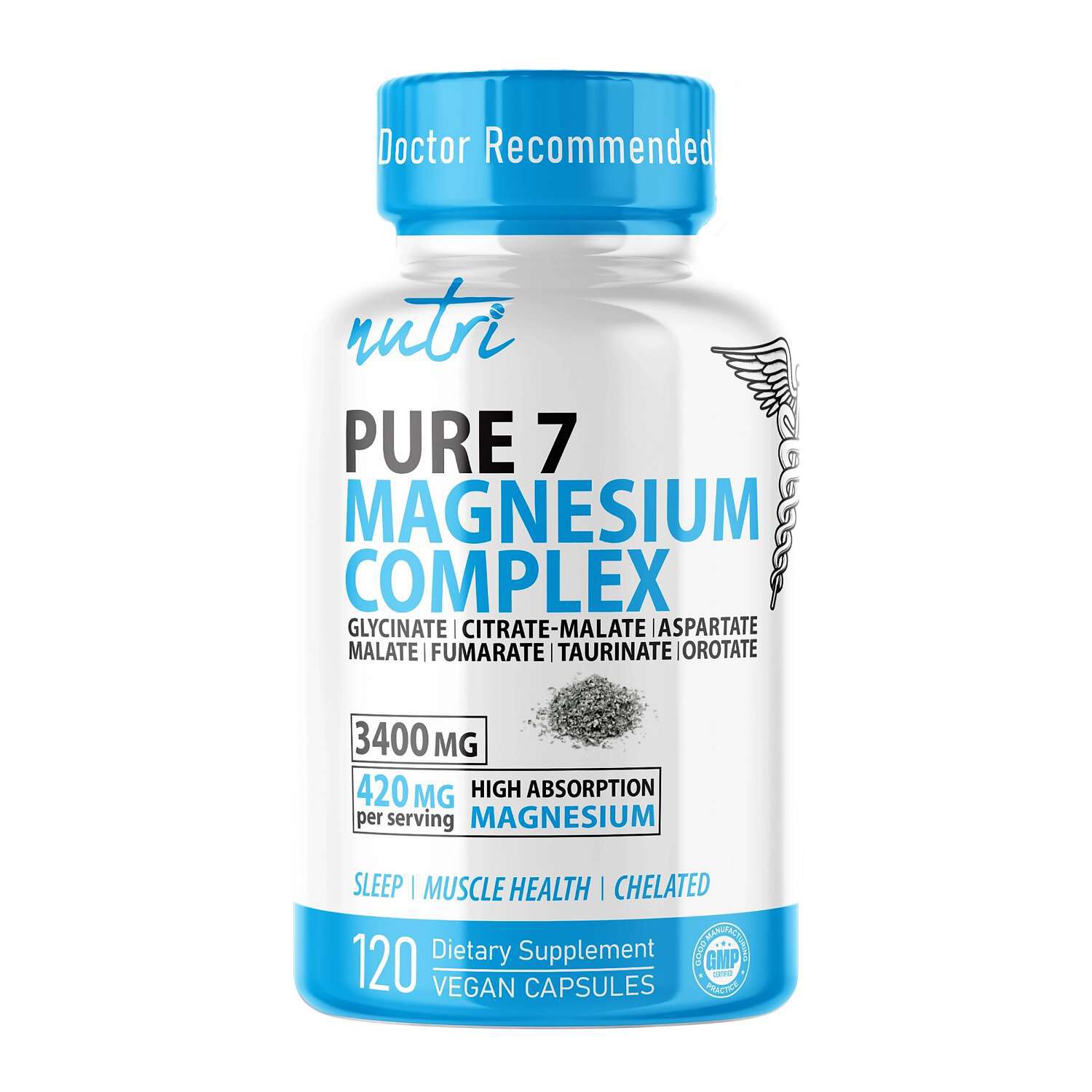
High absorption supplements are formulated with nutrient forms or delivery systems that may influence how an ingredient moves through digestion and becomes available for the body to use. Absorption refers to the passage of a nutrient from the digestive tract into the bloodstream, while bioavailability describes the extent to which an ingested nutrient becomes available for use. Those terms are related, but neither a large serving amount nor a familiar ingredient name establishes how a particular formula may perform. This category includes approaches such as liposomal delivery, chelated minerals, and selected vitamin forms, each with a different formulation rationale. Liposomal supplements use phospholipids to form small structures that can contain nutrients; this arrangement may influence an ingredient’s stability and absorption, depending on the formulation. A liquid appearance or the presence of lecithin alone does not establish that a formula has a well-characterized liposomal structure. Chelated mineral supplements pair a mineral with another molecule, often an amino acid. Magnesium bisglycinate, for example, pairs magnesium with glycine, while other chelated minerals use different binding partners. A chelated form may behave differently during digestion than another form of the same mineral, although differences depend on the ingredient, serving amount, and formulation. The outer capsule and the nutrient form inside are separate details: a softgel, tablet, or powder describes the presentation, not necessarily the absorption approach. This distinction matters when two labels display the same nutrient prominently but list different forms in the Supplement Facts panel. For minerals, the declared nutrient amount and the weight of the compound containing that mineral are also different measurements. A larger compound weight does not necessarily mean a larger amount of the mineral itself. The named form, serving size, and amount per serving together provide a clearer picture of a formula’s contents than a front-label description alone. These details give high absorption vitamins and minerals a more meaningful context, beyond the format of the bottle or the wording on its packaging.
Selected nutrient forms add another layer to the category. Methylcobalamin is a form of vitamin B12, and 5-methyltetrahydrofolate is a form of folate. These names describe the chemical identity of the nutrient rather than the capsule material or delivery system. Certain forms may require different conversion steps within the body, but that distinction does not by itself establish greater absorption or make one form suitable for every adult. Likewise, a liposomal formula and a formula containing a selected vitamin form describe different approaches; those features are not interchangeable. Meal context may also influence absorption. Fat-soluble vitamins A, D, E, and K, along with compounds such as CoQ10, may have absorption patterns affected by the presence of dietary fat. Research conducted with a meal containing fat may not describe the same circumstances as research conducted without food. Minerals may also interact during absorption, with the amounts and combinations involved influencing the outcome. These considerations explain why intended use and labeled directions vary among formulations rather than following one universal schedule. Beyond the nutrient itself, the everyday experience of using a supplement matters. Capsules have a defined serving format, while liquids may offer an alternative for adults who prefer not to swallow tablets. Powders involve measuring and mixing, and chewable formats bring flavor and texture into the decision. A morning routine built around breakfast presents a different practical setting from a workday lunch packed in a small bag, even when the nutrient of interest is the same. Serving size, preparation requirements, and packaging help determine how comfortably a format fits those routines. Capsule shells may contain gelatin or plant-derived materials, while liquids and powders may include flavorings, sweeteners, or ingredients used to maintain consistency. The other-ingredients list identifies those formulation details. For mixed powders, the stated liquid amount and preparation directions describe the intended serving experience; for liquids, the label may specify shaking or a particular measuring method. These are practical differences in use, separate from any potential difference in absorption.
Comparing high absorption supplements also involves looking at the information behind the formulation. Research on a particular nutrient form may not describe every formula that uses a similar name, especially when serving amounts, ingredient combinations, or delivery systems differ. Human research focused on absorption offers a different kind of information from laboratory testing of how an ingredient dissolves. Neither should be confused with evidence of a particular health outcome. Third-party testing may address ingredient identity, purity, or conformity with stated contents, depending on the testing program; it does not necessarily assess nutrient absorption. Clear labeling makes these distinctions easier to understand, with the nutrient form, serving details, other ingredients, and storage directions presented separately. Practical care matters, too. Tight closures, intact packaging, and storage consistent with the label are relevant to maintaining a supplement’s stated condition through its intended shelf life. Liquids may have instructions that apply after opening, while powders may require attention to moisture and container closure. An expiration date and any after-opening directions provide context that the delivery-format name alone cannot supply. Adults comparing these options may be interested in a particular vitamin or mineral, a capsule material that fits their dietary preferences, or a format that works with an established nutrition routine. A plant-based shopper might focus on both the nutrient source and capsule shell, while someone who travels often might place more emphasis on serving format and packaging. Shoppers considering nutrient delivery alongside protein-based nutrition can also explore Protein Absorption Supplements as a related category, while keeping vitamin and mineral formulations distinct from protein-focused options. Across these choices, an absorption-oriented formula is best understood through its actual composition and supporting information, not through a single descriptive phrase. The combination of a clearly identified nutrient form, transparent serving information, suitable presentation, and documented formulation details creates a useful basis for comparing options intended to fit everyday nutrition routines.
Best Sellers
-
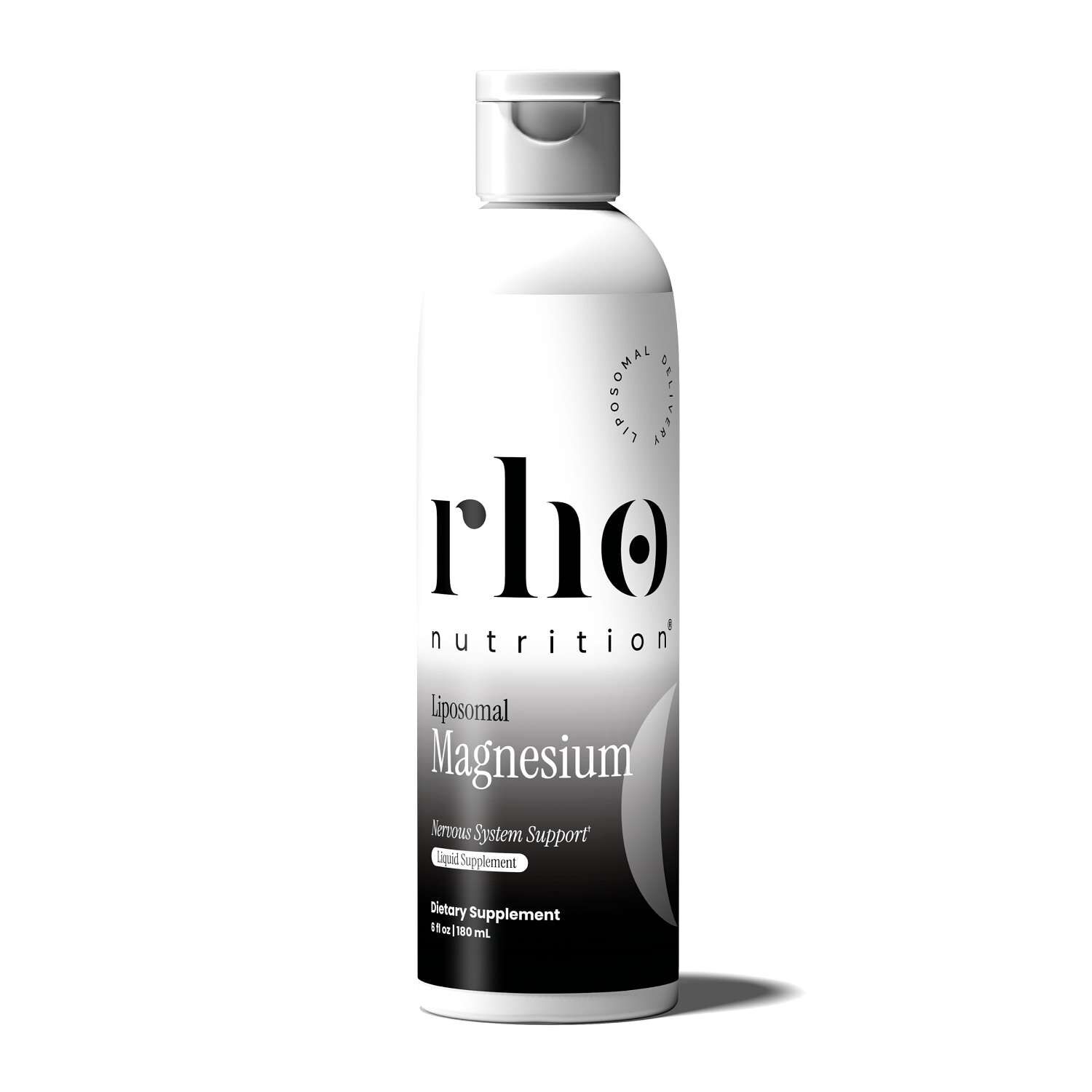 Rho Nutrition
-
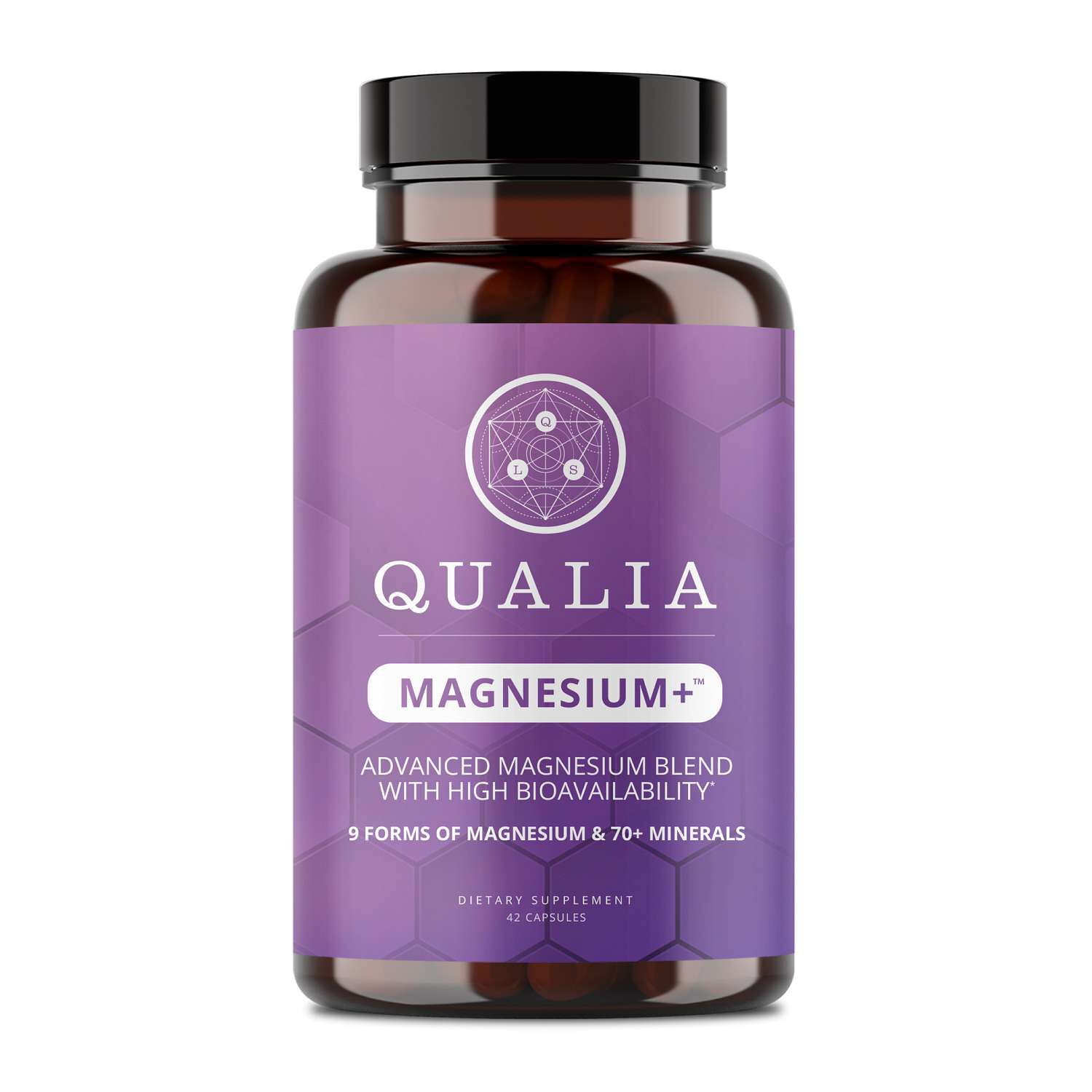 Qualia Life Sciences
Related Pages


Top Collections
- Daily Collagen Supplements | Top Brands & Deals | GNC
- Natural Collagen Supplements | Top Brands & Deals | GNC
- Top Rated Collagen | Shop Customer Favorites | GNC
- Cortisol Supplements
- Vitamins For Hair Loss
- Spirulina Tablets
- NAD+ Supplement Tablets
- Peptide Supplements
- Best Brand of Magnesium Glycinate
- Vitamins That Help Support Weight Gain