Protein Absorption Supplements
(0 Results)
Protein absorption supplements may offer support for those looking to make the most of their nutrition routine. Whether you’re focused on fitness goals or simply want to optimize your daily intake, these supplements could help you get more out of the protein in your diet. Explore a variety of protein absorption supplements designed to fit different lifestyles and preferences, so you can find options that might align with your wellness journey.

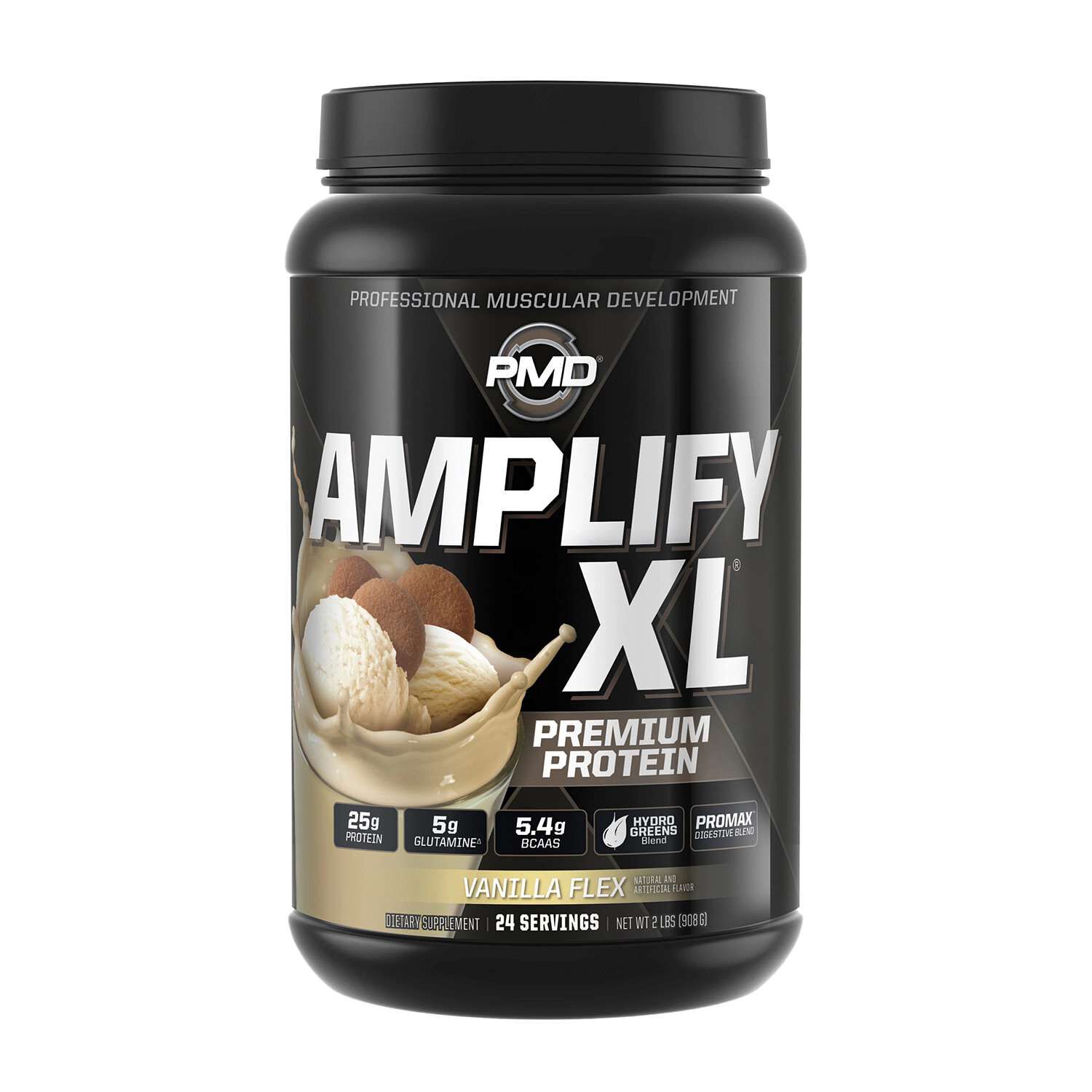
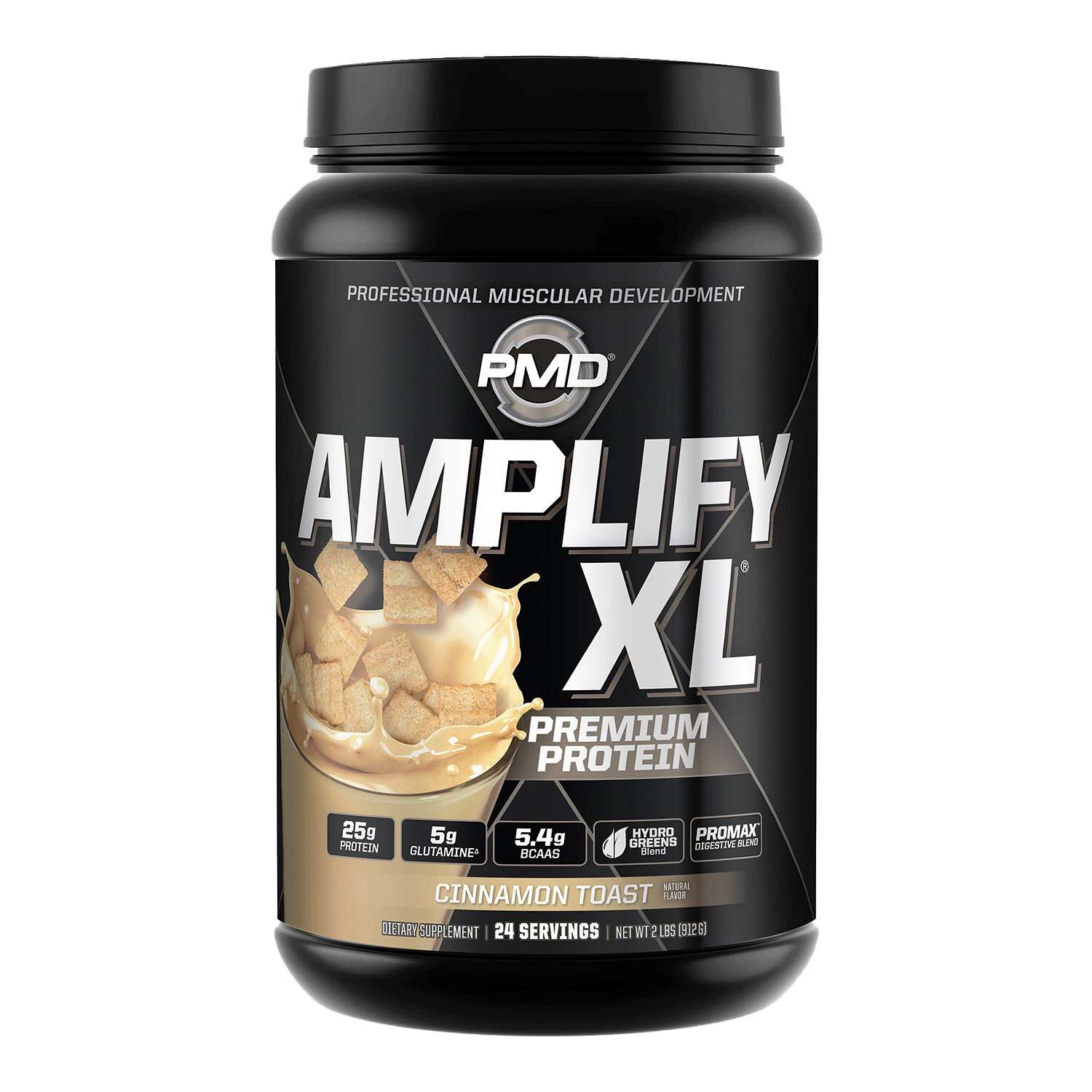


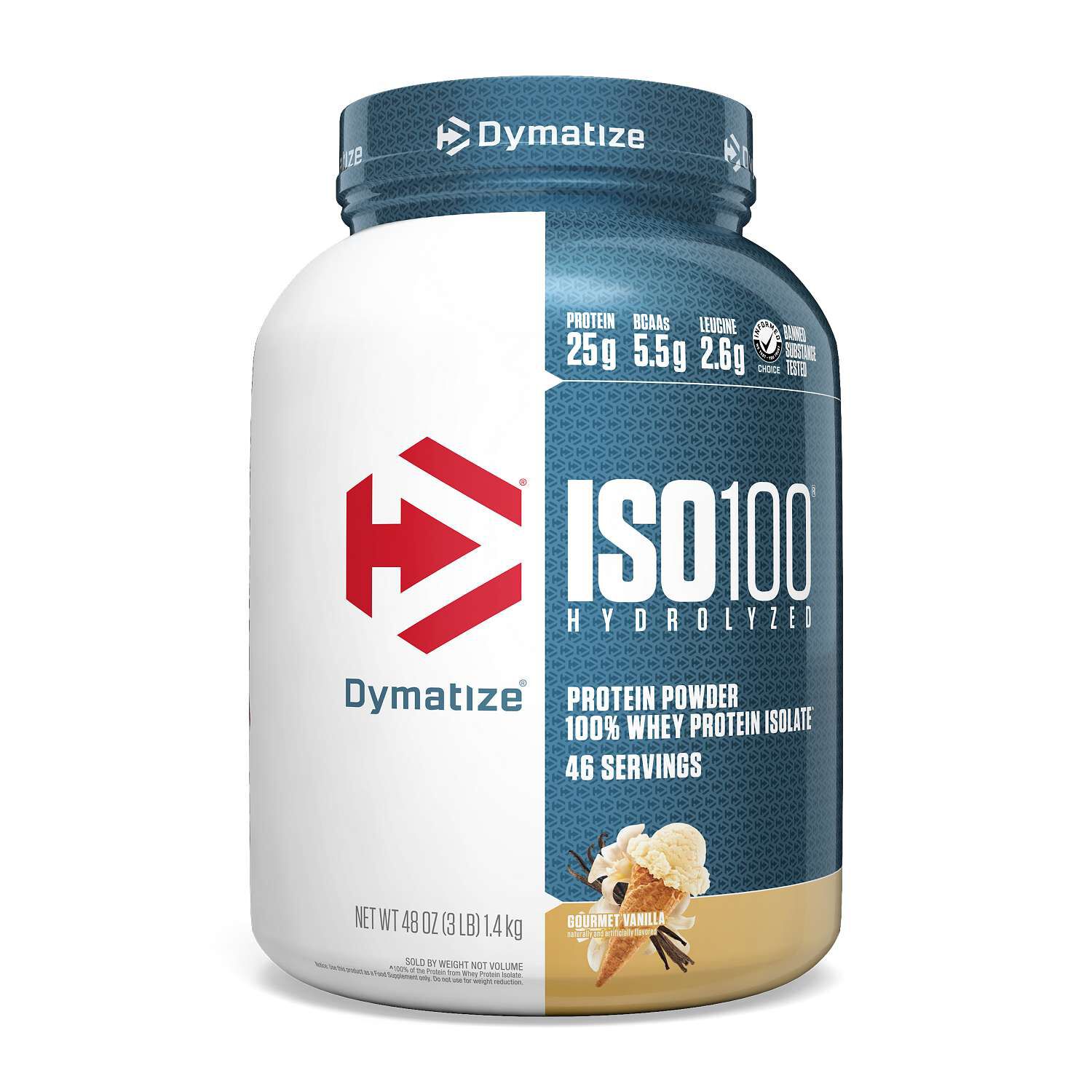

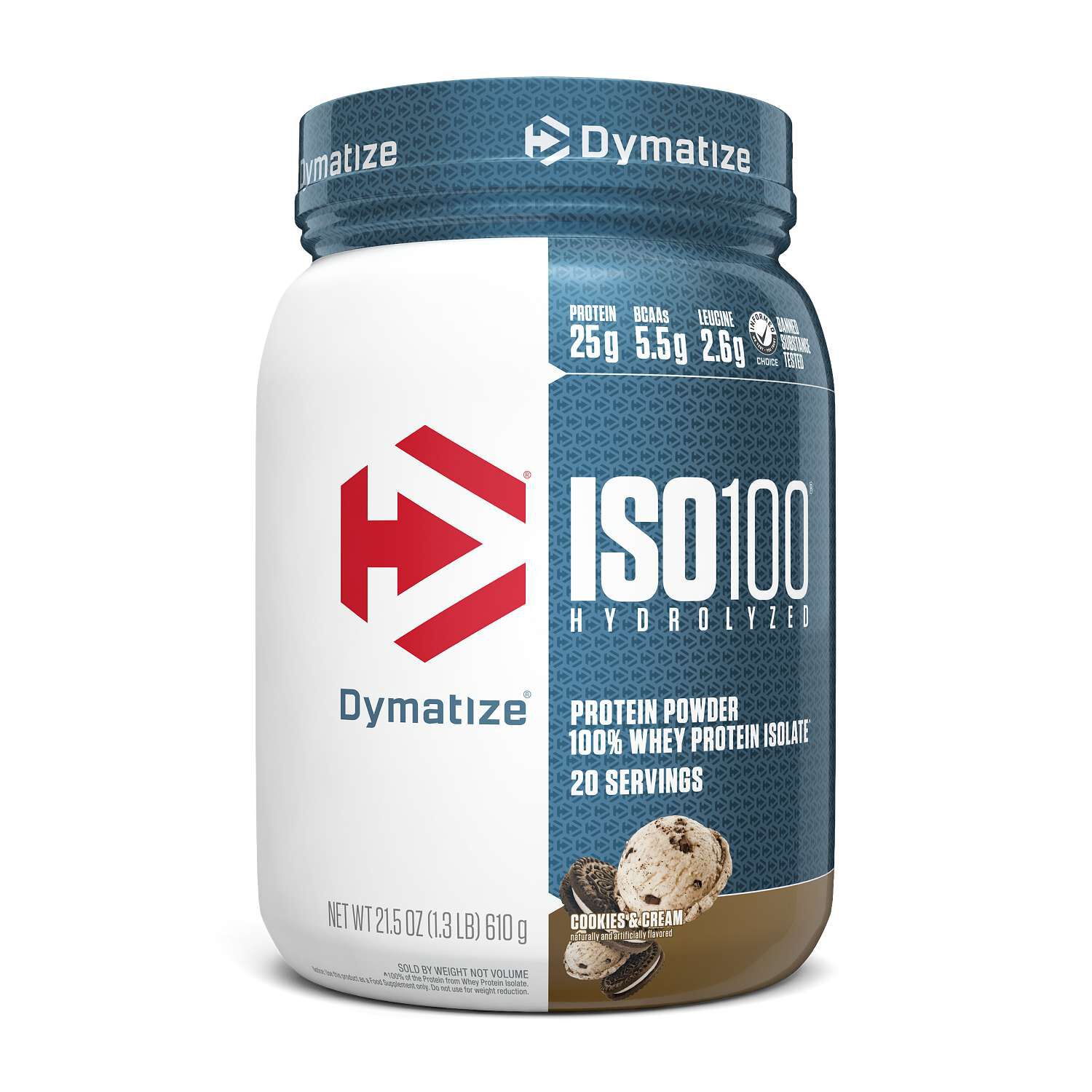


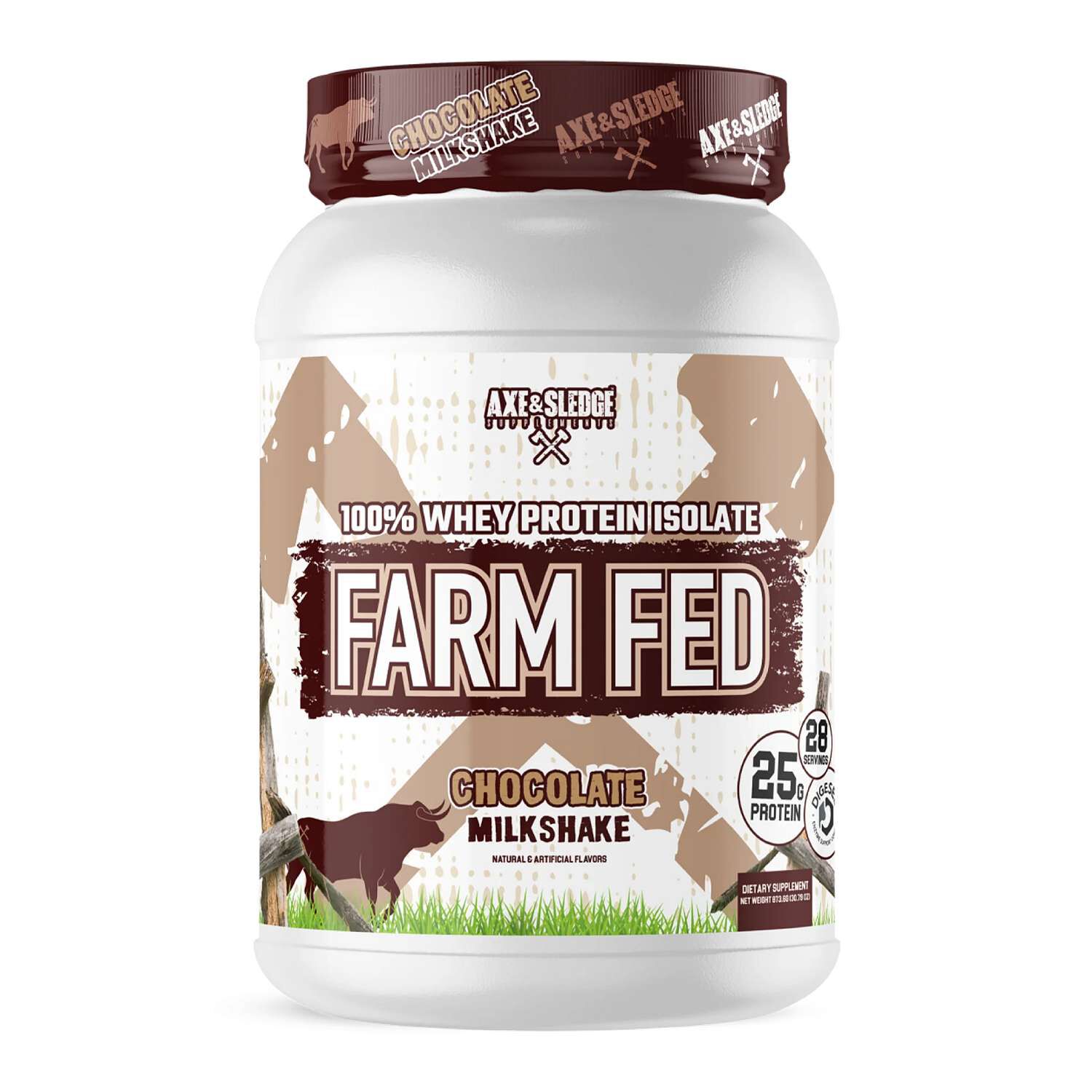
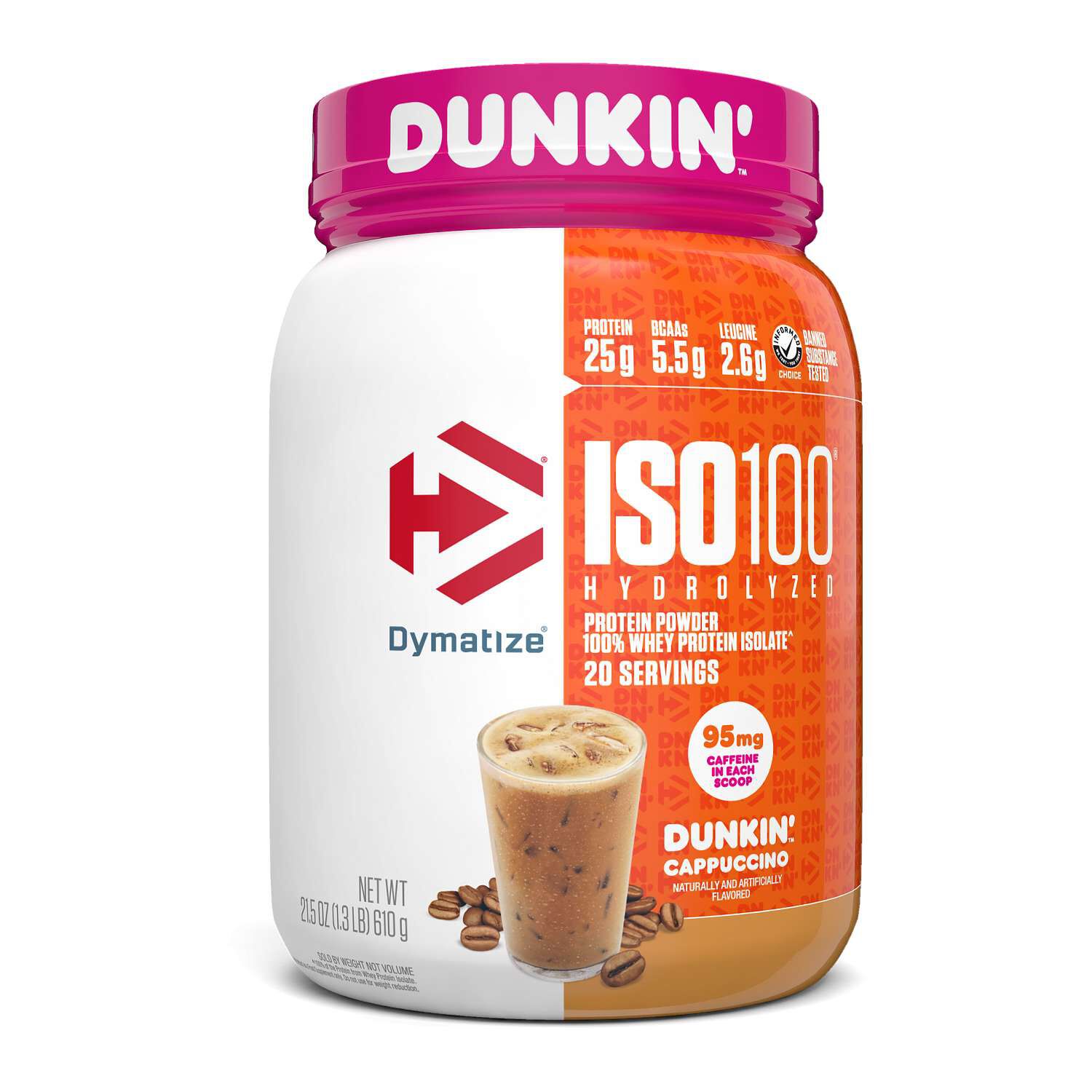
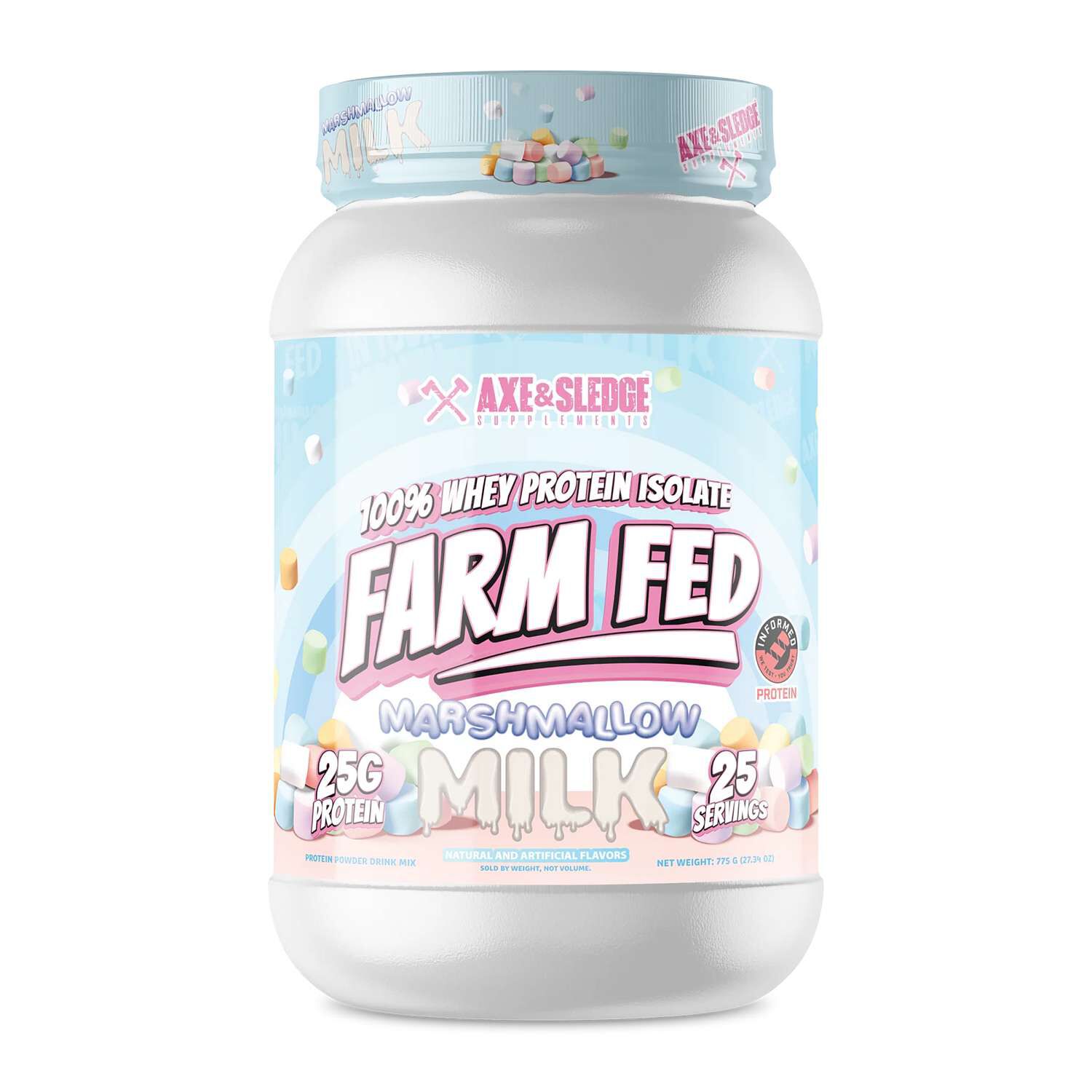
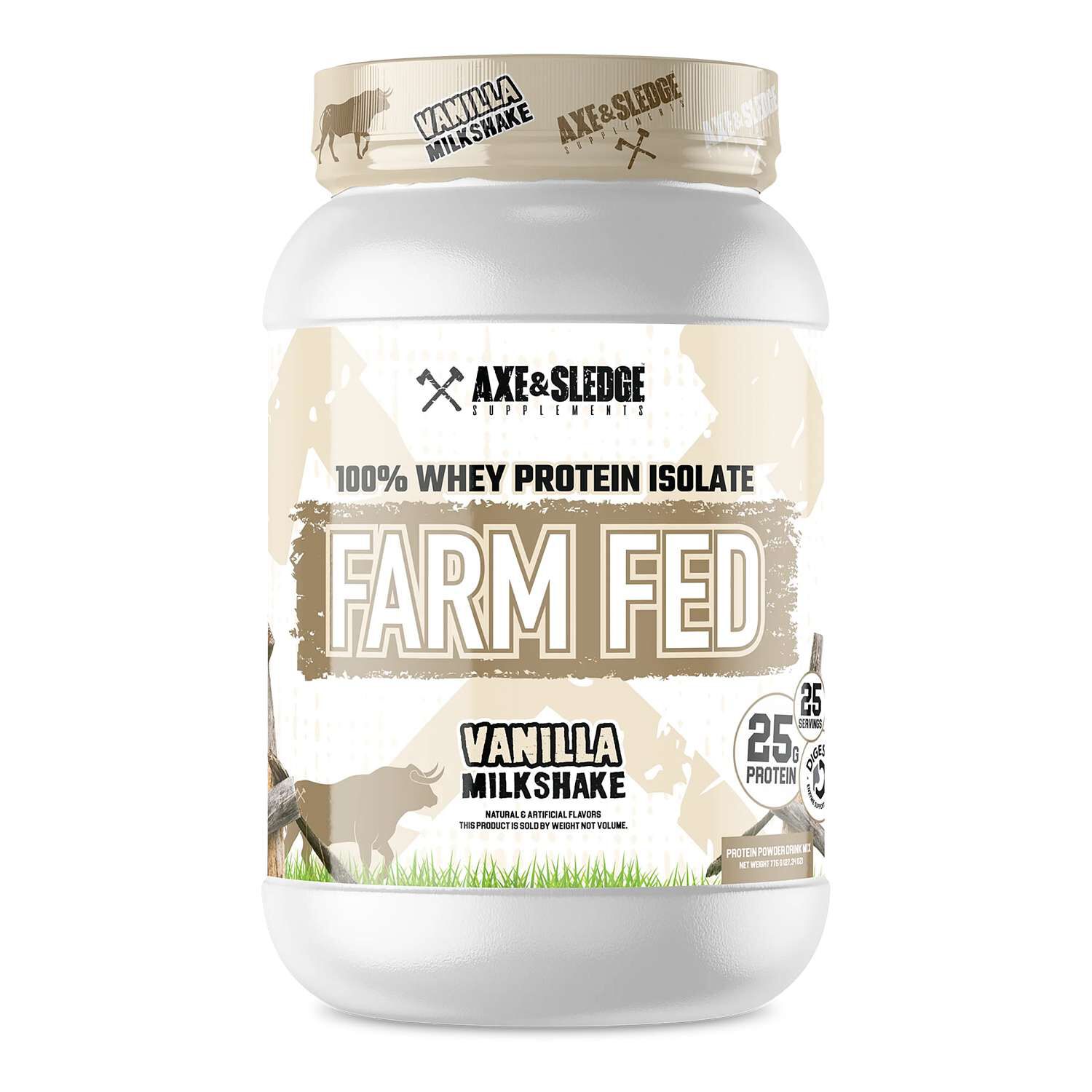
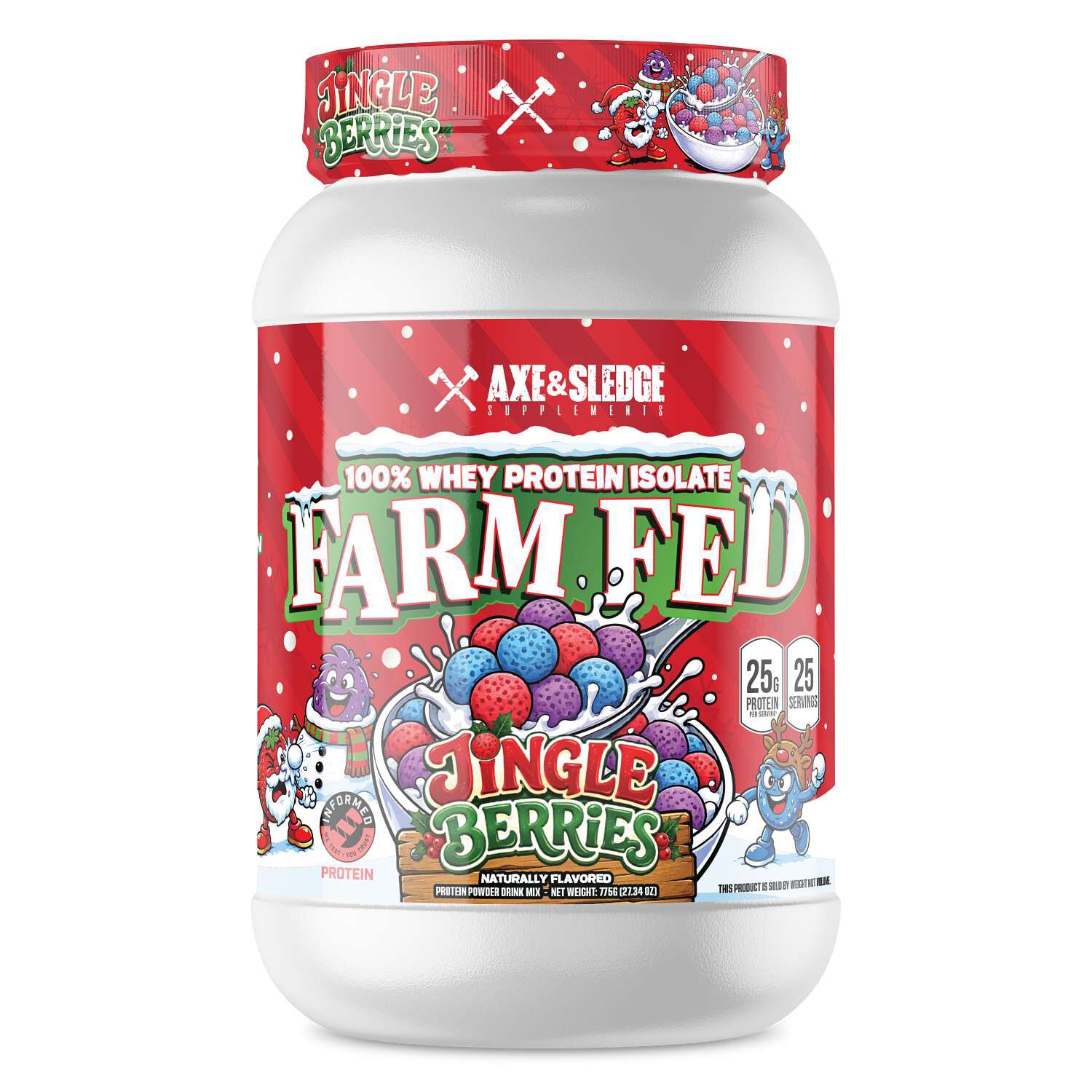
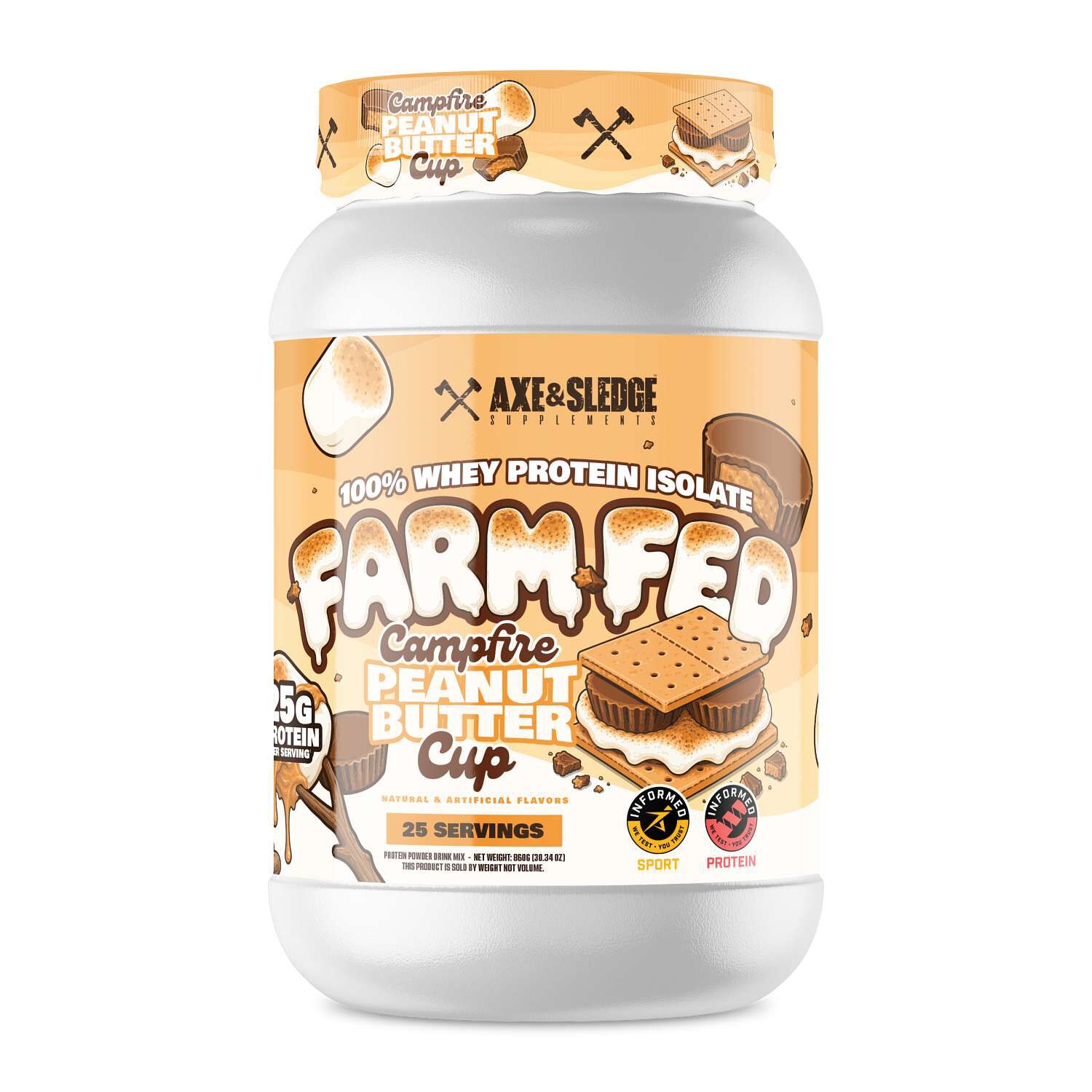
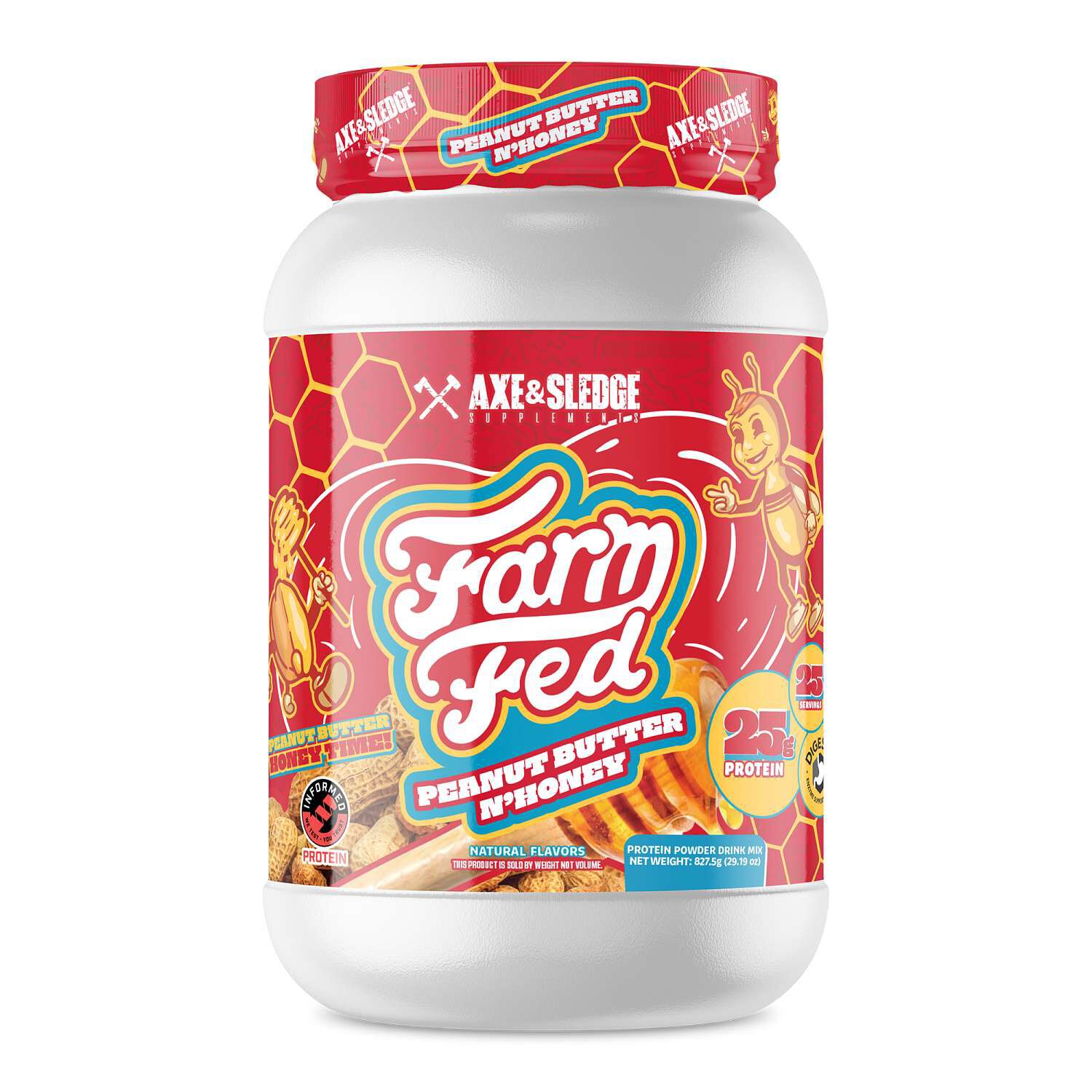
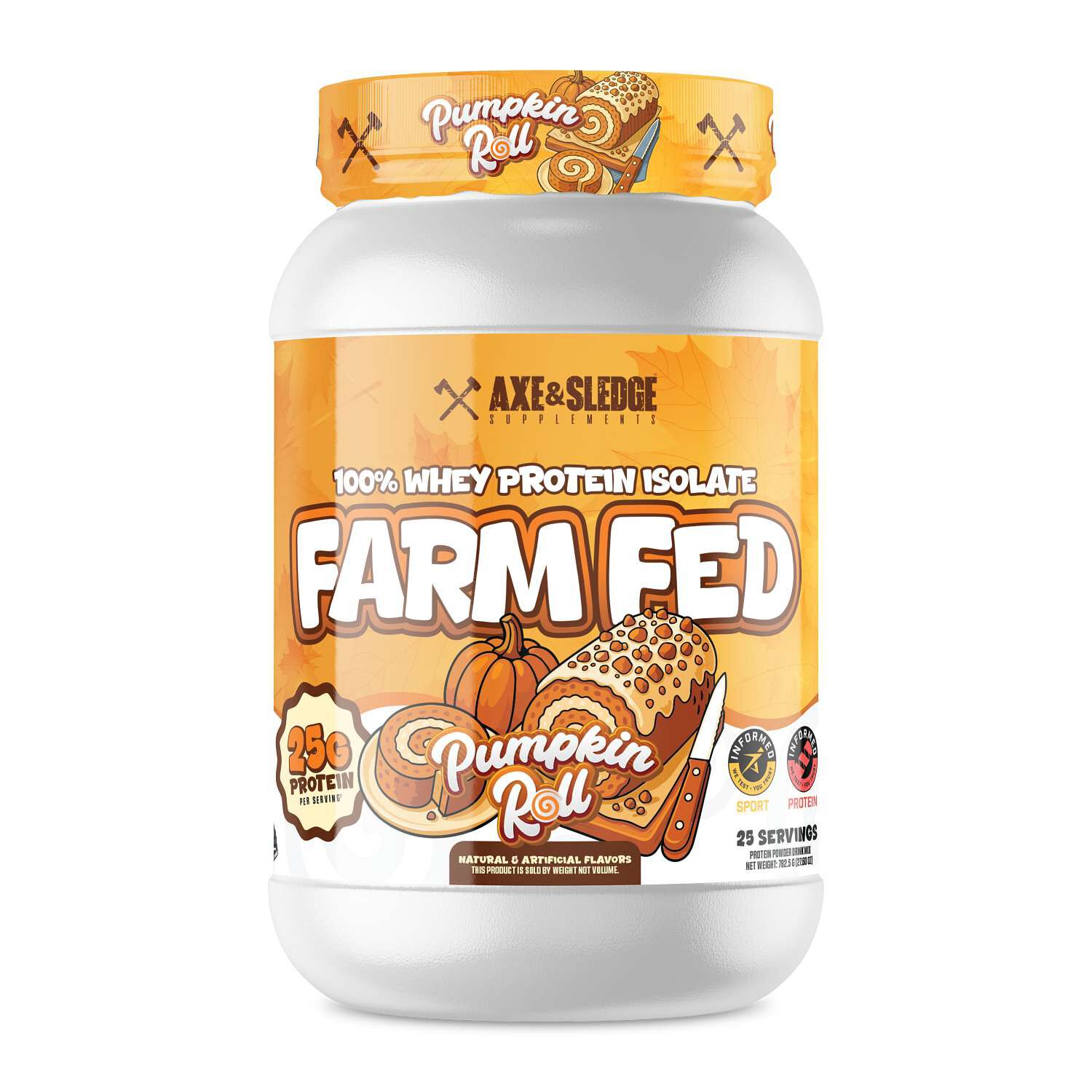
Protein absorption supplements are nutritional products positioned around protein digestion and related dietary support, rather than simply adding another serving of protein. Depending on the formula, this category may include protein-digesting enzymes, amino acids, or blends with several kinds of nutritional ingredients. Digestion and absorption are connected but distinct processes: digestion separates dietary protein into smaller peptides and amino acids, while absorption moves those components across the intestinal lining. Proteases are enzymes involved in protein digestion, and supplemental protease may support that digestive process. However, an ingredient’s role in digestion does not establish that every formula containing it will increase the amount of protein absorbed. This distinction matters when comparing an enzyme supplement with a protein powder or a stand-alone amino acid product. Protein powders supply dietary protein; enzyme formulas are organized around enzyme ingredients; amino acid formulas provide selected amino acids. These categories can appear alongside one another, but their ingredient lists and intended uses differ. A protein-centered eating pattern might include eggs at breakfast, a bean-and-grain bowl at lunch, and a shake after an afternoon workout. The relevant comparison is how a supplement is labeled for use within that existing routine, not simply which container displays the largest number. Some formulas feature a single enzyme, while others combine enzymes associated with different parts of food digestion. Protease, papain, and bromelain are names shoppers may encounter; papain is associated with papaya, and bromelain with pineapple. A broader digestive blend may also list enzymes involved in carbohydrate or fat digestion, which is different from a formula focused on protein alone. For shoppers comparing protein absorption supplements, the ingredient category, stated purpose, and serving information provide useful context. The category name itself is not a measurement of what any individual will absorb, and a longer ingredient list does not establish that a formula is a better match for a particular meal or eating pattern.
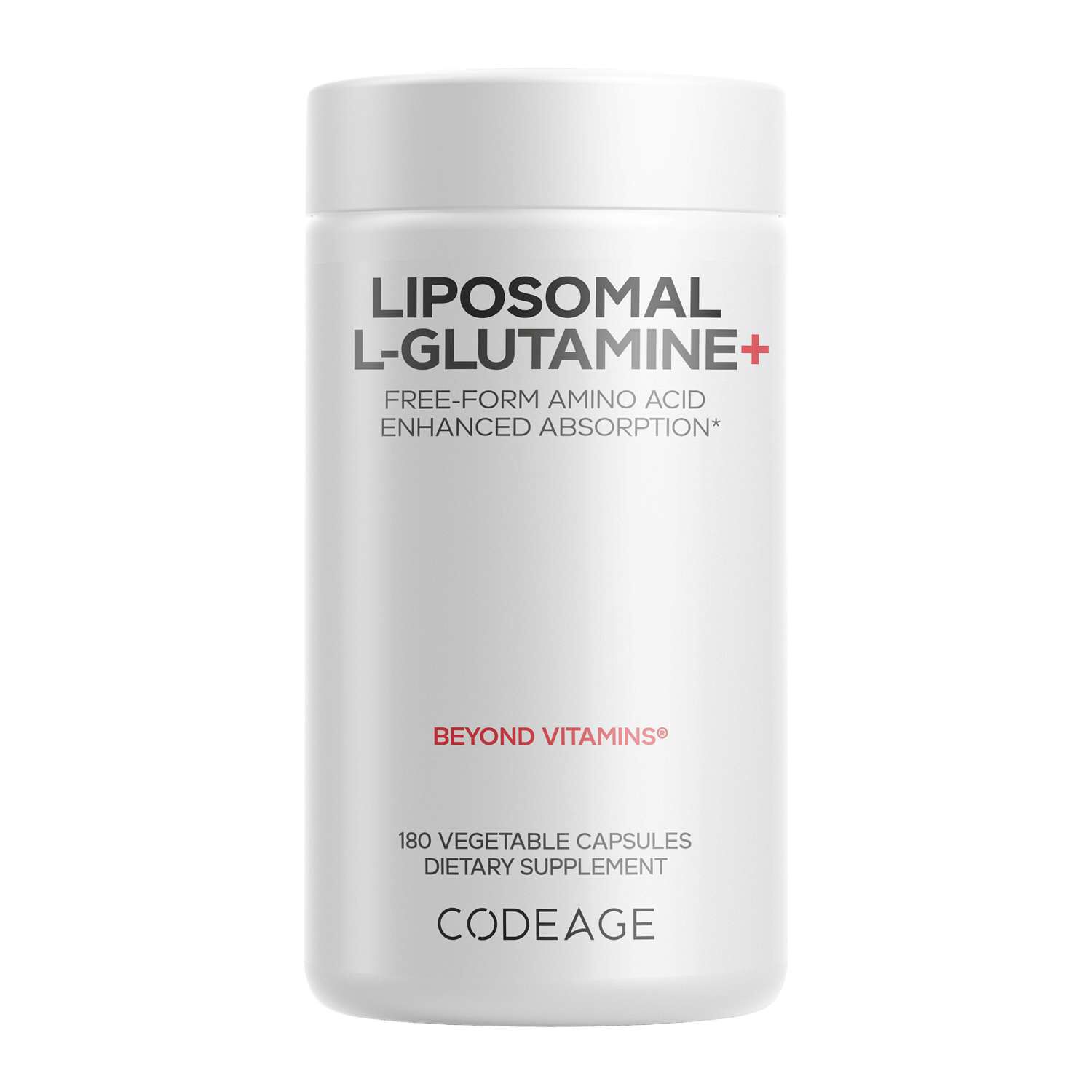
Amino acid supplements deserve their own consideration within this broader category. Glutamine is an amino acid found in the body and in dietary protein, not a protein-digesting enzyme. A glutamine formula and a protease formula therefore represent different types of supplementation, even when both appear in a protein-focused shopping search. Shoppers exploring Glutamine Supplements For Protein Absorption can compare those selections with an understanding of the distinction between amino acid intake and protein digestion. Beyond ingredient type, format is another practical difference. Capsules and tablets are often packaged as premeasured portions, while powders require the measuring method specified on the label. A serving can consist of more than one capsule or tablet, so the count on the front of a container is not necessarily the number of servings inside. With powders, the listed serving weight and scoop instructions matter more than a scoop’s apparent size. Someone who already prepares a shake may prefer the familiarity of a measured powder, while someone who rarely mixes drinks may prefer a capsule format. Neither format alone establishes how well a supplement will work. Flavored powders also introduce taste and ingredient considerations: sweetness, flavor intensity, and the choice of a mixing liquid can all be relevant to an everyday routine. An unflavored powder is not necessarily without a noticeable taste or texture. Capsule materials, added ingredients, and ingredient sources are worth comparing for shoppers with dietary preferences or ingredient restrictions. Vegetarian capsule shells and animal-derived capsule shells are different materials, and the source of an enzyme is a separate detail from the material surrounding it. Allergen statements and other label disclosures provide further context, particularly when a supplement will sit alongside protein powders, meal replacements, or other nutritional formulas already used throughout the day.
The finer label details can make comparisons between protein absorption supplements more meaningful. Milligram amounts describe ingredient weight, while enzyme activity measurements describe a different characteristic. When enzyme activity is listed, its unit of measurement provides context that weight alone does not, and different activity units are not necessarily interchangeable. A blend’s combined weight also does not reveal the amount of every individual ingredient unless those amounts are separately disclosed. These distinctions are especially relevant when two formulas have similar names but different serving sizes or ingredient combinations. Directions for use deserve the same attention as the ingredient panel. Some formulas have meal-related directions, and an exercise schedule is not a substitute for the timing stated on the label. A supplement packed for the office, kept beside a shaker cup, or included in a gym bag still has its own serving instructions. Storage is another everyday consideration that can be easy to overlook. Original packaging keeps the ingredient list, serving directions, expiration information, and storage instructions together. A securely closed lid and storage consistent with the label are particularly relevant for powders that are opened repeatedly. A clean, dry measuring utensil is more appropriate than a damp scoop taken straight from a rinsed shaker. For capsules or tablets, retaining the labeled container avoids uncertainty about which formula is being used and how its serving is defined. These practical details matter for adults comparing supplements around meal preparation, recreational training, commuting, or other established routines. The best-fitting format is one that matches those habits without obscuring what the formula contains or how it is intended to be used. Protein absorption supplements are most clearly understood through that combination of ingredient identity, labeled purpose, serving information, and everyday handling—not through the assumption that more ingredients, a larger serving, or a familiar format means greater protein absorption.
Best Sellers
-
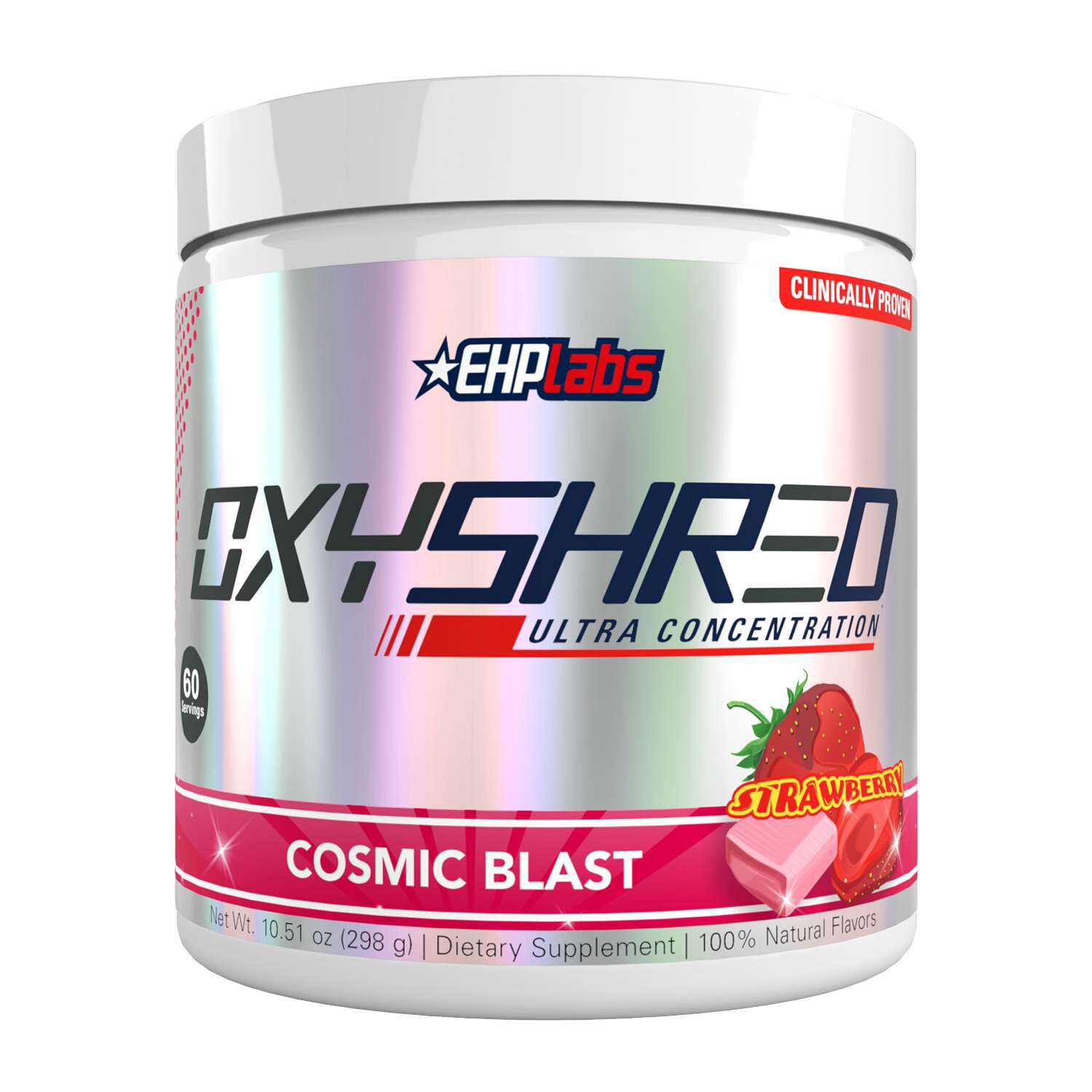 EHP Labs Oxyshred
-
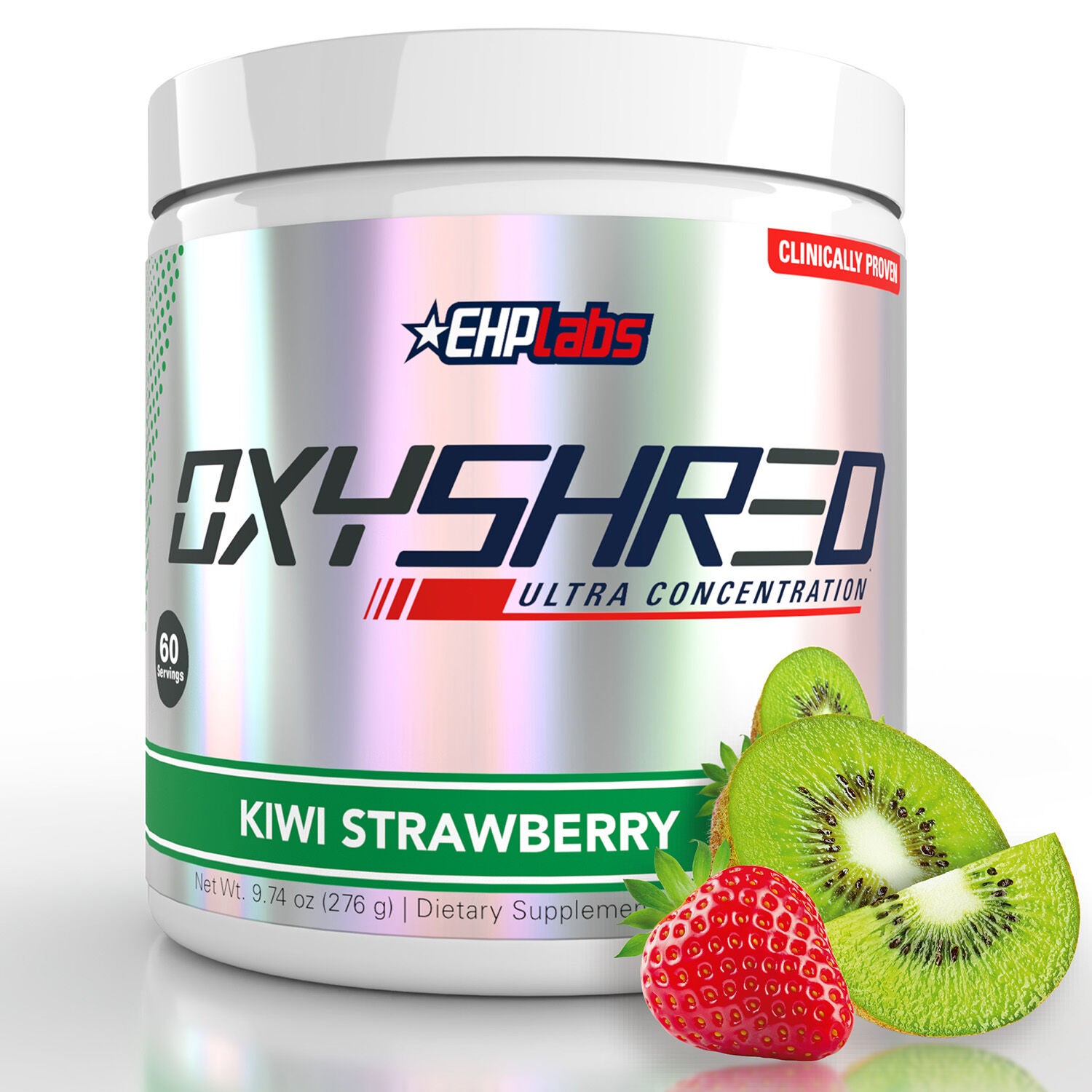 EHP Labs Oxyshred