





High Potency Vitamin D3
(0 Results)
Looking to support your overall health and well-being? High Potency Vitamin D3 could be the key to maintaining strong bones, a robust immune system, and optimal muscle function. With higher concentrations of Vitamin D3, these supplements may enhance calcium absorption and help maintain healthy levels of phosphorus in the blood. Perfect for those who may have limited sun exposure or need an extra boost, High Potency Vitamin D3 might be an essential addition to your daily regimen.
-

-

-
-
-
 $13.99
 -

-
-

-


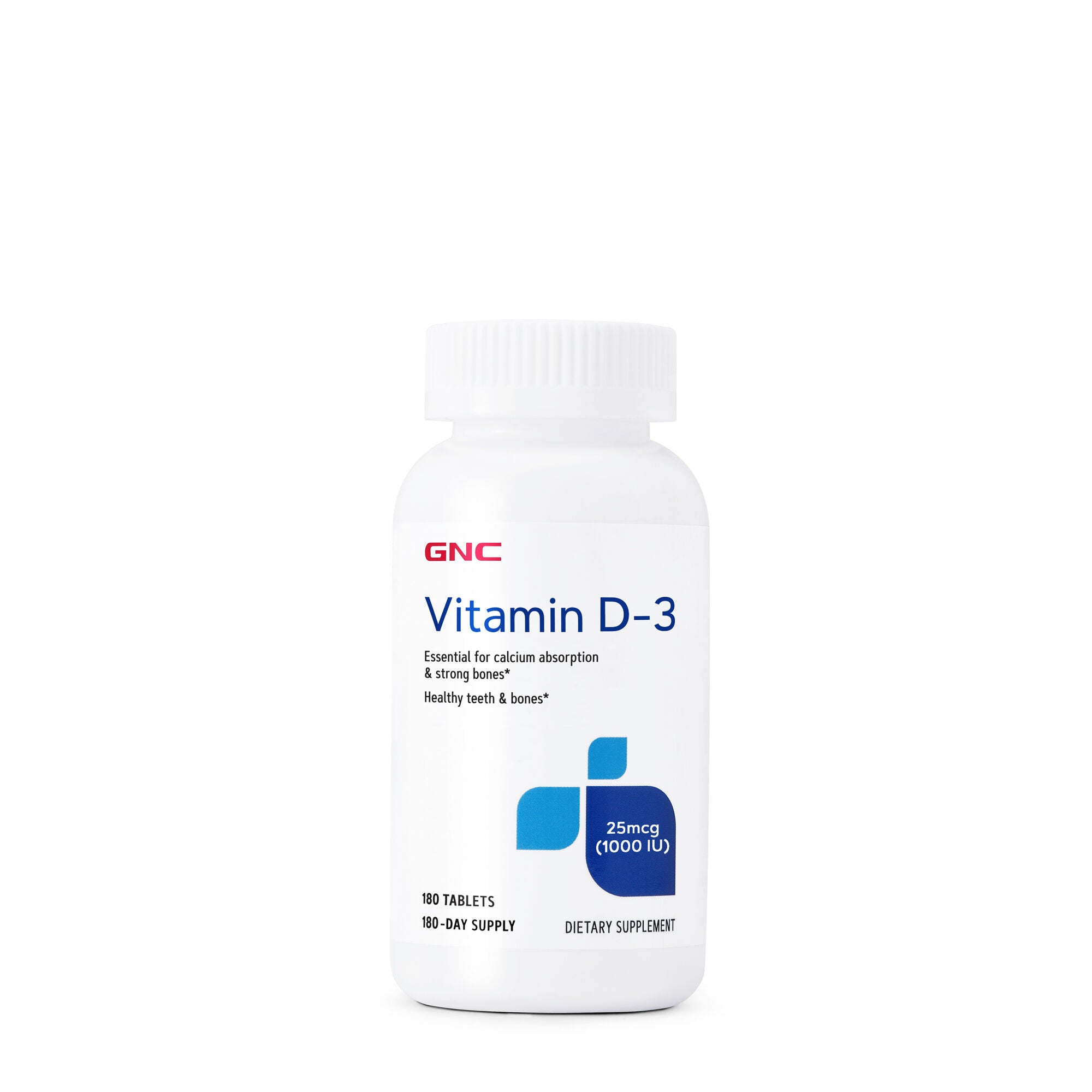
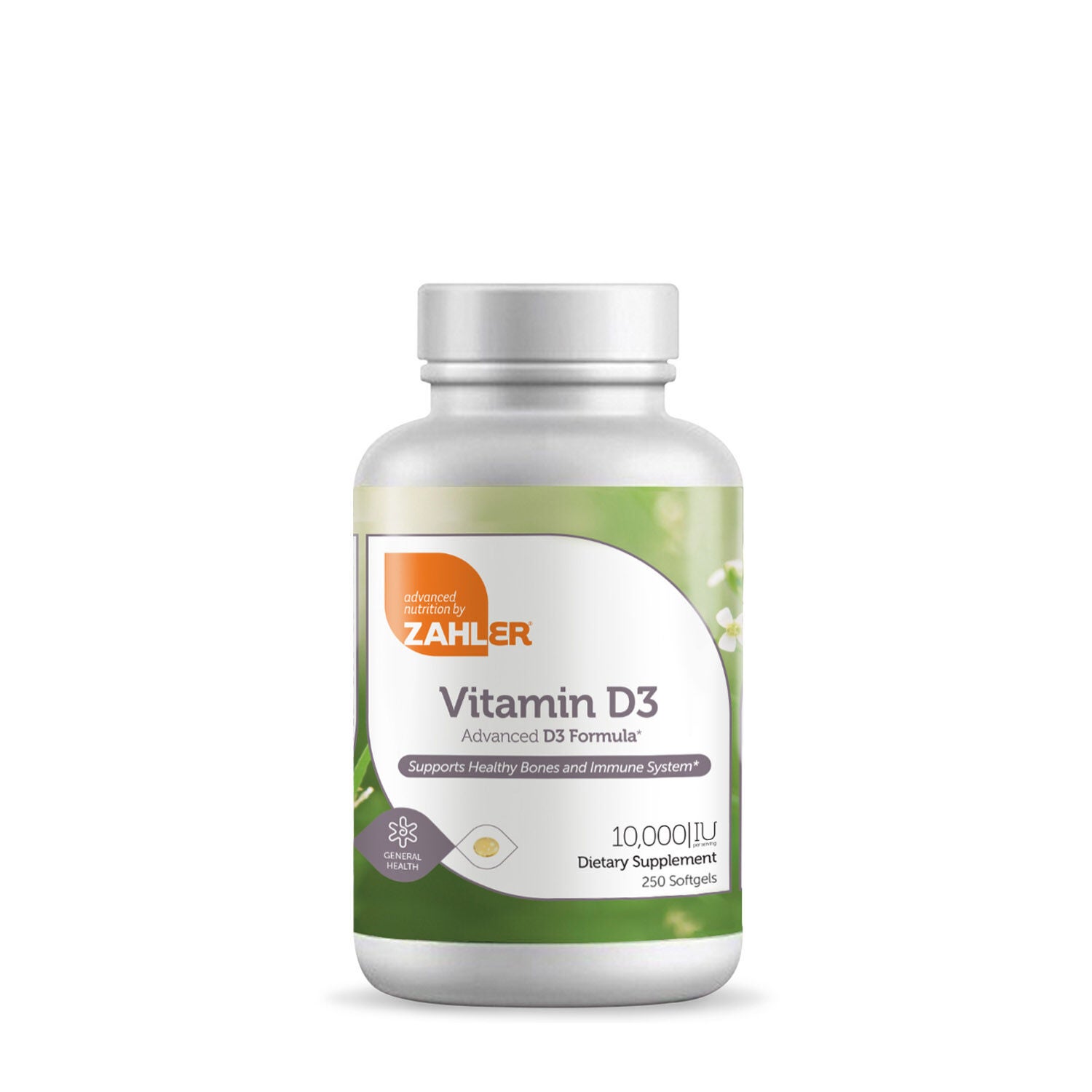
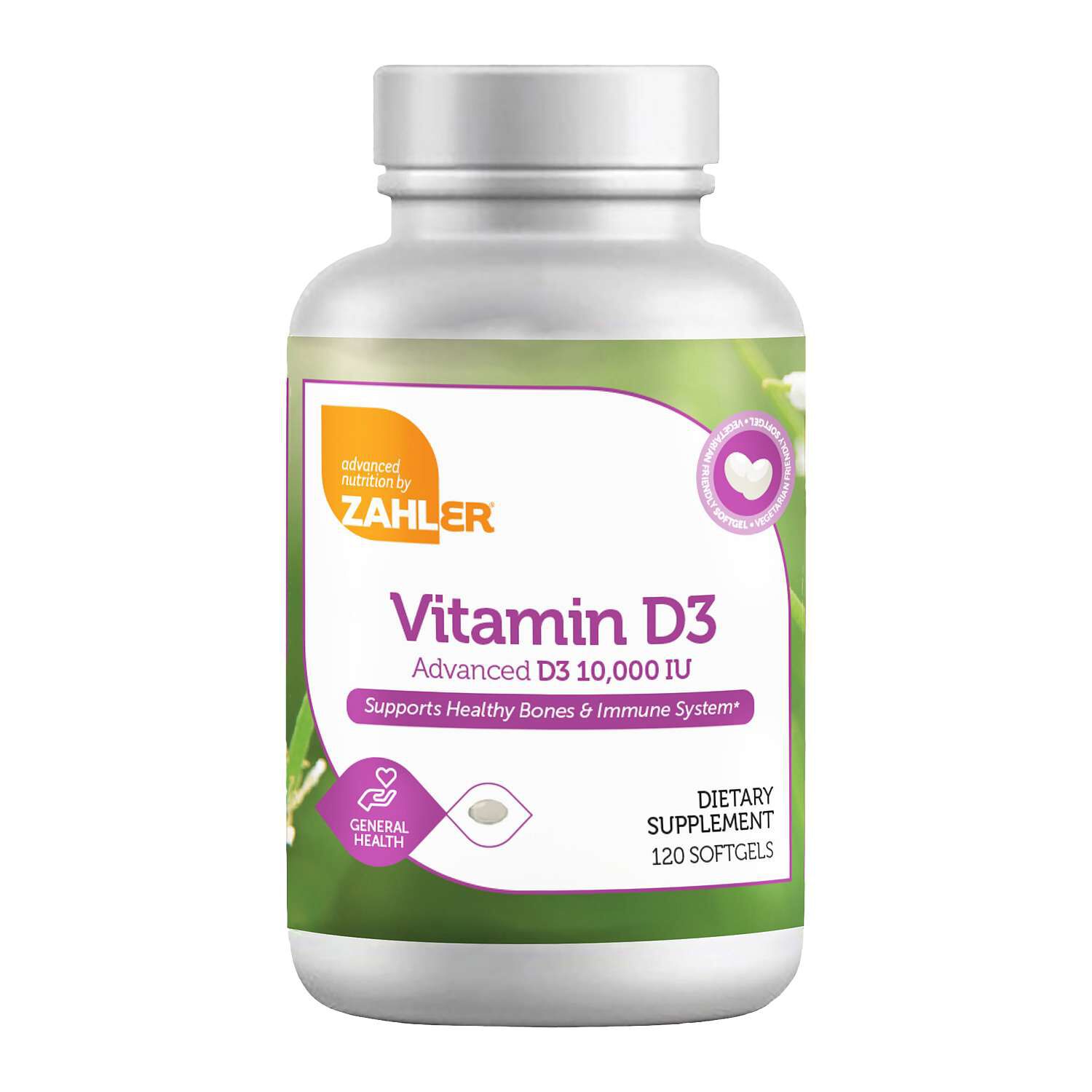
High-potency vitamin D3 supplements offer a concentrated amount of vitamin D3 in formats such as softgels, capsules, tablets, and liquid drops. Products described as high potency often contain 5,000 IU (125 mcg) or 10,000 IU (250 mcg) per serving, although the term does not represent one universal strength across every label. The amount listed in the Supplement Facts panel is the clearest basis for comparing concentrations. Vitamin D3 is also called cholecalciferol, a name that may appear in parentheses next to vitamin D on the label. It is one of the forms of vitamin D used in dietary supplements, distinct from vitamin D2, or ergocalciferol. Vitamin D is a fat-soluble vitamin, and many D3 formulations include an oil-based carrier as part of their composition. On supplement labels, vitamin D quantities can be expressed in micrograms, abbreviated mcg, and international units, abbreviated IU. One microgram of vitamin D equals 40 IU, so the two numbers describe the same quantity using different units rather than separate ingredients. Serving size matters just as much as the strength printed on the front of a bottle: a stated amount might apply to one softgel, two tablets, or a measured portion of liquid. High potency describes concentration, not a universal serving recommendation or an indication that a product is a better choice for every adult. These concentrated options are distinct from lower-strength formulations, and their intended use depends on the individual product’s labeling. A bottle’s front panel provides a quick introduction, while the Supplement Facts, ingredient list, and directions give a more detailed picture of what is inside. For shoppers comparing high-potency vitamin D3, those details help distinguish products that look similar at first glance but differ in serving amount, ingredient source, format, and suggested use.
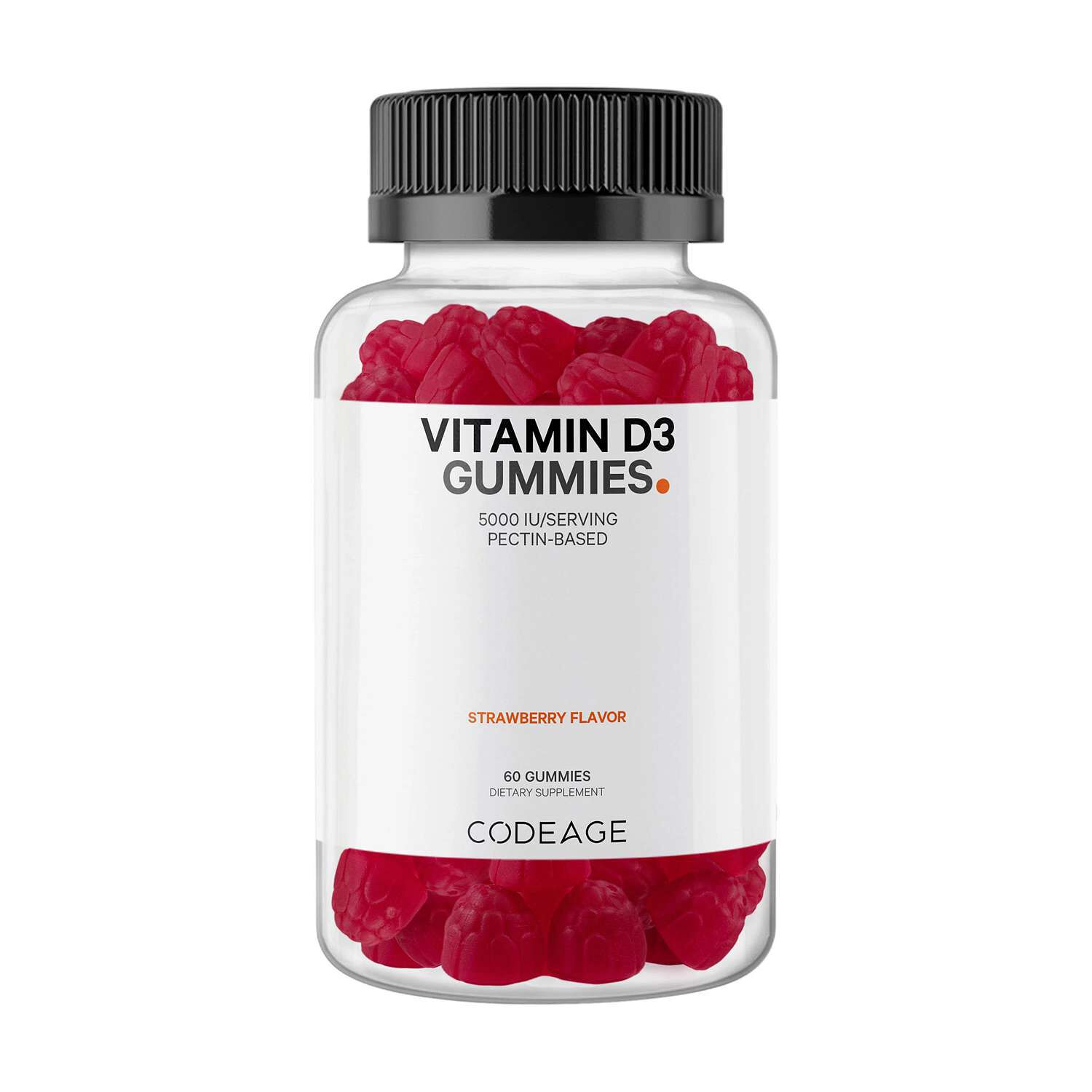
The physical format of a vitamin D3 supplement is a practical part of the shopping decision. Softgels generally have a smooth outer shell surrounding a liquid fill, often with an oil such as olive oil or medium-chain triglycerides. Capsules have a shell that encloses the formula, while tablets contain ingredients compressed into a solid shape; caplets are tablets with an elongated form. Liquid vitamin D3 offers another format, with the serving measured according to the bottle’s dropper or dispensing instructions. A liquid serving may be listed by individual drops or by volume, making the printed measurement particularly important when comparing two bottles. The same-looking dropper does not establish that two formulas have the same concentration. For someone who prefers a supplement with no measuring step, an individually formed softgel or tablet presents a different experience from a liquid bottle. Someone who already uses liquid supplements may prefer the familiarity of a dropper, provided the serving information matches the format they want. Size, shape, coating, and texture can also influence personal preference, though these details are not always visible from the strength statement alone. Ingredient sourcing adds another point of distinction. Vitamin D3 can come from lanolin, a substance obtained from sheep’s wool, or from lichen in certain plant-based formulations. The source of the D3 and the material used for the capsule or softgel shell are separate considerations. A plant-based vitamin ingredient does not, by itself, describe every other component of the finished supplement. Gelatin, cellulose, glycerin, carrier oils, colors, and flavoring ingredients may appear in different formulations, and the ingredient list identifies which are present. Shoppers with dietary preferences can compare explicit vegan or vegetarian labeling alongside the full ingredient information rather than relying on the product’s format. Allergen statements provide additional context where applicable. For flavored liquids or chewable formats, sweeteners and flavor descriptions may also matter to the overall experience. These are tangible differences between formulas with the same stated amount of D3, making concentration only one part of a useful comparison.
High-potency vitamin D3 products also differ in whether D3 is the primary featured nutrient or part of a combination formula. A D3-focused supplement keeps the comparison centered on vitamin D concentration and the accompanying formulation ingredients. Combination products include other nutrients, each with its own amount and serving information. Calcium and vitamin D3 are one such pairing, and High Potency Calcium D3 Caplets represents a related category for shoppers comparing those two ingredients in a caplet format. A combination formula is not interchangeable with a D3-only formula simply because both display vitamin D3 on the label. The amount of each nutrient, the number of caplets per serving, and the product’s directions remain distinct. Packaging details bring another useful perspective to the comparison. The number of pieces in a bottle is not necessarily the number of servings: a 60-count bottle with a two-piece serving contains 30 servings. A serving count also does not establish how frequently the product is intended to be used; that information belongs to the labeled directions. For a bottle that will sit beside other supplements in a cabinet, a legible strength statement and clearly printed serving information can make the package easier to distinguish. For travel, container size, closure design, and an intact original label are practical considerations. Shelf life and product condition depend on the formulation and its labeled storage requirements, rather than on the high-potency designation. Moisture, direct sunlight, and an improperly closed container can affect supplement quality, so packaging instructions provide relevant care information. Expiration dating offers another reference when assessing a bottle intended for an established routine. Across formats, the most meaningful distinctions are concrete: how much vitamin D3 each serving contains, what else the formula includes, how that serving is measured, and how the product fits a shopper’s stated preferences. Together, those details give this concentrated supplement category more definition than a strength claim alone.


