High Protein Iced Coffee Drinks
(0 Results)
High protein iced coffee drinks combine the satisfying taste of your favorite chilled coffee with the potential benefits of added protein. Perfect for those looking to shake up their daily routine, these convenient beverages may support a busy lifestyle while delivering a refreshing coffee experience. Whether you're heading to the gym, powering through work, or simply enjoying a moment to yourself, high protein iced coffee drinks could be a delicious way to enjoy a pick-me-up any time of day.
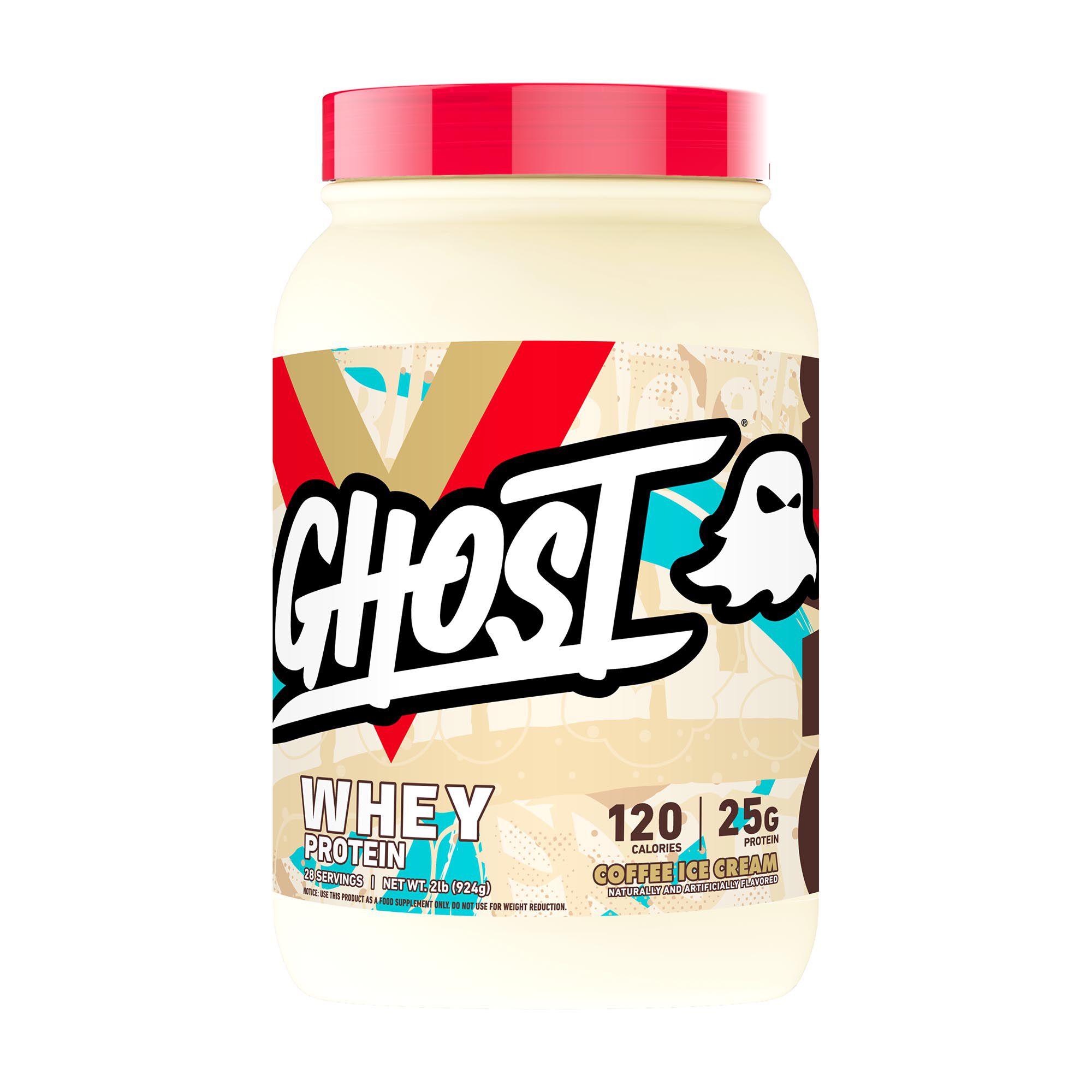


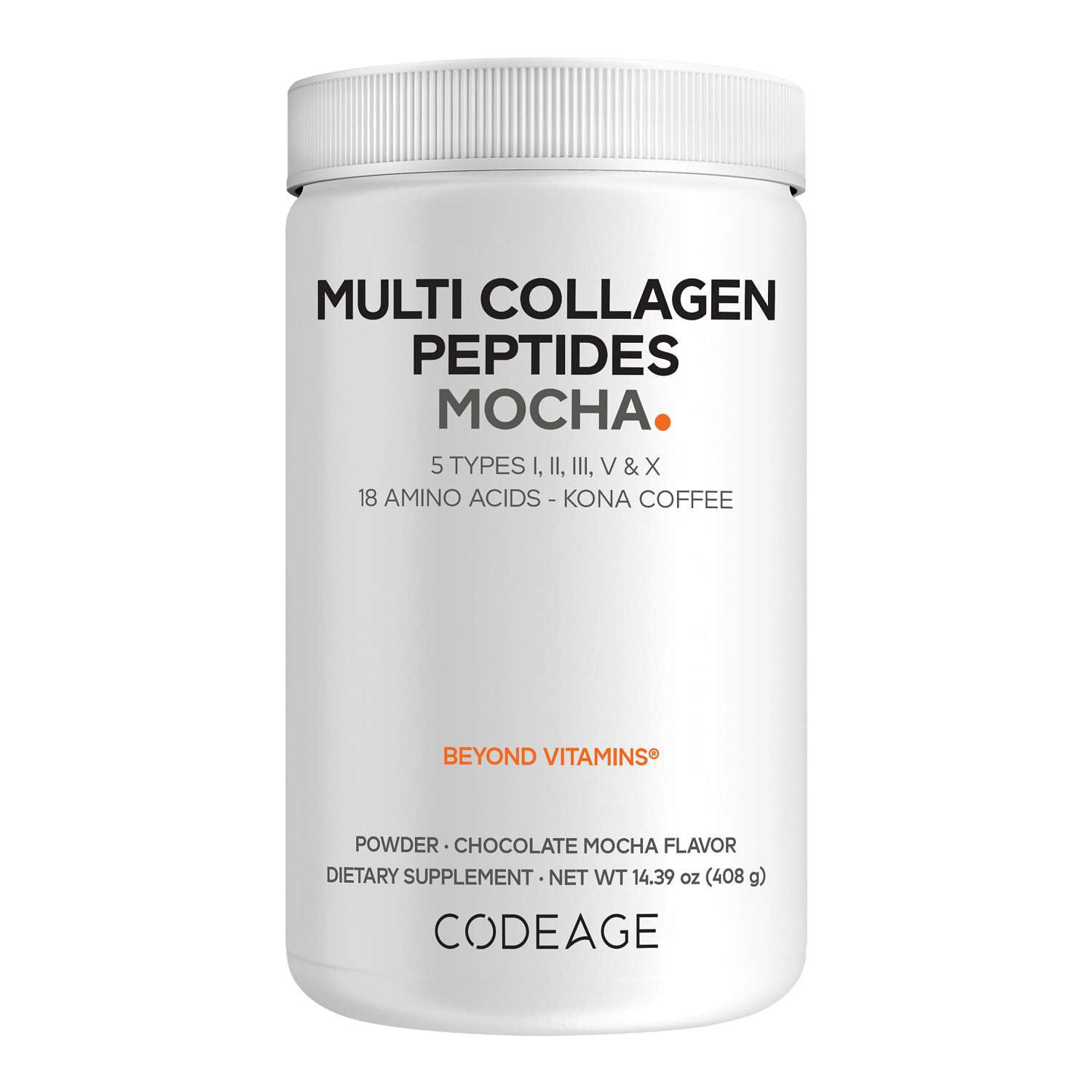


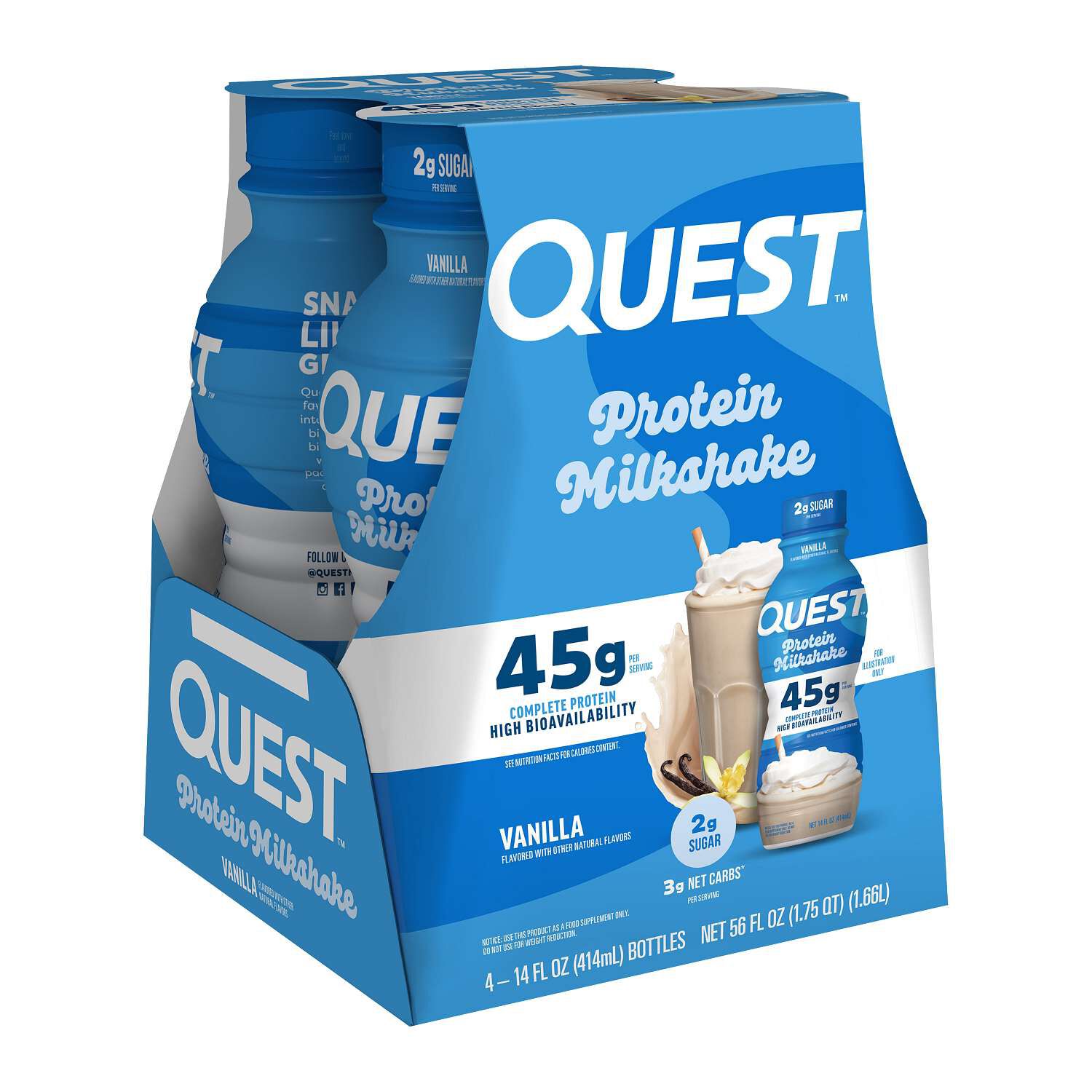
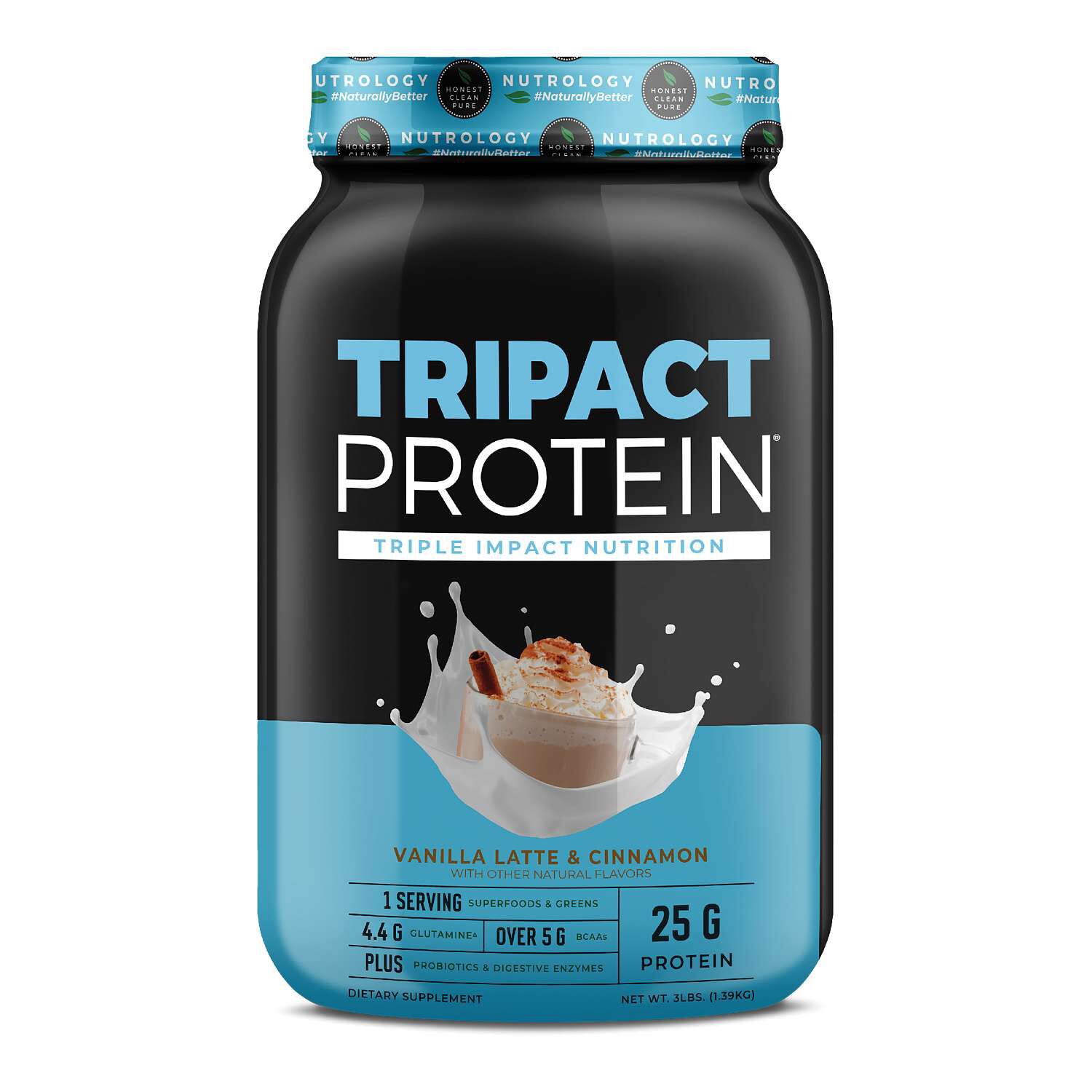
High protein iced coffee drinks pair a chilled coffee flavor with added protein in formats ranging from ready-to-drink shakes to powders mixed with cold liquid. They sit somewhere between an everyday iced latte and a traditional protein shake, with differences in coffee intensity, sweetness, texture, and protein content. Some lean toward the roasted character of brewed coffee, while others have a creamy, dessert-inspired profile with notes of vanilla, chocolate, or caramel. For someone who already enjoys coffee over ice, the appeal may be having coffee and protein in the same glass rather than keeping a separate drink for each. The category includes coffee-based drinks and coffee-flavored protein blends, which are not necessarily the same thing: a coffee flavor alone does not establish how much caffeine a serving contains. Ingredient lists and serving information provide a clearer picture than flavor names or package imagery. Protein amounts also vary, so comparing grams per labeled serving is more useful than assuming every bottle or scoop offers a similar amount. A larger container may contain more than one serving, and a powder’s nutrition information may describe the dry mix rather than the finished drink with milk. These distinctions matter when choosing something for a morning commute, an afternoon desk break, or a chilled drink after a workout. Ready-to-drink formats suit occasions with little room for preparation, while powdered options allow more control over the liquid and consistency. Neither format needs to imitate a thick milkshake; some drinks are lighter and coffee-forward, while others have a richer body. During the cooler months, iced coffee can still be part of an indoor routine, whether it is poured into a glass beside breakfast or carried in an insulated cup. The most relevant comparison is how a drink’s ingredients, serving size, and preparation requirements match the way it will actually be used.
Protein source is one of the main differences among high protein iced coffee drinks. Dairy-based formulas may use whey protein concentrate, whey protein isolate, milk protein, or combinations of these ingredients. Plant-based formulas may feature pea, soy, or blends of plant proteins. The source contributes to the ingredient profile and can influence flavor and consistency, but it does not tell the whole story about the finished drink. Cocoa, coffee ingredients, sweeteners, and other components also shape what ends up in the glass. Someone who enjoys a lightly sweetened cold brew may prefer a different formula than someone whose usual order is a creamy vanilla latte. Descriptions such as mocha or caramel identify a flavor direction, not a standardized amount of sweetness. Labels also distinguish ingredients such as sugar and other sweeteners, which is useful when comparing drinks with similar names. For dietary preferences or ingredient sensitivities, the ingredient list and allergen statement deserve close attention; a coffee-style drink can contain milk or soy even when the front of the package emphasizes its coffee character. With powdered protein coffee, the chosen mixing liquid changes both the taste and the nutrition of the prepared serving. Water leaves the powder’s own flavor more prominent, while dairy milk contributes its own protein and a different texture. Almond, oat, and soy beverages vary in protein content and sweetness, so they are not interchangeable from a nutrition standpoint. Texture preferences deserve equal consideration. A thinner drink may feel closer to iced coffee, while a thicker blend may resemble a shake poured over ice. As ice melts, both coffee intensity and creaminess become more diluted, particularly in a drink that stays on a desk for a while. Serving size, the amount of liquid, and the package’s mixing directions therefore matter as much as the flavor on the label. For a shopper comparing powders, clear preparation instructions offer a practical sense of whether a blend belongs in a shaker bottle, a blender, or another mixing setup.
Caffeine is another important point of comparison, especially because protein content and caffeine content are separate characteristics. A drink with more protein does not necessarily contain more caffeine, and a darker coffee flavor does not establish a higher caffeine amount. Coffee extracts, brewed coffee, and added caffeine can appear in different formulas, making labeled caffeine information more useful than assumptions based on taste. Mixing a caffeinated powder with brewed coffee also changes the caffeine amount in the finished glass, just as adding milk changes its nutrition. Shoppers interested in this overlap can explore Caffeine Protein Shakes when comparing coffee-inspired options with other shake flavors. Beyond the label, packaging and storage help distinguish a drink that suits home use from one intended for a packed schedule. A sealed ready-to-drink container requires little preparation, but its storage directions still determine whether it belongs in a refrigerator before opening. Shelf-stable packaging does not mean an opened drink can be left unrefrigerated; follow the container’s directions for refrigeration and use after opening. Powder containers need their own care, including a securely closed lid, storage as directed, and a clean, dry scoop. For someone carrying a prepared drink to work or a workout, a cup with a secure lid and enough room for ice may make the routine more manageable. Reusable bottles and shaker parts should be washed according to their care instructions, with attention to lids, seals, and mixing pieces where residue can collect. These ordinary details are part of choosing a format that fits daily life. A refrigerator at work, space for a shaker in a tote, or a few minutes at home to mix a powder can influence the decision more than an elaborate flavor description. High protein iced coffee drinks offer several ways to combine a familiar chilled coffee experience with a measured serving of protein. Comparing coffee character, protein source, caffeine information, texture, and storage needs keeps the choice grounded in the drink itself and the occasions it is meant to fit.