





Protein Latte
(0 Results)
Elevate your daily routine with protein latte options that blend the comforting taste of coffeehouse favorites with the potential benefits of added protein. Whether you’re looking to support your active lifestyle or simply enjoy a delicious way to incorporate more protein into your day, these convenient mixes and ready-to-drink beverages might be the perfect fit. Explore a variety of flavors and formats designed to suit your preferences and help you savor every sip of your protein latte experience.

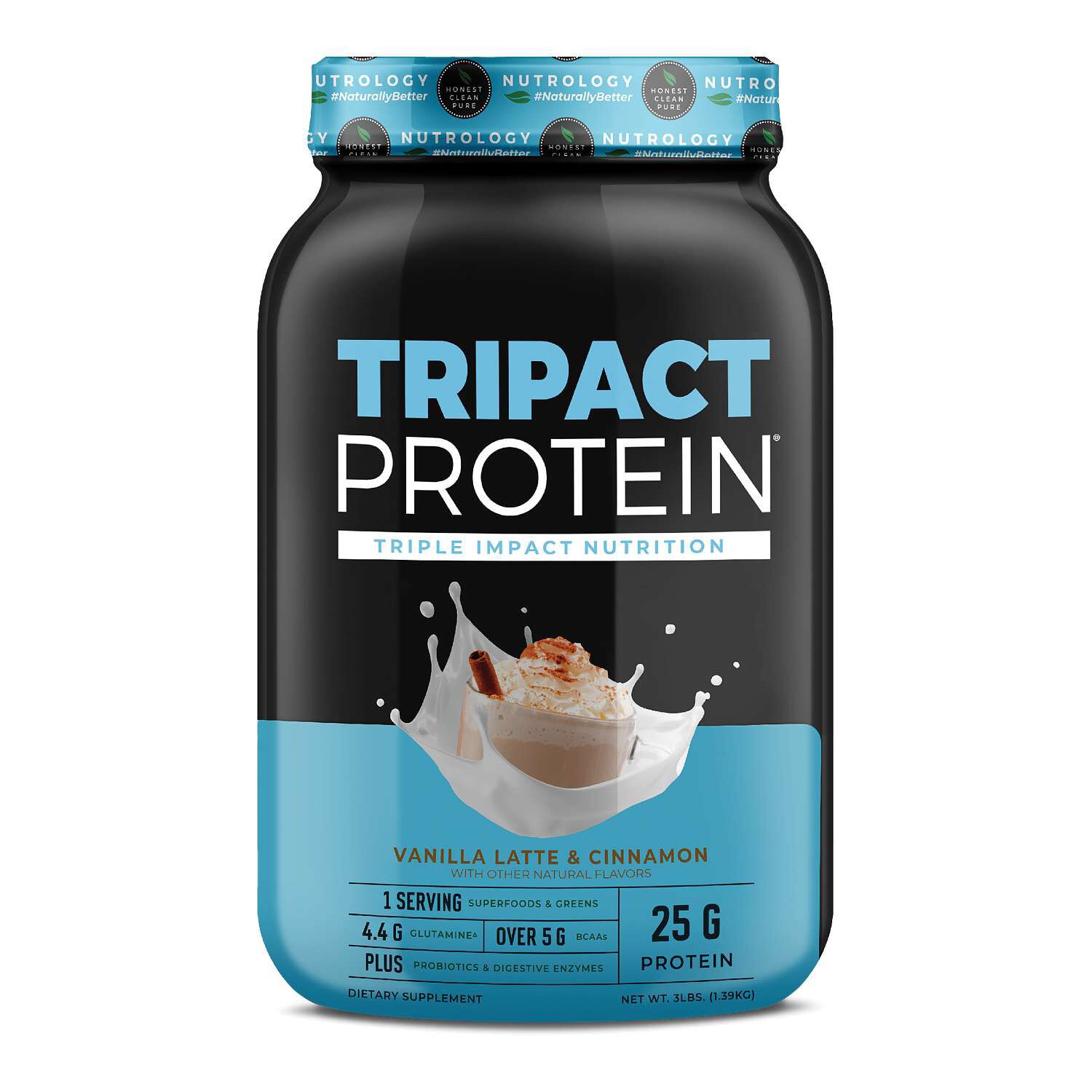

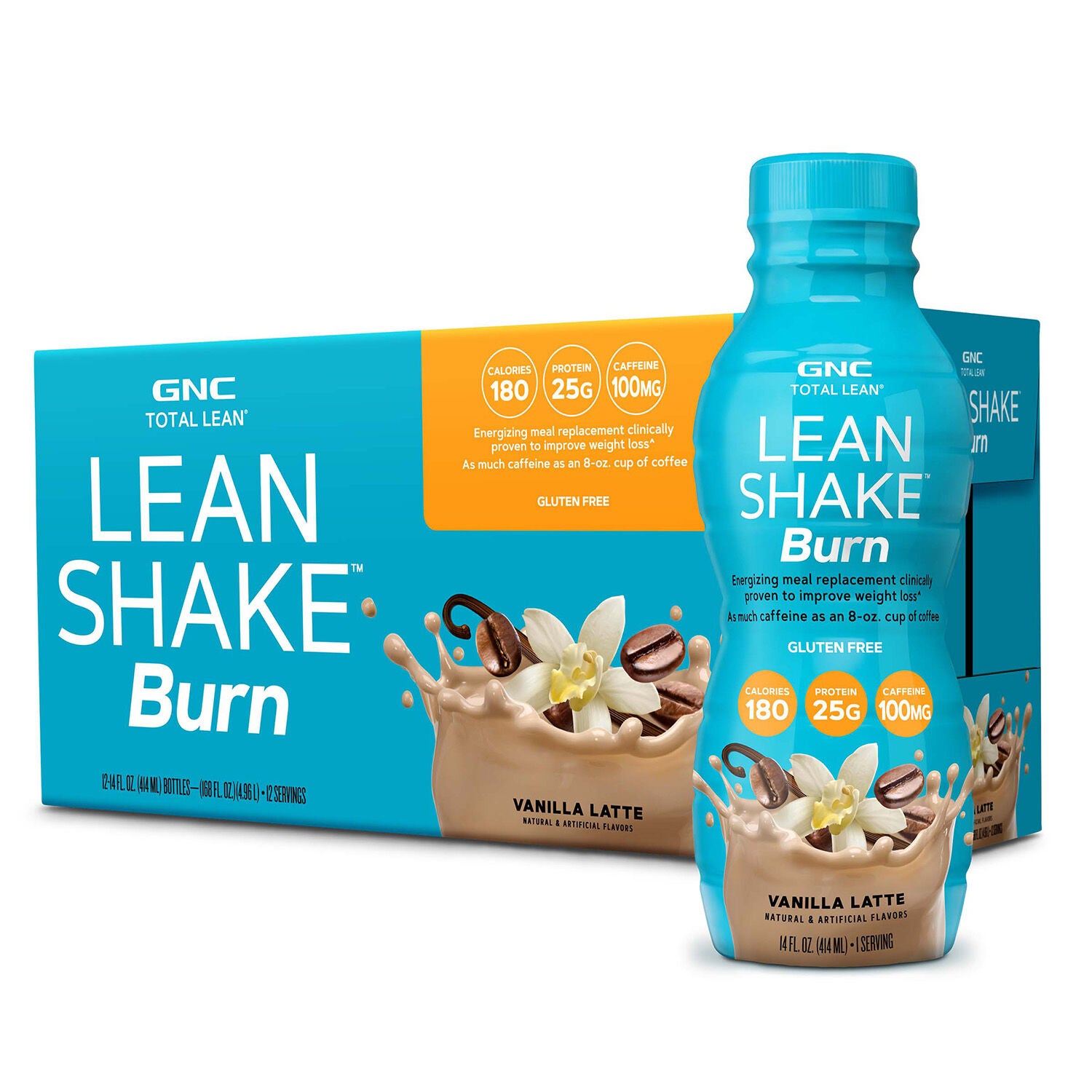
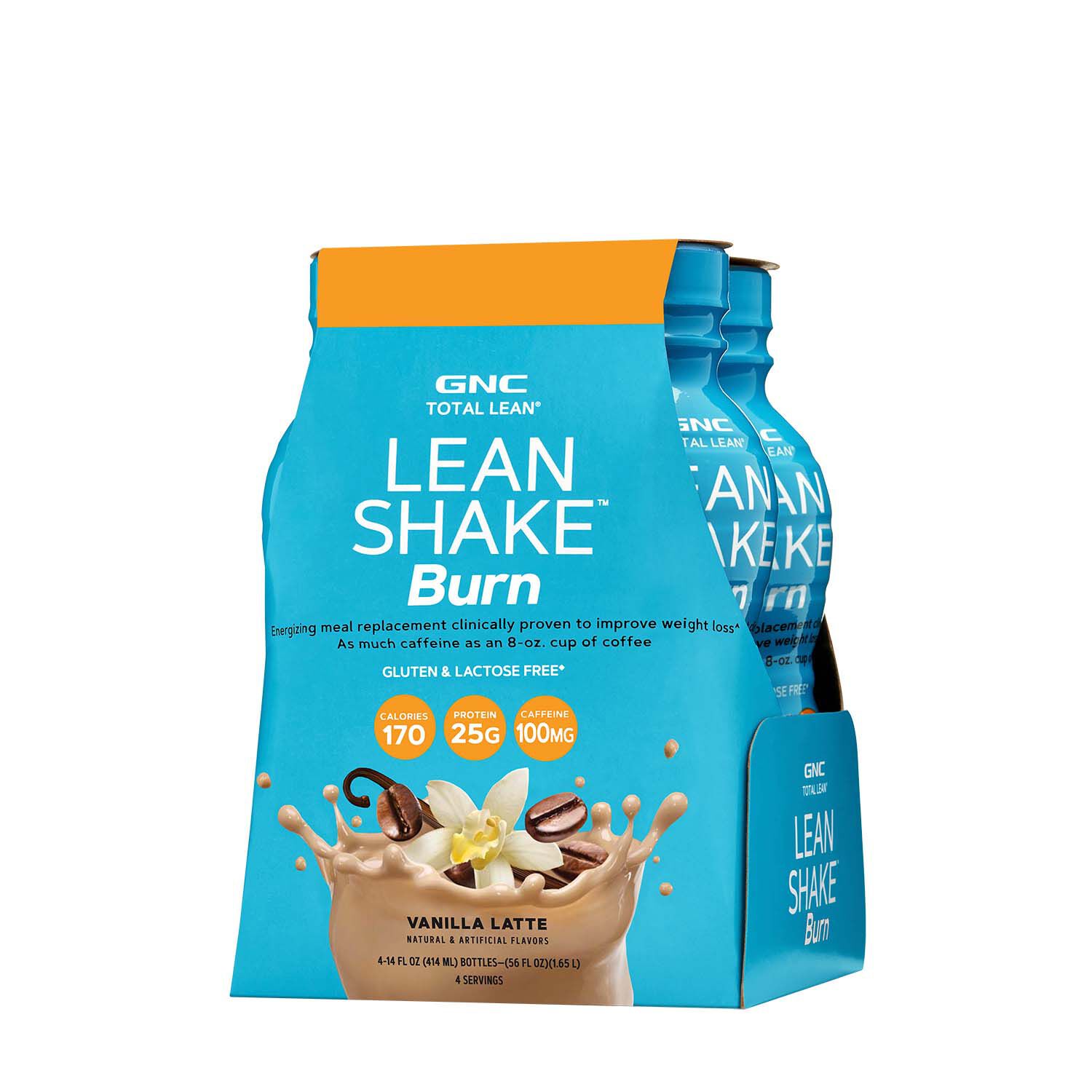
A protein latte typically combines coffee or espresso with milk and an added protein ingredient, such as protein powder or a ready-to-drink protein beverage. It brings the familiar flavor of a latte into a drink with protein, with formats ranging from powders intended for mixing to packaged beverages made with coffee. The defining combination is coffee flavor, a milk-style base, and protein; the amount of each depends on the formula and serving size. Some versions emphasize espresso’s roasted character, while others lean toward creamy vanilla, cocoa, or caramel notes. For someone who already enjoys a morning latte, a protein latte may offer a familiar way to include protein in that routine without choosing a separate shake. Dairy-based formulas often use milk protein, whey, or casein, while plant-based versions may feature sources such as pea or soy protein. The protein source, milk choice, and other ingredients all contribute to the character of the drink, so two beverages with similar names may taste quite different. A coffee-forward option may appeal to someone who enjoys a less sweet finish, while a dessert-inspired flavor may suit someone who usually orders a flavored latte. Nutrition Facts provide a more useful comparison than flavor names alone: protein per serving, serving size, added sugars, and calories describe different aspects of the beverage. Caffeine is another separate consideration, since a drink made with coffee, an espresso-based preparation, and a coffee-flavored formula are not necessarily equivalent. Coffee flavor alone does not establish a particular caffeine amount. Package information is the best reference for the ingredients and quantities in a particular formula. Whether prepared in a mug or carried in a bottle, the appeal centers on bringing coffee and protein together in a format that suits an everyday beverage routine. That combination leaves room for both a simple, lightly sweetened drink and a richer café-style experience, depending on personal taste and the ingredients selected.
Texture matters just as much as flavor when comparing protein latte formats. A traditional latte has a flowing, milk-centered consistency, while some protein beverages have a thicker shake-like body. Powders also differ in fineness, sweetness, and how they disperse in liquid. A formula that works well in a chilled shaker is not automatically intended for direct mixing into hot espresso, and preparation directions help distinguish those uses. Heat and mixing method may affect smoothness, particularly with dairy proteins, so a powder labeled for coffee or warm beverages is a different consideration from a general-purpose shake powder. For a prepared drink, the relevant details include whether it is intended to be shaken, served chilled, or handled in another specified way. These distinctions matter for the person picturing a velvety latte rather than a dense smoothie. Flavor balance deserves the same attention. Espresso contributes bitterness and roasted notes, while milk ingredients contribute their own sweetness and body. Vanilla may soften the impression of a dark coffee profile, and cocoa may create a mocha-style finish. Plant-based ingredients may bring nutty or earthy notes that remain noticeable alongside the coffee. Sweeteners also vary, making the ingredient list useful for shoppers with particular preferences about taste and formulation. Milk and soy declarations are relevant for anyone who avoids those ingredients, and a plant-based description does not by itself explain every ingredient in a formula. The liquid used for preparation matters, too: water, dairy milk, and plant-based beverages produce different nutrition information and may create different textures. The Nutrition Facts on a powder generally refer to the stated serving and preparation details, not every possible homemade variation. A generous mug, extra espresso, or additional milk changes the final drink’s size and composition. These are practical distinctions for shoppers comparing a concentrated coffee flavor with a longer, milkier latte, rather than assuming every protein latte delivers the same experience.
The most suitable protein latte format depends on where the drink fits into the day. A ready-to-drink bottle may suit a commute, a desk drawer before refrigeration when permitted by the label, or a bag packed for a visit to the gym. A powder may be a better match for someone who already keeps coffee, a shaker, and measuring utensils at home. Individual portions may be convenient for travel, while a larger container may suit a repeat preparation routine. Neither format is automatically the better choice; the useful comparison is between the preparation required and the setting in which the beverage will be enjoyed. Someone with access to a refrigerator but no mixing equipment may prefer a prepared drink, while a home espresso enthusiast may enjoy choosing the milk and coffee components separately. A protein latte may accompany breakfast or serve as a coffee break, but its place alongside food depends on its ingredients, portion, and individual preferences. It is not interchangeable with a meal simply because it contains protein. Packaging and storage directions deserve attention, especially when comparing unopened beverages with drinks that have already been opened or mixed. Some packaged beverages require refrigeration from the start, while others have different instructions before and after opening. Powder containers also have their own storage directions, including keeping the contents dry and closing the container properly. For a broader look at drinkable protein formats beyond latte-style choices, explore Pure Protein Beverages. Across these formats, useful comparison points remain straightforward: the protein source and amount, the coffee character, sweetness, serving size, preparation method, and storage requirements. Paying attention to those details makes the differences between a coffee-forward drink and a creamy shake-style latte easier to recognize. A well-chosen format fits the equipment, time, and flavors someone already enjoys, keeping the focus on an appealing coffee experience with clearly understood ingredients.
Best Sellers



Related Pages
Top Collections
- Daily Collagen Supplements | Top Brands & Deals | GNC
- Joint Mobility Supplement Packs
- Zinc Supplements | Top Brands at Great Prices | GNC
- GLP 1 Support For Adults
- Supplements For Yoga Joint Flexibility
- Supplements For Balance
- Capsule Supplements For Energy And Stamina
- Adult Mobility Supplements
- Chronic Fatigue Supplements
- Vitamins For Hair Loss