Hunger Control Shakes
(0 Results)
Looking for a way to manage your appetite while staying on track with your health goals? Hunger control shakes might be the perfect solution. These shakes could offer a convenient and tasty option for those seeking to support their wellness journey. Packed with nutrients, hunger control shakes may help you feel satisfied between meals, potentially making it easier to resist snacking and maintain a balanced diet. Explore our selection and discover how these shakes might fit into your lifestyle, offering both nourishment and the potential for appetite management.
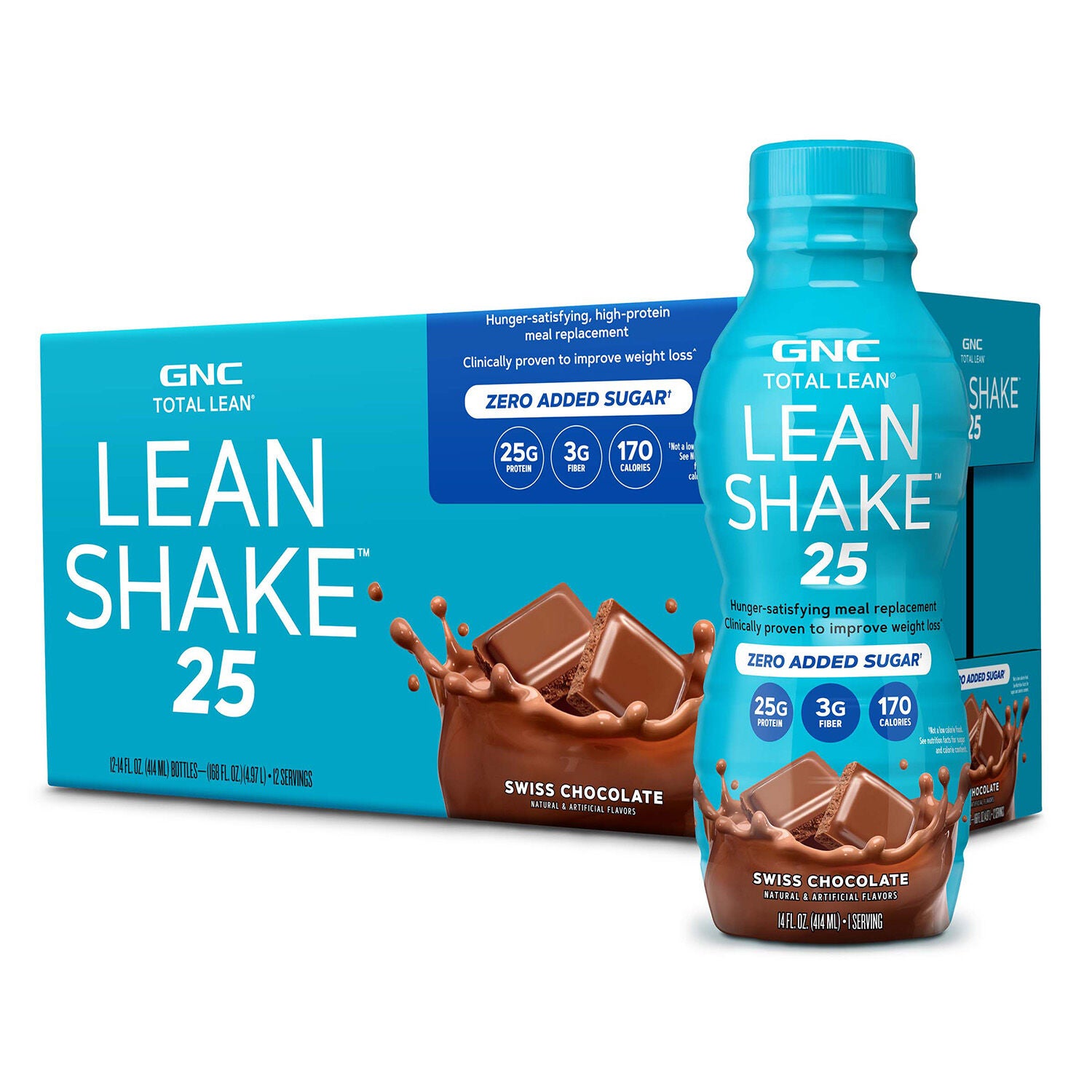


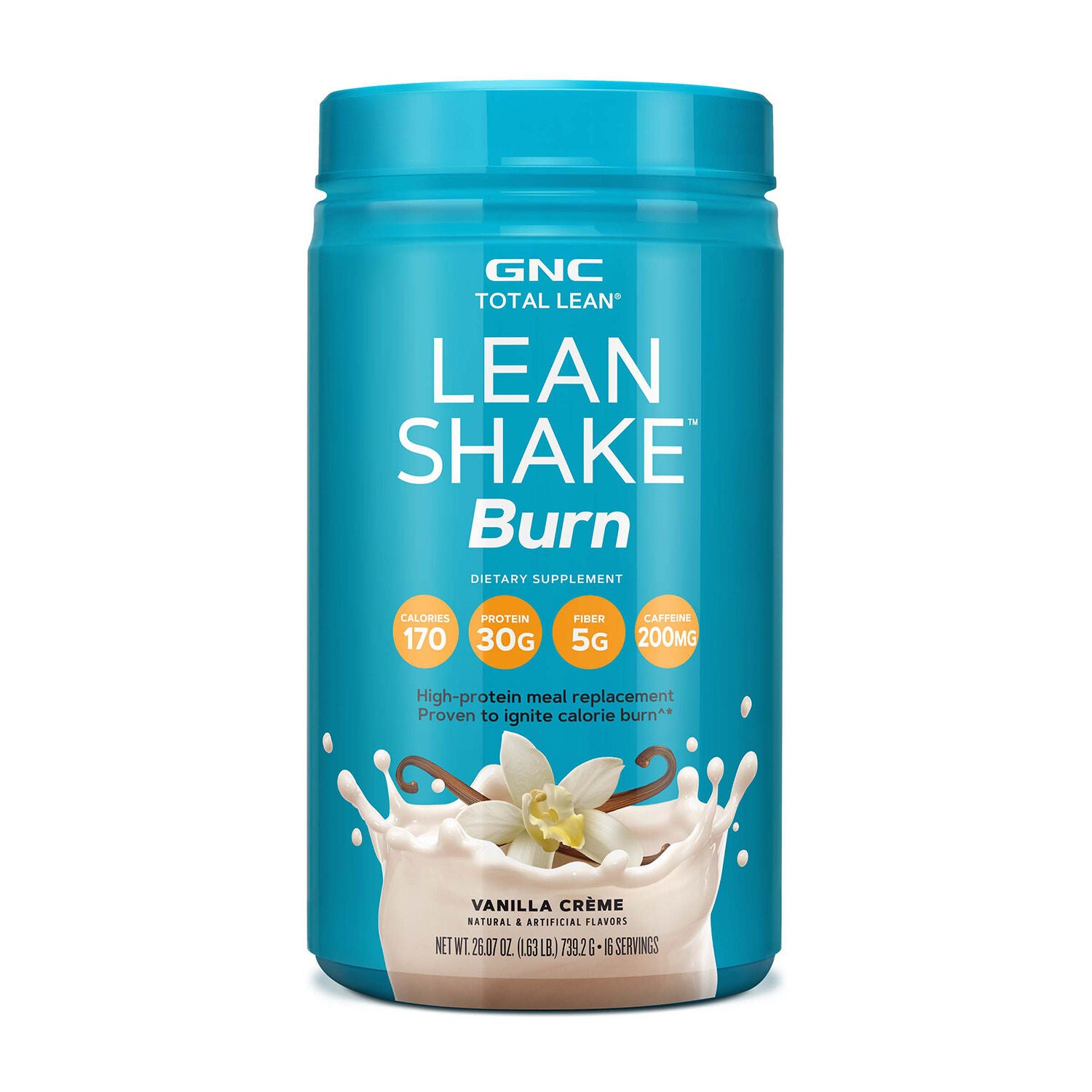
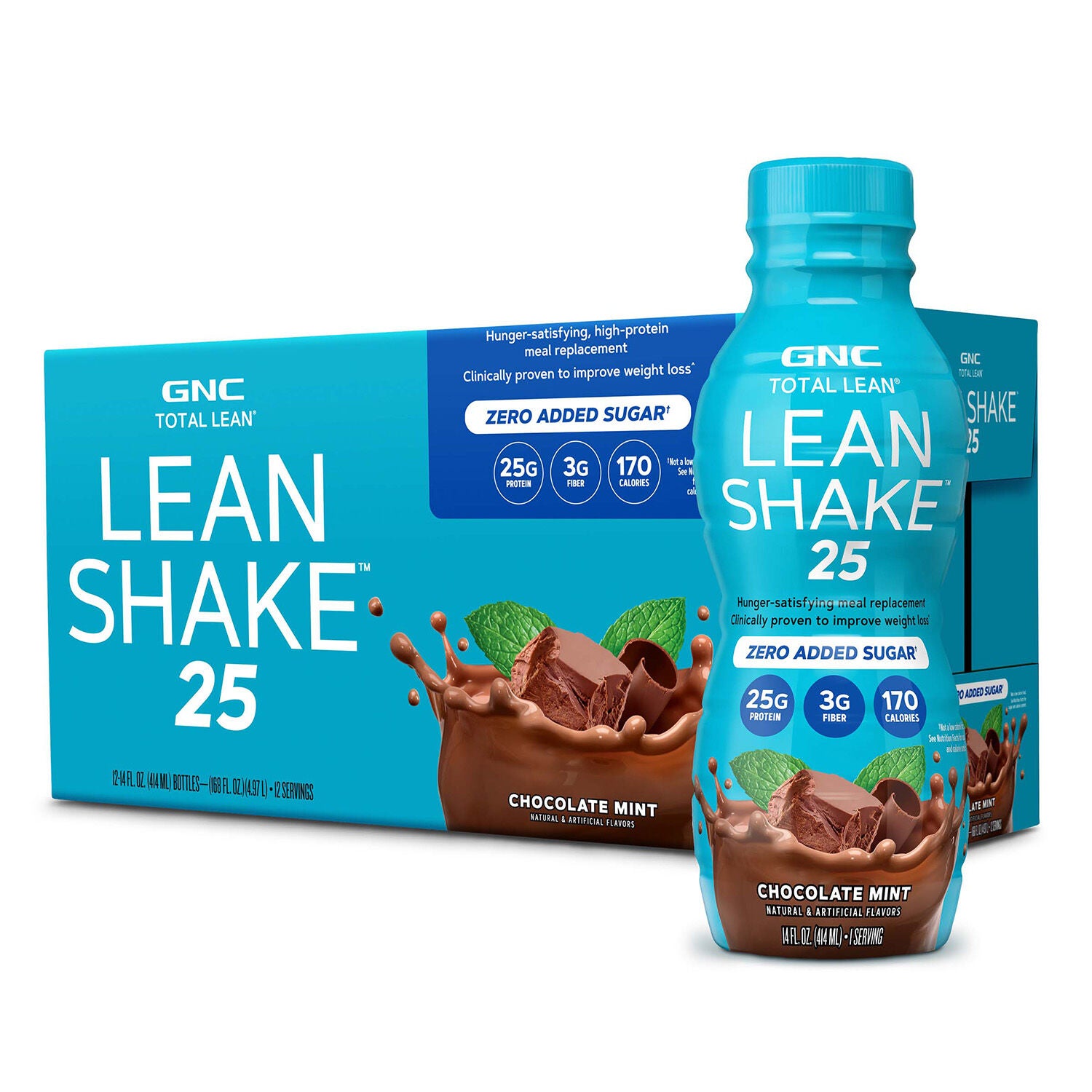
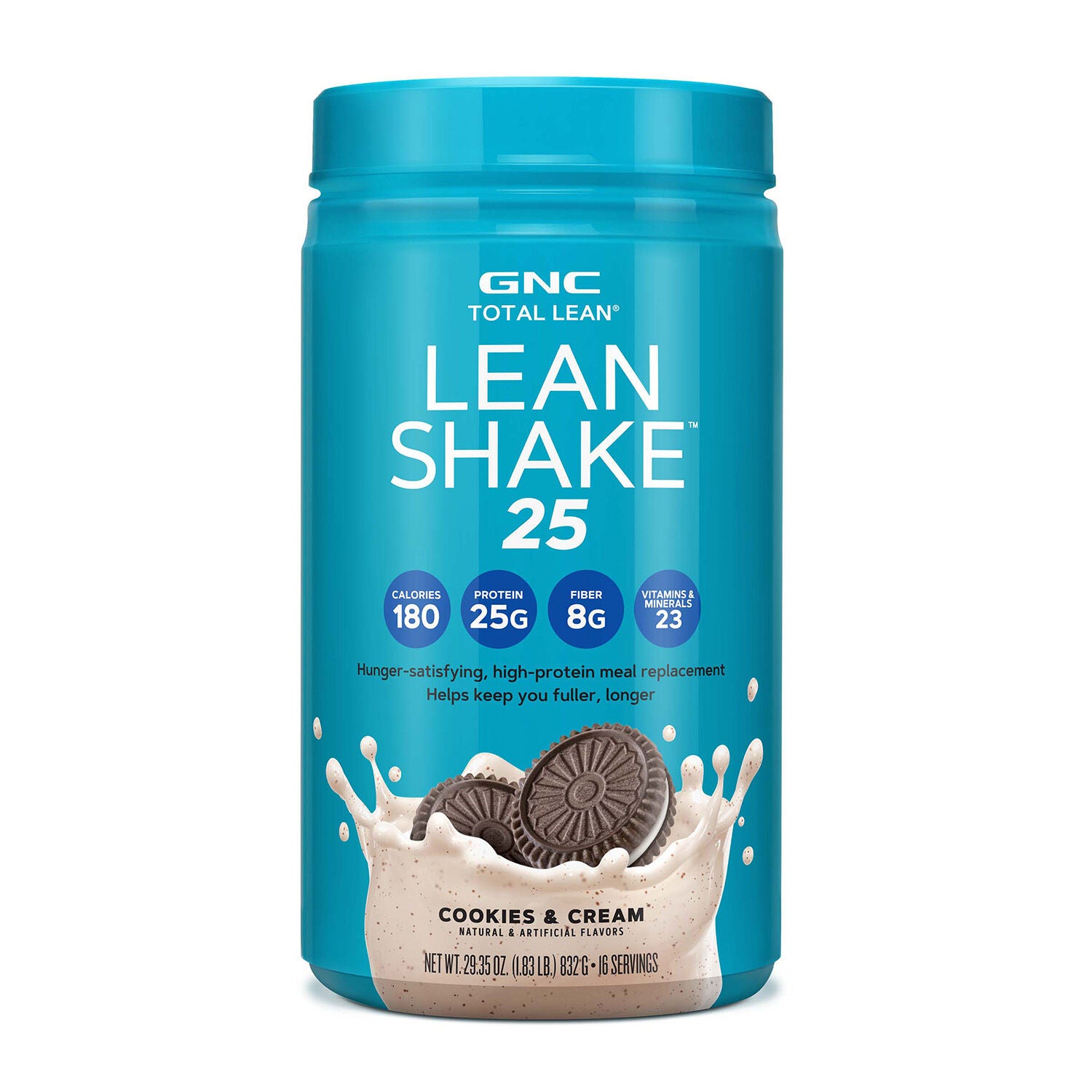
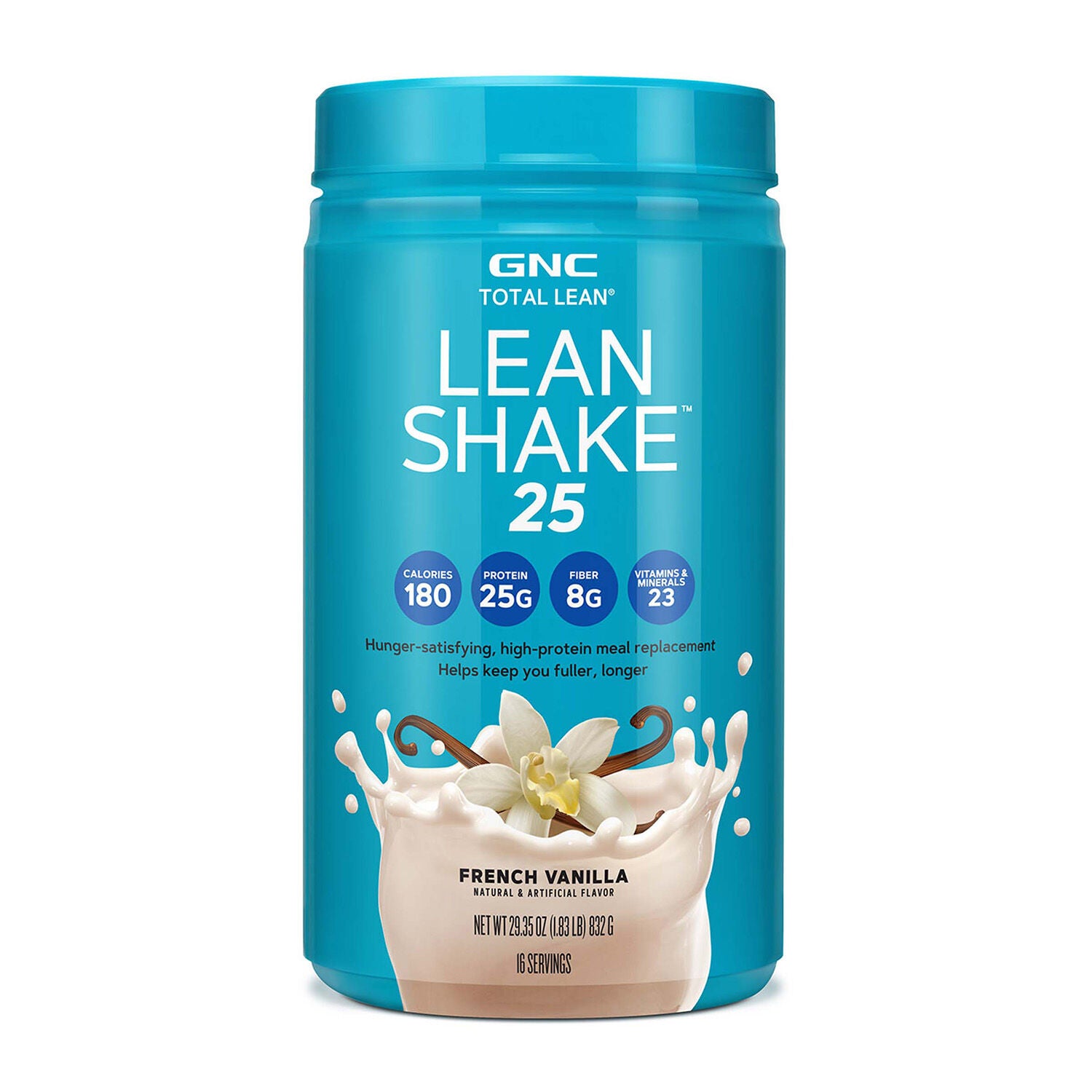
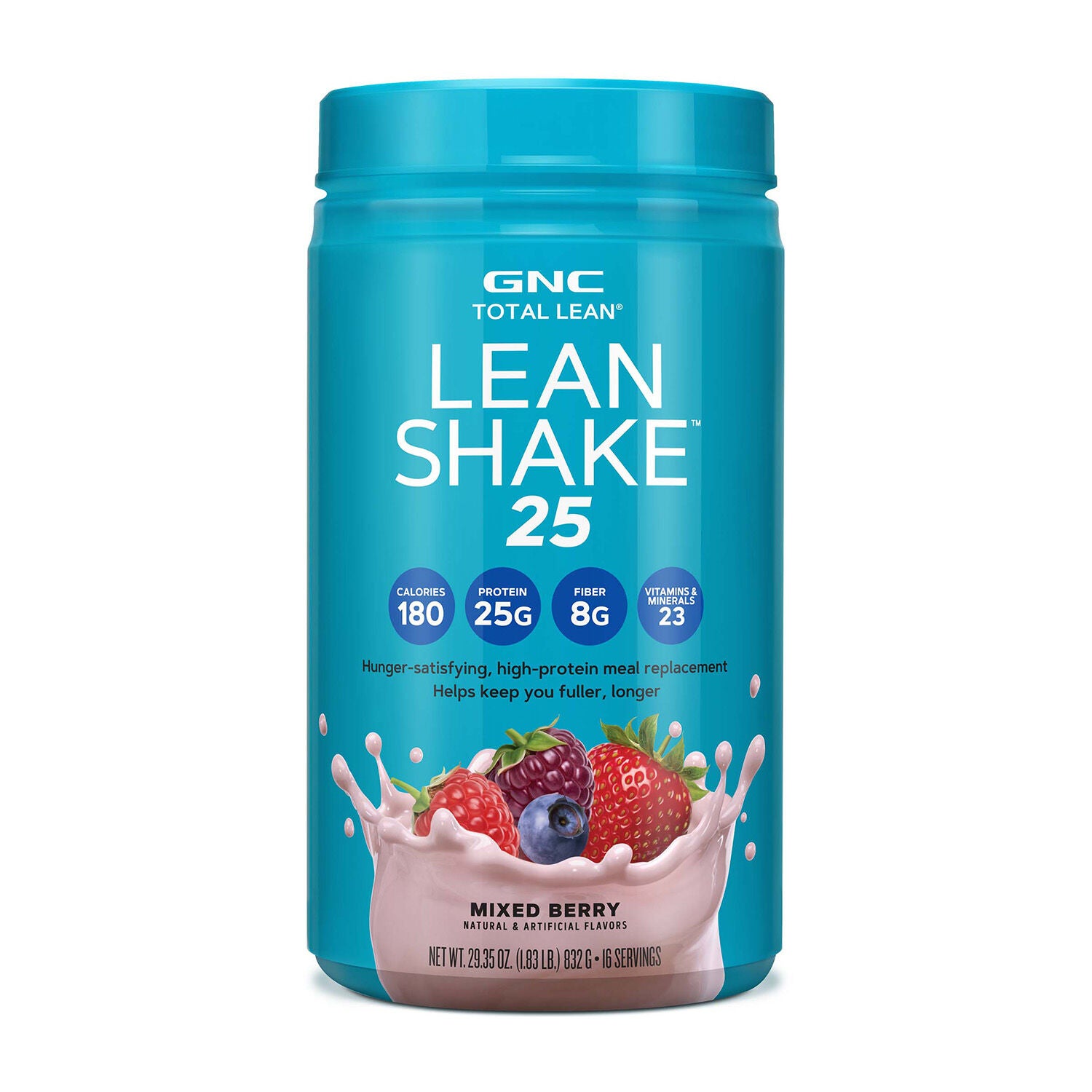
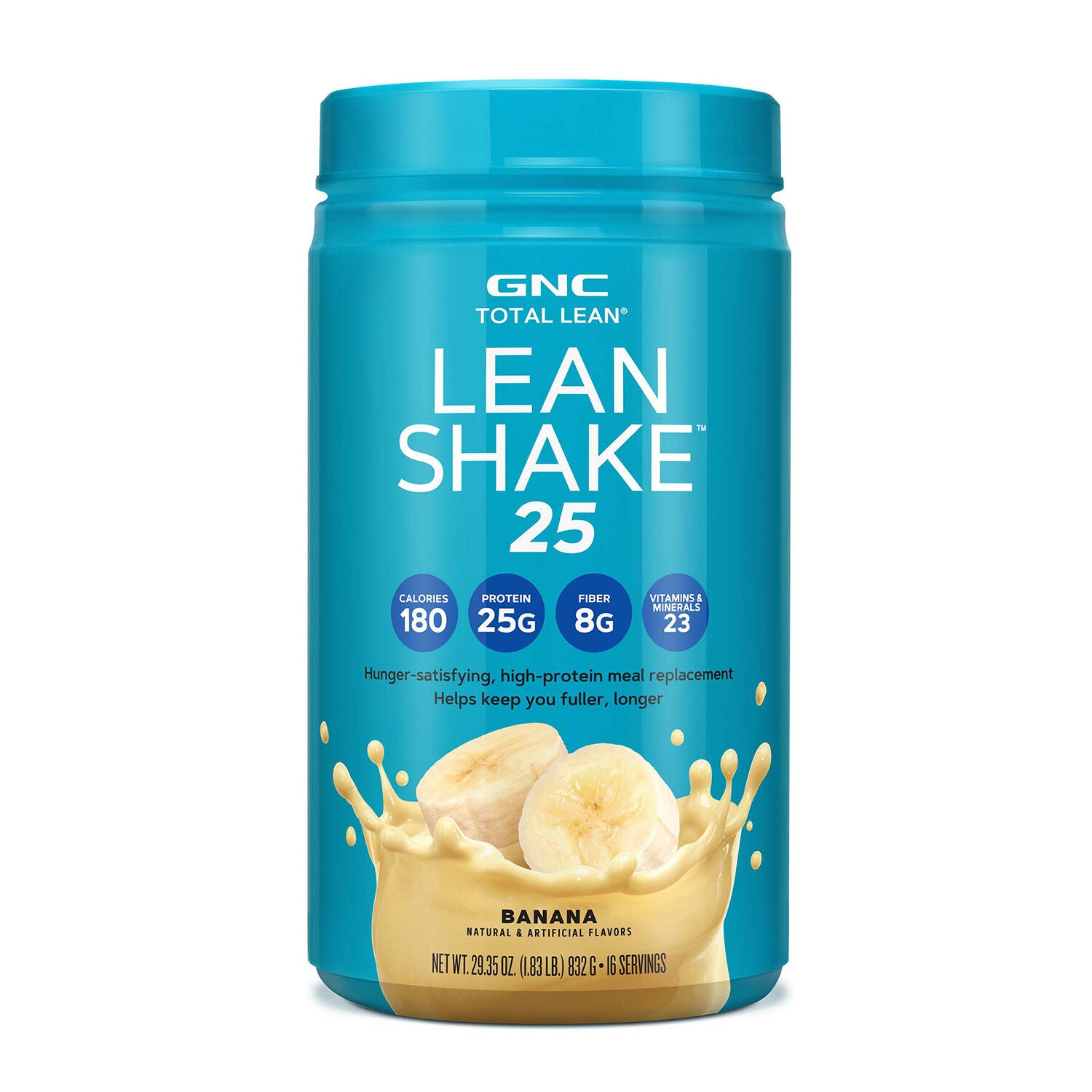
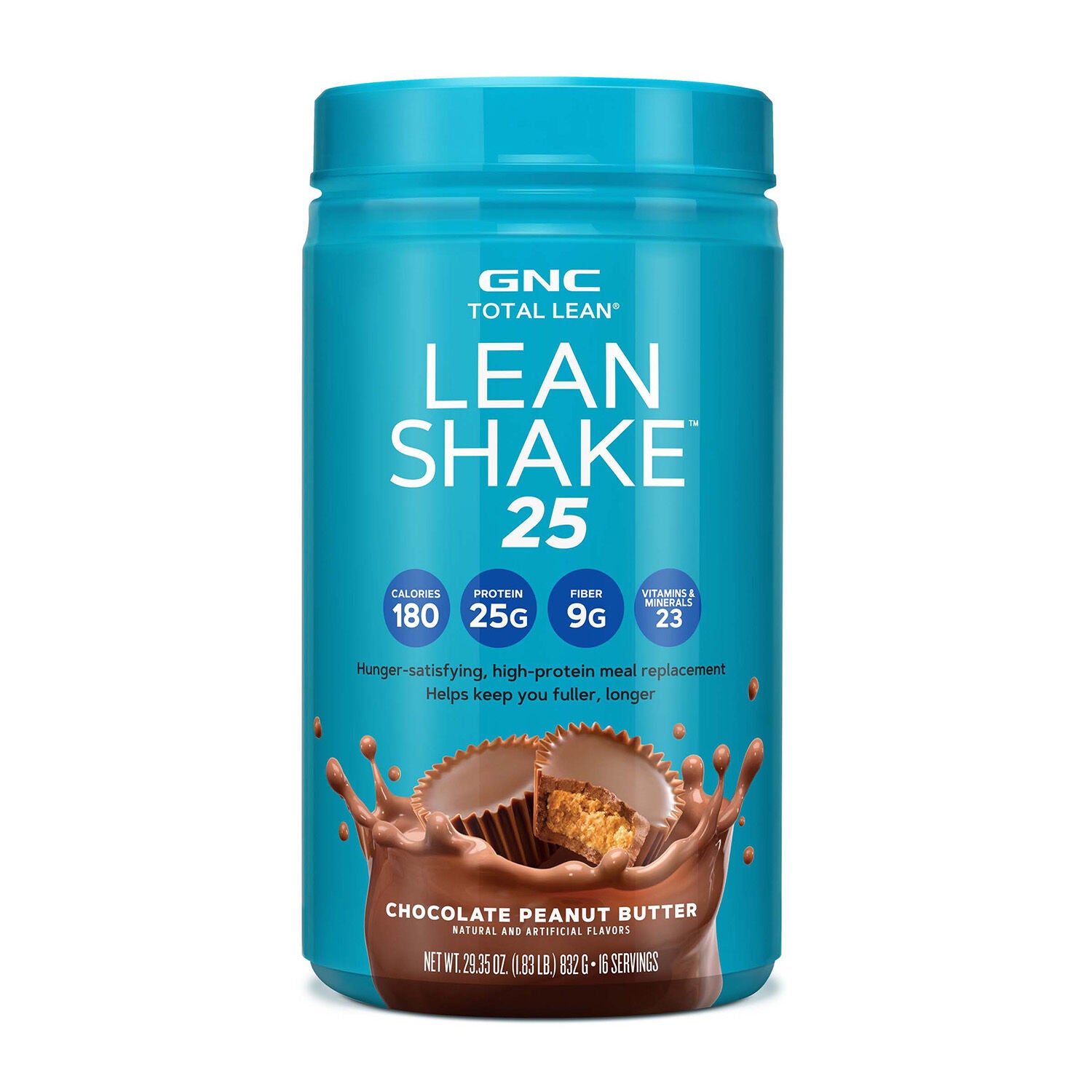
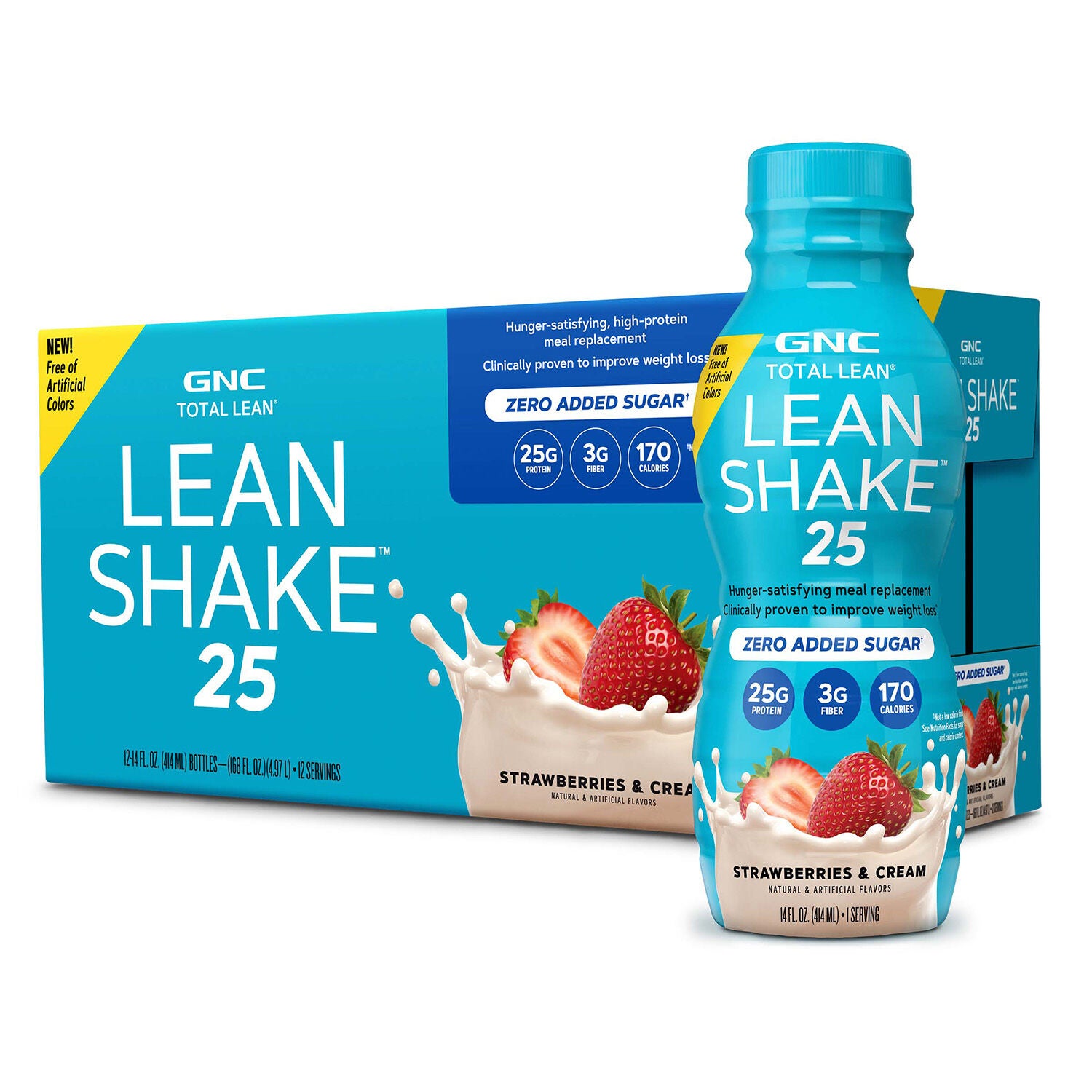
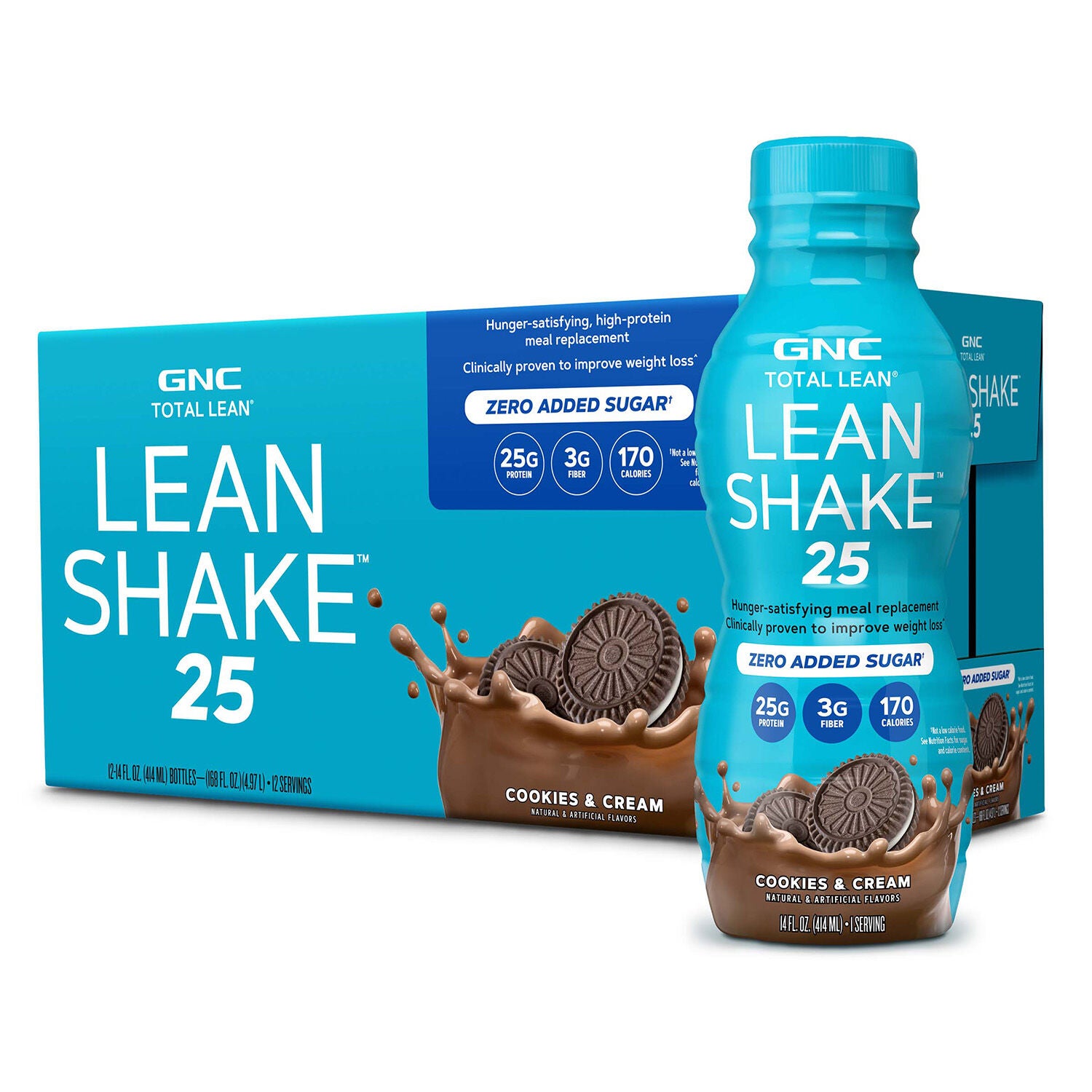
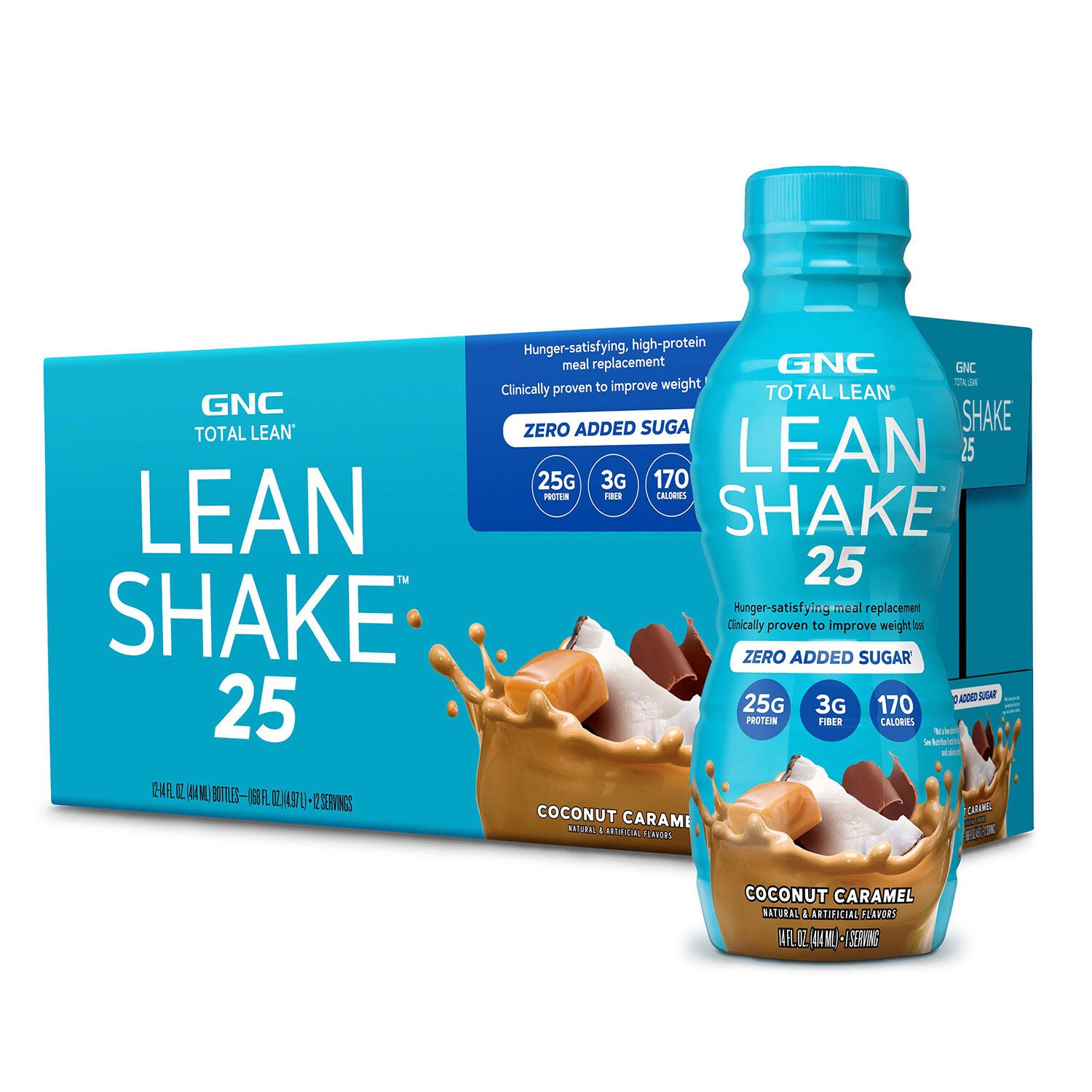


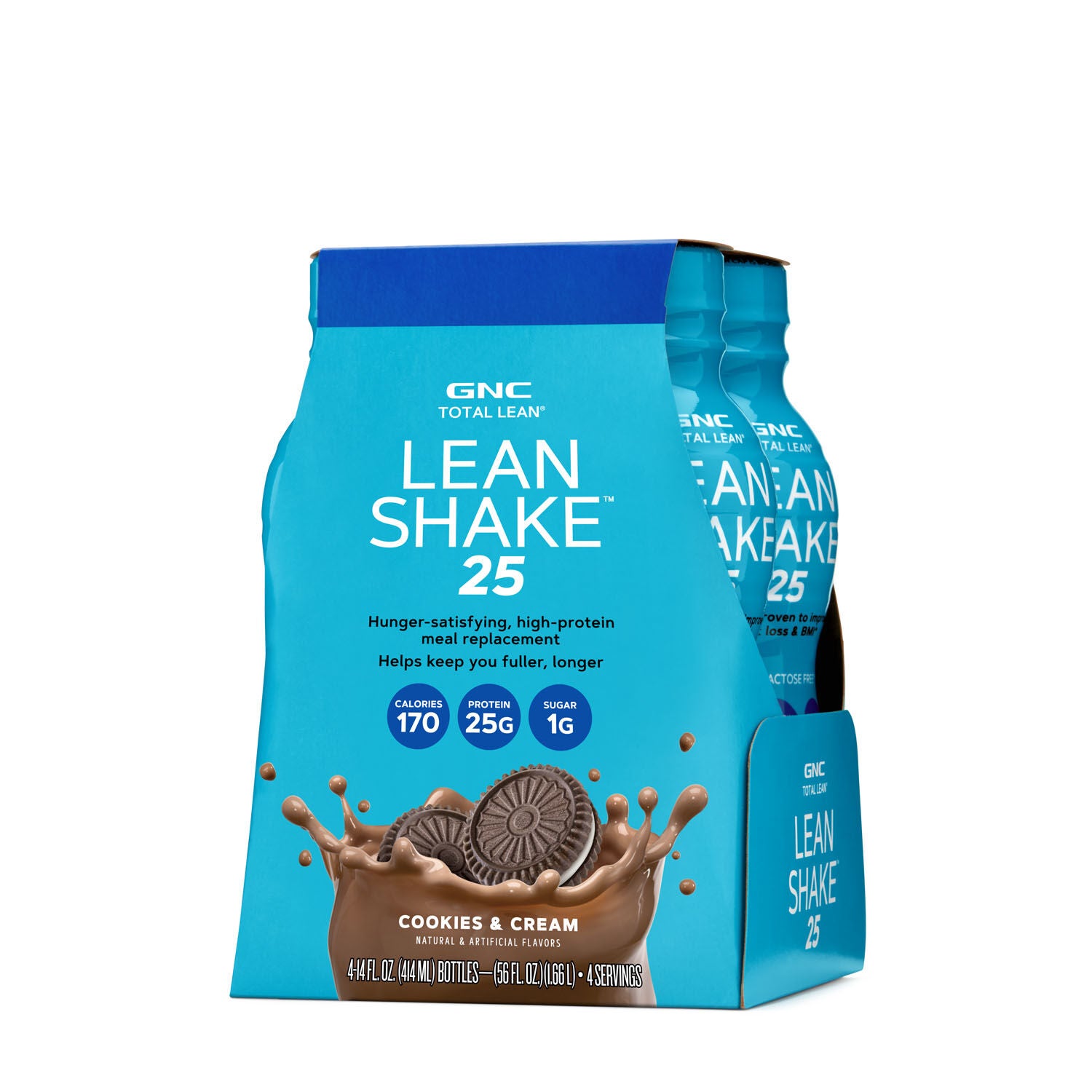
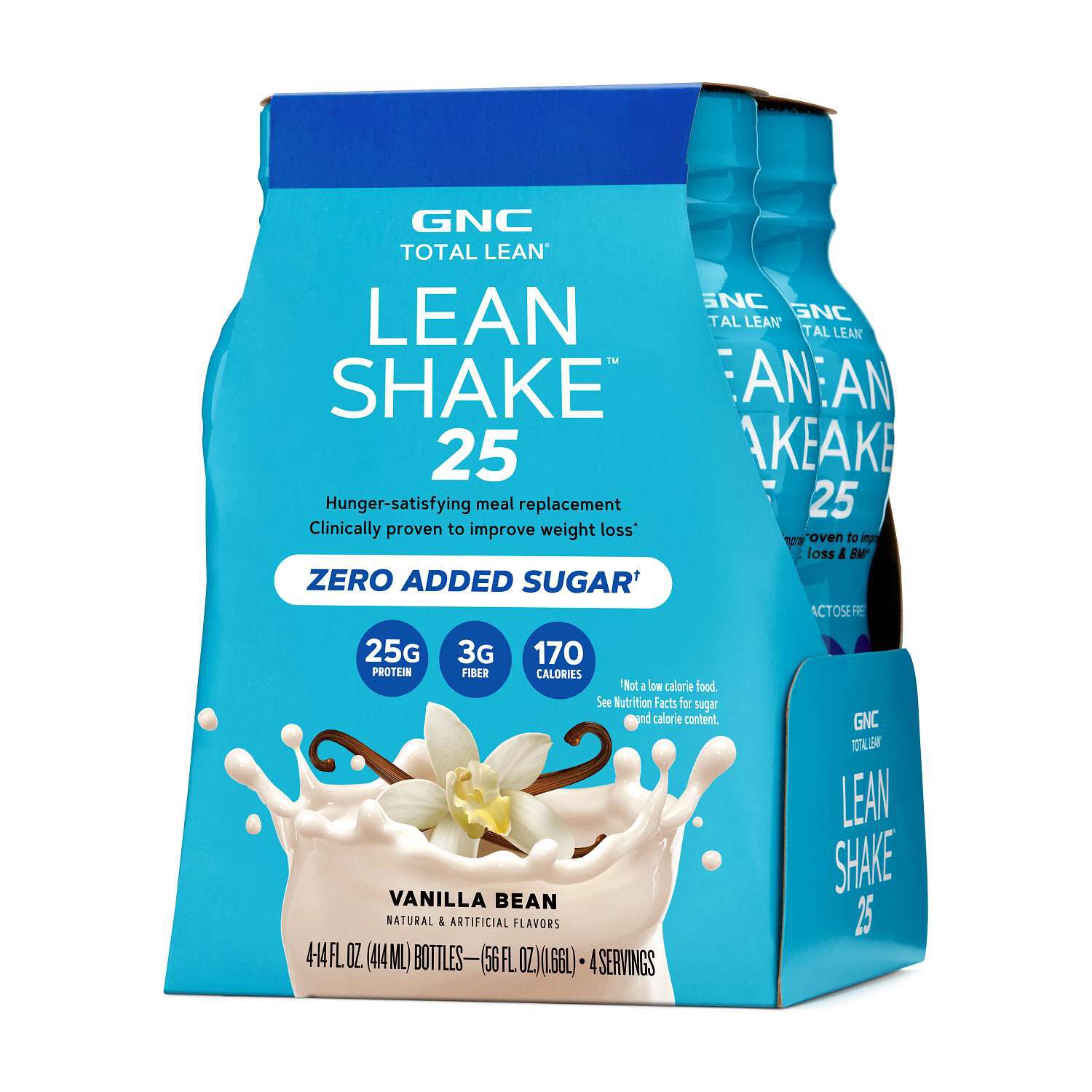
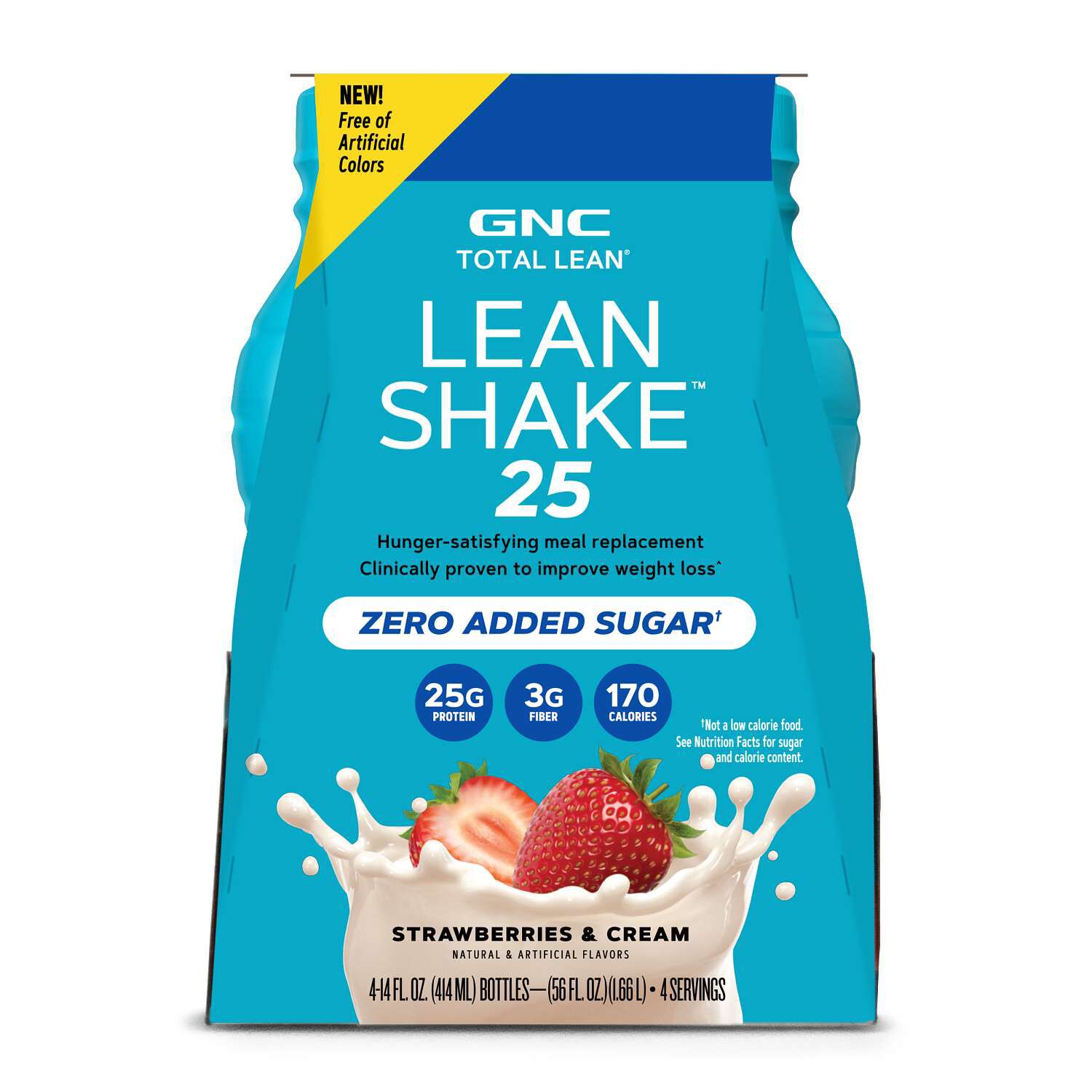
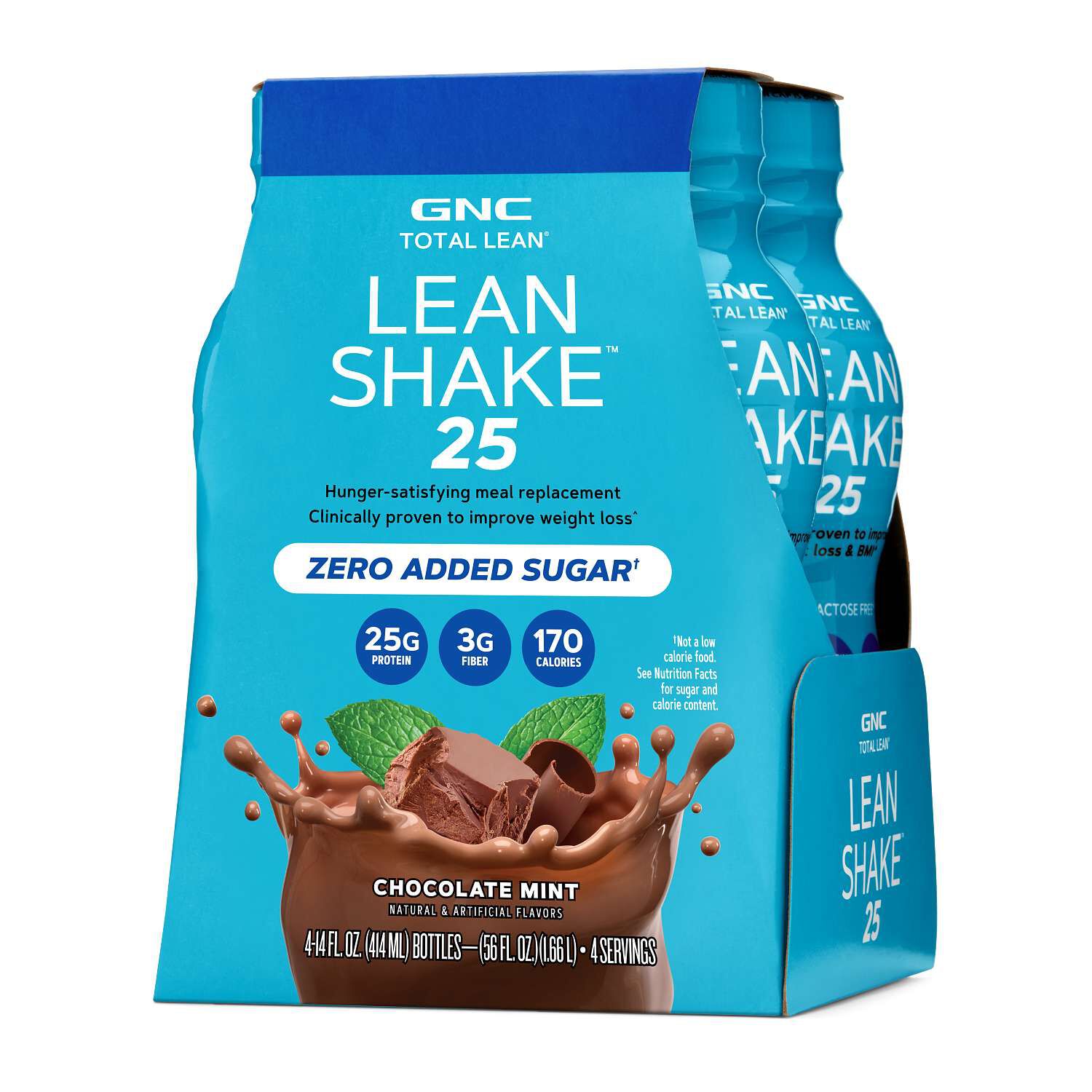
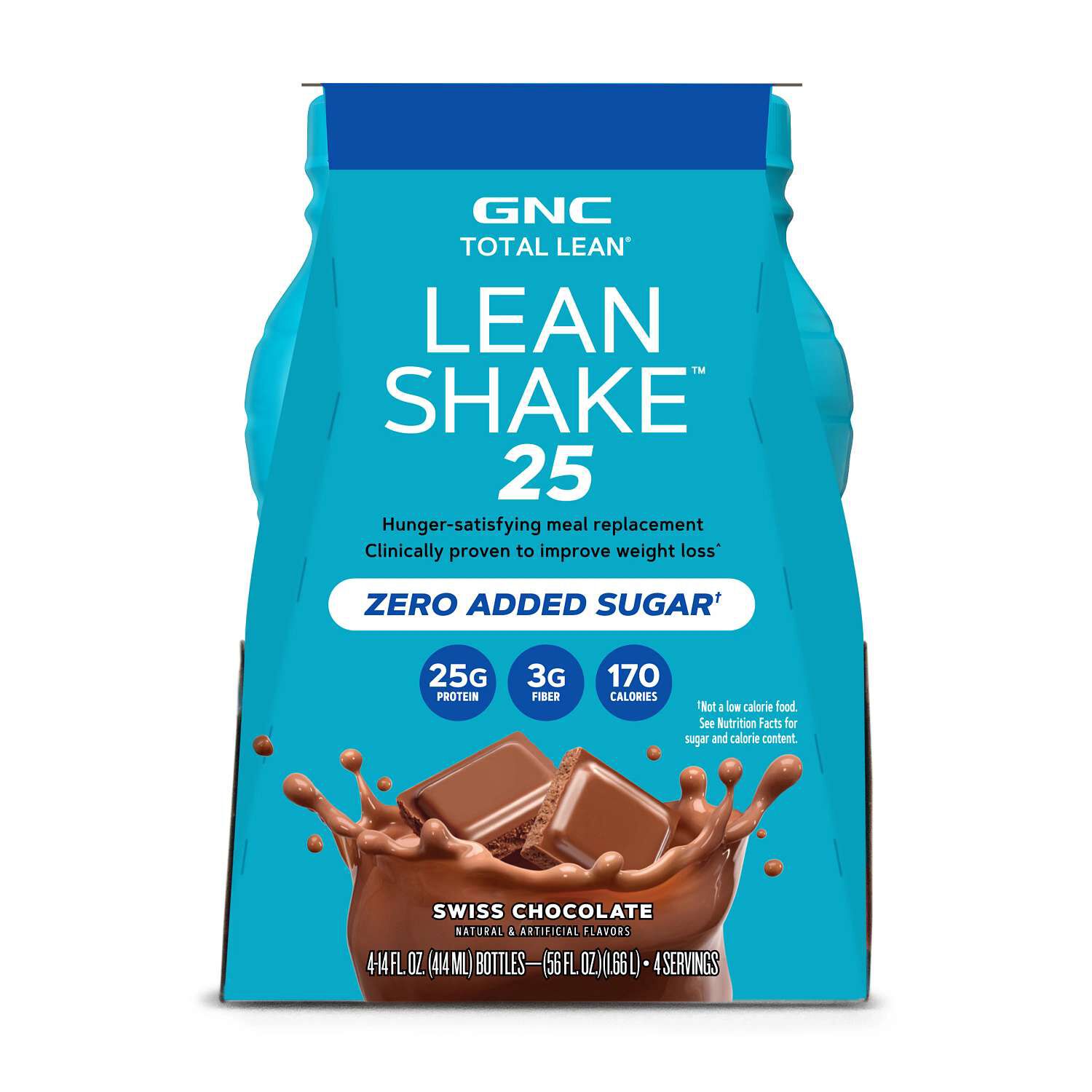

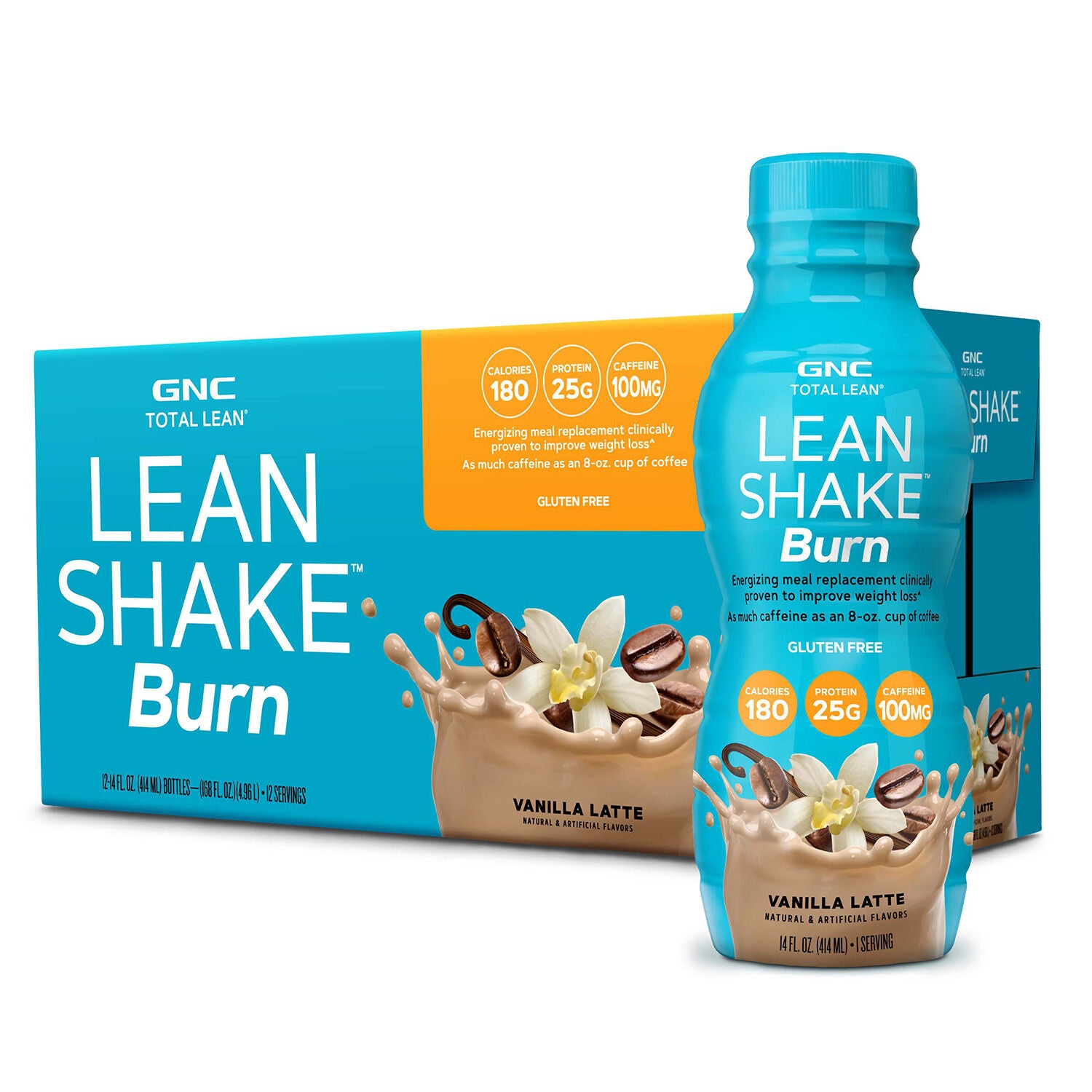
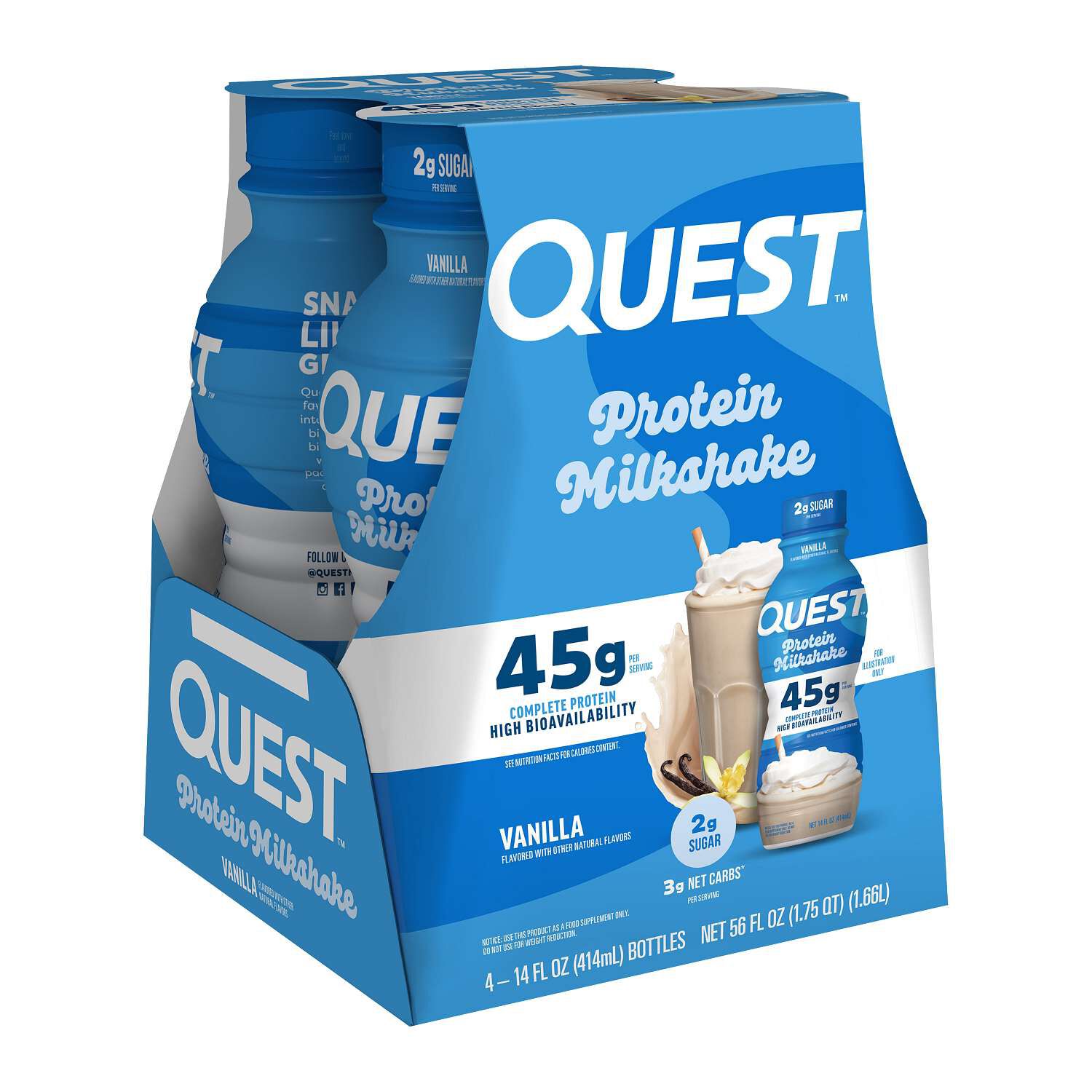
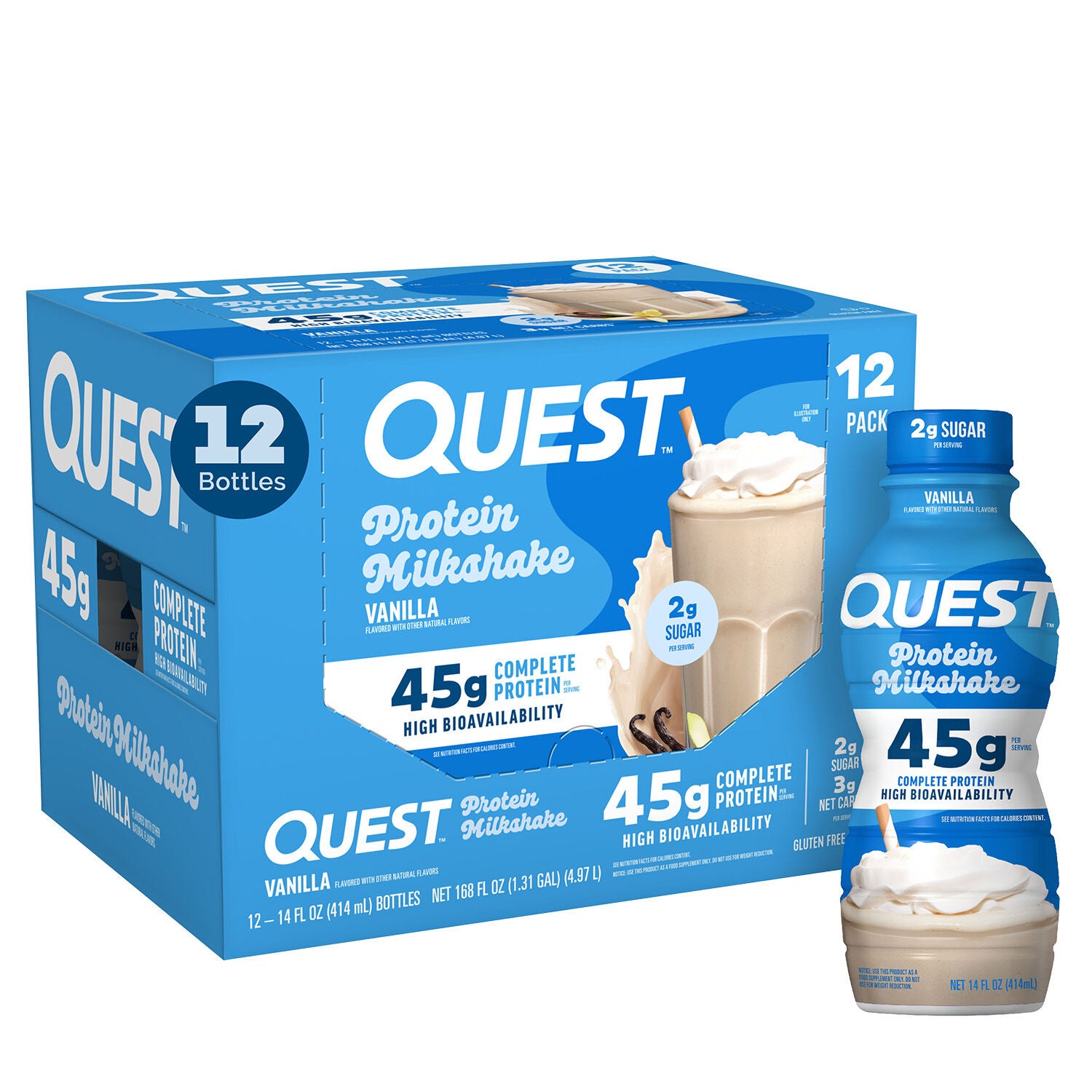
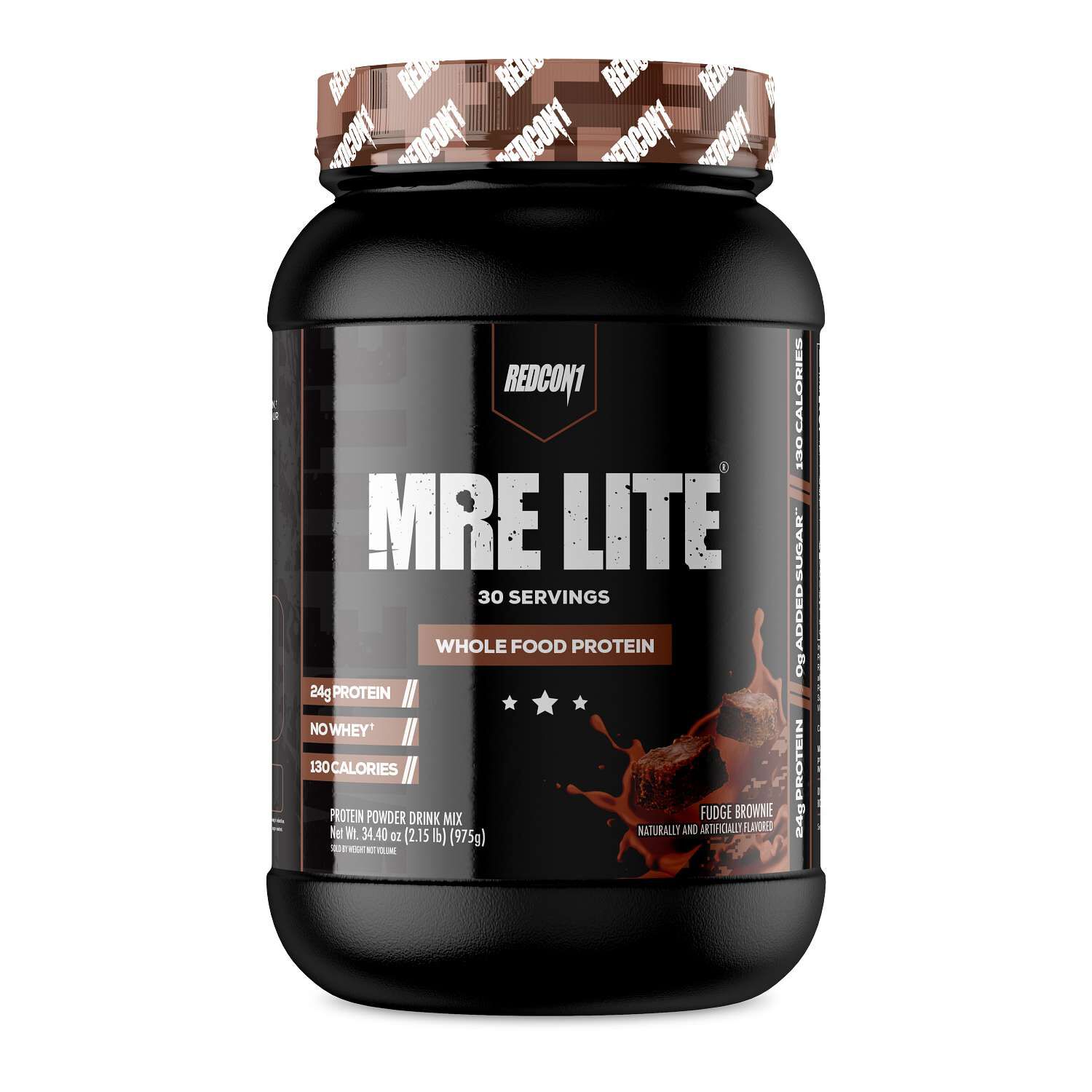
Hunger control shakes are powdered or ready-to-drink beverages formulated with ingredients such as protein and fiber that may help support feelings of fullness. They offer a different experience from a simple flavored drink: a measured serving, a defined nutrient profile, and a texture that can range from light and smooth to thick and creamy. For adults fitting meals and snacks around commuting, desk work, or a packed afternoon, that combination may make a shake a practical addition to an everyday eating routine. Protein sources commonly include whey, casein, milk protein, soy, pea, or blends of plant proteins, while fiber content varies by formula. Protein and fiber may contribute to satisfaction after drinking a shake, but the amount of each matters more than the presence of either on the front label. Serving size, calories, fat, carbohydrates, and added sugars also distinguish one formula from another. A smaller shake intended as a snack is not necessarily interchangeable with a beverage labeled as a meal replacement. Some formulas include added vitamins and minerals, while others focus primarily on protein. These differences give hunger control shakes a range of intended uses, from an afternoon snack at a desk to a meal replacement used according to its label. No single protein amount or ingredient combination establishes how long everyone might feel satisfied; serving size, accompanying foods, activity, and individual preferences all play a part in the experience. A shake consumed alongside breakfast may feel different from the same shake enjoyed on its own between appointments. The most useful comparison is therefore between beverages intended for the same occasion, with attention to their full nutrition panels rather than a single highlighted number. Flavor and consistency deserve similar attention, since an appealing drink may be easier to work into a routine than a formula chosen only for its nutrient content. Chocolate, vanilla, and fruit-inspired flavors offer familiar starting points without defining what a shake contains or how it might fit into the day.
The distinction between a snack shake and a meal replacement becomes especially relevant when comparing hunger control shakes for different routines. A beverage intended to accompany a snack can have a different nutritional makeup from one designed to take the place of a meal. Meal replacement labeling, serving directions, and the amounts of protein, fiber, fat, carbohydrates, vitamins, and minerals provide context for that difference. The Nutritionally Balanced Meal Shakes category offers another way to explore beverages with that particular intended use. Even within a category, formulas differ, and a shake’s name alone does not establish whether it suits a particular eating pattern. Milk-based options contain ingredients that matter to shoppers avoiding dairy, while plant-based formulas require their own careful ingredient review. A plant protein source does not automatically mean every other ingredient meets a vegan preference. Allergen statements are also relevant for ingredients such as milk, soy, and tree nuts, including when a shake is being purchased for another adult. Sweeteners create another point of distinction: some formulas use sugar, some use other sweetening ingredients, and some combine several sources to produce a particular flavor. Those choices can affect sweetness and aftertaste, making the ingredient list useful alongside the nutrition panel. Fiber sources differ as well, with ingredients such as inulin or soluble corn fiber appearing in some formulations. Comparing grams per prepared serving keeps the focus on meaningful differences without treating every fiber-containing shake as equivalent. Preparation instructions deserve the same attention because a powder mixed with water has a different nutrient profile from that powder mixed with milk or a plant-based beverage. Labels may distinguish the powder alone from a prepared serving, and serving sizes can involve more than one scoop. For someone looking for a modest afternoon snack, those details may point toward a different format or portion than for someone seeking a labeled meal replacement. Hunger control is not a standardized drinking experience, and selecting by intended use provides a more grounded starting point than expecting identical results from every formula.
Format shapes the practical side of using hunger control shakes just as much as flavor or ingredients. Ready-to-drink bottles offer a measured portion without the need for a scoop, mixing liquid, or blender. They can suit an office break or a commute when preparation space is limited, provided their storage directions match the setting. Powders allow more flexibility in preparation and portion measurement within label directions, though they require a suitable container and access to the recommended liquid. A shaker bottle may be sufficient for many powders, while some blends call for more thorough mixing to achieve a smooth consistency. Texture depends on the protein source, fiber ingredients, liquid volume, and preparation method; a richer mouthfeel does not necessarily indicate more protein or fiber. Adding fruit, oats, yogurt, or nut butter changes both the texture and the nutrition of the finished drink. Those additions may suit a more substantial eating occasion, but they also make the prepared shake different from the serving described on the powder’s label. For a straightforward comparison between formulas, the stated preparation method provides a consistent reference. Packaging also matters in daily use. A resealable powder container needs a dry storage location and a securely closed lid, while individual packets offer measured portions with less scooping. Ready-to-drink beverages have their own instructions for storage before and after opening, and shelf-stable packaging does not mean an opened bottle can remain unrefrigerated. Date markings, intact seals, and label directions are more useful measures of suitability than assumptions based on the container’s appearance. Reusable mixing bottles benefit from prompt washing, with particular attention to lids, gaskets, and mixing inserts where residue can collect. For an adult who already enjoys shakes, familiar flavor preferences and known dietary requirements are also important when choosing one as part of a food-focused gift. Across formats, the strongest match is a shake whose intended use, ingredients, taste, preparation, and storage requirements fit the person’s actual routine. That might mean a simple bottle for a scheduled afternoon break or a powder measured and mixed at home, with room for varied foods throughout the day.