





Weight Management Shakes With Vitamins
(0 Results)
Weight management shakes with vitamins offer a convenient option for those seeking support in their wellness routines. Packed with essential nutrients, these shakes may help you stay on track with your goals while fitting seamlessly into busy lifestyles. Explore a variety of flavors and formulations that could complement your daily regimen, making it easier to prioritize both nutrition and balance. Whether you're looking for a quick meal replacement or a nutritious snack, weight management shakes with vitamins might be the boost you need on your journey.

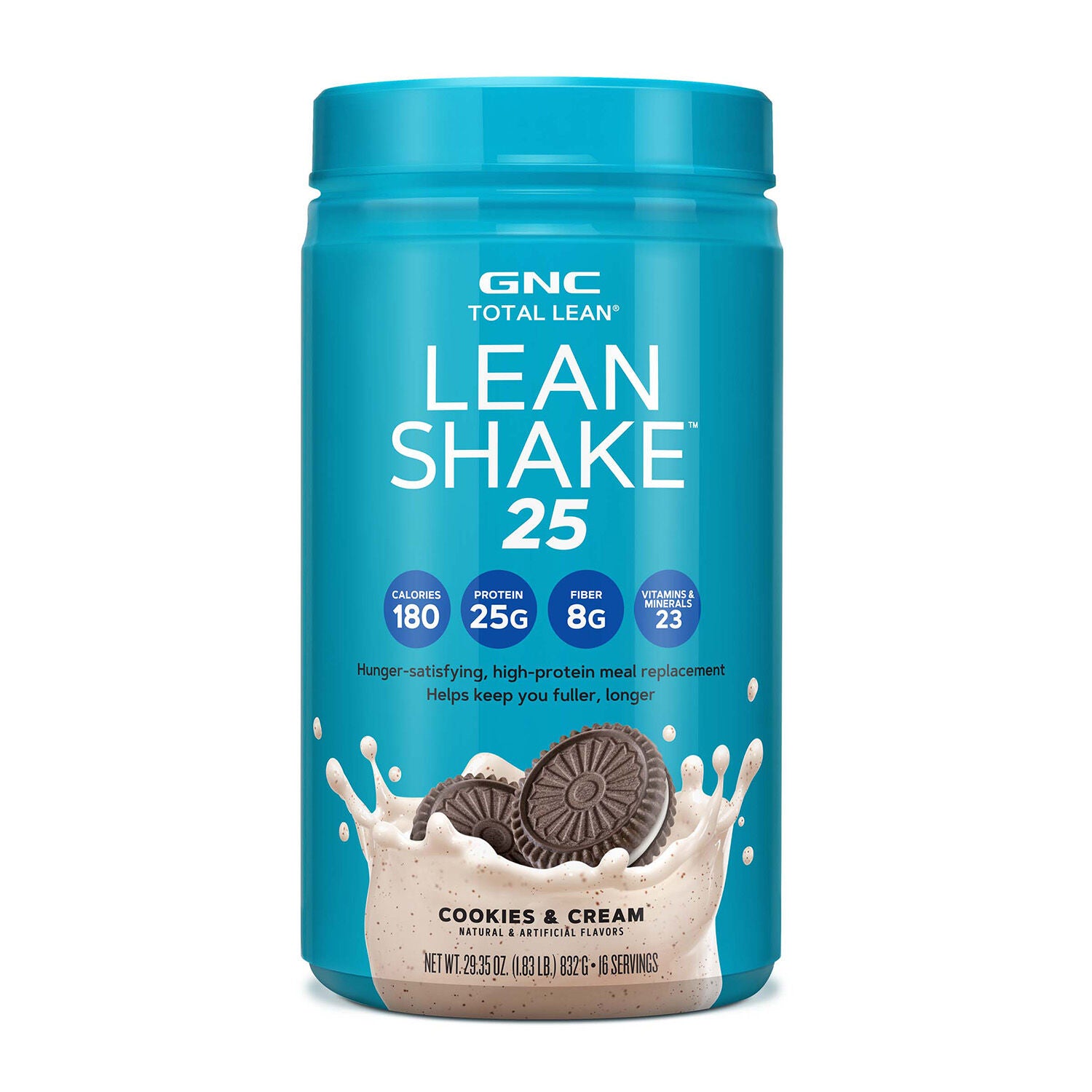
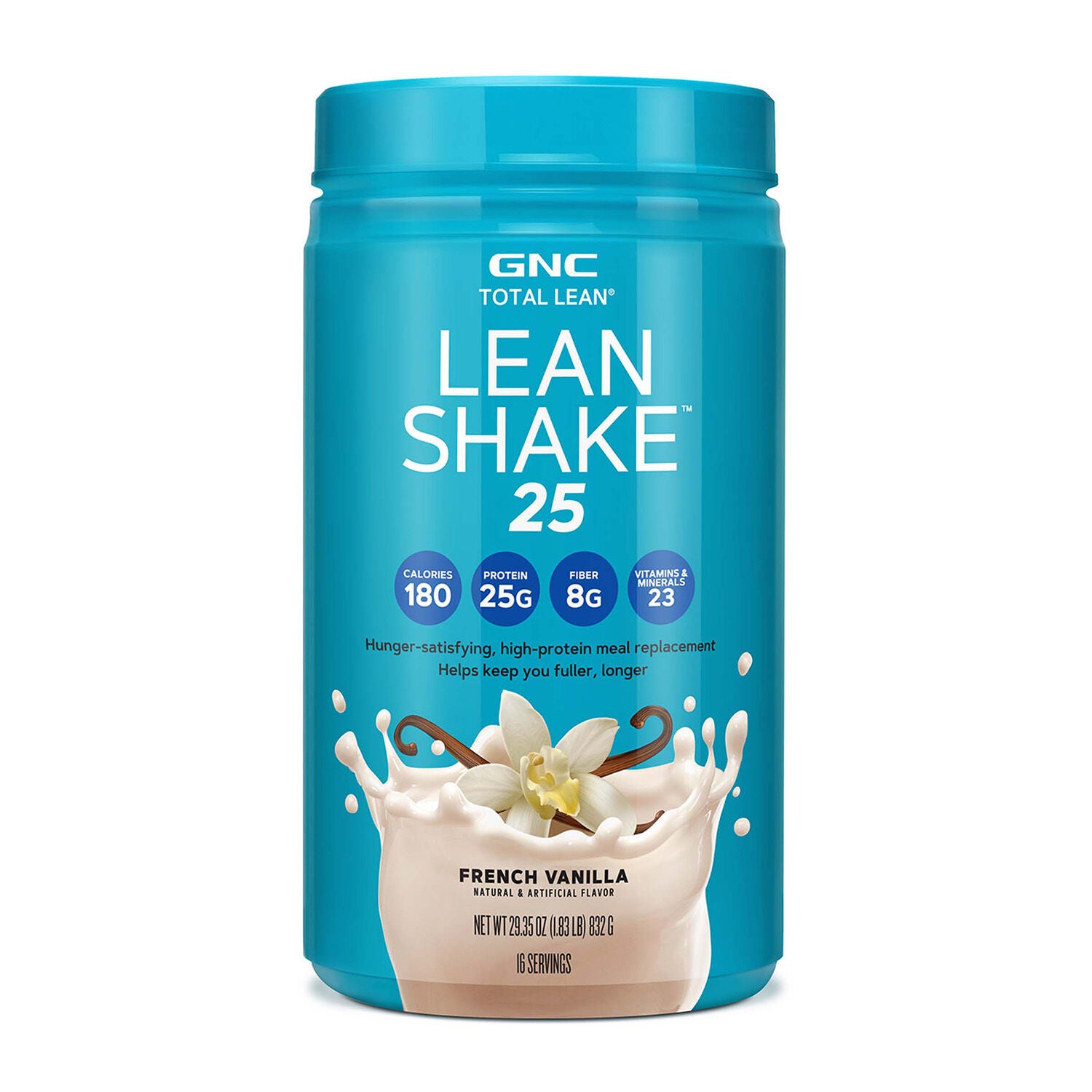
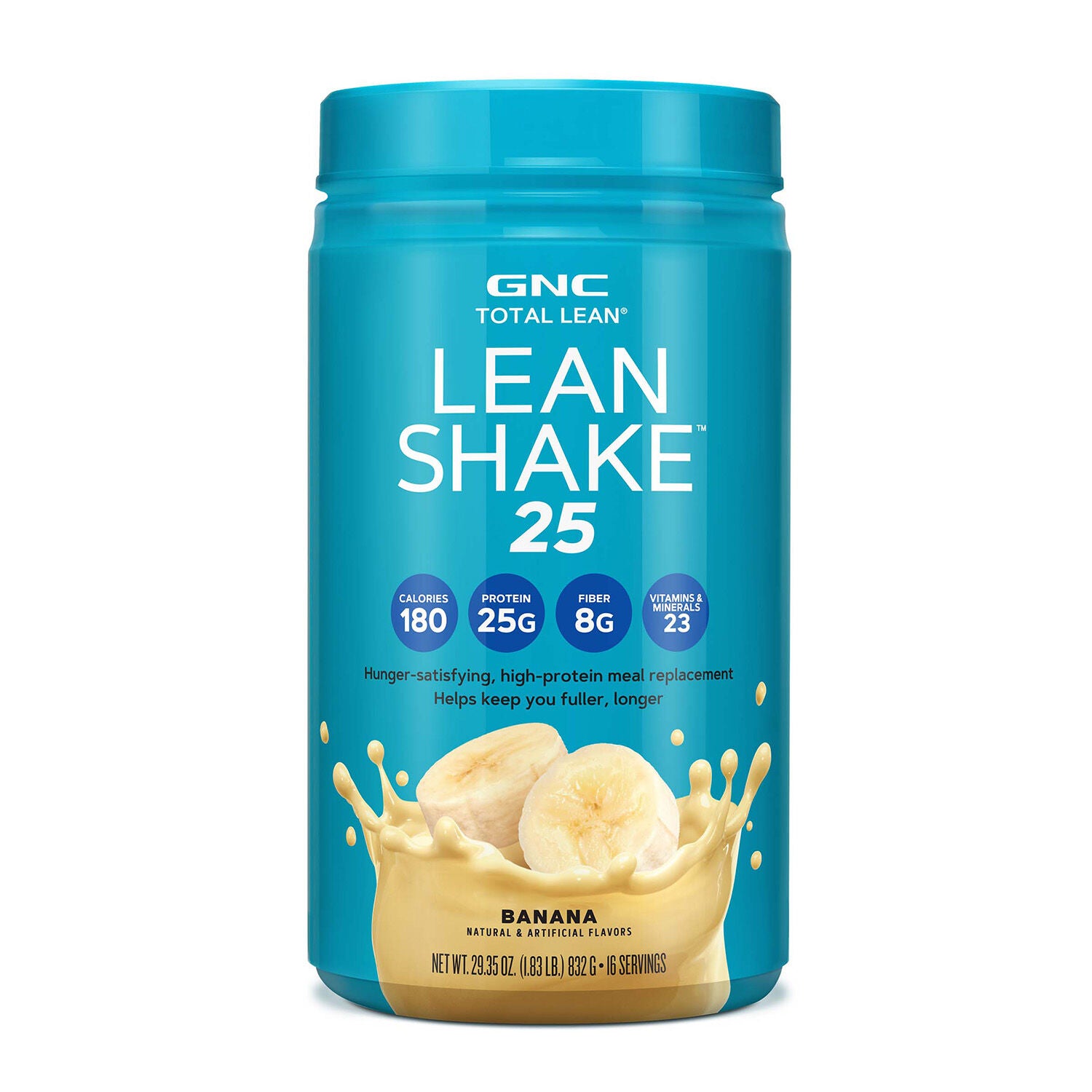
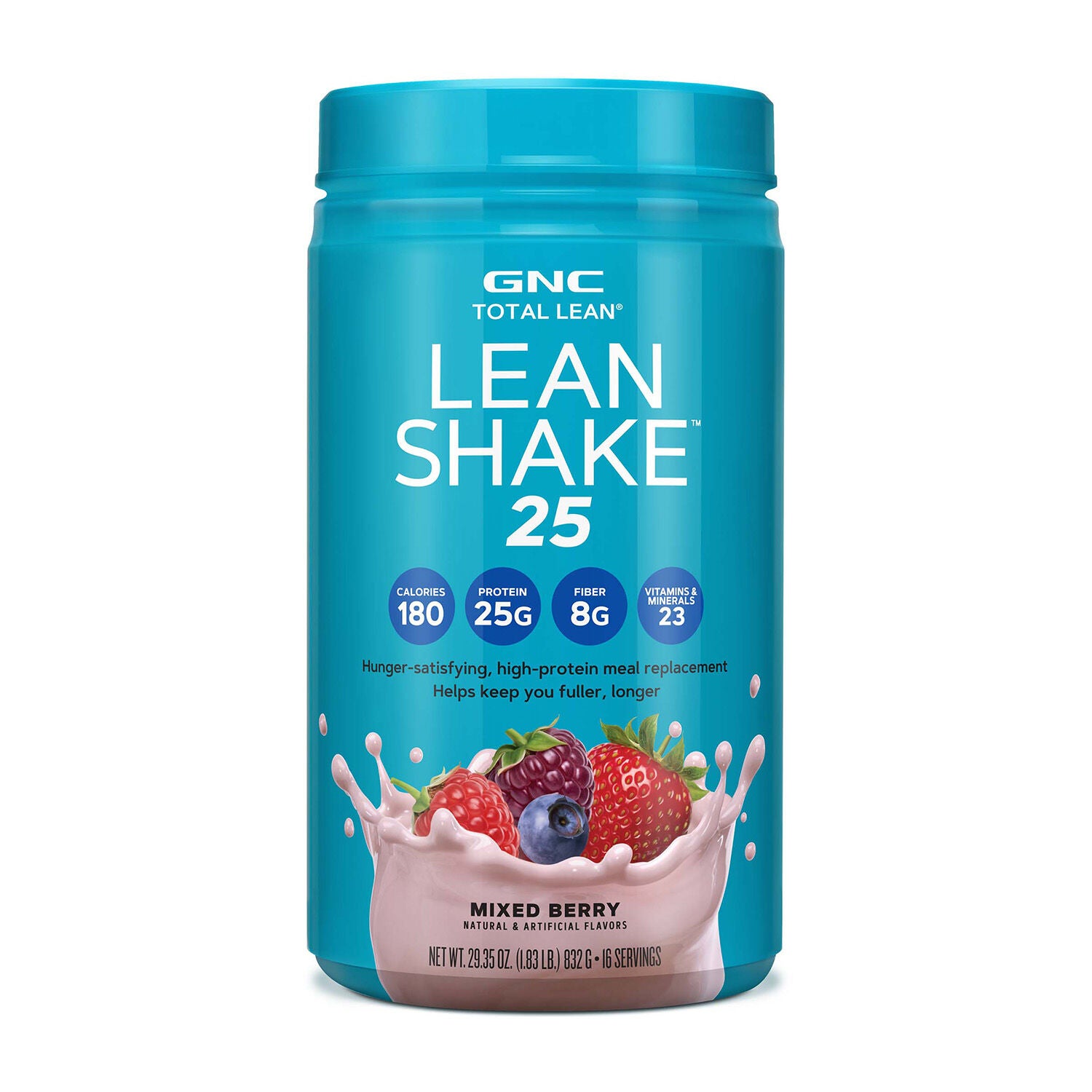
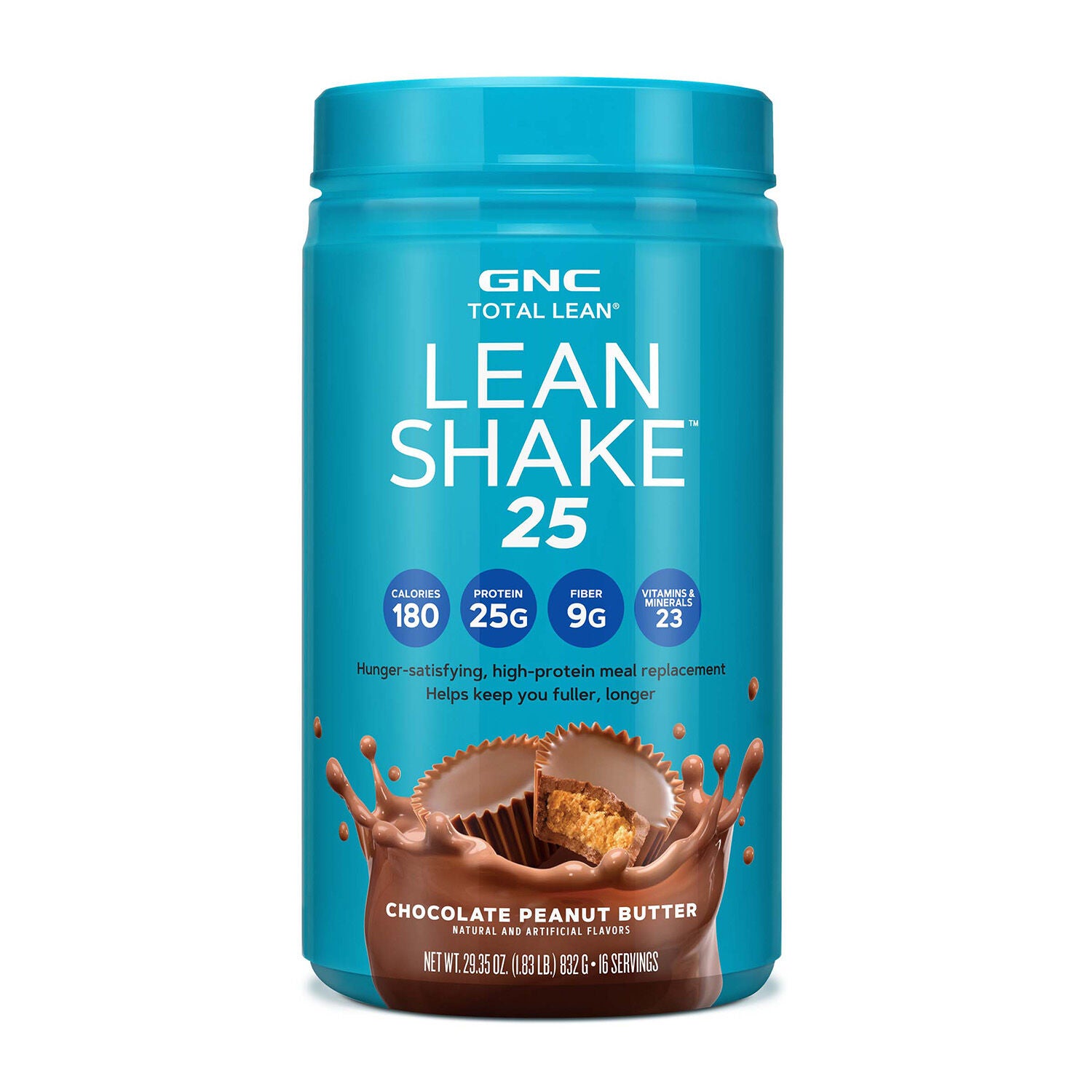

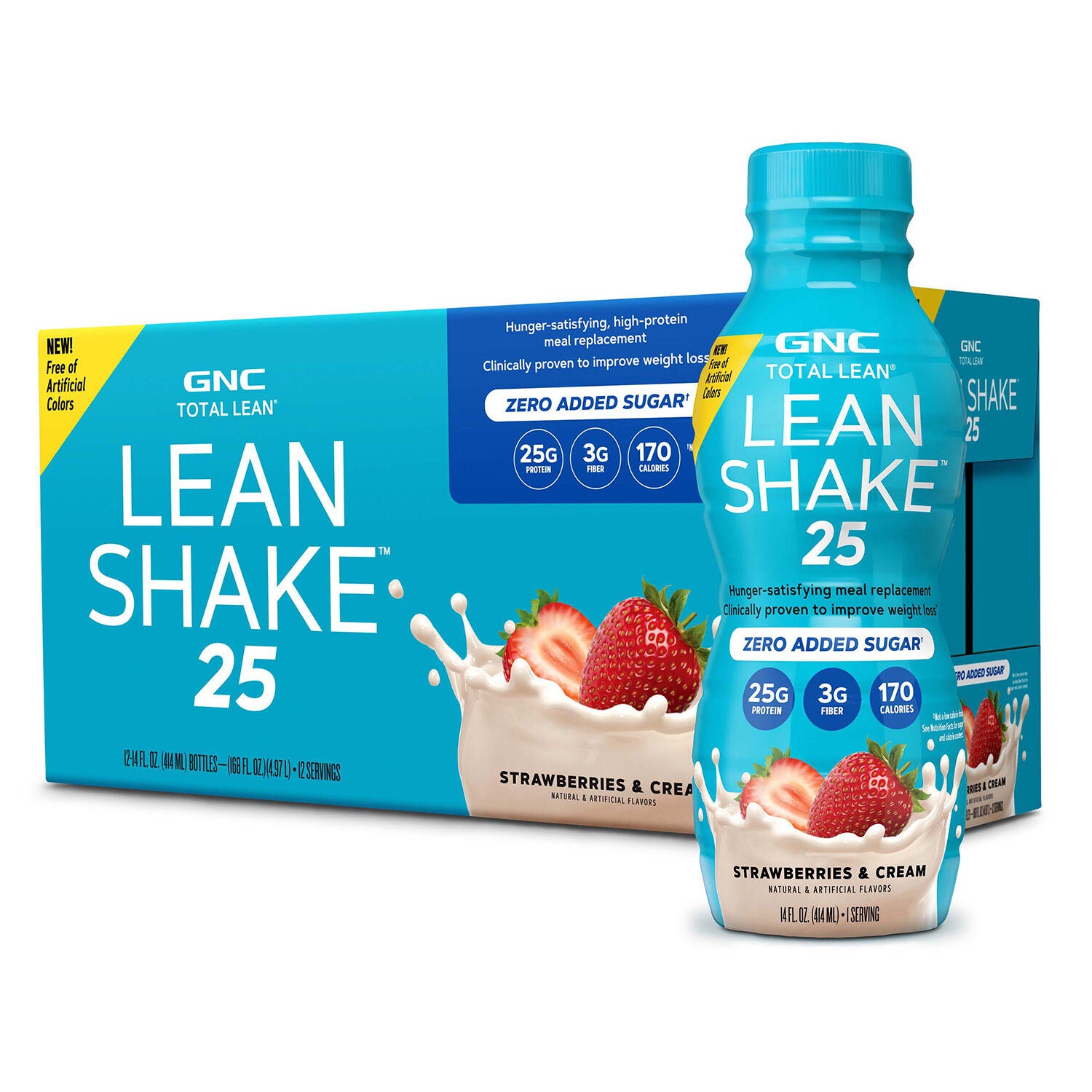
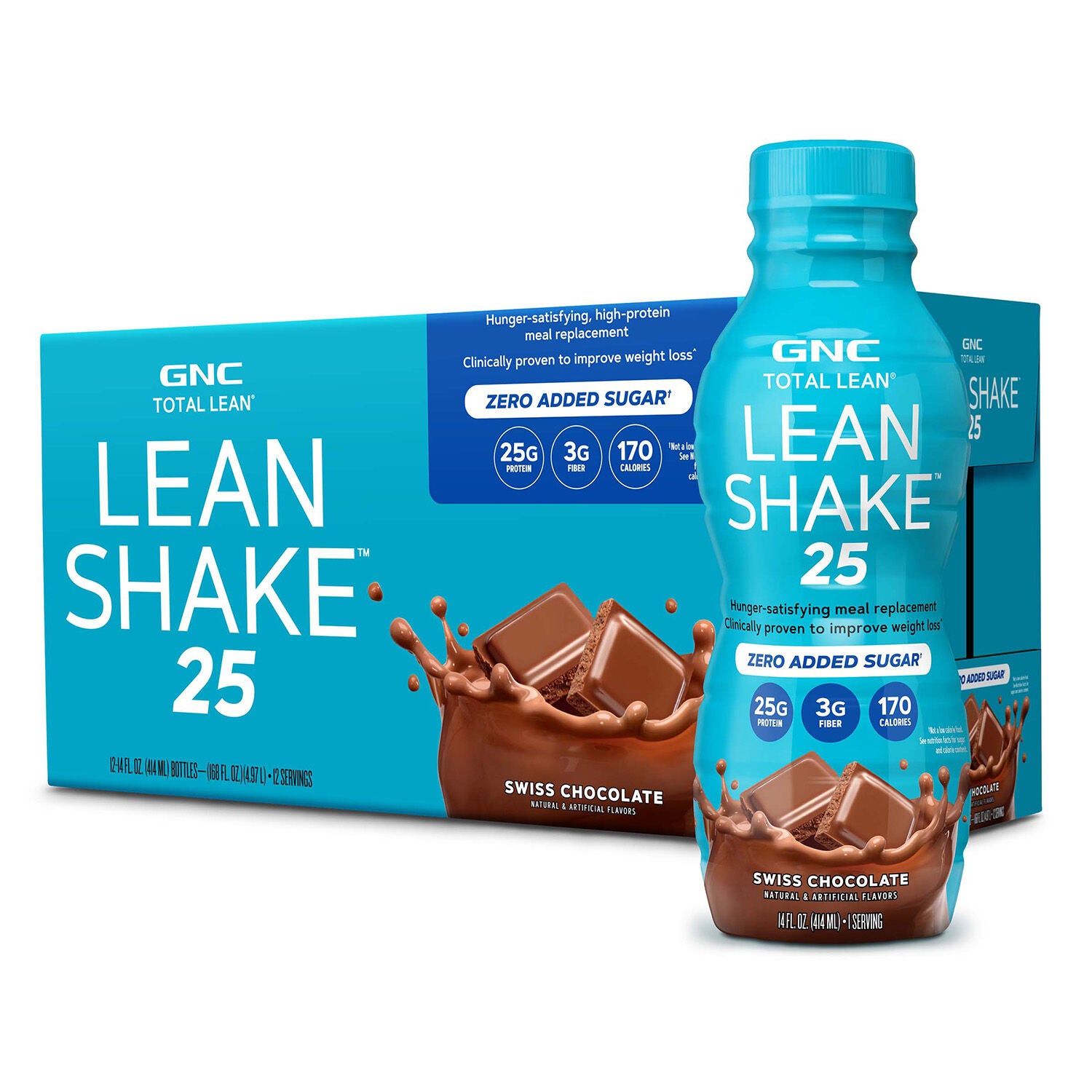
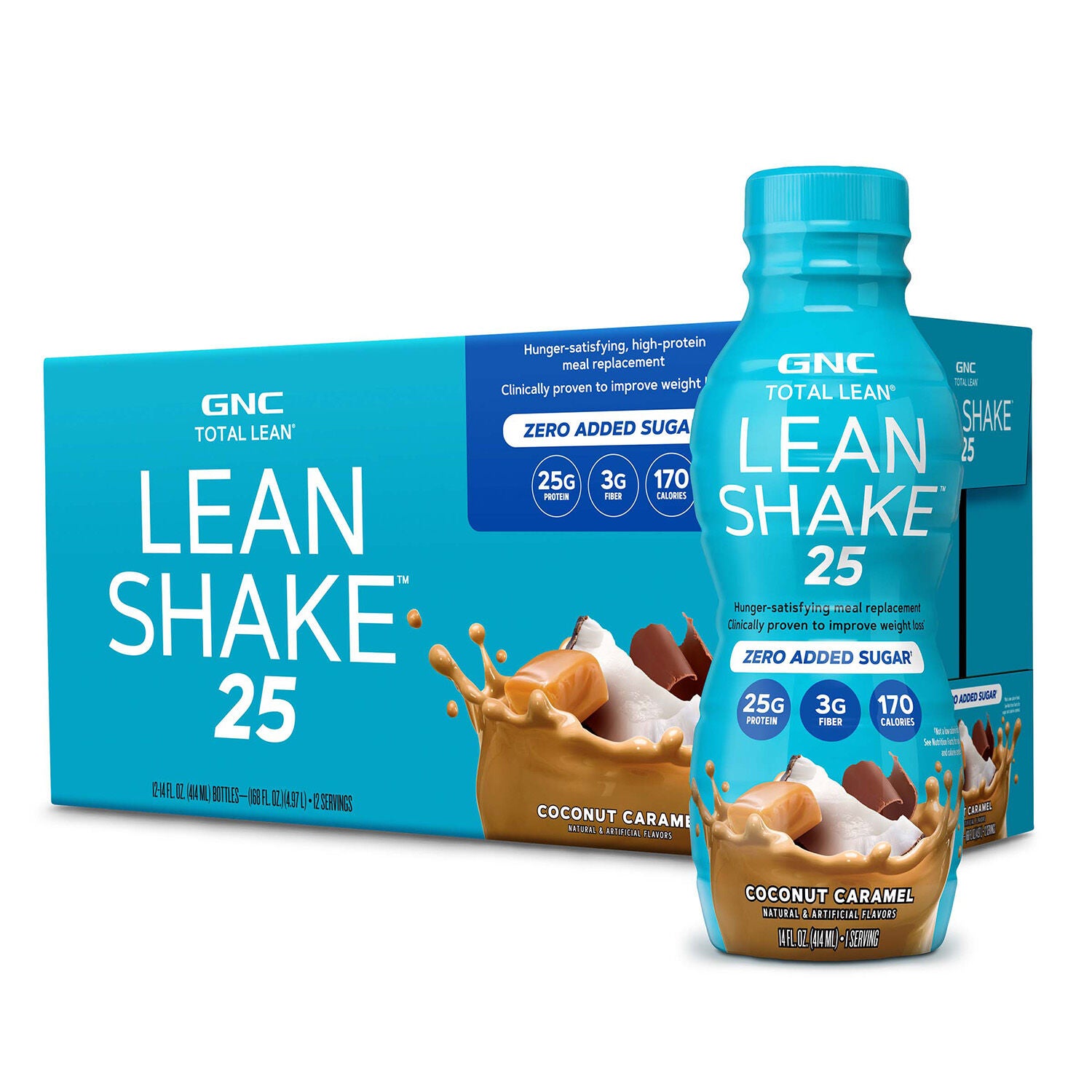
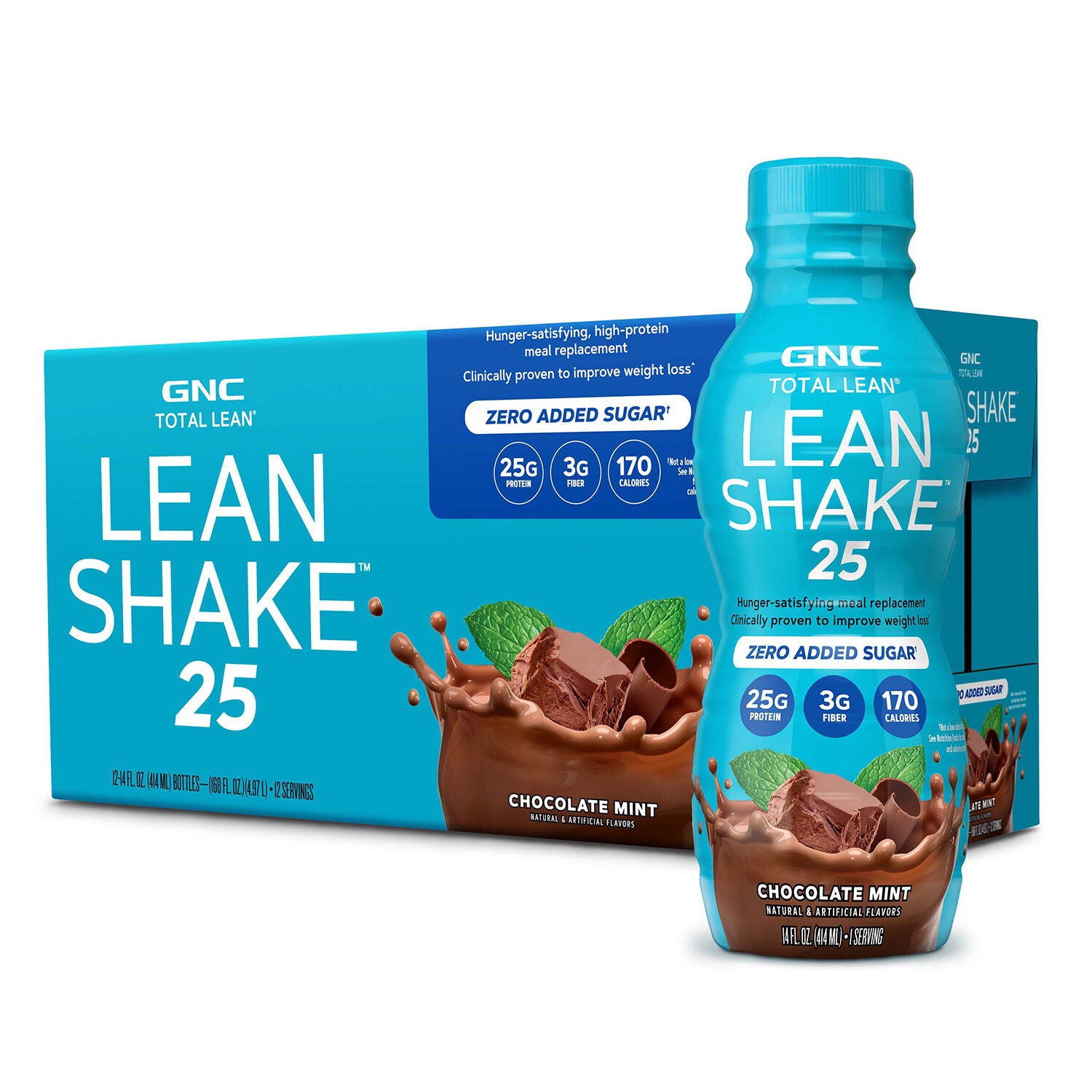

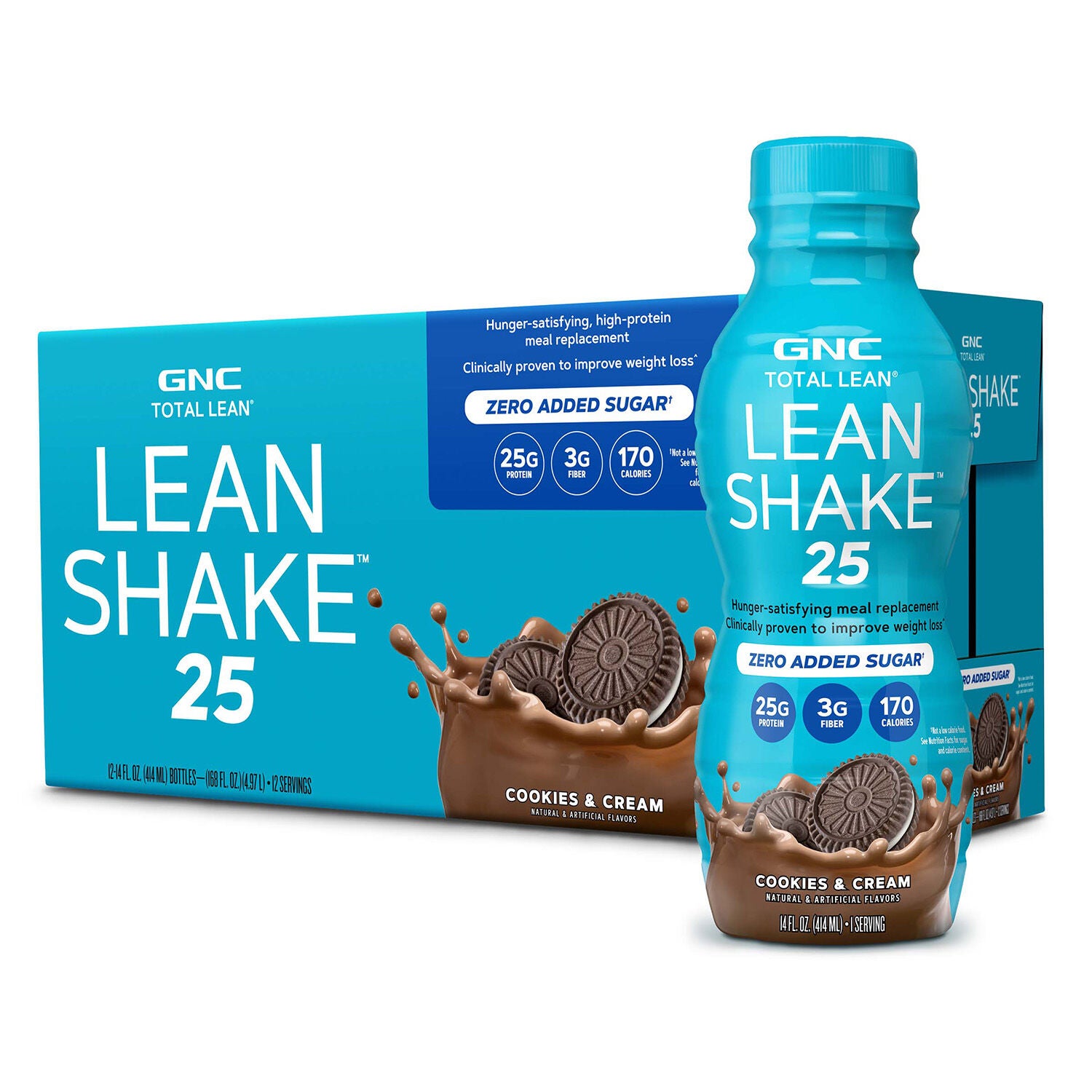
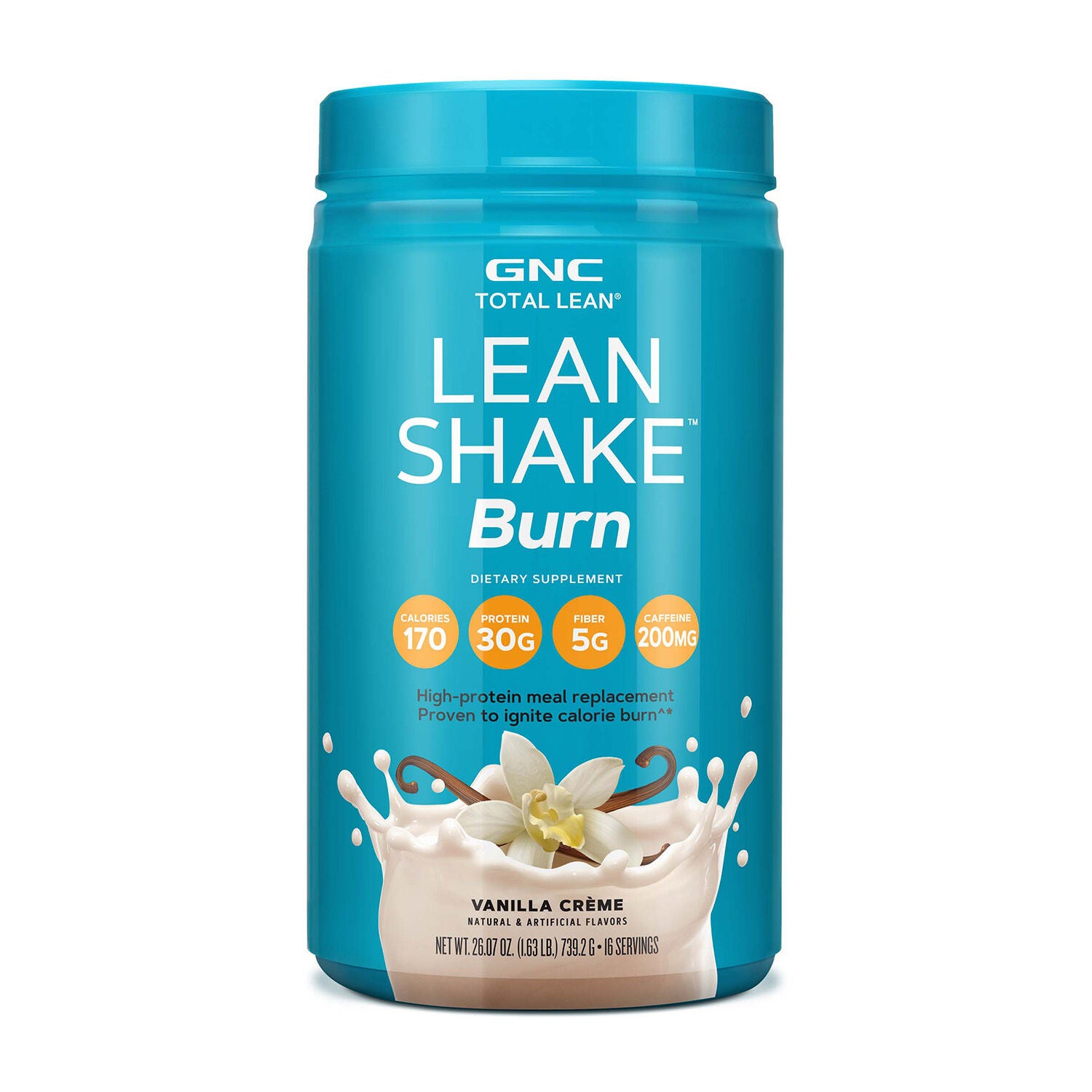


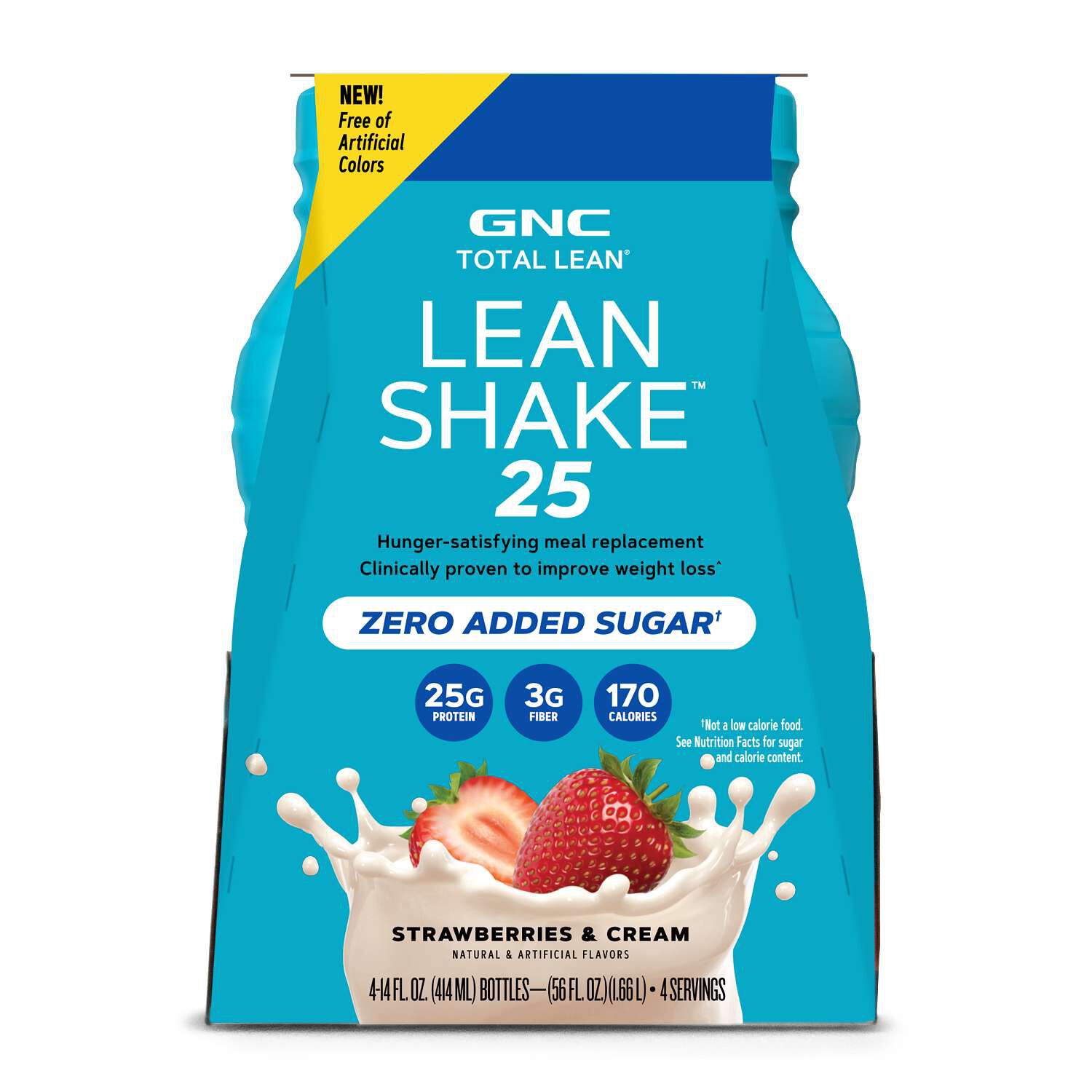
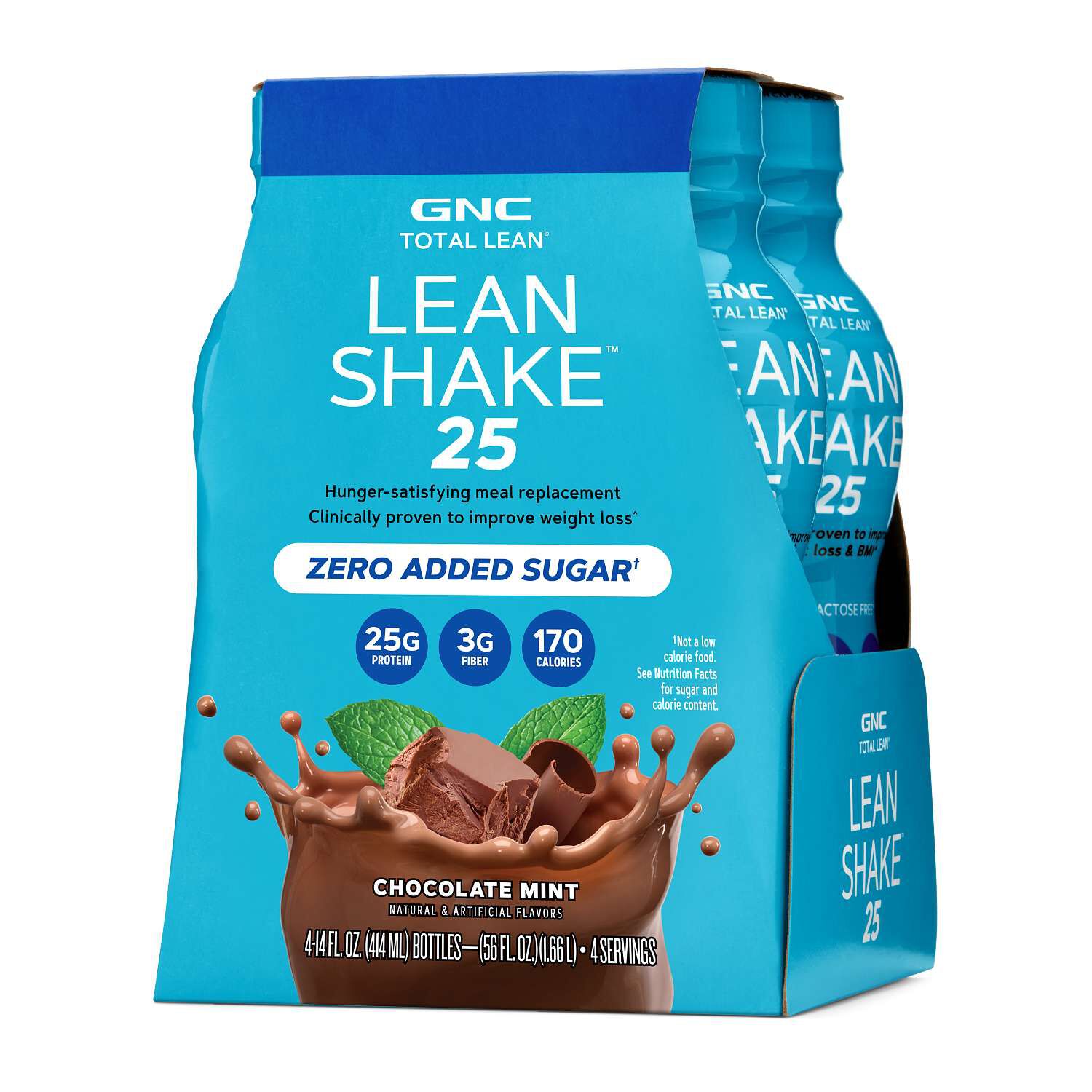
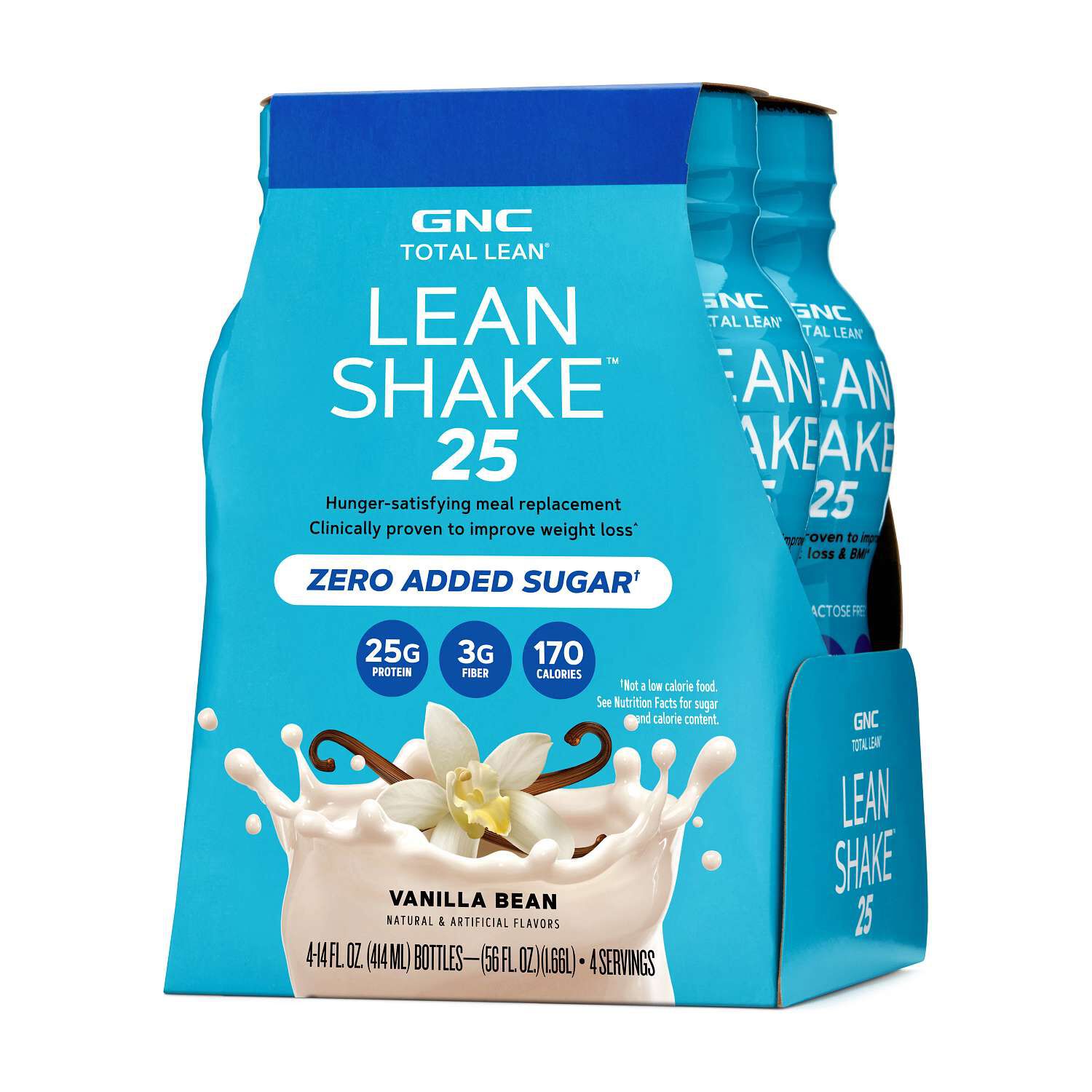
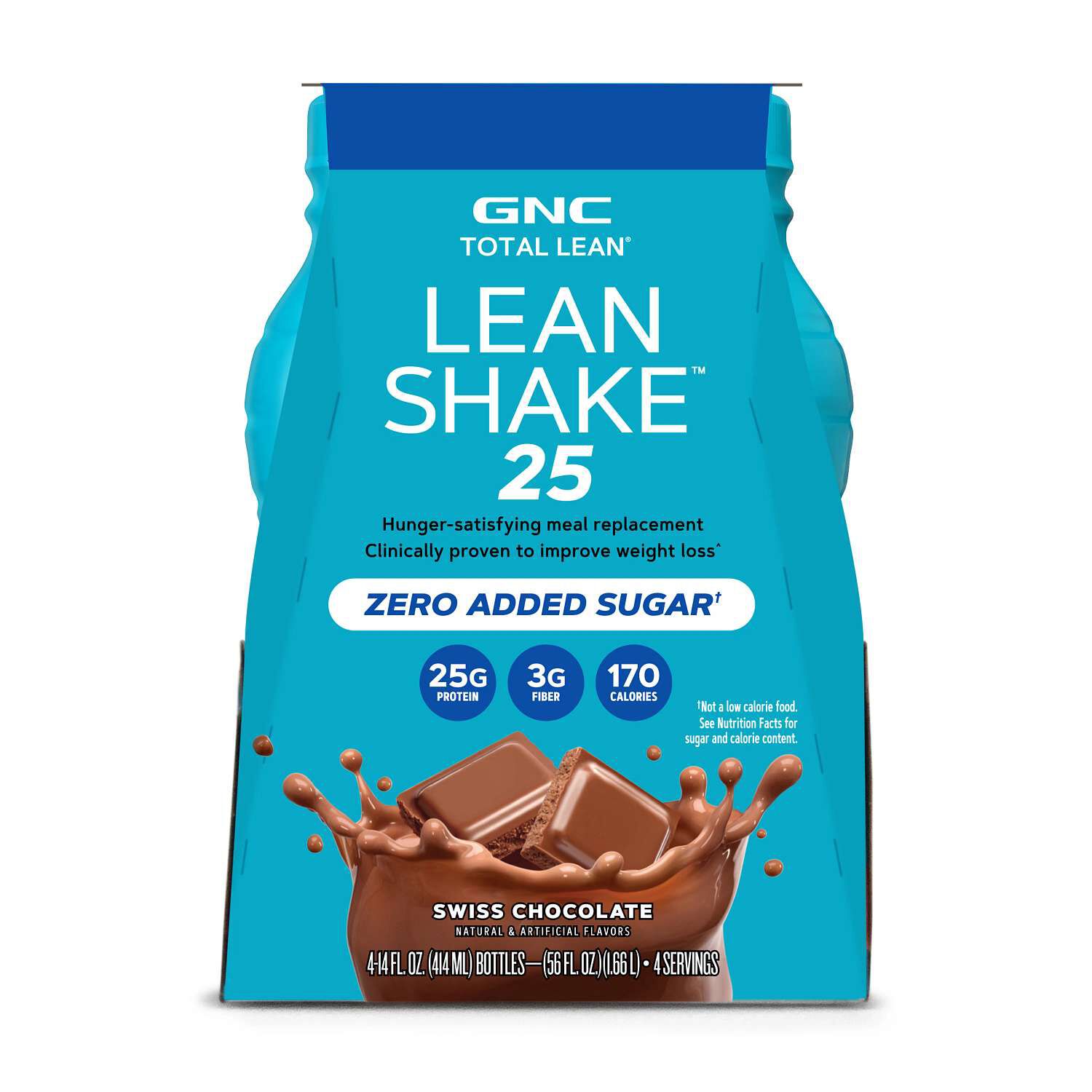

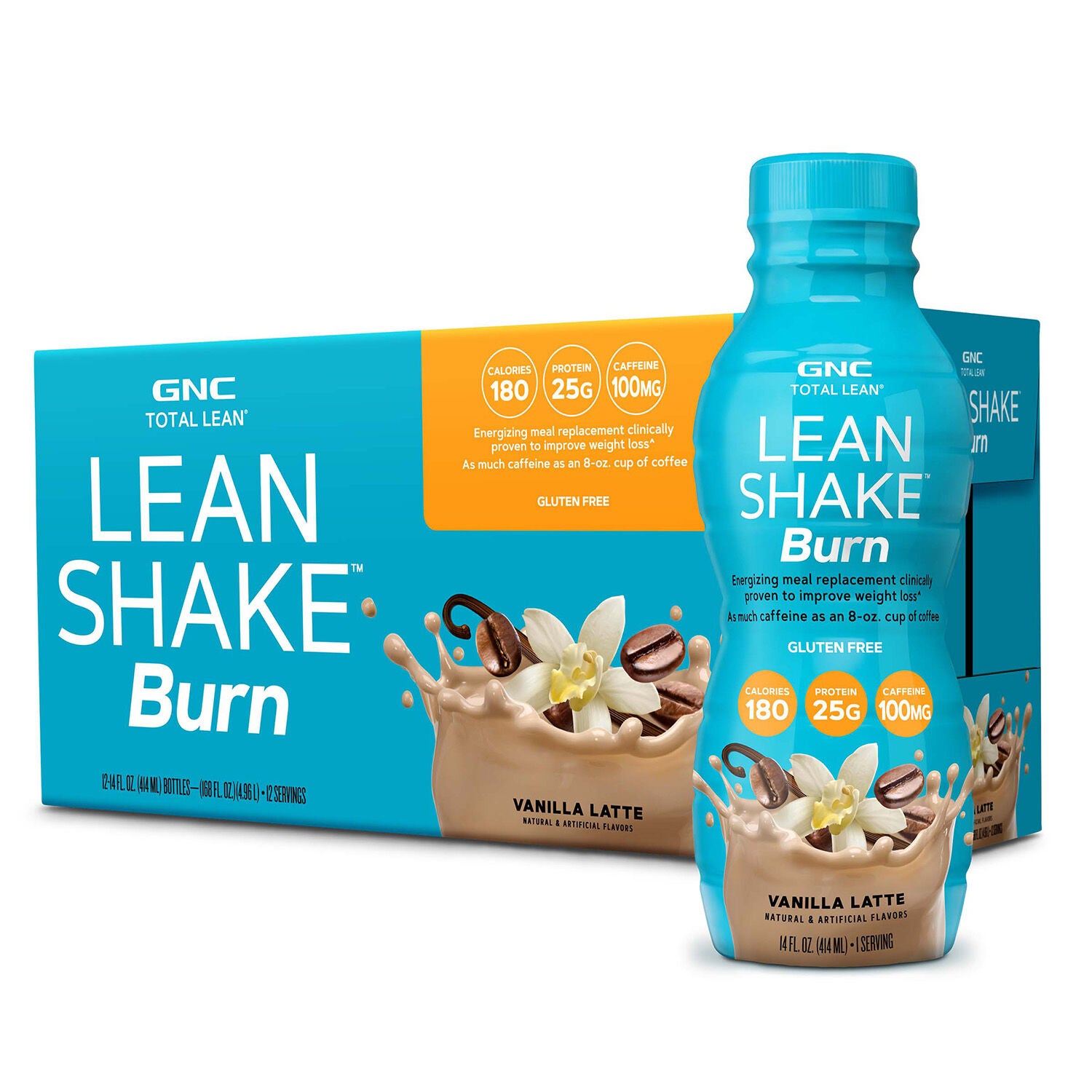
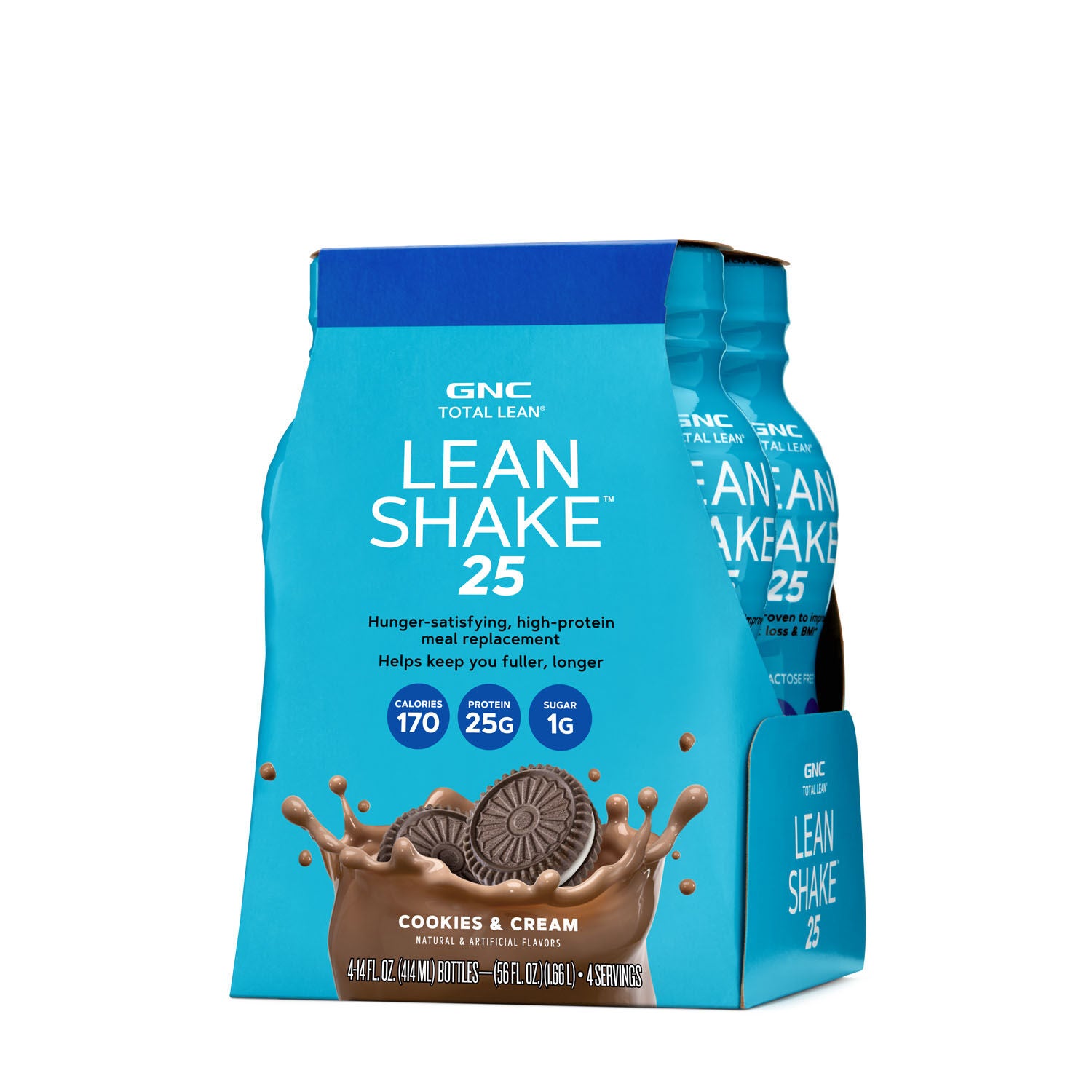
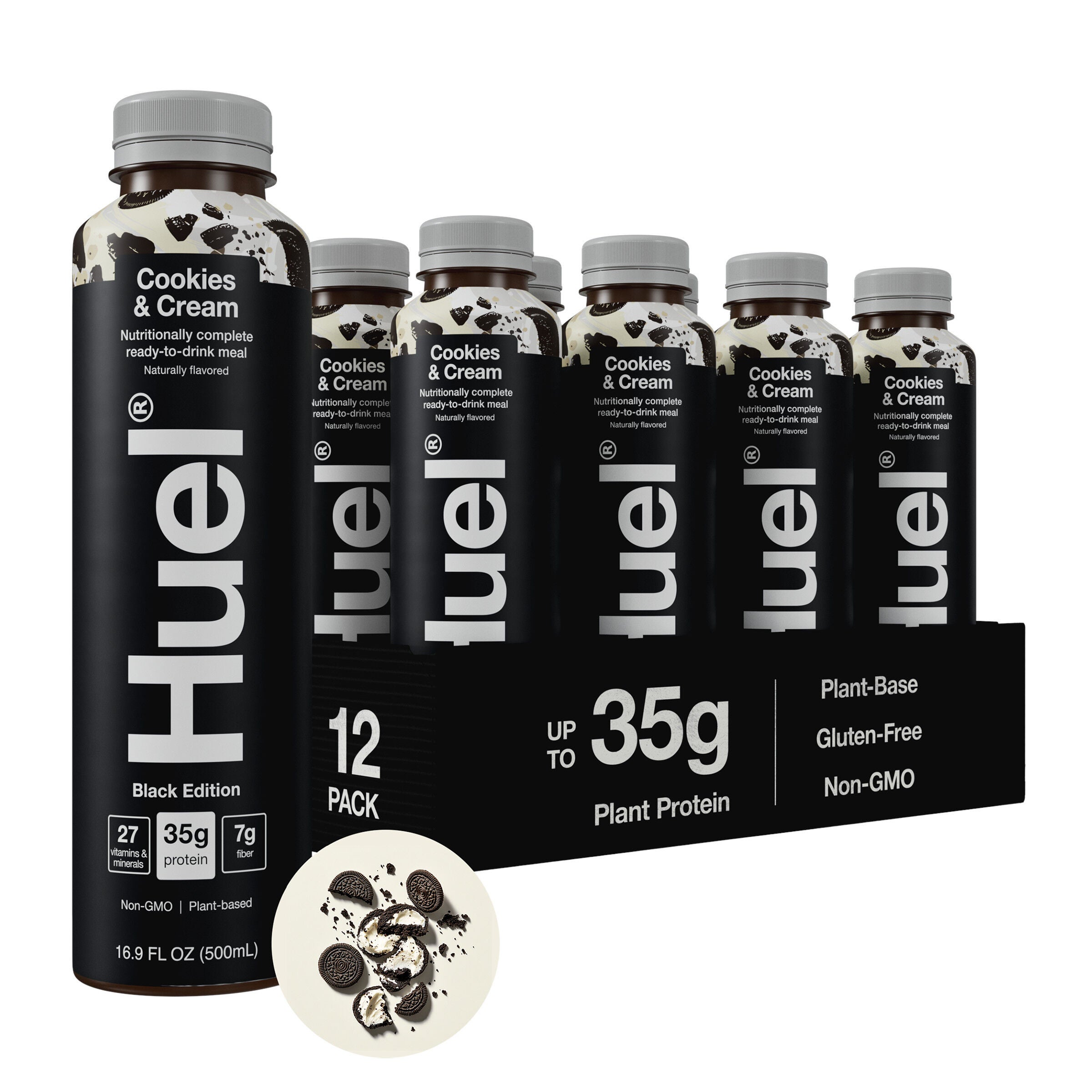
Weight management shakes with vitamins are nutritional drinks or drink mixes that pair a measured serving with protein and added vitamins, often alongside minerals and fiber. They may offer a convenient option for adults who want a portion-conscious approach to everyday eating, whether that means a drink prepared before the morning commute or a bottle packed for a busy afternoon. The category includes both shakes labeled as meal replacements and supplemental drinks intended to accompany meals or serve as snacks. Those uses are not interchangeable: a shake’s intended role depends on its formulation, serving size, and label directions, rather than the presence of added vitamins alone. Protein sources, carbohydrate content, fat, fiber, and micronutrient amounts vary across formulas, making the nutrition panel more informative than a flavor name or package description. Some formulas contain vitamins A, C, D, and E, while others also include several B vitamins and minerals such as calcium, iron, or zinc. The exact combination and amounts belong on the product label; the category name does not establish a uniform nutrient profile. For shoppers exploring weight management shakes with vitamins, this distinction may make comparisons more meaningful. A smaller serving with added vitamins could suit a different eating occasion than a more substantial formula labeled for meal replacement. Protein and fiber may contribute to a feeling of fullness, but individual experiences and the rest of the day’s meals matter, too. A shake is one part of an eating routine, not a prediction of a particular weight outcome. Its usefulness may come from practical details as much as its nutrient content: a familiar flavor, a serving that fits the occasion, and a format that works at a desk, at home, or between scheduled activities. The most relevant comparison is therefore not simply which drink contains more vitamins, but how each formula’s nutrition, preparation, and intended use align with the shopper’s preferences.
Powdered and ready-to-drink formats bring different characteristics to that comparison. Powders are measured into a shaker or blender and prepared with the liquid specified on the label. Water, milk, and plant-based beverages create different flavor and texture combinations, and additions change the nutrition of the finished drink. A nutrition panel may describe the powder alone or include values for a particular preparation, so the stated serving and mixing instructions are important context. A scoop is a measuring tool, but the serving size may call for more than one scoop; the number of servings in a container also depends on that amount. Ready-to-drink shakes come with the liquid already incorporated, with serving information stated on the bottle or carton. Some containers hold a single serving, while others may contain more, making package size and serving size separate details. Texture ranges from light and smooth to thicker and creamier, with differences influenced by the protein source, fiber, fats, and other ingredients. Milk-derived proteins such as whey and casein appear in some formulas, while others use sources such as soy, peas, or rice. A plant-derived protein source does not by itself describe every ingredient in the finished formula; ingredient lists and dietary labeling provide that broader picture. Chocolate and vanilla are familiar flavor directions, while coffee-inspired or fruit-style options may appeal to shoppers who prefer a different taste. Sweeteners, added sugars, and flavor ingredients also vary, even among drinks with similar names. For someone who enjoys a less sweet beverage, the flavor description and ingredient list may be as relevant as the grams of protein. For someone who prefers a rich, milkshake-like texture, the suggested preparation may help set expectations. Allergen declarations and any dietary certifications provide additional comparison points without requiring assumptions based on the front of the package. These details distinguish shakes that might otherwise look similar, especially when their vitamin blends overlap but their ingredients, serving sizes, or preparation needs do not.
Everyday handling is another meaningful part of choosing a shake format. A powder container belongs in a setting where the lid can stay securely closed and the contents can remain dry according to the storage directions. A clean, dry scoop and a shaker that can be washed thoroughly are practical considerations for repeated use. Mixing texture may depend on the amount of liquid, the order of preparation, and whether the label calls for shaking, stirring, or blending. Extra liquid may produce a thinner drink, while a different mixing beverage may change both the taste and the nutrient amounts per prepared serving. Ready-to-drink packaging reduces the need for measuring and mixing, though storage requirements still differ. Some unopened drinks are shelf-stable, while others require refrigeration; directions after opening are a separate part of the label. A bottle tucked into a work bag and a powder kept beside a kitchen blender represent different routines, even when both contain similar vitamins. The related Weight Loss Support Shakes collection offers another way to explore this broader category while comparing intended uses and nutrition profiles. Across these options, a satisfying choice may be one that suits both the eating occasion and the preparation involved. Someone with access to a blender might enjoy a powder prepared as directed, while someone moving between appointments might prefer an individually packaged drink. Neither format establishes how the shake will affect body weight, and added vitamins do not make otherwise different formulas nutritionally identical. Variety in everyday foods remains relevant, particularly because shakes differ in their contributions of protein, fiber, fats, and micronutrients. Weight management shakes with vitamins may fit into a broader eating pattern when their serving size, ingredients, flavor, and intended use match the occasion. Clear labeling and realistic expectations give shoppers a useful foundation for comparing the drinks on the page without treating any single formula as the answer to every nutrition preference.
Best Sellers


Related Pages

Top Collections
- Top Rated Collagen | Shop Customer Favorites | GNC
- Cortisol Supplements
- Vitamins For Hair Loss
- NAD+ Supplement Tablets
- Peptide Supplements
- Best Brand of Magnesium Glycinate
- Vitamins That Help Support Weight Gain
- Protein Powders For Muscle Growth Support
- Spirulina Tablets
- Peptide Supplements for Muscle Growth