





Hydrolyzed Collagen Protein Powders
(0 Results)
Hydrolyzed collagen protein powders could be a convenient way to support your active lifestyle and wellness goals. These versatile supplements may fit easily into your daily routine, blending seamlessly with shakes, smoothies, or even your favorite recipes. Explore a range of hydrolyzed collagen protein powders that might align with your fitness journey or everyday nutrition needs. Discover options that could help you take the next step toward feeling your best.
-

-
 44$44.99
-
-
-
-

-
-

-

-
-

-
 $24.99
-
-
-
-

-
-
-

-
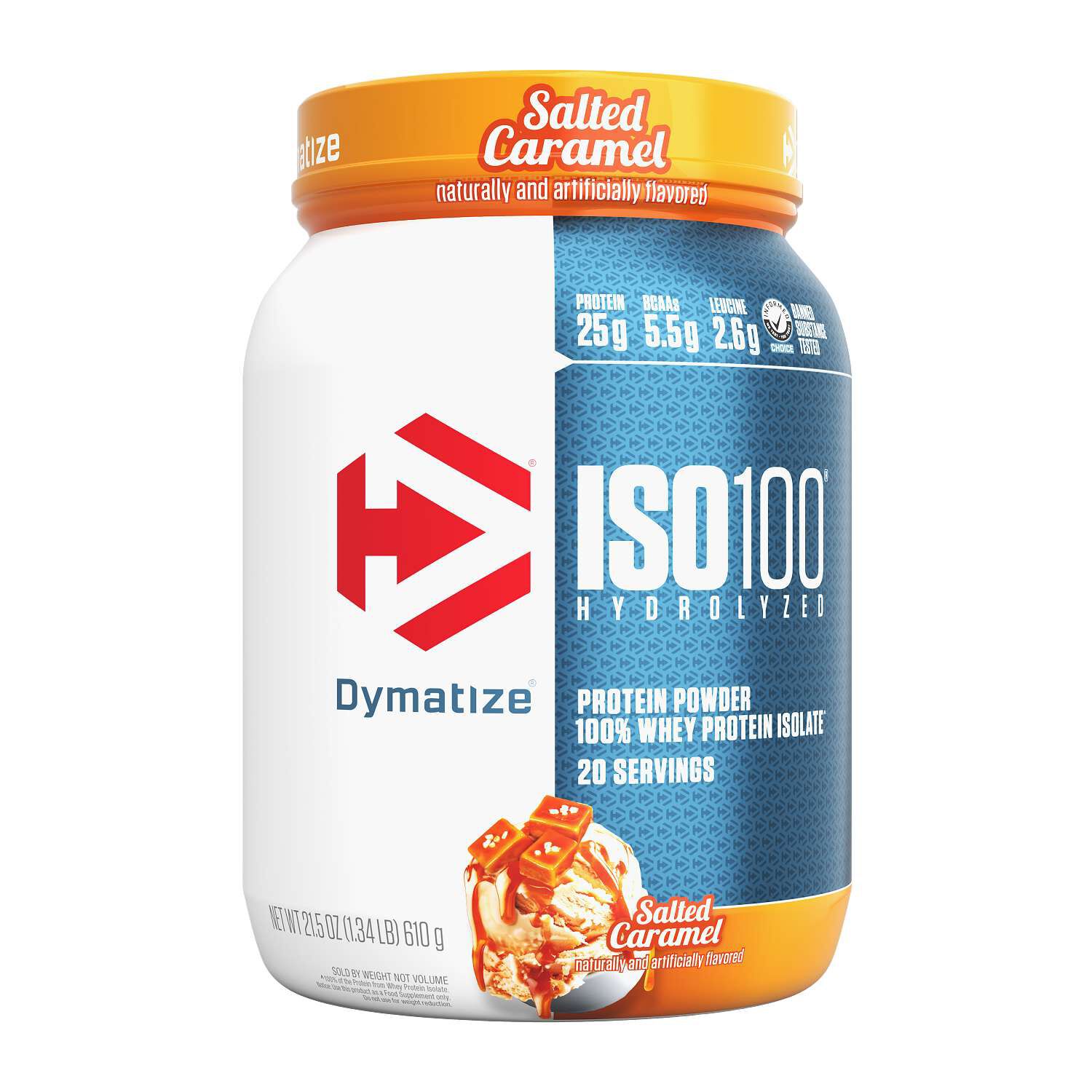
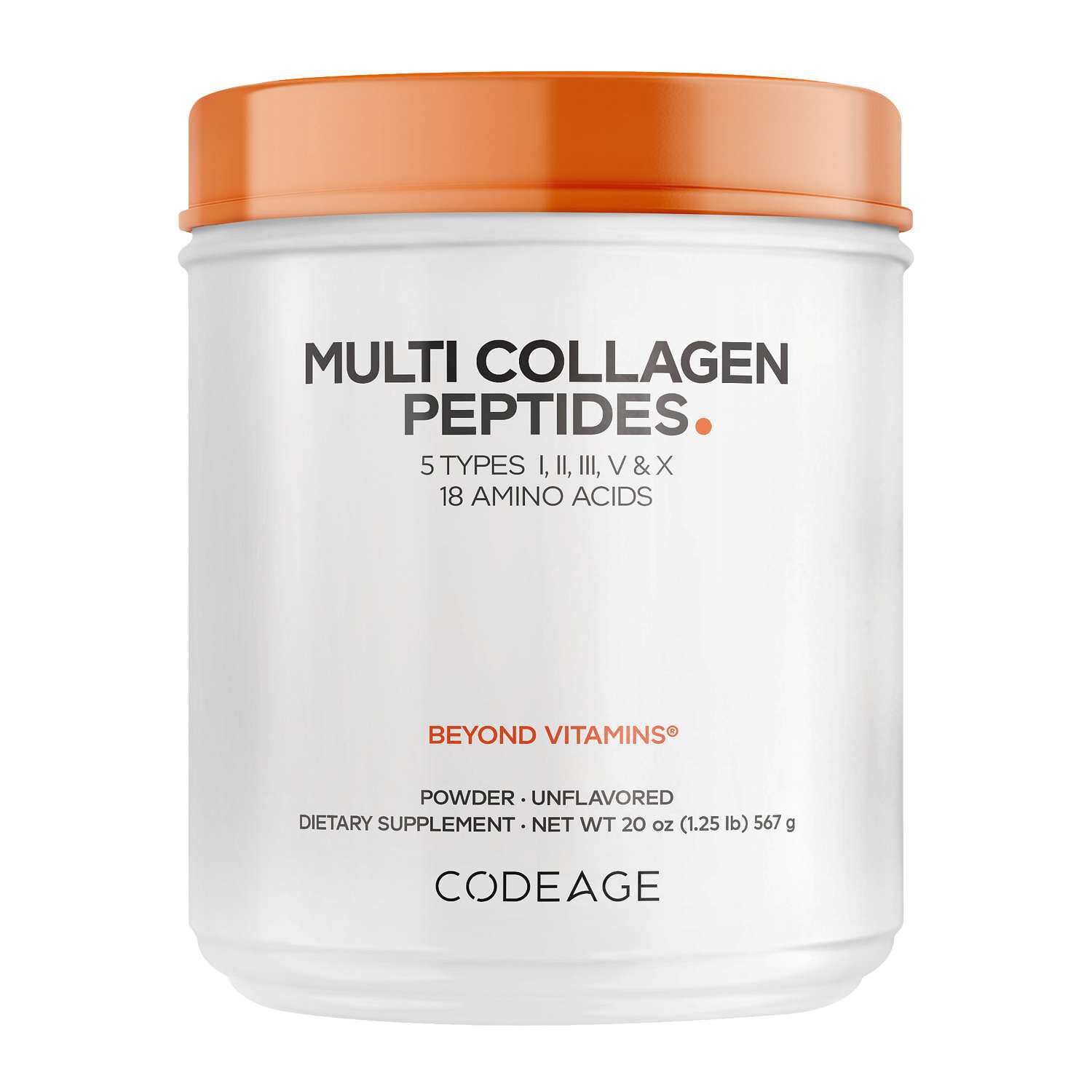
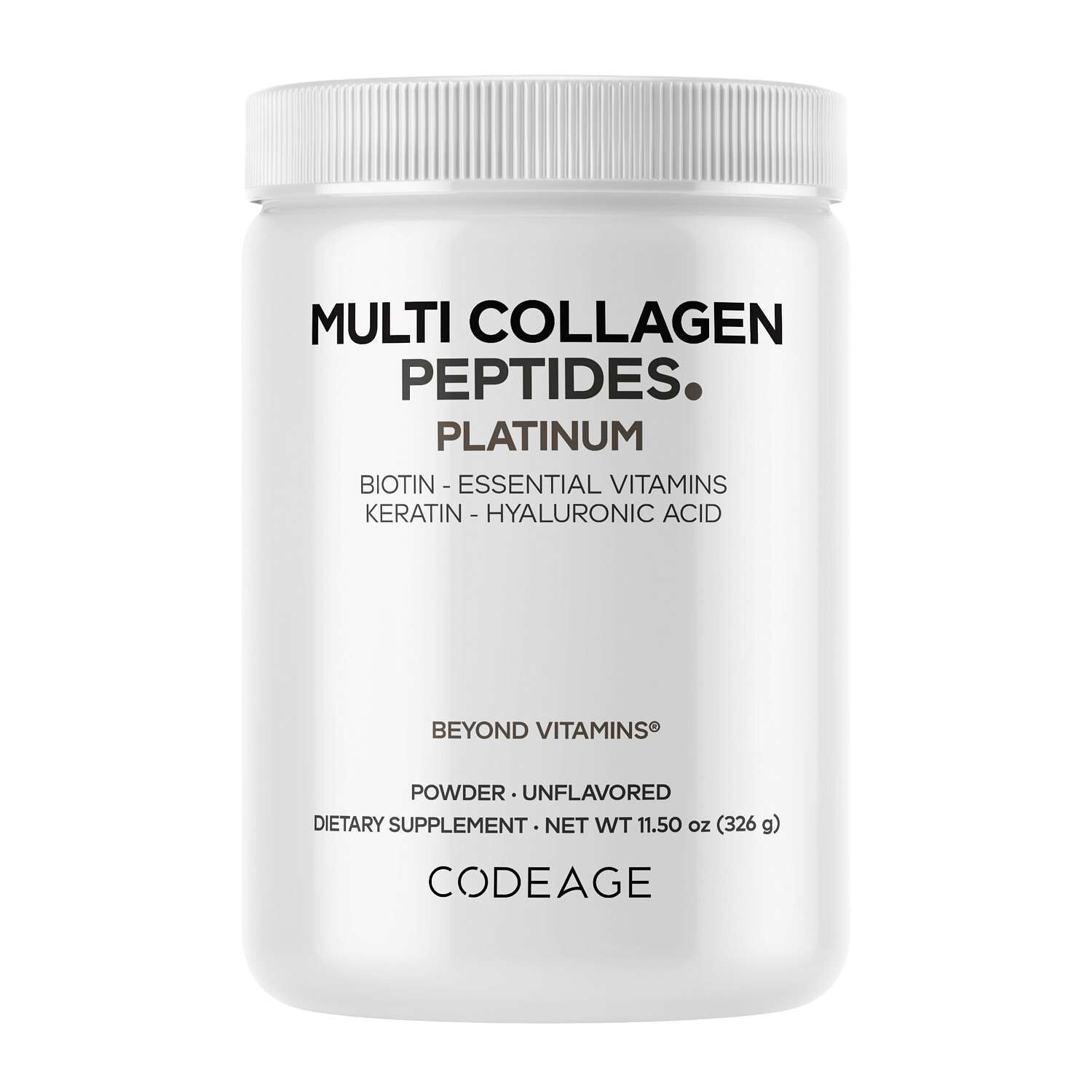
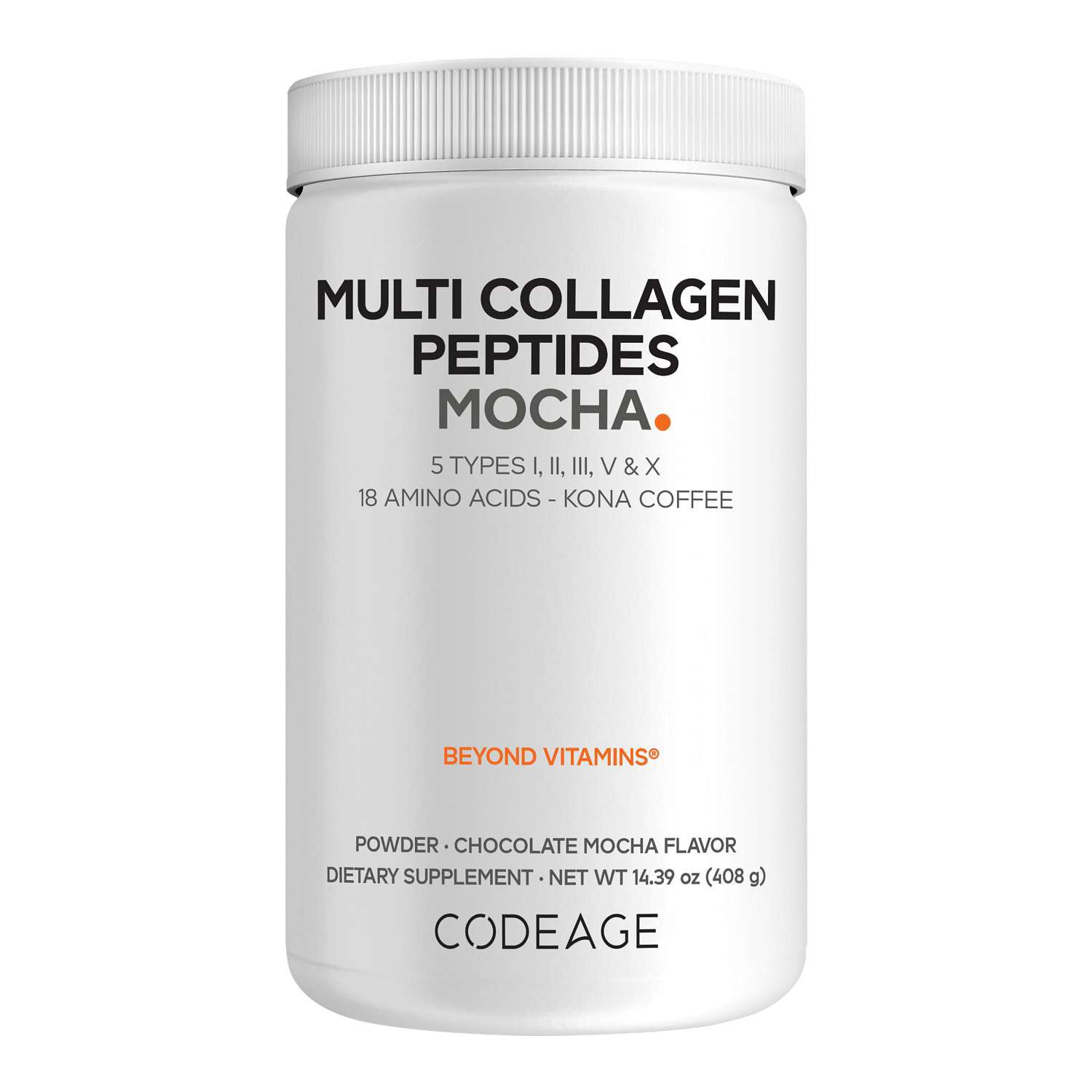

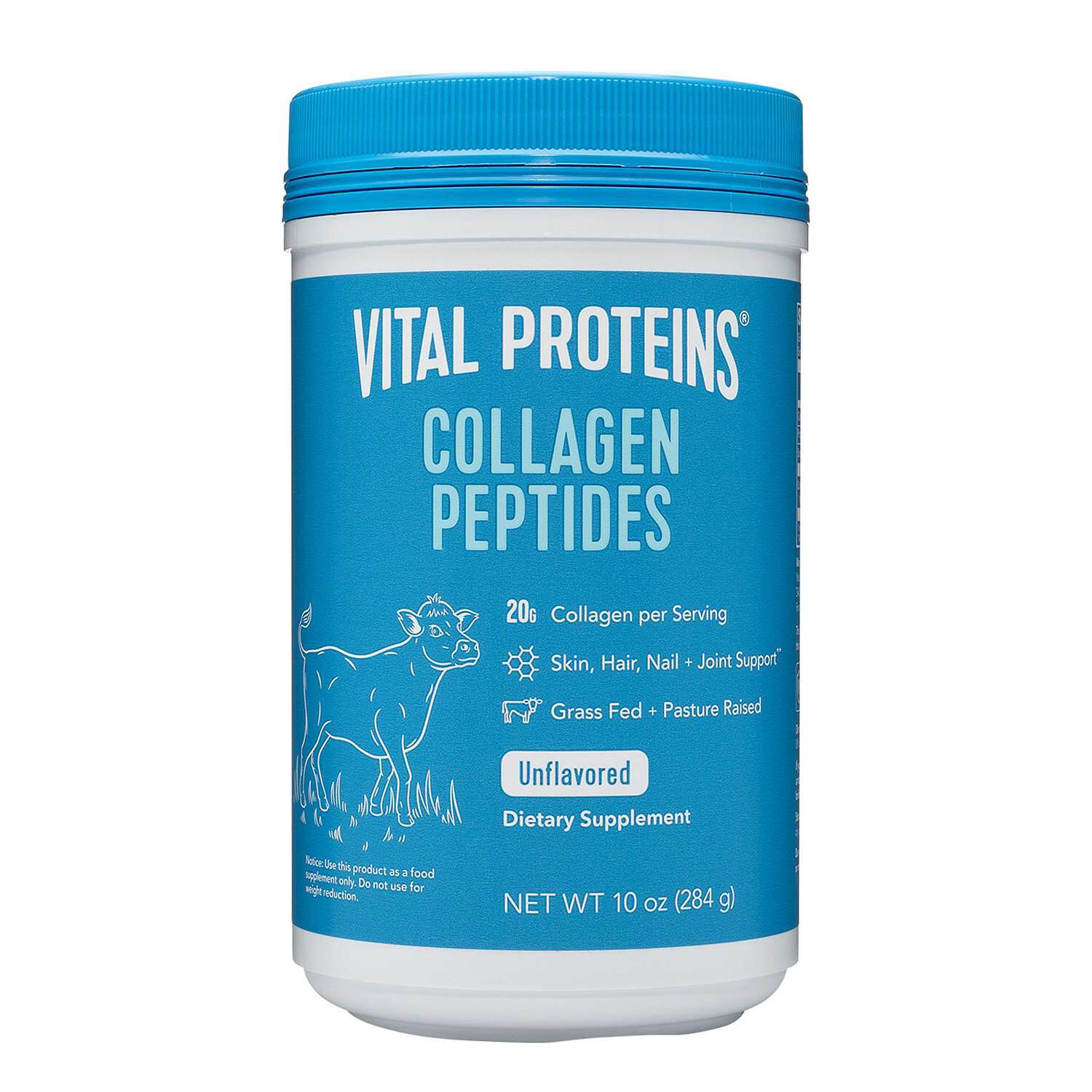
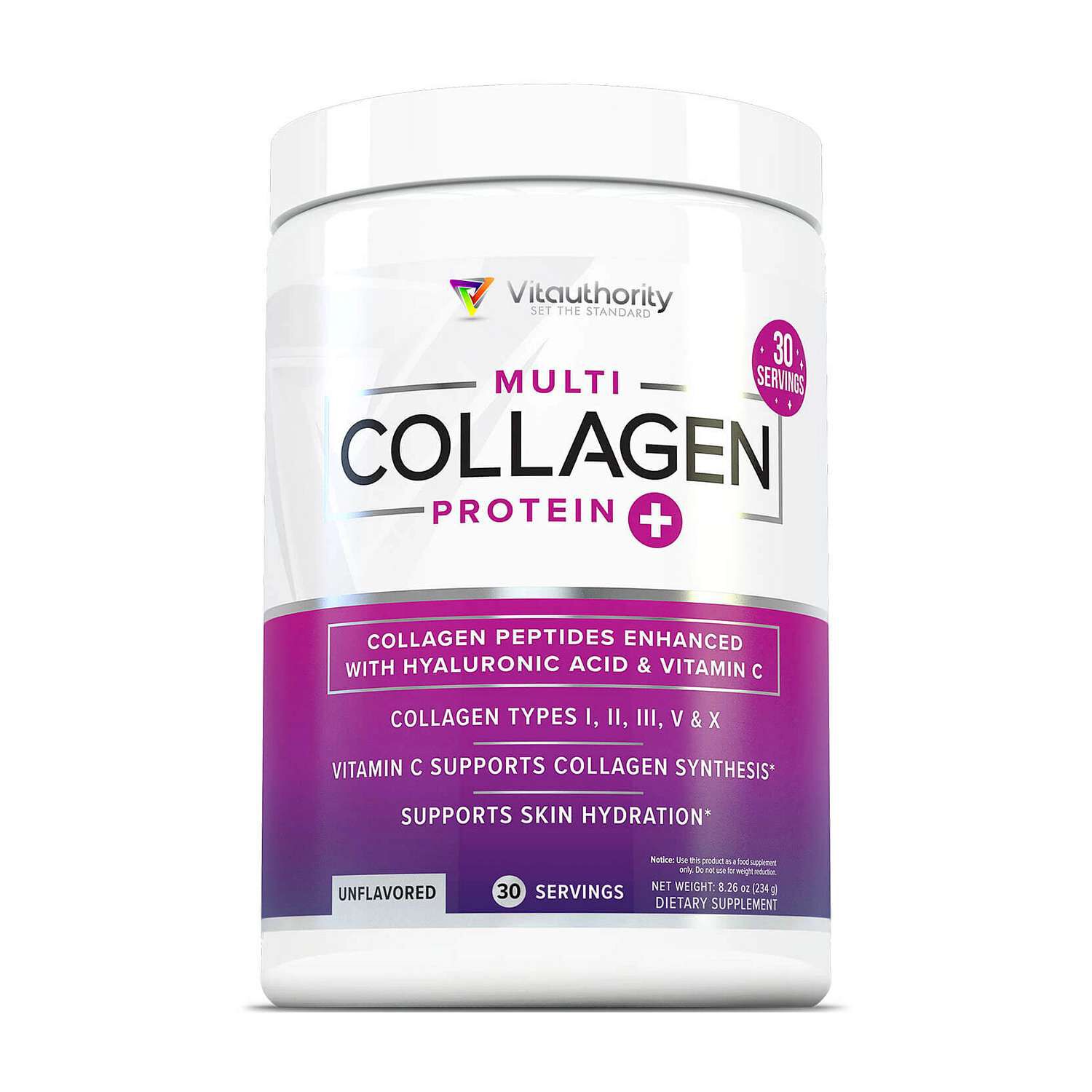
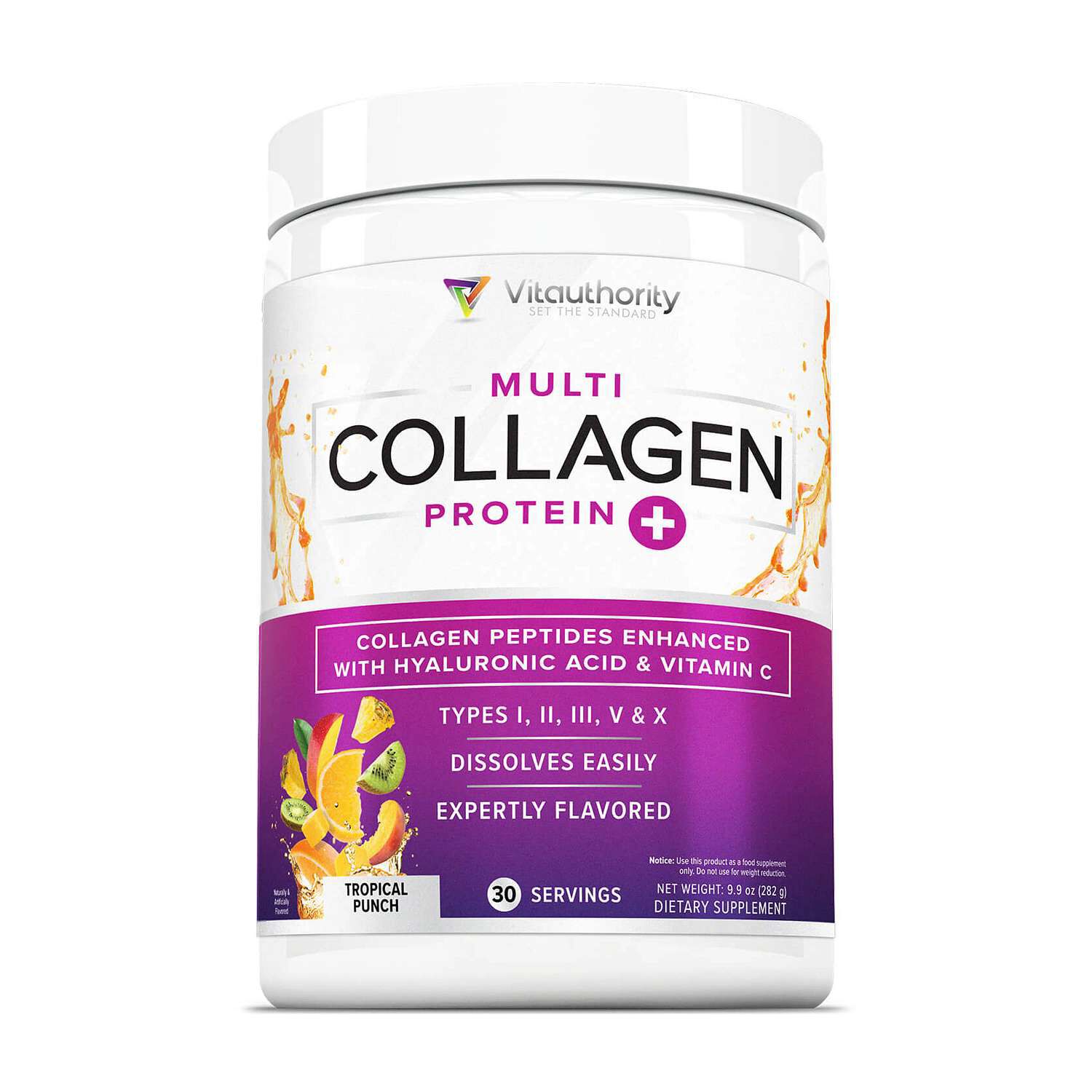
Hydrolyzed collagen protein powders contain collagen processed into smaller protein chains called peptides. This process, known as hydrolysis, distinguishes them from collagen in its original structure and explains why “collagen peptides” and “hydrolyzed collagen” often appear on the same label. The category includes powders made from bovine, marine, porcine, and other animal sources, with the source influencing dietary suitability and ingredient preferences. Bovine collagen commonly contains types I and III, while marine collagen often comes from fish and contains type I. These type designations describe the collagen source and composition; they are not rankings of quality or a reason to expect a particular result. Hydrolyzed collagen may disperse more readily in beverages than traditional gelatin, which is known for forming a gel when prepared under certain conditions. That difference makes peptide powders a practical format for shoppers interested in stirring collagen into coffee, blending it into a smoothie, or adding it to another familiar food. Some people choose these powders as part of a skin care or hair and nail care routine. Hydrolyzed collagen may support skin hydration, though individual experiences and formulations vary. Others are simply looking for another way to incorporate animal-derived protein into everyday meals and snacks. Nutritionally, collagen differs from whey, soy, and other proteins that supply all nine amino acids the body cannot make on its own. Collagen lacks tryptophan and generally contains less leucine than whey, so it is not a direct nutritional substitute for those protein sources. Its amino acid profile includes glycine, proline, and hydroxyproline, which reflect collagen’s distinctive structure. For someone who already enjoys eggs, beans, yogurt, fish, or other protein foods, a collagen powder may fit alongside that variety rather than stand in for it. The most relevant distinctions within this category are the animal source, ingredient list, serving size, protein amount, flavor, and preparation directions—not simply the prominence of the word “hydrolyzed” on the package.
Flavor and texture play a large role in how a hydrolyzed collagen protein powder fits into daily use. Unflavored versions are often chosen for recipes where the existing ingredients should remain the focus, such as a fruit smoothie, a bowl of oatmeal, or a mug of coffee. Unflavored does not necessarily mean tasteless: a powder may retain a mild flavor or aroma associated with its source, particularly in plain water or a lightly flavored drink. Flavored versions may suit a different routine, adding a chocolate, vanilla, or other dessert-style note to a shake without requiring several separate ingredients. Sweeteners, cocoa, flavorings, and other additions all belong in the comparison, especially for shoppers who prefer a short ingredient list or a particular sweetness profile. A single-ingredient collagen powder and a blend containing collagen, vitamins, minerals, or fiber are different formulations, even when their front labels look similar. The amount of collagen listed per serving also deserves a separate look from the grams of protein on the Nutrition Facts or Supplement Facts panel. Those figures are related but are not necessarily identical, particularly in blends with other ingredients. Serving sizes differ, and one scoop from one container is not interchangeable with a scoop from another. Preparation details matter just as much as flavor. Sprinkling powder gradually into liquid while stirring may produce a smoother mixture than dropping a packed scoop into a full glass. A shaker bottle or blender may be useful for a smoothie with fruit, yogurt, and other ingredients, while a spoon may be sufficient for a simpler preparation. The result depends on the formula, the amount of liquid, and the mixing method. In oatmeal or yogurt, collagen powder may change the thickness or mouthfeel, so the texture of the finished food remains part of the experience. Recipes and preparation directions on the package provide the most relevant starting point for that particular formula, rather than assuming every powder behaves the same way.
Dietary fit starts with the collagen source and extends to every ingredient in the formula. Traditional hydrolyzed collagen is animal-derived, so it does not suit a vegan eating pattern. Fish-derived collagen may fit some pescatarian preferences, while bovine and porcine sources carry different considerations for personal, cultural, or religious food choices. Source information alone is not a substitute for reading allergen statements and any certification relevant to those preferences. Marine collagen warrants particular attention to fish labeling, and blended powders may include milk, soy, or other ingredients beyond collagen itself. Packaging claims about animal raising practices or sourcing describe a different attribute from protein content, flavor, or mixing performance; each deserves its own assessment. Third-party testing or certification may provide information about specified quality checks, but the scope of that testing matters more than an unfamiliar seal by itself. For everyday use, container design and storage requirements are also worth considering. A resealable pouch or tightly closing tub helps keep the powder contained, and a dry scoop avoids introducing moisture into the package. The label’s storage directions, serving instructions, and best-by date remain the reference for handling the product. A pantry shelf away from steam and splashes is a more suitable setting than a spot beside a frequently used sink. Adults who enjoy a consistent breakfast routine may prefer a powder that works with the same coffee or smoothie each day, while those who rotate between drinks and recipes may favor a less pronounced flavor. Someone using a collagen powder alongside strength training should still consider the broader protein sources in their eating pattern, since collagen has a different amino acid profile from common sports nutrition proteins. For shoppers interested in blends that pair collagen with fiber, Collagen Fiber Powders provides a related category to explore. Across these options, a suitable choice is one whose ingredients, preparation requirements, and sensory qualities align with the foods and beverages already part of an established routine.
Best Sellers
-
Ancient Nutrition
-
Vital Proteins
Related Pages

Top Collections
- Daily Collagen Supplements | Top Brands & Deals | GNC
- Natural Collagen Supplements | Top Brands & Deals | GNC
- Top Rated Collagen | Shop Customer Favorites | GNC
- Cortisol Supplements
- Vitamins For Hair Loss
- Spirulina Tablets
- NAD+ Supplement Tablets
- Peptide Supplements
- Best Brand of Magnesium Glycinate
- Vitamins That Help Support Weight Gain