Immune Support For Commuters
(0 Results)
Immune support for commuters is all about helping you stay at your best when you’re on the move. Whether you’re navigating busy public transit, carpooling, or simply spending more time away from home, daily routines can bring new challenges to your wellness goals. Explore a variety of options that may fit seamlessly into your travel bag or desk drawer, making it easier to prioritize your well-being wherever your commute takes you.


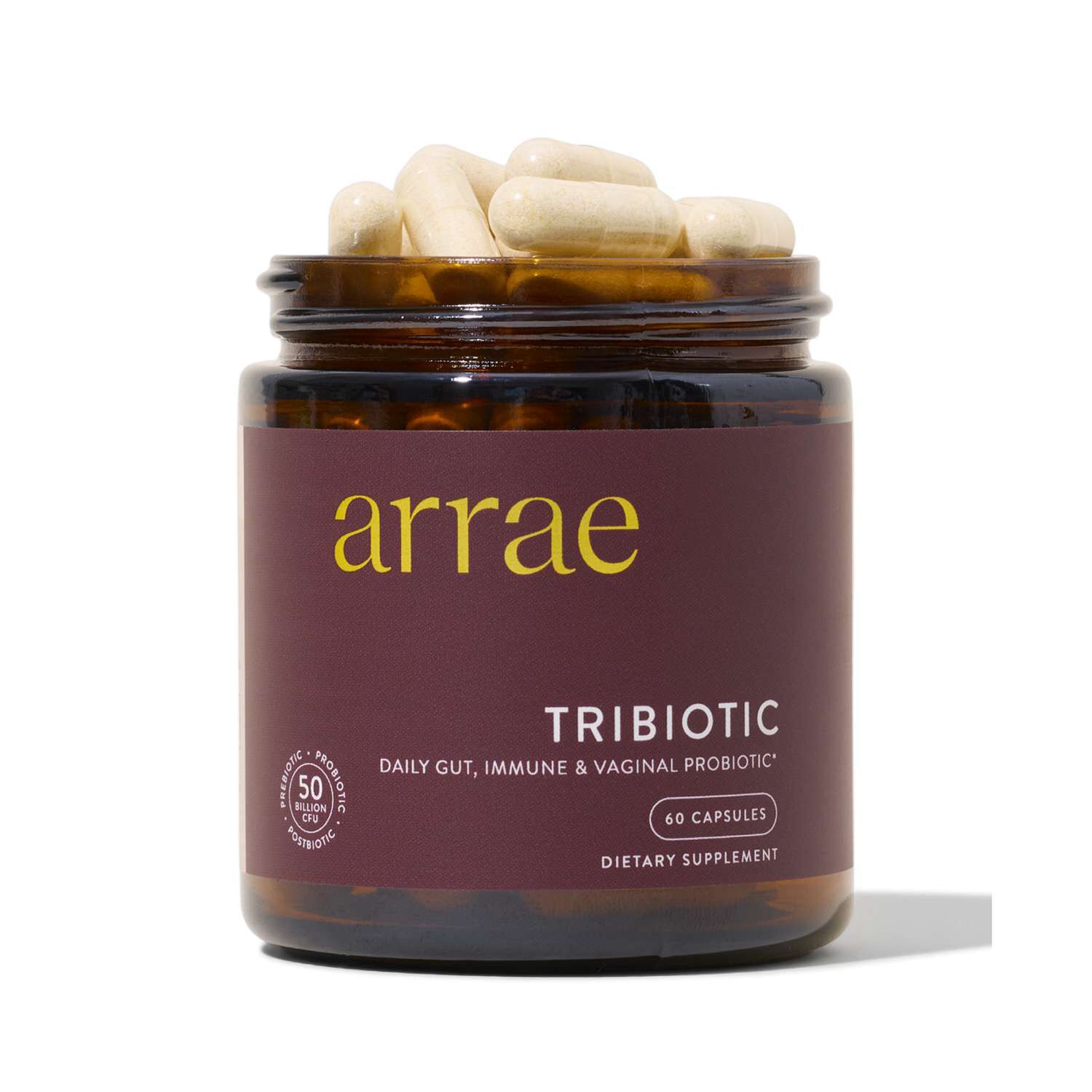
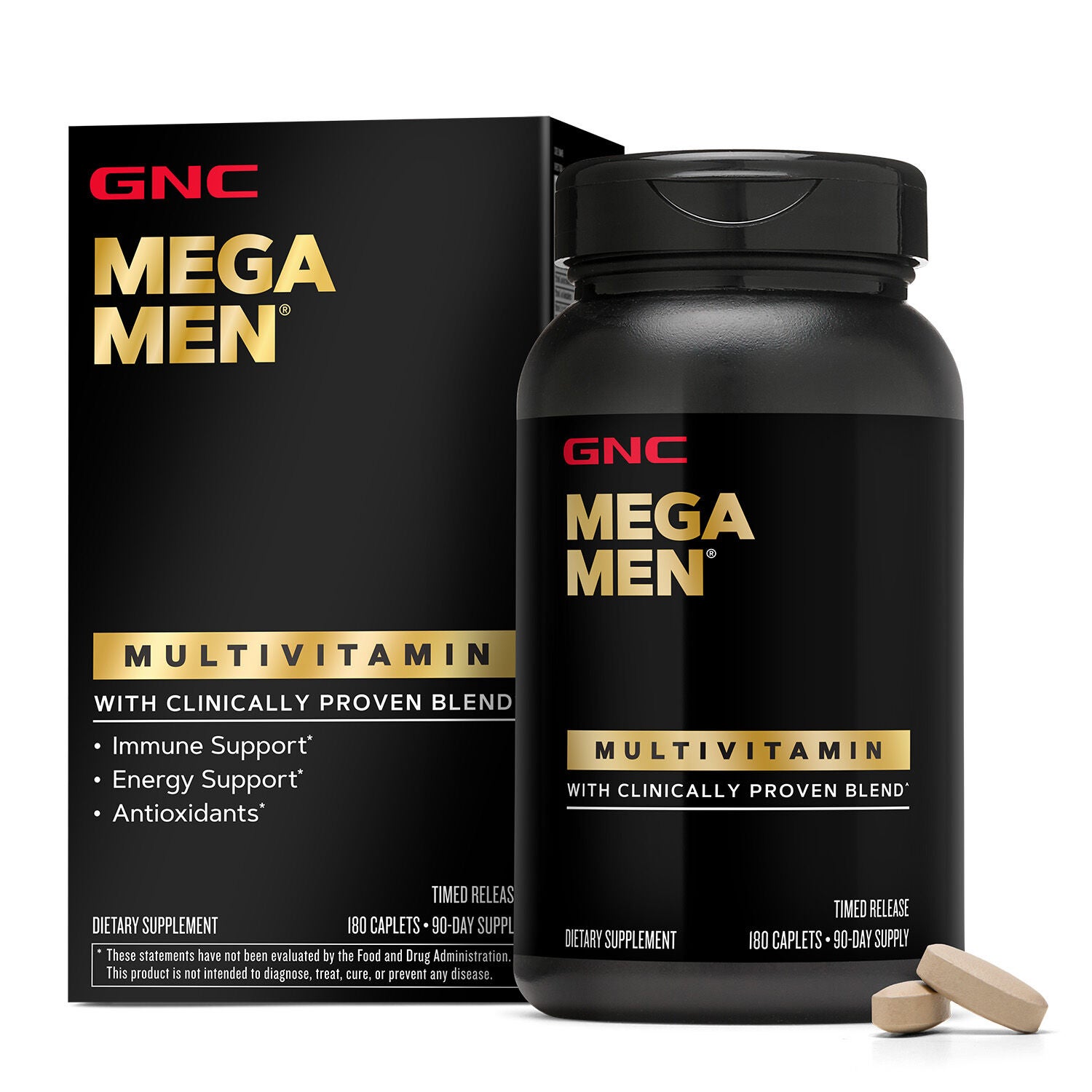


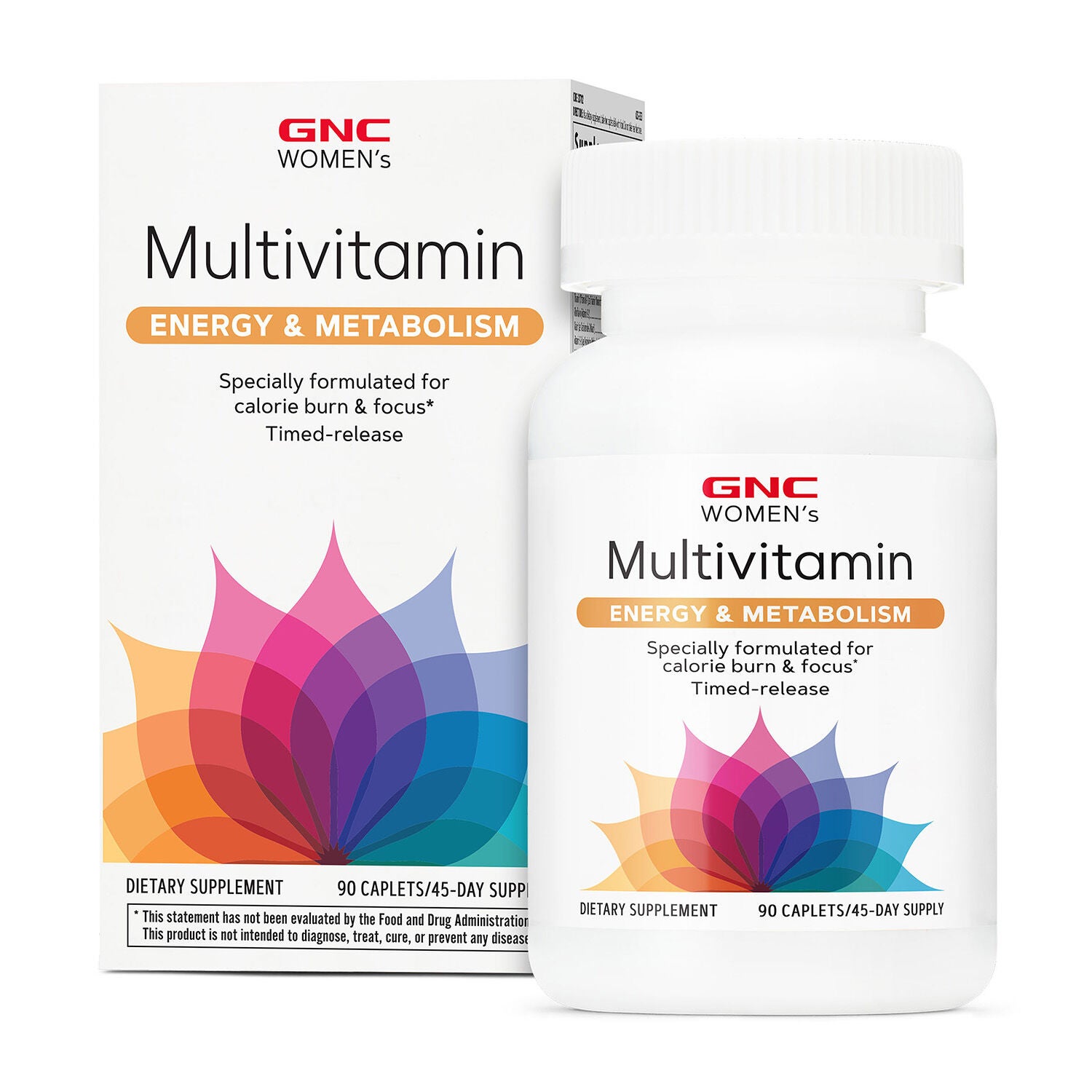




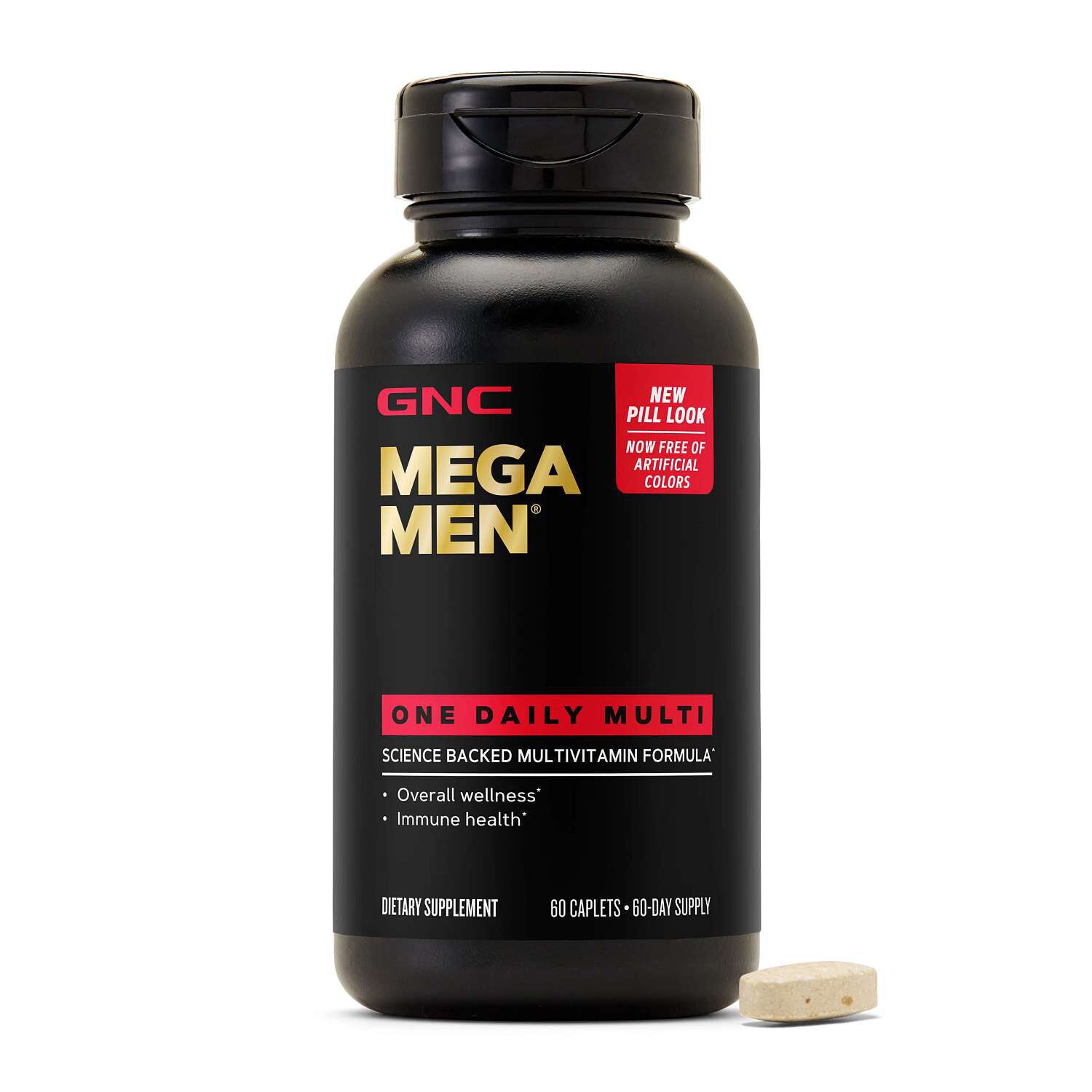
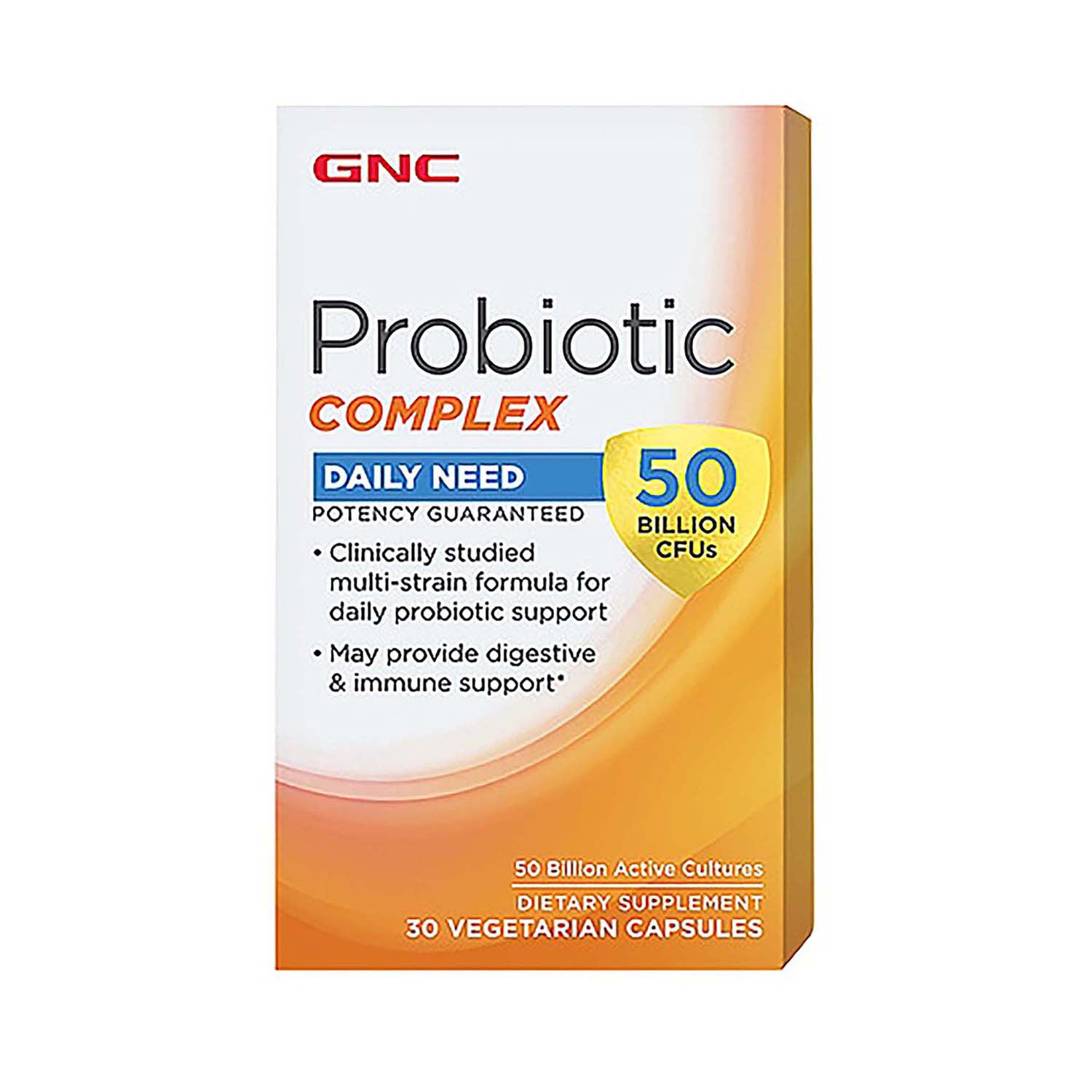


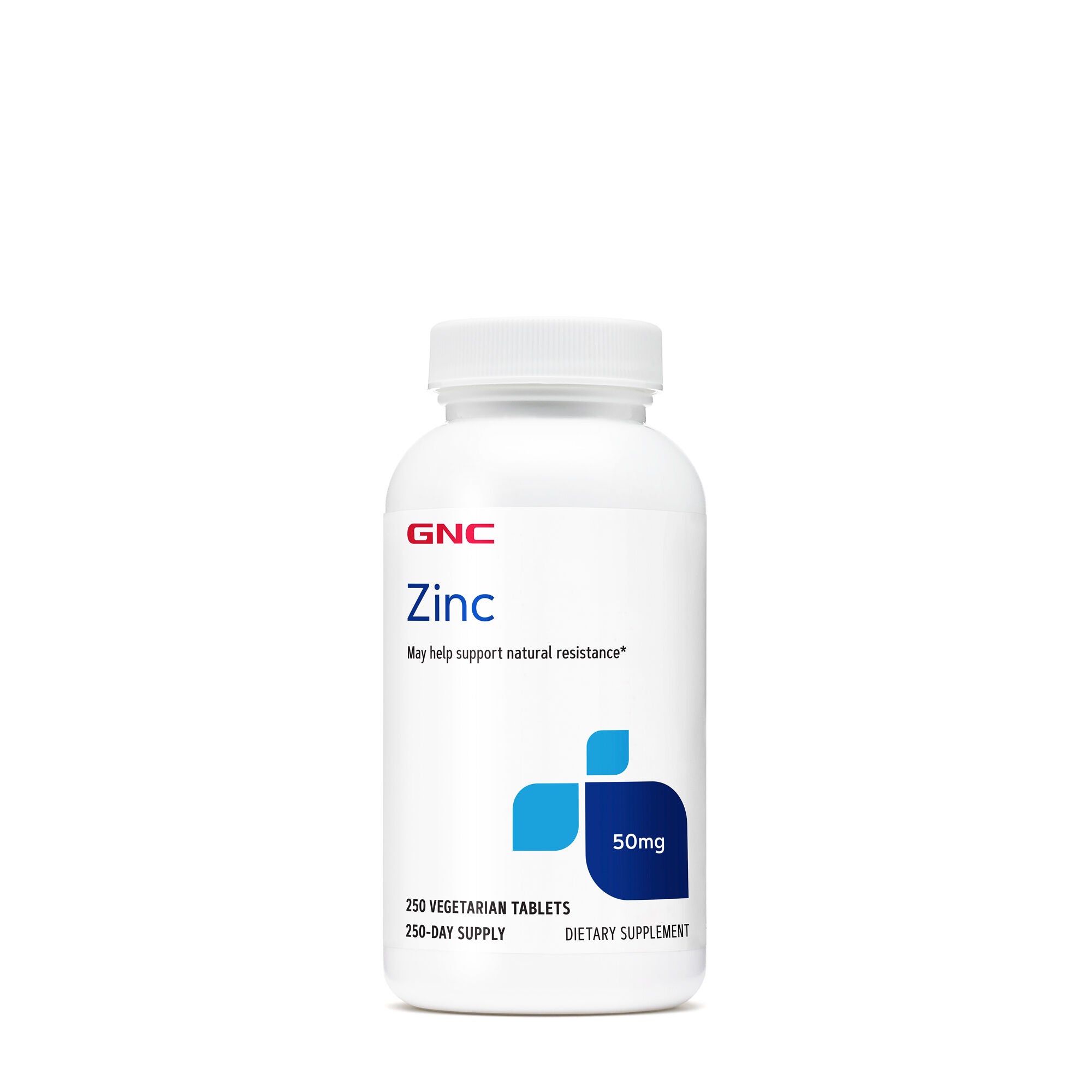



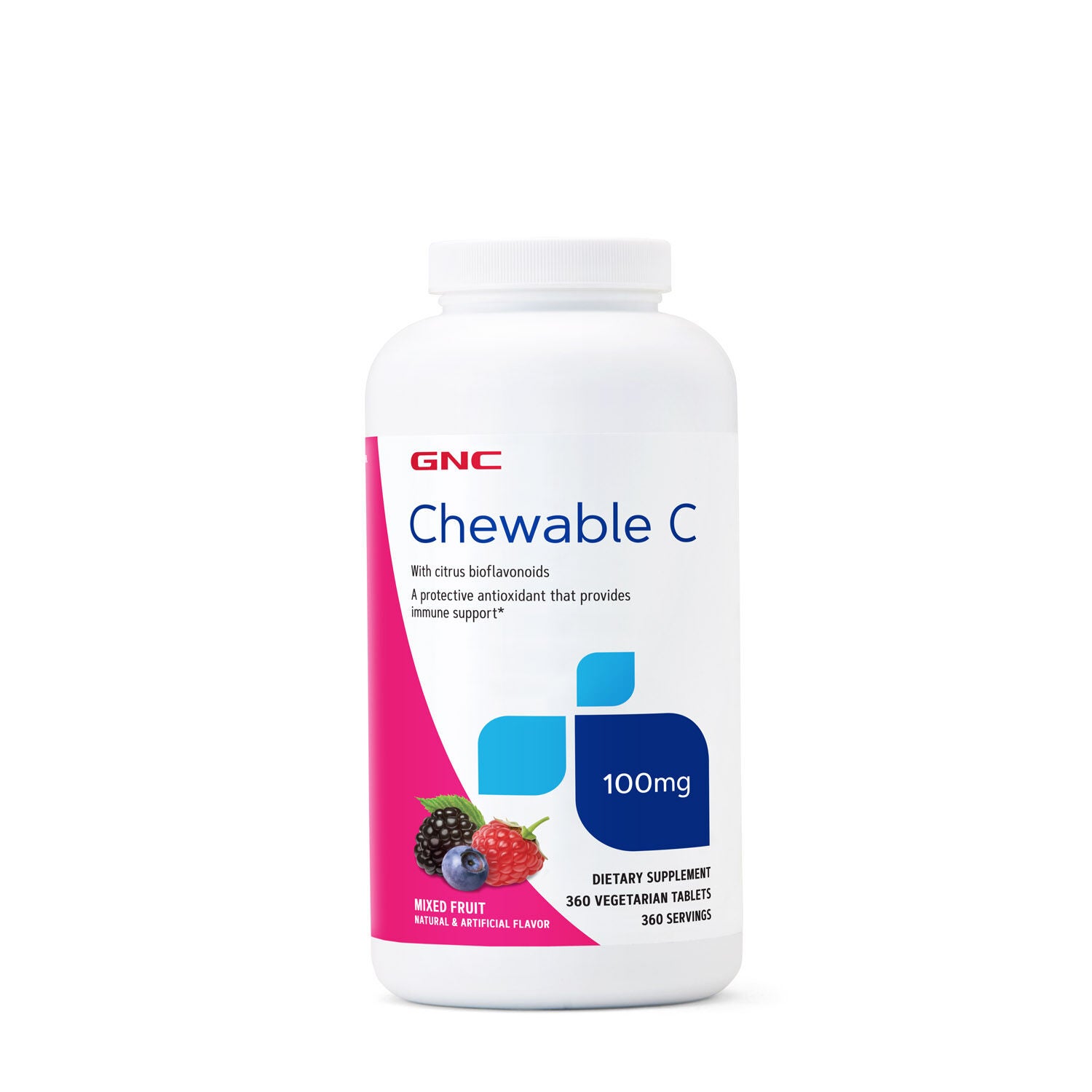
Immune support for commuters centers on nutritional supplements that may fit into the everyday rhythm of getting from home to work, school, or another regular destination. The setting might be a crowded subway platform, a bus ride with a transfer, a walk to the office, or a drive that starts before breakfast. In each case, the practical shopping considerations are similar: understandable ingredients, a manageable serving format, clear directions, and packaging that suits the way the day unfolds. Products in this category often feature vitamin C, vitamin D, zinc, or combinations of vitamins and minerals, with different formulas reflecting different approaches to daily nutrition. Those ingredient names describe what to look for on a label; they do not mean that every commuter needs the same supplement. An immune support supplement may complement a nutrition routine, but a commute alone does not establish a need for additional nutrients. A varied diet and individual dietary circumstances remain relevant when comparing formulas. For someone who already takes a multivitamin, the ingredient list on an additional supplement deserves particular attention because the same nutrients may appear in both. Serving size is another useful point of comparison: one serving might involve a single tablet, several gummies, or a measured portion of powder. The amount listed on the Supplement Facts panel applies to that stated serving, not necessarily to one piece or one scoop of any size. Looking at the form and the label together creates a clearer picture of intended use than looking at the front of the package alone. Office employees, students with regular travel schedules, shift workers, and people moving between multiple job sites may all value a format that fits their day. Their preferences can differ considerably, even when their travel time is similar. A person who eats breakfast at home may prefer a product that stays in the kitchen, while someone who heads straight from a station to a desk may be more interested in portable packaging. The most relevant comparison is how a product aligns with an existing routine, rather than how prominently it refers to travel.
Format is especially relevant when the same shoulder bag holds a laptop, lunch container, water bottle, and everything needed for the trip home. Tablets and capsules are compact formats, though their dimensions and serving directions vary. Chewable formats may appeal to shoppers with different texture preferences, while gummies also warrant a look at serving size, added sugars, and other ingredients. Powders involve mixing, so their fit depends on access to a suitable container, the amount of liquid specified on the label, and a place to prepare them. A powder may suit someone with a settled breakfast routine better than someone balancing a coffee cup and transit pass on a standing-room-only train. Individually portioned packaging may be convenient for occasional travel, while a bottle kept at home may better match a regular departure schedule. Neither approach changes the product’s directions or intended use. Packaging materials and closures matter for portability: a rigid bottle, flexible pouch, or individual packet has a different footprint in a work bag. Useful details include a legible label, a securely closing container, and packaging that can be carried without being compressed beneath heavier belongings. Original packaging also carries the ingredient list, serving information, storage directions, and expiration date. Care considerations begin with those storage directions, including any guidance about moisture, light, or refrigeration. A desk drawer, gym bag, or car console is not automatically a suitable storage location simply because it is convenient. Product format also matters for cleanup and handling; a loose powder requires different preparation than a tablet in its original container. For a person who travels between offices, a format with fewer preparation steps may be appealing. For someone with a regular desk and kitchen access, mixing a measured serving may be a practical option. Directions that specify use with food or another condition also belong in the comparison, particularly when departure times and meal schedules vary.
Ingredient preferences deserve the same attention as portability. Beyond the featured vitamins and minerals, labels may list flavorings, sweeteners, capsule materials, colors, or ingredients used to create a particular texture. Shoppers following vegetarian or other dietary preferences can look for explicit label information rather than assume that every capsule or gummy has the same composition. Clearly stated ingredient and allergen information offers concrete details for comparing formulas. The front label’s emphasis on immune support is only one part of that assessment; serving amounts, directions, and the full ingredient list provide additional context. Questions about personal suitability or use alongside other supplements belong in a conversation with a qualified healthcare professional, rather than being settled by travel-friendly packaging. The broader setting for commuter wellness includes ordinary habits beyond the supplement shelf: breakfast before leaving home, a packed lunch with fruits and vegetables, a refillable water bottle, opportunities for handwashing, and a regular sleep schedule. These habits are relevant whether the journey involves shared transit or a solo drive. After handling a station kiosk or bus handrail, access to soap and water may be part of the day’s logistics; hand sanitizer is another consideration when handwashing facilities are not nearby. None of these details turns a supplement into a substitute for everyday hygiene or varied meals. They simply place the product category within the daily life of the person shopping. A long commute may leave someone eating breakfast at a desk, while a shorter trip may allow more time at home; either setting calls for realistic expectations about what fits. For shoppers whose schedules also include meetings, errands, caregiving, or frequent travel, Immune Support Supplements For Busy Adults offers a related category to explore. The same considerations carry across both themes: readable labels, appropriate serving formats, dietary compatibility, and storage requirements that make sense for the intended setting. Thoughtful comparison keeps the focus on the person’s actual day, from the kitchen counter before departure to the bag beside the desk and the journey home.