Inositol For Energy Support
(0 Results)
Inositol for energy support may be an excellent addition to your wellness routine. Often found in various foods and available as a supplement, inositol is a type of carbohydrate that plays a role in cellular processes. Incorporating inositol into your daily regimen could contribute to overall vitality and well-being. Explore how inositol for energy support might help you maintain a balanced lifestyle and potentially aid in reaching your health goals.
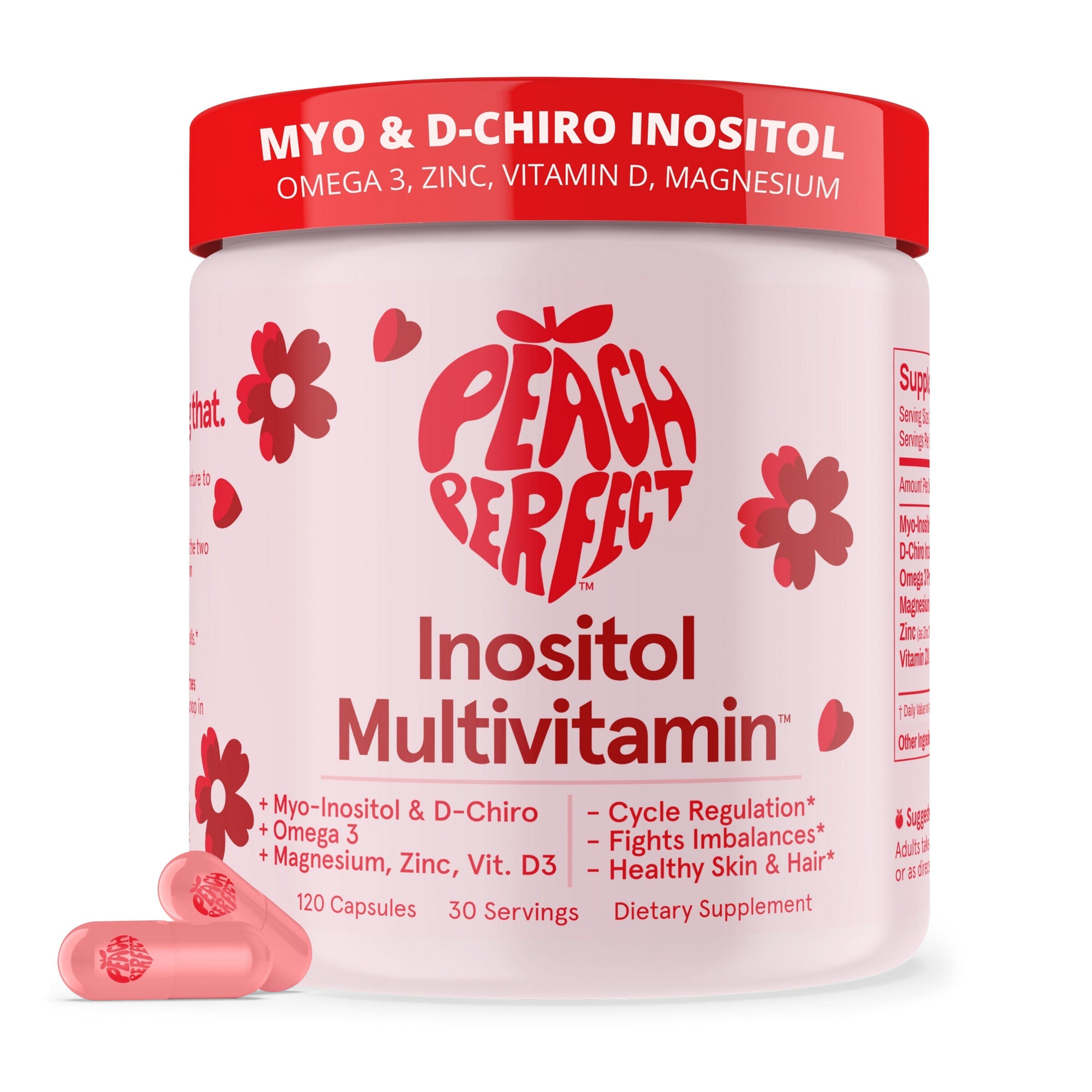
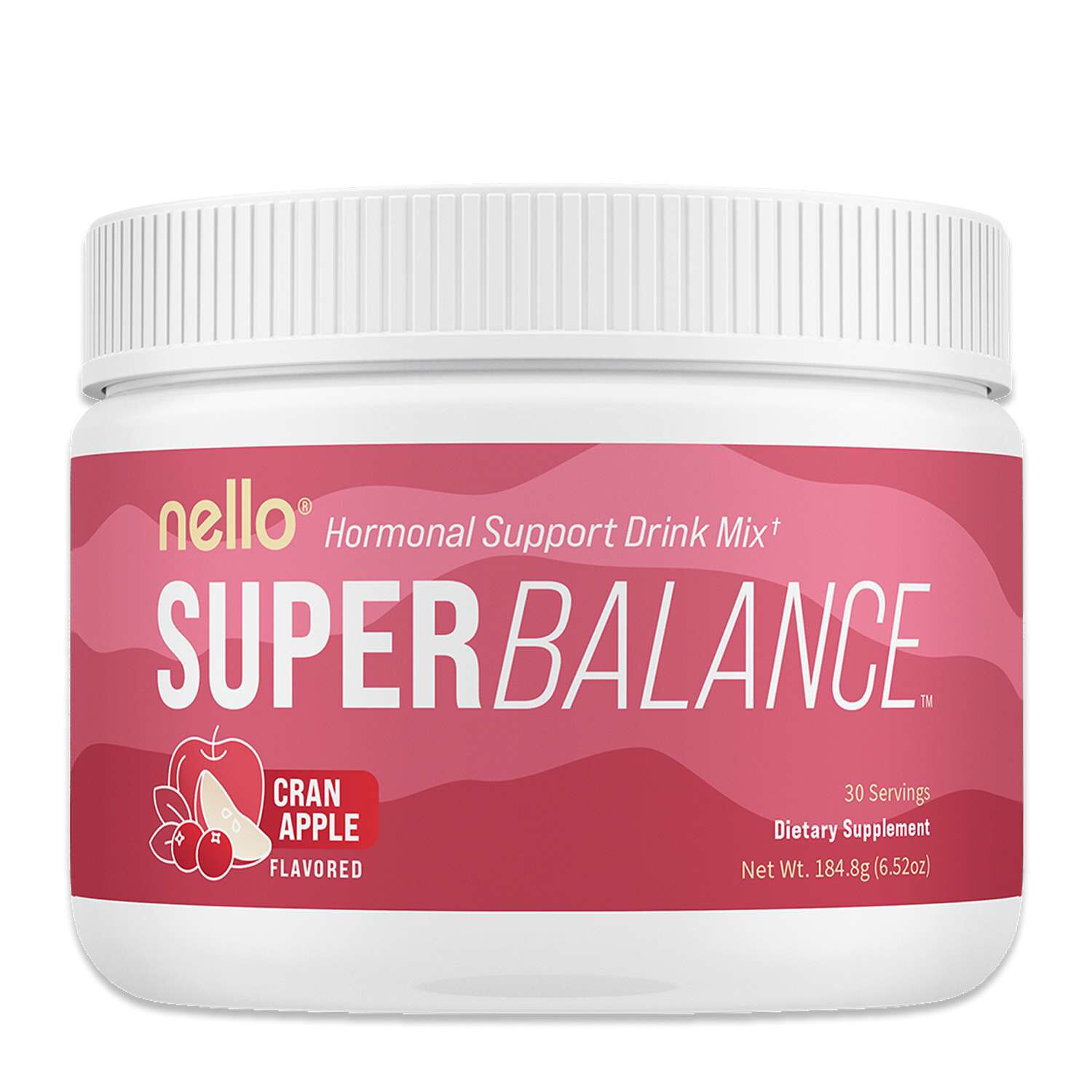
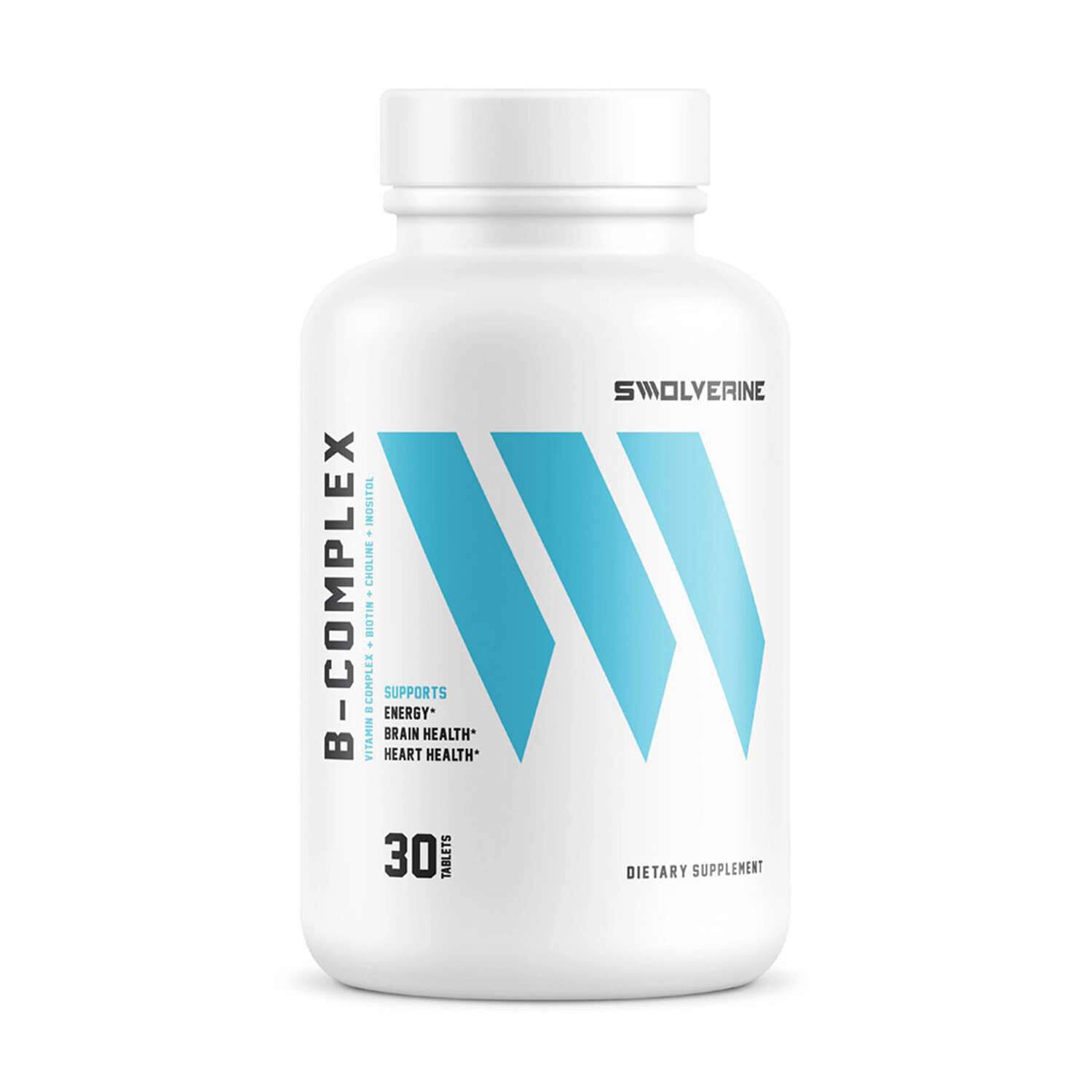

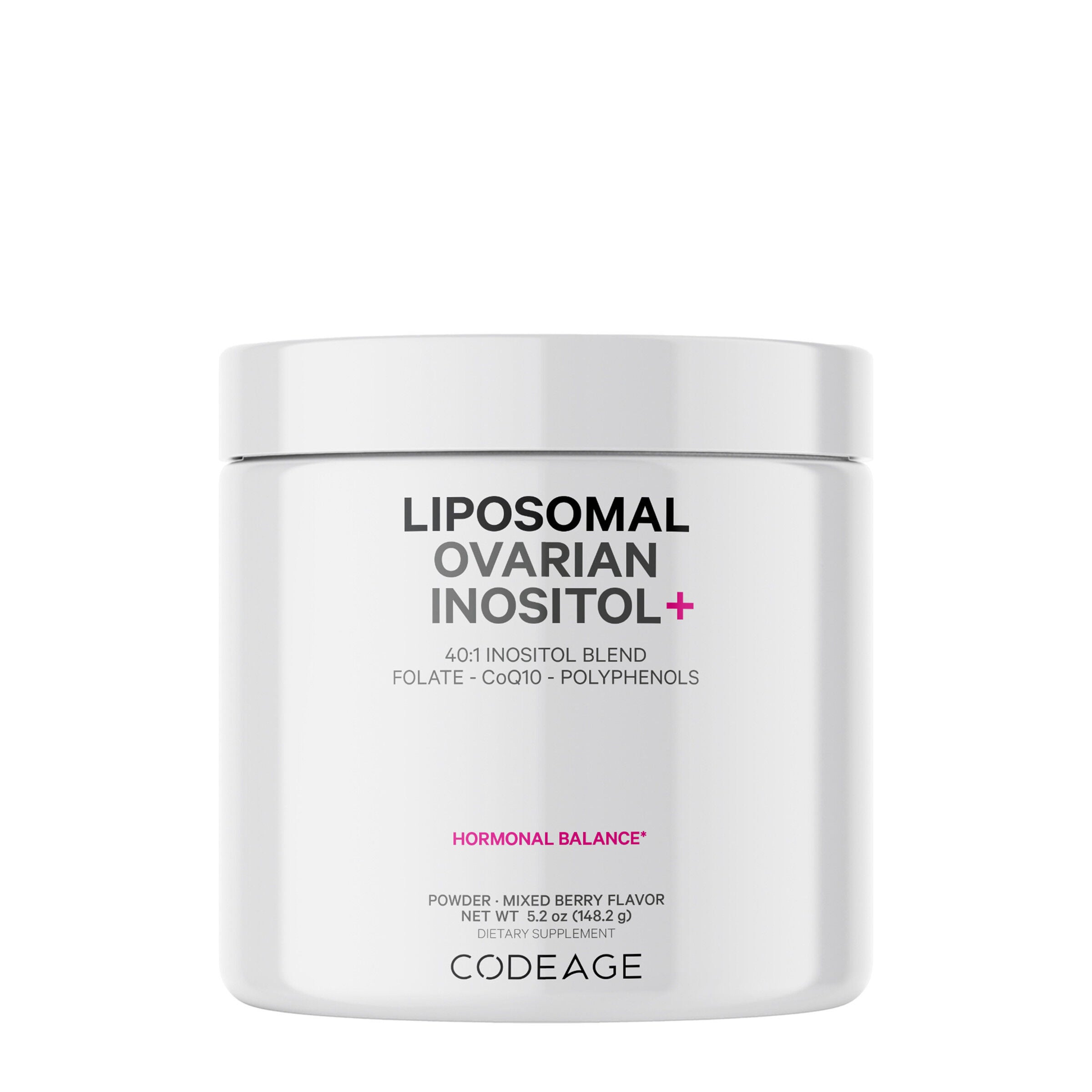

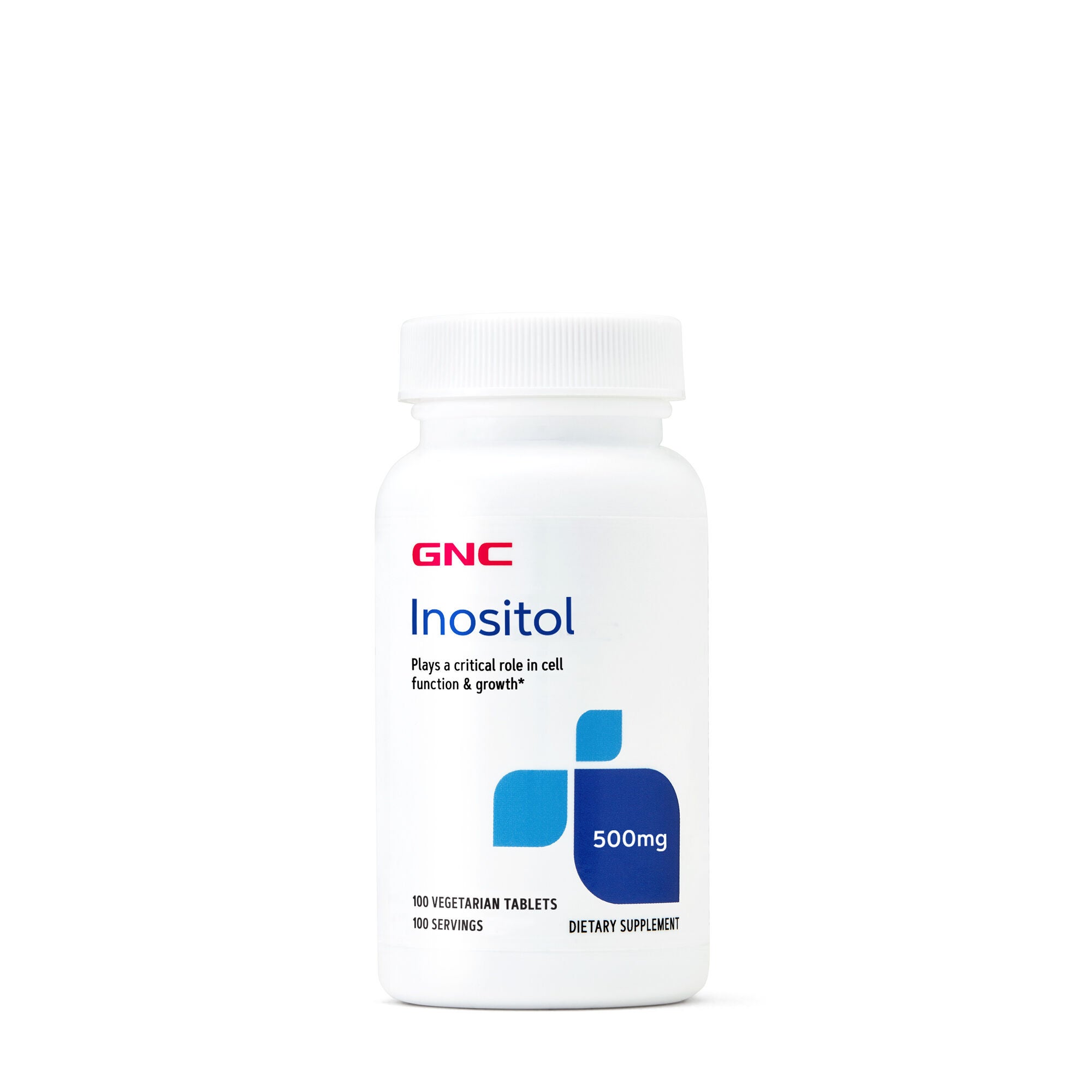

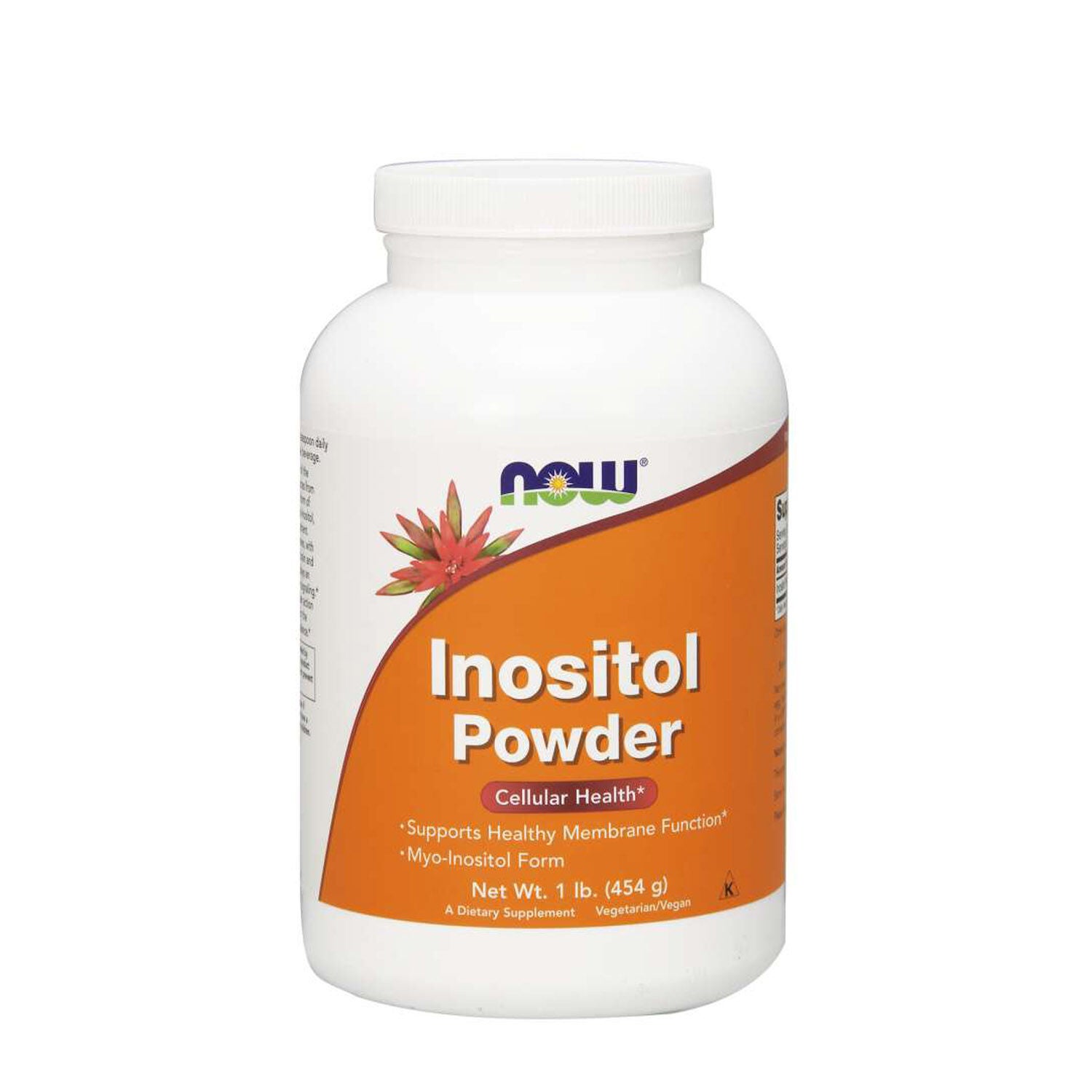

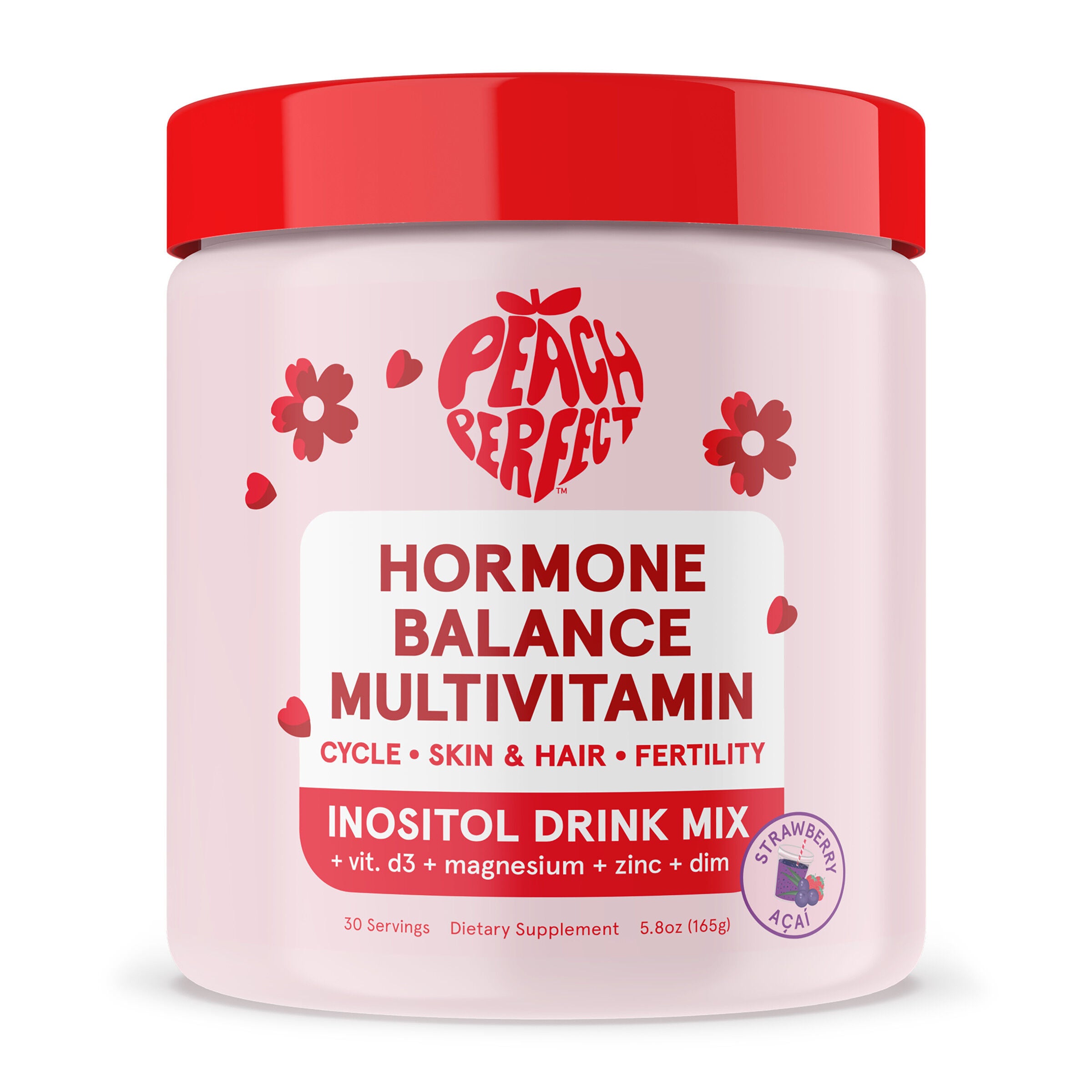
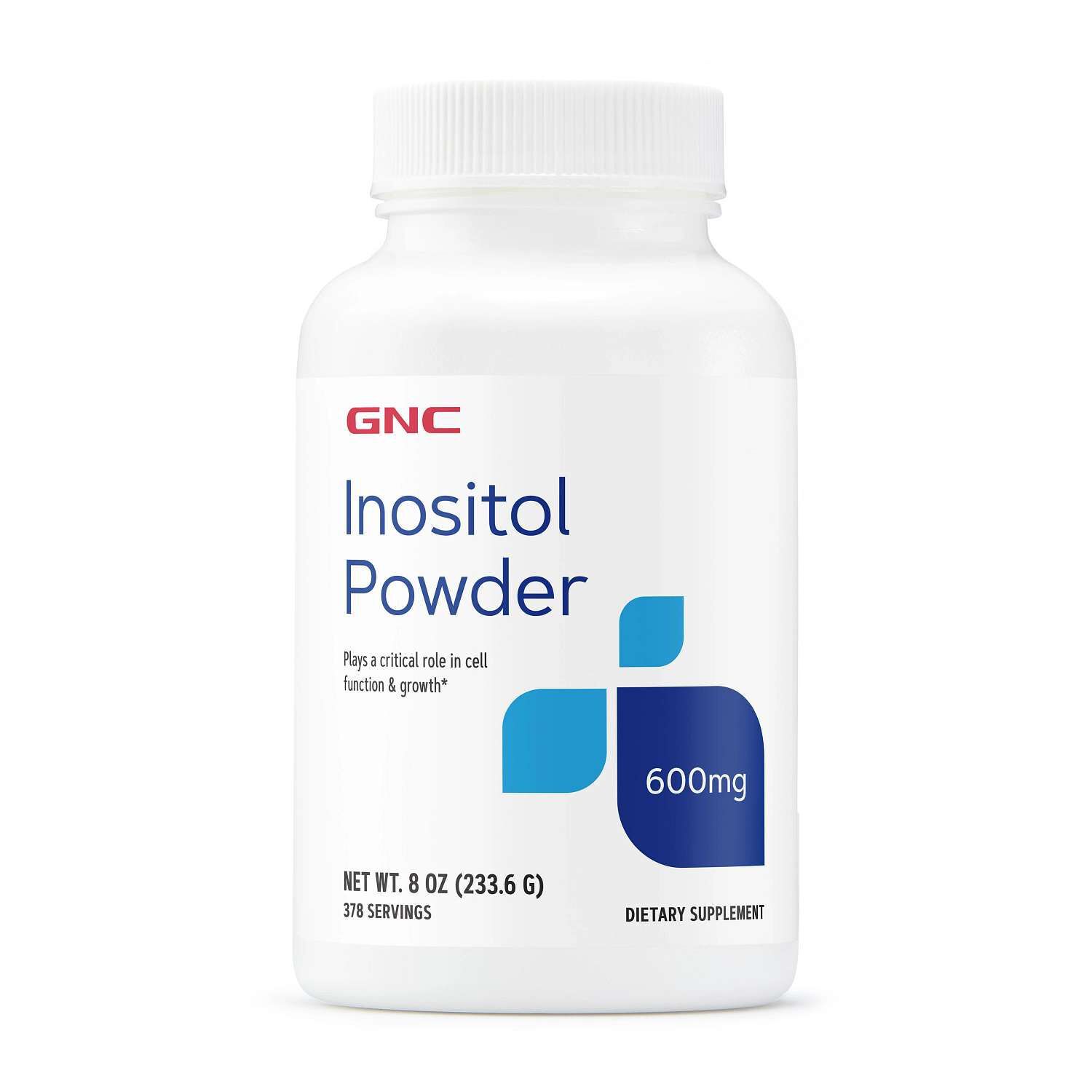
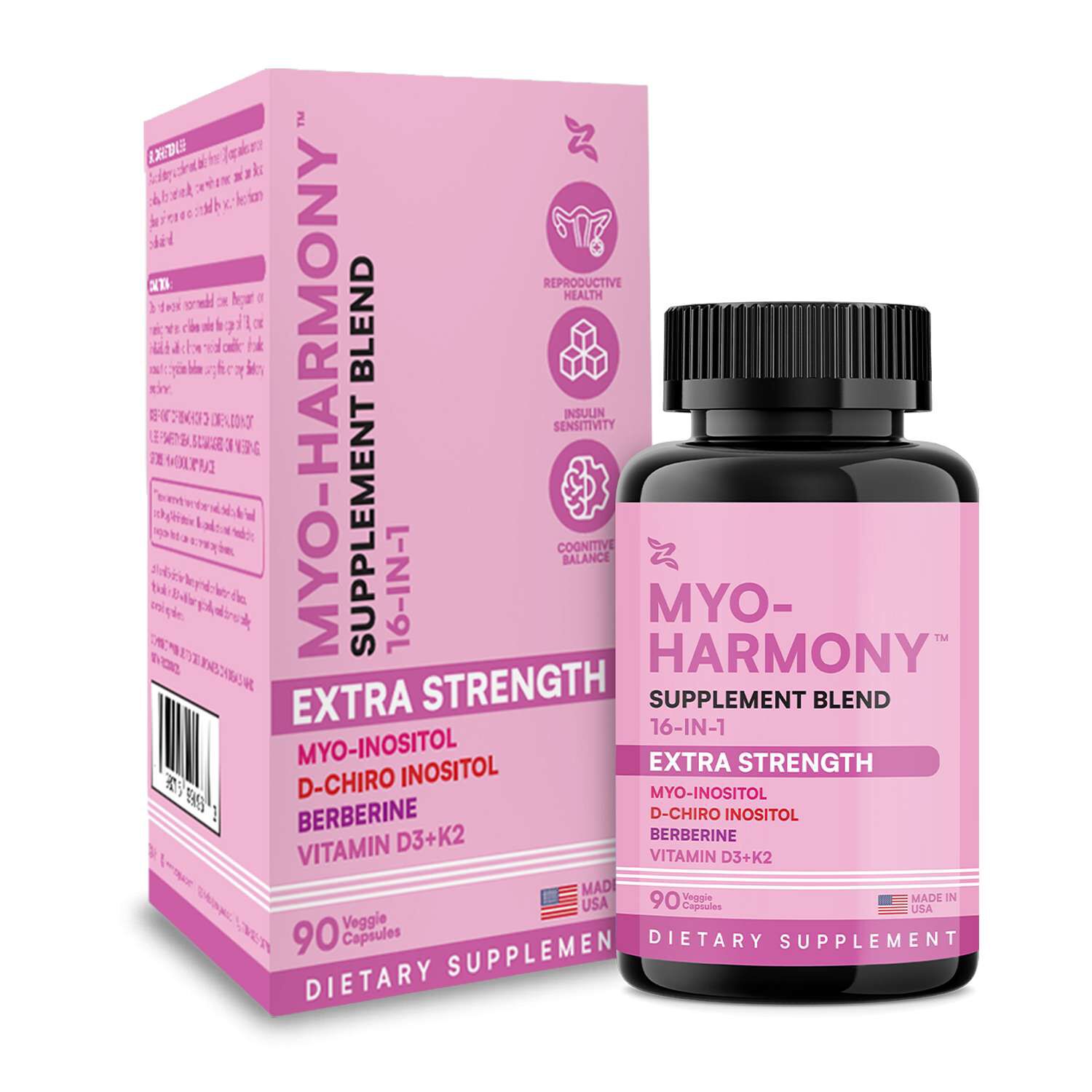
Inositol for energy support brings attention to a dietary supplement category that may fit into an everyday nutrition routine without centering that routine on caffeine. Inositol is a naturally occurring compound found in the body and in foods such as beans, whole grains, citrus fruits, and nuts. Although it is sometimes discussed alongside B vitamins, it is not formally classified as a vitamin. Its presence in cell membranes and involvement in normal cellular signaling provide background for its connection to discussions of nutrition and energy metabolism. That biological context is different from evidence that a particular supplement will change how someone feels throughout the day. An inositol supplement may complement a broader approach to nutrition, but expectations should remain grounded in the formula, its intended use, and individual circumstances. For someone balancing a morning commute, an afternoon of meetings, and an evening walk, the practical question is how a supplement fits an established routine—not whether it can replace meals or rest. Myo-inositol is a commonly used form in dietary supplements, while D-chiro-inositol also appears in some formulas. These names identify different forms of the compound, not flavors or serving formats. A formula may contain one form or combine more than one, and some blends include additional nutrients. When a label lists a ratio between forms, that ratio describes their relative proportions; it does not, by itself, establish which formula is the right match for a shopper. The amount of each ingredient per serving provides additional context. A prominently displayed number on the front of a package may refer to a serving rather than an individual capsule, so the Supplement Facts panel matters. Reading the ingredient names, serving size, and labeled purpose together creates a clearer picture of what a formula contains and how it is intended to be used. For shoppers interested in energy support, these distinctions are more useful than assuming every product with inositol has the same composition or purpose.
Format is another meaningful part of comparing Inositol Supplements, especially when the goal is a routine that feels manageable alongside ordinary meals and activities. Capsules offer a contained serving format, while powders involve measuring and mixing according to the package directions. A person who keeps supplements beside a breakfast plate may prefer a different format from someone who prepares a drink before leaving for work. Capsule size, the number of capsules in a labeled serving, and capsule materials can all influence that choice. The outer capsule may contain gelatin or plant-derived materials, and that detail may matter to someone following a vegetarian eating pattern or avoiding particular ingredients. Powder labels deserve similar attention. Flavoring, sweeteners, and other added ingredients can affect how a powder fits personal preferences, while the directions describe the intended preparation method. An unflavored powder should not automatically be assumed to have no noticeable taste or texture. Likewise, a scoop included in a container is a measuring tool for that formula, not a universal measure that transfers between containers. Comparing formulas by the amount of inositol in a labeled serving is more informative than comparing scoop sizes or package dimensions. Single-ingredient formulas make the ingredient list relatively straightforward, while blends require a closer look at every component. A blend marketed around energy support may contain ingredients beyond inositol, including caffeine, so the name of the category alone does not describe everything inside. Ingredient transparency is useful here: individually listed amounts provide different information from a combined blend weight. These details also matter when a shopper already uses a multivitamin, a protein powder, or another supplement, because overlapping ingredients can be easy to overlook. The most practical comparison considers the whole label, the intended use, and the preparation involved. A format that looks convenient on a shelf may require several capsules or a separate mixing step, and those small details can shape how comfortably it fits an ordinary day.
Storage, packaging, and label readability deserve attention when choosing an inositol supplement for ongoing use. Powder containers benefit from secure closures and careful handling around moisture, particularly when preparation happens near a kitchen sink or a recently washed cup. Capsules also belong in the packaging and conditions described on their labels. Keeping a container closed between uses, retaining its identifying information, and observing its expiration or best-by date are practical considerations for either format. A readable label remains useful after the first purchase because serving directions, ingredient amounts, and storage instructions may differ between formulas. For someone taking a container between home and work, the closure, package shape, and amount of space it occupies may matter as much as the serving format. A powder that stays on a kitchen shelf presents different handling considerations from capsules carried in a bag. If a supplement is transferred into another organizer, keeping the original label accessible preserves information that can otherwise become separated from the contents. Packaging condition and any tamper-evident features are also worth checking before use; they are handling considerations rather than measures of how a supplement may perform. Quality-related statements should be read with similar care. A reference to independent testing is most informative when it identifies what was assessed, rather than leaving a shopper to infer that every aspect of the formula was evaluated. Personal suitability is a separate consideration from packaging or testing, and a qualified healthcare professional is the appropriate source for questions involving individual health circumstances or use alongside medications. Within a broader nutrition routine, familiar habits still provide important context: a varied breakfast, regular meals, opportunities for movement, and consistent rest all have a place independent of a supplement purchase. Inositol may be one part of that routine, but a category label alone cannot establish how an individual will experience a formula. A thoughtful choice rests on clear ingredient information, an appropriate serving format, manageable preparation, and an intended use that matches the reason for considering inositol in the first place.