





Inositol Supplements For Healthy Fat Utilization
(0 Results)
Inositol supplements for healthy fat utilization may offer support for those looking to maintain their wellness journey. Often found in foods like fruits and grains, inositol is a nutrient that could play a role in various bodily processes. With a variety of options available, exploring inositol supplements for healthy fat utilization might be a convenient addition to your daily routine. Discover choices that could fit your lifestyle and wellness goals.
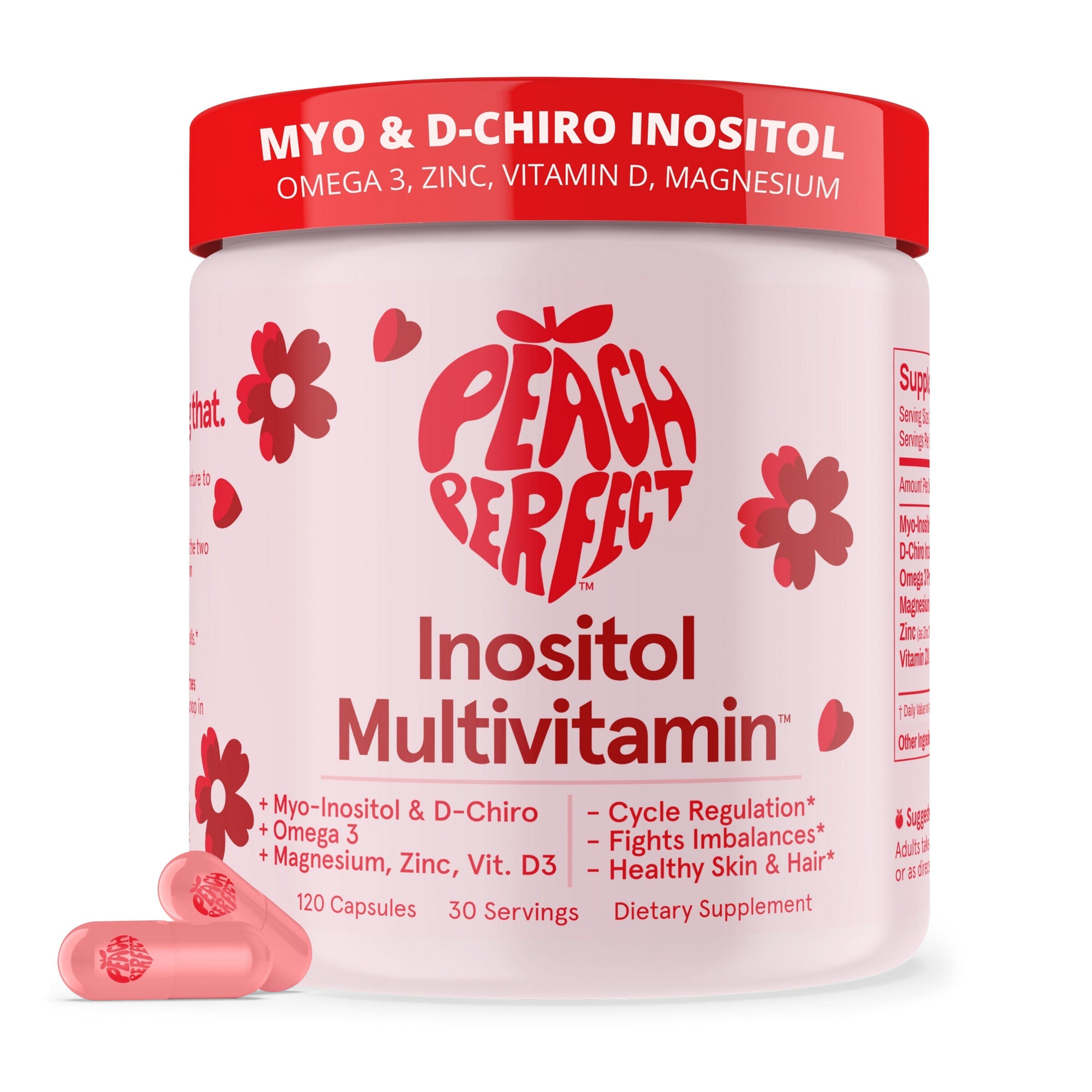
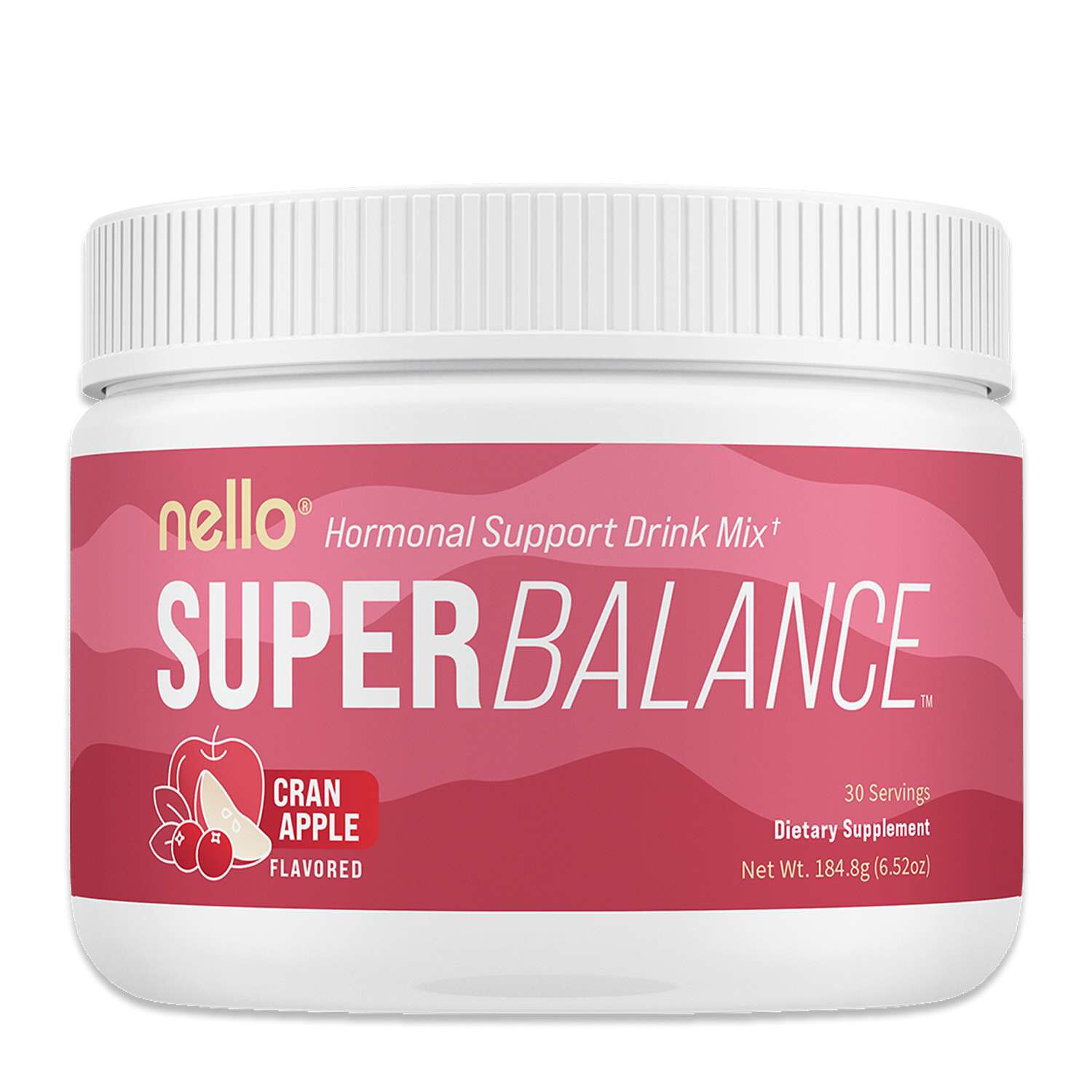
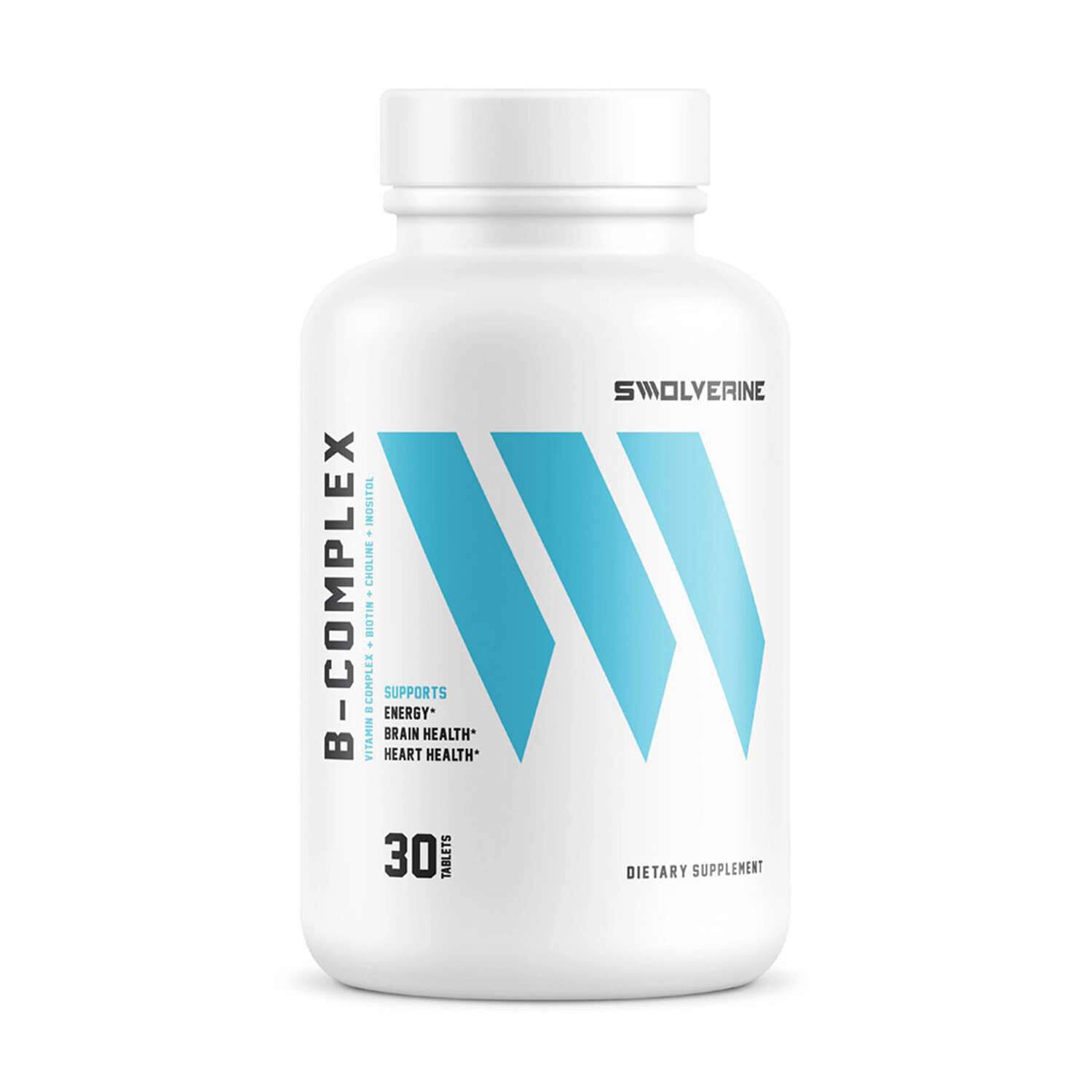

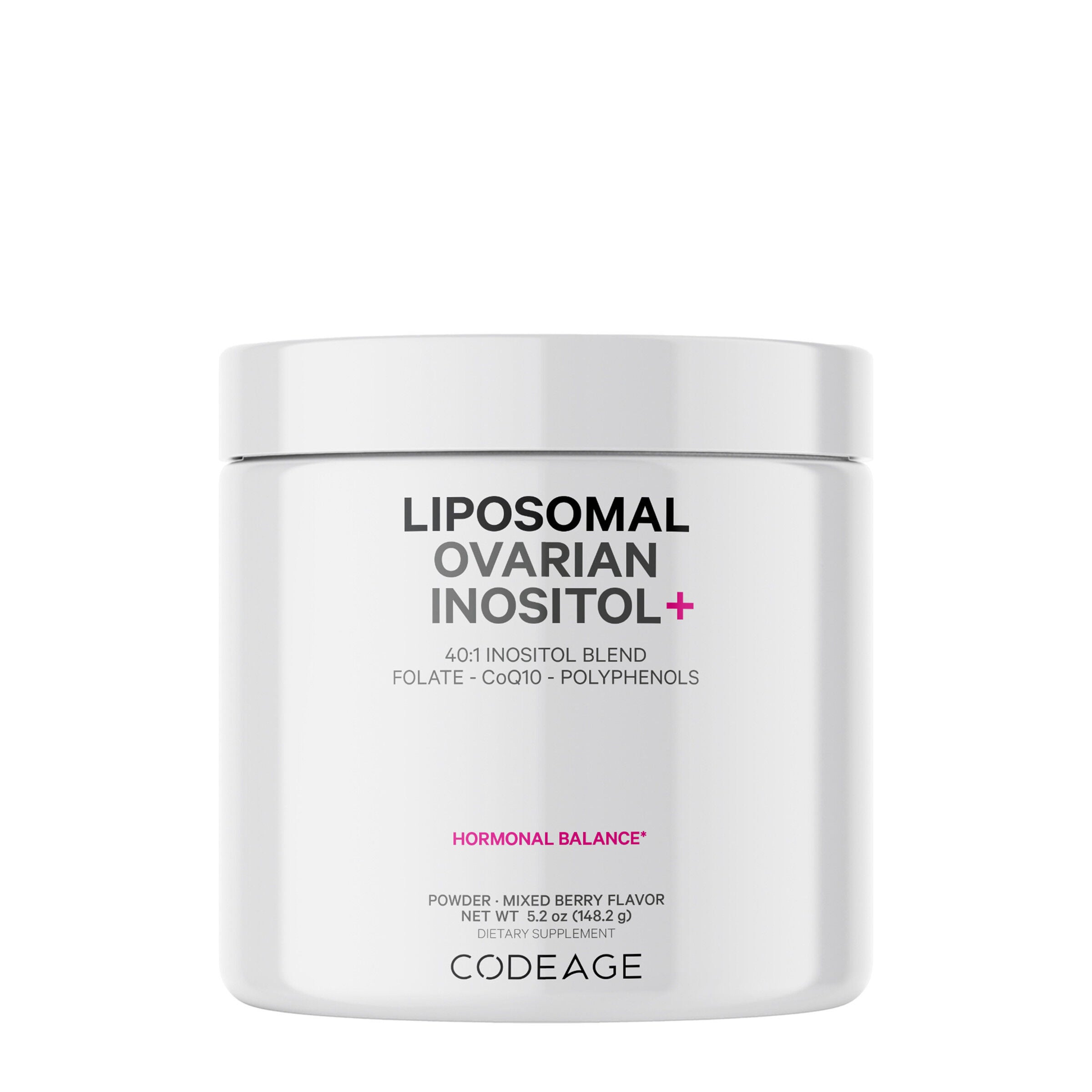

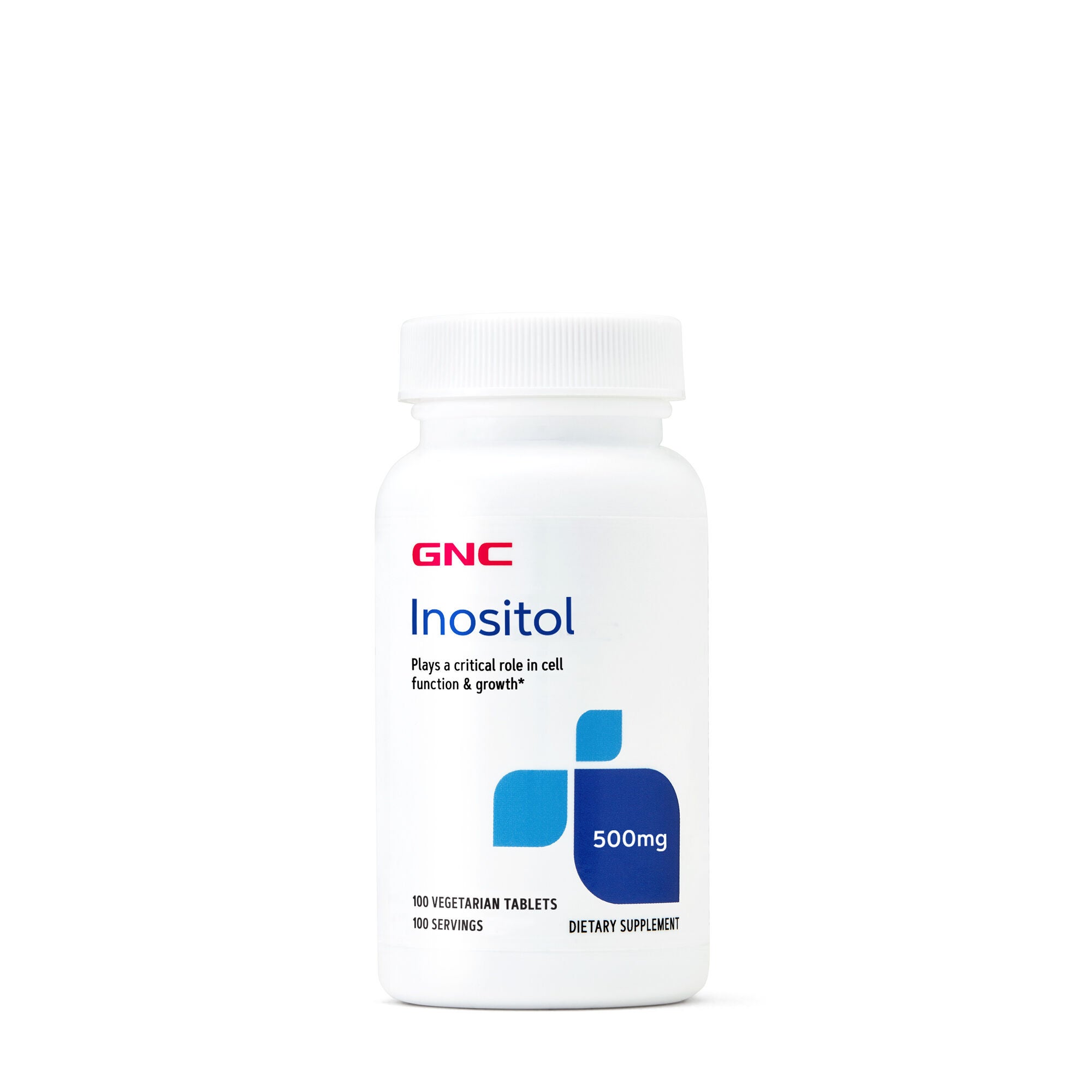

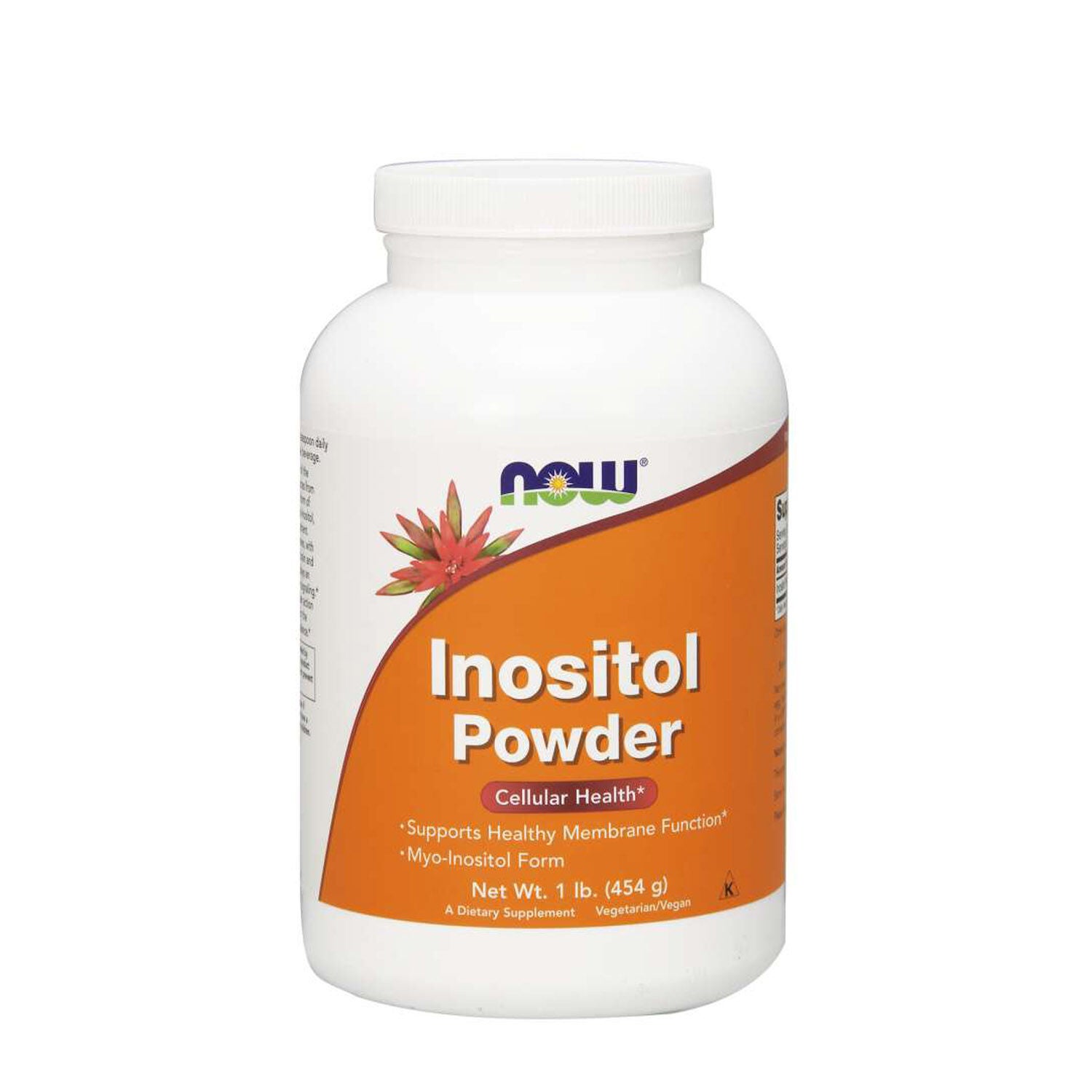

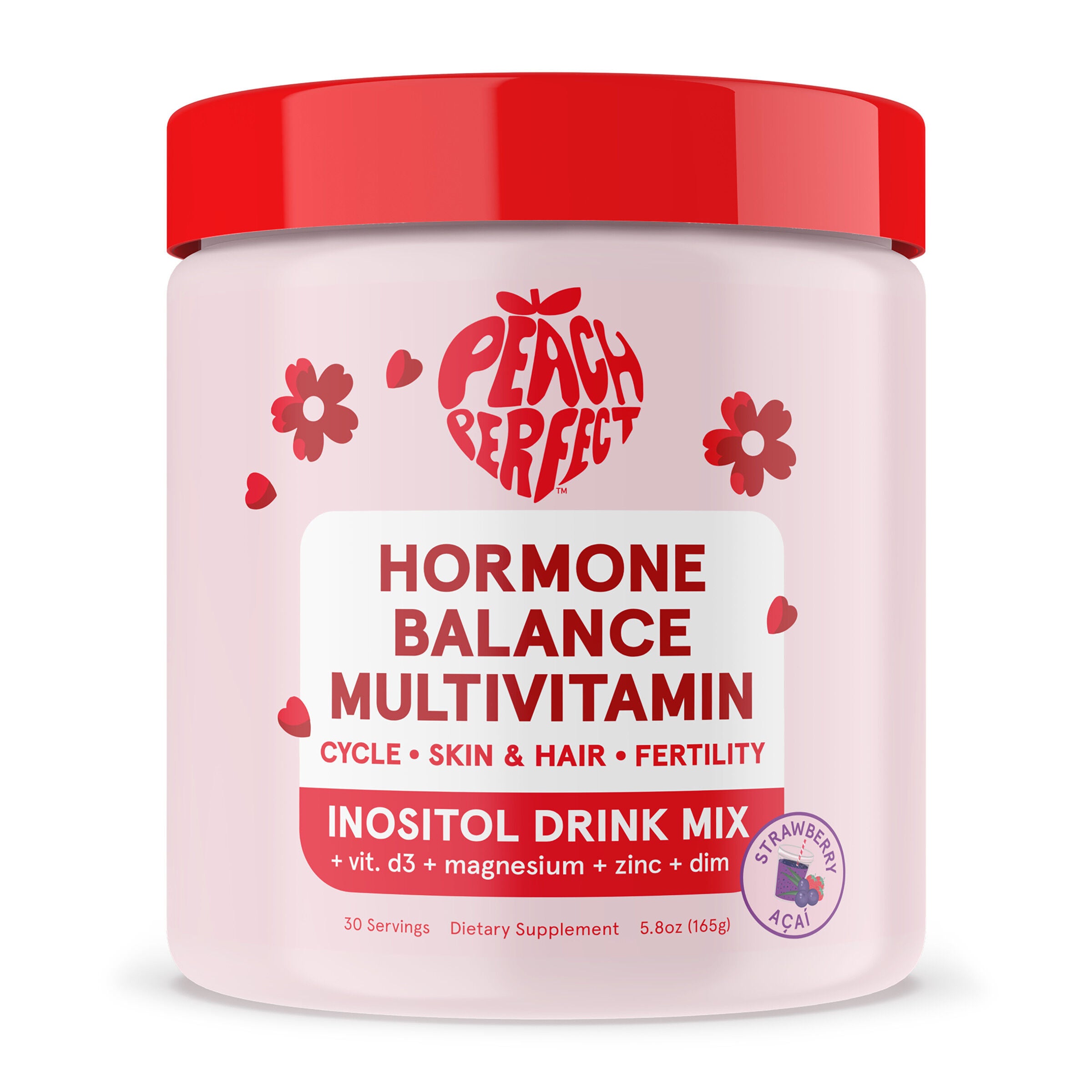
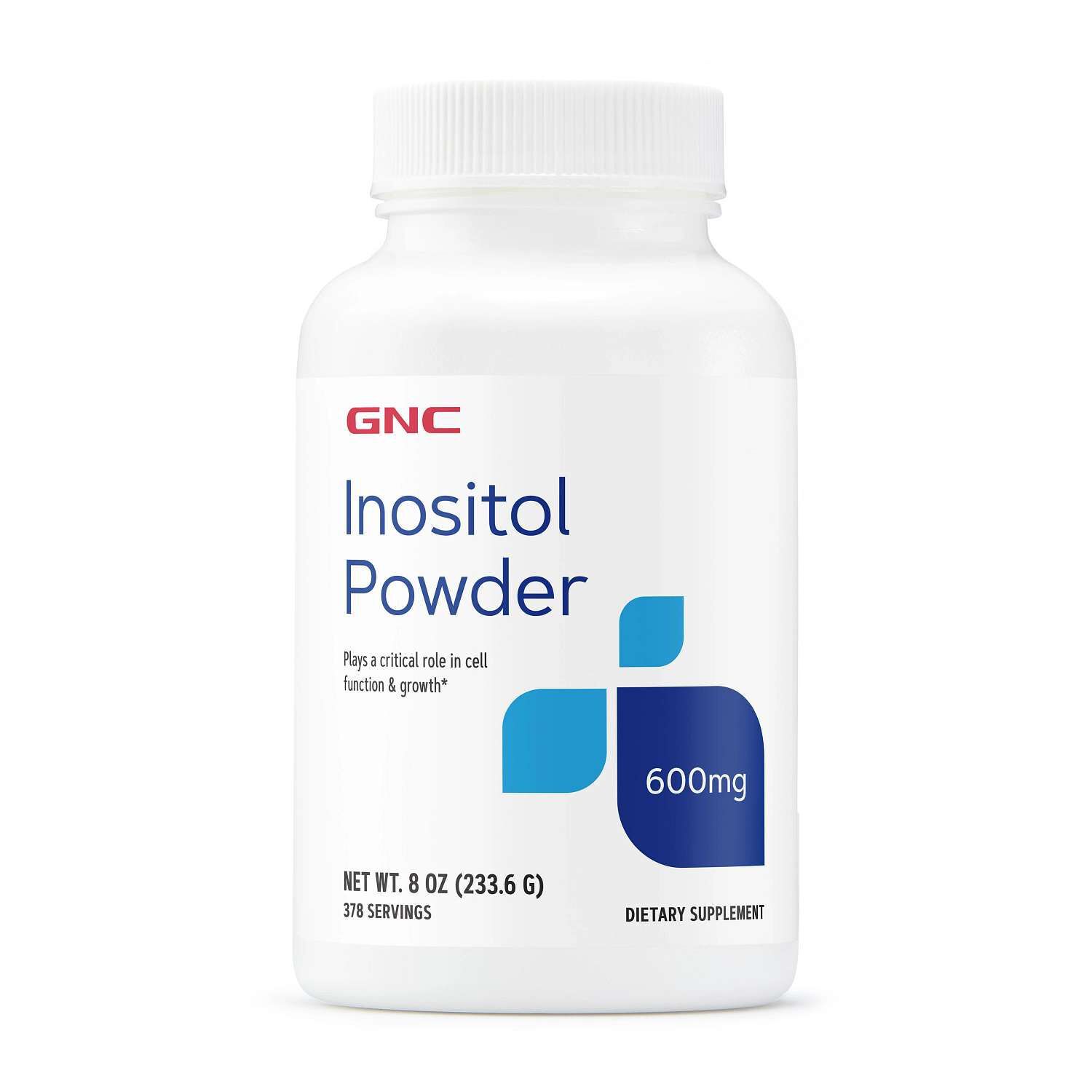
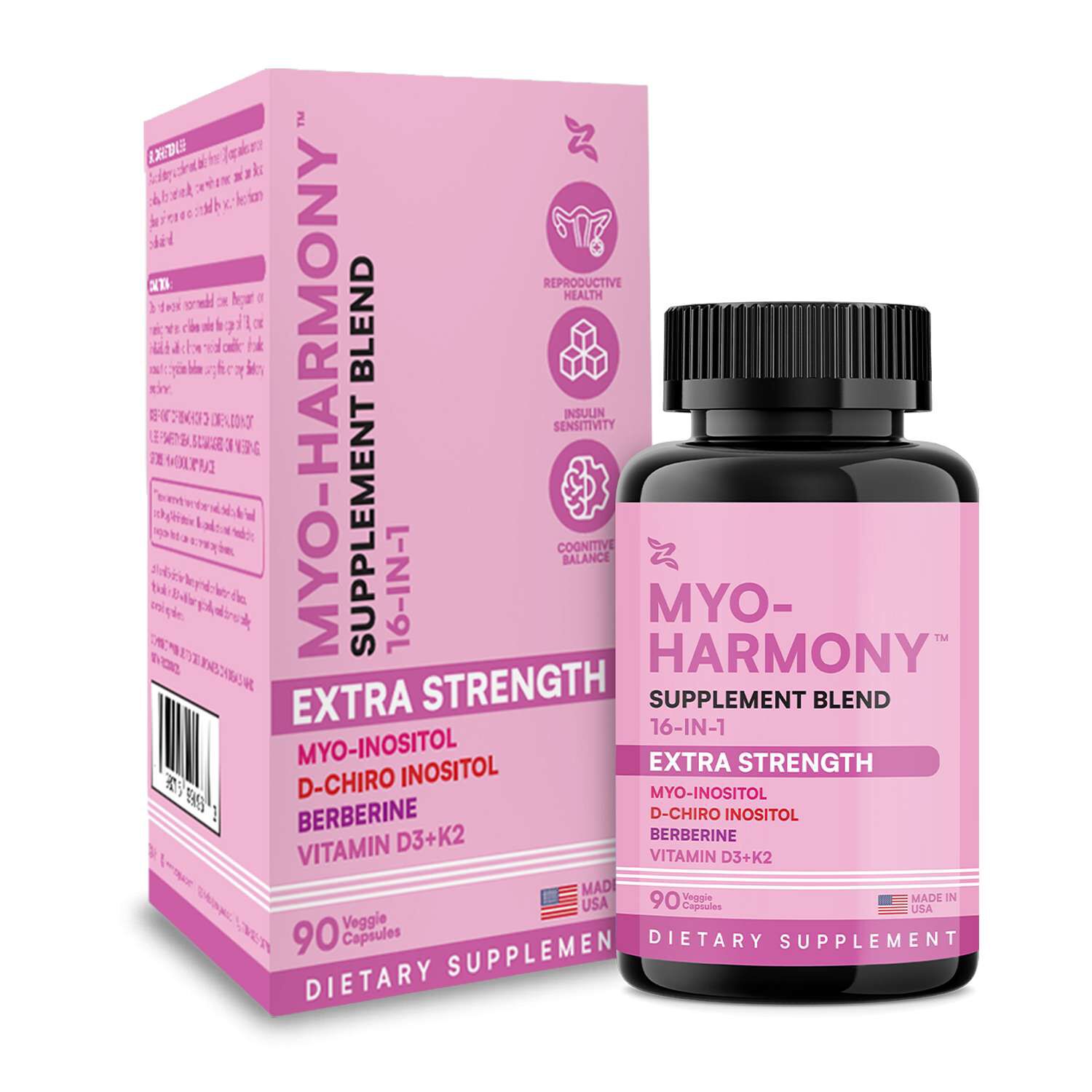
Inositol supplements for healthy fat utilization reflect an interest in how the body handles nutrients from everyday meals. Inositol is a naturally occurring compound found in foods such as beans, whole grains, and citrus fruit, and the body can also produce it. Although it is sometimes called vitamin B8, inositol is not classified as a vitamin. It occurs in several forms, including myo-inositol and D-chiro-inositol, which may appear individually or together in supplement formulas. Inositol is associated with normal cell signaling and may play a role in processes involved in nutrient metabolism. In this context, healthy fat utilization refers to the body’s ordinary handling of dietary fats, including their transport, storage, and use. It does not mean that dietary fat needs to disappear from meals. Olive oil stirred into a grain bowl, avocado layered onto a sandwich, and nuts paired with fruit all illustrate how fats fit into everyday eating. An inositol supplement belongs alongside that wider eating pattern rather than taking the place of food. For adults comparing formulations, useful distinctions include the form of inositol listed on the label, the amount per serving, the serving format, and the other ingredients. A capsule containing one form of inositol is not automatically equivalent to a powder containing a blend, even when their descriptions sound similar. Ingredient panels provide a more precise basis for comparison than broad wellness language alone. The broader Inositol Supplements category provides another way to explore this ingredient beyond the focus on healthy fat utilization. Across formulations, the name of the ingredient is only the beginning of the comparison. A single-ingredient formula and a multi-ingredient blend can differ substantially in composition, serving size, and preparation. Those details matter to shoppers who prefer a simpler ingredient list, want a particular form of inositol, or need a format that fits comfortably into an established routine.
Format brings the comparison into familiar, practical territory. Capsules contain measured portions, while powders require preparation according to their labels. Someone who already keeps a supplement organizer beside a breakfast bowl may prefer capsules; someone accustomed to preparing a drink at home may be more interested in a powder. Neither format alone indicates how an inositol supplement might affect normal nutrient metabolism. Capsule size, the number of capsules in a labeled serving, and the material used for the capsule shell are separate considerations. Shells may contain gelatin or plant-derived cellulose, making the ingredient list relevant to dietary preferences. Powder formulas also differ in texture, flavoring, sweeteners, and other ingredients. An unflavored description does not necessarily mean a powder has no noticeable taste, and a flavored formula may introduce ingredients that matter to an individual shopper. Preparation instructions clarify whether a powder is intended to be mixed with a beverage and how the serving should be measured. A scoop’s appearance is not a substitute for the labeled serving information. The amount of inositol may be listed in milligrams, while the entire powder portion is described in grams because it contains other ingredients as well. Comparing the inositol amount per serving, rather than the size of the scoop or capsule, keeps the focus on the ingredient itself. With blends, the label may identify the amounts of myo-inositol and D-chiro-inositol separately or describe their relative proportions. Those details distinguish one formulation from another without establishing that a particular combination is suitable for every shopper. The other-ingredients section also deserves attention: capsule materials, flavorings, colors, and ingredients used in manufacturing may be listed apart from the main supplement ingredients. A readable label with clearly stated quantities makes these practical differences easier to evaluate. Container size and serving count add context, particularly when comparing a powder with a capsule formula, since a larger package does not necessarily contain more labeled servings.
Everyday handling is another part of choosing an inositol supplement that fits its intended use. A bottle needs a cap that closes securely, and a powder container needs to be resealed after preparation. Packaging should remain intact, with the label and any protective seal easy to inspect. Moisture is a practical concern for powders: a damp scoop or a container left open beside the kitchen sink can introduce water into the contents. A dry measuring utensil, a securely closed package, and storage consistent with the label are straightforward aspects of product care. Capsules also belong in storage conditions specified by the manufacturer, with expiration information kept accessible rather than separated from the package. For someone using a weekly organizer, retaining the original container preserves the ingredient list, serving directions, and storage information for reference. A powder used at a kitchen counter may suit a different routine from capsules carried in their labeled bottle, and the packaging should match that pattern of use. These details are less about appearance than about keeping the product identifiable and handling it as intended. When purchasing for another adult, familiarity with that person’s preferred format and dietary preferences is more relevant than treating a supplement as a casual gift. Personal wellness routines are individual, and an appealing package does not establish a good match. The same distinction applies to expectations around healthy fat utilization. Inositol may have a role in normal nutrient processing, but the category name is not a prediction about an individual’s body size, appetite, or experience. Meals, movement, and other everyday habits remain separate from the contents of a supplement bottle. A grounded comparison centers on what can be verified: the stated form of inositol, its quantity per serving, the accompanying ingredients, the preparation requirements, and the storage directions. That approach keeps the choice connected to the formulation itself, whether the preferred option is a capsule with a short ingredient list or a powder prepared as part of an established daily routine.
Best Sellers


Related Pages
Top Collections
- Daily Collagen Supplements | Top Brands & Deals | GNC
- Natural Collagen Supplements | Top Brands & Deals | GNC
- Top Rated Collagen | Shop Customer Favorites | GNC
- Cortisol Supplements
- Vitamins For Hair Loss
- Spirulina Tablets
- NAD+ Supplement Tablets
- Peptide Supplements
- Best Brand of Magnesium Glycinate
- Vitamins That Help Support Weight Gain