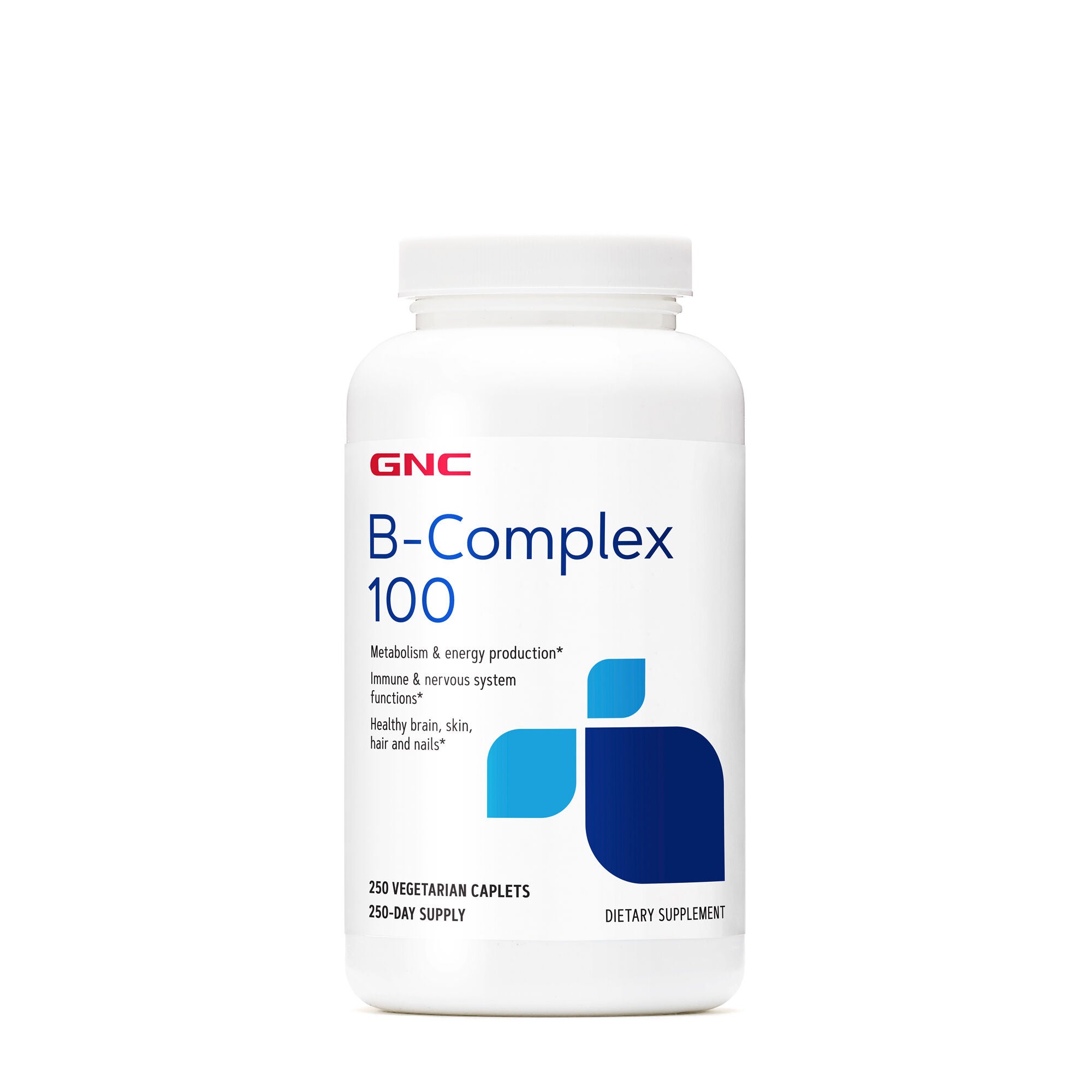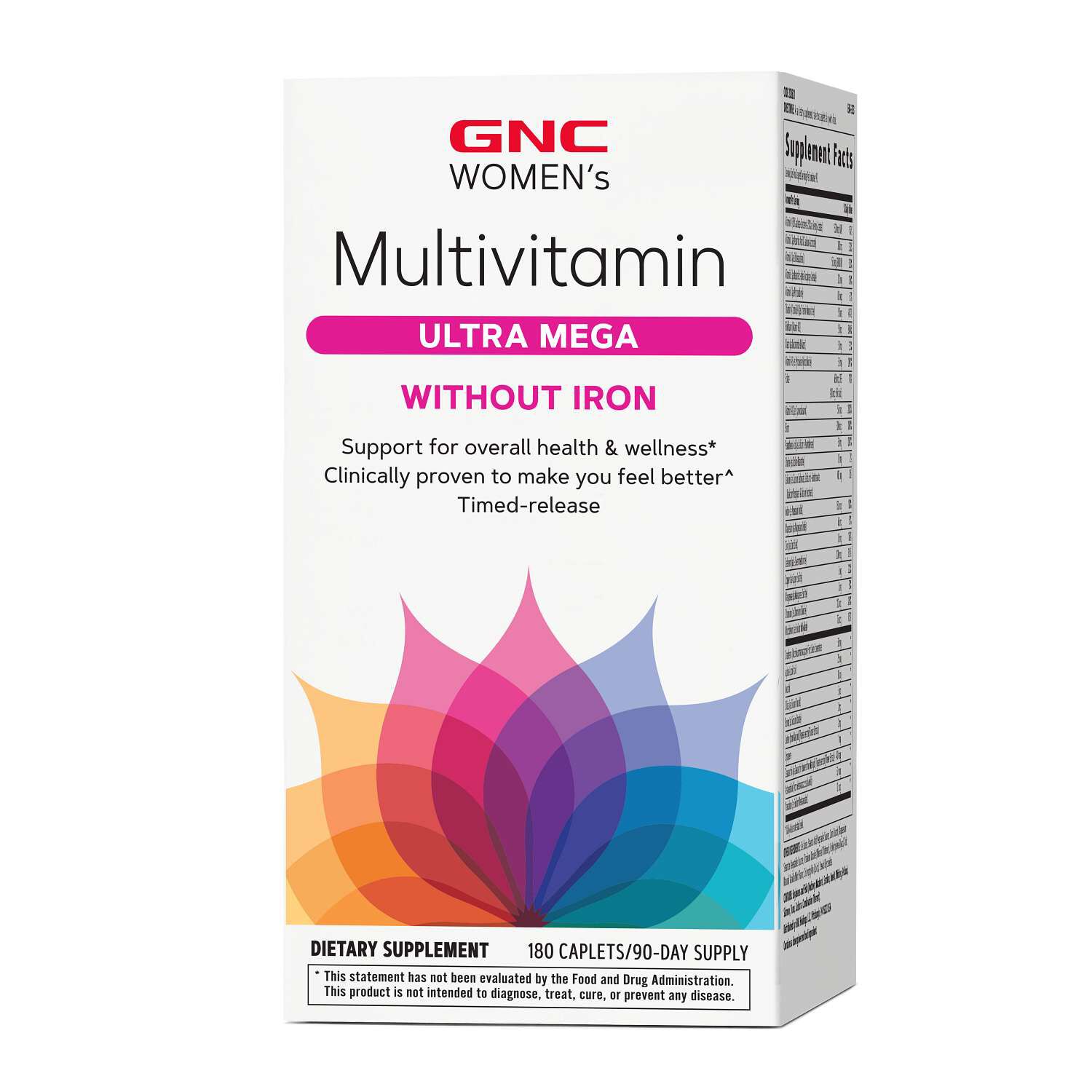


Iron For Immune System
(0 Results)
Iron plays a crucial role in maintaining a healthy immune system and may be an essential nutrient for those looking to support their body's natural defenses. Adequate iron intake could help in oxygen transportation and energy production, potentially contributing to overall vitality and well-being. Whether you're looking to fill dietary gaps or support your health goals, exploring iron supplements might be a beneficial step towards achieving optimal immune function. Discover a range of options that may align perfectly to meet your nutritional needs and lifestyle preferences.


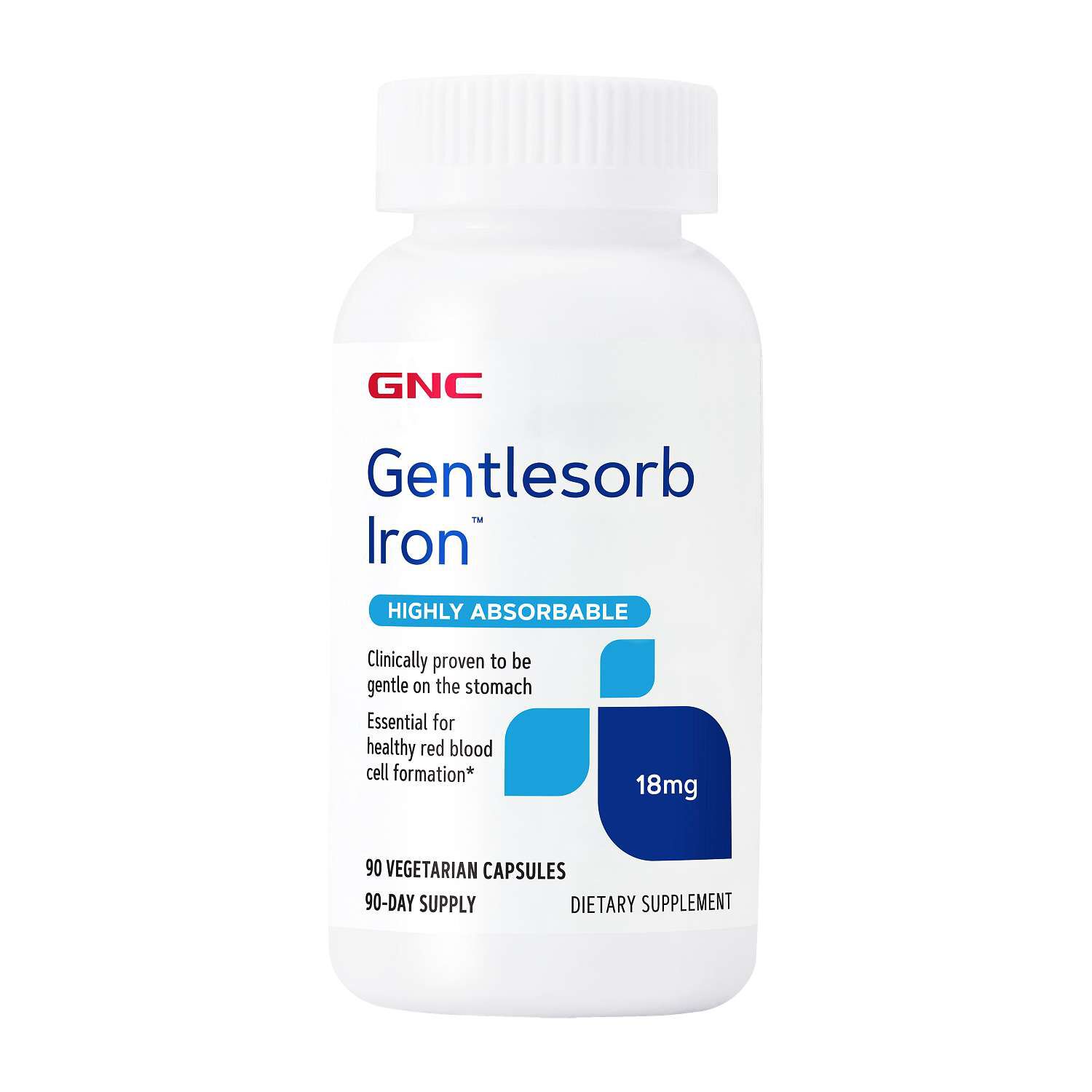

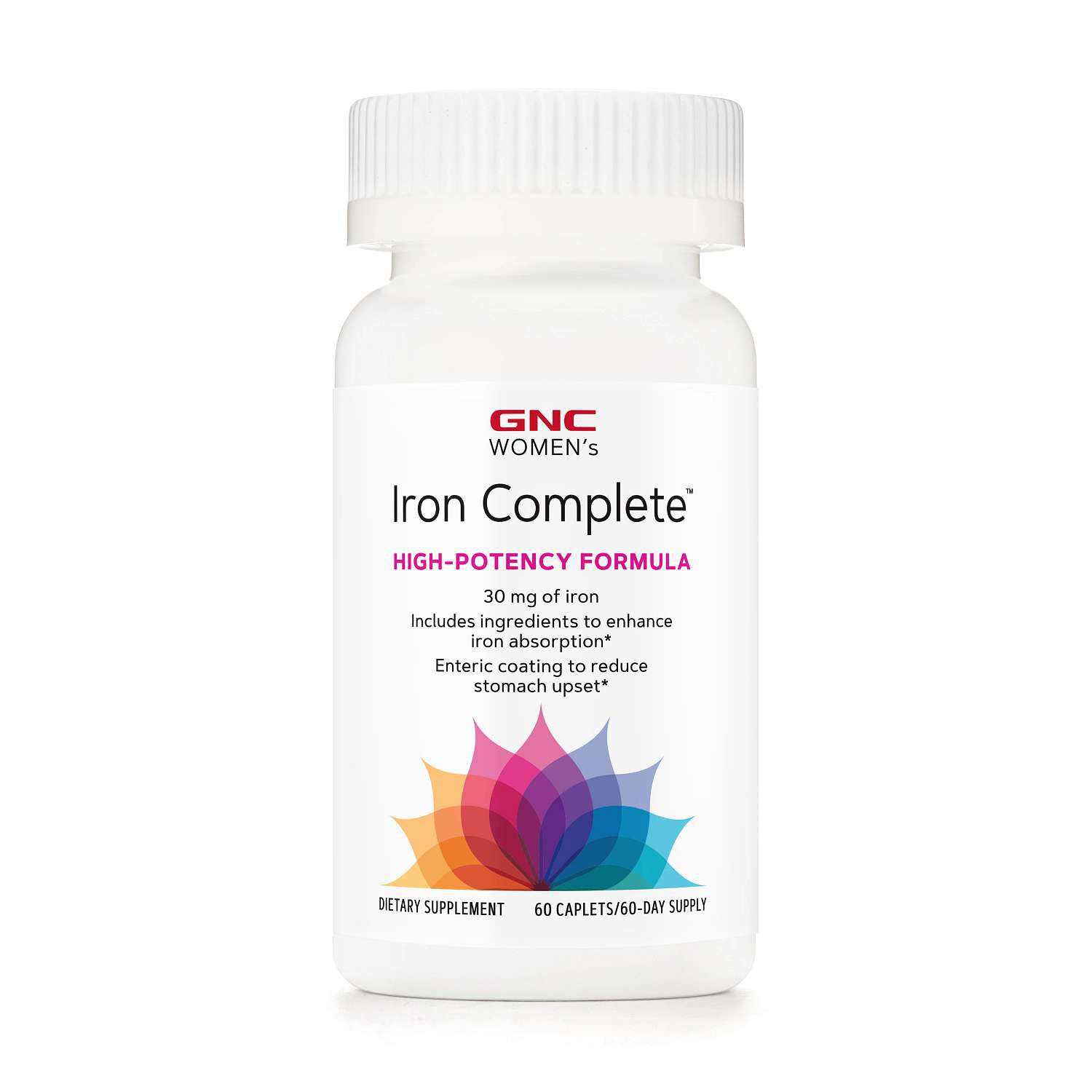
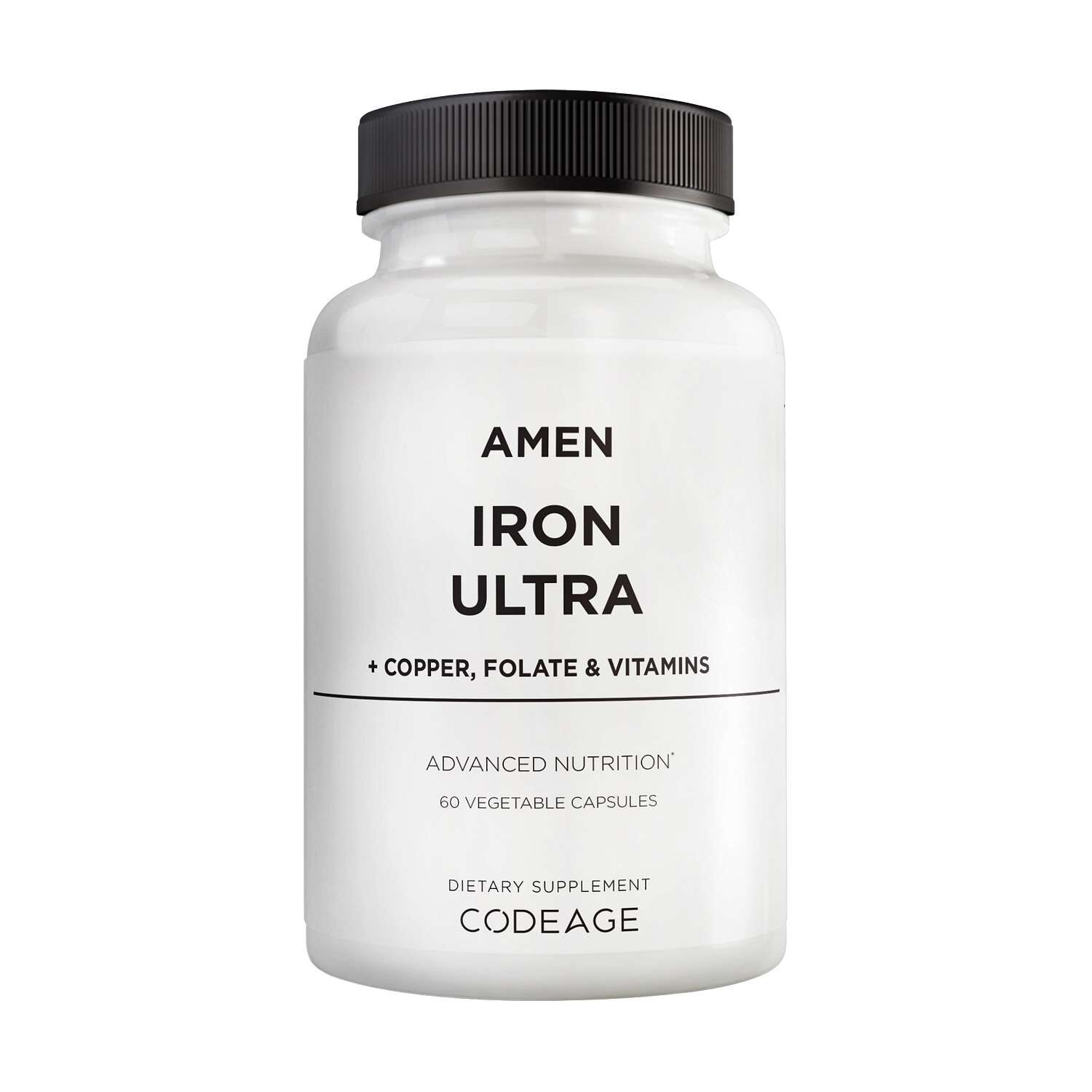
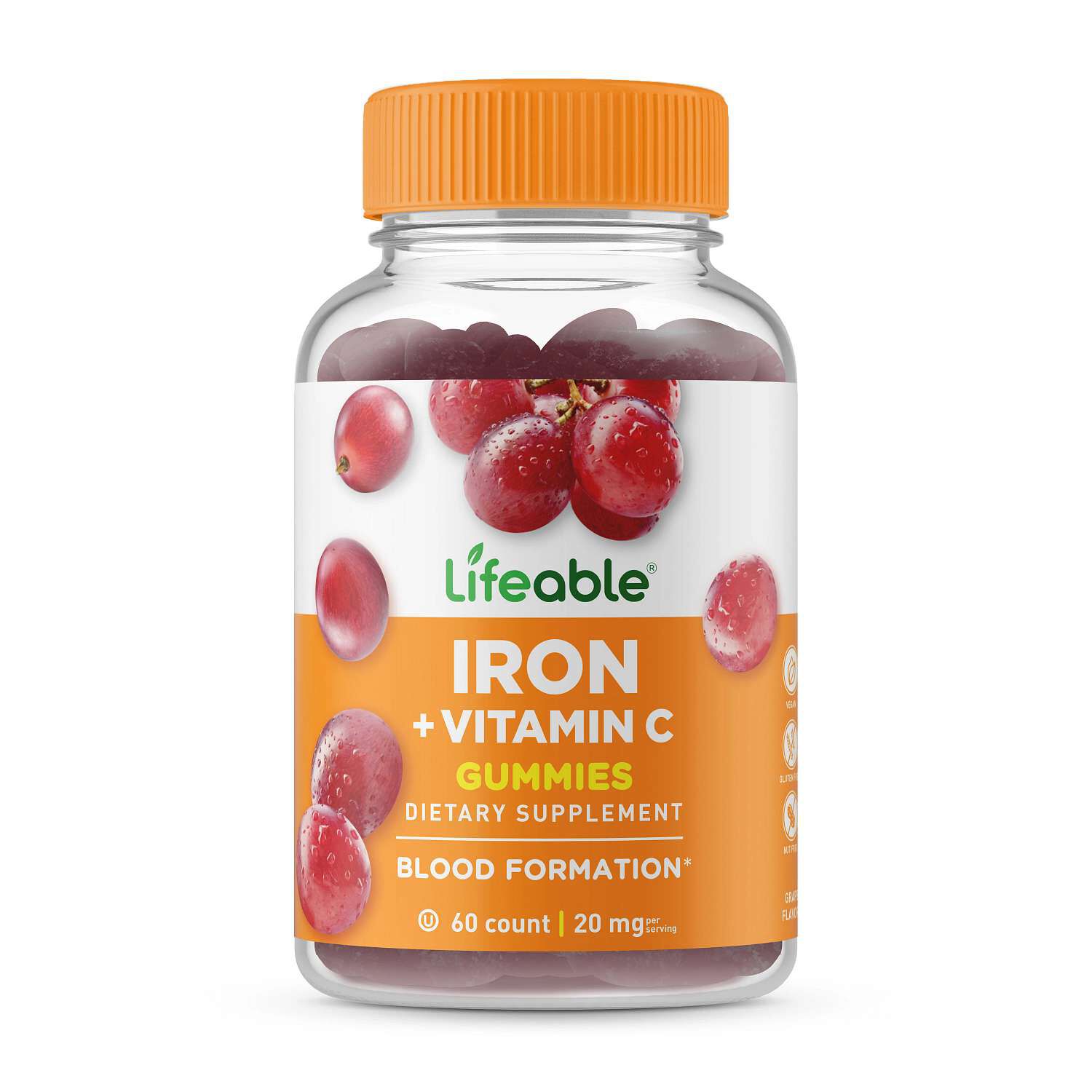

Iron for immune system support may appeal to shoppers who want to take a closer look at this mineral as part of a thoughtful daily nutrition routine. Iron may contribute to the normal formation of blood cells and may support the activity of immune cells involved in the body’s natural defenses. Because the body uses iron in several different processes, choosing an iron supplement may feel more personal than selecting a general wellness product. Dietary needs can vary with age, eating pattern, activity, and other aspects of everyday life, so a product that suits one household may not suit another. People who eat little or no meat may explore iron-containing supplements because plant foods provide a different form of iron than animal foods. Those who have monthly menstrual cycles may also pay closer attention to iron intake, while individuals who follow a highly active routine may prefer a simple option that fits neatly beside breakfast or an evening meal. Anyone considering iron may wish to speak with a qualified healthcare professional, especially when managing a health concern, following a restricted eating plan, taking other supplements, or shopping for a child. A professional may help determine whether an iron product makes sense and which serving amount may be appropriate. More is not always better with minerals, and careful label reading may help shoppers compare the amount of iron per serving, the serving size, the form of iron, and any additional nutrients included. Some people may prefer a straightforward formula, while others may look for an option that combines iron with vitamins, such as the selections found in Iron With Vitamins. Reading the Supplement Facts panel may also help with practical details, including directions, suggested use, dietary preferences, and storage instructions. Since iron may be affected by what it is taken with, shoppers may choose to follow the label closely and ask a healthcare professional or pharmacist about timing alongside coffee, tea, calcium-containing foods, or other supplements. Building a routine around a familiar moment—such as preparing a morning smoothie, packing a work bag, or setting out an evening glass of water—could make consistent use feel more natural without adding another complicated task to the day.
Iron-containing supplements may fit into seasonal routines that shift as the weather warms and later turn toward cooler months. A late-summer schedule may include travel, outdoor activities, changing meal times, and more meals prepared away from home, while the cooler season may bring school routines, work deadlines, gatherings, and comfort-food menus. During these transitions, shoppers may appreciate a clearly labeled product that can be stored in a cabinet and incorporated into an established routine. Iron products could also be considered for a care package for a college student, a loved one adjusting to a new eating pattern, or someone organizing a more intentional pantry, although supplements are personal and may be best given with the recipient’s preferences in mind. A gift can feel more considerate when it includes a note about checking the label and choosing a routine that feels comfortable, rather than assuming a particular nutrient is right for everyone. Food remains a useful part of the broader picture: beans, lentils, tofu, leafy greens, fortified grains, seafood, poultry, and meat may provide iron, depending on the way a person eats. Pairing iron-rich foods with sources of vitamin C may be a consideration for people planning balanced meals, while preparation methods and accompanying foods may influence how the body takes in nutrients. An iron supplement may offer a convenient way to complement—not replace—a varied eating pattern. Shoppers may want to compare capsules, tablets, gummies, liquids, and other formats based on personal preference, swallowing comfort, flavor, portability, and label directions. It may also help to check serving information before placing a product in a daily organizer, since some formulas may call for one serving while others may differ. Those with a history of low iron, those who are pregnant or nursing, and people taking prescription or over-the-counter products may benefit from personalized guidance before adding an iron supplement. Paying attention to how a product fits into the day, how it is stored, and whether the format encourages consistent use could make the shopping experience more useful and grounded. With the right information and a routine that feels realistic, iron for immune system support may become one considered part of a broader approach to everyday nutrition.