





B Complex For Immune System
(0 Results)
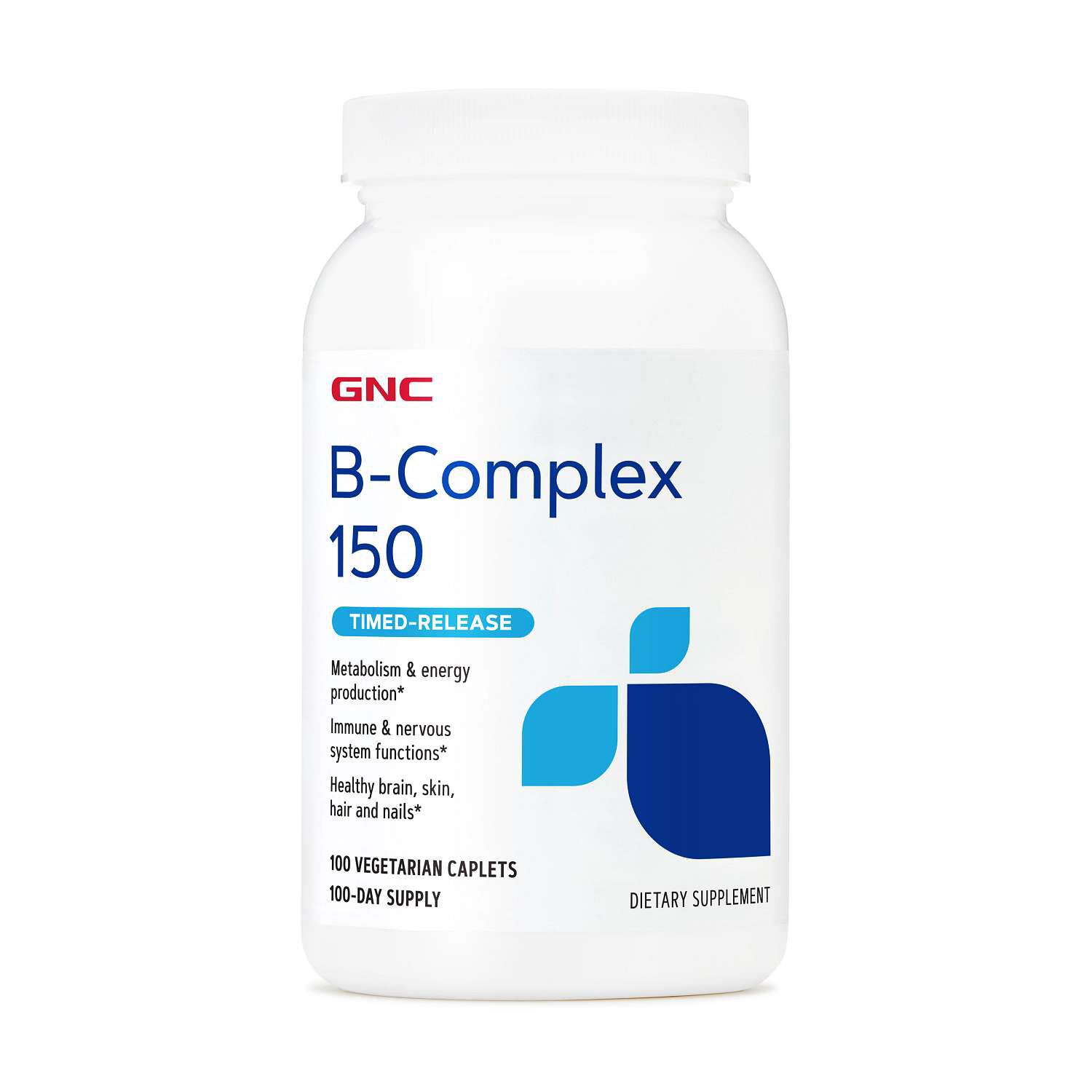
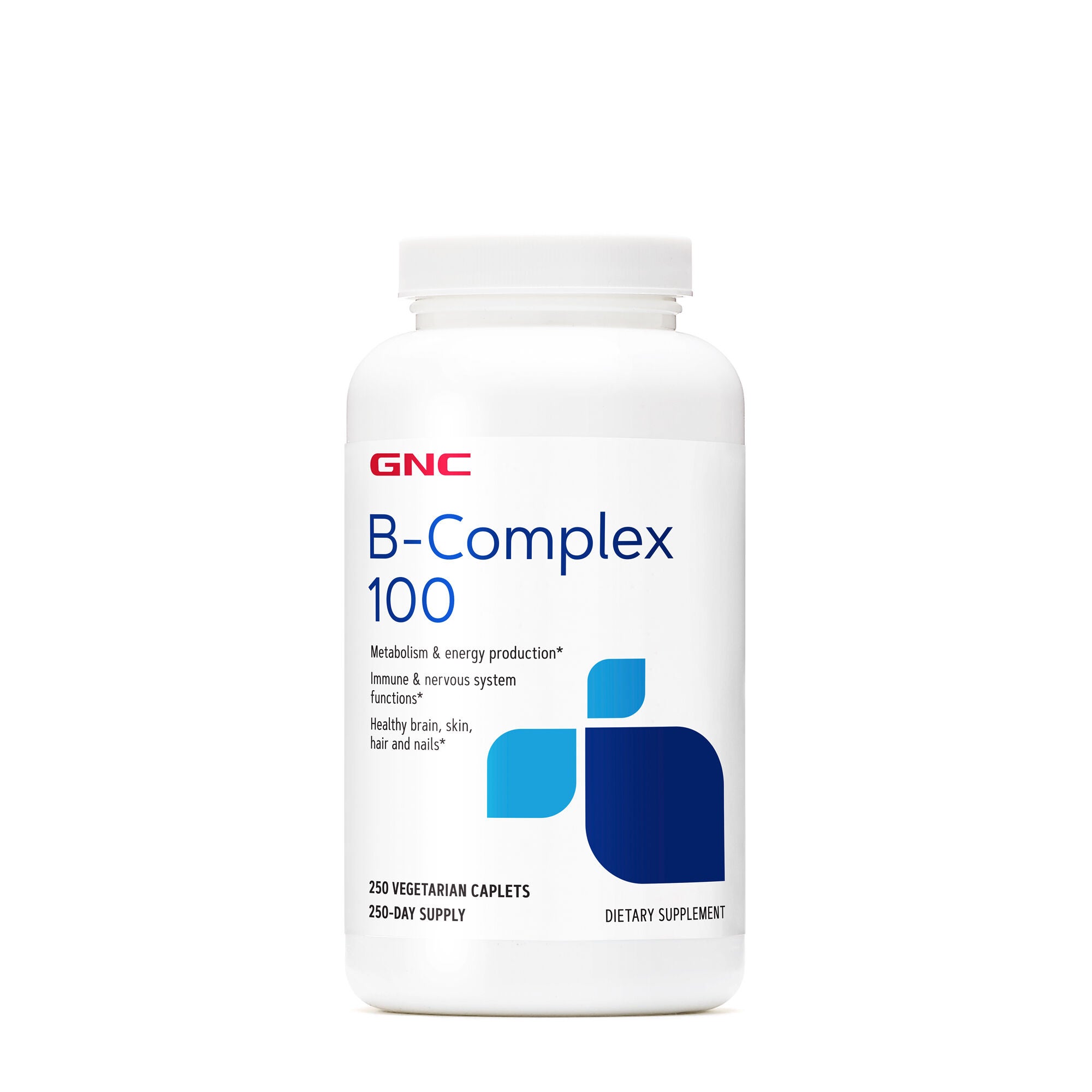
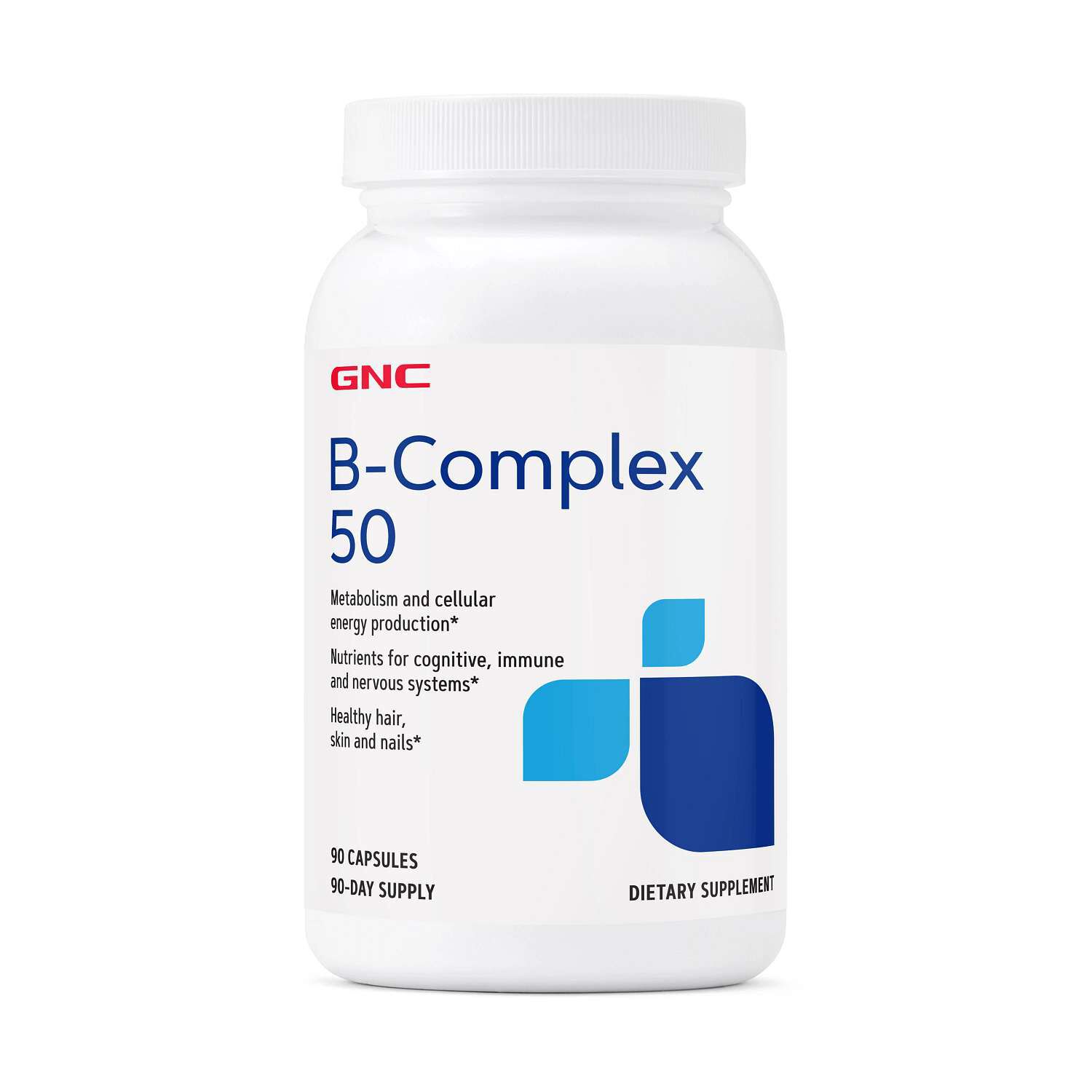
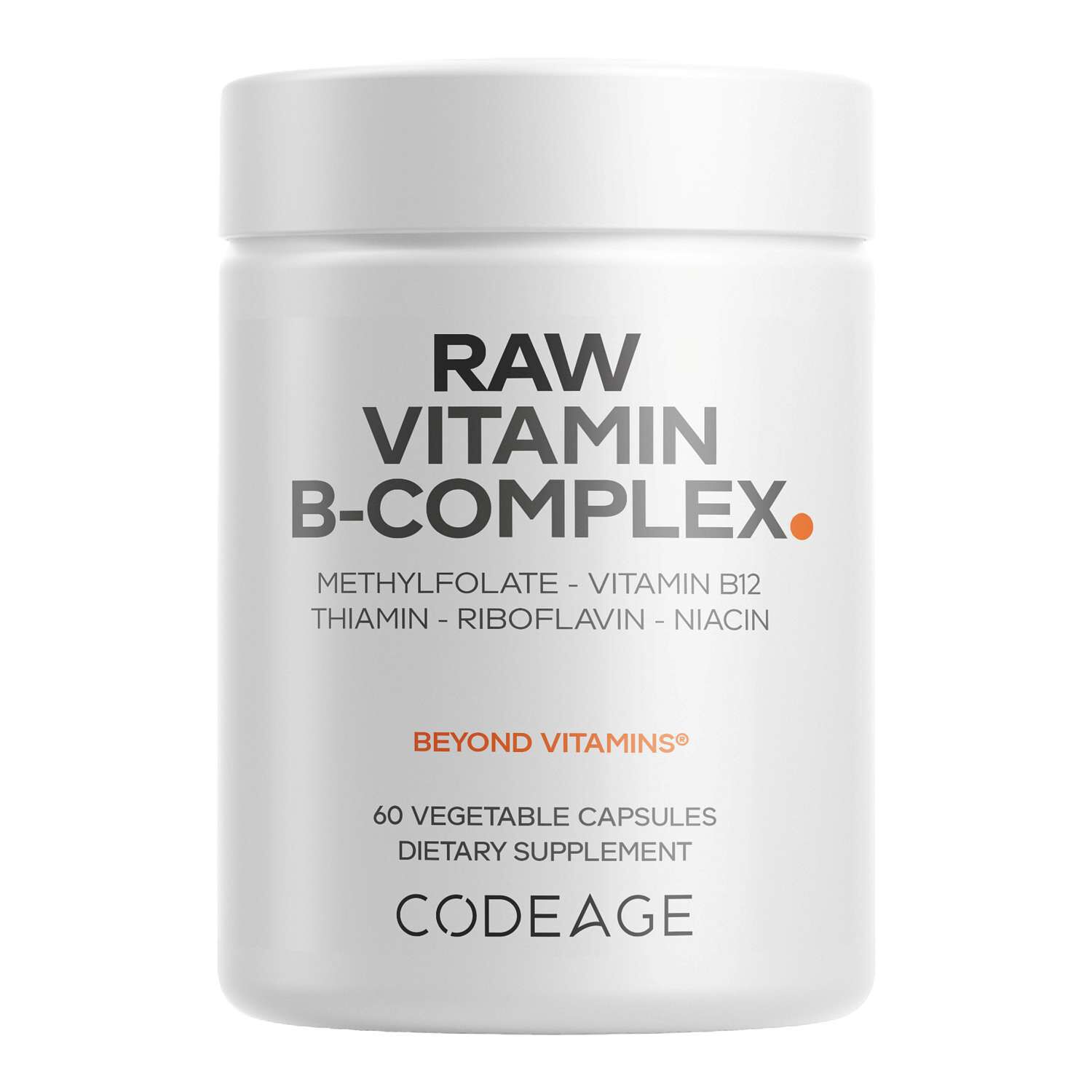
Boost your immune system with our selection of B Complex supplements, designed to support your overall health and well-being. Packed with essential B vitamins such as B1, B2, B3, B5, B6, B7, B9, and B12, these powerful formulas are specially crafted to help you maintain a strong immune system. Whether you're looking to increase your energy levels, support your metabolism, or simply fortify your body's defenses, our range of B Complex supplements has you covered. Discover how these vital nutrients can make a difference in your daily routine and keep you feeling your best.
-
-

-
-

-
-
-
-
-
-
-
 $15.99
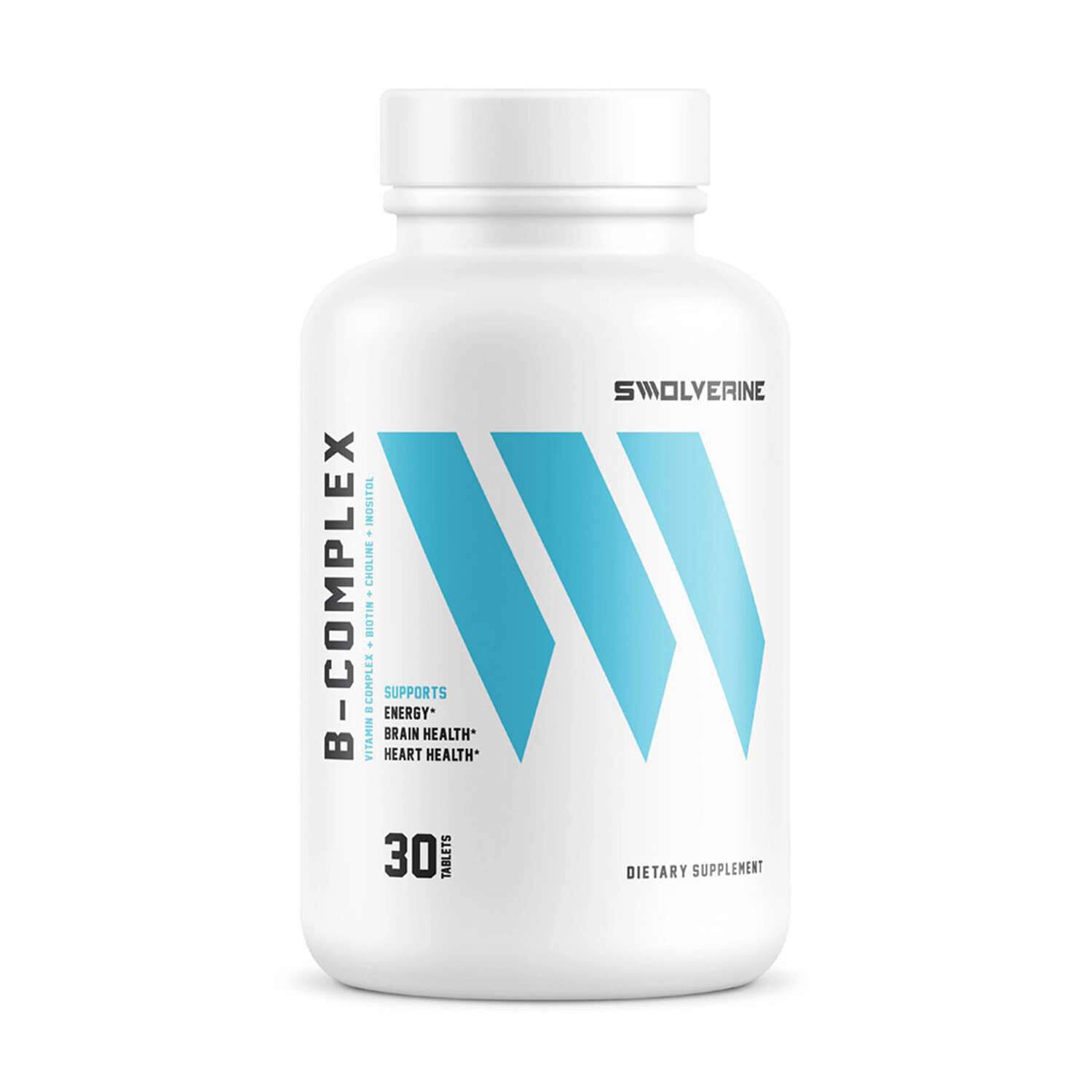
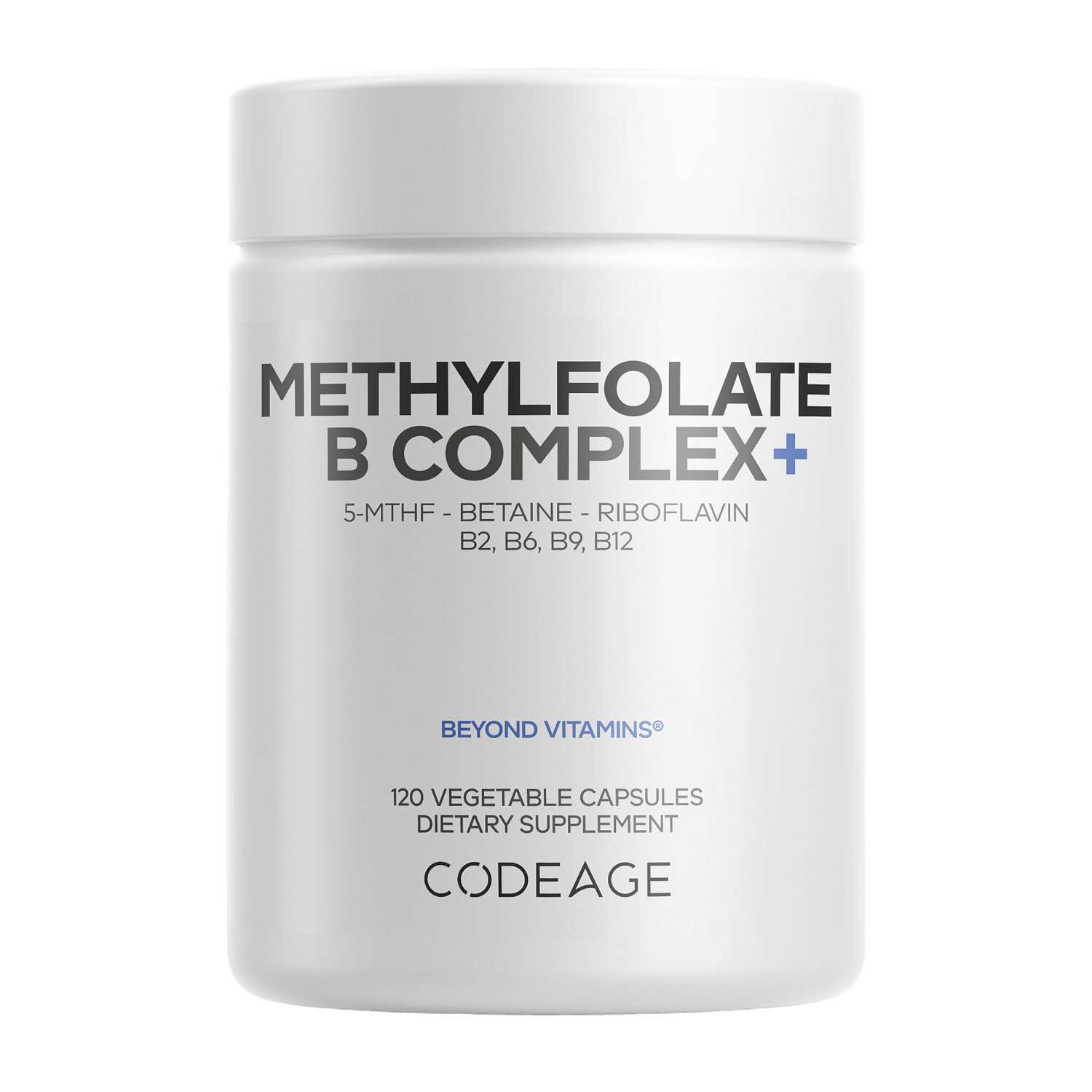
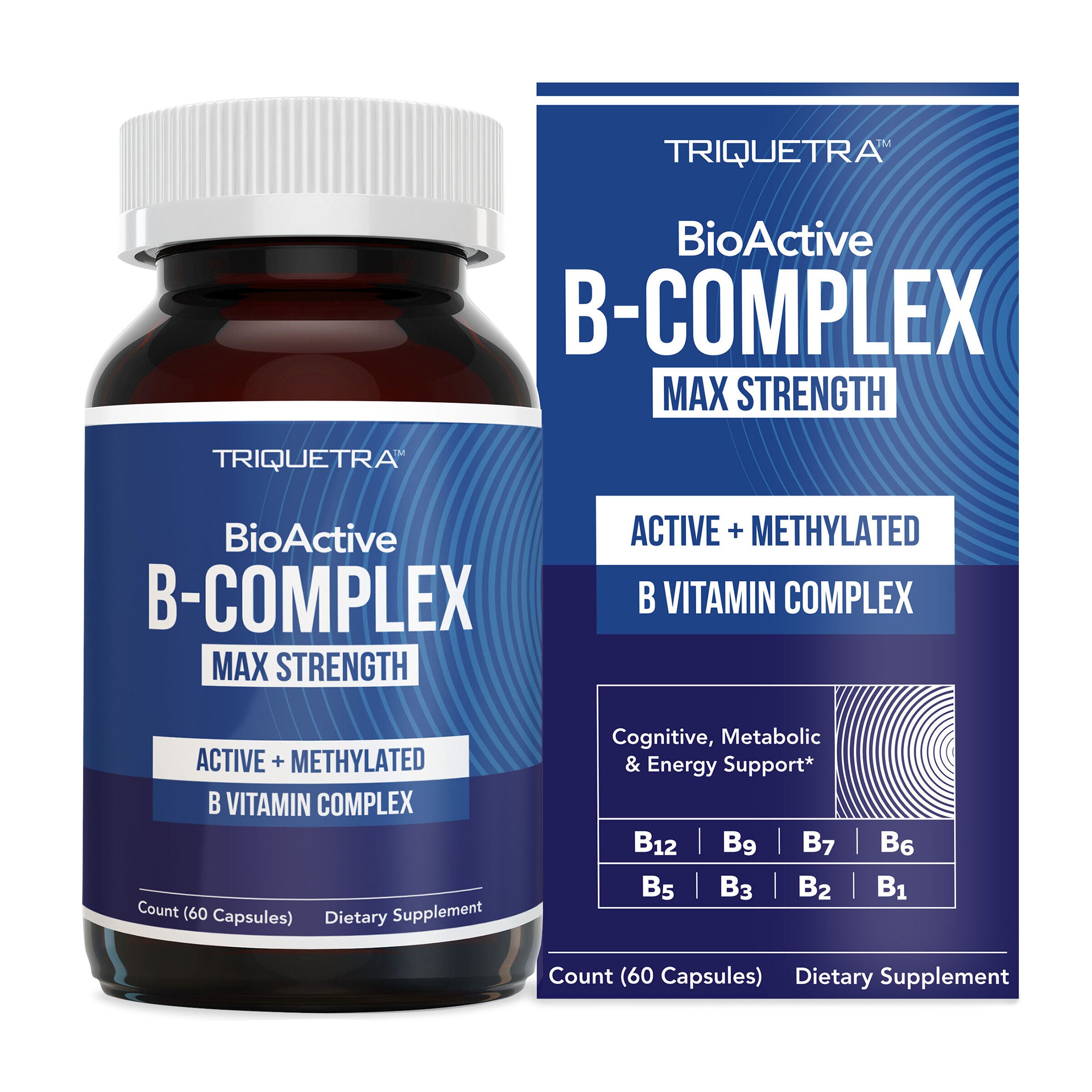
B complex for immune system support typically refers to supplements that combine several B vitamins, including vitamin B6, in one formula. These supplements may complement dietary intake as part of an everyday wellness routine. An immune-focused shopping goal does not make every B-complex formula alike, however: the vitamin forms, amounts per serving, additional ingredients, and serving format all deserve attention. The B-vitamin family includes thiamin, or B1; riboflavin, or B2; niacin, or B3; pantothenic acid, or B5; vitamin B6; biotin, or B7; folate, or B9; and vitamin B12. A B-complex formula generally brings these nutrients together, while a single-nutrient supplement centers on one vitamin. A multivitamin has a broader ingredient profile that may include minerals and other vitamins alongside members of the B family. These distinctions are useful when comparing supplements intended for different nutritional interests. Vitamin B6 is often a focal point in immune-oriented B-complex searches, but its presence alone does not describe the rest of a formula. The Supplement Facts panel shows the amount included in a serving and identifies the accompanying B vitamins. Ingredient names may also look different between bottles. For example, B6 may appear as pyridoxine hydrochloride or pyridoxal-5-phosphate, while B12 may appear as cyanocobalamin or methylcobalamin. Folate labeling may include folic acid or methylfolate. Those names identify nutrient forms; a familiar name or a longer ingredient name is not, by itself, a reason to prefer one formula. Food choices remain part of the context, too. B vitamins occur across foods such as beans, whole grains, eggs, dairy foods, fish, and fortified cereals, with the mix varying by food. Supplements are intended to complement eating patterns rather than replace varied meals. For someone comparing B-complex options, a useful starting point is a clear picture of the formula itself, not an assumption that every bottle with similar wording contains the same combination or serving amount.
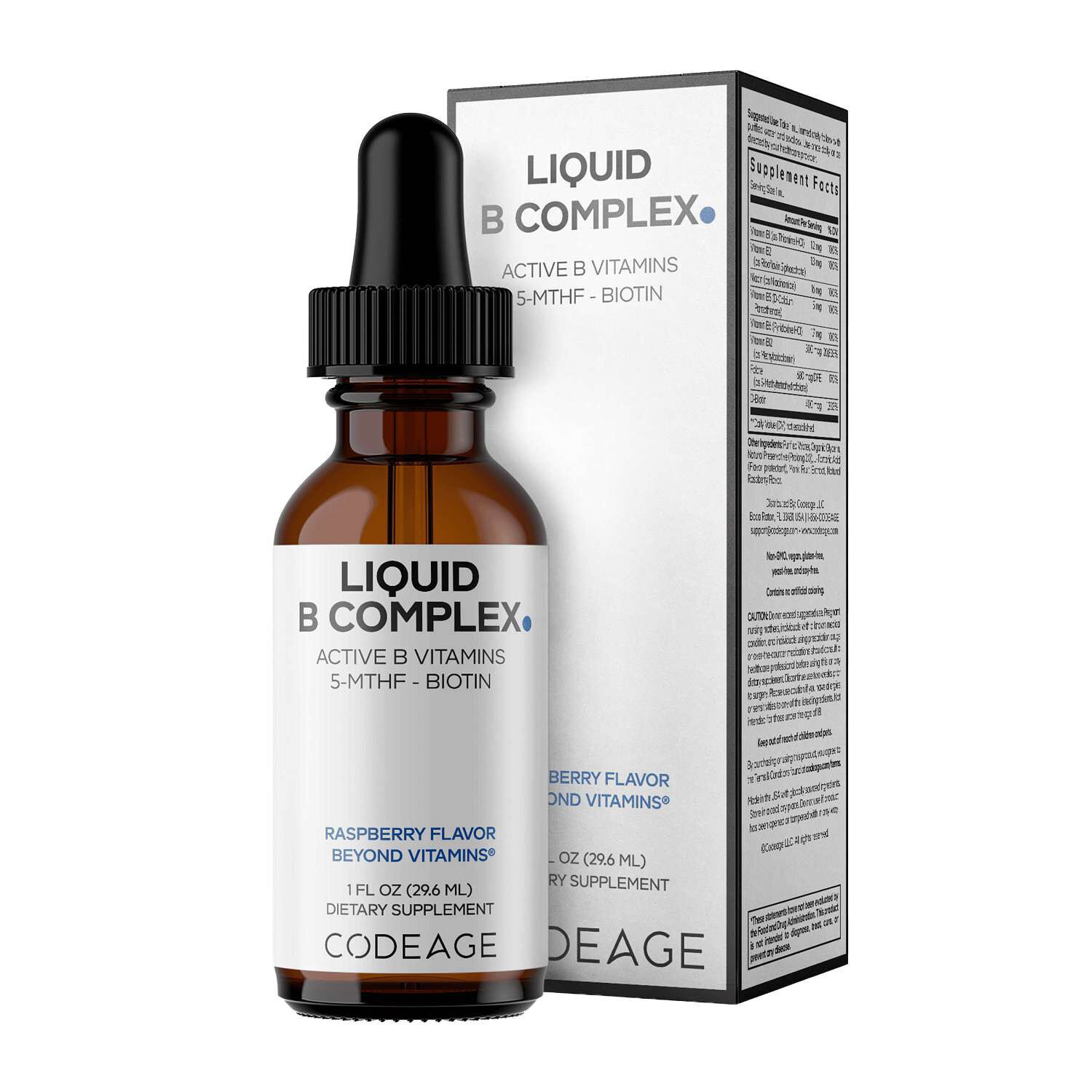
Format is another meaningful distinction, especially when a supplement needs to fit an established daily routine. Tablets, capsules, chewables, gummies, and liquids differ in size, texture, flavor, packaging, and serving directions. Someone who prefers an unflavored option may focus on tablets or capsules, while another shopper may prefer a flavored format. Capsule shells can contain gelatin or plant-derived materials, and tablet coatings may introduce additional ingredients beyond the listed vitamins. Chewable and gummy formats often include sweeteners, flavors, colors, or ingredients that create their texture. Liquids may have their own measuring instructions and storage requirements. None of these characteristics can be understood from the format name alone, so the ingredient panel remains useful even when the choice initially comes down to convenience. Serving size also deserves a close look. A serving may consist of one tablet, more than one capsule, a specified number of gummies, or a measured quantity of liquid. The nutrient amounts shown on the label correspond to that serving, not necessarily to a single piece. This distinction matters when comparing two bottles side by side: similar-looking amounts can describe different serving sizes. Milligrams and micrograms are different units, and B vitamins may be listed using either, depending on the nutrient. Percent Daily Value provides another labeling reference, but it does not replace the amount per serving, ingredient list, or directions. Other dietary supplements may contain some of the same B vitamins, which makes the full set of labels relevant to understanding ingredient overlap. Dietary preferences add another layer to the comparison. Vegetarian or vegan labeling, allergen statements, and the source of capsule materials can help clarify whether a formula matches a shopper’s preferences. Any certification or testing statement is most informative when the label explains what was evaluated. Clear, specific labeling offers more useful detail than broad language on the front of a package.
Intended use includes the practical details of where a supplement will be stored, how its serving will be measured, and whether its packaging suits the routine around it. A bottle kept near a breakfast setting has different handling considerations from one packed into a work bag, though both still call for attention to the label’s storage directions. Moisture, direct sunlight, and excess heat are common considerations for supplement storage, and a steamy bathroom or a parked car is a different environment from a dry cabinet. Some liquids may require refrigeration after opening; the bottle’s instructions establish whether that applies. The original container carries the ingredient information, serving directions, lot identification, and expiration date, so retaining that information matters even when a separate organizer is used. Packaging durability is worth considering as well. A secure closure, an intact inner seal when first opened, and a readable label are practical details that deserve as much attention as bottle size. A larger container is not automatically the better fit if its serving count or storage needs do not suit the intended routine. For a shared household, clearly identified containers also distinguish one person’s supplement choices from another’s without relying on the appearance of a tablet or capsule. Shopping by a related nutritional interest can add context, too. B Complex Vitamins for Antioxidant Benefits offers a related category to explore, while each formula still calls for its own ingredient and serving comparison. Similar category language does not establish that two supplements have matching contents. For an immune-focused B-complex selection, the most concrete points of comparison remain the B vitamins included, their stated forms and amounts, the serving format, and any additional ingredients. Together, those details create a clearer picture of what is inside the container and how the supplement is intended to be used. A well-matched choice reflects those practical considerations alongside personal preferences, rather than relying on a single highlighted nutrient or a front-label phrase.
Best Sellers

Related Pages
Top Collections
- Joint Mobility Supplement Packs
- Daily Collagen Supplements | Top Brands & Deals | GNC
- GLP 1 Support For Adults
- Zinc Supplements | Top Brands at Great Prices | GNC
- Supplements For Yoga Joint Flexibility
- Supplements For Balance
- Capsule Supplements For Energy And Stamina
- Adult Mobility Supplements
- Chronic Fatigue Supplements
- Vitamins For Hair Loss