B Complex Vitamins For Antioxidant Benefits
(0 Results)
Discover how b complex vitamins for antioxidant benefits may support your wellness journey. These essential nutrients play a role in various bodily functions and could contribute to your overall vitality. Explore a range of options designed to fit your daily routine and help you maintain a balanced lifestyle. Whether you’re looking to supplement your diet or seeking new ways to support your health goals, b complex vitamins for antioxidant benefits might be a valuable addition to your regimen.
-
-
-
-
-
-

-
-

-
-
 $14.99
-
-
 $15.99
-

-
-
-

-

-

-

-

-
-
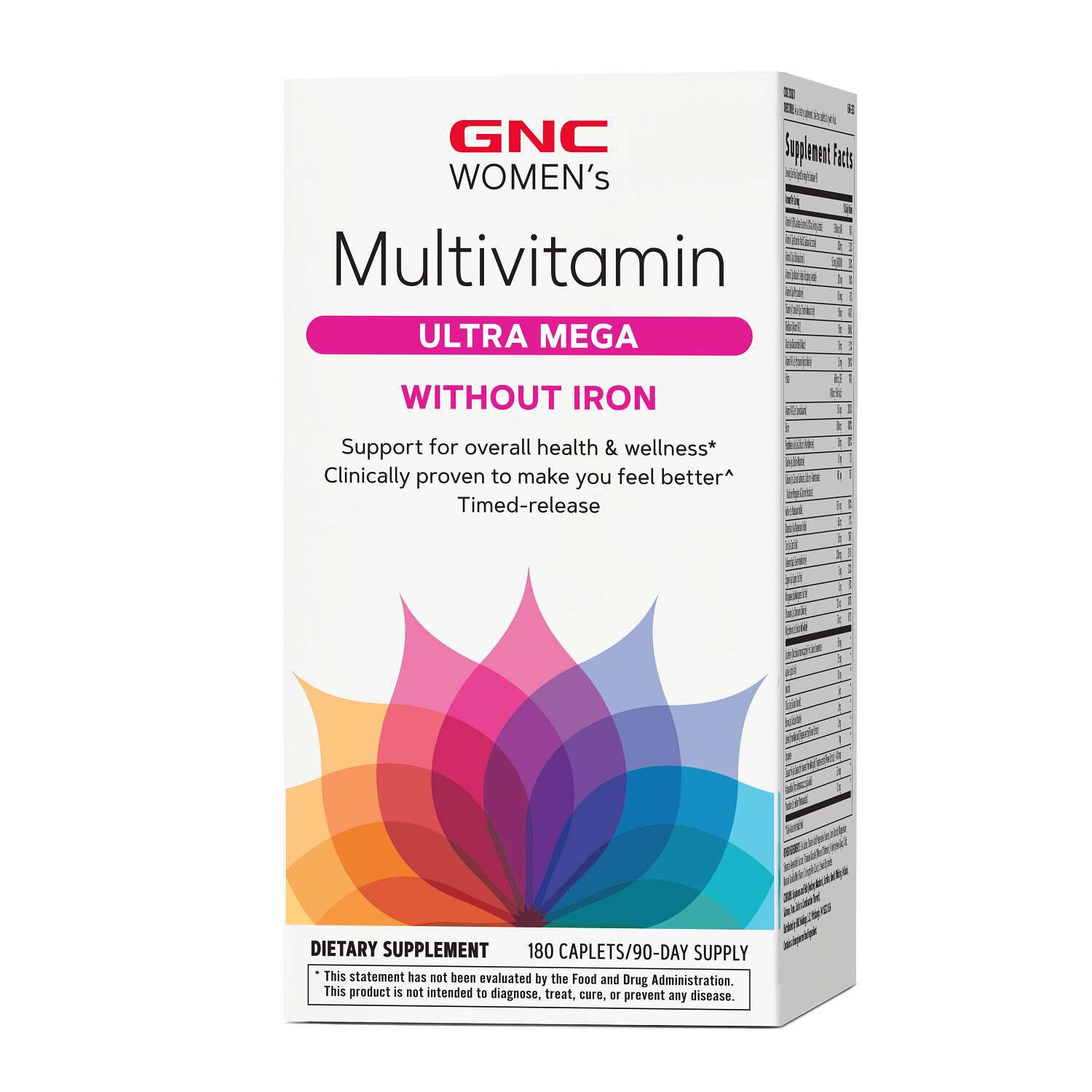
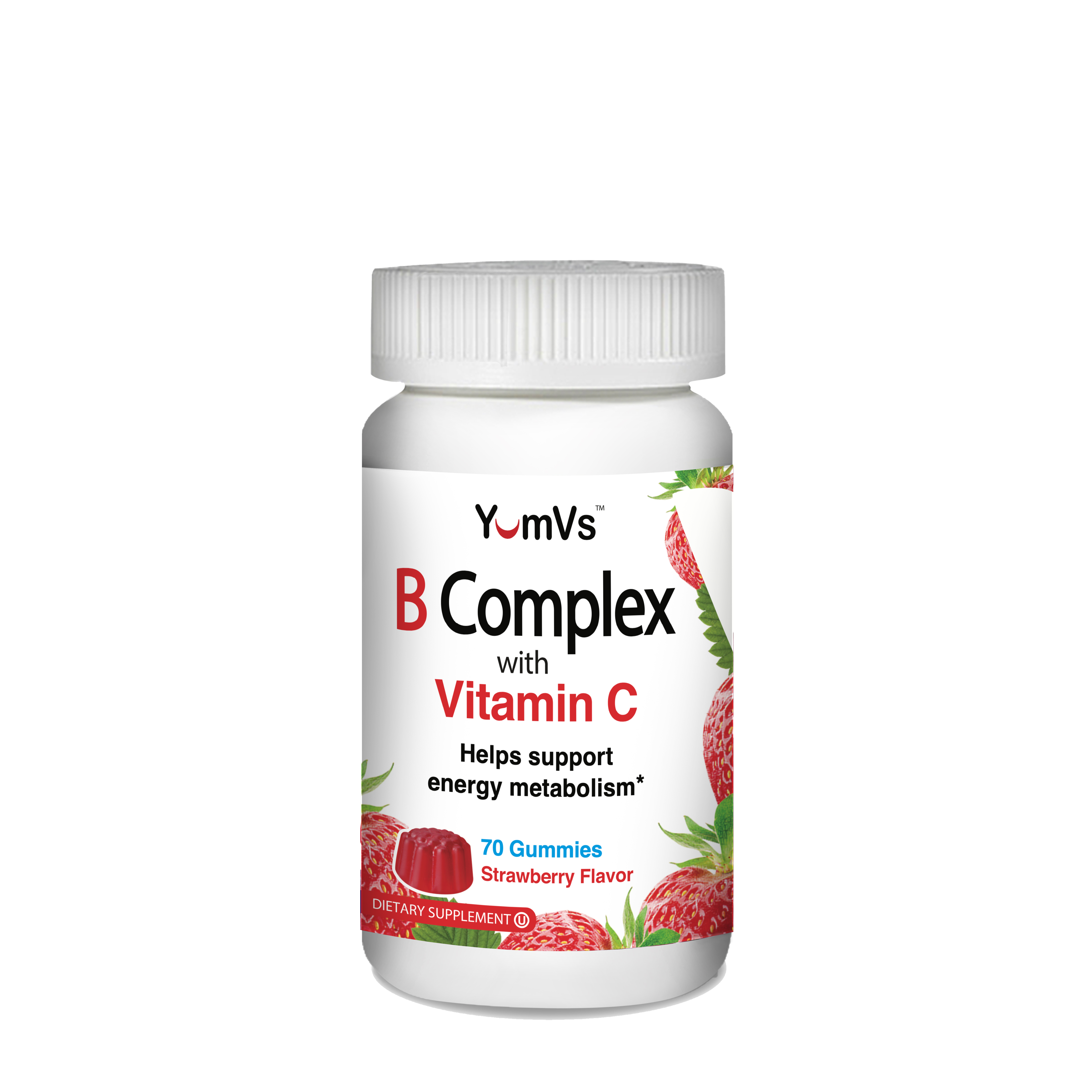
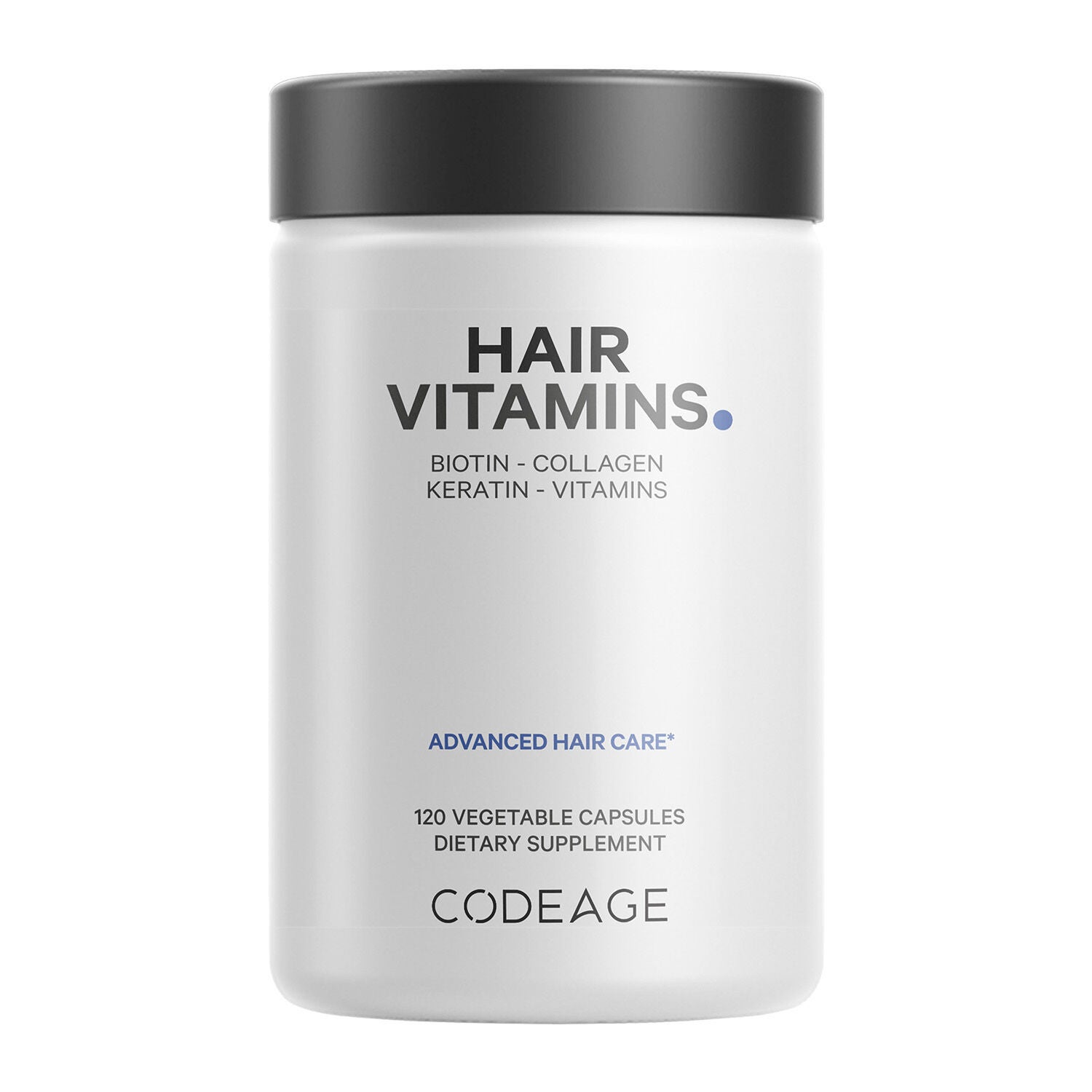
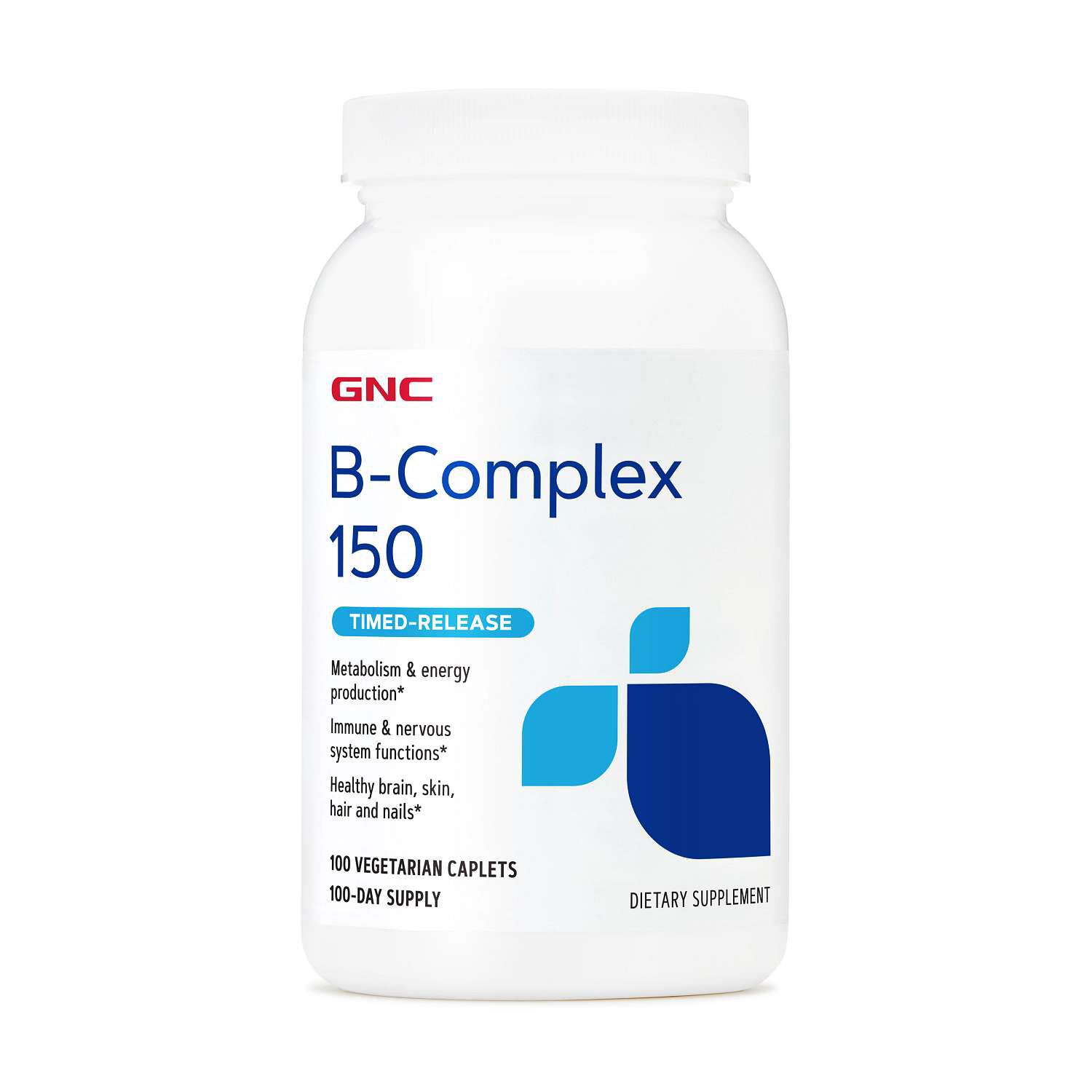
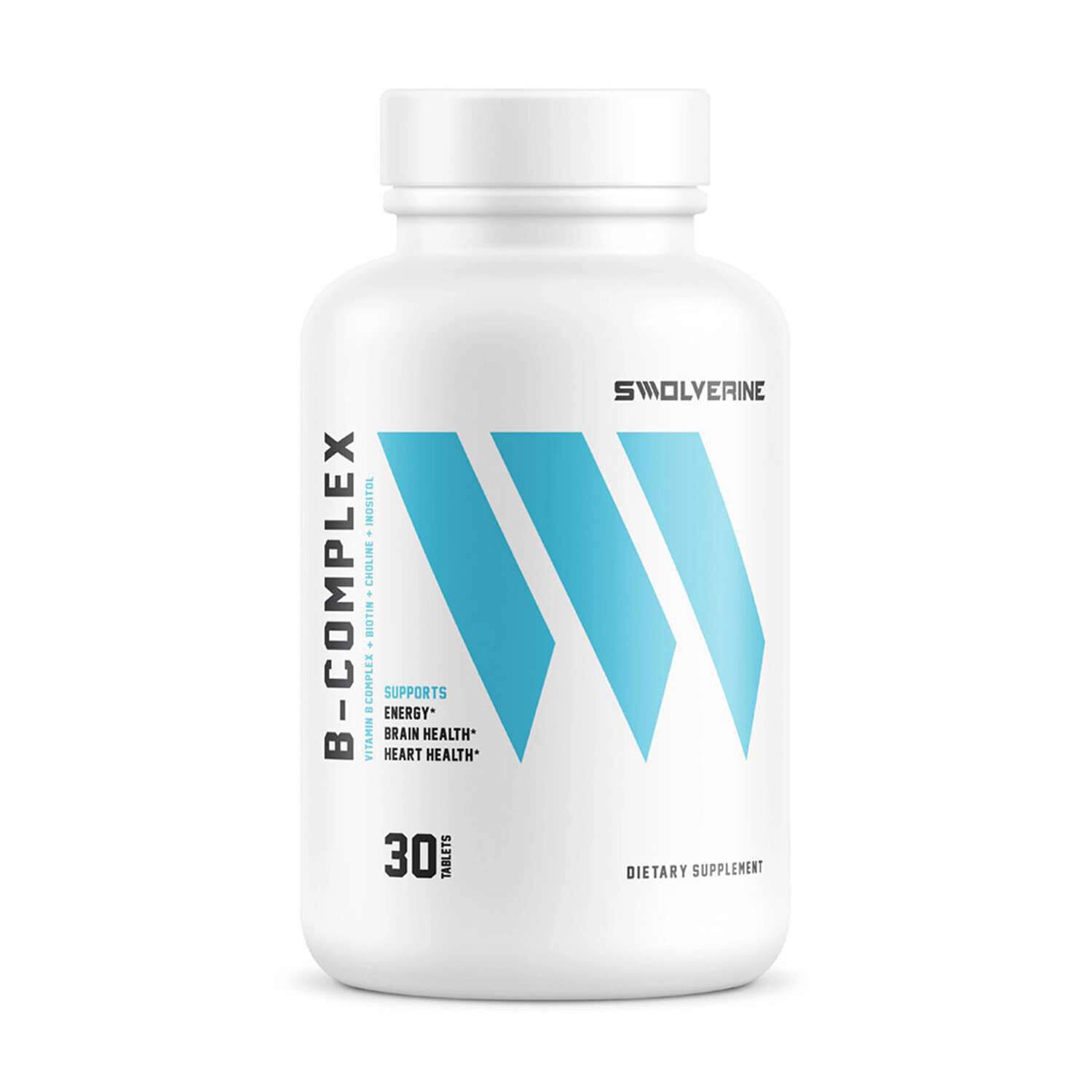
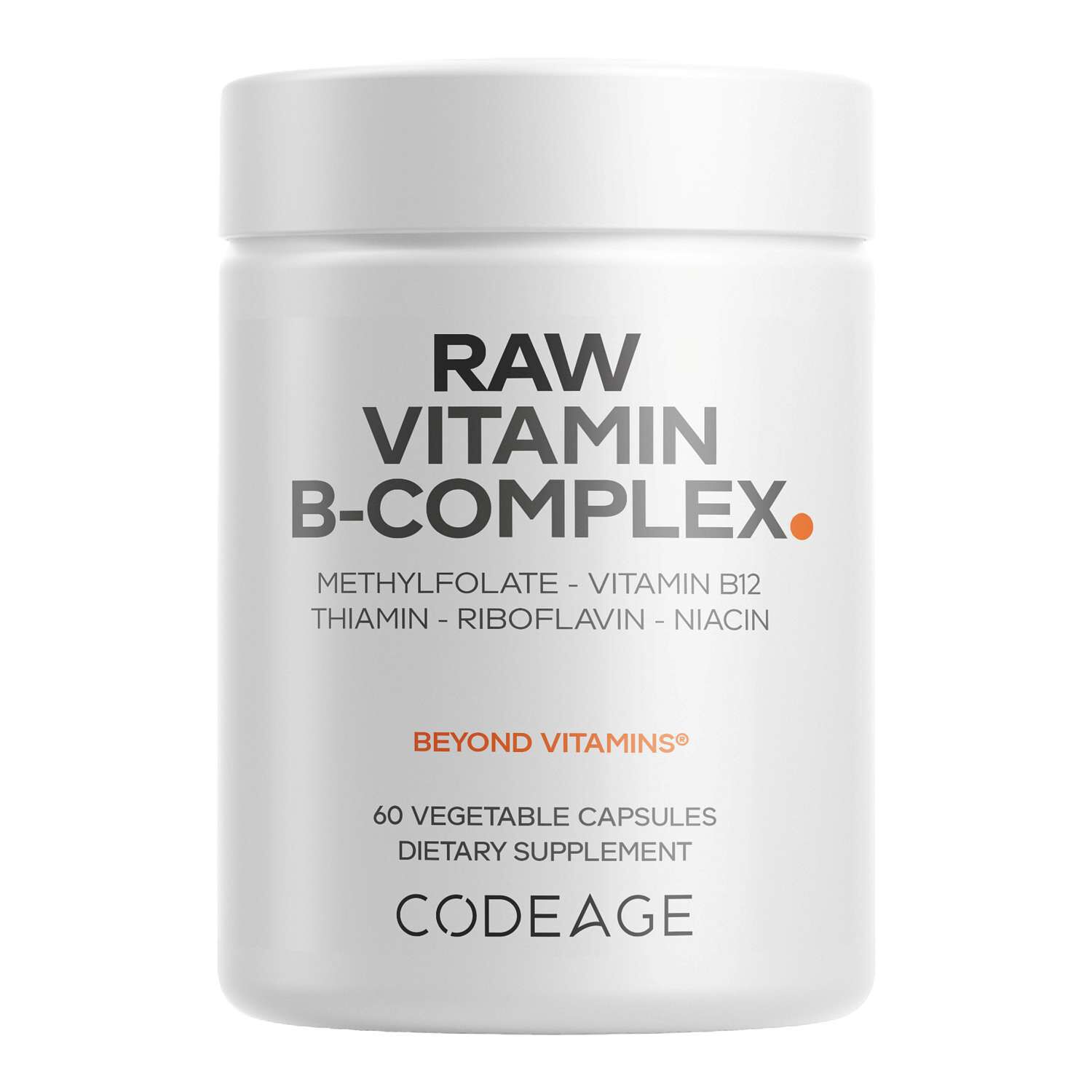
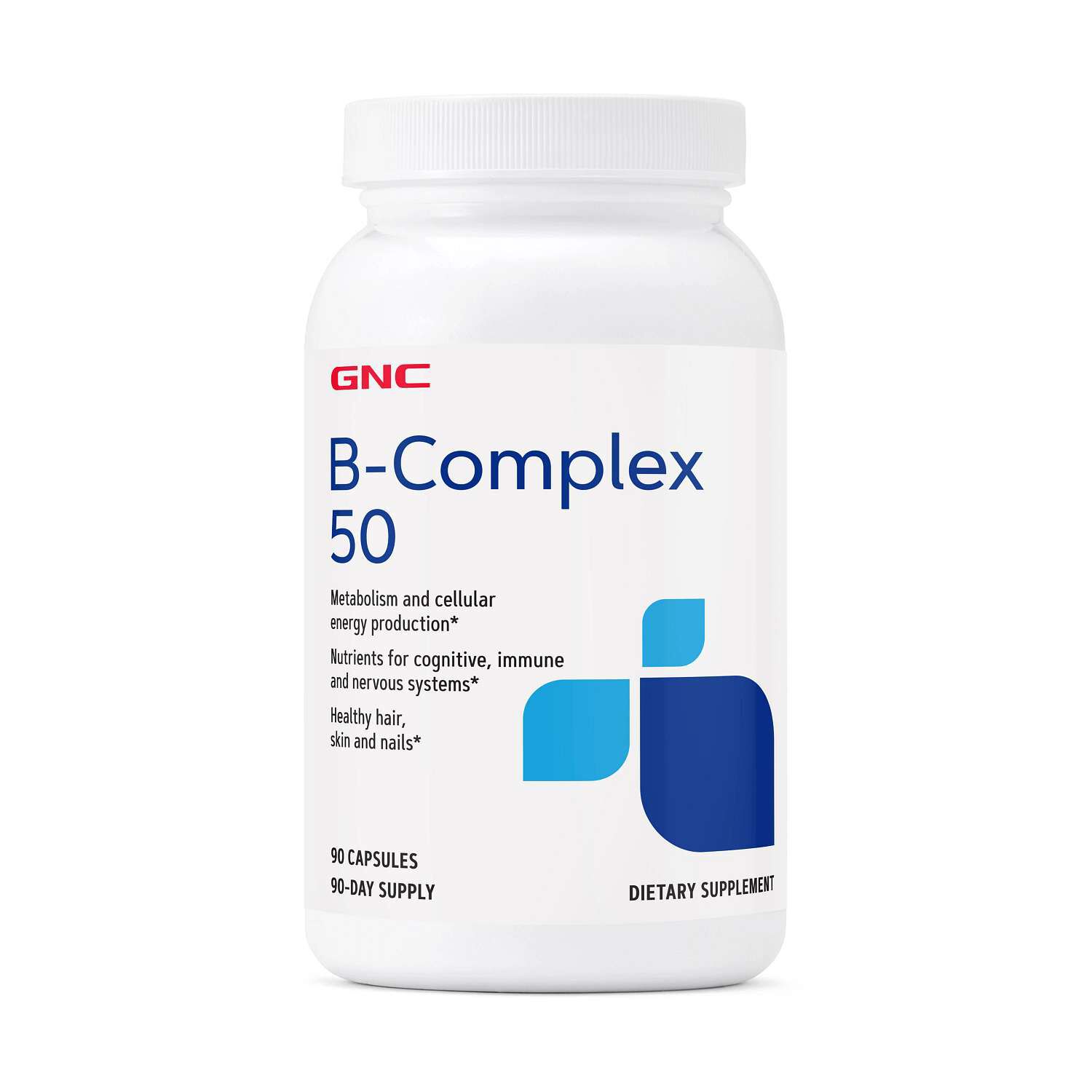
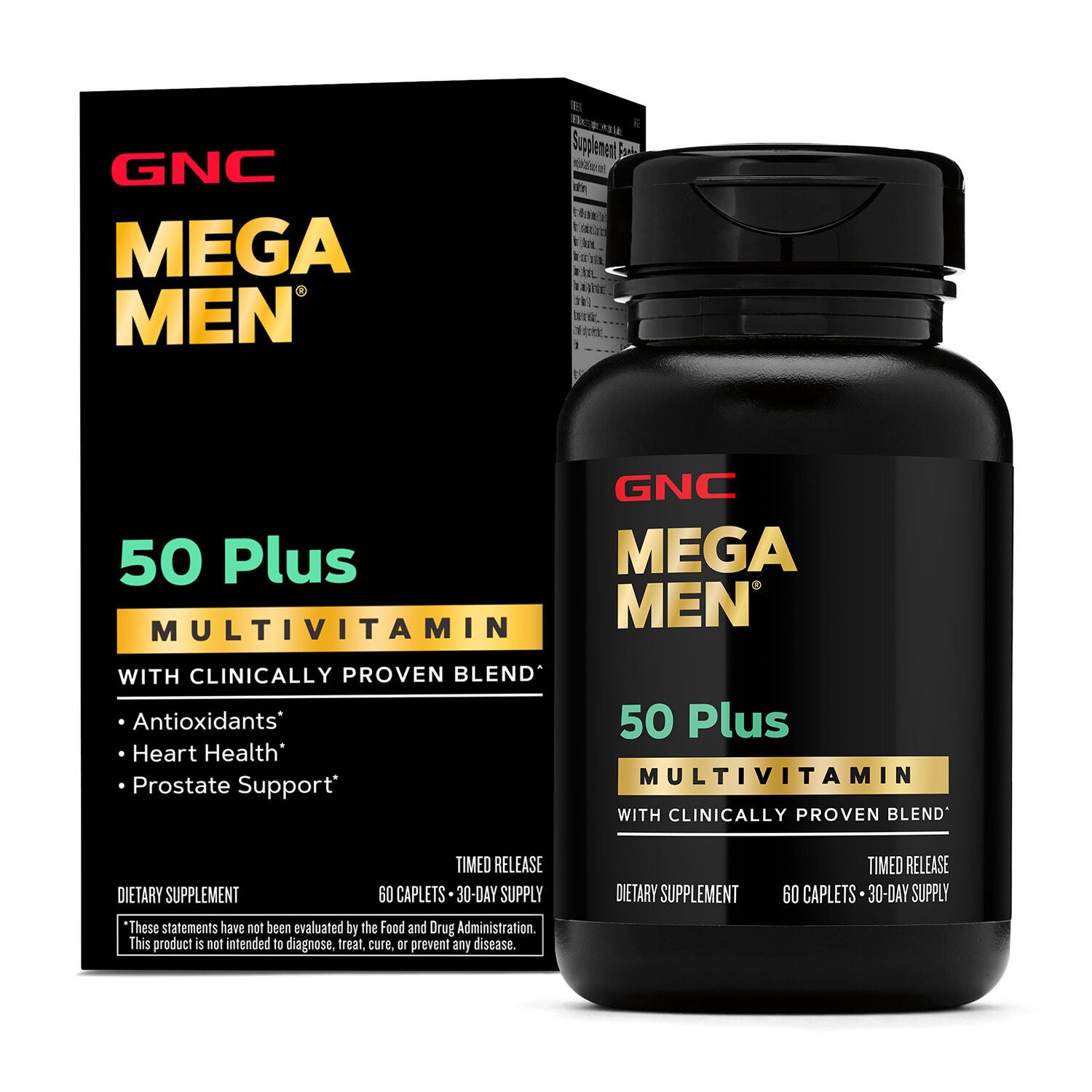
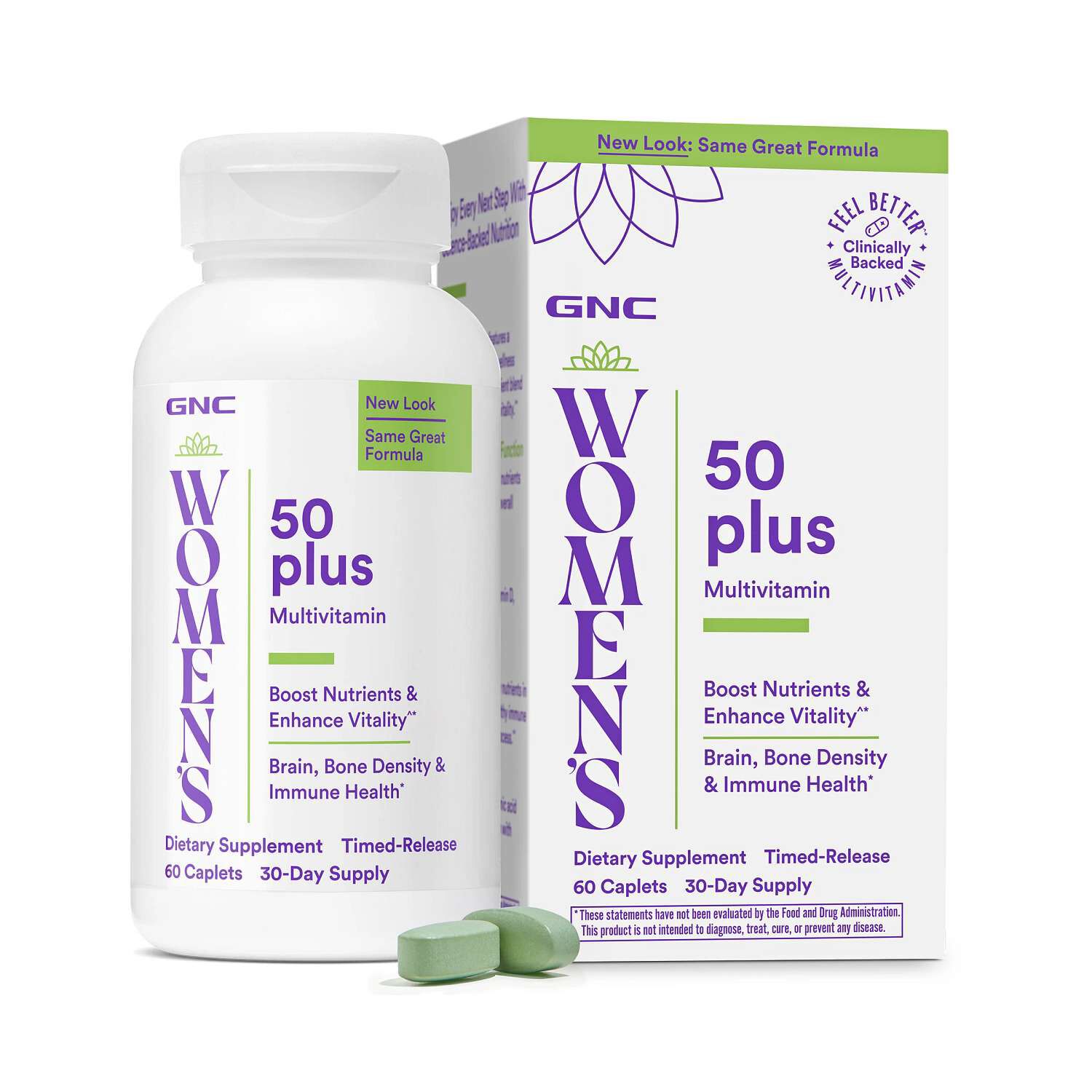
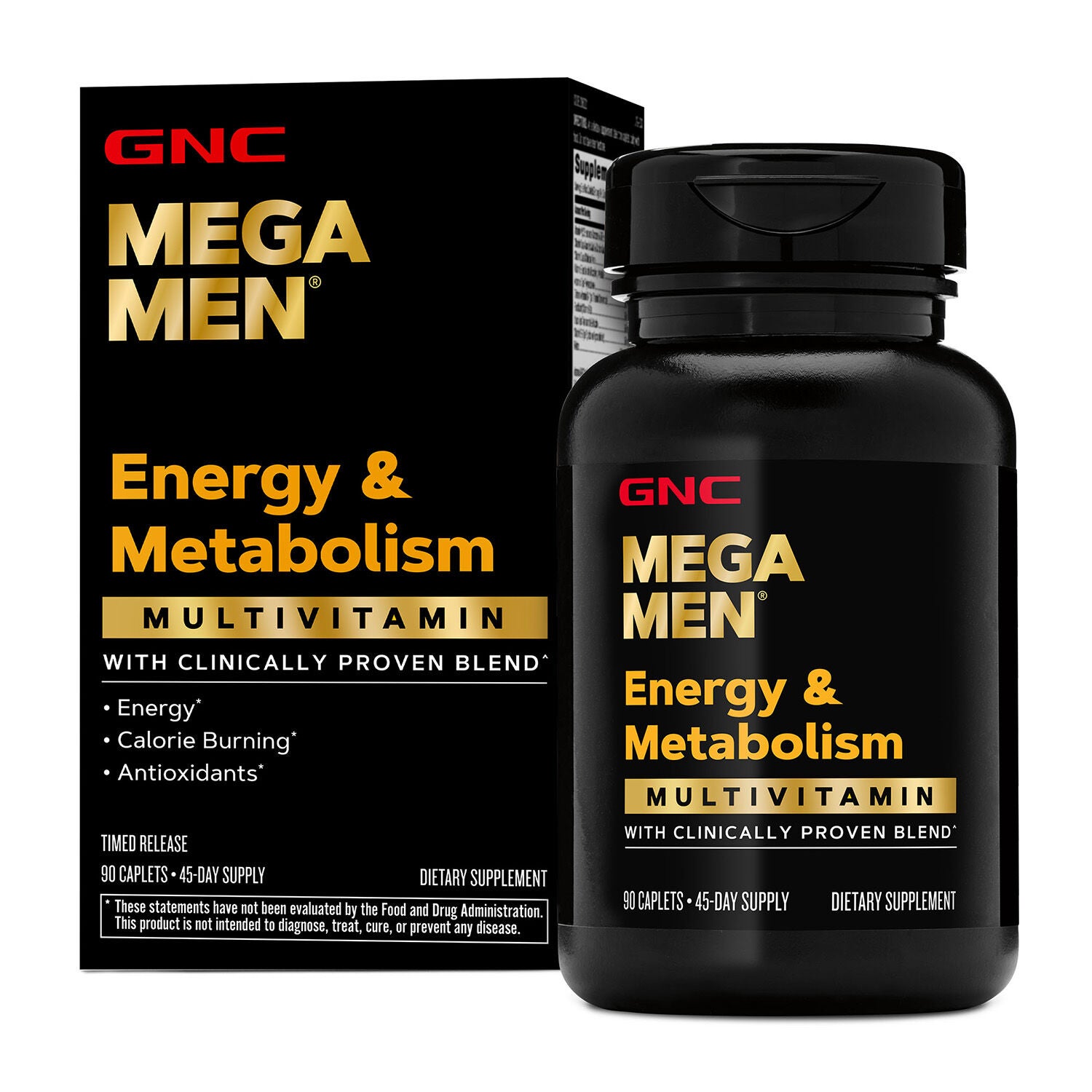
B complex vitamins bring several B vitamins together in one supplement category, with differences in nutrient forms, amounts, serving sizes, and added ingredients. For shoppers exploring B complex vitamins for antioxidant benefits, an important distinction is the difference between a B vitamin blend and a formula that also includes nutrients commonly associated with antioxidant nutrition. The B vitamin family includes thiamin, riboflavin, niacin, pantothenic acid, vitamin B6, biotin, folate, and vitamin B12. These nutrients have distinct nutritional roles; they are not interchangeable, and the presence of a B complex alone does not establish an antioxidant benefit. Some formulas also contain vitamin C, vitamin E, selenium, or other ingredients, making the full ingredient list more informative than a short description on the front of a bottle. The Supplement Facts panel identifies the nutrients included and their amounts per serving, while the other ingredients list provides details about capsule materials, flavorings, colors, and similar components. A straightforward B complex and a blend with additional nutrients represent different approaches rather than a simple better-or-worse comparison. The relevant differences depend on the shopper’s intended use, existing supplement routine, and ingredient preferences. Food provides useful context as well: beans, whole grains, leafy vegetables, eggs, dairy foods, and fish contribute different combinations of nutrients to everyday meals. A supplement belongs in that broader nutritional picture rather than standing in for a varied menu. For someone browsing with antioxidant nutrition in mind, clear labeling makes it easier to distinguish the B vitamins from any accompanying ingredients. Descriptions such as high potency or advanced formula do not explain that distinction on their own. The individual nutrient amounts, their listed forms, and the serving directions provide a more concrete basis for comparison. A short, clearly presented formula may appeal to someone who prefers fewer ingredients, while a broader blend may interest someone looking for several nutrients in one format.
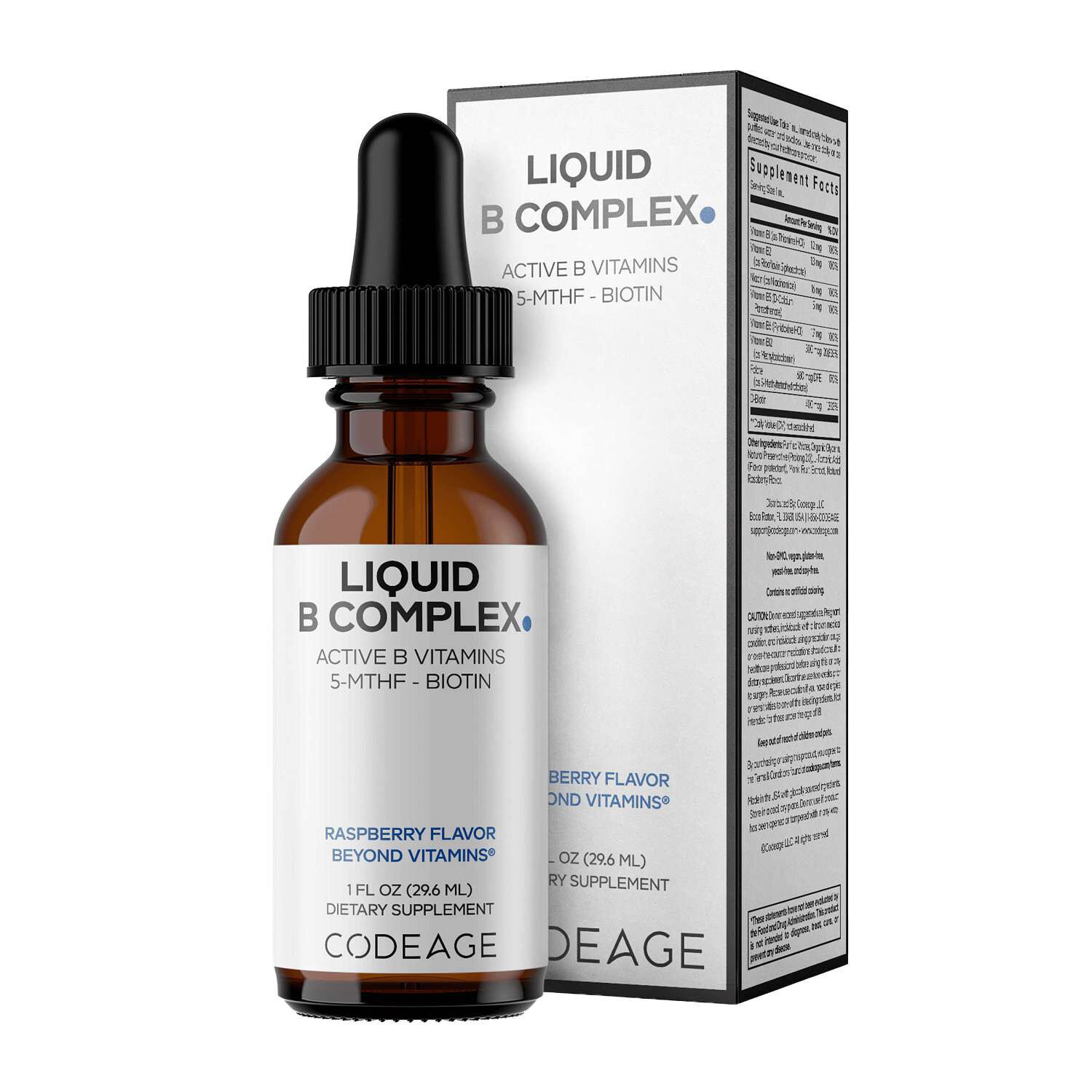
Format is another meaningful difference among B complex supplements, particularly when a purchase needs to fit an established routine. Tablets, capsules, softgels, gummies, chewables, and liquids each have their own handling and serving considerations. A capsule shell may contain gelatin or a plant-derived material such as cellulose, while a tablet may include a coating and ingredients used to hold its shape. Gummies and chewables often include flavorings, sweeteners, or coloring ingredients that deserve the same attention as the nutrients themselves. For shoppers who prefer a measured liquid, the serving unit is a practical detail. Bottle size alone says little about how long a supplement is intended to last because a labeled serving may consist of one tablet, several capsules, or a measured amount of liquid. Serving count and unit count are different pieces of information. A small bottle with a one-capsule serving and a larger bottle with a multiple-capsule serving therefore need a closer comparison than their appearance suggests. Texture, flavor, tablet dimensions, and the number of units per serving may also influence which format feels manageable. Someone who already keeps a pill organizer beside a breakfast bowl may prefer a different presentation from someone who wants a chewable format kept in its original package. Ingredient preferences matter just as much: a plant-based capsule does not necessarily mean every ingredient meets a particular dietary standard, and a fruit flavor does not describe the sweetener content. Statements about vegetarian suitability, allergens, and other dietary attributes belong to the individual formula. Packaging directions also cover storage and handling. Moisture exposure, container closure, and the printed expiration date are practical considerations for supplements that may sit in a kitchen cabinet or travel bag. Original packaging keeps the ingredient information, serving directions, and storage details together, which is useful when comparing a new purchase with a familiar routine.
B complex supplements may appeal to adults with varied shopping priorities, from a preference for a concise nutrient list to an interest in formulas containing additional ingredients associated with antioxidant nutrition. A person who follows a plant-based eating pattern may pay particular attention to ingredient sourcing and capsule materials. Someone who already takes a multivitamin may focus on the overlap between its nutrient panel and a separate B complex. That overlap is worth distinguishing from variety: two different bottles can contain many of the same nutrients, even when their front labels emphasize different themes. Percent Daily Value offers another point of comparison, but it does not predict an individual experience or establish that a larger amount is a better fit. Nutrient forms also differ across labels. Folate may appear under different ingredient names, and vitamin B12 may be listed as cyanocobalamin or methylcobalamin. Those names describe formulation choices rather than a universal ranking of quality. Clear ingredient disclosure and a serving format that suits the intended user are more useful shopping details than dramatic language about results. For a related collection with a life-stage focus, B Complex Supplements For Healthy Aging provides another way to browse this broader category. The same distinctions remain relevant there: which B vitamins are included, whether other nutrients are present, how much constitutes a serving, and which dietary attributes appear on the label. Everyday practicality matters, too. A readable label, a container that closes securely, and directions that are easy to locate may make a supplement simpler to organize alongside other household purchases. For antioxidant-oriented browsing, the clearest comparison stays close to what each formula actually contains rather than assuming that all B complex supplements share the same purpose. Nutrient details, format preferences, and the surrounding eating routine together provide a grounded context for exploring the category, without treating a supplement as a substitute for meals or expecting identical experiences from different formulas.