





Jelly Supplements
(0 Results)
Discover the delicious and convenient way to support your wellness routine with jelly supplements. These tasty, easy-to-consume options might offer a fun twist on traditional supplements, making it simple to incorporate them into your daily regimen. Perfect for those who prefer not to swallow pills, jelly supplements could provide a delightful experience while delivering potential health benefits. Explore the variety of flavors and formulations that might suit your individual needs and preferences.
-
-
 $16.99
-

-
 Lifeable$11.99
-

-

-

-
 $21.99
-
 $20.99
-
-
-
 $12.99


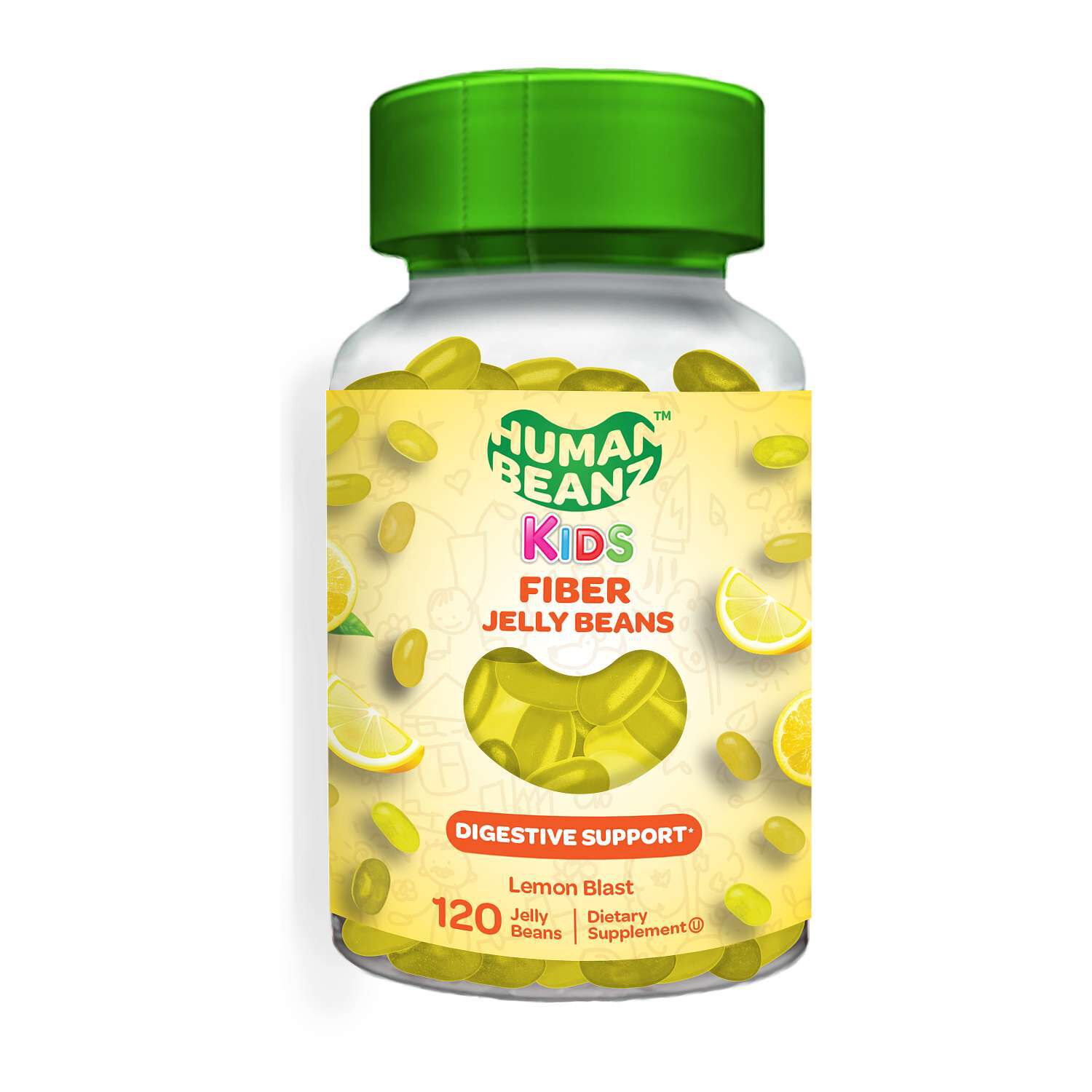


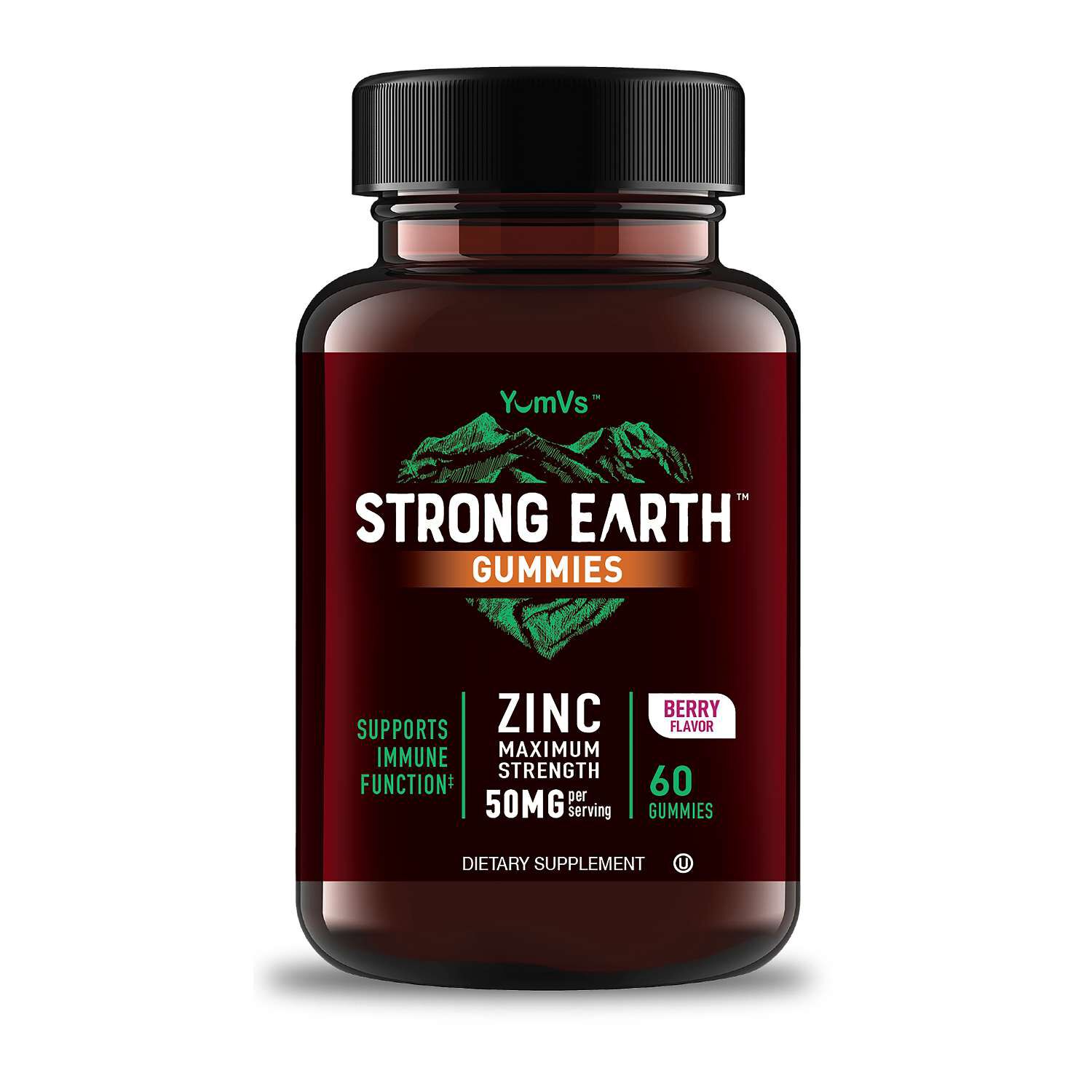
Jelly supplements are flavored dietary supplements with a soft, gel-like texture, often packaged in individual sticks, pouches, or small cups. Depending on the formula, they contain ingredients such as vitamins, minerals, dietary fiber, or collagen. Many are designed to be eaten directly from the package without mixing a powder or preparing a drink, although serving instructions vary. That combination of texture, flavor, and compact packaging makes jelly supplements a distinct option alongside capsules, tablets, powders, and traditional gummies. The word “jelly” describes the delivery format rather than a particular ingredient or nutritional purpose: two similarly sized sticks can contain very different formulas. Some have a smooth, spoonable consistency, while others are firmer and intended to be squeezed from a narrow packet. Gummies generally hold their shape as separate pieces; jelly formats tend to have a softer structure contained by their packaging. Fruit-inspired flavors, including citrus and berry varieties, are common, but flavor names alone do not explain what a supplement contains. A peach-flavored jelly, for example, does not necessarily provide a meaningful amount of peach or share the nutritional profile of the fruit. The Supplement Facts panel and ingredient list offer a clearer picture of the formula, serving size, and amounts supplied per serving. These details matter more than the color of the gel or the size of the pouch. For adults who prefer a soft-textured format over a capsule, jelly supplements offer another way to incorporate a dietary supplement into an established routine. Their intended use remains supplemental; a flavored gel is not a meal or a substitute for a varied diet. When comparing jelly vitamins, fiber jellies, or collagen jellies, the most useful starting point is the ingredient category and labeled purpose, followed by the eating experience and package format. A familiar flavor and a convenient packet are practical considerations, but neither tells the whole story of the contents.
The ingredients that create a jelly’s texture deserve attention alongside the nutrients listed on the label. Depending on the formulation, manufacturers may use pectin, gelatin, agar, or other gelling ingredients to produce anything from a delicate gel to a more substantial chew. Pectin is commonly derived from fruit, agar comes from algae, and gelatin is animal-derived, making the ingredient list particularly relevant to dietary preferences. A jelly texture does not, by itself, mean a supplement is vegan or vegetarian. The source of the featured ingredient also matters: collagen is animal-derived, while the origins of certain vitamins and other components can differ between formulas. Shoppers looking specifically for plant-based choices can explore Vegan Jelly Vitamins while checking each label for its stated dietary suitability. Sweeteners, fruit juice concentrates, flavorings, colors, and ingredients used to maintain consistency also shape the finished product. Some formulas contain added sugars, while others use alternative sweetening ingredients; the appropriate comparison is the amount in the labeled serving, not simply the amount in one packet. A serving may consist of more than one stick or portion, so package count and serving count are not necessarily interchangeable. Likewise, the weight of the jelly includes the gel base and other ingredients, not just the featured vitamin, fiber, or collagen. Comparing the stated quantity of the featured ingredient per serving provides a more meaningful basis than comparing pouch sizes. Allergen statements and ingredient sources are additional considerations for people with dietary restrictions. Terms such as “fruit flavored,” “plant based,” and “vitamin jelly” describe different aspects of a formula and should not be treated as equivalent. Flavor preference is personal, too: a bright citrus profile, a mild berry taste, and a dessert-like fruit blend create different eating experiences. The best match for an individual shopping list depends on both the formula’s contents and whether its sweetness, texture, and portion size suit that person’s preferences.
Packaging and storage are the other practical pieces of choosing jelly supplements for everyday use. A narrow stick occupies little room in a lunch bag, while a cup may be more suitable for eating with a spoon at home. Some packages open with a tear notch; others have a lid or a closure with different handling instructions. These small design differences become noticeable in ordinary settings, such as opening a serving at the kitchen counter before leaving for work or packing one with lunch for a day away from home. The package directions determine how the jelly is intended to be consumed and whether any preparation is needed. An individually packaged portion also is not automatically the full suggested serving. Keeping the labeled carton or container makes it easier to retain serving directions, ingredient information, storage requirements, and the expiration date when individual packets have limited printing. Before placing a pouch in a bag, check that its seal is intact and that the packaging has not been punctured or otherwise damaged. A separate compartment helps keep soft packets away from keys, pen points, and other sharp objects. Follow the stated storage conditions rather than assuming all gel formats have the same requirements, and observe any instructions about handling after opening. Resealable packaging does not necessarily mean a product is intended for extended storage once opened. Appearance and texture also are not substitutes for the printed expiration date or the manufacturer’s handling directions. At home, jelly supplements belong in their labeled packaging and out of children’s reach, rather than in a candy dish or an unlabeled snack container. Their sweet flavor and colorful presentation do not change their intended use as dietary supplements. For a shared household, clearly separated containers help keep different formulas and serving directions organized. Ultimately, comparing jelly supplements involves three connected considerations: what the formula contains, how much constitutes a serving, and how the format fits the intended routine. Paying attention to all three keeps the focus on meaningful product differences rather than flavor or packaging alone.
Best Sellers


Related Pages

Top Collections
- Daily Collagen Supplements | Top Brands & Deals | GNC
- Cortisol Supplements
- Top Rated Collagen | Shop Customer Favorites | GNC
- Vitamins For Hair Loss
- NAD+ Supplement Tablets
- Peptide Supplements
- Best Brand of Magnesium Glycinate
- Protein Powders For Muscle Growth Support
- Vitamins That Help Support Weight Gain
- Peptide Supplements for Muscle Growth