





Joint Supplements With No Artificial Colors
(0 Results)
Joint supplements with no artificial colors offer an option for those seeking products made without added synthetic dyes. Many people look for clean-label supplements to support their wellness routines, and choosing options without artificial colors may align with certain lifestyle preferences. Explore a variety of joint supplements with no artificial colors that could be a great fit for your daily regimen.
-
-

-
-

-
-
-

-
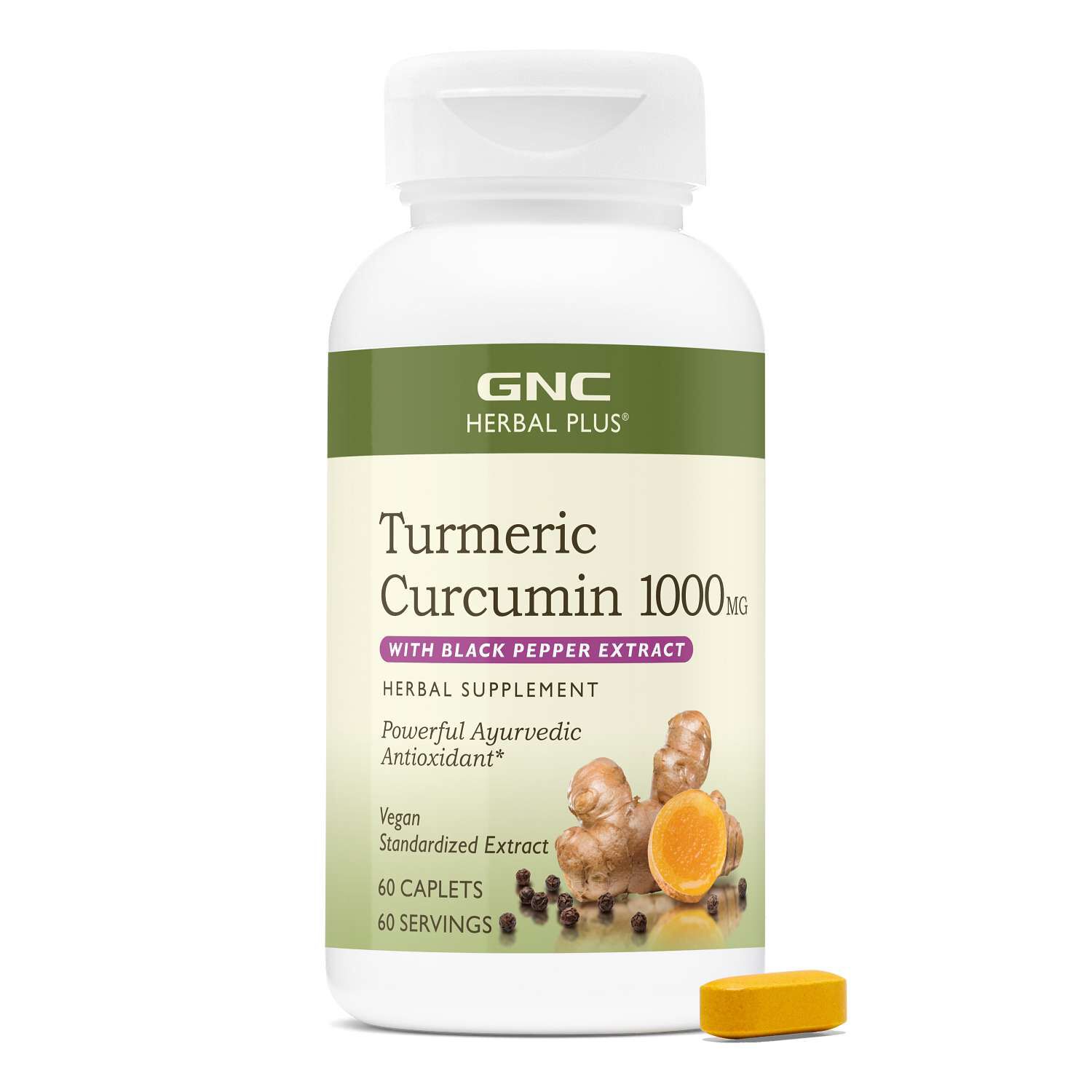 $44.99
-
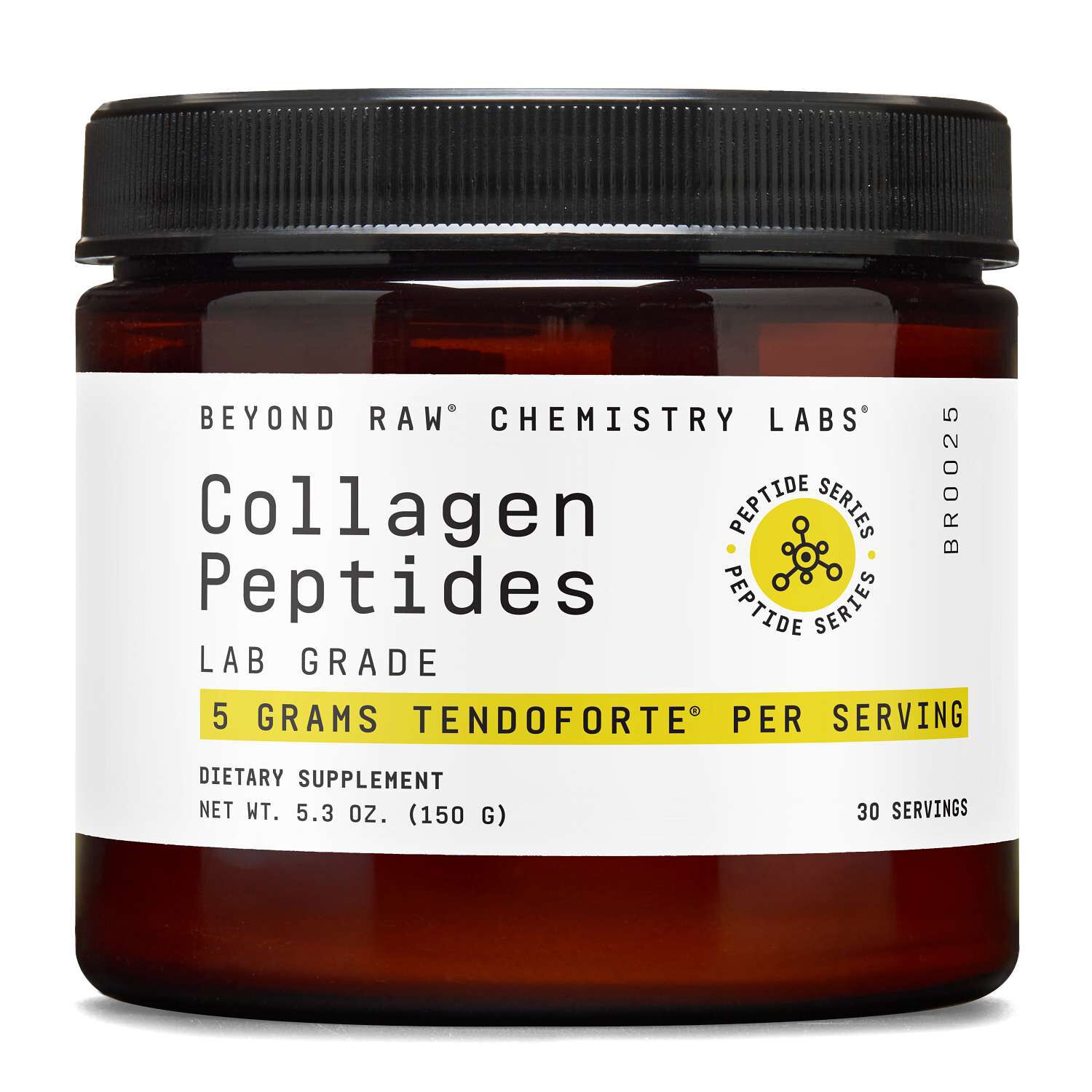 $24.99
-
.jpg?sw=305&sh=305&sm=fit "TriFlex Joint Support Complete Care (30-Day Supply) | GNC")
-
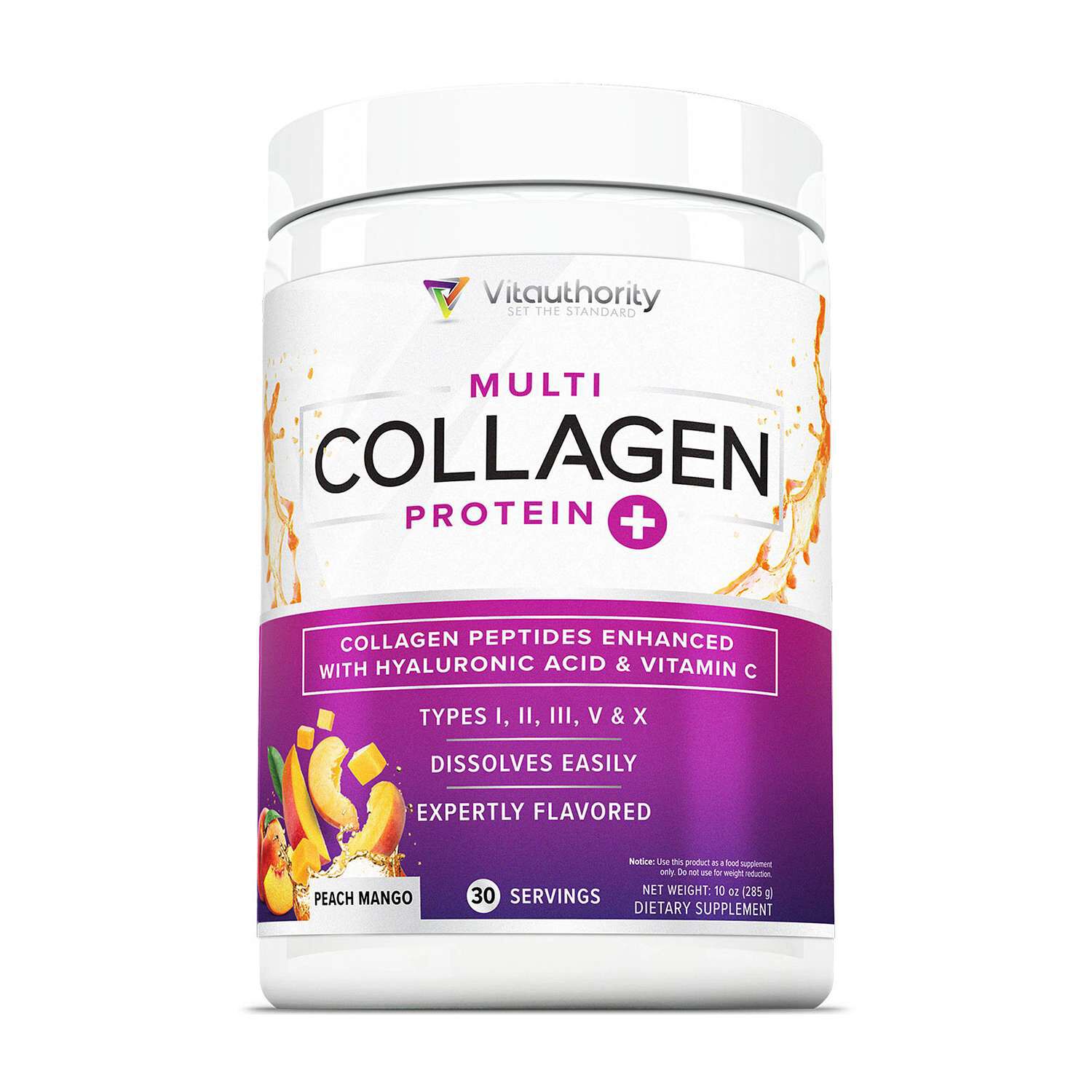
-

-

-

-
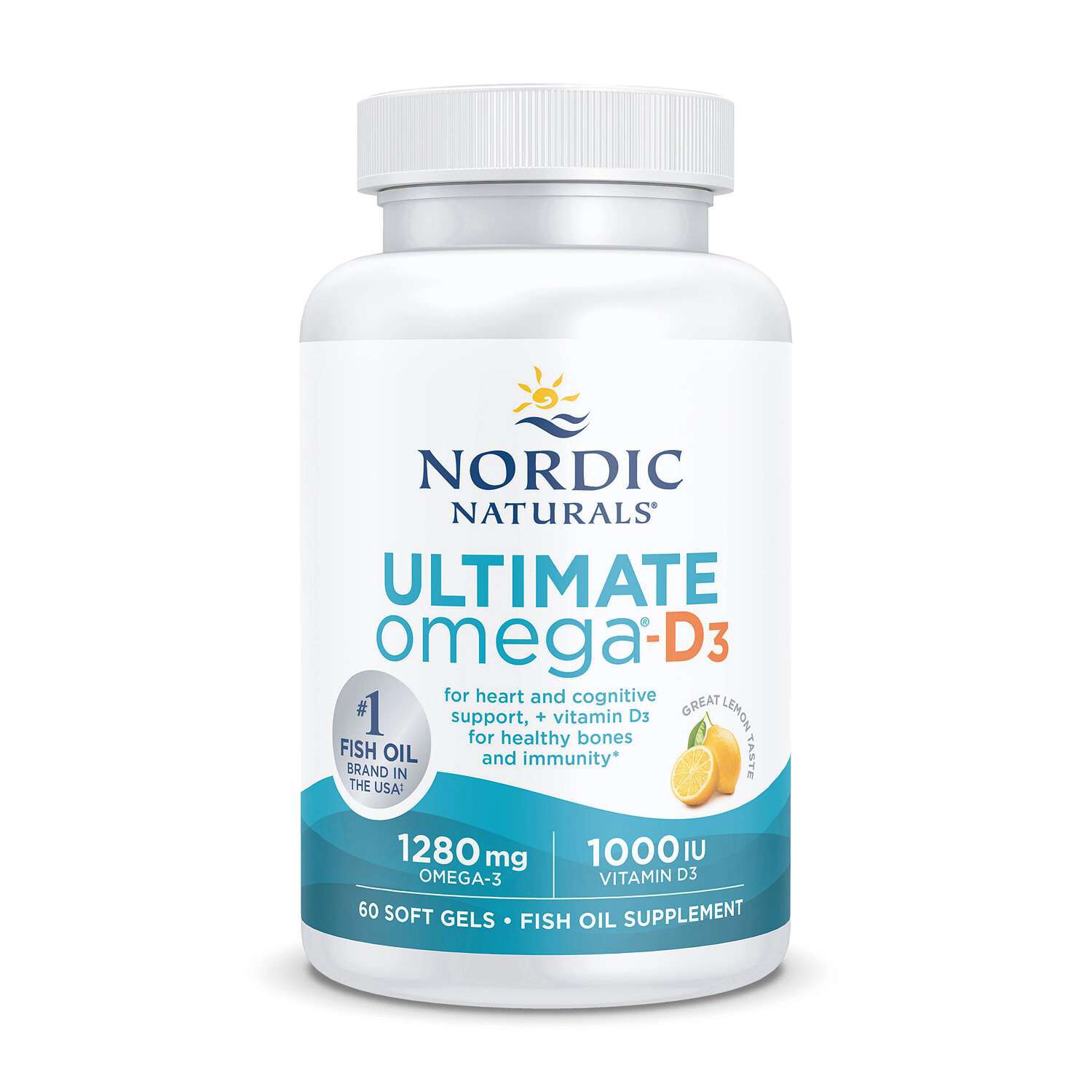
-

-

-


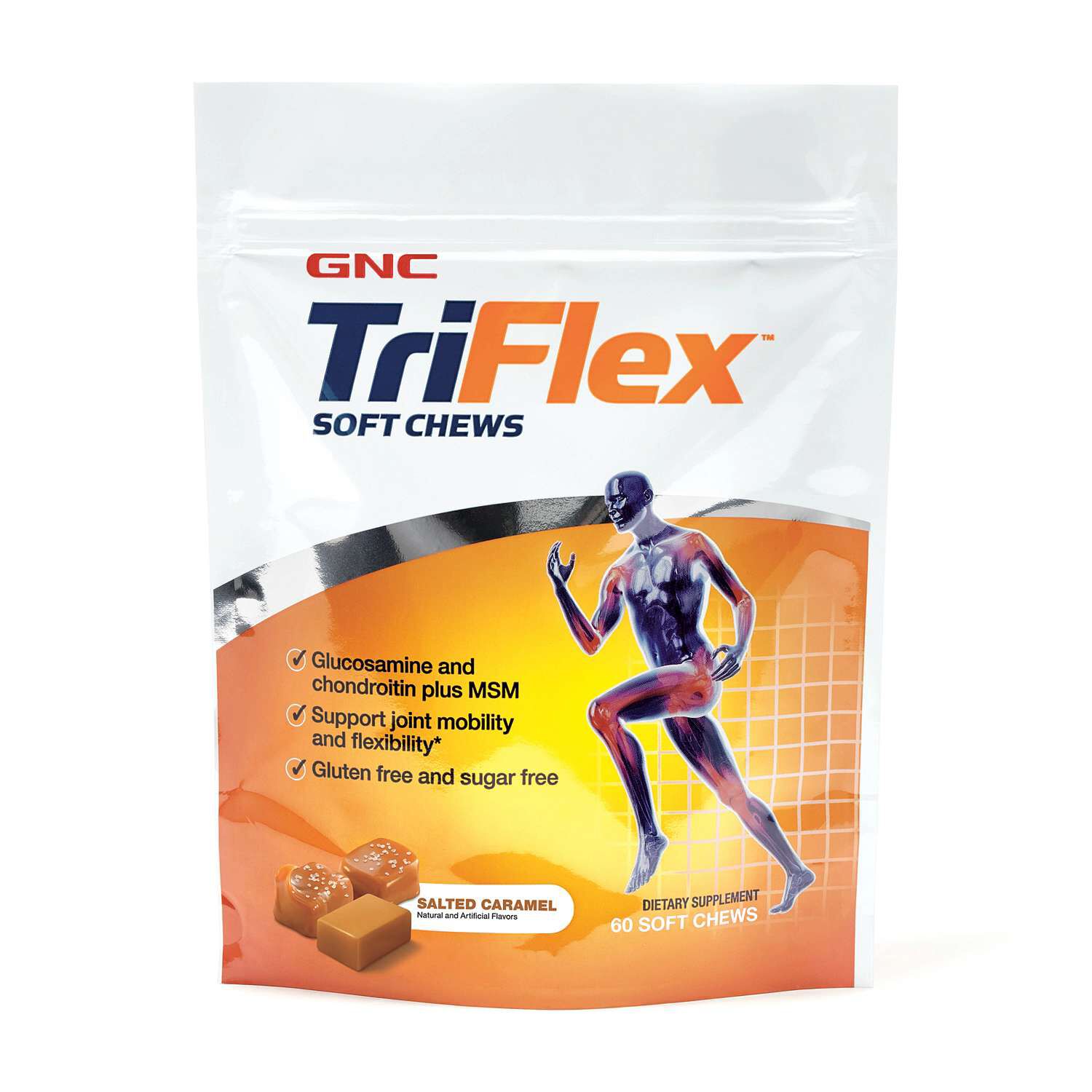
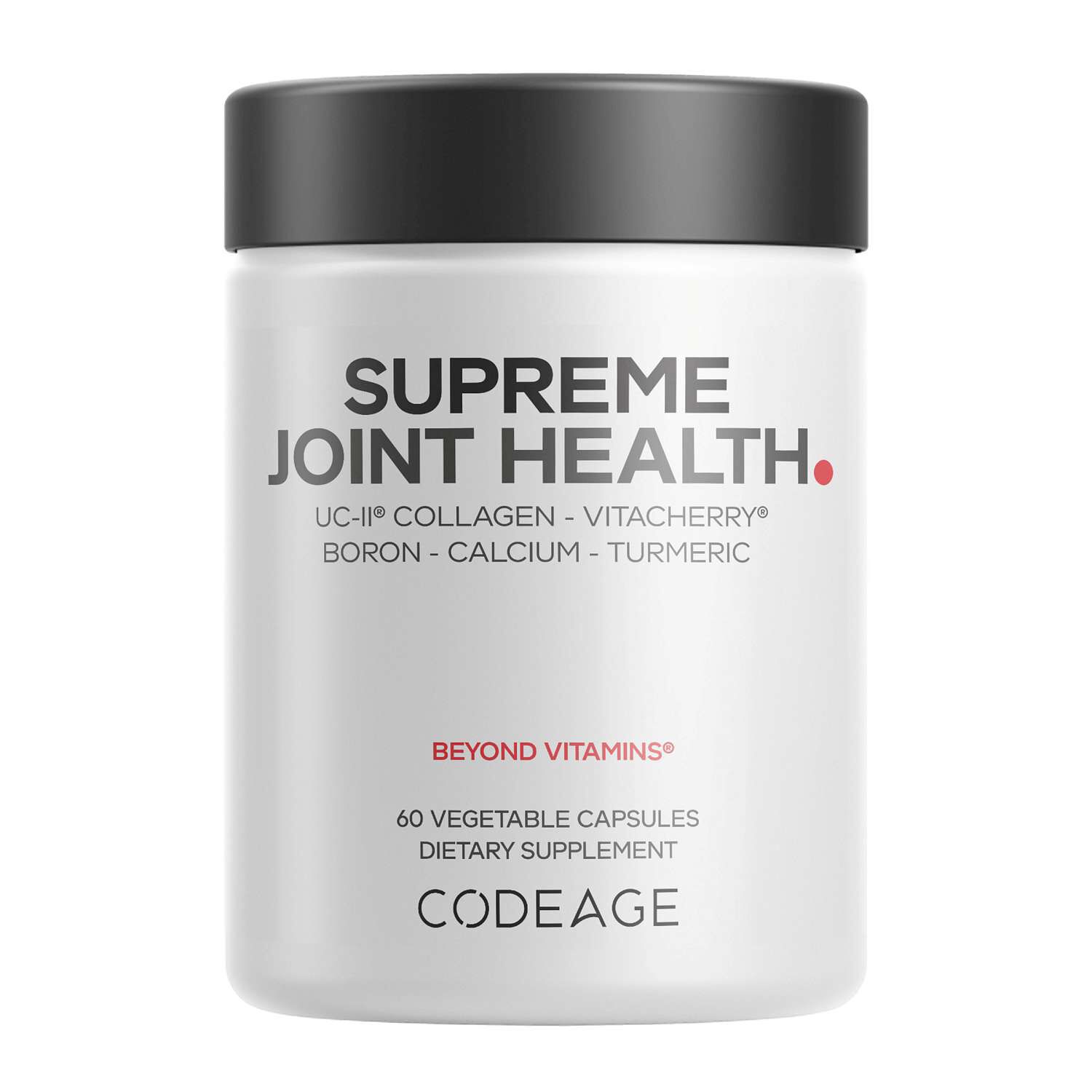

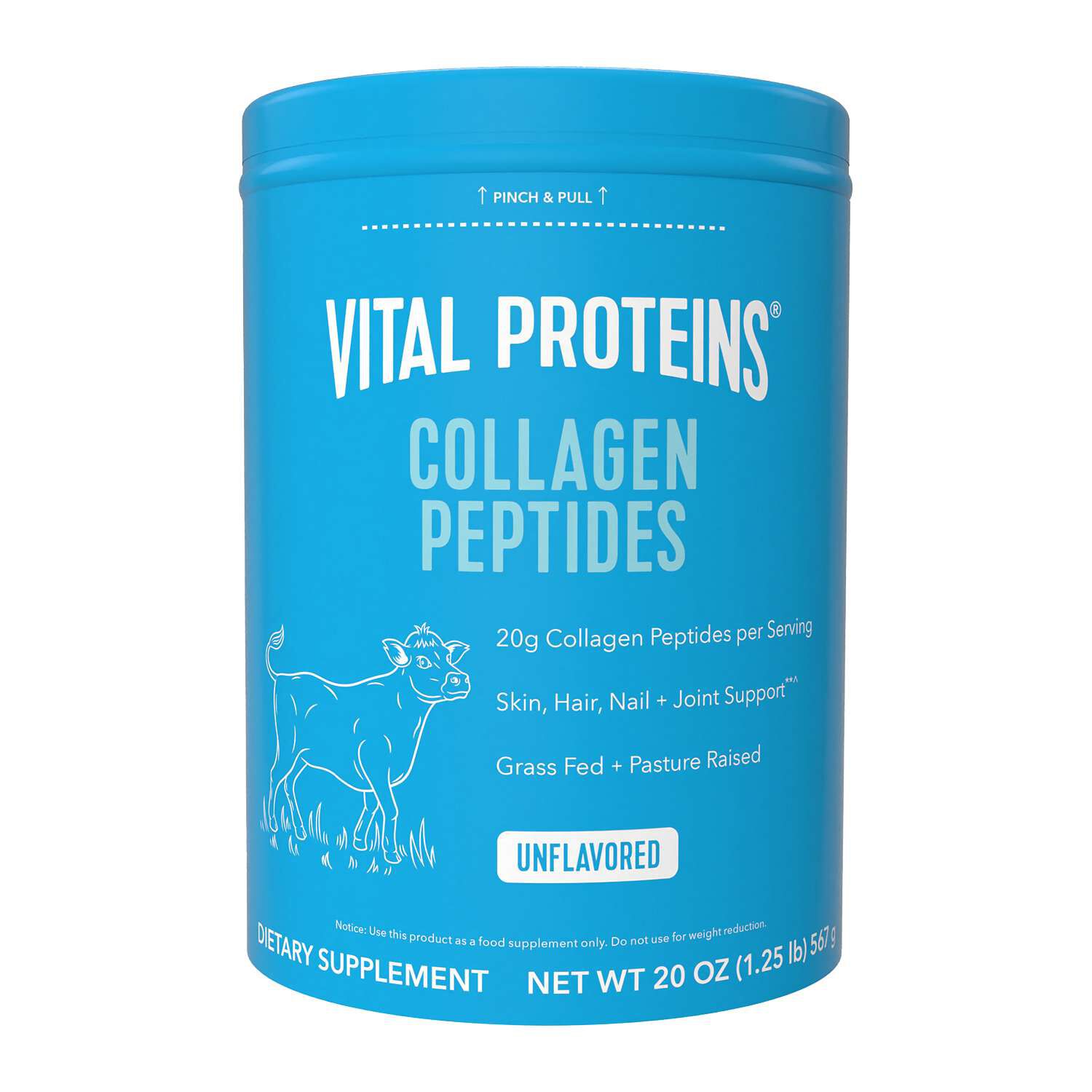
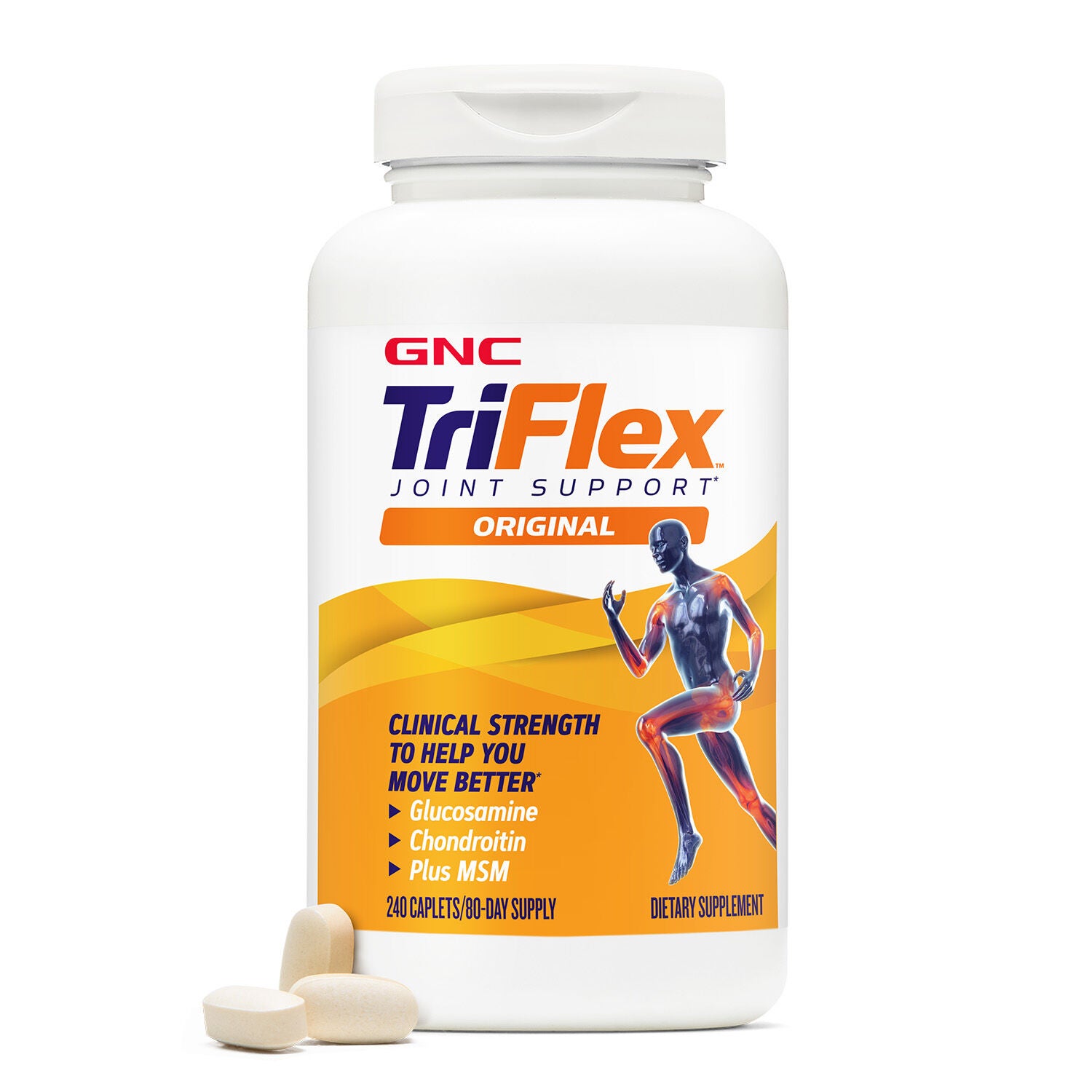
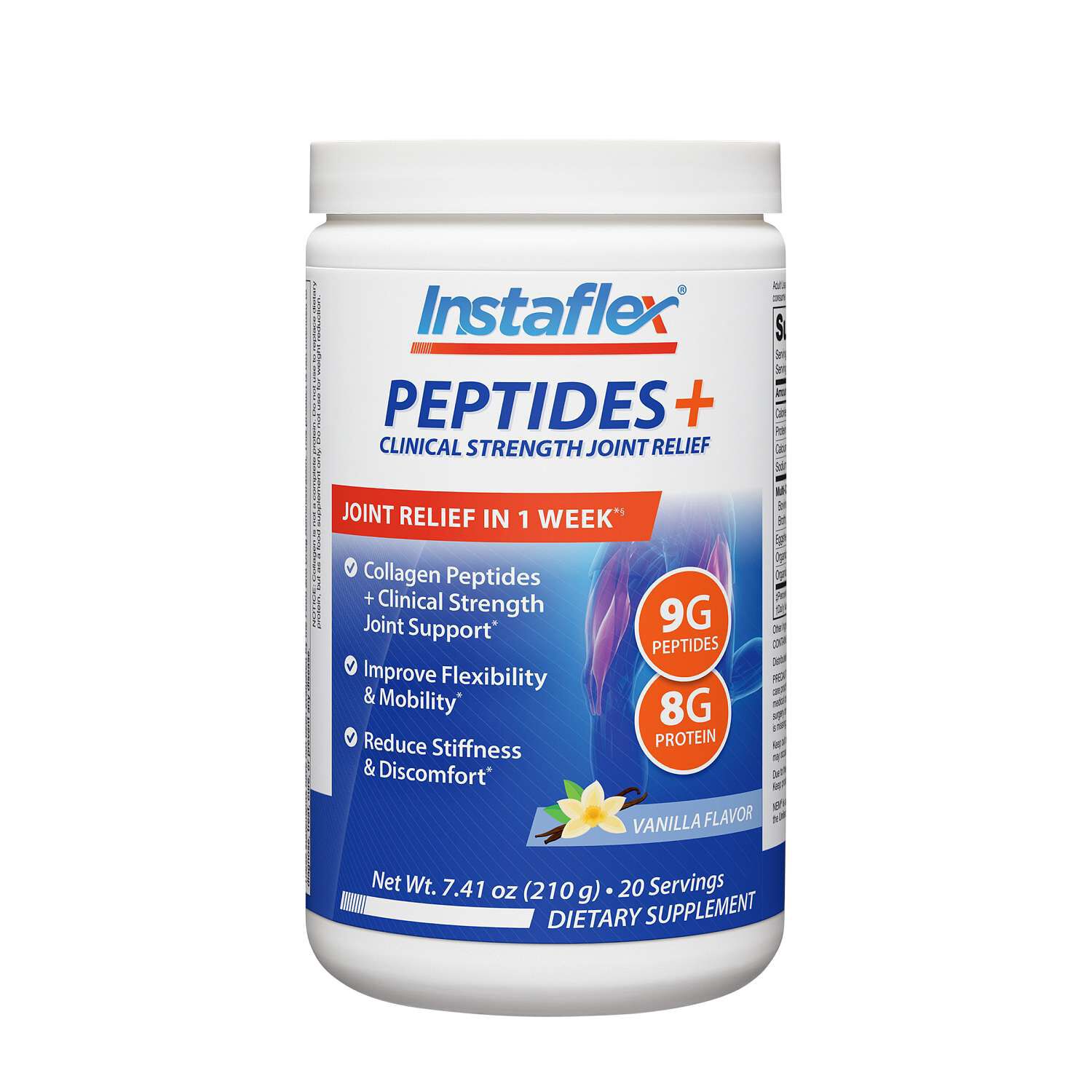
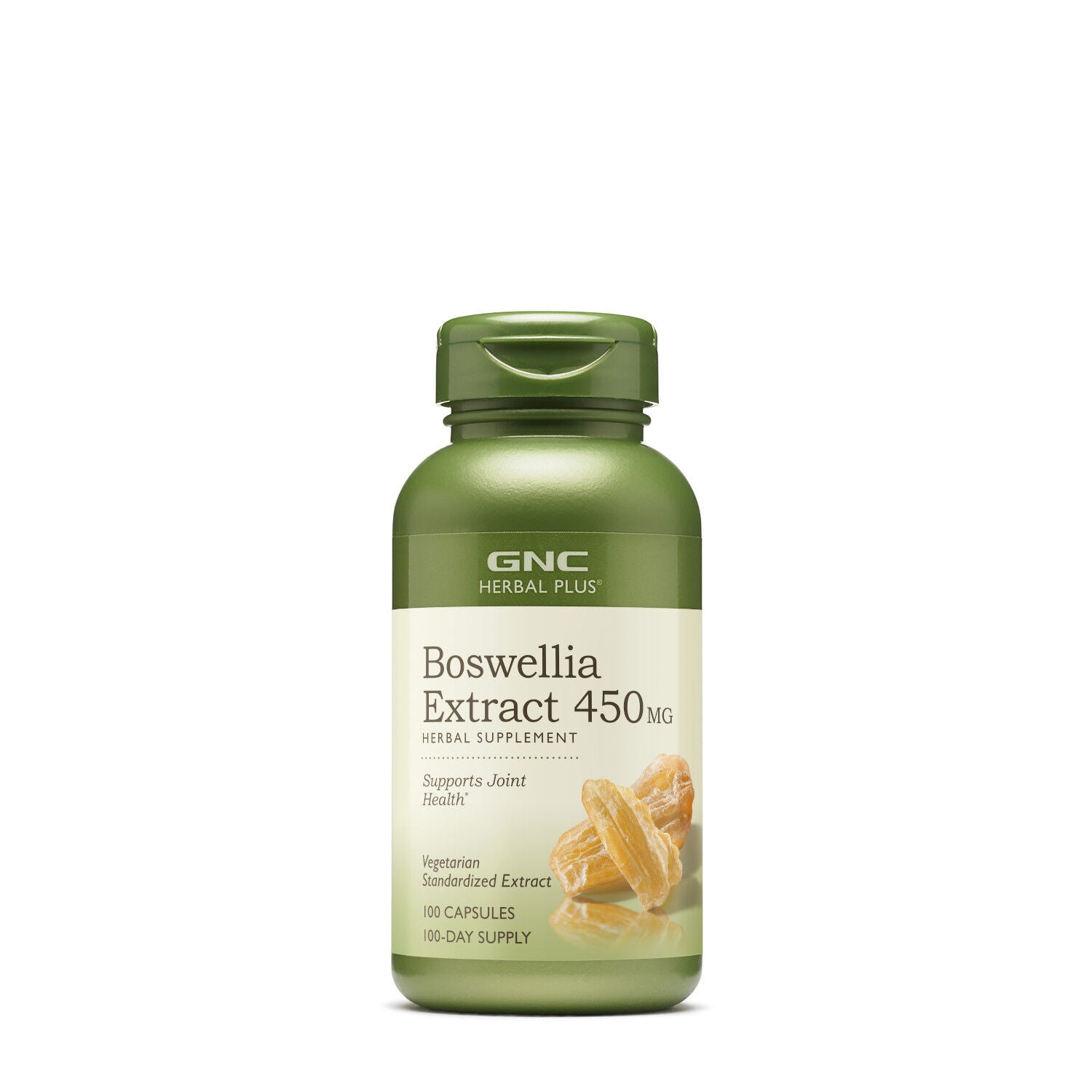
Joint supplements with no artificial colors are dietary supplements formulated without synthetic coloring ingredients. That distinction concerns how a formula is colored, rather than the number of ingredients it contains, its format, or its suitability for a particular dietary preference. A capsule, tablet, softgel, gummy, or powder might still have a visible color from its ingredients. Turmeric, for example, has a naturally golden hue, while botanical extracts and other raw materials have their own characteristic shades. A beige powder or amber softgel is not, by appearance alone, evidence of an added artificial dye. The product’s labeling provides a more useful basis for comparison. The Supplement Facts panel identifies dietary ingredients and their amounts per serving, while the other ingredients section generally lists components such as capsule materials, binders, coatings, flavors, and coloring agents. Synthetic dyes may appear under names such as FD&C Red No. 40 or FD&C Yellow No. 5, including related lake forms. Color-related information matters for the finished supplement, not just the ingredients inside it, because a capsule shell or tablet coating is also part of the formula. Joint-focused supplements commonly feature ingredients such as glucosamine, chondroitin, methylsulfonylmethane, often abbreviated as MSM, collagen, turmeric, or boswellia. Some formulas center on one ingredient, while others combine several in a single serving. These ingredients differ in source, composition, and presentation; they are not interchangeable simply because they appear in the same category. An artificial-color exclusion also does not establish that a supplement contains no added flavors, sweeteners, preservatives, or other formulation ingredients. Each of those attributes requires its own label information. For shoppers who prefer to leave synthetic dyes out of their supplement routine, this category offers a focused starting point, with the ingredient list providing the detail needed to distinguish one type of formula from another. The clearest comparison considers the stated color attribute alongside ingredient identity, serving size, capsule or coating composition, and any dietary information relevant to the shopper.
Format is another meaningful part of choosing joint supplements with no artificial colors, particularly when a supplement needs to fit an established daily routine. Adults who spend time walking, gardening, strength training, or pursuing other activities might prefer different formats based on convenience rather than the appearance of the formula. Someone who eats breakfast at home might favor a powder prepared according to its label directions, while someone with a packed morning schedule might prefer capsules or tablets that require no measuring. Capsule and tablet dimensions, the number included in a serving, and any directions about taking them with food are practical details that help define that fit. Softgels have their own shell materials and serving requirements, while gummies involve additional considerations such as texture, flavor, sweeteners, and added sugars. An unflavored powder is not automatically made without artificial colors, just as a flavored formula is not automatically made with them. “Unflavored” describes a separate attribute, and a powder without added flavoring might still have a noticeable taste or aroma from its ingredients. Serving information also deserves attention when comparing formats: an amount listed for a multi-capsule serving is different from an amount listed for one capsule, and a scoop size belongs to the formula whose label defines it. Ingredient sourcing adds another layer of distinction. Glucosamine may originate from shellfish or fermentation, depending on the formula. Collagen is animal-derived, with sources that may include bovine, porcine, or marine materials, and chondroitin sourcing also varies. Capsule shells may use gelatin or plant-derived materials, but a plant-derived shell does not establish that every ingredient inside it is plant-derived. Vegetarian preferences, vegan preferences, and allergen considerations therefore remain separate from artificial-color preferences. Clearly identified sources and relevant allergen statements offer more useful detail than a formula’s color or its general presentation. When independent testing or certification is identified, the named program and its scope matter as well; a certification mark should not be treated as a substitute for reading the ingredient and dietary information.
Packaging, storage, and everyday handling round out the practical differences among these supplements. A container’s closure, inner seal, serving information, and storage directions all contribute to how the product fits into a household routine. For powders, a clearly marked measuring tool and legible preparation instructions are useful details; for capsules, tablets, softgels, and gummies, the labeled serving and package count help describe the container’s intended use. Product care follows the directions on the package rather than assumptions based on format. Moisture, direct light, and unsuitable storage conditions are relevant considerations for many supplement packages, so the label’s instructions provide the appropriate reference for choosing a storage location. A dry cabinet away from a sink offers a different environment from a bathroom shelf exposed to shower steam. Keeping the original container also preserves access to the ingredient list, lot information, date markings, and suggested use. For a household with several supplement routines, readable labels and distinct containers make organization more straightforward without relying on capsule color to tell formulas apart. Supplements are personal purchases, so they are most appropriate as gifts when the recipient has already expressed an interest in the category and shared the ingredient attributes and format they prefer. A preference for no artificial colors alone does not establish a match with that person’s dietary choices or routine. The same attention to ingredient labeling may inform browsing in other categories, including Prostate Health Supplements With No Artificial Colors, while each category retains its own ingredients and intended use. Within joint supplements, the strongest basis for a thoughtful selection is a clearly stated artificial-color attribute paired with transparent ingredient details and a manageable format. Whether the preference is for a simple capsule routine, a measured powder, or another presentation, those concrete details keep the comparison centered on what is in the package and how it is intended to be used, rather than on color, imagery, or broad descriptions alone.
Best Sellers
Related Pages


Top Collections
- Zinc Supplements | Top Brands at Great Prices | GNC
- Joint Mobility Supplement Packs
- Daily Collagen Supplements | Top Brands & Deals | GNC
- Cortisol Supplements
- Supplements For Yoga Joint Flexibility
- NAD+ Supplement Tablets
- Iron Supplements
- Best Brand of Magnesium Glycinate
- Chronic Fatigue Supplements
- Peptide Supplements