





Keto Gut Health Products
(0 Results)
Achieving optimal digestive wellness while following a ketogenic diet may be easier with the right support. Keto gut health products might provide the necessary nutrients and probiotics to help maintain a balanced gut microbiome. These supplements could be an excellent addition to your daily regimen, potentially aiding in digestion and overall well-being. Explore a range of keto gut health products designed to complement your low-carb lifestyle and support your digestive health journey.
-
-

-

-
-

-
 4$59.99
 -

-

-
-

-

-

-

-





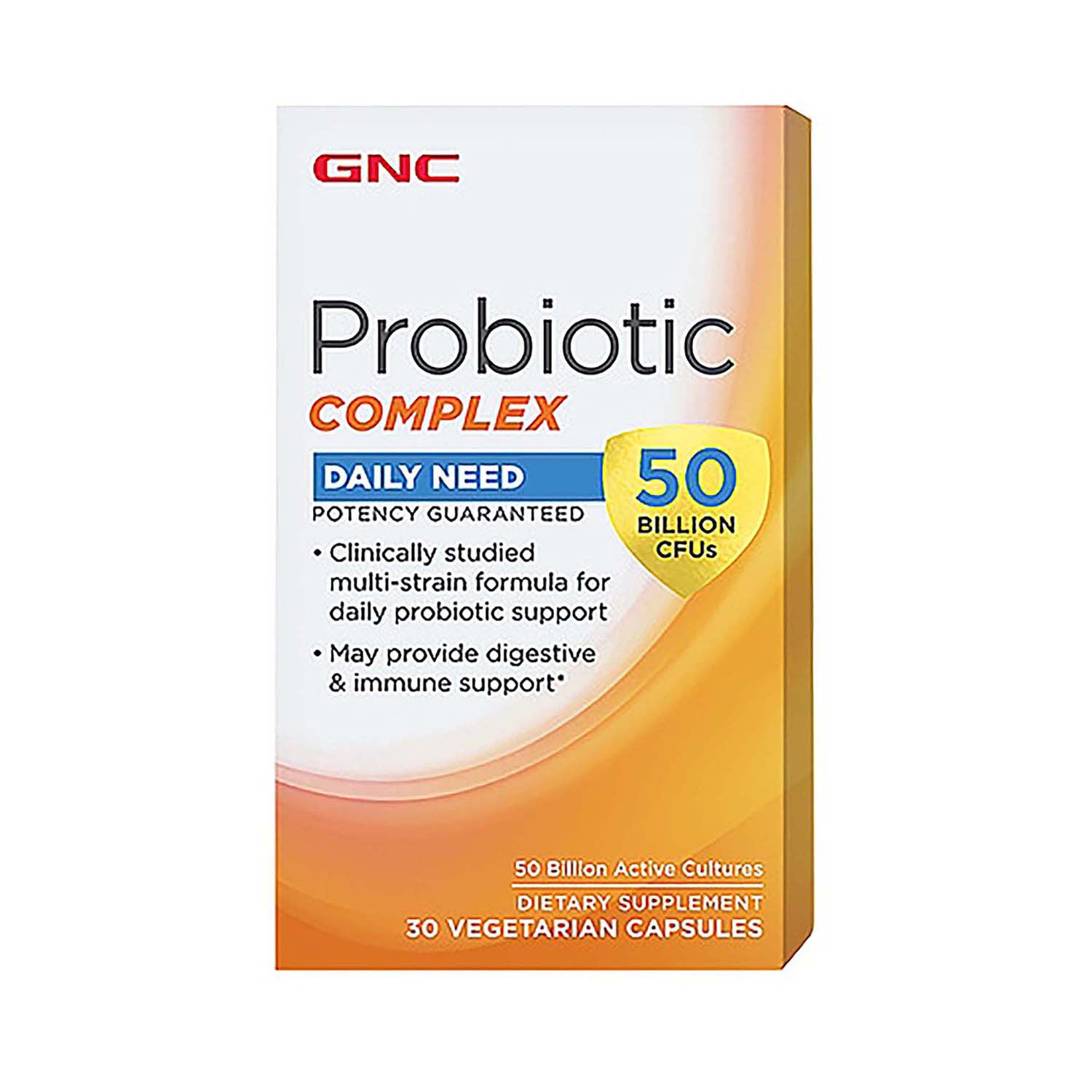





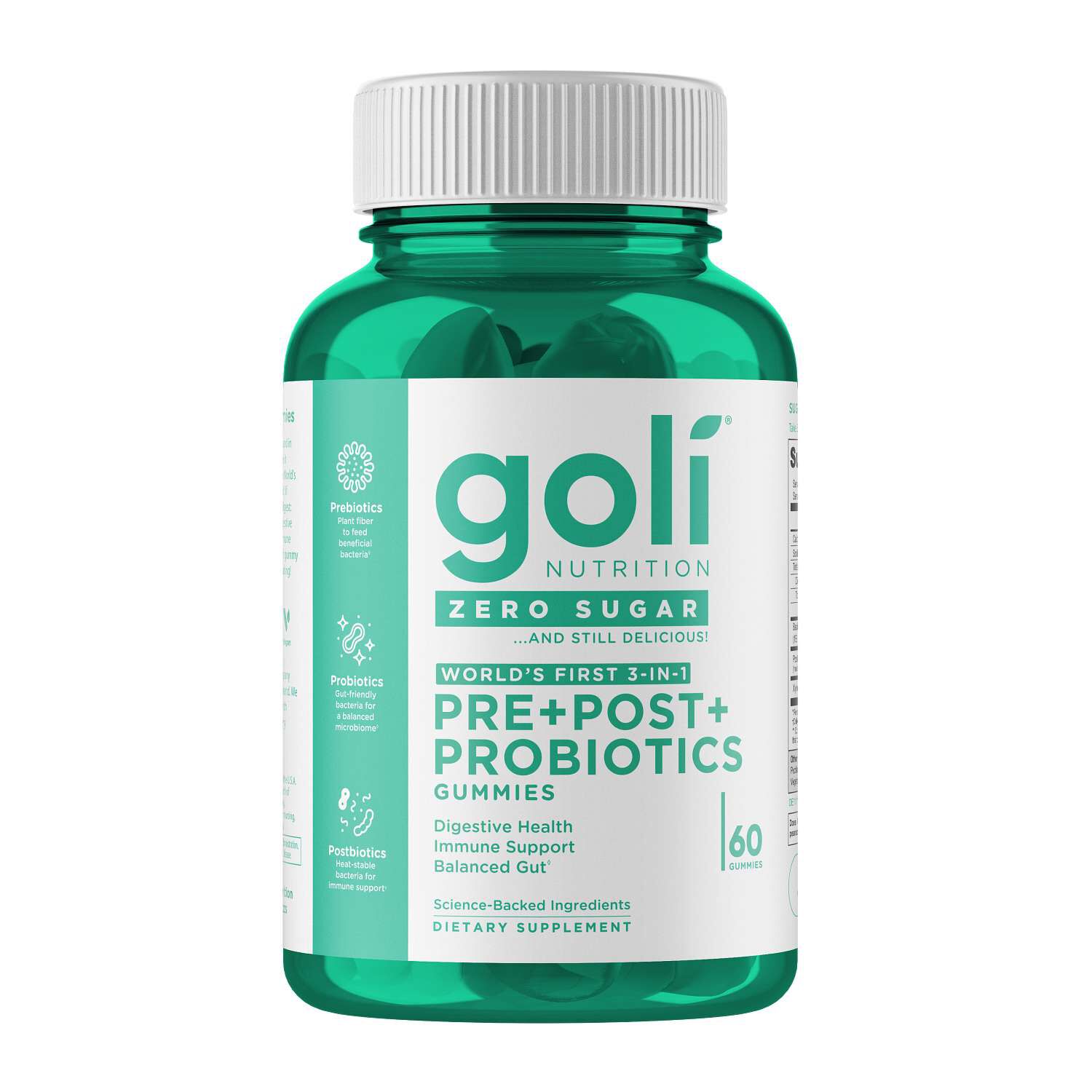
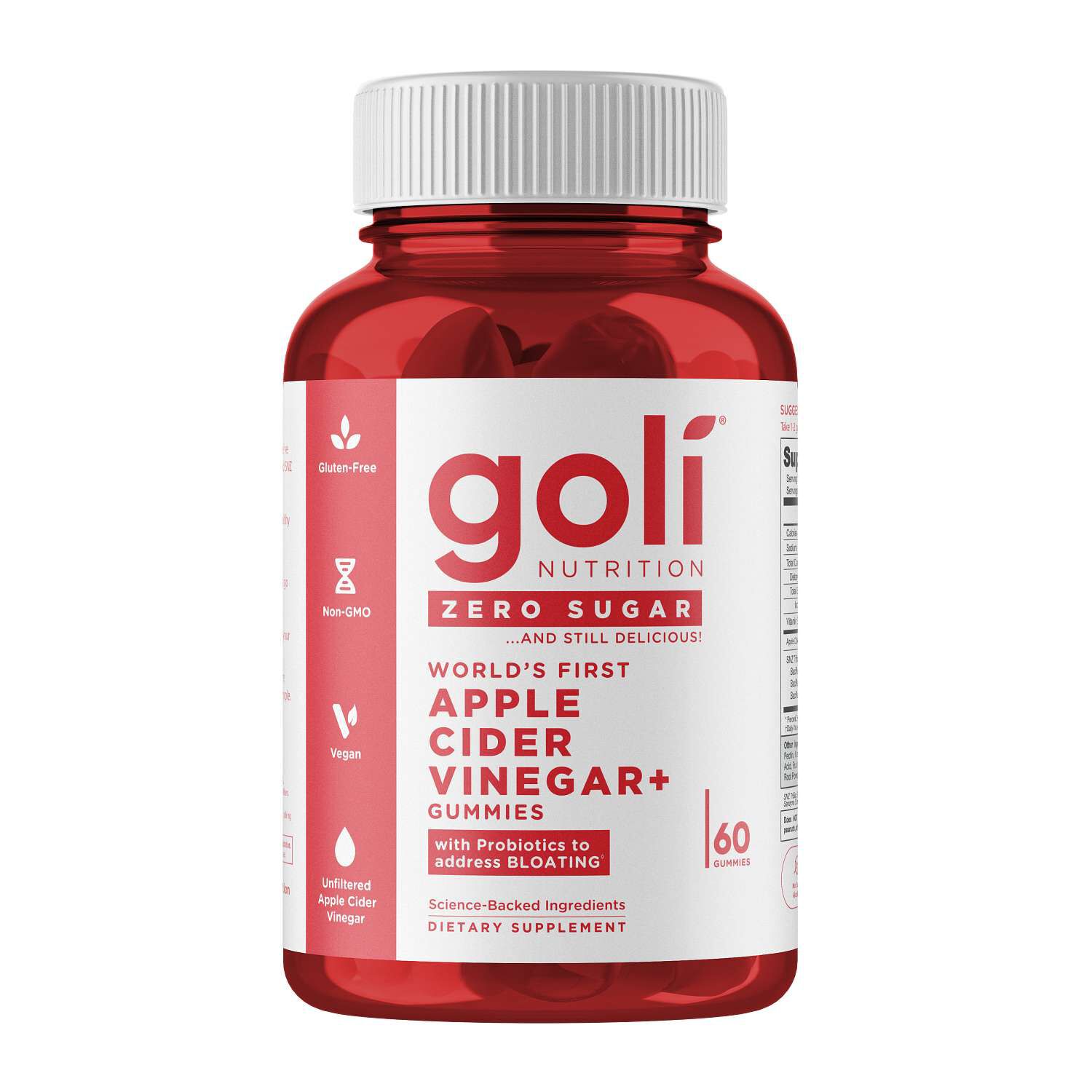
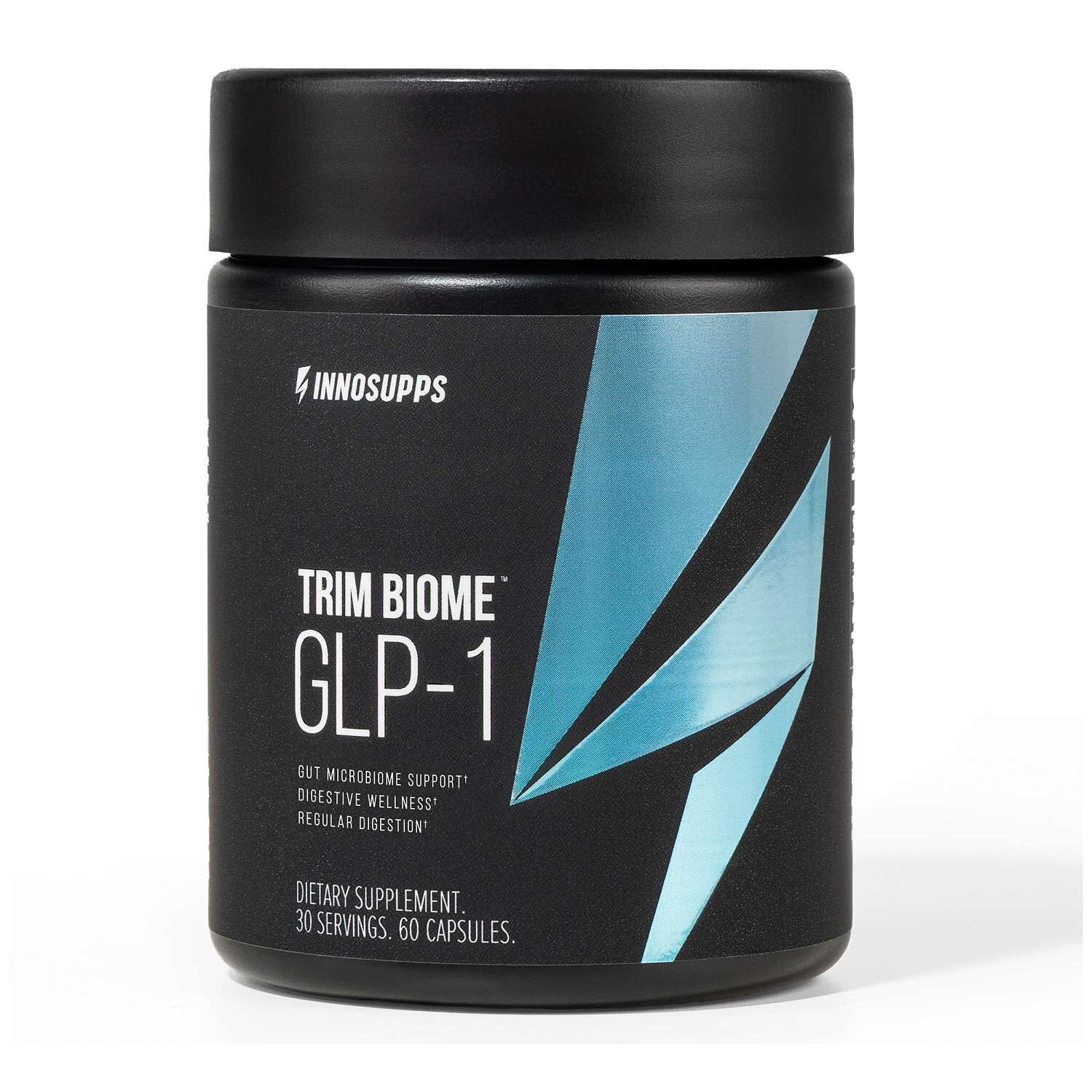
Keto gut health products are supplements intended for people who want to include digestive wellness in a low-carbohydrate eating routine. Common categories include probiotics, prebiotics, fiber supplements, and digestive enzyme formulas, each with a different ingredient focus and intended use. Probiotic supplements contain live microorganisms and may support a balanced gut environment, while prebiotic ingredients may nourish certain bacteria already present in the digestive tract. Fiber supplements may support digestive regularity, and enzyme formulas may support the digestion of particular food components. These categories are not interchangeable, even when their packaging uses similar language. For someone whose meals often feature eggs, fish, avocado, nuts, and nonstarchy vegetables, comparing formulas begins with understanding what each one contains rather than relying on a keto label alone. Carbohydrate content, serving size, added sugars, and the form of the supplement all matter when deciding how a product fits into an established routine. A flavored powder, a chewable supplement, and a capsule can have quite different ingredient profiles, including differences in sweeteners and serving amounts. The nutrition panel or Supplement Facts panel offers more useful detail than a front-label description by itself. Net carbohydrate statements also deserve a closer look at the underlying carbohydrate, fiber, and sugar alcohol information, since calculation methods can vary. A supplement labeled for keto eating is not necessarily carbohydrate-absent, and a larger serving may change how it fits within personal food preferences. These products may appeal to adults who already follow a keto eating pattern, people comparing lower-carbohydrate supplement formats, or shoppers who prefer to coordinate supplements with their everyday meals. Intended use is especially important: a product selected for its fiber content serves a different purpose from one selected for its probiotic strains. Viewing keto digestive supplements as distinct categories makes comparisons more meaningful and keeps attention on the details that distinguish one formula from another, including ingredient amounts, format, and storage requirements.
Probiotics and prebiotics often appear together in conversations about gut health, but their labels call for different kinds of comparison. A probiotic label may identify a genus, species, and strain, along with a count expressed in colony-forming units, or CFU. Strain information provides a more precise description than a broad reference to beneficial bacteria, and a higher CFU count alone does not establish that a formula is a better match. Some labels state a count through the expiration date, while others describe the count at manufacture; that distinction is worth noticing alongside storage directions. Prebiotic supplements, by contrast, focus on ingredients such as inulin or other fibers that certain gut microorganisms may use as nourishment. Not every fiber is a prebiotic, and blends can differ in both their fiber sources and the amount provided per serving. Shoppers comparing this category can explore Keto Friendly Prebiotics with attention to those ingredient and serving details. Some formulas combine probiotics with prebiotic ingredients, so reading both portions of the label helps clarify what the blend actually includes. Fiber powders may contain a single fiber source or several, and their texture can range from relatively light to noticeably thick when mixed as directed. An unflavored option may suit someone who prefers a neutral addition to a permitted beverage, while a flavored version brings its own taste and sweetener considerations. Digestive enzyme supplements have another set of distinctions. Labels may list enzymes such as lipase, protease, or amylase, which are associated with the digestion of fats, proteins, or carbohydrates, respectively. Enzyme activity measurements and serving directions provide useful context beyond the weight of a blend. A formula containing several ingredient categories is not automatically a closer fit than a simpler option. The more informative comparison is whether the listed ingredients, amounts, and intended use align with the type of supplement being considered, without assuming that similar category names mean identical formulations.
Everyday practicality matters just as much as the ingredient list when comparing keto gut health supplements. Capsules offer a premeasured format without the mixing step required by powders, while powders involve measuring, a suitable beverage, and attention to preparation directions. Someone packing breakfast before an early commute may prefer a different format from someone who regularly prepares meals at home and keeps a shaker cup beside the refrigerator. Capsule shell materials can also matter for dietary preferences; gelatin and plant-derived shells are different options, and the other ingredients list provides that detail. Powders, gummies, and chewables deserve the same close reading for flavorings, sweeteners, and ingredients that do not align with personal preferences. Allergen statements are another practical point of comparison, particularly for households where several people share a kitchen or food preparation space. Packaging and care requirements influence how well a supplement fits its intended setting. Certain probiotics require refrigeration, while others have different storage directions, so a bottle intended for the kitchen refrigerator may not suit a desk drawer or travel bag. Label instructions take priority over assumptions based on the supplement category. Expiration dates, closure design, and protection from moisture are useful details to consider, especially for powders opened repeatedly during the week. Individual packets offer a different storage and measuring experience from a larger container, though the serving information still needs to be checked rather than assumed. A container kept near a steaming kettle or in a vehicle exposed to changing temperatures may encounter conditions outside its stated storage directions. During the cooler months, the same attention applies when moving between heated indoor spaces and outdoor travel. For shared households, keeping supplements in their labeled packaging also preserves ingredient information and preparation directions for later reference. Because supplement preferences are personal, these purchases are generally better matched to the intended user’s stated preferences than chosen as a surprise gift. A thoughtful comparison brings together carbohydrate information, ingredient identity, serving format, taste, and care requirements. That combination offers a grounded way to select among keto gut health products without relying on broad packaging language or treating every digestive wellness formula as the same.
Best Sellers
-
 Physician's Choice
Related Pages

Top Collections
- Daily Collagen Supplements | Top Brands & Deals | GNC
- Cortisol Supplements
- Top Rated Collagen | Shop Customer Favorites | GNC
- Vitamins For Hair Loss
- NAD+ Supplement Tablets
- Peptide Supplements
- Best Brand of Magnesium Glycinate
- Protein Powders For Muscle Growth Support
- Vitamins That Help Support Weight Gain
- Peptide Supplements for Muscle Growth