





Keto Friendly Prebiotics
(0 Results)
Explore the world of keto friendly prebiotics, where gut health meets dietary preferences. These innovative supplements might support your digestive system while aligning with your ketogenic lifestyle. Prebiotics could be an excellent addition to your routine, potentially enhancing nutrient absorption and overall well-being. Dive into options designed to complement your low-carb diet, offering a seamless blend of taste and nutrition. Whether you're new to keto or a seasoned pro, discovering the right prebiotic solution might be the key to unlocking optimal health and vitality.
-

-
-

-

-

-

-
-

-

-
 $17.99
-
 $26.99
-
-
 209$34.99
-

-
-
-
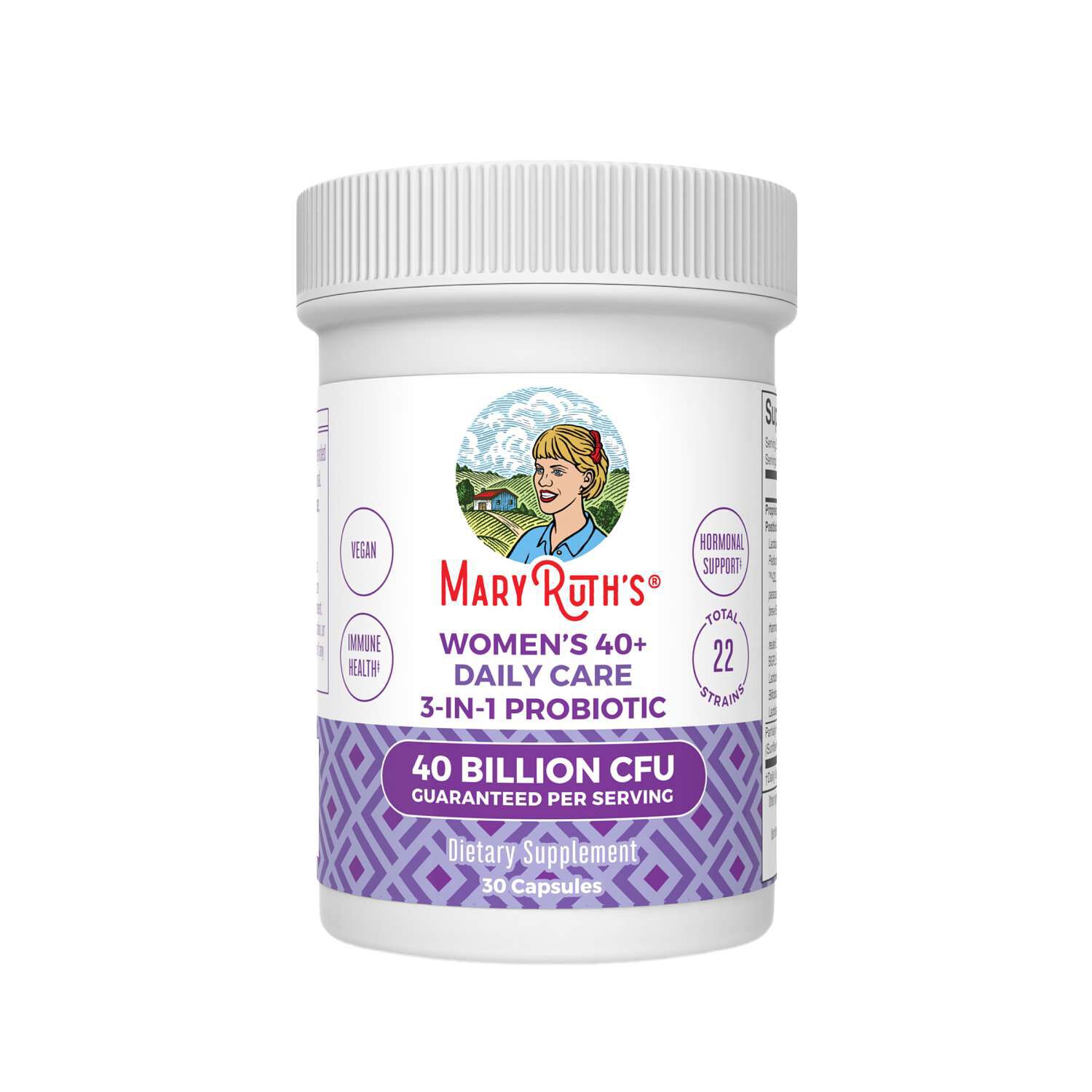







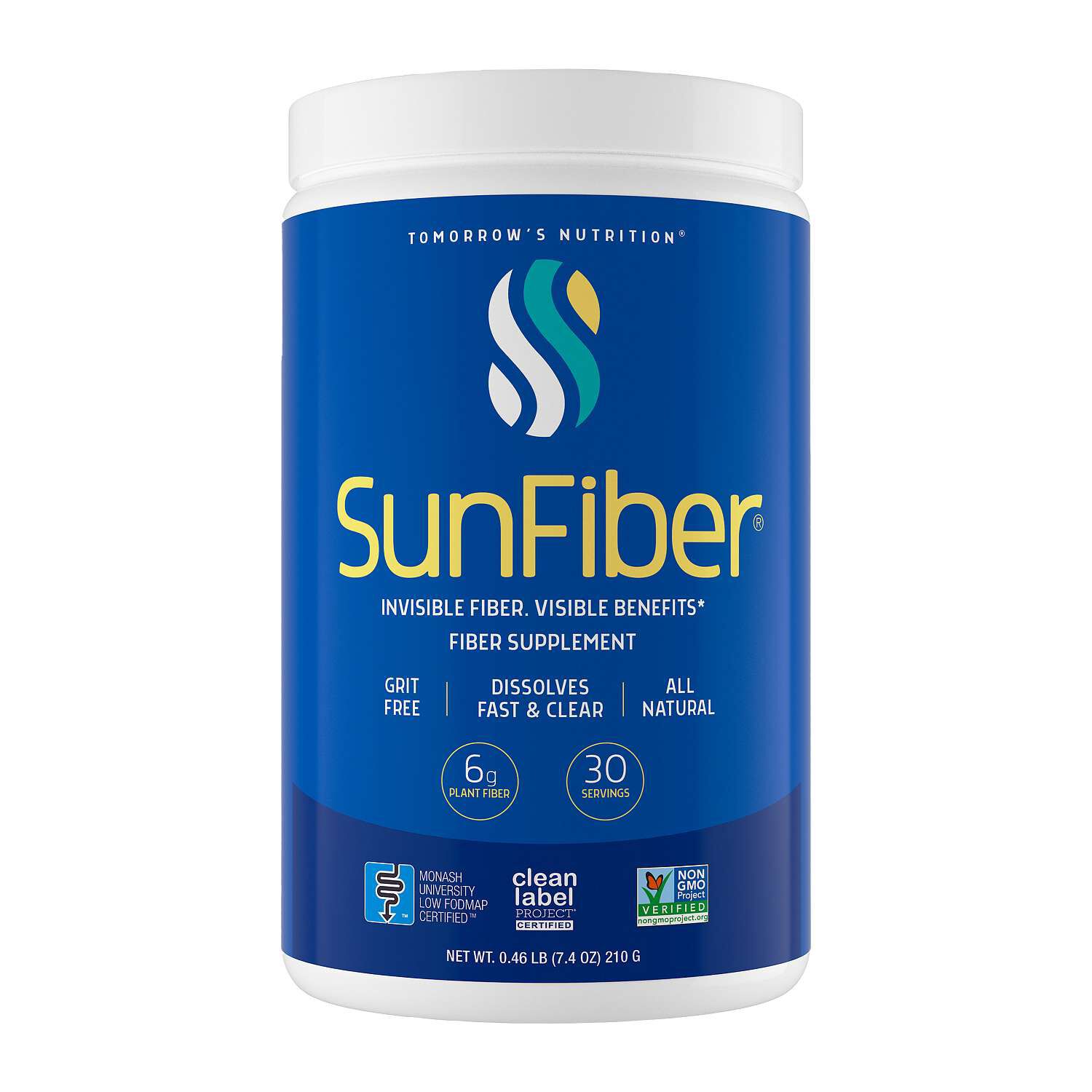
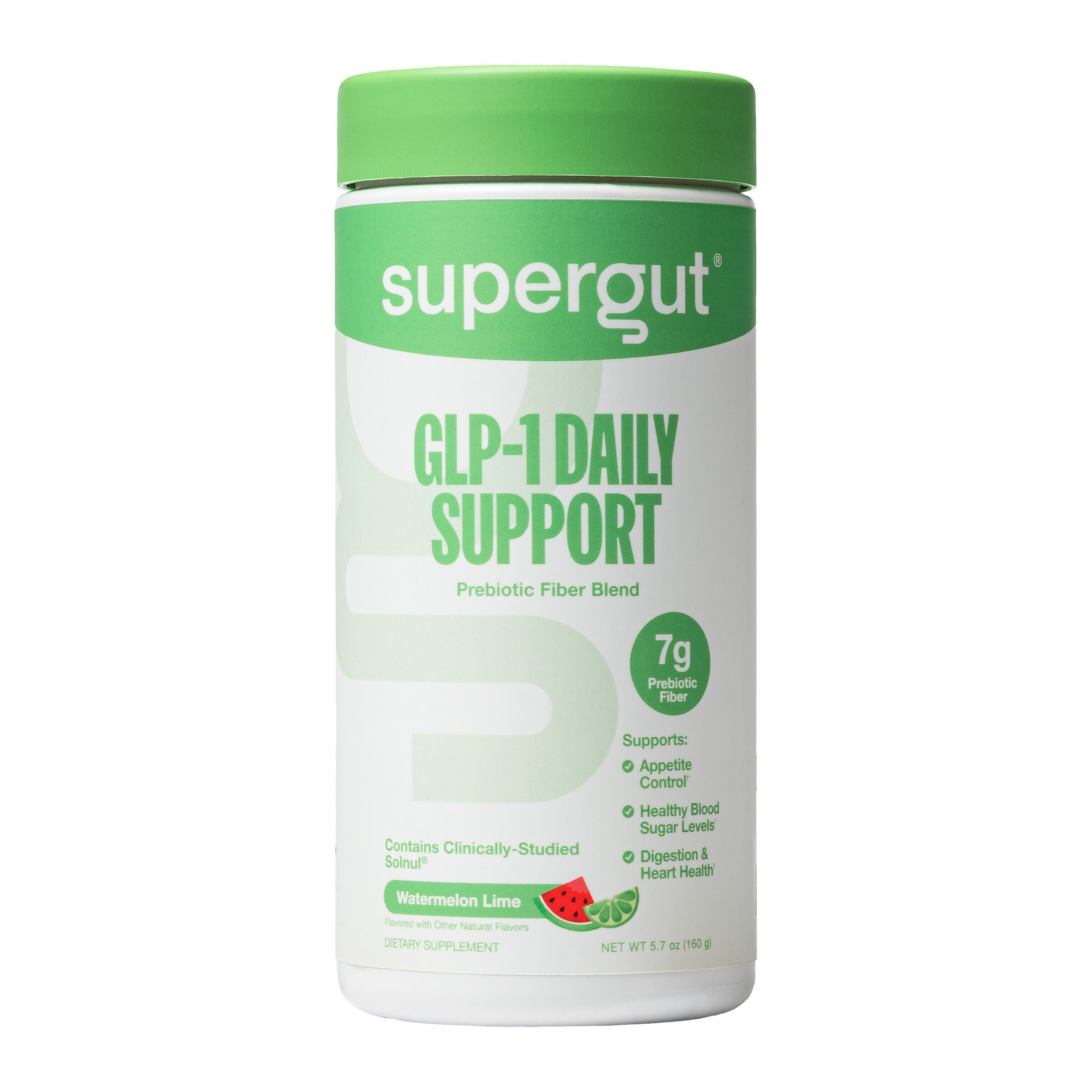
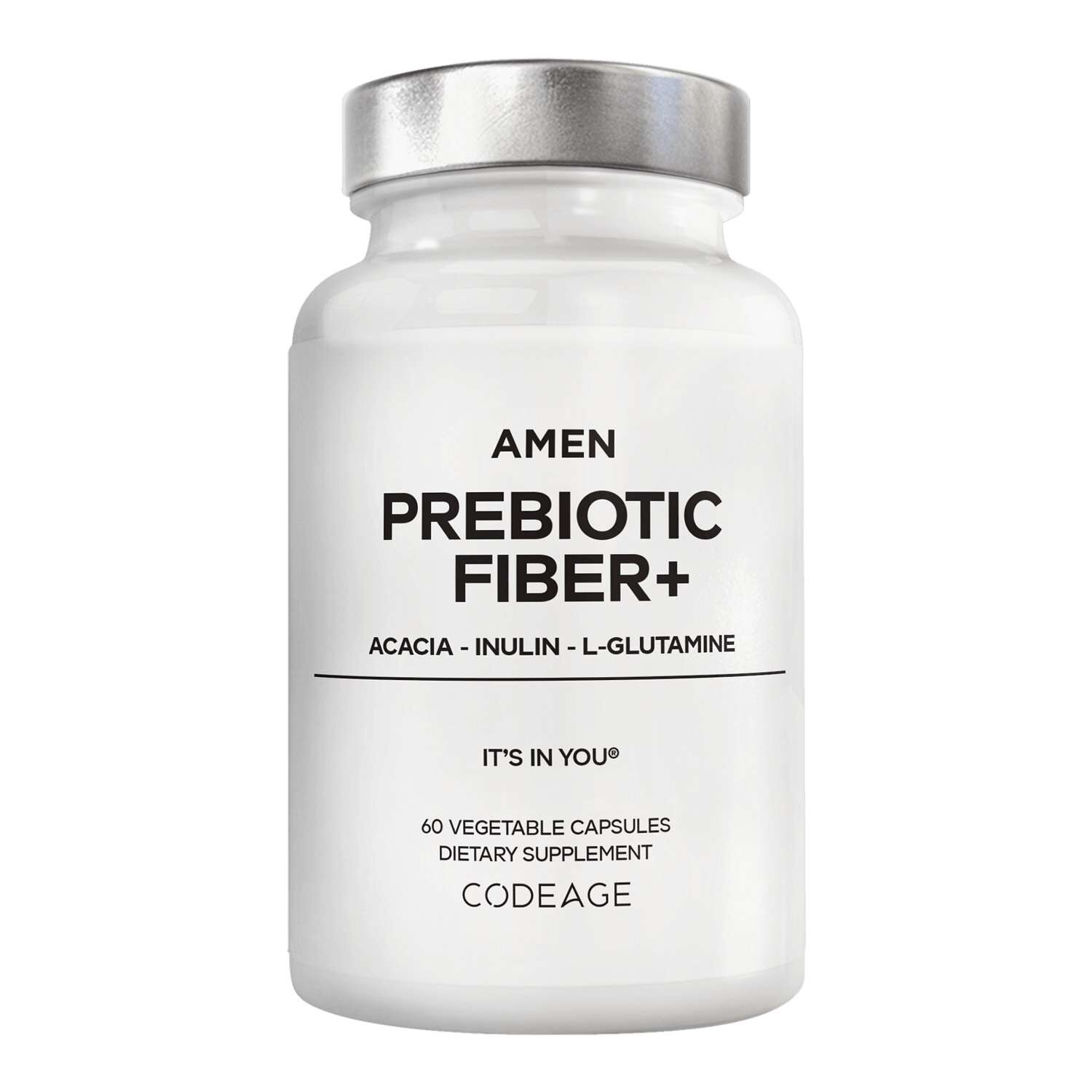
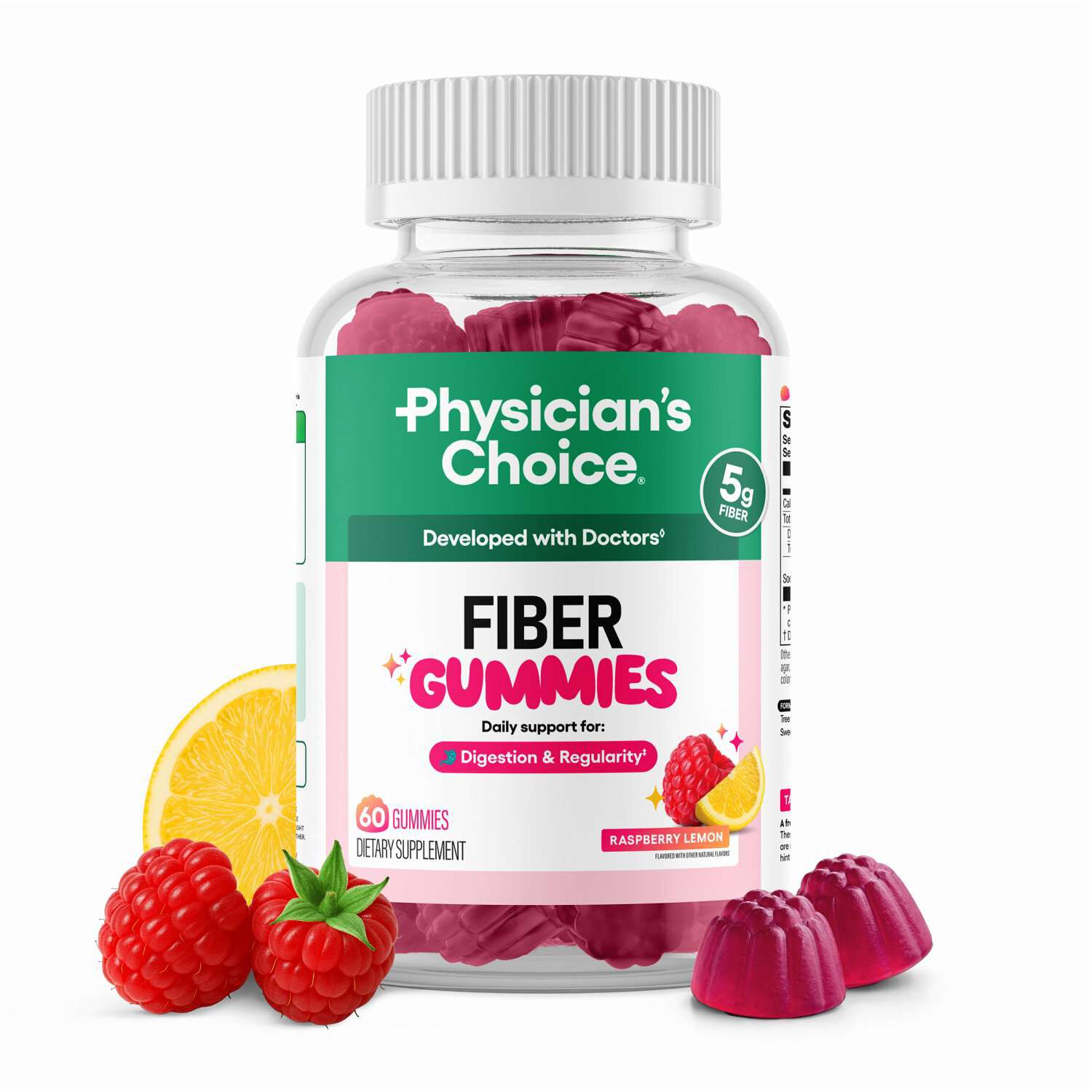
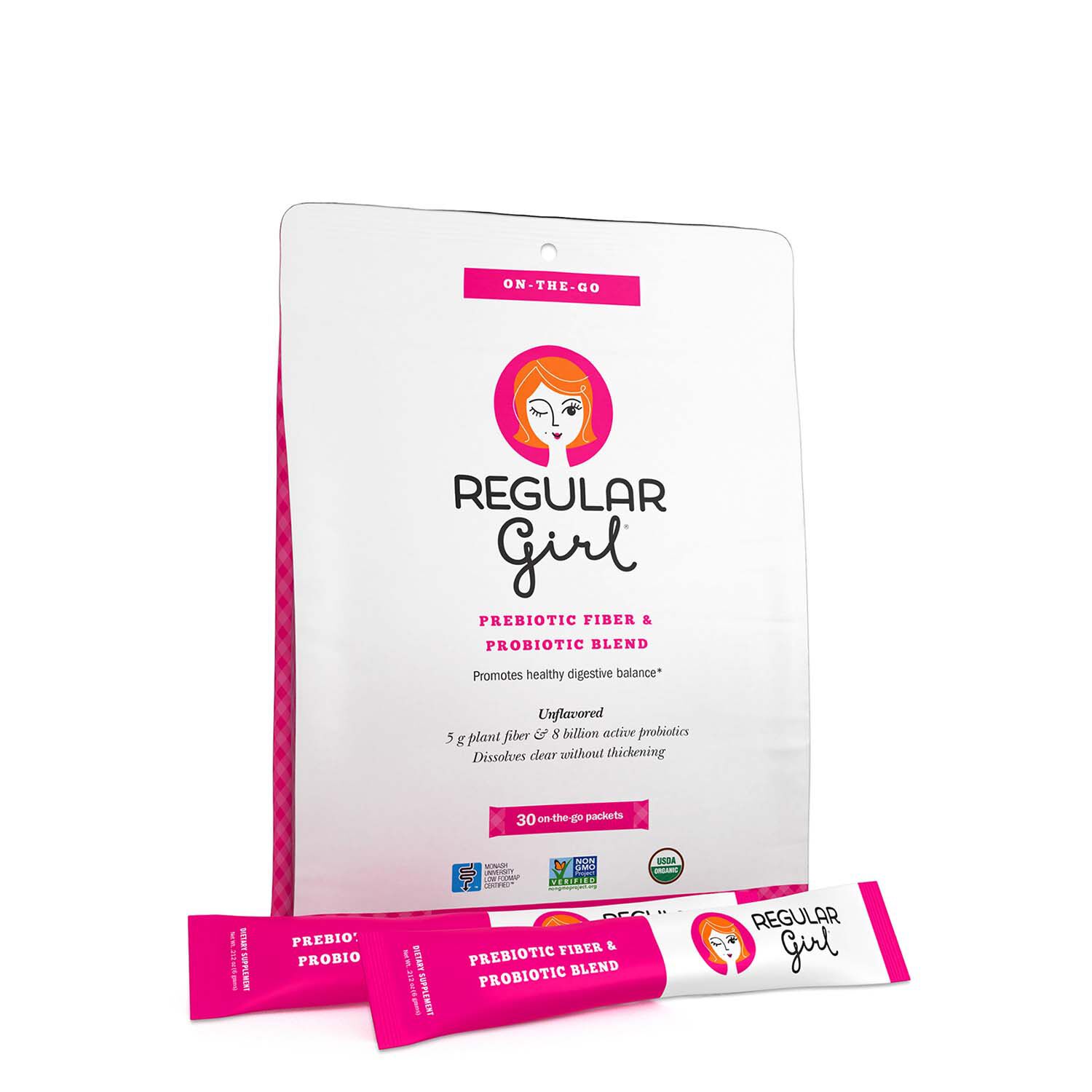
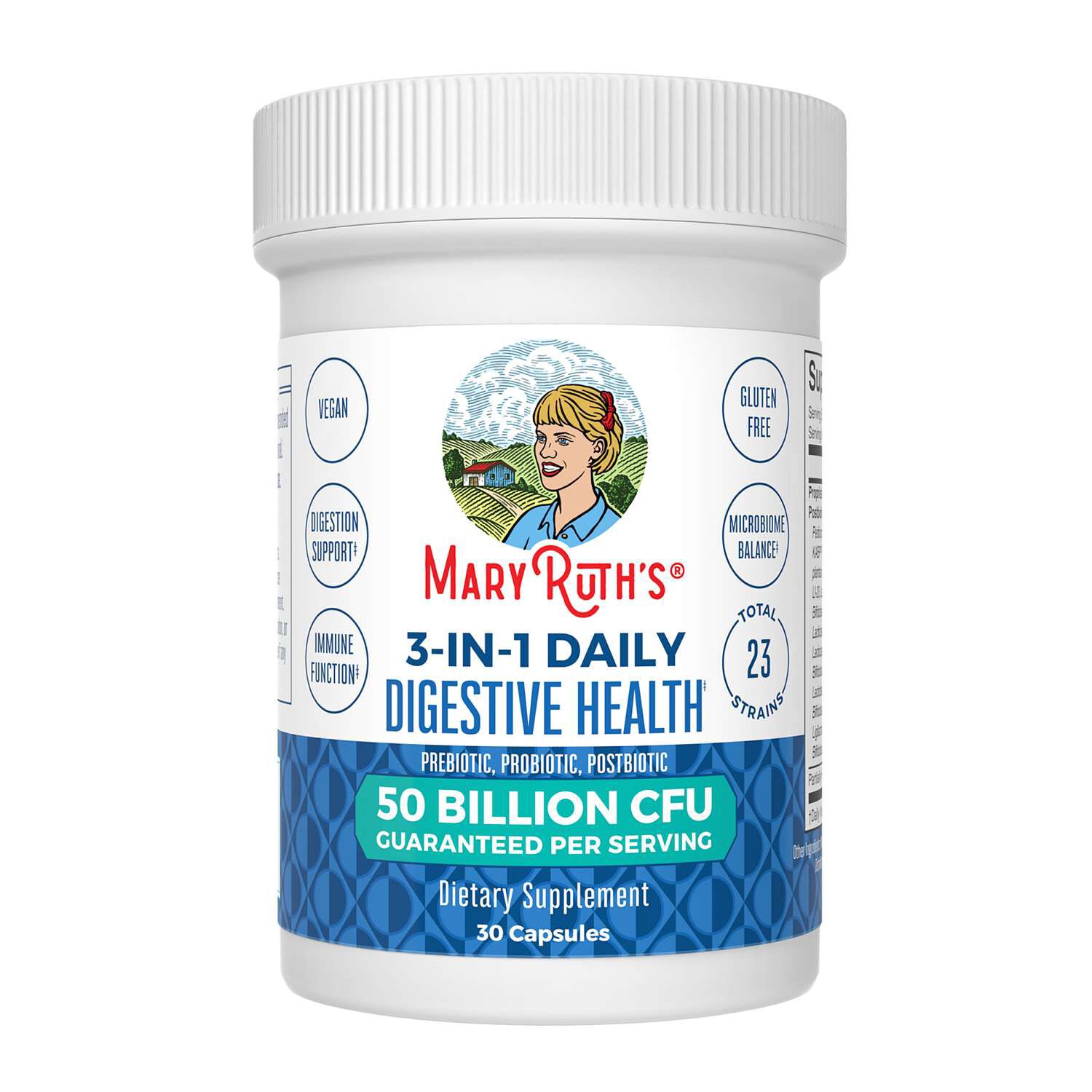
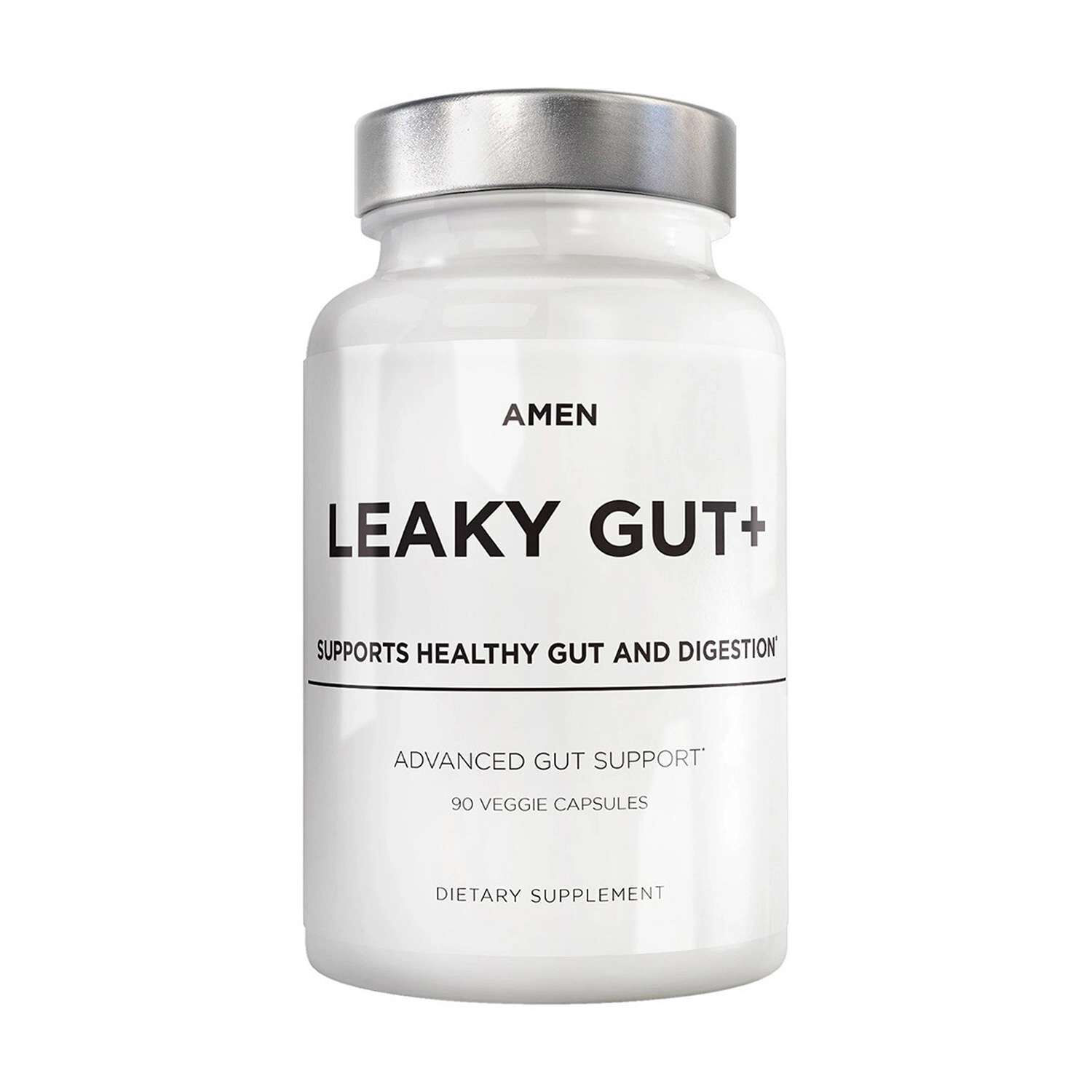
Keto-friendly prebiotics are supplements made with prebiotic ingredients, often dietary fibers, whose carbohydrate content may fit a keto eating pattern. Certain prebiotic fibers may serve as a food source for beneficial gut bacteria, making them a consideration for shoppers interested in both carbohydrate-conscious nutrition and gut health. Prebiotics are different from probiotics: probiotic supplements contain live microorganisms, while prebiotic supplements contain ingredients those microorganisms may use. Some formulas combine both, so reading the ingredient list is more informative than choosing by the category name alone. For keto-friendly prebiotics, the Nutrition Facts or Supplement Facts panel is a useful starting point. Compare the serving size, dietary fiber amount, carbohydrate information, and added sugars wherever those details appear. A powder measured by the scoop and a capsule formula measured by several capsules can look similar at a glance while providing different amounts per labeled serving. Front-label net carbohydrate statements also deserve attention because calculations are not standardized across all labels. Fiber is included within carbohydrate information on U.S. nutrition labels, and the presence of fiber does not automatically make every formula suitable for a particular eating plan. Likewise, a statement about added sugar does not describe the entire carbohydrate profile. Ingredient lists may feature inulin from chicory root, fructooligosaccharides, acacia fiber, or other fiber ingredients, each with its own formulation characteristics. Some supplements contain a single fiber source; others use a blend. These distinctions matter when comparing ingredient preferences, serving sizes, and preparation directions. Keto-friendly wording is best considered alongside the actual label rather than treated as a substitute for it. Shoppers who already plan meals around a personal carbohydrate target can use those details to consider how a supplement fits alongside food and beverages. Prebiotic supplements are intended to complement a varied eating pattern, not replace it. Foods such as avocado, leafy greens, chia seeds, and flaxseeds can also contribute dietary fiber to a carbohydrate-conscious menu, although not every dietary fiber has the same prebiotic properties.
The right format depends as much on everyday habits as on the ingredients inside the container. Powdered keto-friendly prebiotics may appeal to someone who prefers adding a measured serving to a beverage or food rather than taking capsules. An unflavored powder could suit a routine built around plain yogurt or a simple protein shake, provided those uses match the package directions. Flavored powders may be a better match for shoppers who prefer a prepared drink, but flavor names do not reveal the sweetener system or carbohydrate content. Look beyond the flavor description to see whether the formula includes added sugars, sugar alcohols, or other sweeteners. Capsules may suit someone who values a straightforward format without mixing, while chewable options require the same careful review of serving size and ingredients as powders. A serving can consist of more than one capsule or chewable, so the amount listed on the panel should be read together with the serving instructions. Texture is another practical consideration. Some fiber powders may blend more readily into certain liquids, while others may create a thicker consistency or remain noticeable in a drink. Preparation directions can clarify the amount of liquid to use and whether stirring or shaking is recommended. For someone who enjoys a smooth shake before leaving for work, those details may matter more than an elaborate flavor description. For someone who usually carries a water bottle and eats meals away from home, the need for a scoop, a mixing container, and a suitable place to prepare the serving is worth considering. Ingredient preferences deserve similar attention. A plant-derived fiber ingredient does not establish that the entire formula meets vegetarian or vegan preferences, and capsule materials, flavorings, and other ingredients can differ. Review allergen statements and any clearly identified dietary certifications rather than making assumptions from the fiber source. The most useful comparison keeps format, ingredient composition, preparation requirements, and the amount in a labeled serving together.
Keto-friendly prebiotics may fit most naturally into a routine that already has a consistent place for supplements. That could mean keeping a container near the supplies used to prepare breakfast, setting aside space in a kitchen cabinet for a labeled scoop, or choosing a format that matches an established meal routine. A person who regularly prepares a shake has different practical needs from someone who prefers supplements with no mixing step. Package design matters here, too: a securely closing lid, readable directions, and a clearly marked serving tool are useful details to review. For powders, use the measuring method specified on the label rather than assuming that an ordinary kitchen spoon matches the stated serving. If a formula requires several capsules per serving, consider that serving as a whole when comparing it with another option. Follow the product’s use and storage directions, keep the container closed between uses, and avoid introducing moisture with a wet scoop. Keeping supplements in their original packaging preserves access to ingredient information, preparation instructions, and the printed expiration date. Those details are particularly useful when more than one person shares a kitchen cabinet or when several supplements have similar-looking containers. It is also worth comparing a prebiotic with other supplements already in the routine, since a fiber blend, a probiotic combination, or a nutrition powder may contain overlapping ingredients. Looking at the labels together gives a clearer picture than evaluating each front panel separately. For a broader view of related supplement categories, explore Keto Gut Health Products and compare the ingredient types and formats with the routine in mind. The distinction between a prebiotic-focused formula and a combination formula remains important, even when both are described with similar gut-health language. A thoughtful selection rests on understandable label information, a suitable format, and directions that work with everyday habits. Whether the preference is a measured powder or a capsule format, attention to these practical details may make a keto-friendly prebiotic easier to incorporate into an established nutrition routine.
Best Sellers
-
 Physician's Choice

Related Pages


Top Collections
- Daily Collagen Supplements | Top Brands & Deals | GNC
- Cortisol Supplements
- Top Rated Collagen | Shop Customer Favorites | GNC
- Vitamins For Hair Loss
- NAD+ Supplement Tablets
- Peptide Supplements
- Best Brand of Magnesium Glycinate
- Protein Powders For Muscle Growth Support
- Vitamins That Help Support Weight Gain
- Peptide Supplements for Muscle Growth