





Keto Fiber Supplements
(0 Results)
Looking to boost your fiber intake while following a keto diet? Our Keto Fiber Supplements are specially formulated to help you maintain a healthy digestive system and support your weight management goals. With a blend of high-quality fibers, these supplements can help you feel fuller longer, promote gut health, and keep you on track with your low-carb lifestyle. Discover our selection of keto-friendly fiber supplements to support your overall well-being and make sticking to your dietary goals easier than ever.
-
-
-

-

-

-

-
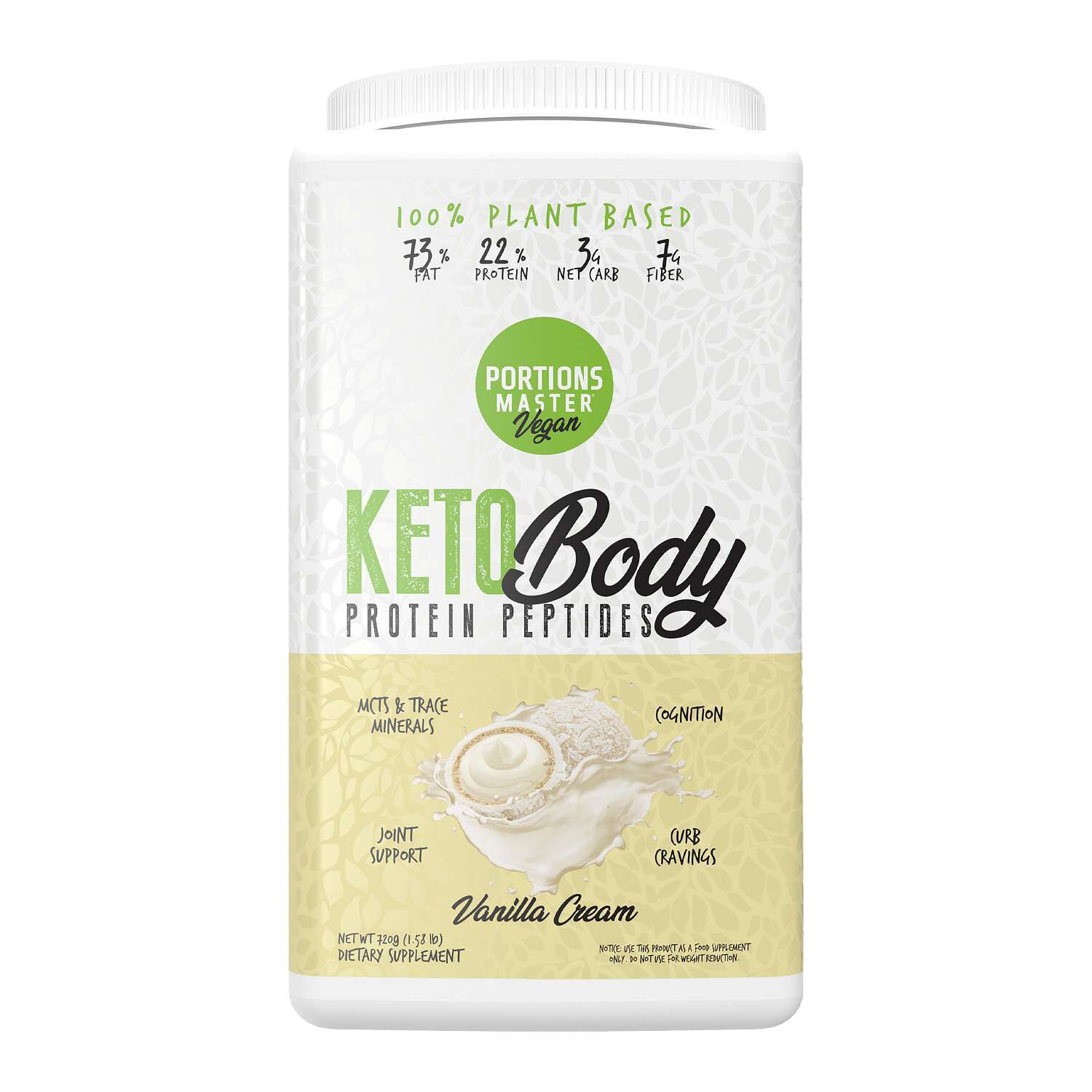 Portions Master$49.99
-

Keto fiber supplements are powders, capsules, and other formats intended to add dietary fiber to a carbohydrate-conscious eating routine. Common fiber sources include psyllium husk, acacia fiber, and inulin, with differences in texture, flavor, concentration, and preparation. A suitable option depends on the amount of fiber per serving, the other ingredients in the formula, and how the serving fits into an individual eating pattern—not simply whether the package uses the word “keto.” Ketogenic eating patterns often limit foods such as bread, cereal, beans, and certain fruits, which can change the mix of fiber-containing foods on the plate. Vegetables, nuts, seeds, and avocado can still contribute dietary fiber, while a supplement may provide another convenient way to include it. For someone whose usual breakfast is eggs and avocado, or whose lunch centers on leafy greens and protein, the practical appeal may be a measured serving that fits alongside familiar meals. When comparing labels, look at carbohydrates, dietary fiber, added sugars, and serving size together. The term “net carbs” commonly refers to a calculation that subtracts dietary fiber and sometimes sugar alcohols from the carbohydrate amount, but calculation methods can differ. A net-carb statement is therefore most informative when read alongside the Nutrition Facts or Supplement Facts panel and the ingredient list. Unflavored does not automatically mean that a formula contains only fiber, and a flavored option is not automatically unsuitable for a low-carbohydrate routine. Sweeteners, flavoring ingredients, and other additions deserve the same attention as the featured fiber source. The most useful comparison is between equivalent labeled servings rather than similarly sized containers or matching scoops. A larger scoop can contain a different amount of fiber, and capsule servings can involve more than one capsule. Those details help distinguish a concentrated fiber formula from a blend with a smaller fiber amount per serving. They also make it easier to compare formats without relying on front-label language alone.
The ingredient source often explains what a keto fiber supplement may be like to prepare and use. Psyllium husk comes from the outer covering of psyllium seeds and is commonly found in powders and capsules. In a liquid mixture, psyllium may create a noticeably thicker texture, making preparation directions and the time between mixing and drinking particularly relevant. Acacia fiber is derived from acacia tree gum and is often used in powders with a comparatively subtle flavor; its texture and mixing characteristics still depend on the finished formula. Inulin, frequently sourced from chicory root, appears in standalone powders and blends, where accompanying ingredients can influence sweetness and mouthfeel. These sources are not interchangeable from a shopping perspective, even when two labels show similar fiber amounts. One formula may suit someone who prefers a plain beverage, while another may fit better into a labeled preparation involving a soft food. Powder formats offer flexibility, but the package should specify the appropriate liquid, quantity, and mixing method. A powder intended for water should not be assumed to behave the same way in coffee, a thick shake, or yogurt. Fine particles may disperse differently from coarser material, and stirring with a spoon may produce a different texture than using a shaker. For a shopper who enjoys a flavored drink, taste matters alongside carbohydrate content: sweetness, citrus notes, and a lingering aftertaste can all shape the everyday experience. Someone who prefers the taste of an existing beverage may instead favor an unflavored formula. Capsules remove the powder-mixing step, although capsule size and the number required for a labeled serving remain important considerations. Chewable formats and gummies bring another set of ingredients to review, including sweeteners and the amount of fiber in each serving. A compact format may be convenient for a work bag, but convenience alone does not establish how closely it matches another formula. Comparing the actual serving information keeps the focus on what each format contains rather than its appearance.
Everyday fit also includes measuring, storage, and the amount of preparation a shopper wants to handle. A tub of powder may suit a kitchen counter where a clean measuring utensil and a drinking glass are close at hand. Individually packaged portions may suit a packed lunch or travel bag when the label provides suitable preparation instructions. Capsules may appeal to someone who prefers less mixing equipment, while a resealable pouch may require a little more care when opening, measuring, and closing it. Packaging is worth considering beyond its shape: a secure closure helps protect the contents from moisture, and clear serving instructions make repeat preparation more straightforward. Follow the labeled storage conditions, keep measuring utensils clean and dry, and retain the original packaging so ingredient information and directions remain accessible. Any liquid quantity specified on the package is part of the preparation instructions, not an optional detail to overlook when choosing a smaller glass. For powders, check whether the serving is measured by scoop, teaspoon, or another stated amount; utensils from different containers are not necessarily equivalent. Texture preferences also matter over time. A formula that creates a thick drink may appeal to one shopper and feel less suitable to another who wants a lighter consistency. Ingredient lists can clarify whether a product contains a single fiber source or a blend, as well as any flavors, colors, or other components relevant to personal dietary preferences. Shoppers comparing larger-container formats can also explore Bulk Fiber Supplements with the same attention to serving size, fiber source, and preparation details. Container size alone does not indicate the amount of fiber in each serving or how a formula fits a carbohydrate-conscious routine. For keto fiber supplements, the clearest shopping criteria remain readable nutrition information, suitable ingredients, a preferred format, and directions that work with everyday habits. Those concrete details may make a selection easier to incorporate alongside meals without treating a supplement as a replacement for dietary variety.
Best Sellers
-
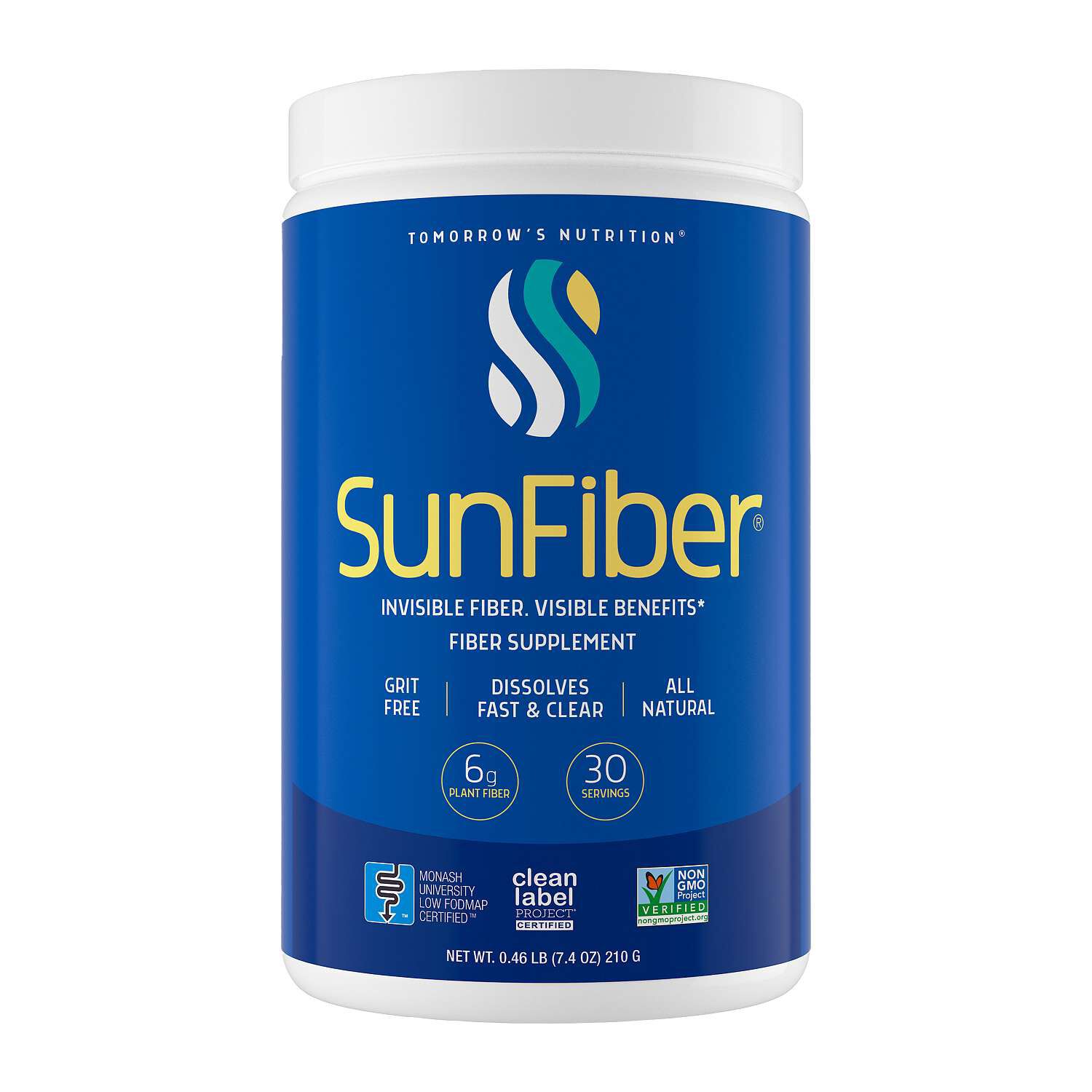
Tomorrow's Nutrition
-
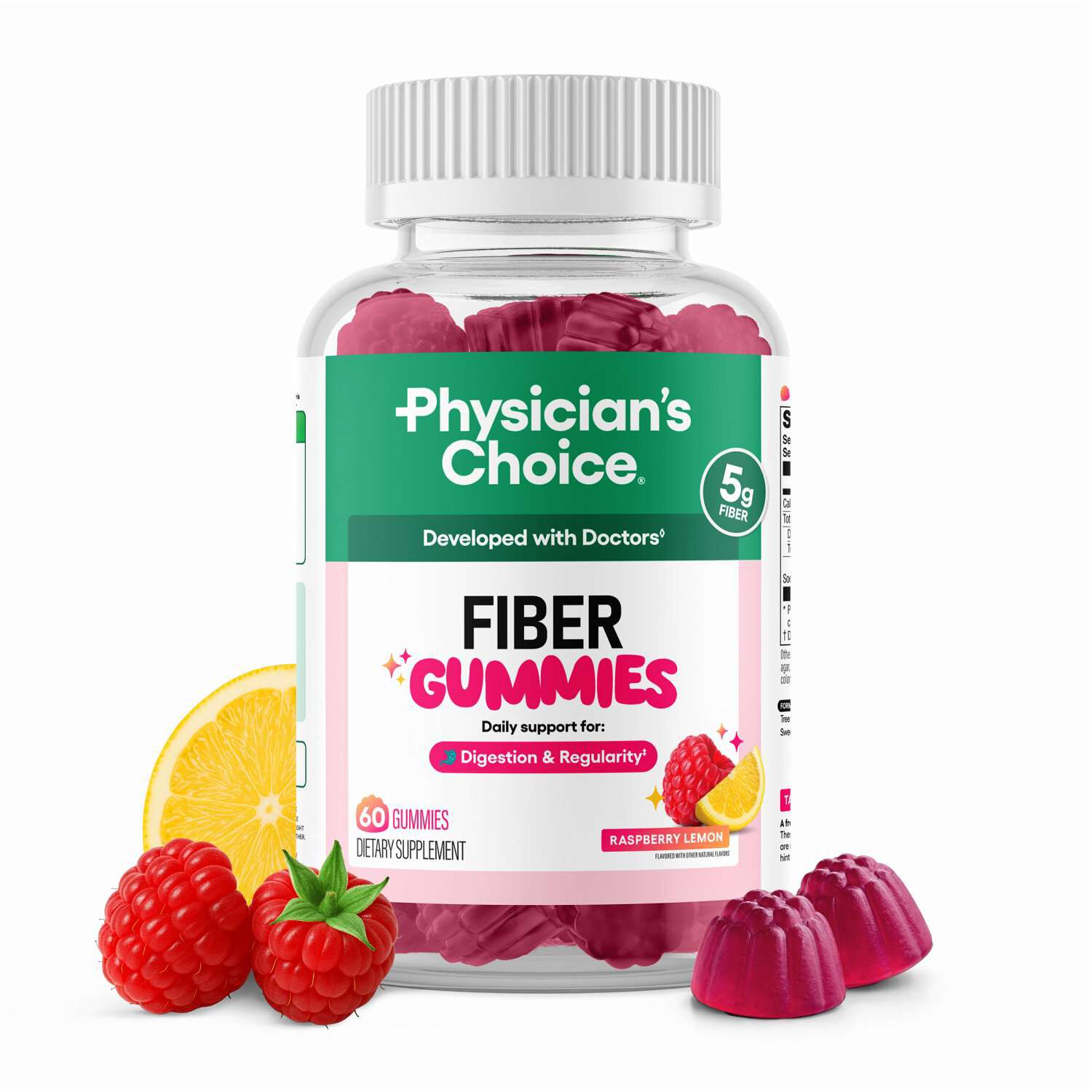 Physician's Choice
-
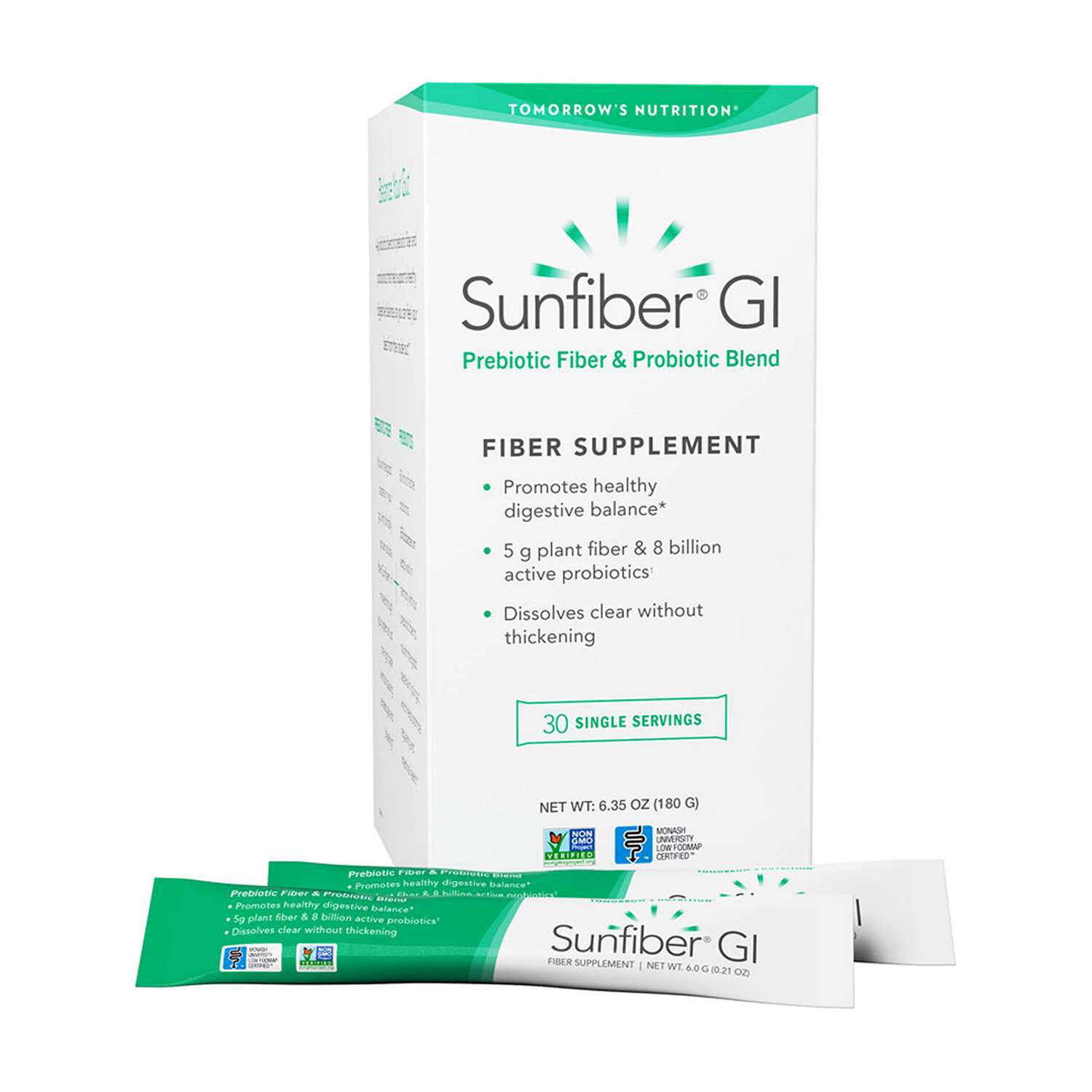
Tomorrow's Nutrition

Related Pages
Top Collections
- Daily Collagen Supplements | Top Brands & Deals | GNC
- Cortisol Supplements
- Top Rated Collagen | Shop Customer Favorites | GNC
- Vitamins For Hair Loss
- NAD+ Supplement Tablets
- Peptide Supplements
- Best Brand of Magnesium Glycinate
- Protein Powders For Muscle Growth Support
- Vitamins That Help Support Weight Gain
- Peptide Supplements for Muscle Growth