Kosher Fiber Supplements
(0 Results)
Explore the world of kosher fiber supplements, where quality meets dietary needs. These supplements may support digestive health and promote regularity, all while adhering to kosher standards. Whether you're looking to increase your daily fiber intake or seeking a specific dietary solution, our selection offers a variety of options to fit your lifestyle. Discover how incorporating kosher fiber supplements into your routine could contribute to overall wellness and vitality.
-

-

-
-

-

-
 $17.99

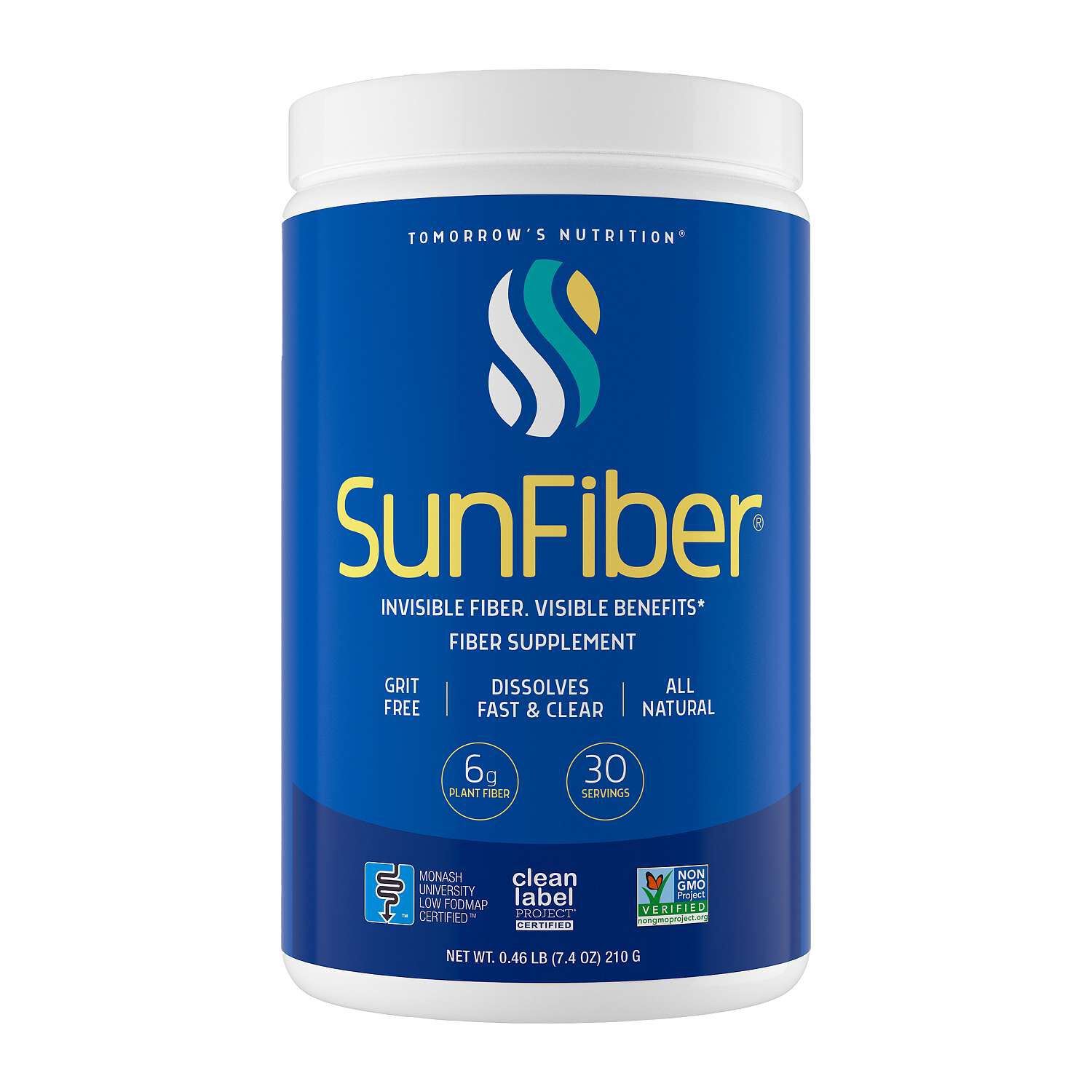
Kosher fiber supplements offer a practical way to add supplemental fiber to a daily routine while keeping kosher purchasing preferences in mind. Fiber is found in many plant foods, yet busy schedules, changing meal patterns, travel, and cooler-season routines can make it harder to include a variety of fiber-rich choices each day. A supplement may provide a convenient option for people who want to keep a fiber product on hand at home, at work, or while traveling. These products are available in several formats, including powders that can be stirred into water or another beverage, capsules that may suit shoppers who prefer a simple routine, and chewable options for those who do not enjoy mixing a drink. Depending on the formula and serving directions, fiber may support regularity and digestive comfort when used as part of a balanced eating pattern. Because individual needs differ, shoppers should read the package directions carefully, begin with the suggested serving, and consider adding the product gradually. Drinking enough fluid may also be helpful when adding supplemental fiber to a routine. Anyone with a health concern, a specialized eating plan, or questions about combining supplements with prescribed treatments should speak with a qualified healthcare professional before use. A kosher designation can add another layer of confidence for shoppers who follow Jewish dietary practice, but certification details can vary by product, flavor, package size, and production run. Look for a recognized kosher symbol on the package and review the certifier’s current information rather than relying only on an older label or a product description.
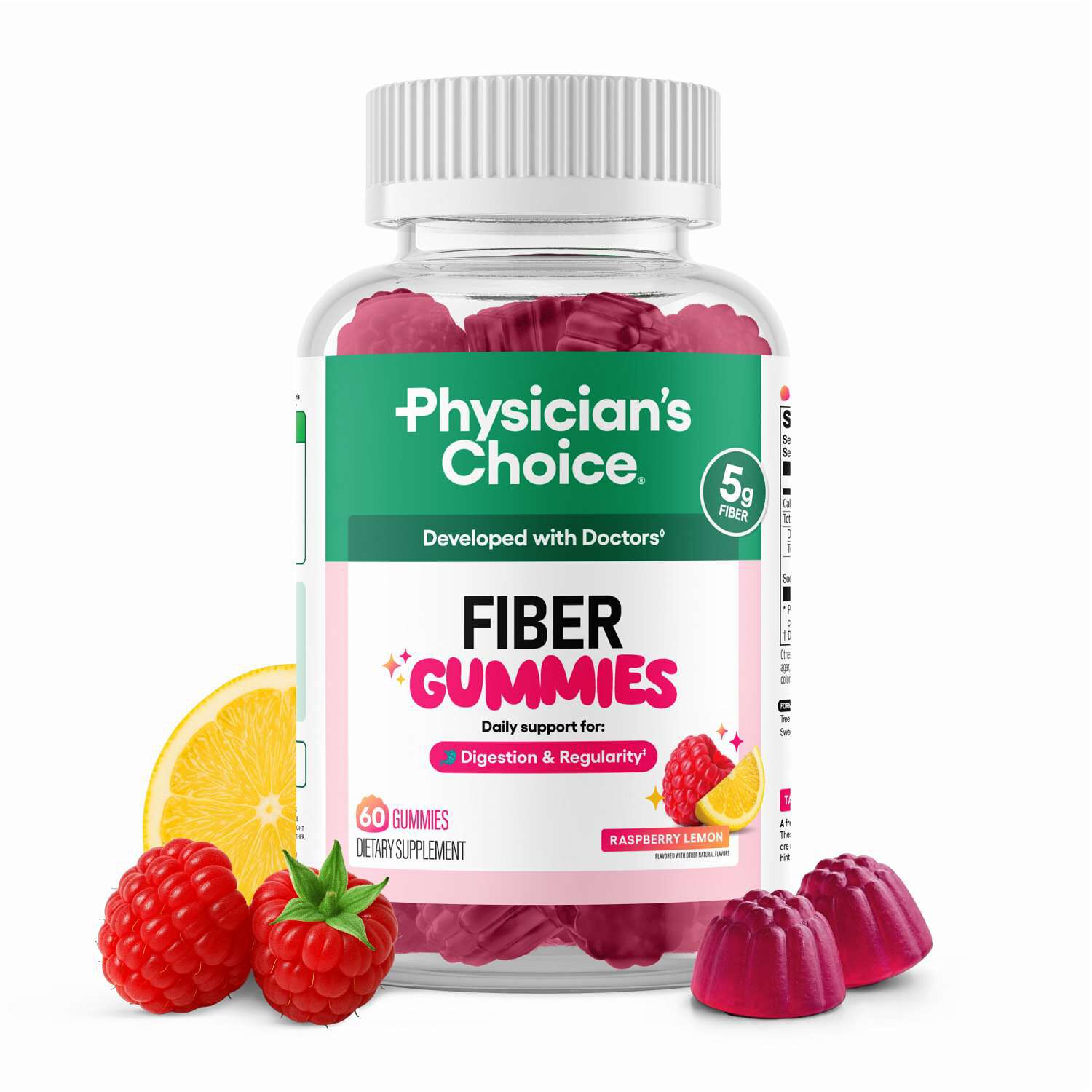
When comparing kosher fiber supplements, start with the format that fits the way the product will actually be used. Powdered fiber can be a good match for someone who already starts the day with water, coffee, a smoothie, or yogurt and prefers to adjust a routine without swallowing capsules. Some powders have a neutral taste, while others include a fruit-inspired flavor, so shoppers may want to read the label for mixing instructions, serving size, sweeteners, and texture. Capsules can be convenient for a desk drawer, travel bag, or bedside cabinet, although they may require several capsules per serving. Gummies and other chewable formats may appeal to adults who prefer a more familiar texture, but it is still important to review the serving directions and ingredient list. Common fiber sources may include psyllium husk, wheat dextrin, inulin, or other plant-based fibers, and each type may feel different in a person’s routine. Labels can also show added ingredients, such as flavoring, sweeteners, enzymes, or other nutrients, which may matter to shoppers managing dietary preferences or avoiding certain ingredients. When purchasing for a household, check whether the product is intended for adults and whether the serving guidance is appropriate for the person receiving it. A fiber supplement may make a thoughtful gift for a family member who appreciates practical wellness items, especially when paired with a reusable water bottle, tea, or a basket of pantry staples. It is best to choose based on the recipient’s established preferences rather than assuming a particular format will suit them. For shoppers exploring related options, Kosher Prebiotic Probiotic Supplements may offer another category to browse, with product details that can be reviewed alongside fiber choices.
Kosher status deserves special attention around Passover and other periods when dietary requirements may change. A product accepted for regular use during the year may have different considerations for Passover, particularly when ingredients are derived from grains or when manufacturing practices differ. Wheat dextrin, for example, may be treated as chometz, so shoppers preparing for Passover should not assume that a familiar year-round fiber product is suitable for the holiday. Before purchasing for Passover use, consult current guidance from a reliable authority such as STAR-K or the cRc Consumer Kosher, check the product’s package for a current certification mark, and review any holiday-specific lists or notices. Ingredient statements should be read closely, since formulas and packaging can change. These checks are useful whether the supplement is intended for personal use, a shared household, or a gift. During the cooler months, a steady pantry routine can make it easier to remember everyday wellness products, but storage instructions still matter; keep powders, capsules, and chewables in the conditions listed on the label, away from excess heat and moisture. Shoppers may also want to compare container size, serving count, flavor, preparation time, and portability. A smaller package can suit occasional use or travel, while a larger container may work better for a household that has already selected a preferred format. The most suitable choice is usually the one that aligns with kosher requirements, ingredient preferences, serving instructions, and a routine that feels simple enough to maintain.
Best Sellers
-
Tomorrow's Nutrition
-
 Physician's Choice
 -
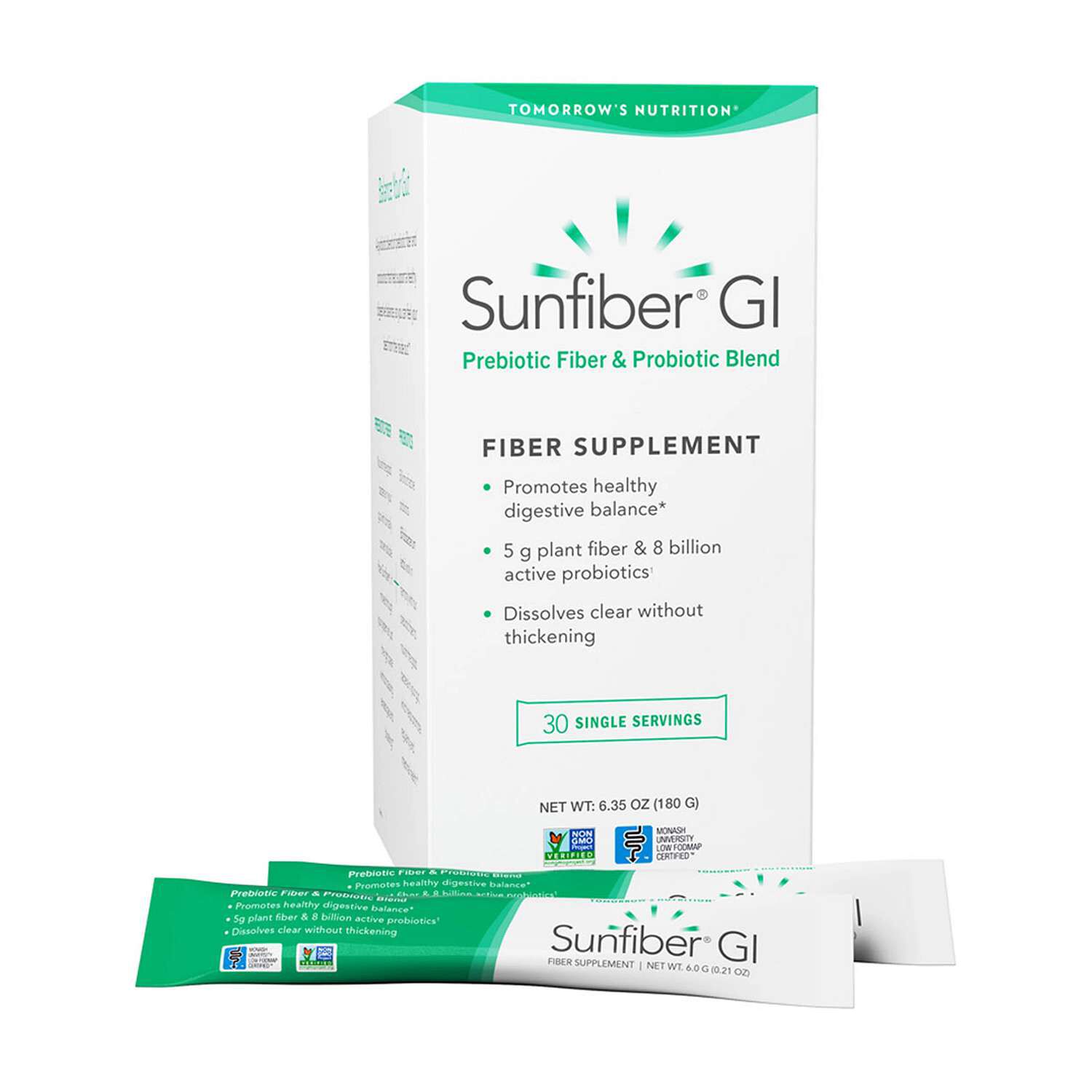 Tomorrow's Nutrition