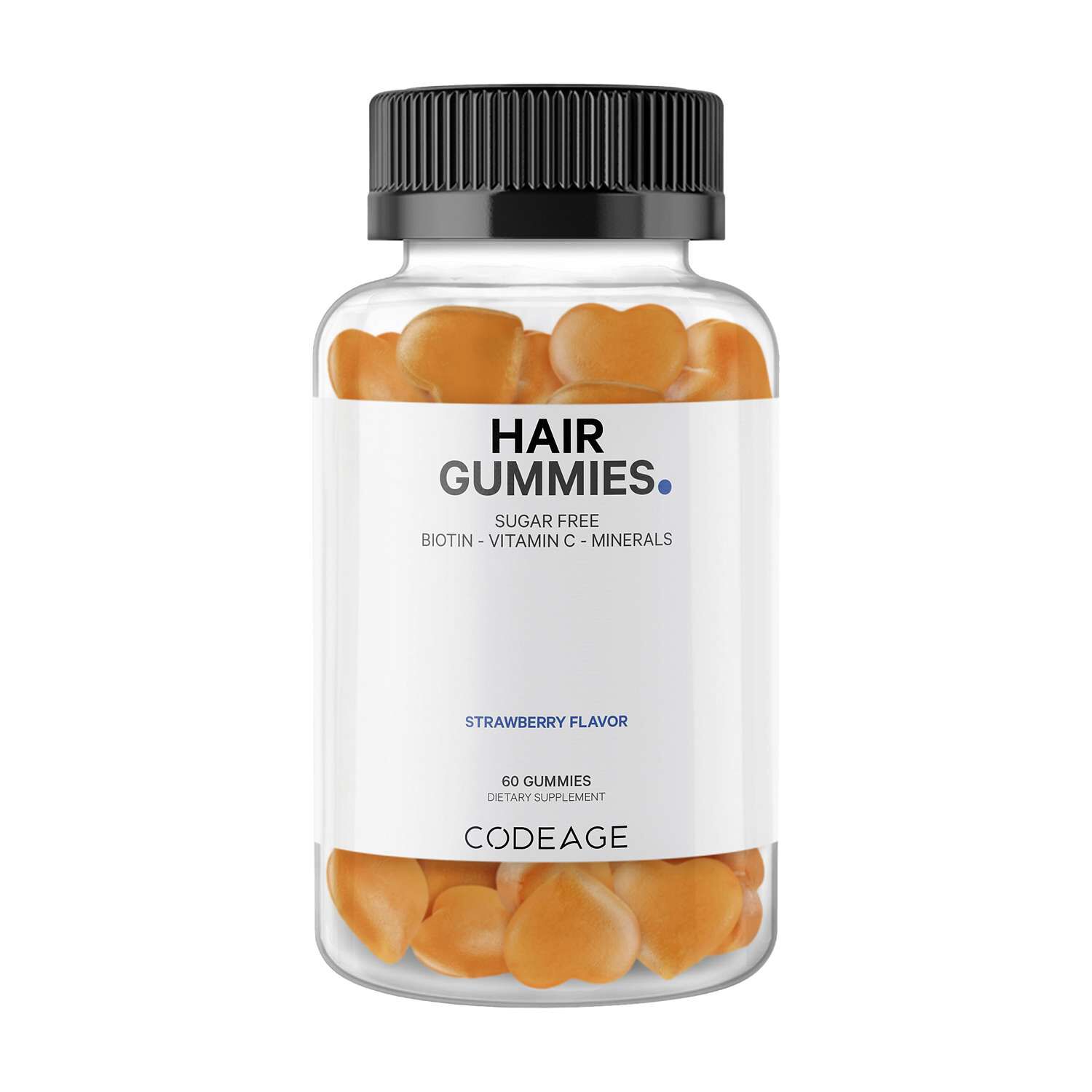
Kids Flavored Mineral Gummies
(0 Results)
Kids flavored mineral gummies could be a delightful and convenient way to help ensure your little ones get the minerals they need. These tasty treats may make it easier to incorporate important nutrients into your child's daily routine. With a variety of flavors and fun shapes, kids flavored mineral gummies might turn a regular supplement into an enjoyable experience. Explore the range of options available to find the perfect match for your child's taste buds and nutritional needs.
-

-
-
-

-

-

-
-
-
-

-

-
-
-
-
-

-

-
 $18.99
 -
 $14.99
 -
 $13.99


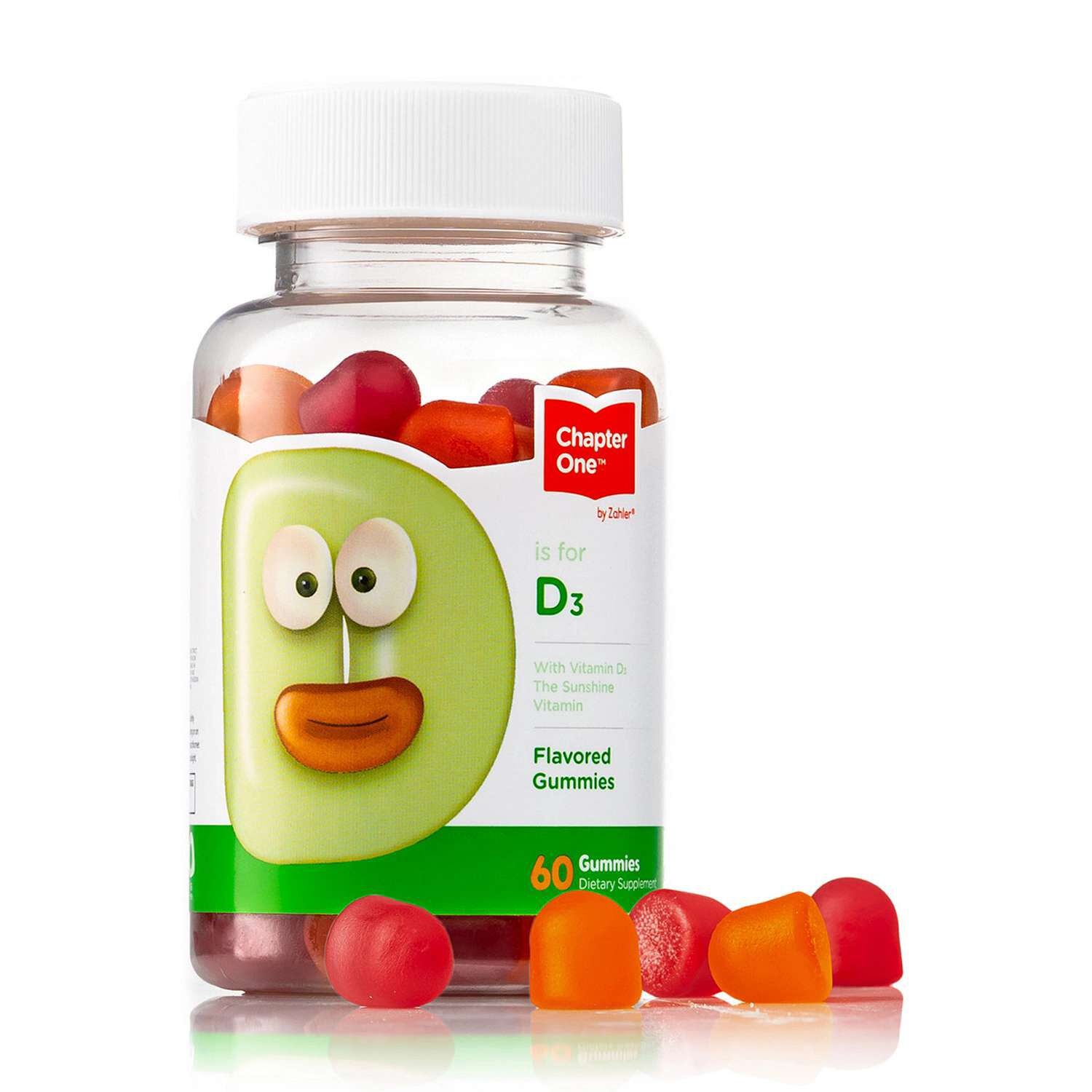
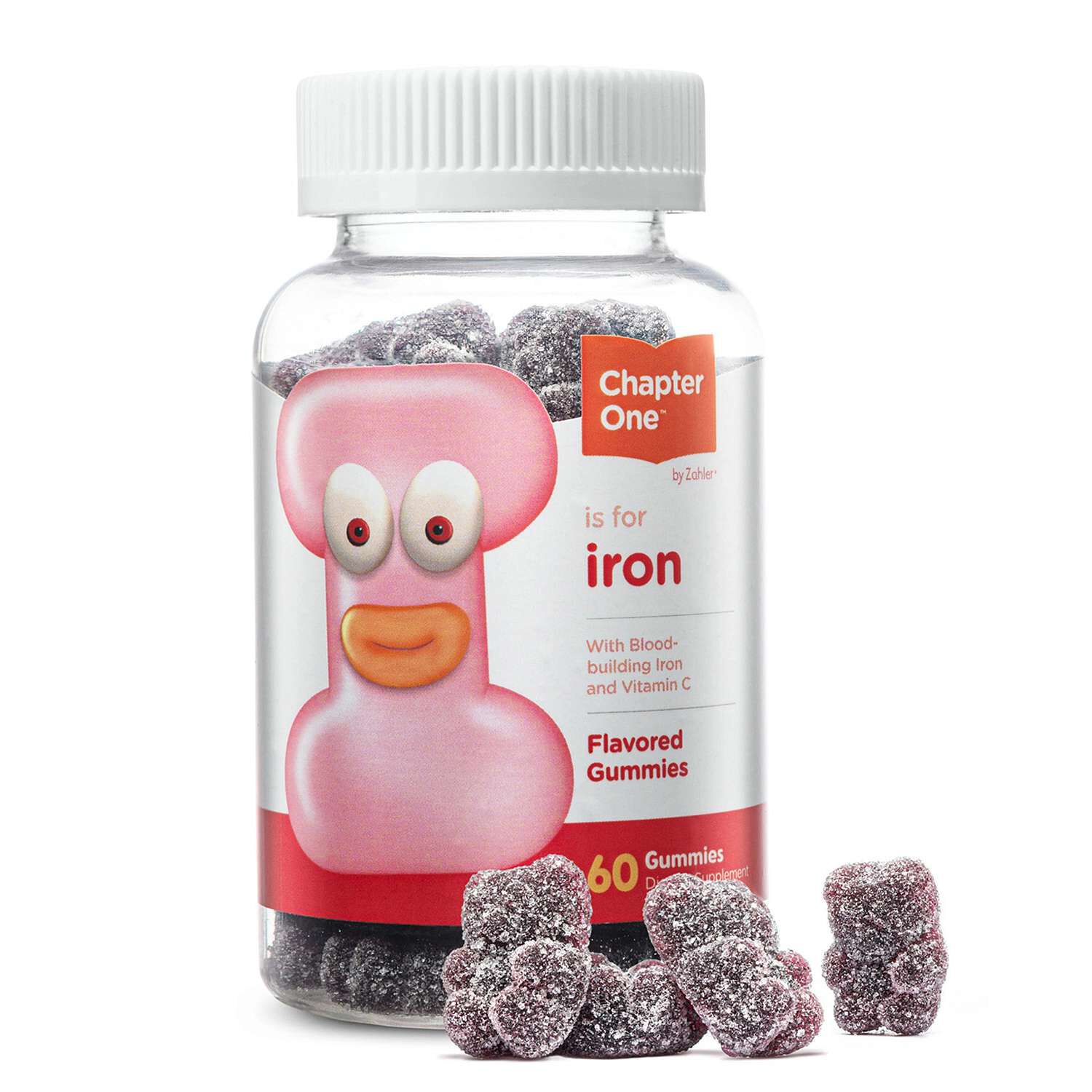
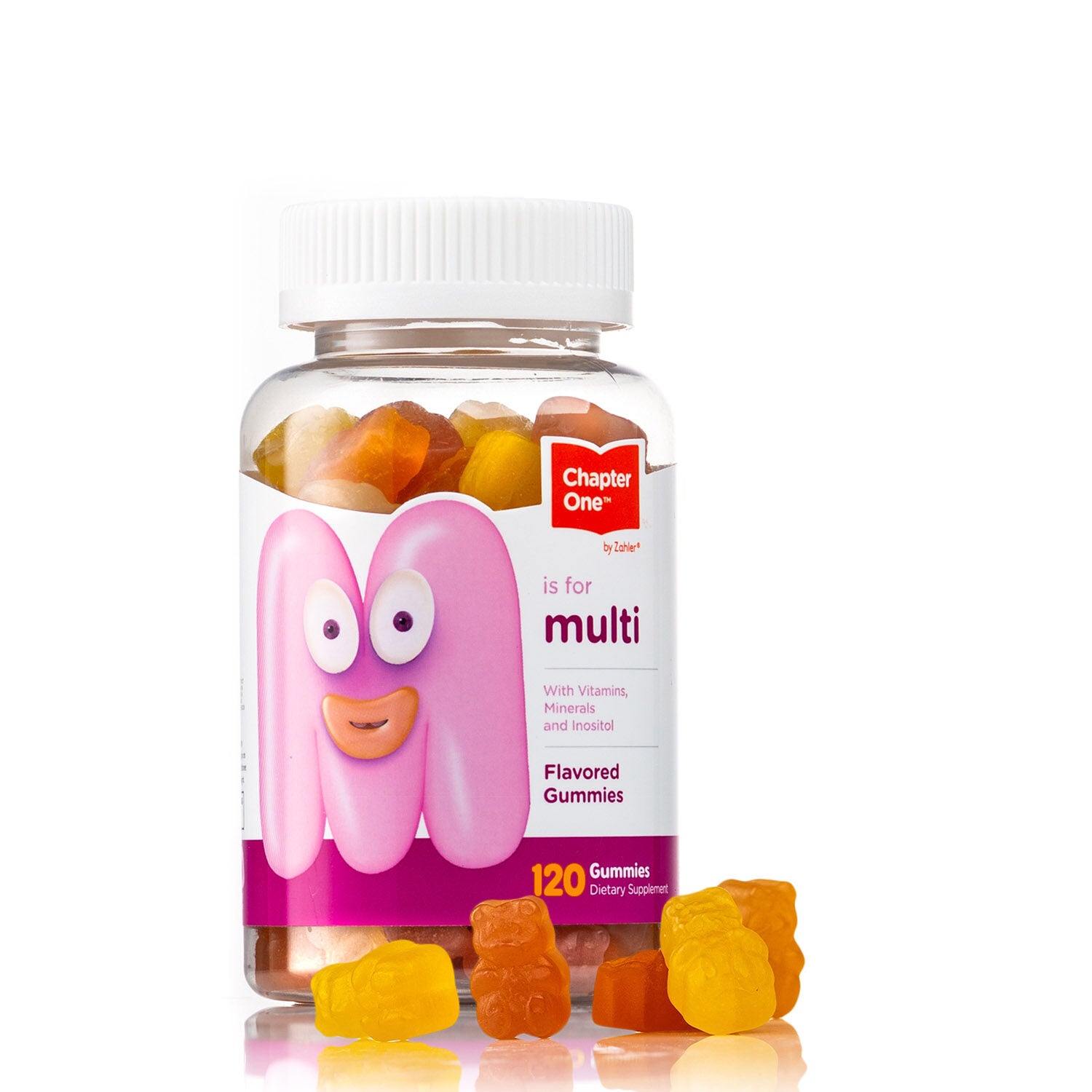
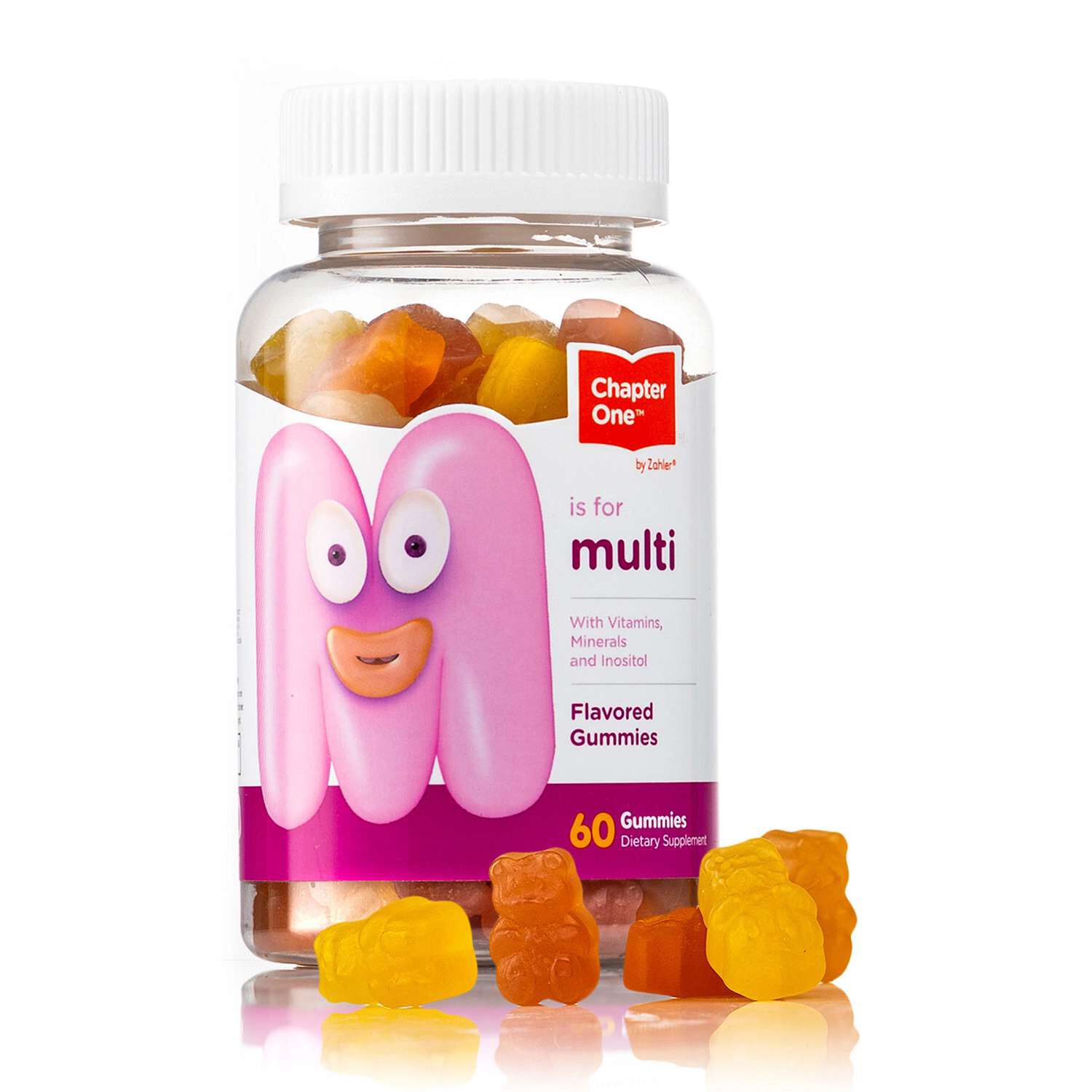
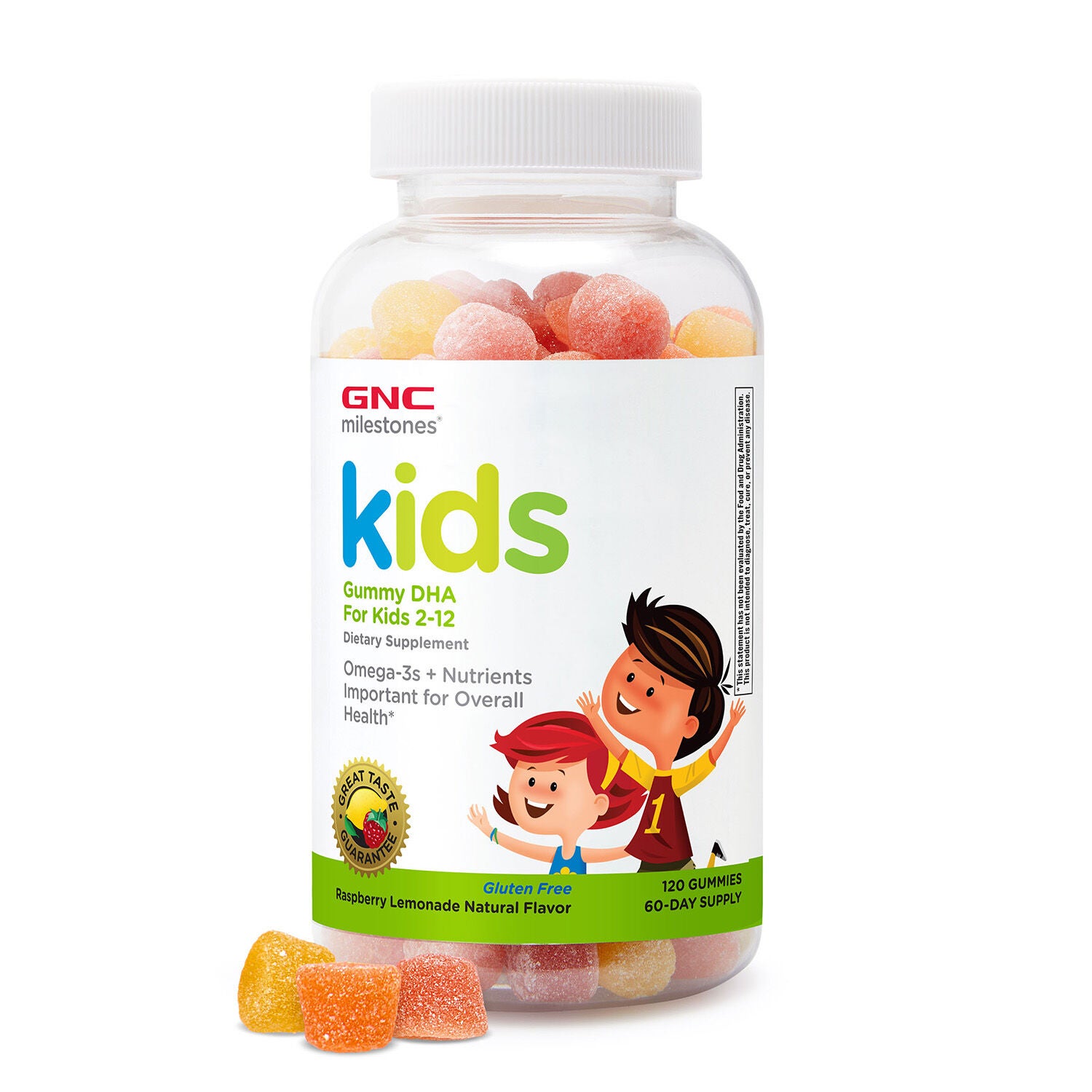
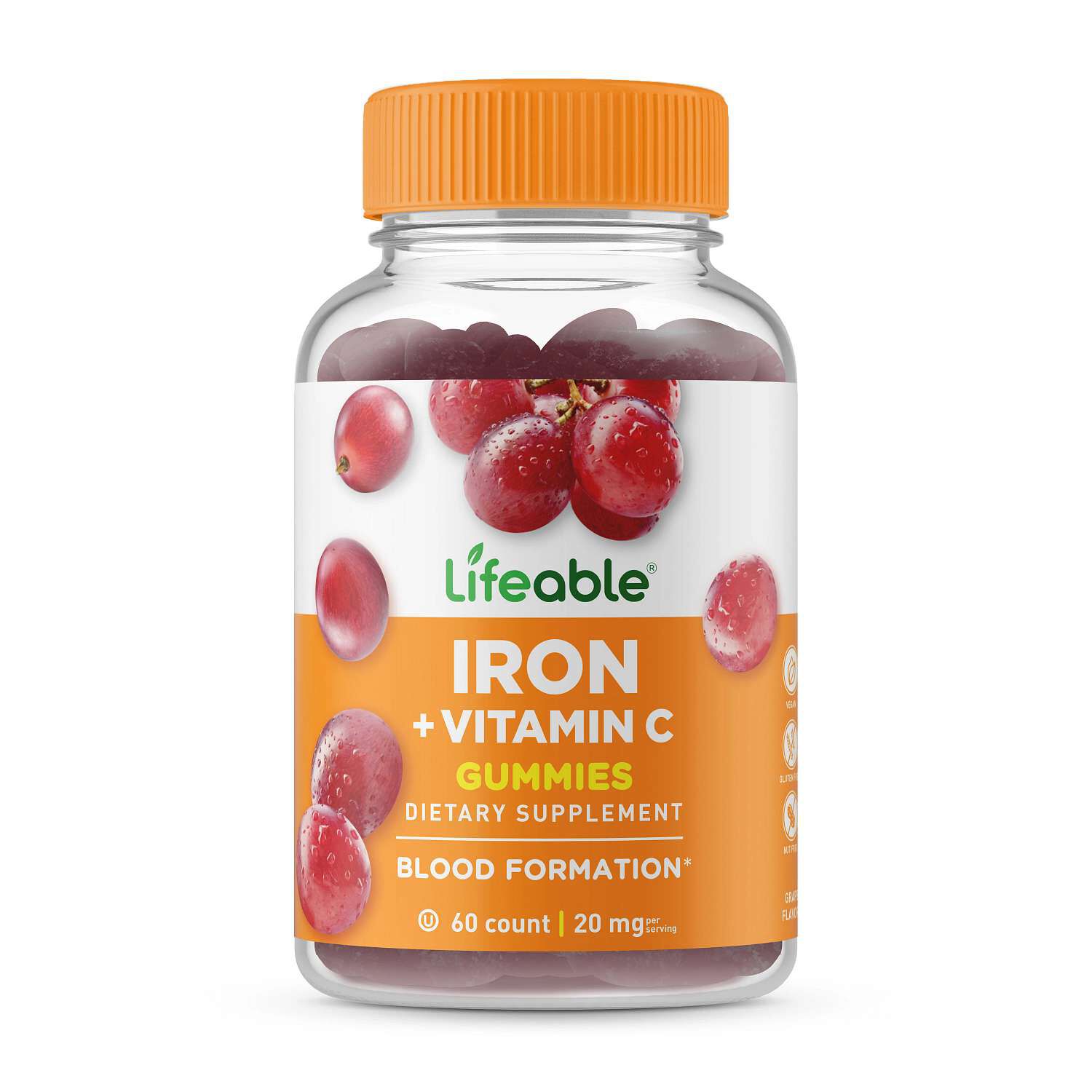
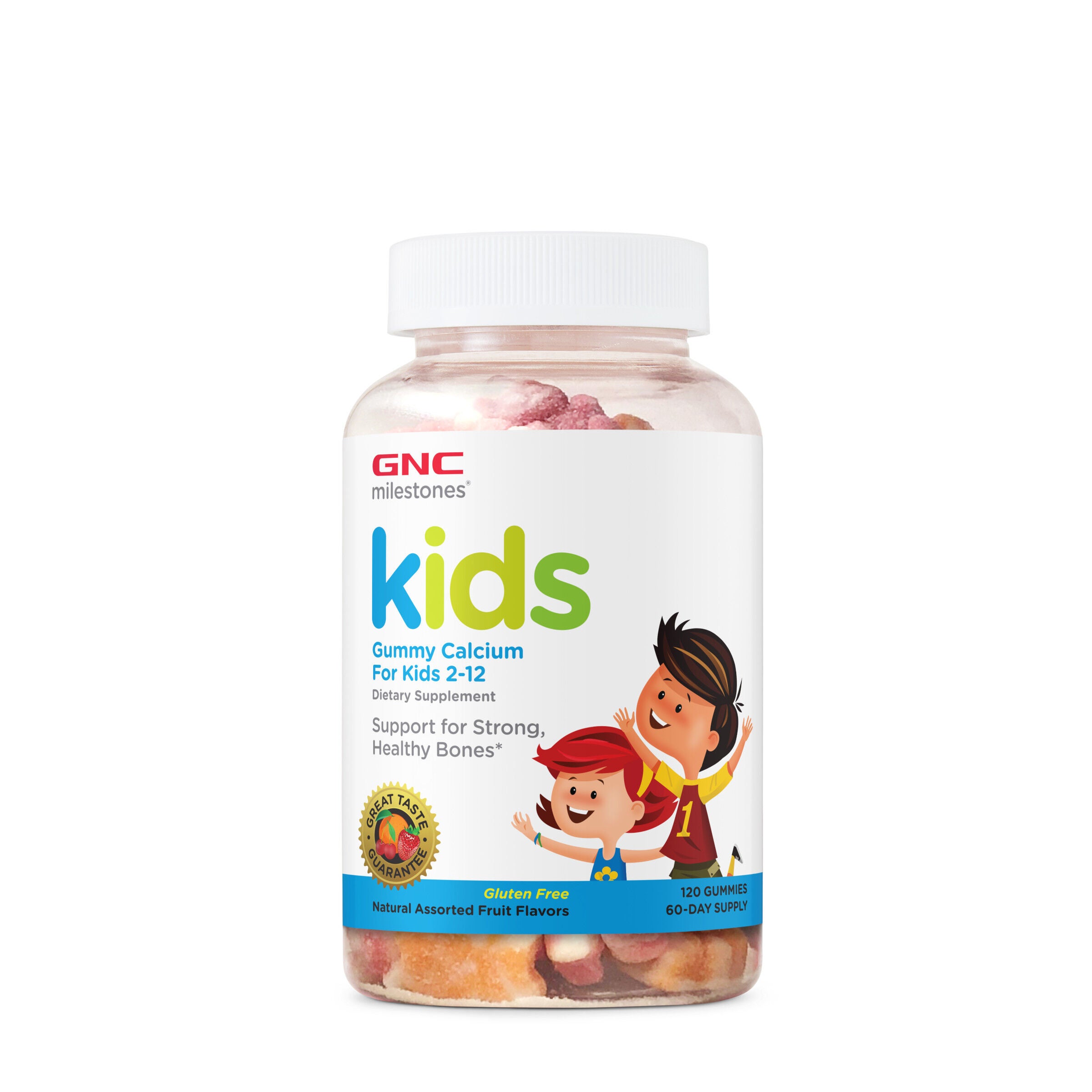
Kids flavored mineral gummies are chewable dietary supplements made for children, with minerals delivered in a fruit-flavored gummy format. Some formulas focus on a single mineral, such as calcium, magnesium, or zinc, while others combine several minerals with vitamins. That distinction matters when comparing options: a mineral gummy and a multivitamin gummy can look similar yet contain very different ingredients and amounts per serving. The Supplement Facts panel identifies the nutrients included, their quantities, and the serving size, while the suggested-use information states the intended age range. There is no single starting age that applies to every children’s gummy, and a colorful shape or familiar fruit flavor does not establish whether a formula is appropriate for a particular child. Age labeling is therefore a more useful point of comparison than the appearance of the gummy itself. For parents and caregivers browsing kids flavored mineral gummies, the category brings together several practical preferences: flavor, texture, ingredient composition, and the number of pieces in a labeled serving. Strawberry, orange, cherry, grape, and mixed berry are examples of flavors found in children’s gummy supplements, with some formulas offering one flavor and others combining several in the same bottle. A child who prefers a consistent taste may favor a single-flavor format, while another may enjoy a fruit assortment. Shapes and colors add variety, but the nutrient panel remains the clearest way to understand what a formula contains. Mineral gummies are supplements rather than candy or meal replacements, and their fruit flavors do not make them equivalent to servings of fruit. They belong to a different category from fruit snacks, even when their shapes and packaging share a playful look. The most meaningful comparisons connect the child’s labeled age group with the formula’s contents and the household’s ingredient preferences, rather than assuming that all children’s gummies serve the same purpose.
The gummy base is another defining feature of flavored mineral supplements for kids. Pectin, a plant-derived gelling ingredient commonly sourced from fruit, and gelatin, an animal-derived ingredient, are two materials used to create a gummy’s structure. Their presence can matter to households with vegetarian or other dietary preferences, although the base alone does not describe the entire formula. A pectin-based gummy, for example, still requires a review of the remaining ingredients and any dietary statements on the label. Sweeteners, flavorings, coloring ingredients, coatings, and other components also contribute to the finished texture and taste. Some gummies have a smooth surface, while others have a light granular coating; some are springier, while others have a softer chew. These differences are separate from the amount of mineral in each serving. A brighter color, stronger fruit flavor, or larger piece does not indicate a greater nutrient quantity. Likewise, wording about fruit flavor is not necessarily a statement about fruit content: an orange-flavored gummy is not automatically made with orange juice. The ingredient list provides that detail. For households comparing sugar content, the Nutrition or Supplement Facts information, as applicable, and the ingredient list offer more useful context than sweetness alone. Allergen statements and clearly identified dietary attributes are also important comparison points, since neither fruit flavor nor gummy texture establishes suitability for a particular dietary restriction. Serving size deserves similar attention. One formula may list its nutrient quantities for one piece, while another lists them for two or more pieces, so comparisons need to use the labeled serving rather than an assumed amount per gummy. Percent Daily Value information also needs to be read alongside the age group identified on the label. A bottle’s piece count describes how many gummies it contains, not necessarily how many labeled servings it provides. Reading those details together makes differences between otherwise similar-looking formulas much clearer, especially when comparing a single-mineral option with a broader vitamin-and-mineral combination.
Everyday fit is about more than choosing a favorite fruit flavor. A caregiver shopping for siblings of different ages may find that the same bottle is not labeled for both children, even if both enjoy the same taste. Another household may place greater importance on a pectin base, a particular mineral, or a serving size that is straightforward to keep track of. These are practical distinctions that packaging imagery alone cannot resolve. A short ingredient list and a longer one can also describe different formulations without establishing that either is universally preferable. The relevant question is how clearly the label matches the age group, ingredient preferences, and intended use being considered. Gummies intended for adult use are not interchangeable with children’s formulas, and a product name containing “kids” does not replace the detailed age and serving information. Care and storage matter, too, because gummies have a texture and coating that require appropriate handling. The original container keeps the ingredient list, suggested-use directions, expiration date, and storage instructions together for later reference. A securely closed lid and storage according to the package directions help preserve that connection between the gummies and their labeling. Leaving gummy supplements in an open snack bowl or mixing them with candy removes important context, particularly in homes where several adults share caregiving responsibilities. A consistent adult-managed routine may make serving information easier to track and keep the distinction between supplements and treats clear. When another caregiver is involved, access to the original label is more useful than a description based only on color or shape. Households exploring related vitamin-focused formats can also browse Summer Kids Vitamin Gummies, while comparing each formula on its own labeled contents rather than treating vitamin gummies and mineral gummies as identical. Across this category, the most useful details are concrete: which minerals are included, how much is listed per serving, which ages the formula is intended for, what creates its flavor and texture, and how it should be stored. Together, those details give parents and caregivers a clearer picture of kids flavored mineral gummies beyond the cheerful colors and fruit-shaped pieces.


 Chewable Tablets_Front.jpg?sw=305&sh=305&sm=fit "ChildCalm - 60 Chewable Tablets (30 Servings) | GNC")