Kids Vitamin D3 Gummies For Summer Travel
(0 Results)
Kids vitamin d3 gummies for summer travel could be a convenient option for families on the go. With busy schedules and outdoor adventures, these gummies may offer a simple way to support your child’s wellness routine while traveling. Easy to pack and made with little ones in mind, kids vitamin d3 gummies for summer travel might fit seamlessly into your family’s plans, wherever the season takes you.
-
-
 $20.99
-
-
 $14.99
-

-
-
-
-
 $13.99
-
 $21.99
-
 $17.99
-
 $15.99
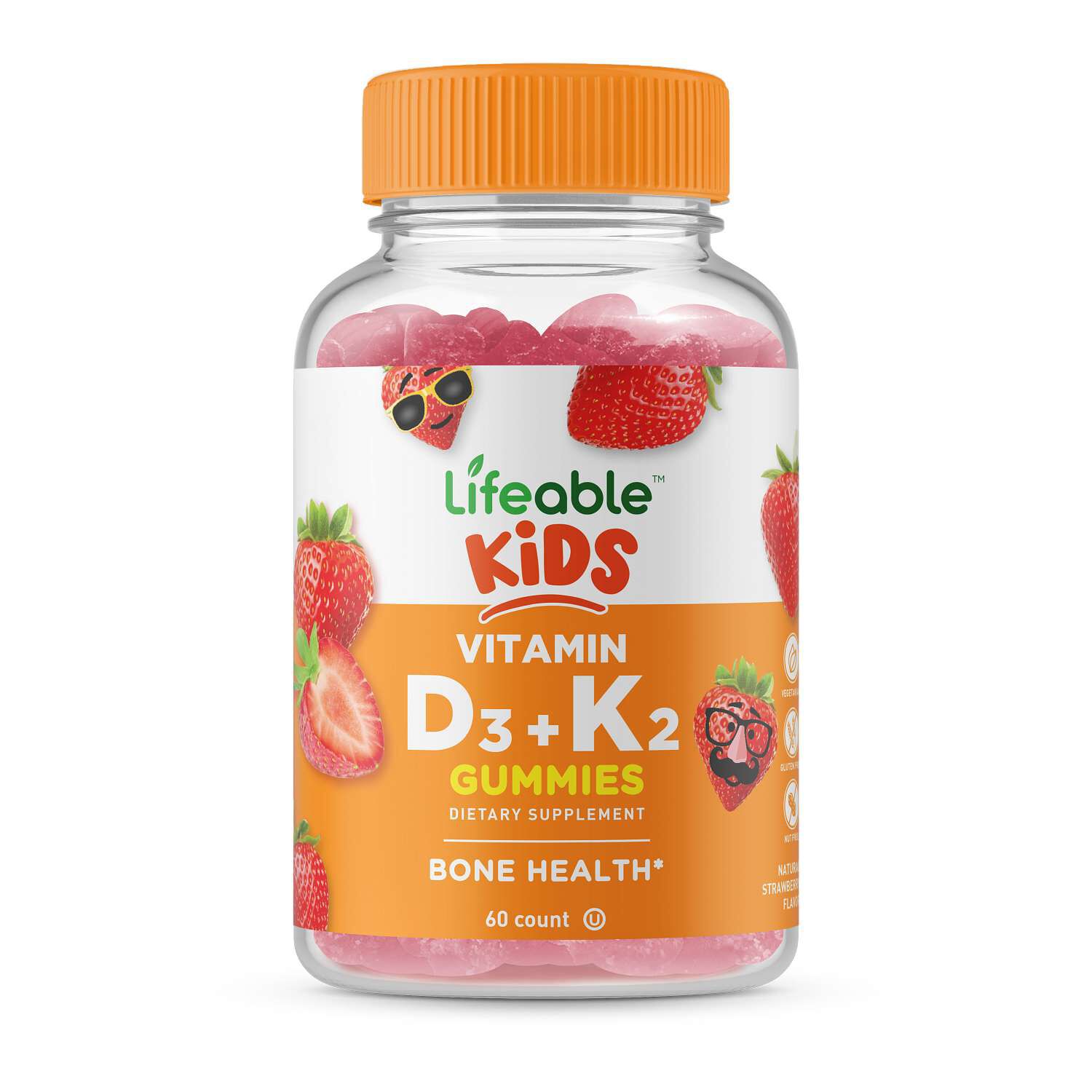


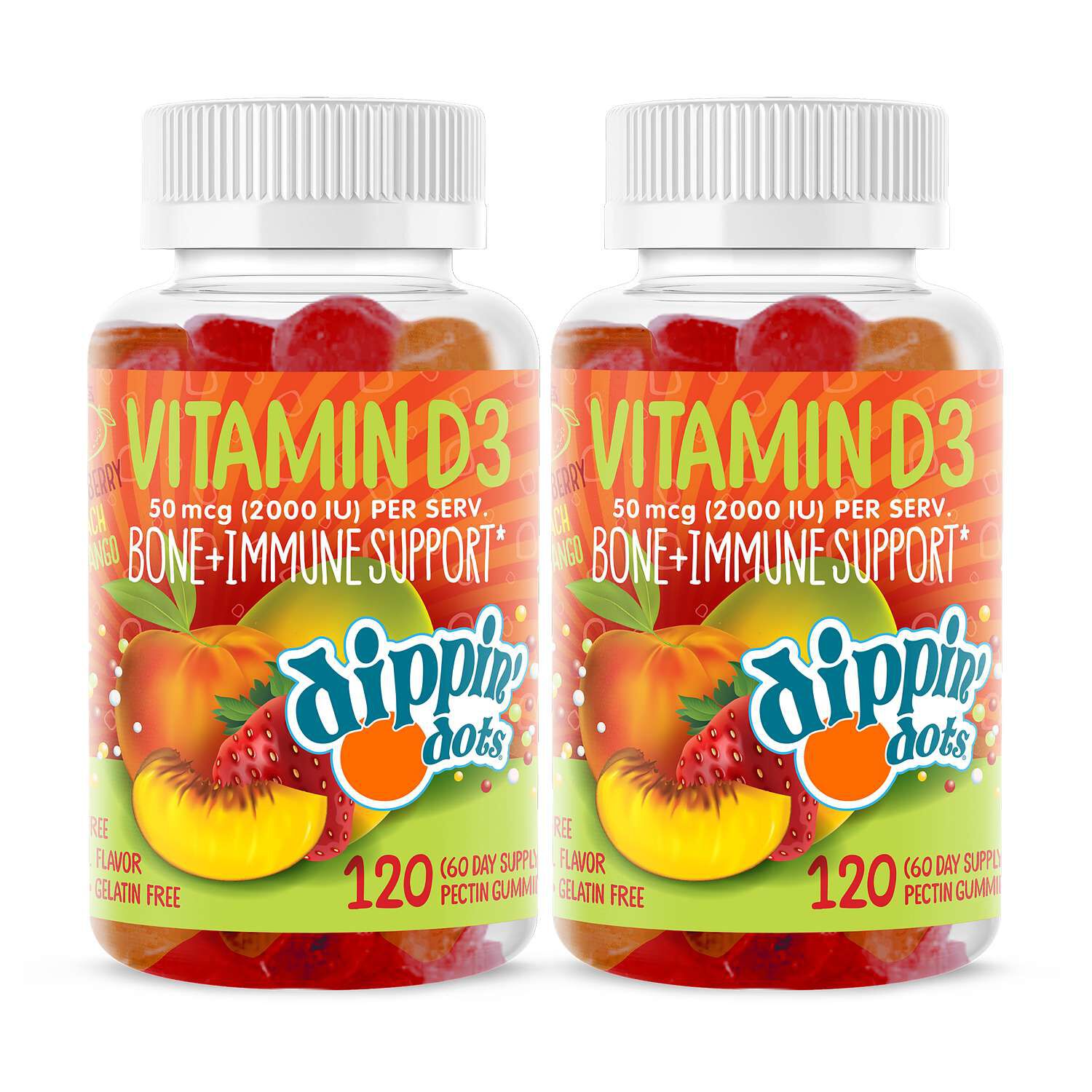

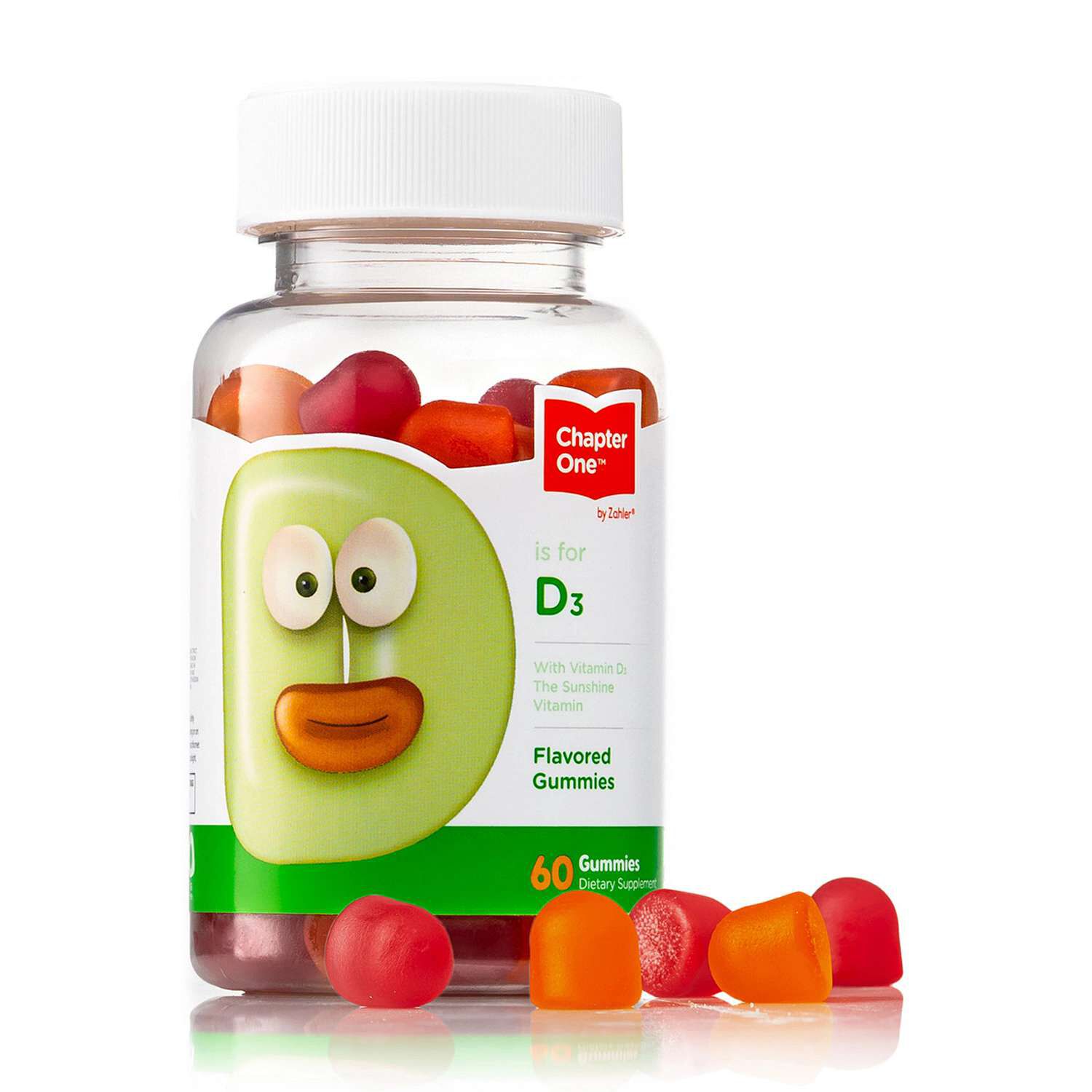
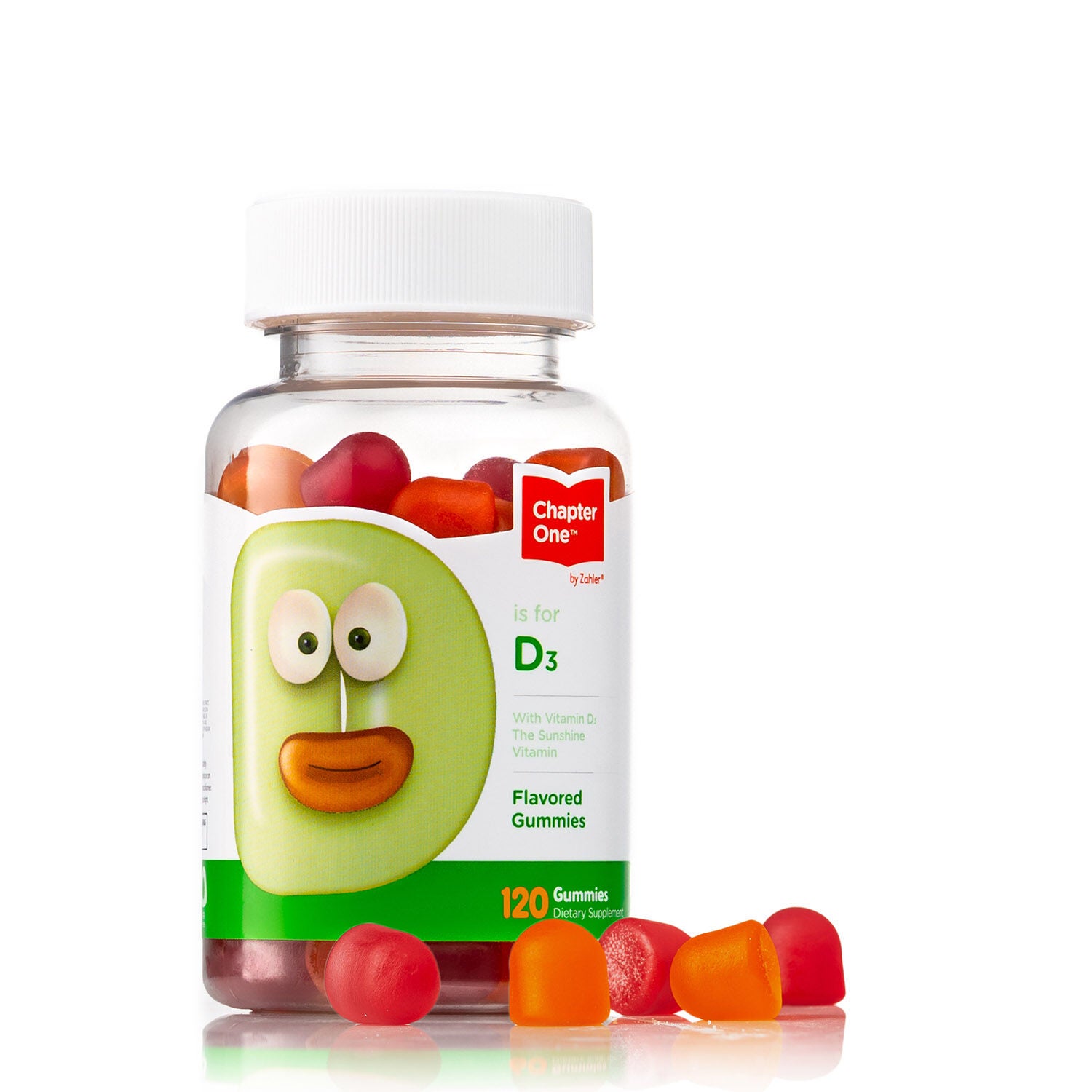
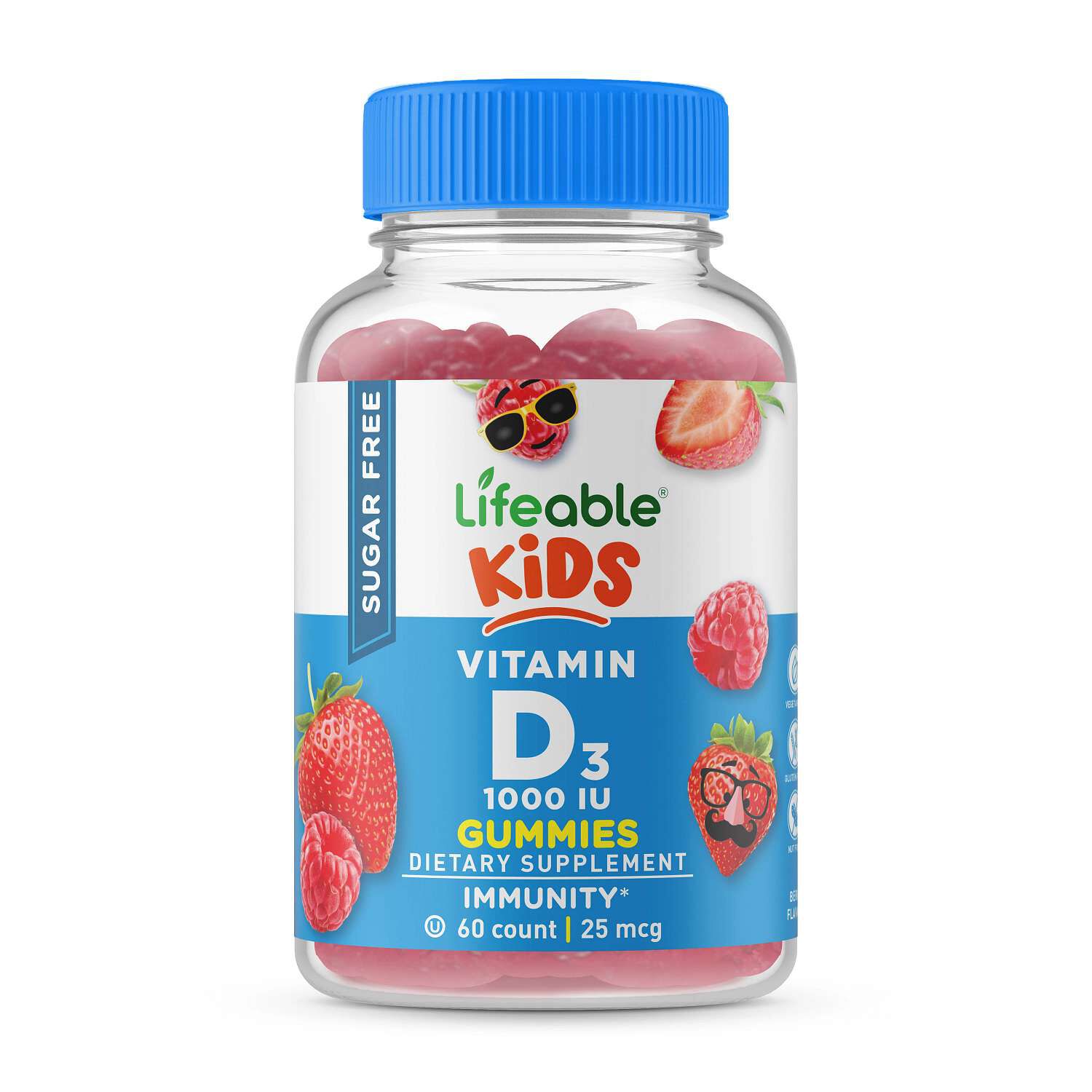
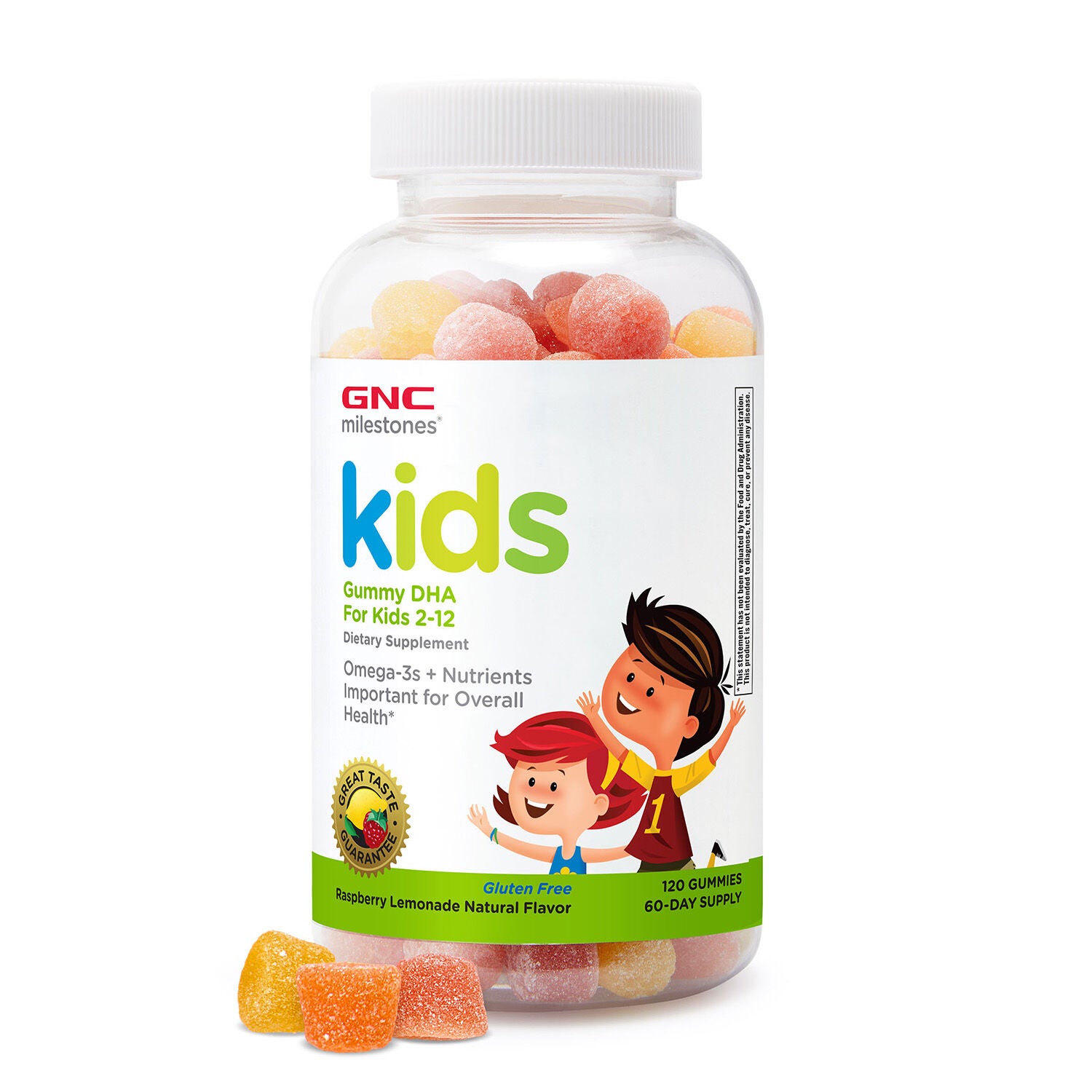
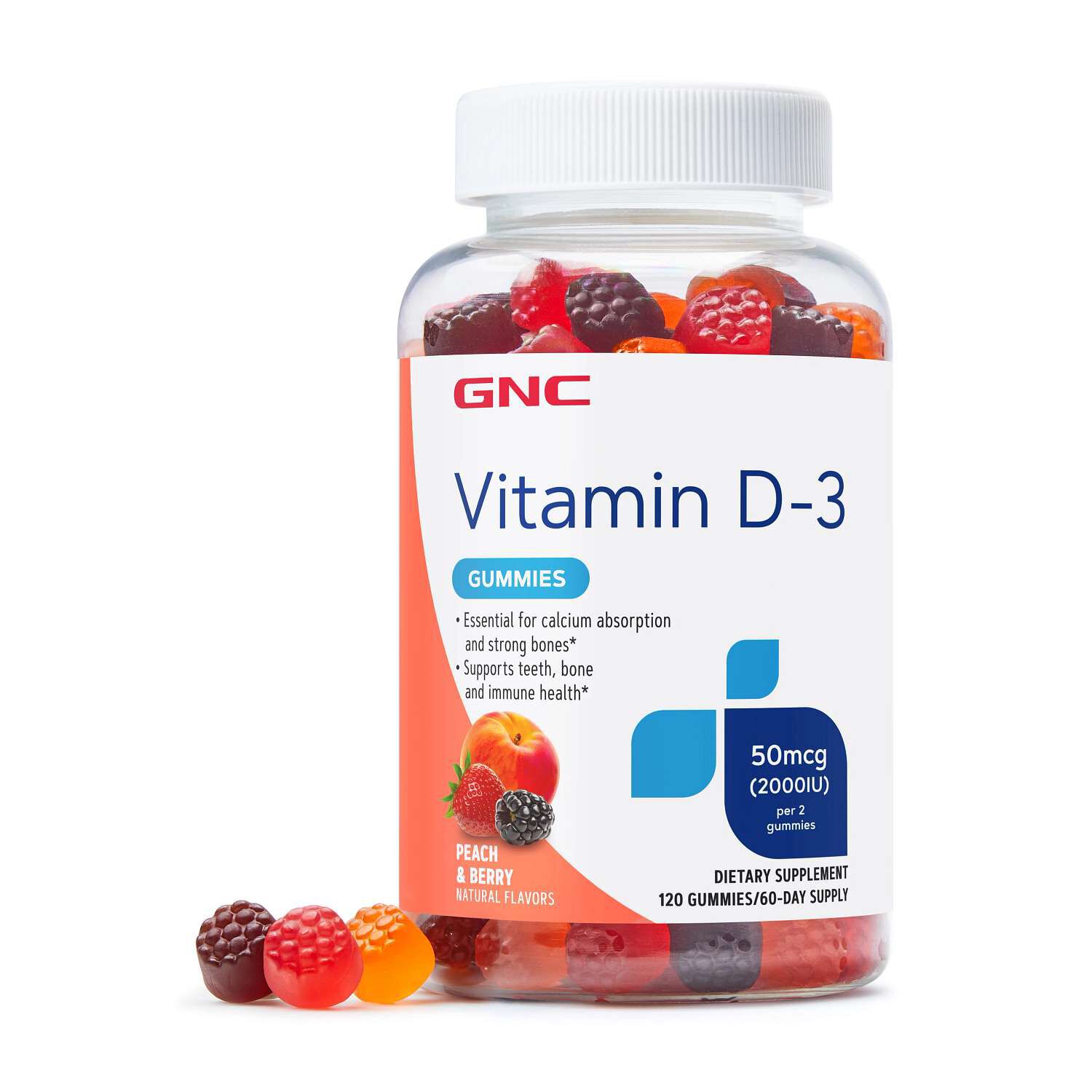
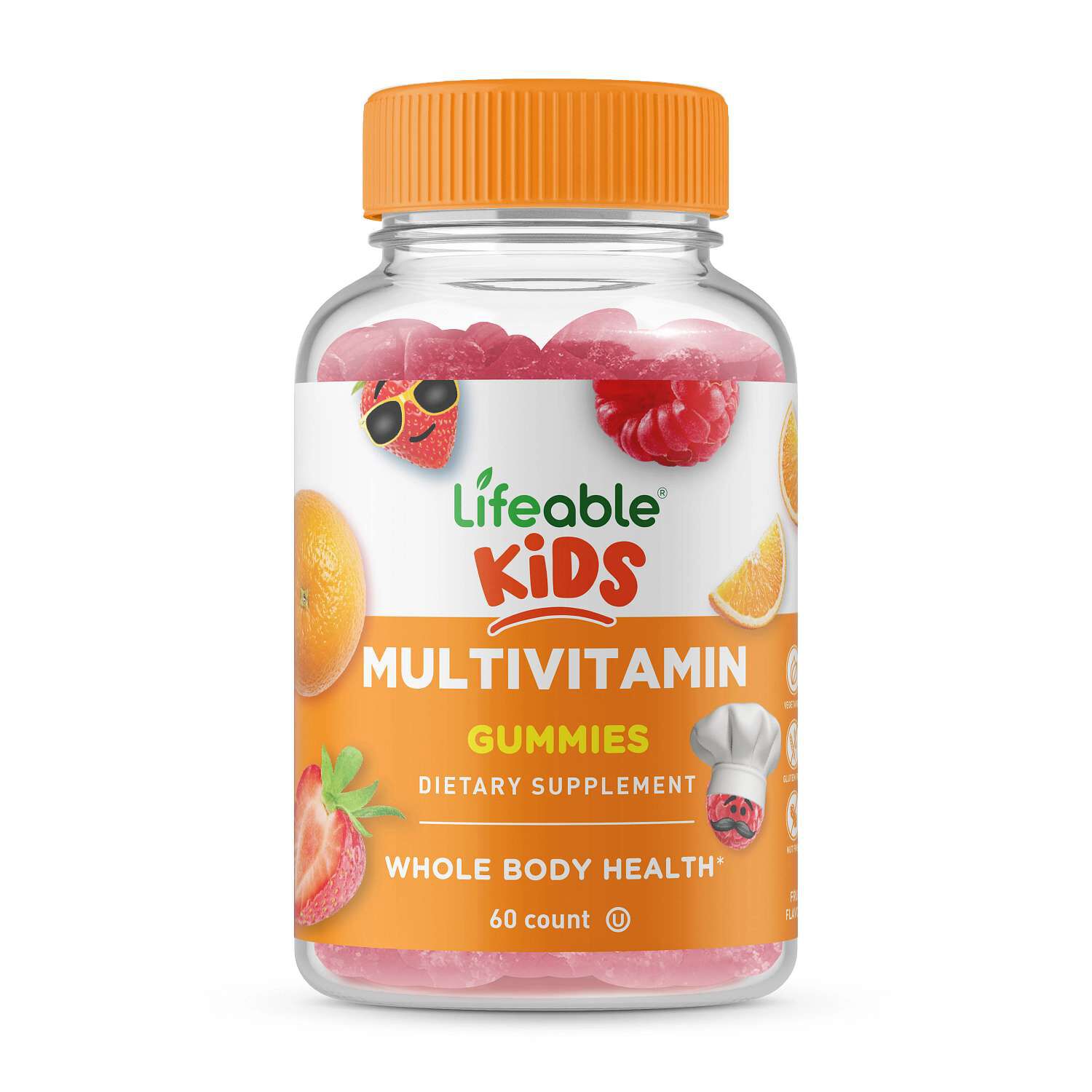
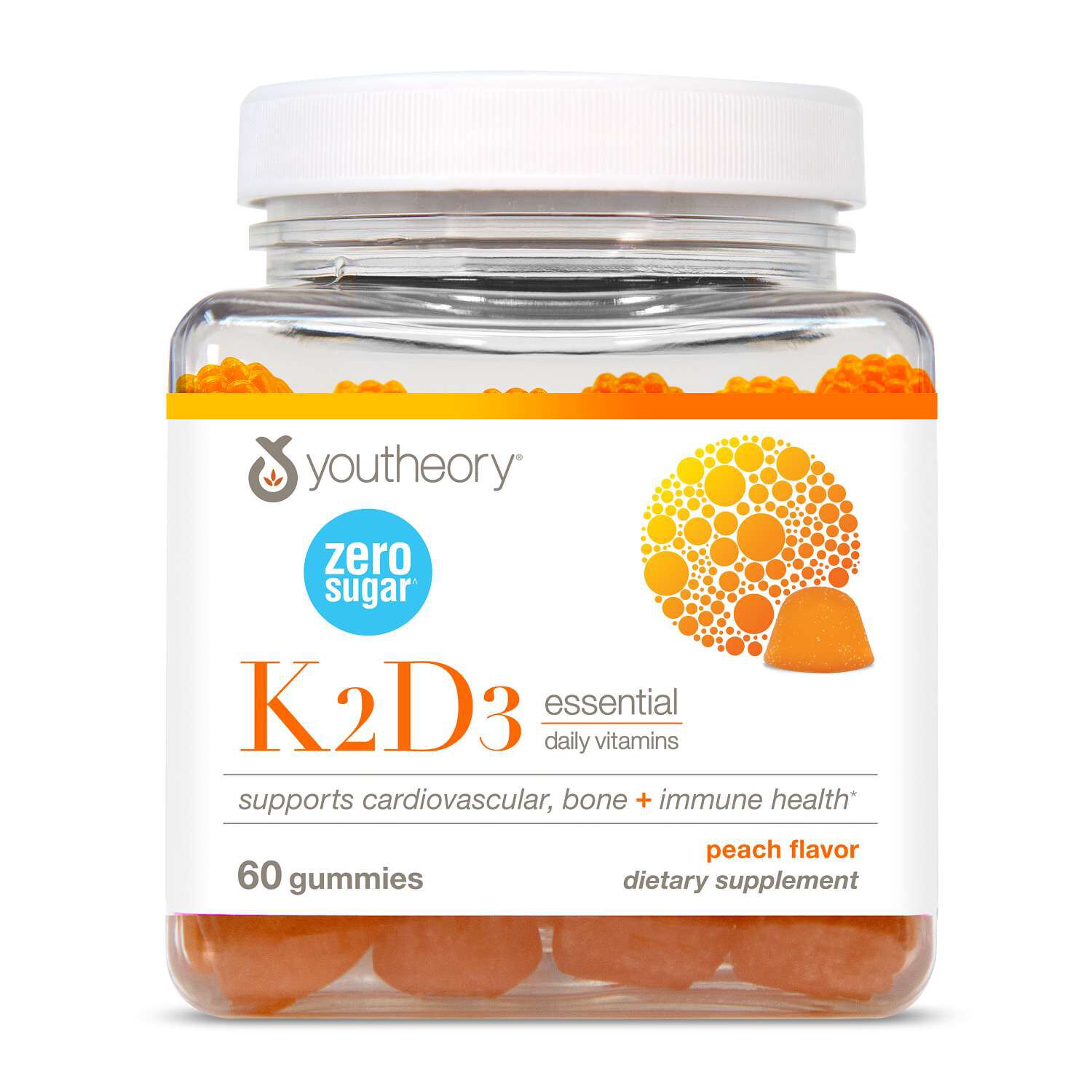
Kids vitamin D3 gummies for summer travel are chewable dietary supplements intended for children within the age ranges specified on their labels. For families planning a beach rental, a visit with grandparents, or a cross-country road trip, this category offers a familiar format to consider alongside the practical details of packing and storage. Vitamin D3, also called cholecalciferol, is a form of vitamin D used in supplements, and children’s gummy formulas differ in their ingredients, serving sizes, flavors, and age recommendations. A fruit-flavored chew may suit a child’s preferences, but flavor is only one part of the comparison. The amount of vitamin D listed per serving, the number of gummies in that serving, and the intended age range provide important context for understanding a label. An amount shown on the front of a bottle may refer to a serving rather than a single gummy, so those details deserve attention together. Some formulas focus on vitamin D3, while others contain additional nutrients; these are different types of supplements even when their shapes and flavors look similar. Summer travel also creates different packing situations, from a compact overnight bag to a suitcase shared by siblings. Container dimensions, closure design, and readable labeling are practical features to consider alongside the formula itself. A smaller package may fit neatly into an adult-managed travel organizer, while a larger container may occupy more space than expected among toiletries and clothing. For households with children of different ages, clearly distinguishable packaging may make each child’s labeled product easier to identify. Gummies remain supplements rather than candy, regardless of their bright colors or fruit shapes. Adult oversight, age-appropriate labeling, and storage beyond children’s reach remain relevant whether the destination is a hotel, a family cabin, or a relative’s home. The appeal of this category is less about adding something new to a vacation and more about finding a format that may fit an established household routine away from home.
Ingredients and texture help distinguish kids vitamin D3 gummies beyond the amount of vitamin D on the label. Pectin, a plant-derived gelling ingredient, and gelatin, an animal-derived ingredient, are common components of gummy formulas. The source of the vitamin D3 is a separate consideration: source information may identify lanolin-derived or lichen-derived vitamin D3, so the gummy base alone does not establish the origin of every ingredient. Families with particular dietary preferences can look at the full ingredient statement and any relevant certification rather than relying on fruit imagery or a short description on the front. Sweeteners, added sugars, flavorings, coloring ingredients, and surface coatings also vary. A strawberry-shaped gummy does not necessarily contain the same ingredients as another strawberry-flavored formula, and a citrus flavor does not establish the source of its coloring or sweetness. Allergen statements and manufacturing disclosures offer additional context for households reviewing ingredients such as milk, soy, or wheat. Certification marks are most useful when their meaning is clear; an organic designation, a dietary certification, and a testing statement describe different attributes. None replaces the serving directions or age information. Texture is another detail worth considering because gummies range from soft and springy to firmer and more densely chewy. Their dimensions and shape may differ as well, even when two containers list the same number of servings. These characteristics are part of the format, not a reason to disregard the labeled age range. For a summer trip, familiarity may matter more than novelty: a flavor and texture already familiar to a child may fit more naturally into mornings at a rental house or evenings after a day of sightseeing. A clearly printed Supplement Facts panel, legible ingredient list, and accessible storage directions offer a more useful basis for comparison than decorative packaging alone. The date marking is relevant, too, particularly when a container will remain in the household after the trip. Product photos may show the shape and packaging, while the label supplies the details needed to understand what is inside.
Summer travel puts extra emphasis on how gummy supplements are packaged and stored. A parked car, a sunlit beach tote, or a suitcase waiting on hot pavement may expose gummies to conditions outside their labeled storage recommendations. Heat and moisture may soften their texture or cause pieces to stick together, making storage instructions especially relevant when comparing this format for a trip. A hotel refrigerator is not automatically the right solution, since some labels specify room-temperature storage and refrigeration may introduce moisture when a container is repeatedly opened. The product’s own directions are the reference point for storage conditions. Original packaging keeps the ingredient statement, serving information, date marking, and closure together, which may be helpful when several adults share responsibility for unpacking or organizing belongings. A tightly closed container in an adult-controlled location offers a different arrangement from loose gummies in a snack pouch, where they may be mistaken for treats. At a vacation rental, a high shelf alone may not be sufficient if children can climb nearby furniture; storage that is both out of sight and inaccessible deserves consideration. For air travel, solid gummies generally are not subject to the same liquid restrictions as liquid supplements, although security screening and destination requirements still apply. International trips may involve additional rules for bringing supplements across borders, making the original labeled package particularly relevant. Families comparing children’s formats with those intended for other household members can also explore vitamin D gummies for summer health, while keeping each person’s age-specific labeling separate. A shared suitcase does not make supplement formulas interchangeable. For a weekend with relatives or a longer summer itinerary, the most useful comparisons remain concrete: the labeled age range, ingredients, serving information, gummy texture, package size, and storage requirements. Together, those details give this travel-focused category its context, connecting the bottle on the shelf with the realities of packed bags, unfamiliar rooms, and family routines away from home.