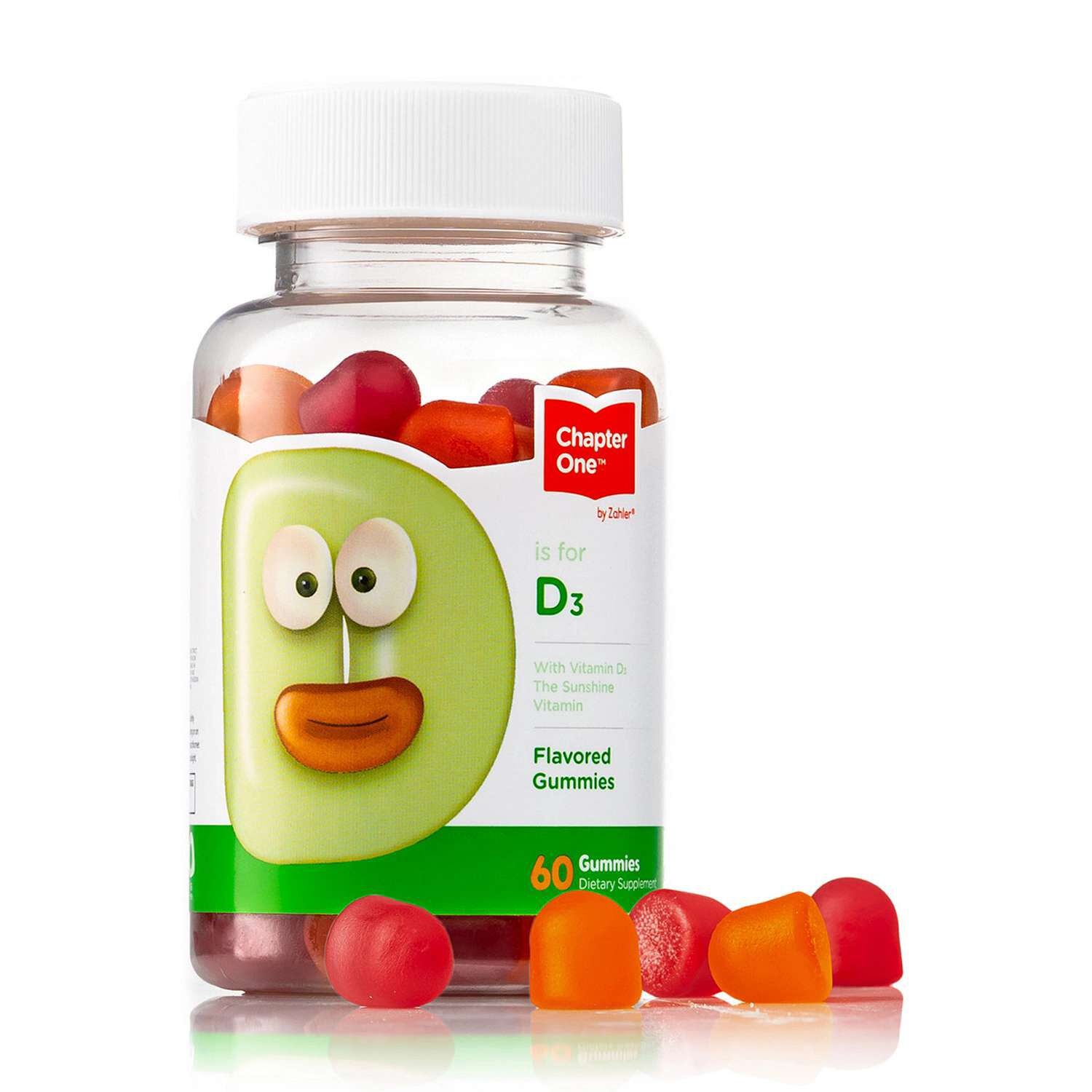


Kosher Fish Oil
(0 Results)
Kosher fish oil offers a convenient way for those following kosher dietary guidelines to incorporate omega-rich supplements into their wellness routines. Whether you’re looking to support your daily nutrition or simply want an option that aligns with your values, kosher fish oil may provide a versatile addition to your supplement regimen. Explore a variety of options that are carefully crafted to meet kosher standards and fit seamlessly into your lifestyle.





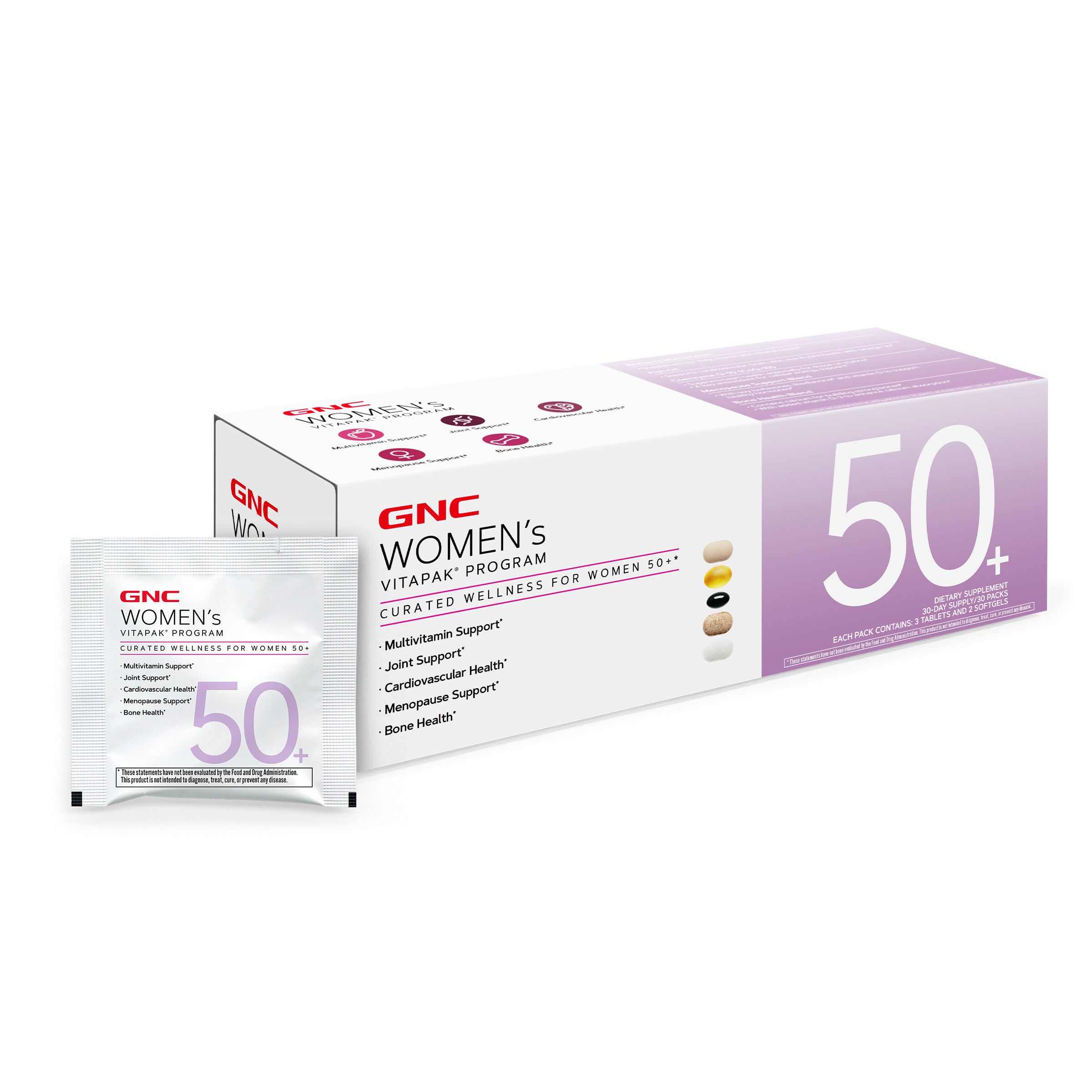
Kosher fish oil offers a convenient way to shop for an omega-3 supplement while keeping kosher purchasing considerations in view. These products typically contain fish oil sourced from fish with fins and scales, including varieties such as anchovies, sardines, and tuna. Because kosher standards extend beyond the ingredient list, shoppers often look for a recognized certification symbol on the package. Certification may indicate that the source fish, ingredients, equipment, processing environment, and packaging procedures were reviewed according to the requirements of the certifying organization. Familiar symbols may include OU, OU-D, Star-K, and other marks, although certification practices and designations can differ. Reading the label remains an important part of choosing a product that fits a household’s preferences. Some shoppers may also review the name of the certifying agency, the type of fish used, the serving size, the amount of omega-3 fatty acids per serving, and the suggested storage instructions. Softgels are a familiar choice for people who prefer a simple routine, while liquid fish oil may suit someone who would rather measure a serving into a beverage or food. Capsules may use fish gelatin, while some options may use a vegetarian capsule material; the package can help clarify which format is offered. Flavoring, scent, and container design may also matter, especially for anyone who keeps supplements in a shared kitchen, travels between home and work, or prefers a discreet container beside a morning glass of water. For shoppers observing kosher dietary practices, the certification mark may provide helpful information at a glance, while the full label can offer additional details about sourcing and handling.
Kosher fish oil may fit into a daily wellness routine for adults who choose to add an omega-3 supplement to their diet. People may use it alongside meals because taking a softgel with food could feel more comfortable and may make the routine easier to remember. Others may keep a bottle near a breakfast setting, in a desk drawer, or beside an evening tea so the habit connects with something they already do. The product label should guide serving instructions, storage, and any cautions, and a pharmacist or other qualified professional may help with individual questions about supplements and personal circumstances. Fish oil should not be viewed as a substitute for a varied eating pattern, and a supplement may work best as one small part of a routine that includes nourishing foods, regular movement, hydration, and consistent rest. Families may appreciate the straightforward shopping process that kosher certification can provide, particularly when several people share a kitchen or when dietary standards are part of everyday meal planning. A kosher fish oil product could also make a thoughtful gift for a parent, grandparent, partner, or friend who enjoys practical wellness items and pays close attention to kosher labeling. It may be especially fitting for someone settling into a new home, preparing a supplement organizer, or building a travel kit for the cooler months. Before gifting, it may be considerate to check whether the recipient prefers softgels, a liquid format, a particular certification, or a specific serving size. Someone who prefers a different texture may also wish to explore Kosher Omega Gummies as another format to consider. Personal preference can shape whether a product becomes an easy part of the day or remains tucked away in a cabinet, so details such as capsule size, flavor, and packaging can be just as useful to review as the front-of-bottle description.
When comparing kosher fish oil products, shoppers may find it helpful to move through the label in a consistent order. Start with the kosher symbol and any accompanying certification information, then review the fish source and the type of omega-3 fatty acids listed. A label may identify EPA and DHA, along with the total fish oil amount per serving; these figures may vary considerably from one product to another, so comparing the Supplement Facts panels can help shoppers understand the difference between options. Some formulas may include added flavoring, antioxidants, or other ingredients, while others may keep the ingredient list more focused. The capsule shell deserves attention as well: fish gelatin and vegetarian capsule materials may appeal to different households, and the package can indicate which one is used. Look for a sealed container, an expiration date, storage guidance, and directions that suit the intended routine. During warmer weather, liquid products may require particular storage attention, while softgels can be easier to pack for a weekend away; during cooler months, a compact bottle may sit conveniently beside a pantry or supplement organizer. Purification language may appear on some labels, but terms and processes can differ, so shoppers may want to rely on the manufacturer’s stated information rather than assume that one phrase means the same thing across every product. A familiar certification mark, clearly presented Supplement Facts panel, manageable serving format, and storage instructions that fit daily life can make the selection process feel more straightforward. With those details in mind, the kosher fish oil collection may offer practical choices for households seeking an omega-3 supplement that aligns with dietary observance, personal preferences, and an established routine.
Best Sellers
-
 Nordic Naturals
 -
 Nordic Naturals
 -
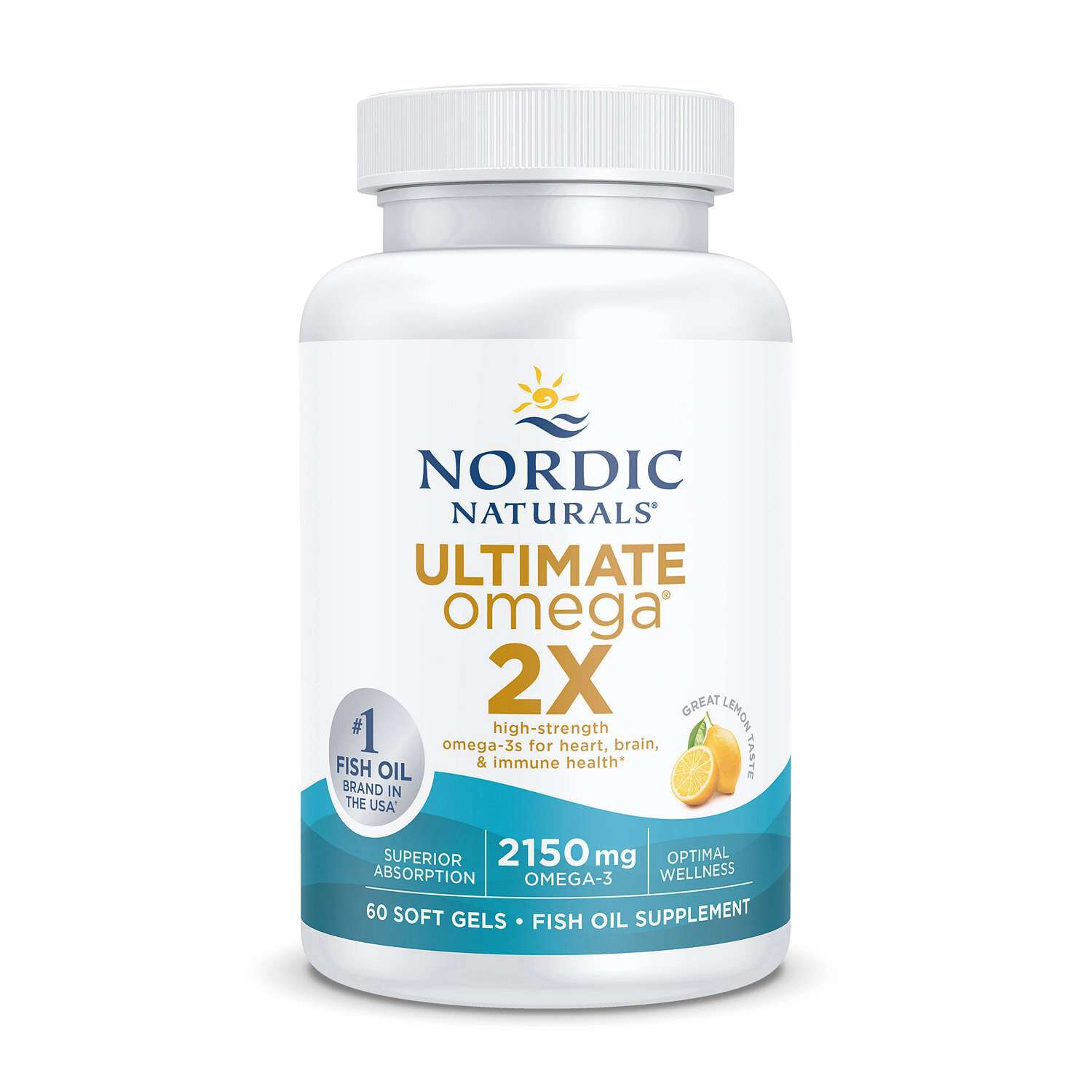 Nordic Naturals