





Kosher Omega 3
(0 Results)
Looking to boost your daily intake of Omega-3 fatty acids while adhering to a kosher diet? Our Kosher Omega-3 selection offers a range of high-quality supplements that are certified to meet kosher dietary requirements. Packed with essential nutrients like EPA and DHA, these supplements are sourced from premium fish oils to support heart health, brain function, and overall well-being. Explore our Kosher Omega-3 collection and discover a convenient way to incorporate these vital nutrients into your daily routine.


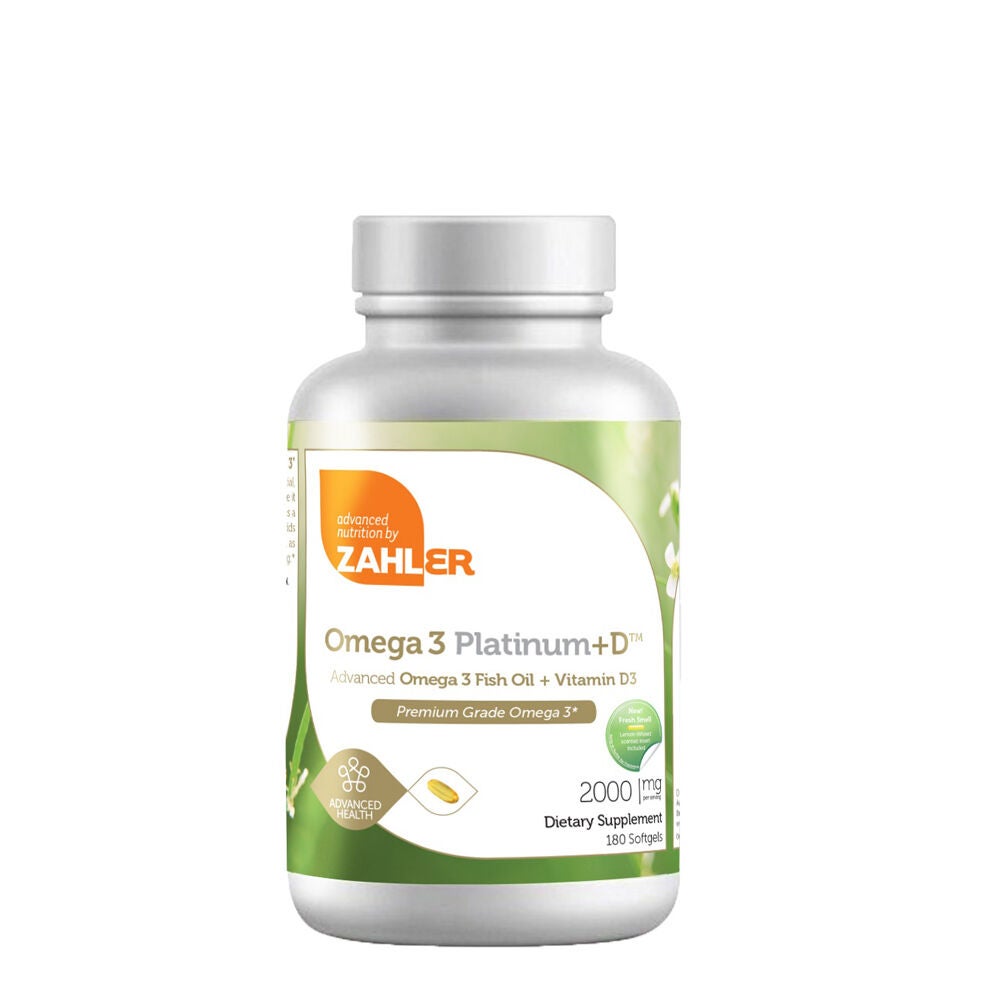
Kosher omega-3 supplements combine a familiar supplement category with ingredient sourcing and preparation that meet kosher dietary requirements. The distinction involves more than the oil itself: capsule materials, flavorings, other added ingredients, and manufacturing processes can all matter to certification. Fish oil and algae-derived oil are two sources found in this category, and each has its own labeling details. Fish oil intended for kosher certification must come from fish species accepted under kosher dietary law and meet the certifying agency’s requirements for processing. Algae-derived oil offers another source of omega-3s, but an algae source alone does not establish that a finished supplement is kosher. The same applies to a vegetable-based capsule or a fruit-flavored gummy. A recognized kosher symbol on the package, together with information from the certifying organization when needed, provides a clearer basis for understanding the formula’s status. Symbols from organizations such as the Orthodox Union, often shown as OU, or Star-K identify a certifying agency rather than a particular nutritional profile. Households may follow different standards or accept different certifications, making that symbol an important part of product selection. A softgel’s shell also deserves attention because gelatin may come from different animal sources, while other capsule materials may be plant-derived. Neither description independently confirms kosher status. Likewise, a kosher designation does not necessarily mean a supplement is vegetarian or vegan. Someone choosing kosher omega-3 fish oil may be comfortable with a certified fish-derived formula, while someone avoiding animal ingredients may look for certified algae-derived oil with a suitable capsule or chewable base. Kosher certification and nutritional content answer different questions: the certification addresses dietary compliance, while the Supplement Facts panel identifies the nutrients and amounts in a serving. Reading those details together creates a more accurate picture than relying on the front label alone, particularly when several bottles use similar names but differ in source, format, or composition.
The nutritional details of kosher omega-3 supplements often center on EPA and DHA, short for eicosapentaenoic acid and docosahexaenoic acid. These are distinct omega-3 fatty acids, and their amounts can vary considerably between formulas. The amount of fish oil or algal oil listed on a package is not necessarily the same as the amount of EPA and DHA it contains. A serving may include other fats alongside those named omega-3s, so the individual entries on the Supplement Facts panel are useful points of comparison. Serving size matters as well: one label may list amounts for a single softgel, while another lists them for two capsules or a measured portion of liquid. Comparing the same serving basis makes those differences easier to understand without assuming that a larger number on the front of a bottle tells the whole story. Some algae-derived formulas contain primarily DHA, while others contain both EPA and DHA. Plant oils such as flaxseed oil contain another omega-3, ALA, or alpha-linolenic acid, which is different from EPA and DHA. The broad phrase “plant-based omega-3” therefore does not describe every formula equally. Beyond composition, format shapes the everyday experience of using a supplement. Softgels keep the oil inside a capsule and usually have little flavor before swallowing. Liquids involve a measured serving and direct contact with the oil’s flavor and texture. Chewables and gummies have their own sweetness, texture, and serving sizes, along with ingredients that create their shape and consistency. Adults who already use capsule-based supplements may prefer that familiar format, while others may favor a liquid or chewable. Capsule dimensions, the number of pieces per serving, and any stated flavor are practical details worth noticing. These are dietary supplements intended to accompany eating routines, not stand in for varied meals, and their suitability depends on the labeled contents as much as their presentation.
For a kosher household, the most useful choice is often the one whose certification, ingredients, and format fit established preferences without creating uncertainty at the kitchen counter. A bottle kept beside a breakfast bowl, for example, still needs a readable label, clear serving directions, and storage that follows the manufacturer’s instructions. Original packaging keeps the Supplement Facts panel, ingredient list, kosher symbol, lot information, and date together. A securely closed lid and protection from moisture and direct light are practical considerations for oils, softgels, and chewable formats. Liquid formulas may have additional storage directions after opening, so their care requirements can differ from those of capsules. Package size also affects everyday handling: a larger bottle occupies more cabinet space, while a smaller container may be easier to carry with its label intact. For shared households, keeping supplements clearly identified helps distinguish formulas with different sources, serving sizes, or dietary designations. Fish oil labels also carry source and allergen information that remains relevant even when the formula is kosher-certified. A citrus flavor, smooth capsule, or appealing gummy texture does not change those underlying ingredient details. Shoppers interested in a chewable format can explore Kosher Omega Gummies while paying the same attention to the certifying symbol, omega-3 source, EPA and DHA amounts, and serving size. Gummy ingredients may include gelatin or pectin, sweeteners, colors, and flavorings, each contributing to the finished formula’s composition and dietary fit. For someone selecting a supplement for a spouse or another adult family member, familiarity with that person’s accepted certification and preferred format matters more than decorative packaging. Even two people who both keep kosher may make different choices about fish-derived ingredients, capsule materials, or certifying organizations. A well-matched kosher omega-3 supplement reflects those individual distinctions, with clear labeling that makes its source, contents, and everyday handling easy to understand.
Best Sellers
-
 Nordic Naturals
-
 Nordic Naturals
-
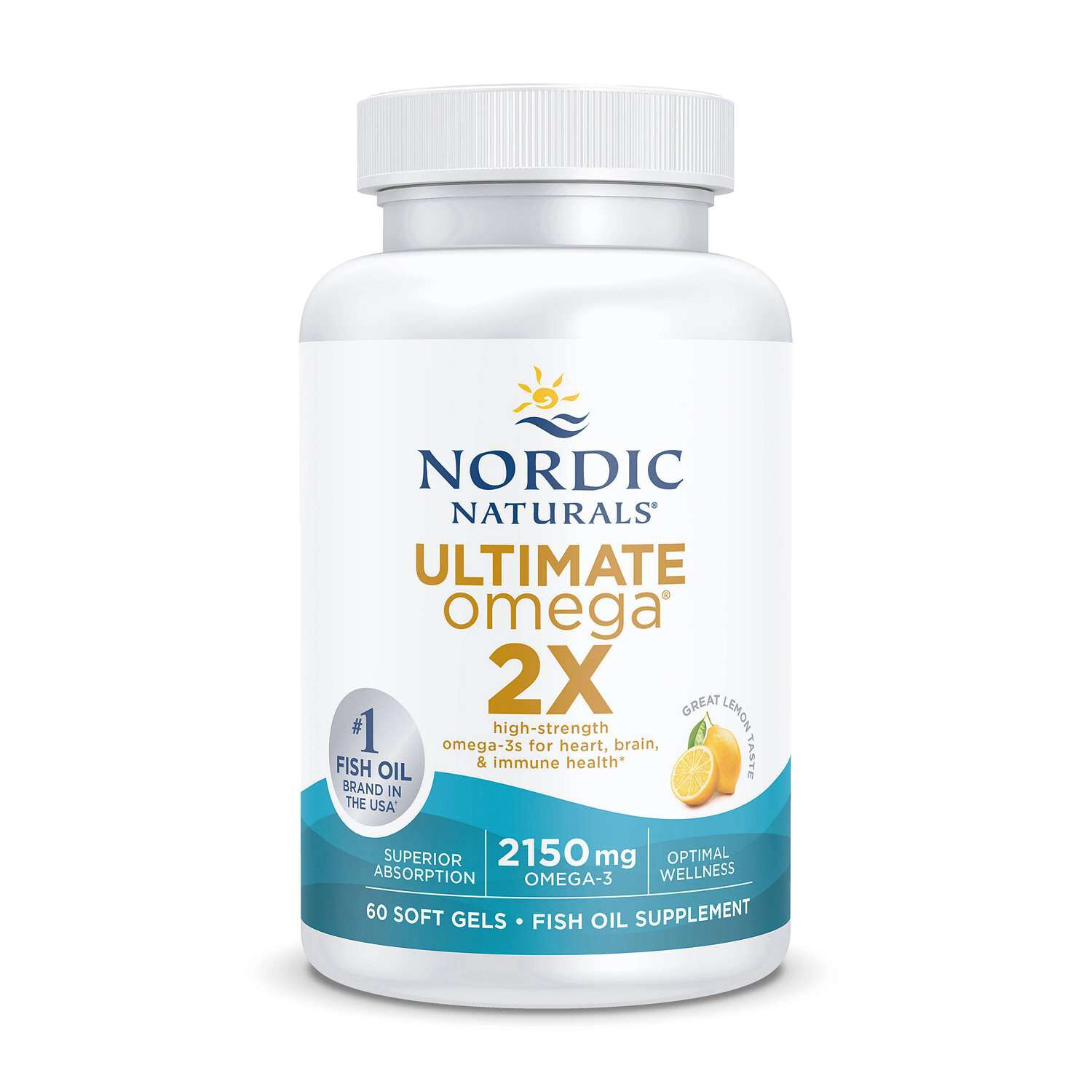 Nordic Naturals


Top Collections
- Daily Collagen Supplements | Top Brands & Deals | GNC
- Joint Mobility Supplement Packs
- Zinc Supplements | Top Brands at Great Prices | GNC
- Supplements For Yoga Joint Flexibility
- Supplements For Balance
- Chronic Fatigue Supplements
- Capsule Supplements For Energy And Stamina
- Cortisol Supplements
- NAD+ Supplement Tablets
- Iron Supplements