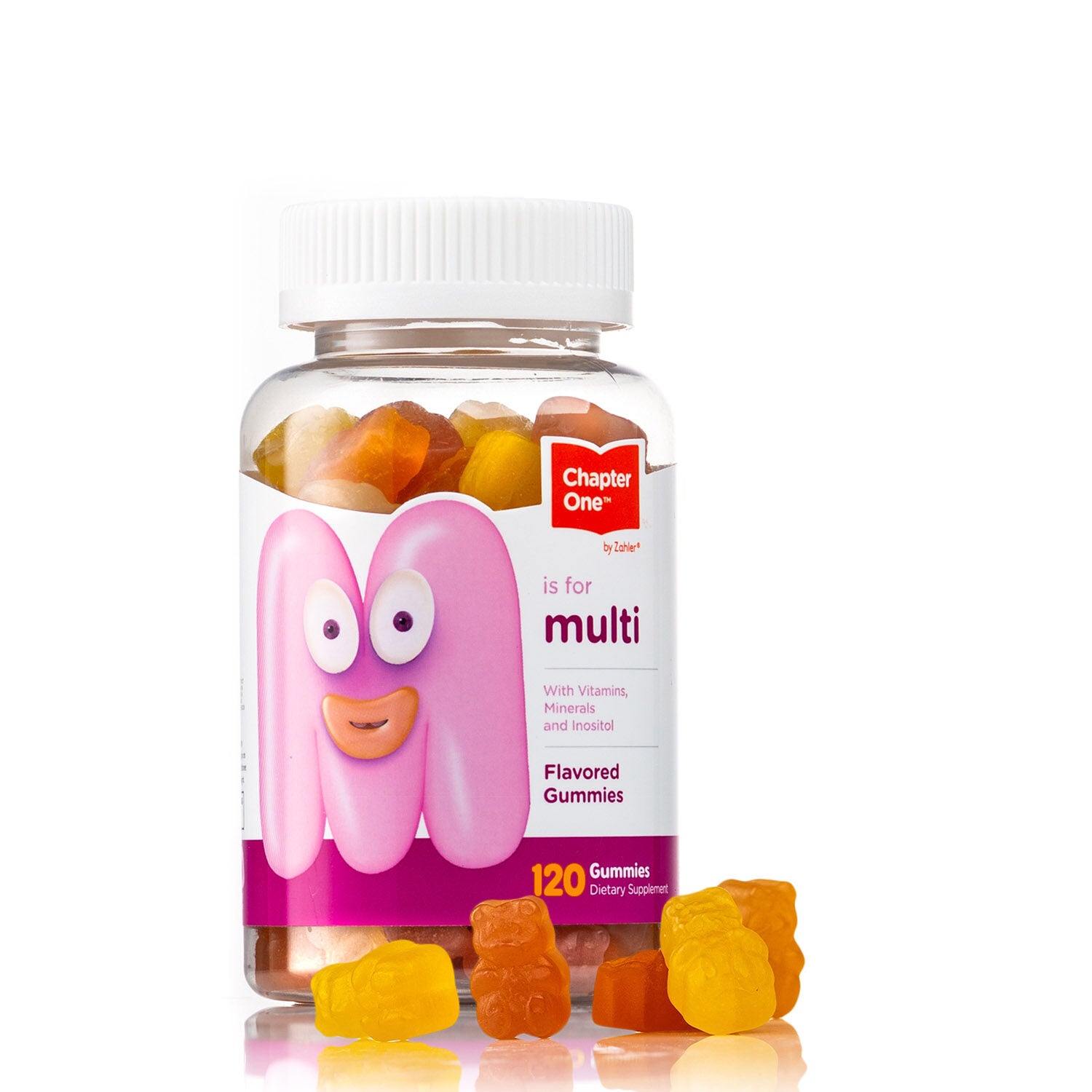


Kosher Men's Multivitamins
(0 Results)
Kosher men's multivitamins offer a convenient way to support your daily wellness routine while aligning with your dietary preferences. Designed to fit a kosher lifestyle, these multivitamins may provide essential nutrients tailored for men’s unique needs. Explore a range of options that could help you maintain your health goals and complement a balanced diet. With kosher men's multivitamins, finding the right supplement to suit both your values and nutritional requirements becomes simpler than ever.
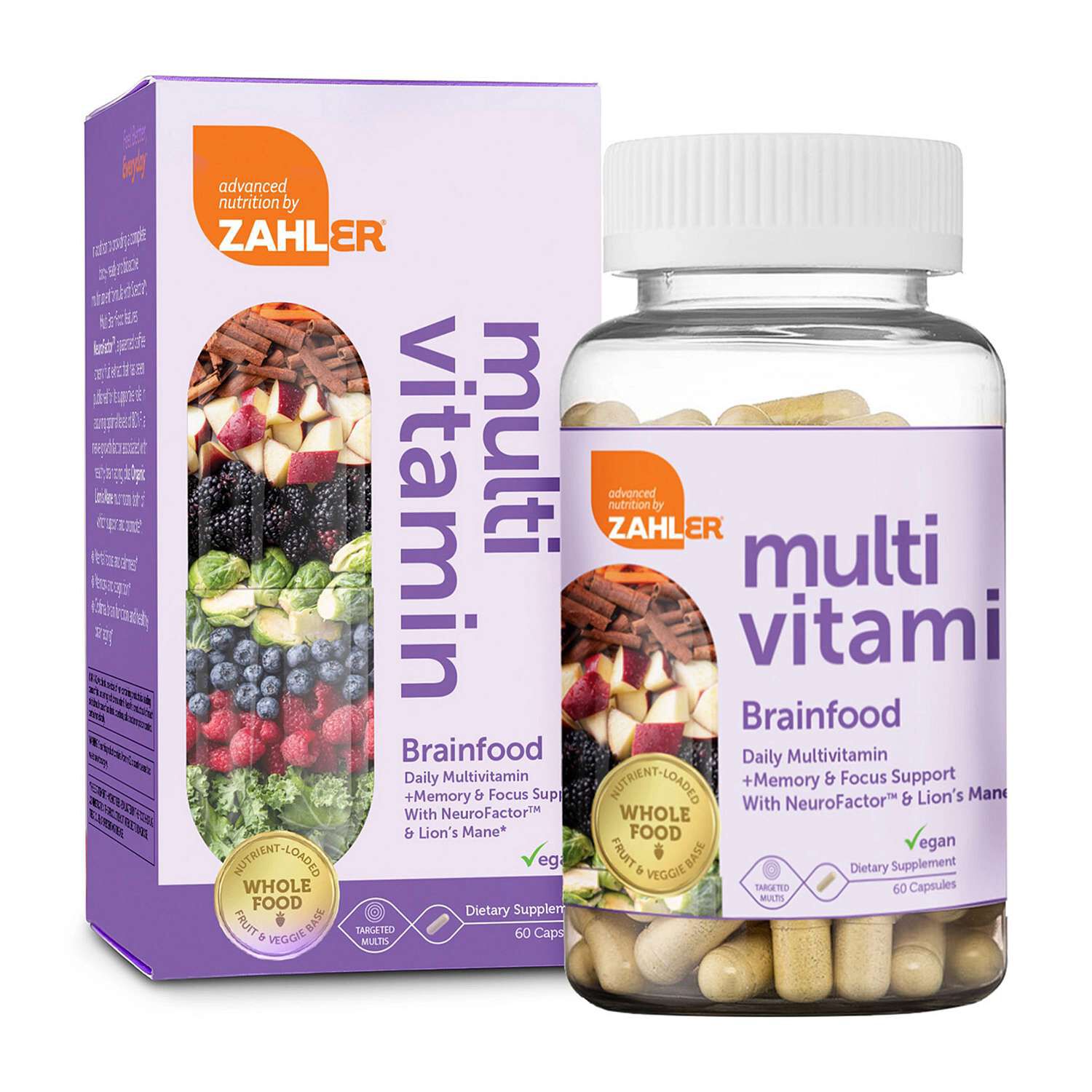
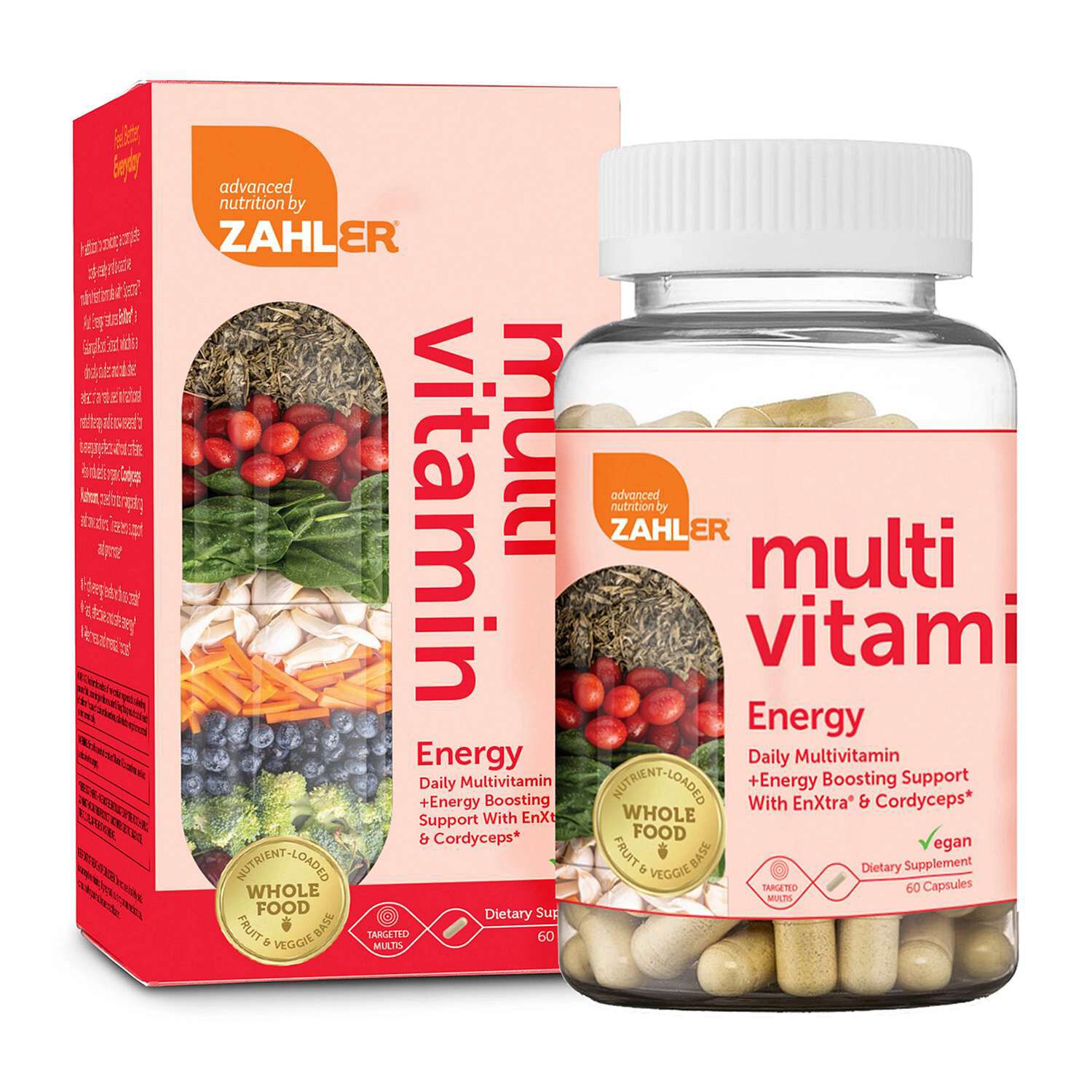
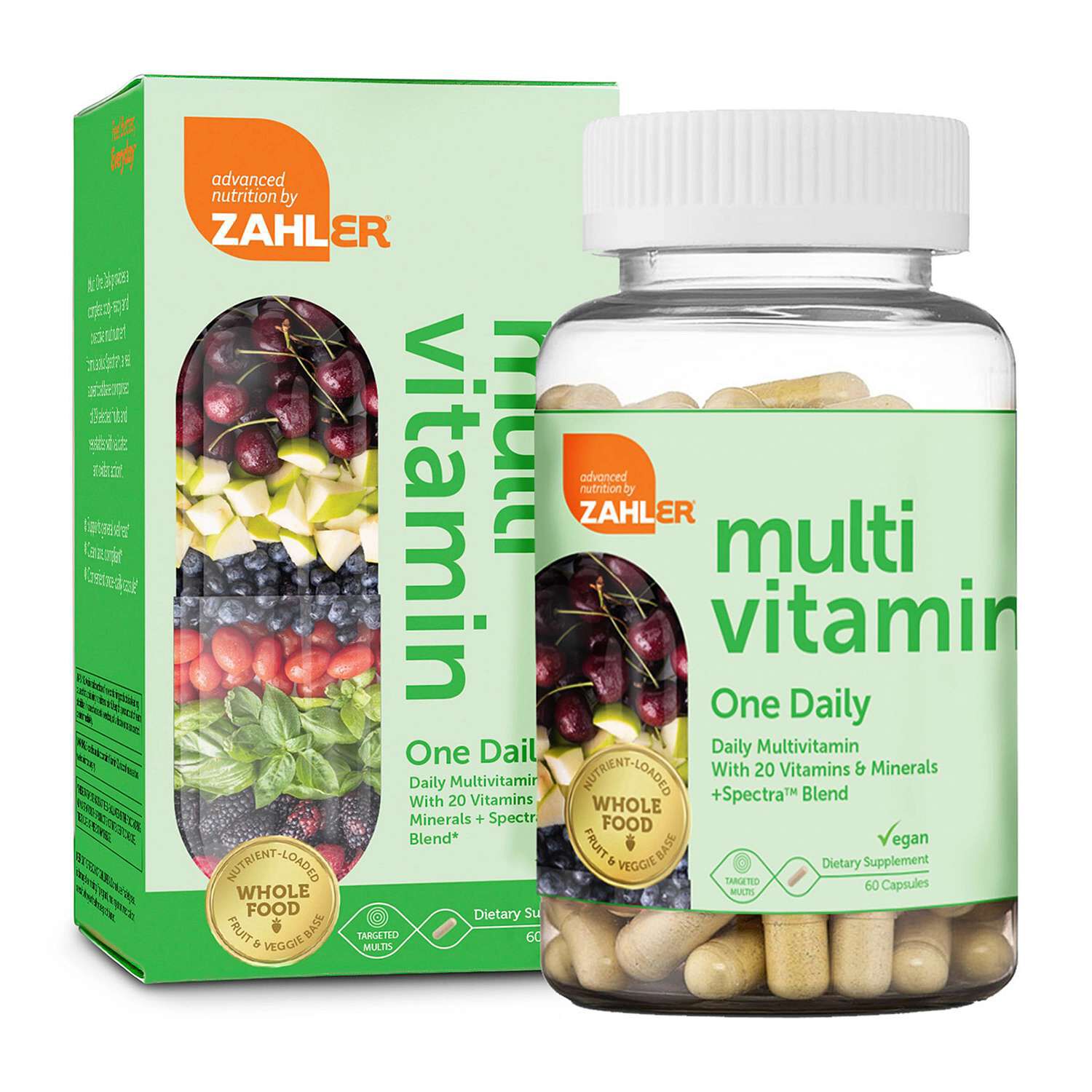
Kosher men’s multivitamins bring together two everyday considerations: a supplement formulated for adult men and ingredients and production practices that meet a kosher certifier’s requirements. For men who keep kosher, the distinction involves more than the vitamins and minerals named on the front of a bottle. Capsule shells, coatings, flavorings, and other ingredients also matter, along with the equipment and processes used in manufacturing. Kosher certification provides a way to evaluate those details through a recognized certifying organization rather than relying on a product’s name or appearance. The certification symbol on the packaging, sometimes called a hechsher, is therefore an important part of the product description. Different households recognize different certifying authorities, so a clearly identified certifier can be just as relevant as the supplement format or serving size. A men’s multivitamin may complement a varied eating routine, but kosher status does not describe its nutrient amounts, intended age group, or suitability for a particular person. Those details belong to the formula and its labeling. Likewise, kosher certification does not automatically mean a supplement is vegetarian, vegan, or made without a particular allergen. Each designation answers a different question about the contents or production process. Some supplements also carry a dairy or pareve designation; pareve generally indicates that a product is neither meat nor dairy under the certifier’s standards. That distinction can matter in a household where meals and kitchen routines follow kosher dietary practices. For shoppers comparing kosher multivitamins for men, the most useful background is this separation between certification and formulation: one addresses kosher requirements, while the other describes what is in each serving. Together, the certification mark, ingredient list, and Supplement Facts panel offer a more meaningful picture than broad wording on the front label alone. They also make it easier to distinguish a men’s daily formula from a general adult multivitamin without assuming that every kosher supplement has the same composition or intended use.
The differences among men’s multivitamin formulas extend to nutrient selection, serving size, and physical format. A formula may contain vitamins such as A, C, D, E, and several B vitamins, along with minerals such as zinc, selenium, or iodine, but the exact contents and amounts vary. Some formulas include iron, while others do not; the men’s designation by itself does not establish the mineral content. Products labeled for different adult age ranges may also differ in composition, which makes the stated audience a useful detail rather than an interchangeable marketing label. On the Supplement Facts panel, the serving size establishes the quantity associated with the listed nutrient amounts. A bottle containing a certain number of tablets does not necessarily contain that same number of servings. That distinction is especially relevant for someone who prefers a simpler morning routine or wants to understand how a container fits into everyday use. Tablets, capsules, chewables, and gummies offer different textures, dimensions, and flavor experiences, and each format has its own ingredient considerations. Tablets may have coatings, capsules have shell materials, and chewable formats can include sweeteners and flavorings. Gummies may use gelatin or pectin, but an ingredient name alone does not establish the kosher status of the finished supplement. Certification remains a separate consideration across formats. For someone who dislikes flavored supplements, a tablet or capsule might be a more appealing format; someone who prefers a chewable texture may pay closer attention to taste descriptions and serving quantity. Neither preference establishes nutritional equivalence between formulas. A gummy and a tablet marketed to adult men can have substantially different nutrient profiles. Other ingredients, including colors, binders, and coating materials, provide additional context for personal dietary preferences. These practical details give the category its variety: the right physical format for a busy breakfast table may differ from the preferred format for a carefully organized evening routine, even when both shoppers place equal importance on kosher certification.
Everyday fit also includes packaging, storage, and the setting in which a supplement will be used. A clearly printed label, a readable certification mark, and straightforward serving directions can make a bottle easier to identify among other household supplements. Container size and closure style are practical considerations for a shared cabinet, while the manufacturer’s storage directions describe the conditions intended for that particular formula. Supplements are consumable products rather than durable household goods, so package condition, the printed date, and storage requirements are more relevant than long-term wear. Heat, moisture, and direct sunlight can affect some formulations, and a container kept beside a steaming shower or in a parked car presents different conditions from a dry indoor cabinet. The original packaging keeps the ingredient details, certification information, lot identification, and directions together. That can be particularly useful when a shopper returns to the category after finishing a bottle and wants to compare the same details again. During the cooler months, when workdays, indoor activities, and family visits can shift daily schedules, a familiar supplement format may fit more comfortably into an established routine. It does not take the place of meals, and its intended use remains the use described on its label. Men shopping for themselves may prioritize a particular certifier, an age-specific formula, or a preferred texture. A partner or family member choosing a practical gift may instead start with the recipient’s known preferences, since supplement choices are personal and a familiar format is more considerate than an assumption about someone’s nutritional needs. Households shopping for more than one adult can also browse Kosher Vitamins For Women for a related category, while keeping each person’s formula and labeling distinct. Across these everyday situations, kosher men’s multivitamins are best understood through concrete product attributes: recognized certification, clearly described ingredients, an appropriate labeled audience, a manageable serving format, and packaging that suits the household’s storage routine. Those details keep the focus on what the supplement actually contains and how it fits the shopper’s preferences.
Best Sellers
-
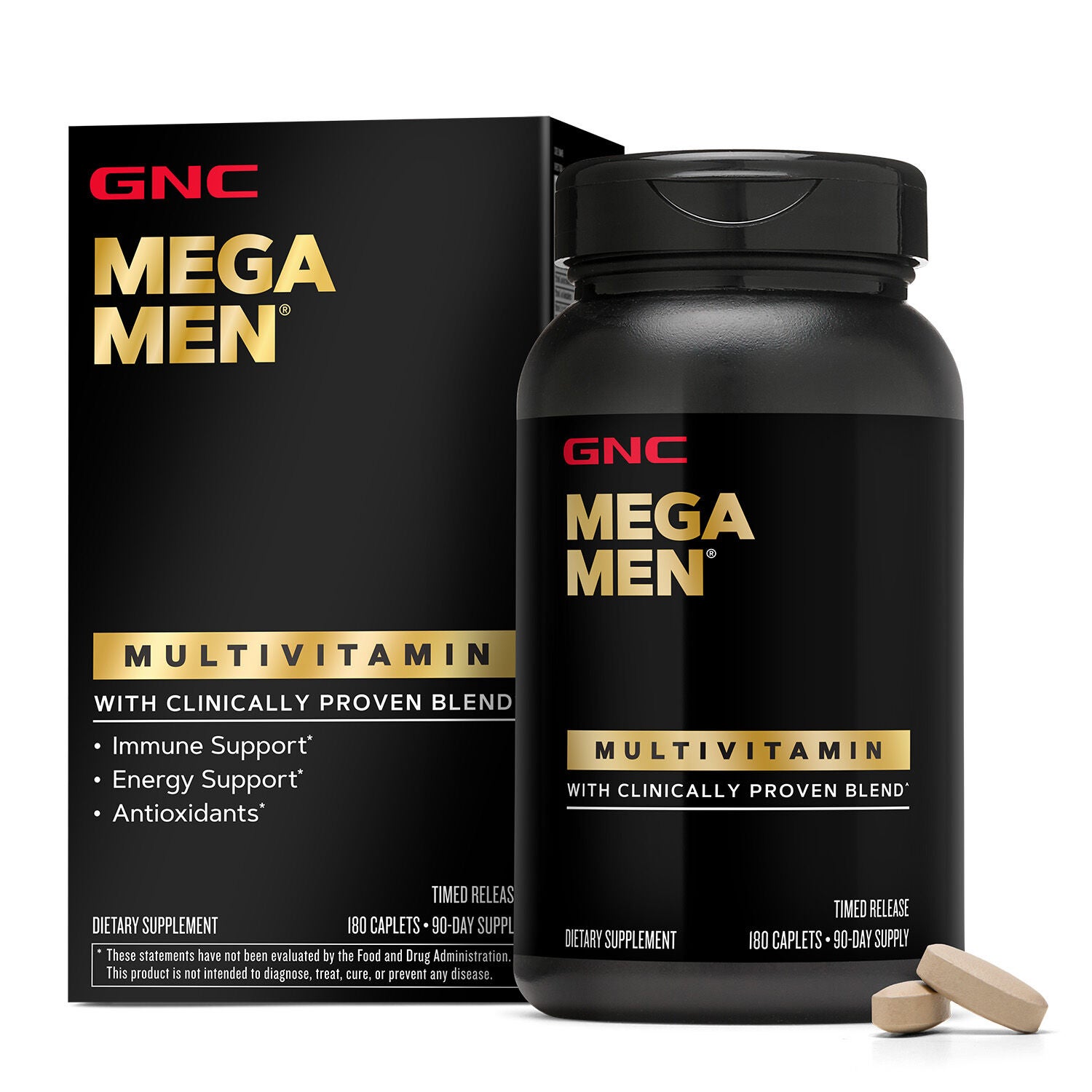 GNC Mega Men
 -
 GNC Mega Men
 -
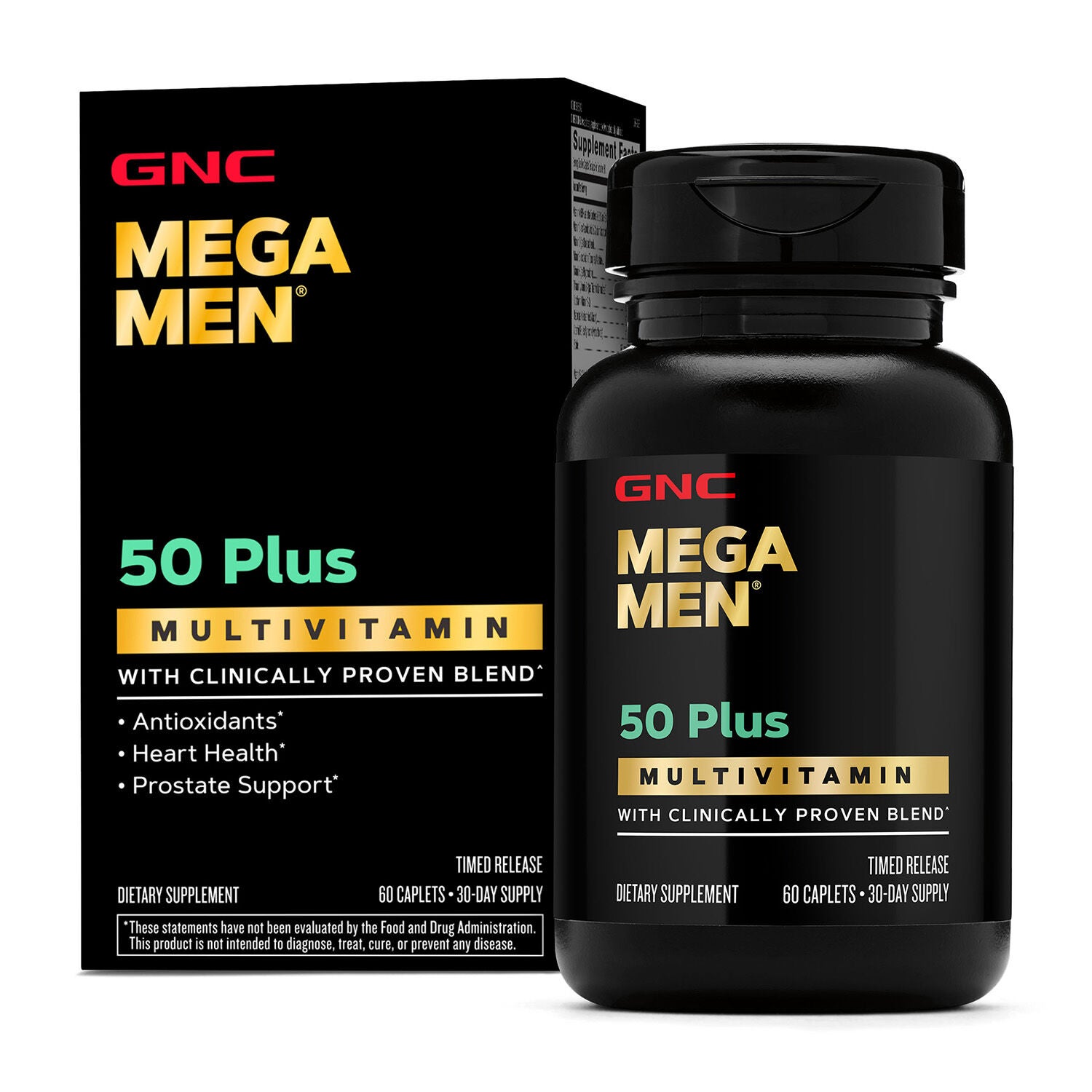 GNC Mega Men
 -
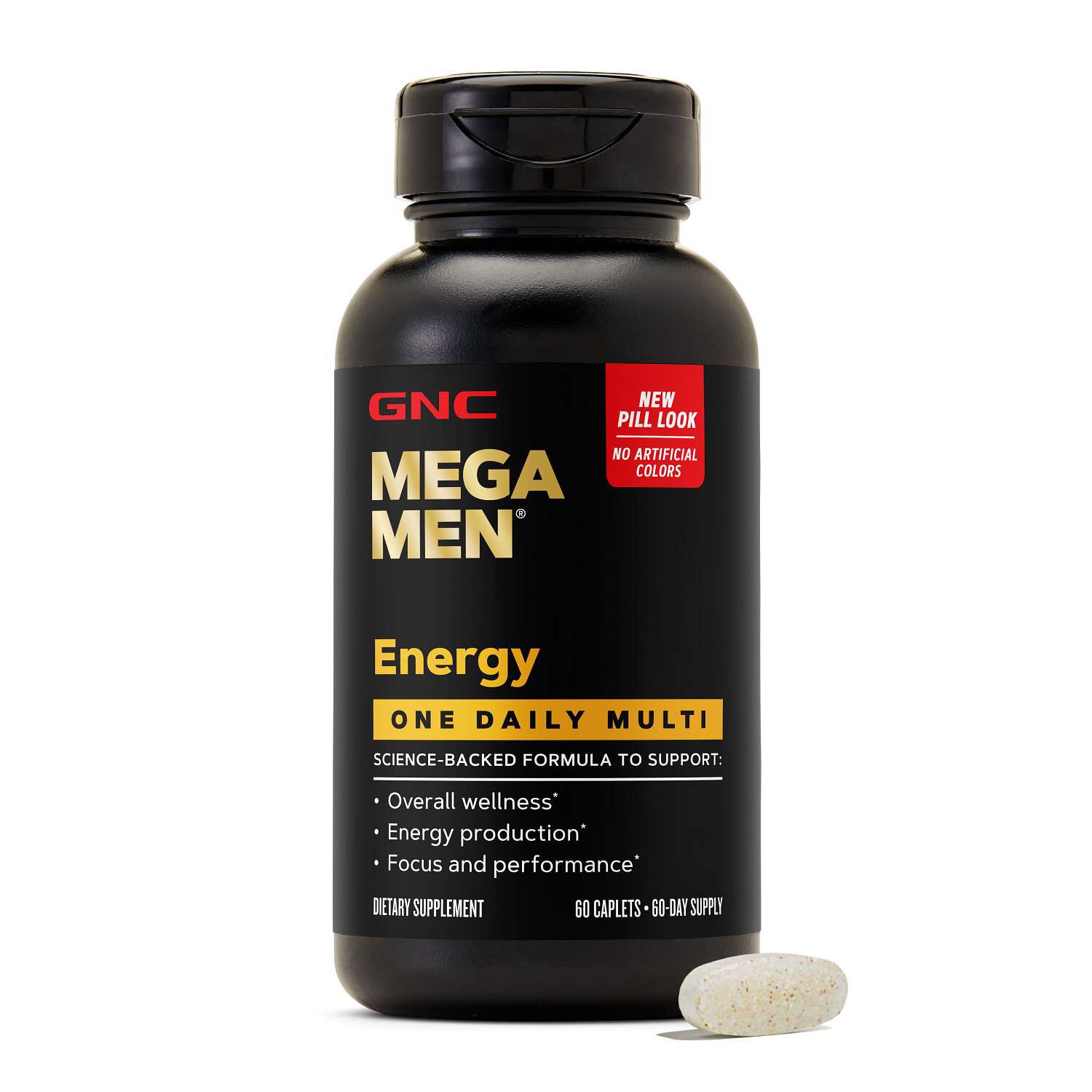 GNC Mega Men


_Front.jpg?sw=305&sh=305&sm=fit "Children's Kosher Vitamins | GNC")