





Kosher Vitamins For Women
(0 Results)
Discover a wide range of kosher vitamins for women that could support your health and wellness journey. These specially formulated supplements adhere to kosher dietary laws, ensuring quality and purity in every dose. Whether looking to potentially bolster your immune system, support bone health, or maintain overall vitality, our selection of kosher vitamins may offer the nutritional support you need. Explore options that might fit seamlessly into your daily routine and align with your dietary preferences.





_Front.jpg?sw=305&sh=305&sm=fit "Pure Way-C Vitamin C and Bioflavonoids 1000+ mg - 90 Tablets (90 Servings) | GNC")



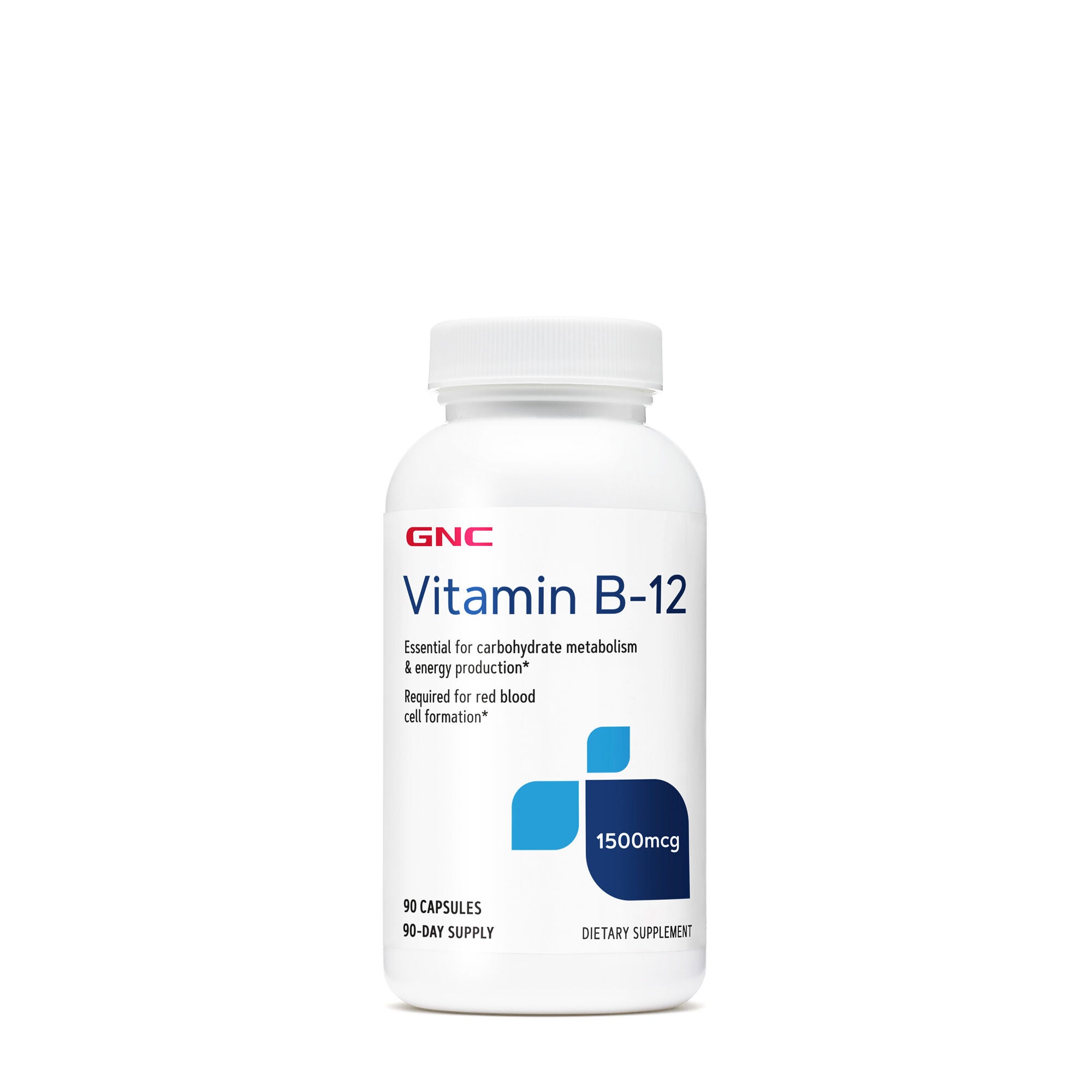
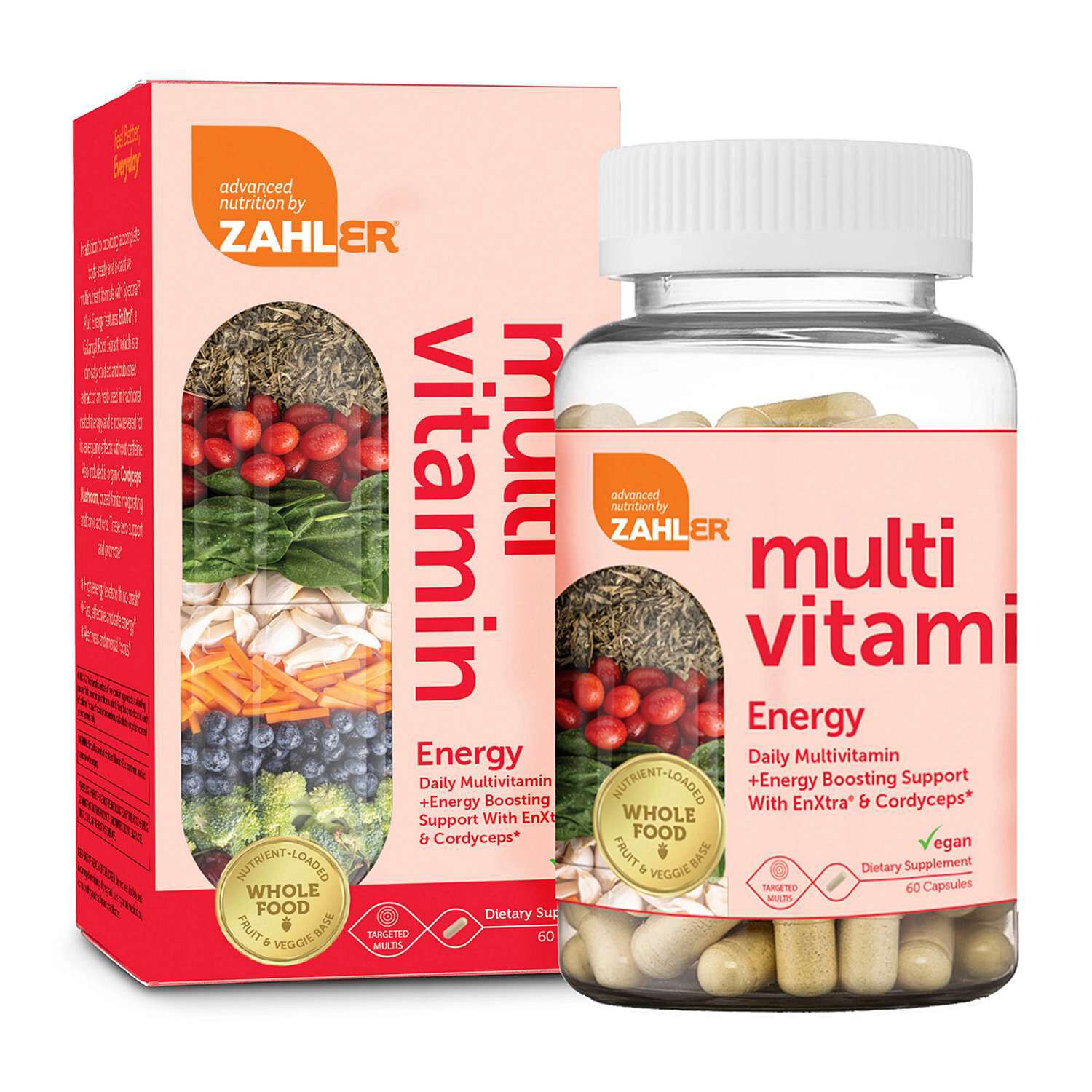
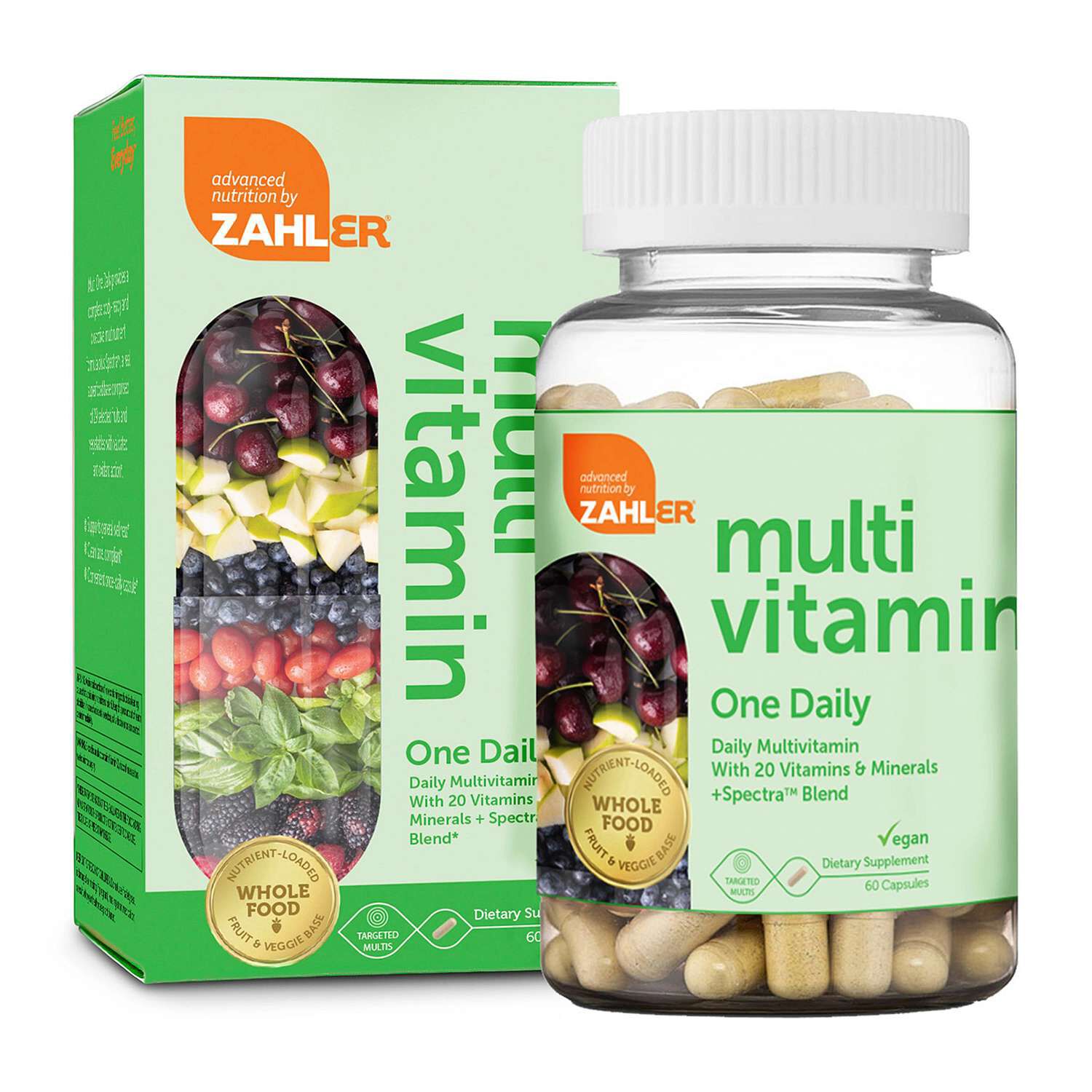

Kosher vitamins for women are dietary supplements formulated for women and certified to meet Jewish dietary laws, also known as kashrut. Kosher certification addresses ingredient sources and production practices, while the women’s designation describes the formula’s intended audience and nutrient selection. These are separate considerations: a women’s multivitamin is not automatically kosher, and a kosher supplement is not necessarily formulated for women. Certification is typically identified by a symbol from a kosher certifying organization on the package. That symbol matters because an ingredient list alone does not explain every source material, processing aid, or manufacturing detail involved in making a vitamin. Capsule shells, tablet coatings, glycerin, flavorings, and ingredients such as stearates can all have sourcing considerations. Gelatin, for example, can come from different animal sources, and its acceptability depends on the source and the applicable certification standards. A vegetarian capsule describes a material choice, but that description does not establish kosher status by itself. Similarly, a kosher designation does not necessarily mean a formula is vegan, vegetarian, or suitable for every dietary preference. Dairy and pareve designations provide additional context within kosher labeling; pareve generally indicates that a certified product is classified as neither meat nor dairy under the certifier’s standards. Fish-derived ingredients may still be relevant, so a pareve designation should not be treated as a substitute for reviewing animal-derived ingredients. For women who keep kosher, these distinctions make certification information just as relevant as the nutrient panel. A clearly identified certifier, readable ingredient list, and understandable dietary designation make it easier to compare formulas without relying on assumptions about the bottle’s appearance or the capsule’s composition. When a certification symbol is unfamiliar, the certifying organization’s published information can clarify what it represents. Careful attention to both certification and composition keeps the comparison focused on two useful questions: whether the supplement meets the shopper’s kosher requirements and whether its format and formula match the intended use.
Within the category of kosher women’s vitamins, multivitamins and single-nutrient supplements serve different shopping purposes. A multivitamin combines several vitamins and often minerals in one formula, while a single-nutrient option centers on one named nutrient. Women’s formulas can contain nutrients such as vitamin D, vitamin B12, folate, calcium, and iron, but their amounts and combinations vary. Some include iron, while others do not, and the word “women’s” does not indicate a uniform recipe. Adult, age-focused, and prenatal formulas are also distinct categories rather than interchangeable versions of the same supplement. The Supplement Facts panel gives a more precise picture than the category name, listing serving size, nutrient amounts, and percentage Daily Values. Those percentages are label reference values, not a personalized assessment of dietary needs. Serving size deserves particular attention when comparing formats: one serving might consist of one tablet, several capsules, or multiple gummies. A bottle’s tablet or gummy count therefore does not necessarily equal its number of servings. Tablets, capsules, softgels, gummies, and liquids also differ in texture, flavor, dimensions, and preparation. Someone who prefers an unflavored format may gravitate toward a tablet or capsule, while another shopper may prefer a chewable texture or a measured liquid serving. Gummies can include sweeteners, flavorings, and gelling ingredients that warrant a closer look alongside the nutrient information. Liquids may require a measuring device, and some have storage directions that change after opening. Capsule dimensions and tablet shape can matter to someone who already knows their format preferences. Other ingredients, allergen statements, and dietary labels add context beyond the vitamins and minerals themselves. Comparing these details side by side creates a clearer picture of what each serving contains and what using the format involves. Kosher certification remains important throughout that comparison, but it answers a different question from nutrient amounts, flavor preferences, or the number of pieces in a serving.
Everyday practicality is another part of choosing kosher vitamins for women. A supplement intended for regular use has to fit the ordinary details of a household routine, whether the bottle stays near a breakfast setting, in a designated pantry cabinet, or with other personal-care supplies. The package directions establish how the formula is intended to be used, including its serving size and any preparation or food-related instructions. Storage directions matter as well: many vitamin packages call for protection from moisture and direct sunlight, while certain formats have additional requirements. Keeping the original container preserves access to the ingredient list, certification symbol, lot information, and date markings. The closure, seal, and label are practical packaging features rather than decorative details, particularly for a bottle that will be opened repeatedly. A tightly closed container and a legible label are useful considerations for someone who organizes several household supplements in the same cabinet. Travel adds another layer of convenience, with package dimensions, measuring accessories, and access to the original directions becoming more noticeable when packing a bag. If vitamins are being chosen as a gift, the recipient’s established preferences are especially important; kosher observance, preferred certifier, ingredient restrictions, and familiar format are personal considerations that a general category name cannot resolve. For households comparing women’s and men’s options, Kosher Men's Multivitamins offers a related category to consider separately. A shared kosher designation does not mean that two formulas have the same ingredients, nutrient amounts, or intended audience. Each label deserves its own review rather than an assumption that the household can use one formula interchangeably. The most useful comparison brings together certification, nutrient composition, serving format, and package directions without allowing one feature to stand in for the others. Kosher vitamins for women sit at that intersection of dietary observance and personal preference: the certification explains the kosher status, the Supplement Facts panel describes the formula, and the packaging details show how the supplement fits into an established routine.
Best Sellers
Related Pages

Top Collections
- Daily Collagen Supplements | Top Brands & Deals | GNC
- Joint Mobility Supplement Packs
- Zinc Supplements | Top Brands at Great Prices | GNC
- Supplements For Yoga Joint Flexibility
- Supplements For Balance
- Chronic Fatigue Supplements
- Capsule Supplements For Energy And Stamina
- Cortisol Supplements
- NAD+ Supplement Tablets
- Iron Supplements