

Kosher Wellness Products
(0 Results)
Discover a diverse range of kosher wellness products designed to support a healthy lifestyle. Whether you're looking for vitamins, supplements, or protein options, these products adhere to kosher dietary laws while providing the nutrients that may help you feel your best. Explore our selection and find the perfect addition to your wellness routine with confidence in their quality and compliance.


 _Front.jpg?sw=305&sh=305&sm=fit "Magnesium: Bioactive Magensium Citrate - 60 Capsules (60 Servings) | GNC")


_Front.jpg?sw=305&sh=305&sm=fit "Pure Way-C Vitamin C and Bioflavonoids 1000+ mg - 90 Tablets (90 Servings) | GNC")


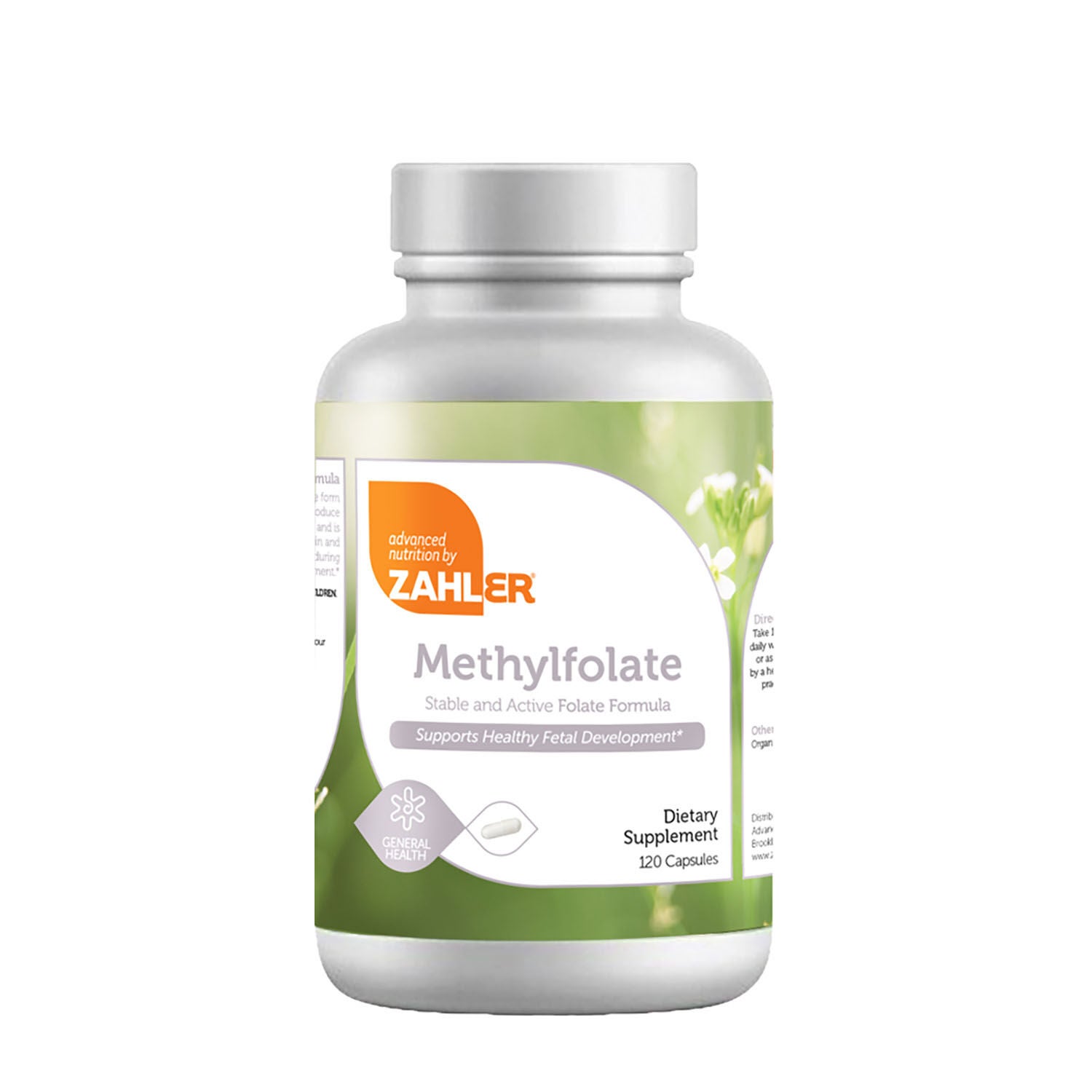
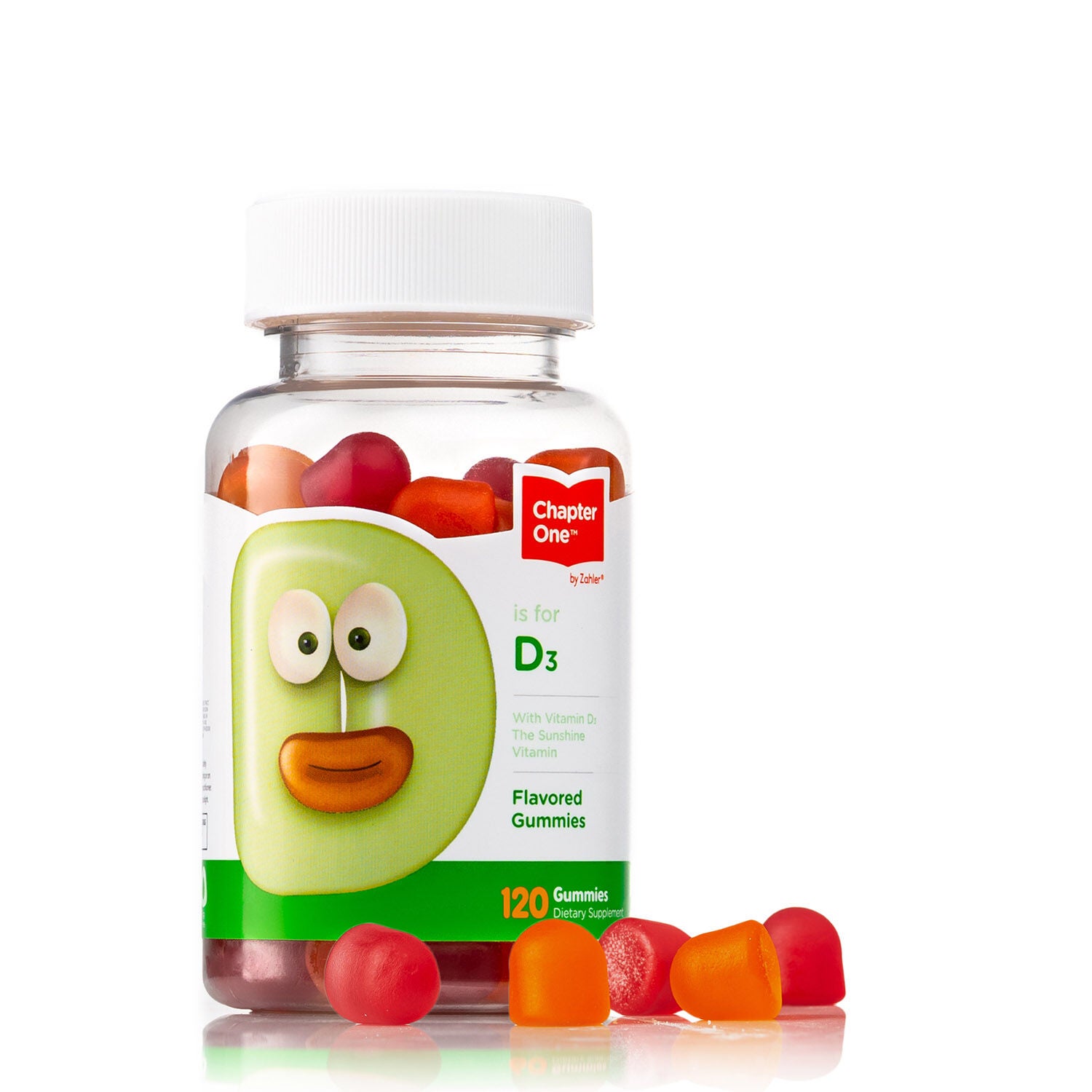
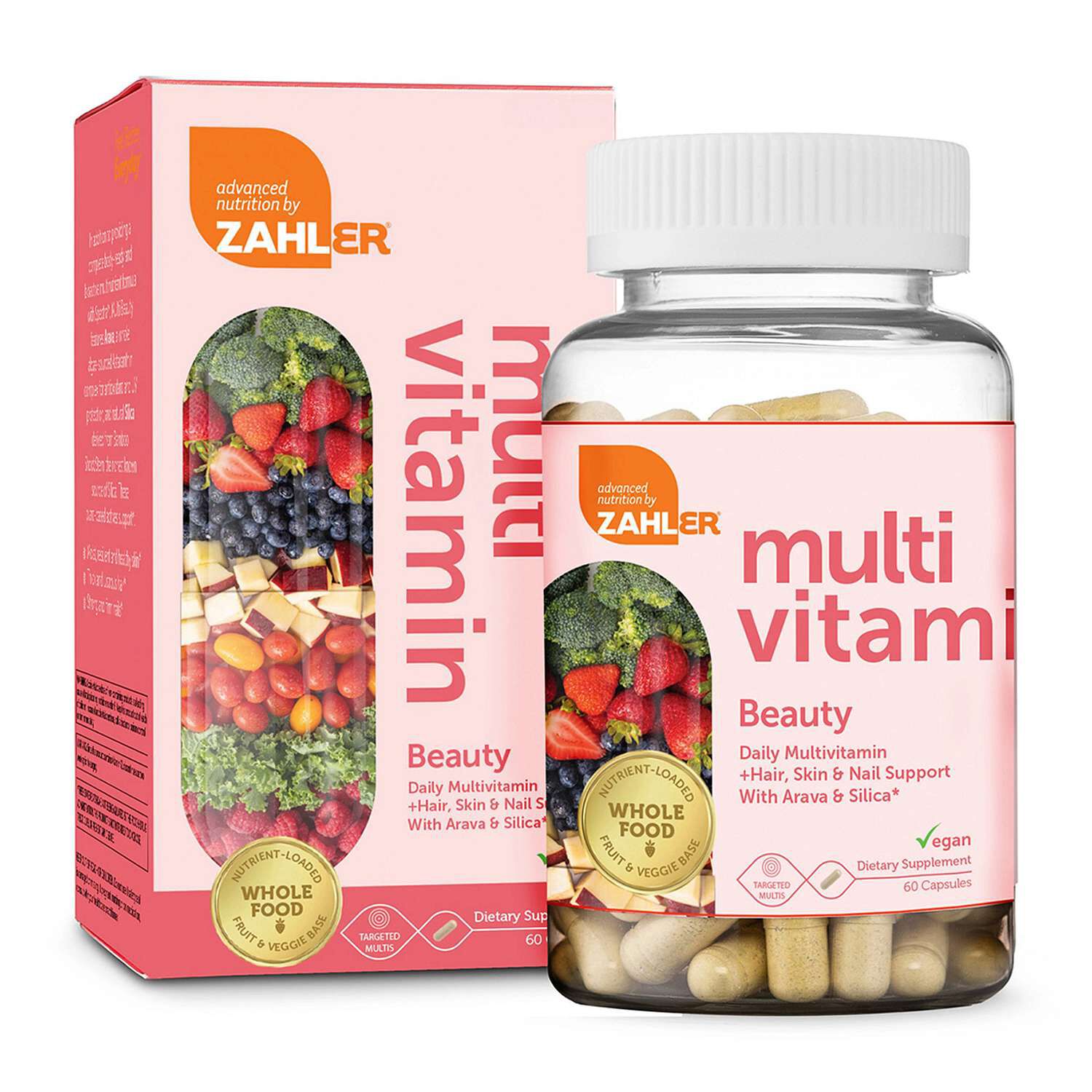

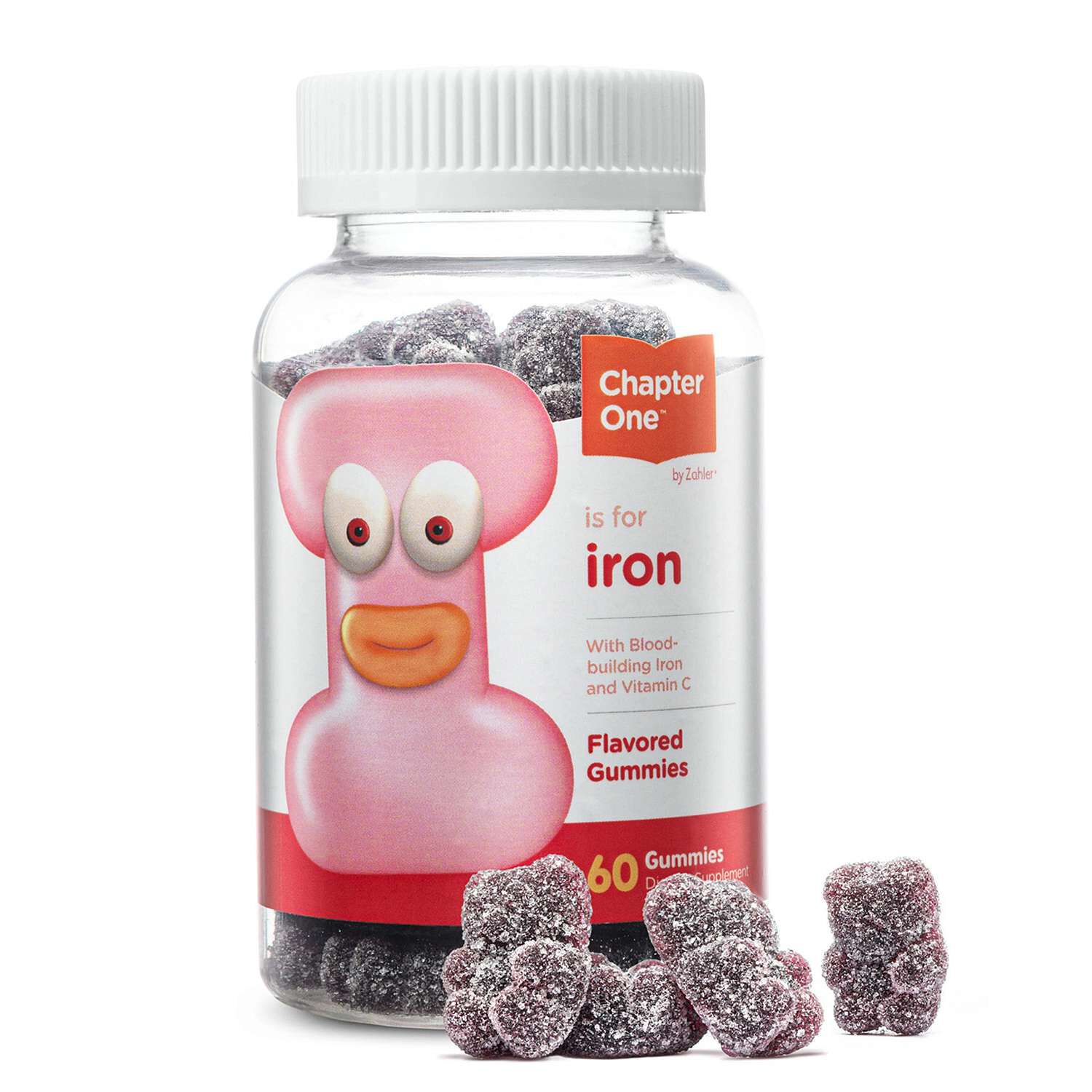
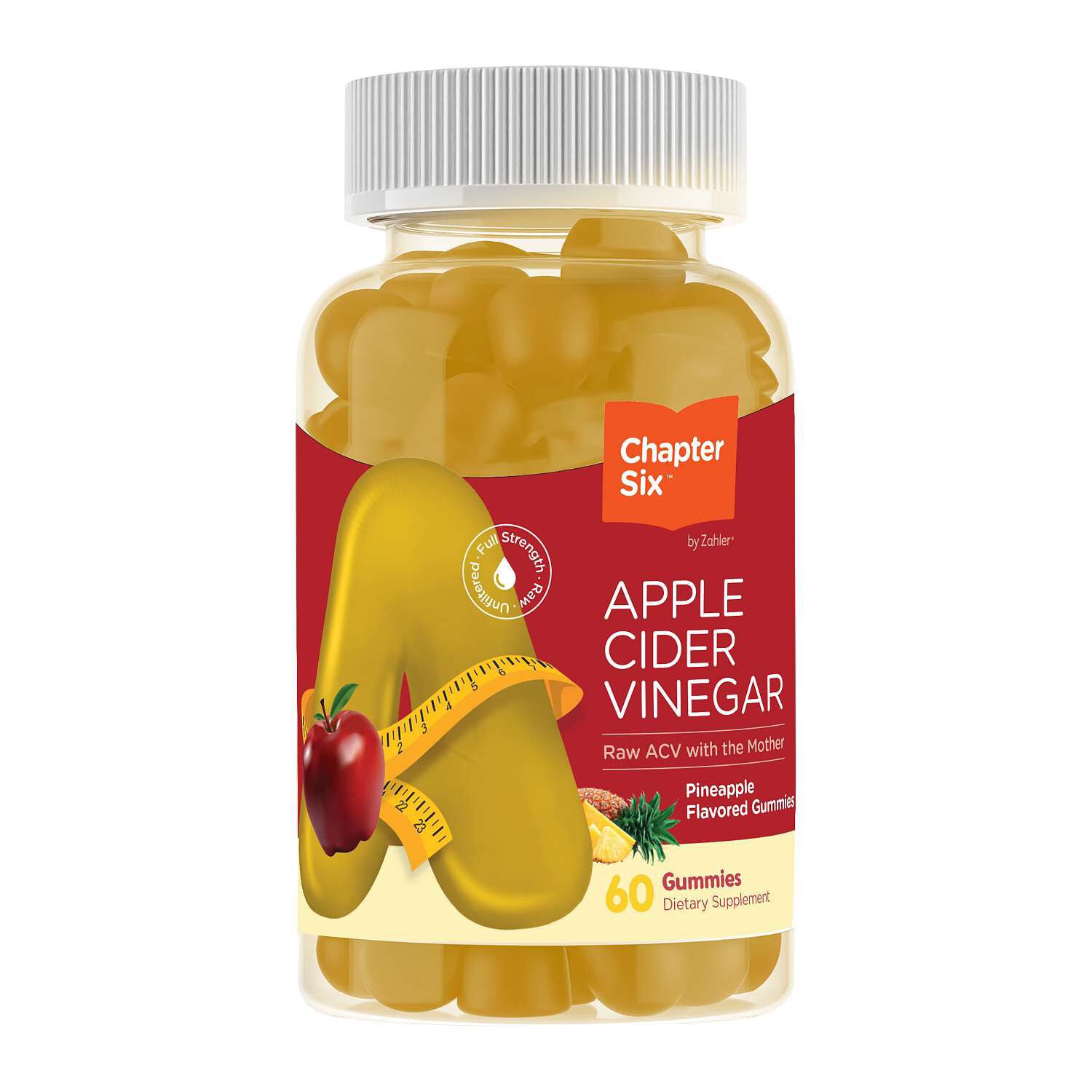

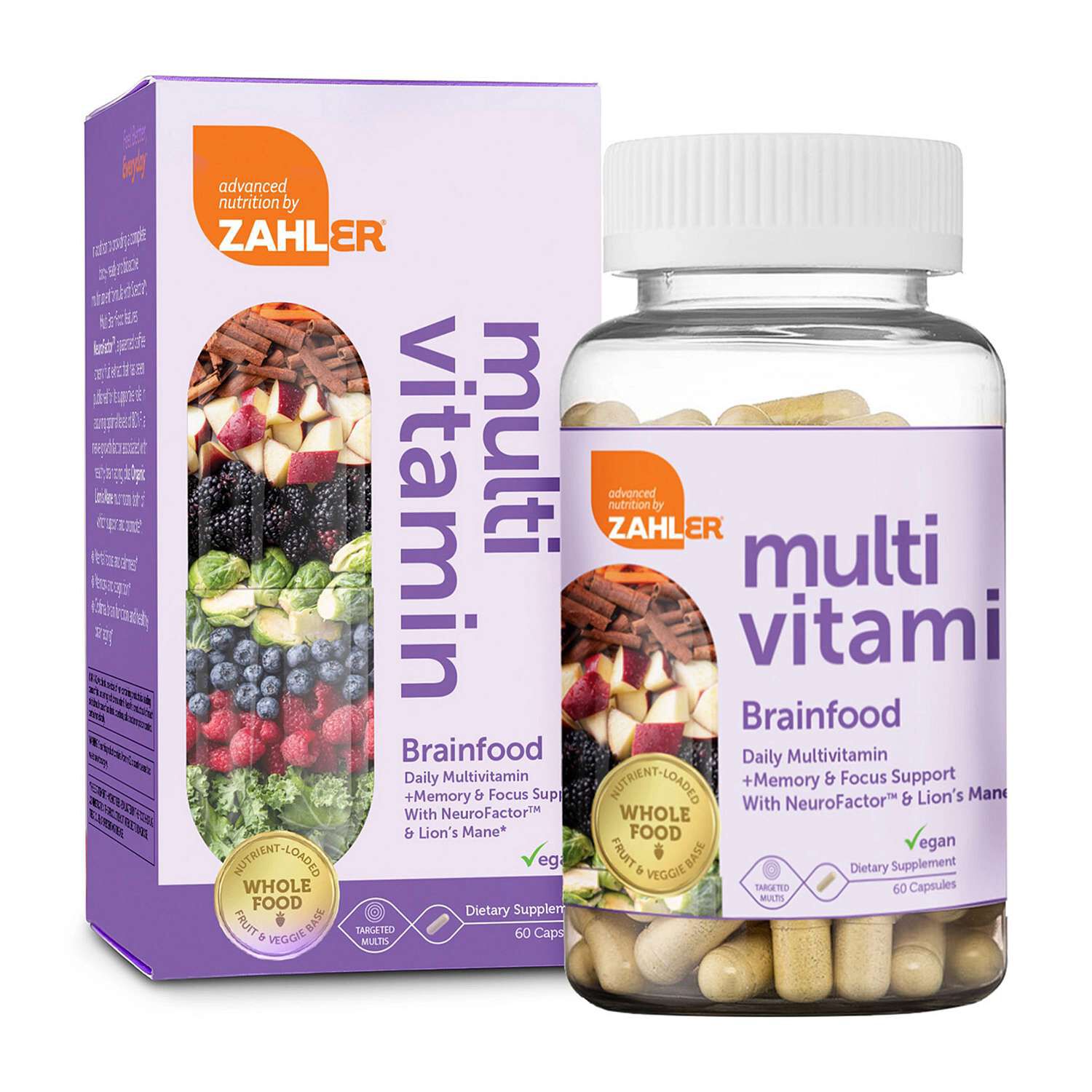
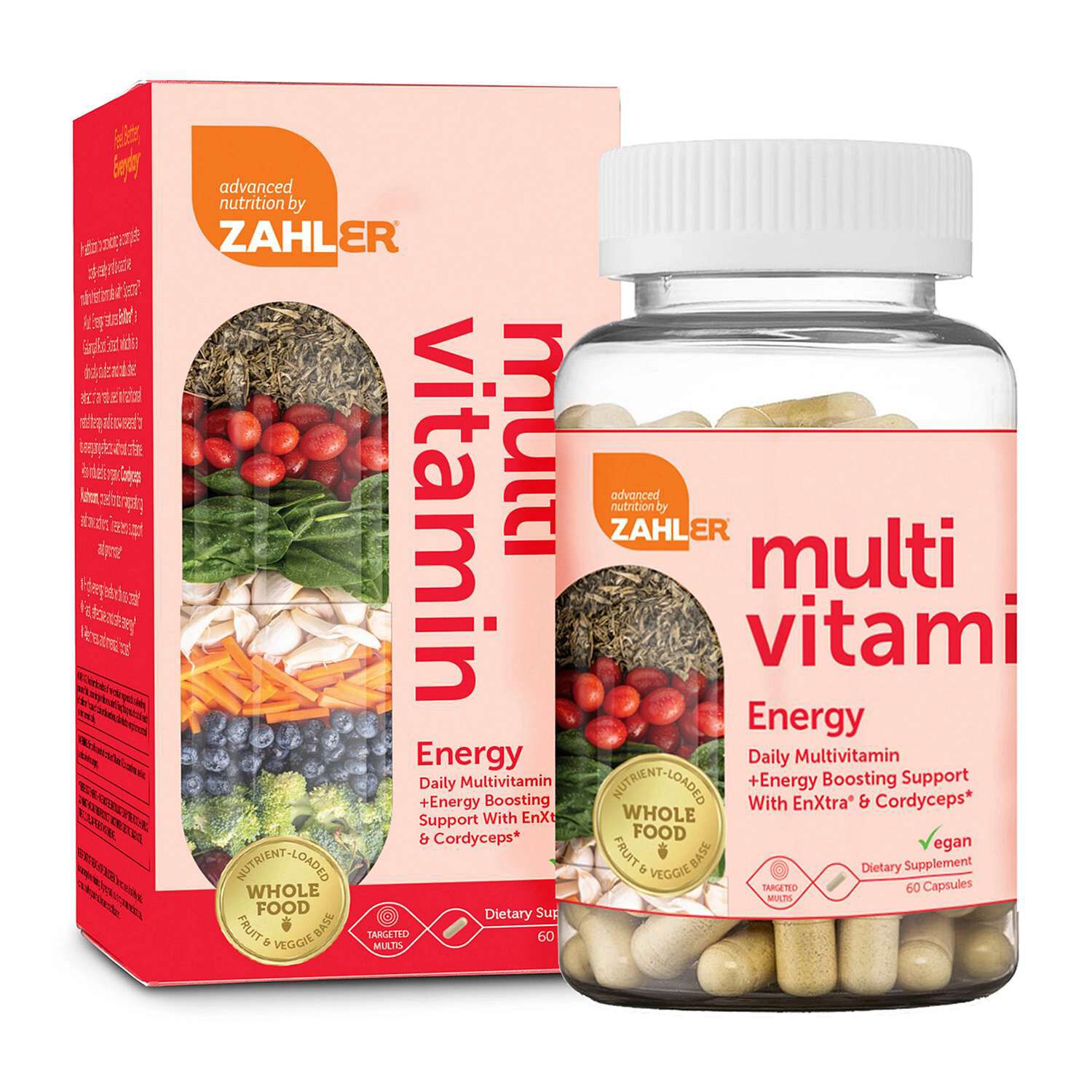

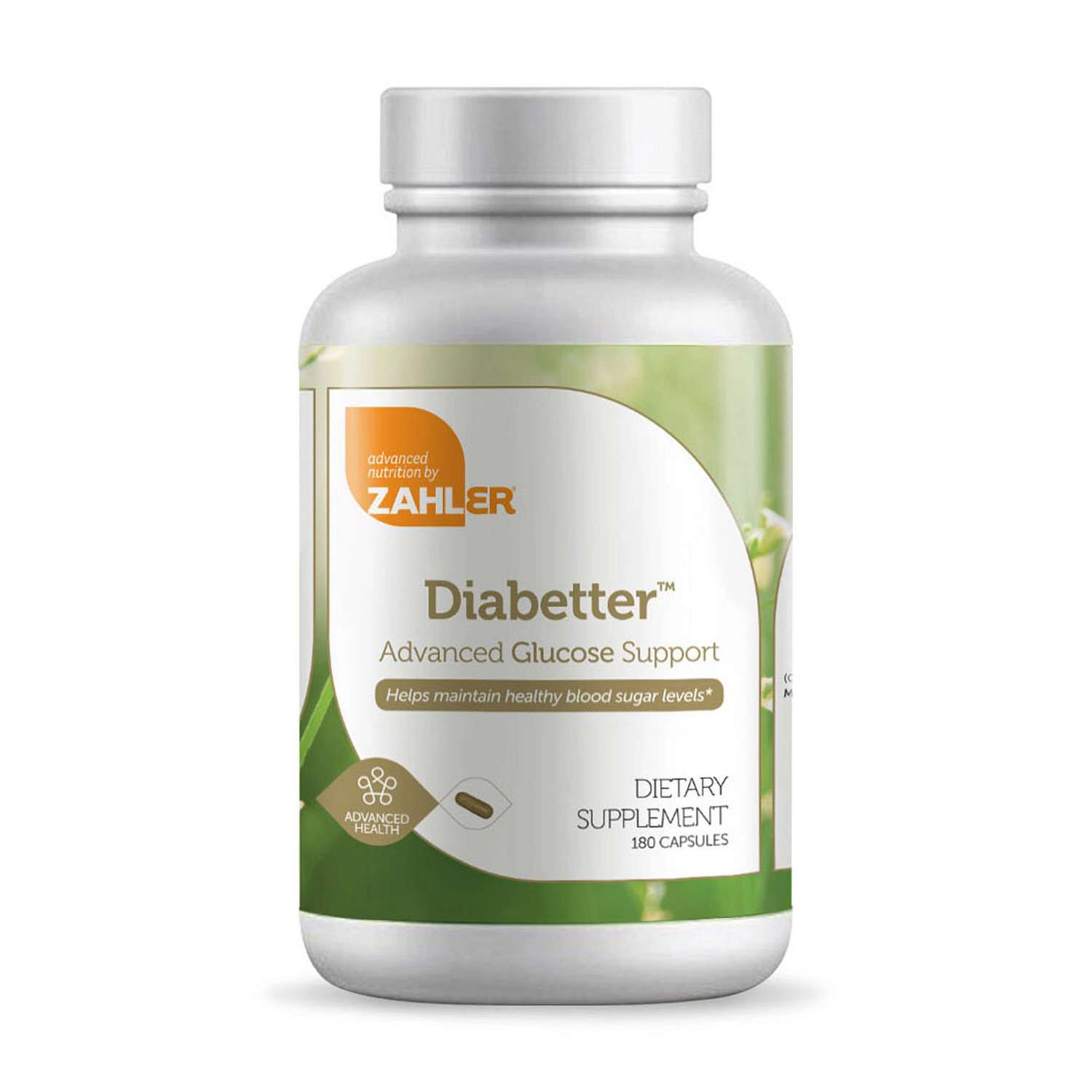
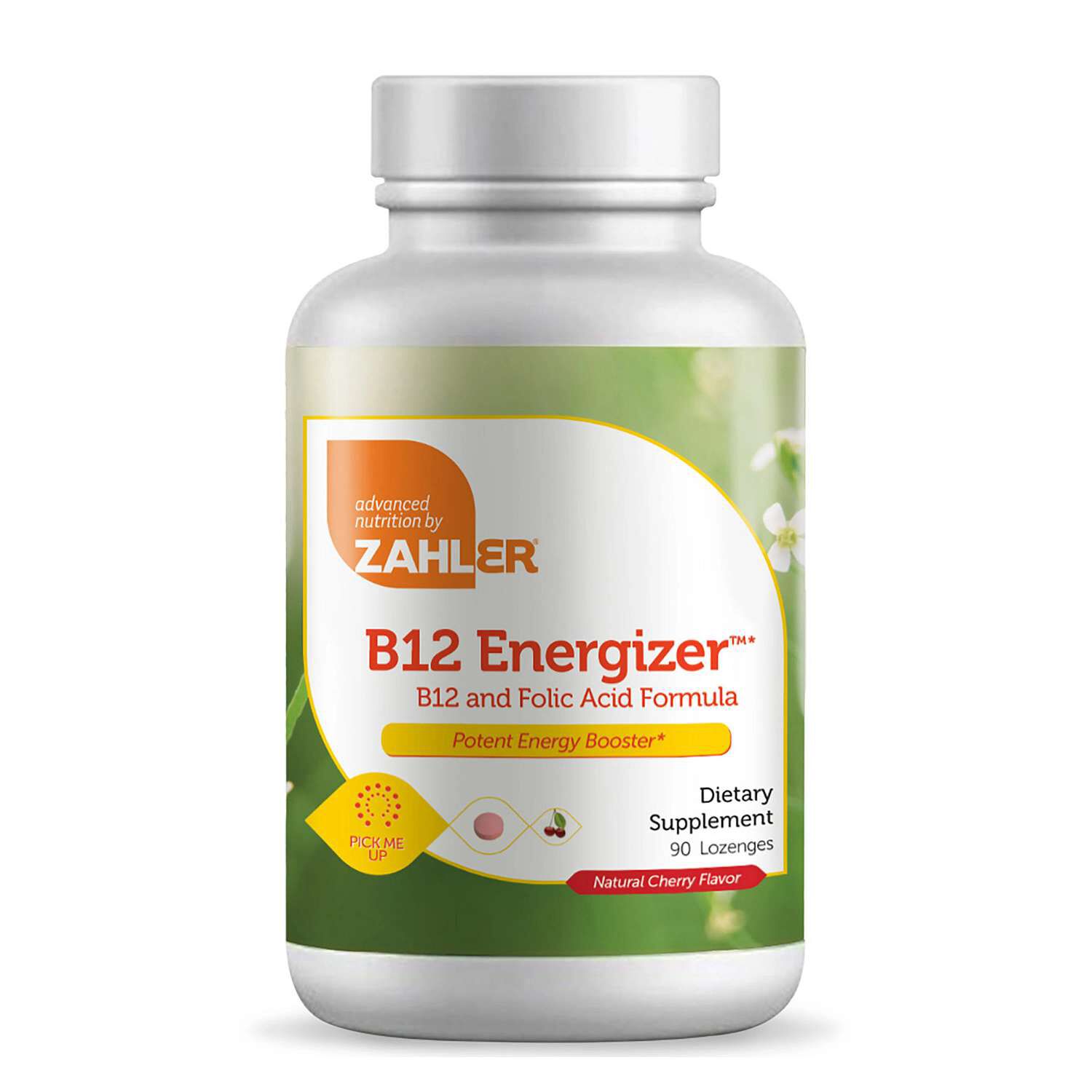

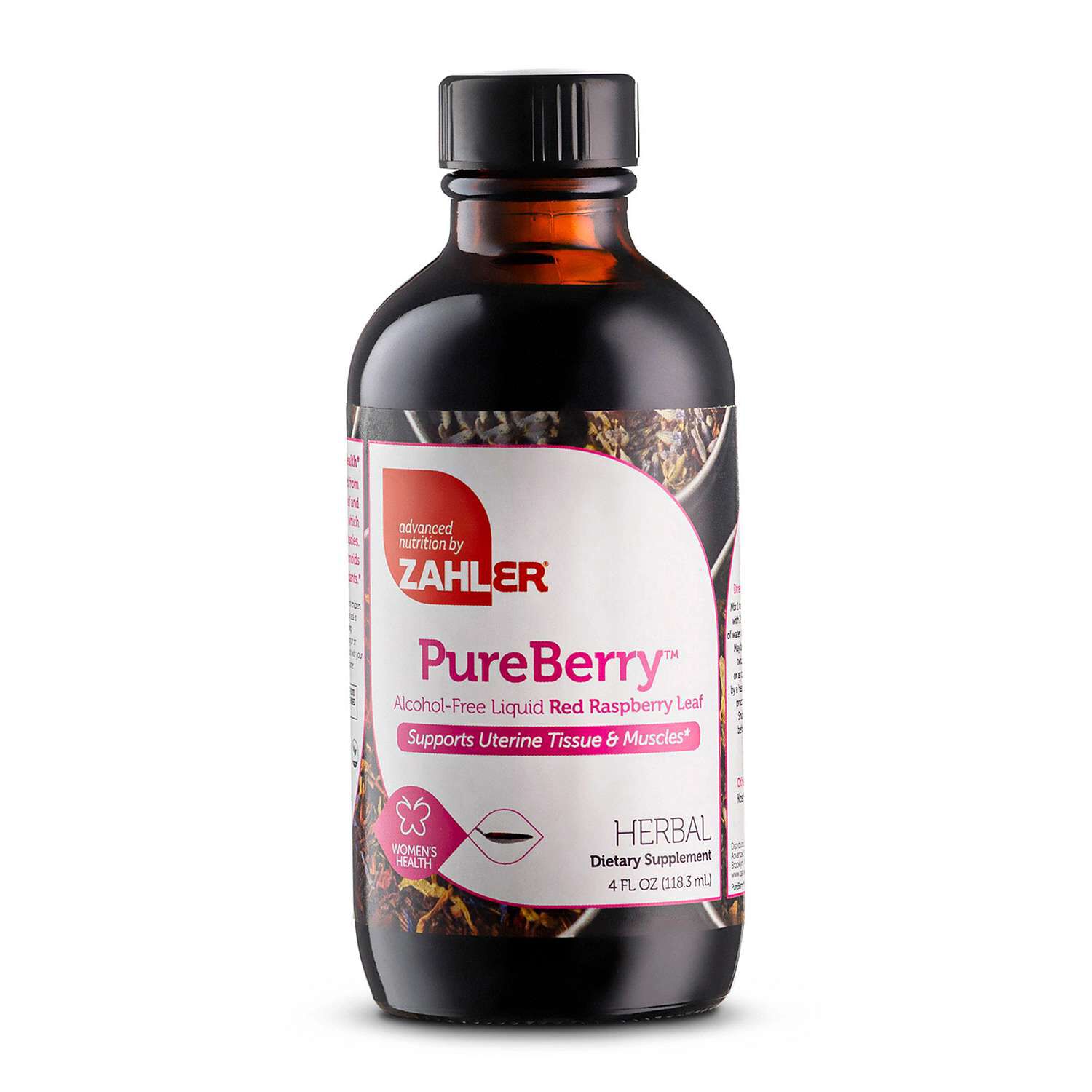
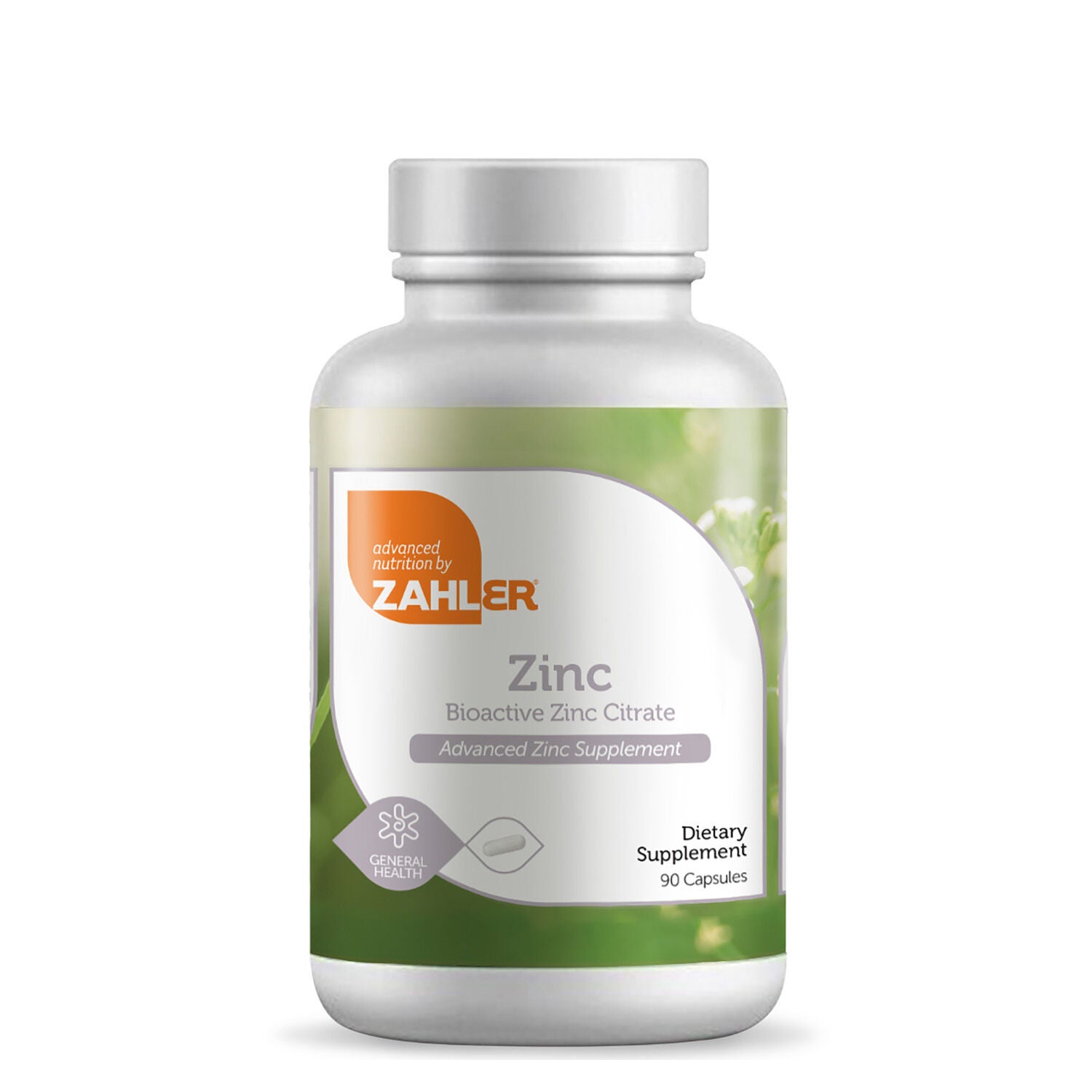
Kosher wellness products bring vitamins, minerals, protein powders, and other nutrition formats into consideration for shoppers who follow Jewish dietary laws, also known as kashrut. The defining feature is kosher status, which concerns ingredients, their sources, and the conditions under which a product is made. A formula can contain familiar nutrients and still require careful review because capsule shells, flavorings, processing aids, and shared production equipment may matter for kosher certification. Recognized certification provides a way to assess these details without relying on the ingredient list alone. The certifying organization’s symbol, often called a hechsher, is an important part of the package, along with any designation identifying the product as dairy, meat, or pareve. Pareve generally means the product is classified as neither meat nor dairy under kosher rules; it does not automatically mean vegan or suitable for someone with a food allergy. Kosher status also does not establish nutritional quality or whether a formula suits an individual’s dietary needs. Those are separate considerations, addressed through the nutrition information, ingredient list, allergen statement, and intended use. For someone organizing a kosher kitchen, these distinctions are practical rather than abstract. A powder intended for a morning smoothie needs to fit both the recipe and the household’s approach to dairy and pareve foods. A capsule kept beside breakfast supplies needs the same attention to certification as a food mixed into that breakfast. Shoppers may also distinguish between certification accepted in their own household and certification recognized by a host or gift recipient. The package designation and the certifier’s explanation are more useful than assumptions based on a product’s appearance, plant-based positioning, or familiar ingredients. Kosher wellness shopping therefore involves two parallel decisions: whether the product meets the shopper’s kosher requirements and whether its format, composition, and everyday use make sense for the routine it is meant to join.
Format shapes how kosher vitamins and supplements fit into daily life. Tablets and capsules offer measured portions, while powders involve scooping, mixing, and keeping a shaker or glass close at hand. Liquids require attention to the measuring tool and any storage directions after opening. Chewable formats bring flavor and texture into the decision, along with ingredients used to create their consistency. Capsule shells may be made with gelatin or plant-derived materials, and gummies may use gelatin or pectin; the material name alone does not establish kosher status. Protein powders deserve a similarly close look because dairy-derived and plant-derived proteins have different ingredient profiles, and added flavors or other components can affect the finished product’s classification. A plain powder stirred into oatmeal creates a different eating experience from a strongly flavored blend mixed with water. Someone who prefers a short breakfast routine may value a format requiring little preparation, while a person who regularly packs a gym bag may prefer a container that travels neatly and closes securely. These are questions of convenience and preference, not evidence that one format works better than another. Comparing the labeled serving size with the amount per serving also matters: one scoop, one tablet, and one chewable are not interchangeable units across formulas. The Supplement Facts or Nutrition Facts panel, as applicable, helps clarify what each serving contains, while the ingredient list identifies sweeteners, flavors, and other components. Kosher certification remains separate from claims about organic ingredients, plant-based composition, or the absence of a particular allergen. During meal planning, the drink mixed alongside a snack may need just as much attention as the snack itself. Kosher Hydration Products offers a related category for shoppers considering beverage formats within a kosher routine. For these products, serving directions, ingredient details, flavor preferences, and certification all contribute to a useful comparison, whether the setting is a desk, a workout bag, or the kitchen counter.
Storage and handling are part of choosing kosher wellness products, especially when a container will be opened repeatedly over several weeks. Package directions should determine where a product is kept and whether refrigeration is needed after opening. A sunny windowsill, a humid bathroom shelf, or a bag left in a warm car may not match those directions. Powders require particular attention to moisture: a dry scoop and a securely closed lid help keep water from entering the container. Original packaging keeps the ingredient information, serving directions, date marking, and kosher symbol together, which is useful when several people share a pantry. Container design matters, too. A lid that closes firmly, a label that remains readable, and packaging suited to the intended setting are more relevant here than durability in the sense used for clothing or equipment. In a kosher kitchen, mixing utensils and storage arrangements also need to align with household practice; the designation on a powder does not describe the status of the milk, cup, spoon, or blender used with it. Picture a busy morning with oatmeal on the stove, a shaker drying beside the sink, and lunch containers waiting to be packed. A familiar format with clear directions can make the preparation process more straightforward, while a formula requiring extra measuring or cleanup may suit a quieter part of the day. During the cooler months, changing schedules and more time spent indoors may shift where these routines happen, but the same package and ingredient checks remain relevant. Kosher wellness products may interest adults who already use nutrition supplements, people building a kosher pantry, and households coordinating different food preferences. They are a more personal gift than a general kitchen accessory, so a recipient’s expressed preferences, accepted certification, and familiarity with the category matter. A surprise formula is not necessarily a thoughtful match. Across everyday use and gifting, the strongest fit comes from clear kosher identification, transparent ingredient information, manageable preparation, and a format the intended user actually wants to keep in their routine.


 Chewable Tablets_Front.jpg?sw=305&sh=305&sm=fit "ChildCalm - 60 Chewable Tablets (30 Servings) | GNC")