Kosher Health Products
(0 Results)
Explore a wide range of kosher health products designed to support your wellness journey while adhering to dietary preferences. Whether you're looking for multivitamins, supplements, or protein options, these products are certified kosher to meet your needs. Enjoy the peace of mind that comes with knowing you're choosing items that align with your lifestyle and values. Dive into our selection and find the perfect additions to your daily routine.

 _Front.jpg?sw=305&sh=305&sm=fit "Magnesium: Bioactive Magensium Citrate - 120 Capsules (120 Servings) | GNC")
 _Front.jpg?sw=305&sh=305&sm=fit "Magnesium: Bioactive Magensium Citrate - 60 Capsules (60 Servings) | GNC")


 Chewable Tablets_Front.jpg?sw=305&sh=305&sm=fit "ChildCalm - 60 Chewable Tablets (30 Servings) | GNC")


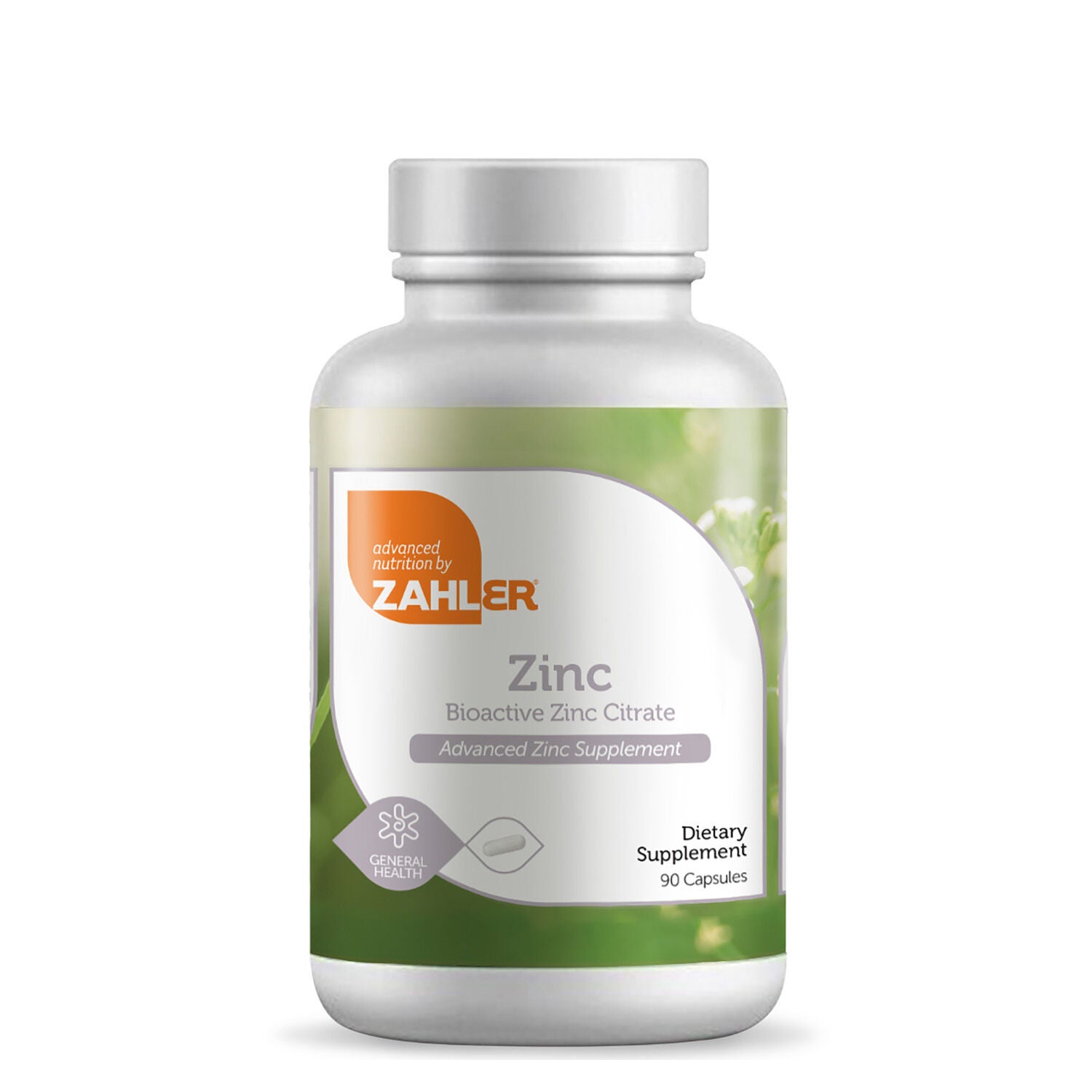
_Front.jpg?sw=305&sh=305&sm=fit "Pure Way-C Vitamin C and Bioflavonoids 1000+ mg - 90 Tablets (90 Servings) | GNC")


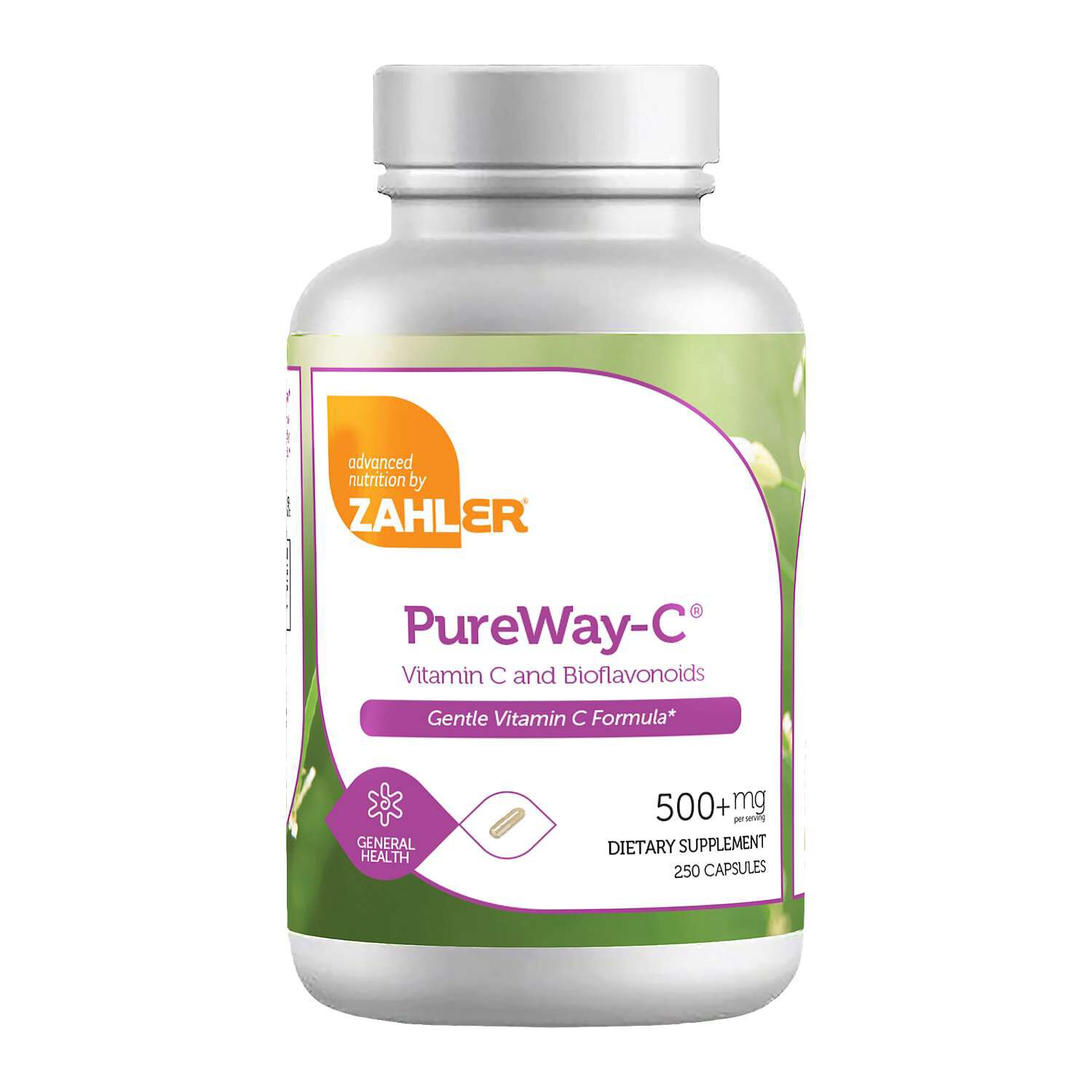


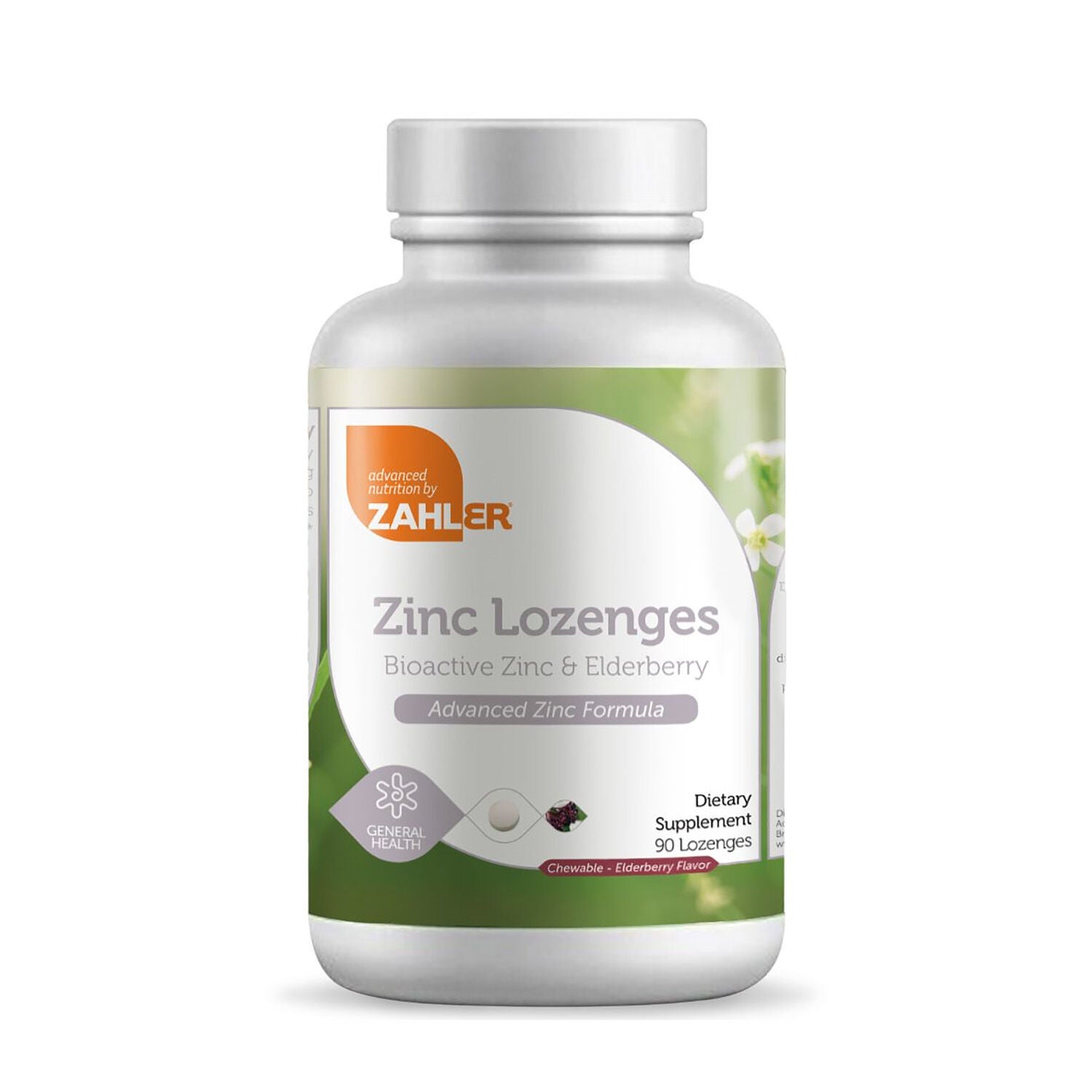
 Orange_Front.jpg?sw=305&sh=305&sm=fit "Junior C - 180 Tablets (180 Servings) | GNC")
 Orange_Front.jpg?sw=305&sh=305&sm=fit "Junior C - 90 Tablets (90 Servings) | GNC")
 Orange_Front.jpg?sw=305&sh=305&sm=fit "Junior C - 500 Tablets (500 Servings) | GNC")
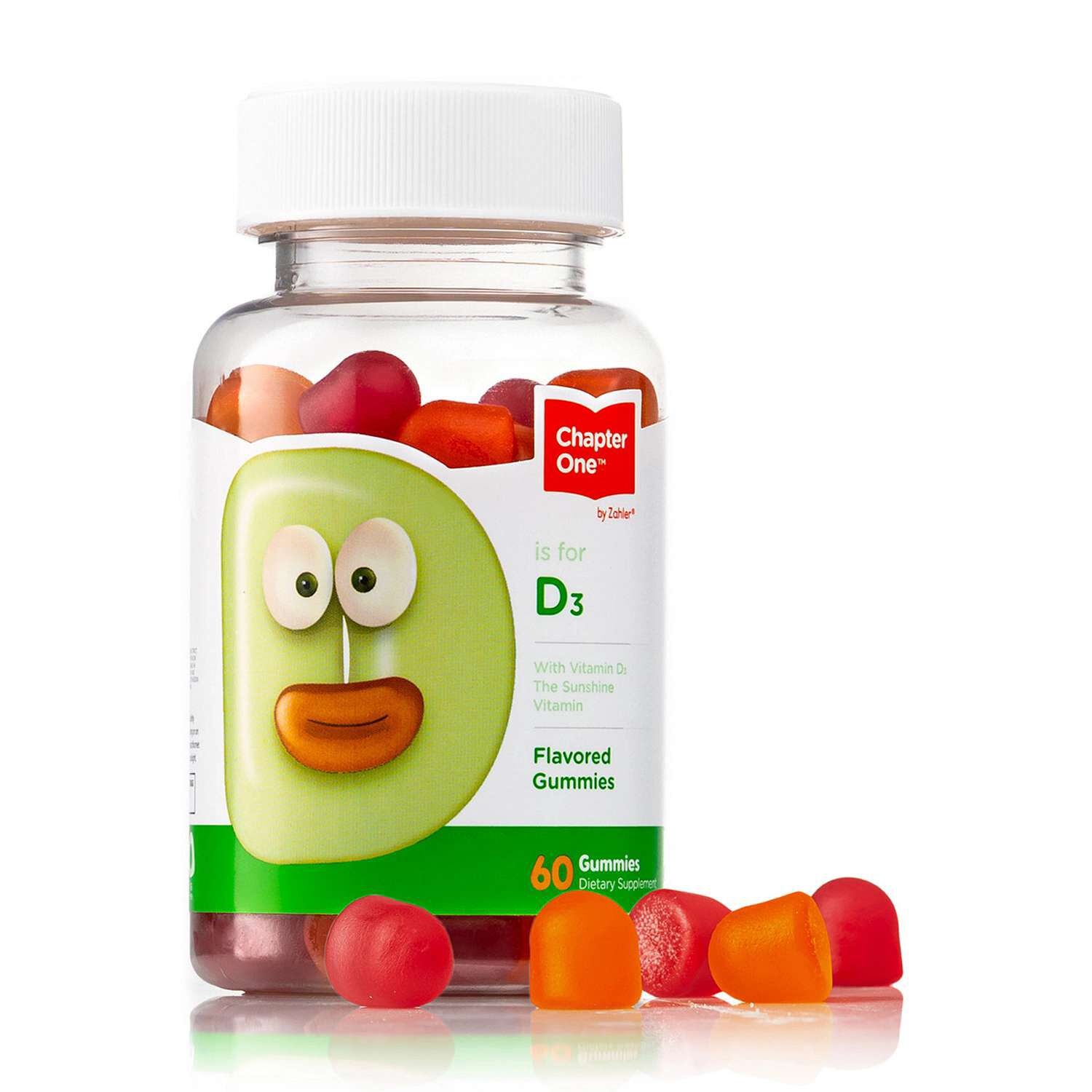
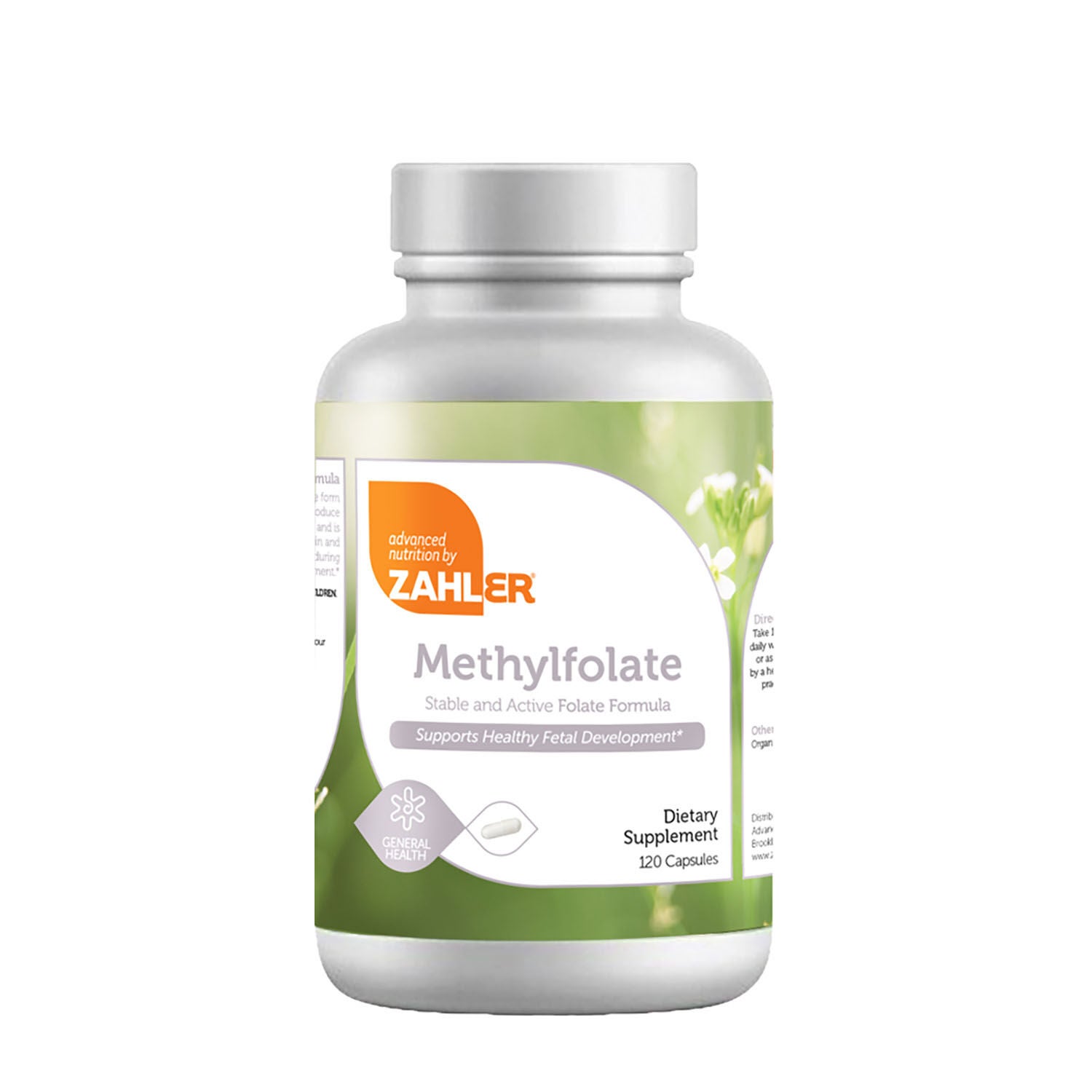
Kosher health products are vitamins, minerals, nutritional supplements, and related nutrition products made to meet Jewish dietary requirements. For shoppers who keep kosher, the distinction involves more than a familiar ingredient name: ingredient sources, processing methods, manufacturing equipment, and certification all contribute to whether a formula fits their dietary practices. Kosher certification generally involves oversight by a certifying organization, with a symbol on the packaging identifying that organization. This matters because a supplement can contain ingredients whose origins are not obvious from the front label, including capsule shells, flavorings, glycerin, and ingredients used during production. A formula described as plant-based or vegetarian is not automatically kosher-certified, and a kosher designation does not automatically mean a product is vegan. Dairy ingredients, for example, can appear in certified formulas. Some products carry a dairy designation, while others are identified as pareve, meaning neither meat nor dairy under kosher dietary law. Those distinctions can matter when selecting something to accompany breakfast, packing nutrition products for a workday, or organizing a kitchen shared by people with different dietary preferences. Kosher health products can include everyday formats such as tablets, capsules, powders, liquids, and chewable supplements, each with its own ingredient profile and serving information. The category brings together nutrition options for adults with varied routines, from someone who prefers a compact bottle beside the breakfast dishes to someone who measures a powder into a shaker before heading out. Certification describes adherence to dietary requirements; it is not a ranking of nutritional quality or a statement about a product’s effects. The most useful product details therefore work together: a recognizable certification symbol, a clear ingredient list, serving information, and a format suited to its intended use. For households that maintain kosher practices, these details make nutrition products easier to evaluate alongside the foods and beverages already part of daily life.
The composition of a kosher supplement extends beyond the vitamin, mineral, or protein named on its label. Tablets may include binding ingredients and coatings, powders may contain sweeteners and flavorings, and softgels may use gelatin and glycerin. Capsule shells can also come from different sources, including gelatin or plant-derived materials, so the shell deserves the same attention as the ingredients inside it. Shoppers comparing kosher health capsules can consider the capsule material, serving size, and certification designation together rather than treating any one feature as a substitute for the others. A serving may consist of one capsule or several, and that difference affects how a bottle fits into an established routine. Capsule dimensions, tablet texture, and the flavor of a chewable or liquid are practical considerations as well. Powders bring another set of preferences into the picture: an unflavored formula differs from a sweetened one, and the suggested mixing liquid can influence both taste and how the preparation fits a kosher kitchen. A dairy-based protein powder, for instance, has a different place in meal planning than a formula bearing a pareve designation. The package remains the source for the actual classification; ingredient names alone do not establish it. Allergen labeling is a separate consideration, since kosher-certified products can contain milk, soy, wheat, or other ingredients that some shoppers avoid. Likewise, a pareve designation is not the same as a vegan designation, because kosher rules and vegan preferences classify certain ingredients differently. Supplement Facts or Nutrition Facts panels provide another layer of useful context, showing serving amounts and nutrient quantities, while the ingredient list identifies other components of the formula. Together, these details describe what a product contains without relying on broad impressions created by packaging. That distinction is especially relevant when comparing similar-looking bottles whose formulas, serving sizes, or certification marks differ.
Intended use and everyday handling also shape the fit of kosher vitamins and supplements. A compact capsule bottle occupies little room in a kitchen cabinet, while a powder container needs space for its scoop and enough clearance to open without spilling. Liquids can require measuring tools and may have refrigeration instructions after opening; chewable formats can have particular storage requirements related to heat and moisture. The packaging directions establish those conditions, including whether a container belongs in a cool, dry location or needs different handling once opened. For powders, dry utensils and a securely closed lid help limit moisture exposure, while keeping labels readable preserves access to serving instructions, certification information, and date markings. Durability in this category is less about rugged construction and more about maintaining the condition of the contents and their packaging through ordinary use. A bottle left in a damp bathroom or a container stored in a hot car may encounter conditions outside its labeled storage directions. Original packaging is particularly useful in a shared household because it keeps the ingredient list and kosher designation with the product rather than separating them into an unlabeled jar. Travel introduces similar considerations: a clearly labeled container keeps important product information accessible when packing for a family visit or a longer stay away from home. During the cooler months, when schedules often include more indoor gatherings and time in shared kitchens, clear labeling can also help distinguish dairy and pareve nutrition products. For someone shopping on behalf of a partner or family member, familiarity with that person’s preferred format and accepted kosher certification is more meaningful than choosing by flavor or bottle size alone. Some households look for a particular certifying organization, making the exact symbol an important purchasing detail. Across the category, the strongest fit comes from the combination of dietary compatibility, clearly described ingredients, manageable serving requirements, and sensible storage needs. Kosher health products offer a way to keep those practical preferences connected to the dietary traditions that shape everyday meals and household routines.